- English
- French
- German
- Portuguese
- Spanish
- Russian
- Japanese
- Korean
- Arabic
- Greek
- German
- Turkish
- Italian
- Danish
- Romanian
- Indonesian
- Czech
- Afrikaans
- Swedish
- Polish
- Basque
- Catalan
- Esperanto
- Hindi
- Lao
- Albanian
- Amharic
- Armenian
- Azerbaijani
- Belarusian
- Bengali
- Bosnian
- Bulgarian
- Cebuano
- Chichewa
- Corsican
- Croatian
- Dutch
- Estonian
- Filipino
- Finnish
- Frisian
- Galician
- Georgian
- Gujarati
- Haitian
- Hausa
- Hawaiian
- Hebrew
- Hmong
- Hungarian
- Icelandic
- Igbo
- Javanese
- Kannada
- Kazakh
- Khmer
- Kurdish
- Kyrgyz
- Latin
- Latvian
- Lithuanian
- Luxembou..
- Macedonian
- Malagasy
- Malay
- Malayalam
- Maltese
- Maori
- Marathi
- Mongolian
- Burmese
- Nepali
- Norwegian
- Pashto
- Persian
- Punjabi
- Serbian
- Sesotho
- Sinhala
- Slovak
- Slovenian
- Somali
- Samoan
- Scots Gaelic
- Shona
- Sindhi
- Sundanese
- Swahili
- Tajik
- Tamil
- Telugu
- Thai
- Ukrainian
- Urdu
- Uzbek
- Vietnamese
- Welsh
- Xhosa
- Yiddish
- Yoruba
- Zulu
RA Series Crossed Roller Bearing: High Rigidity Solution
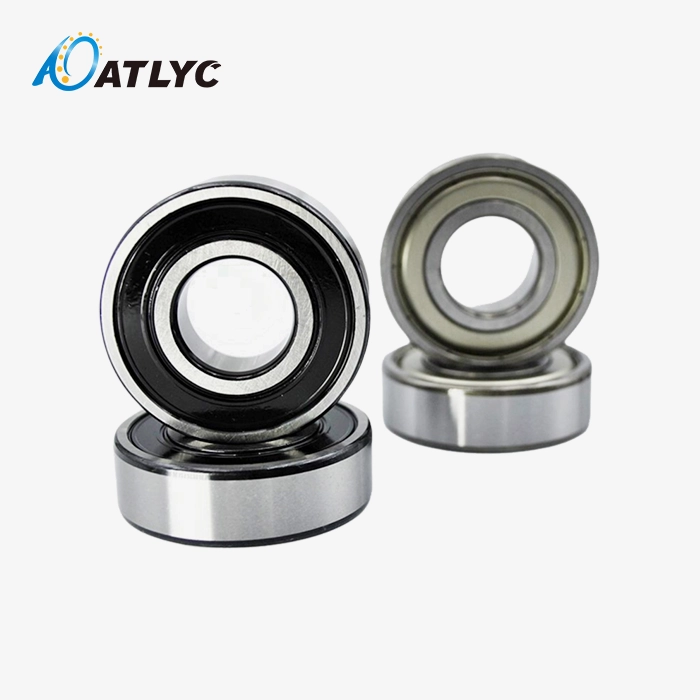
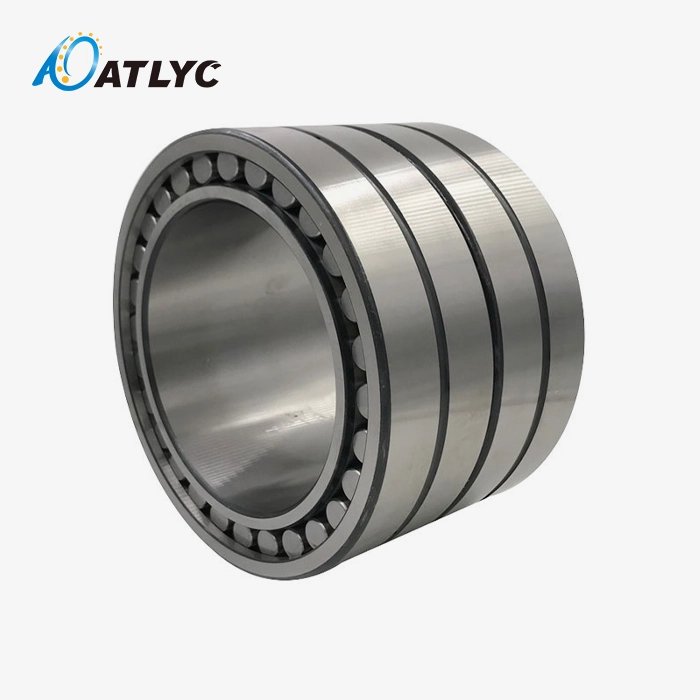
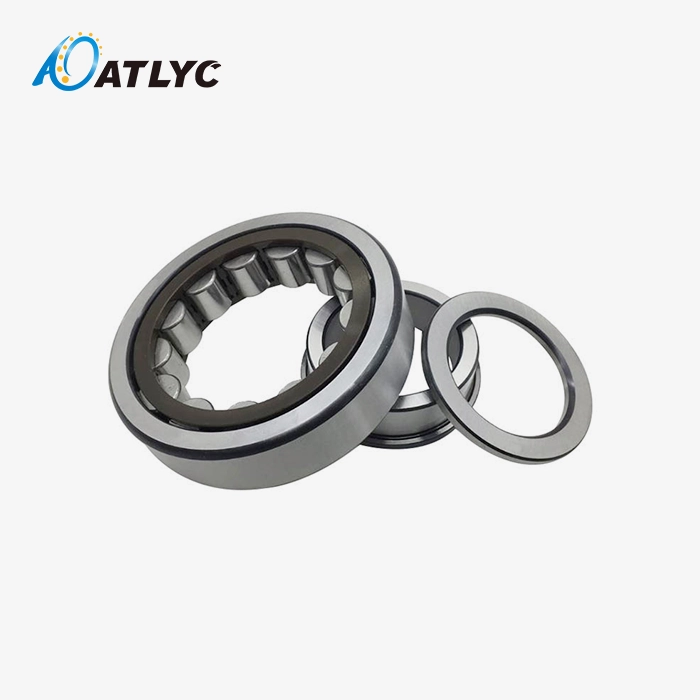
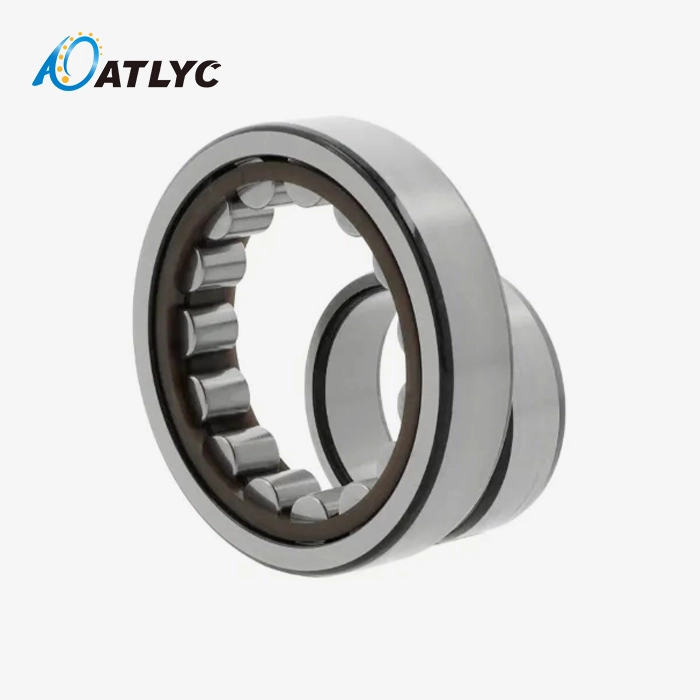
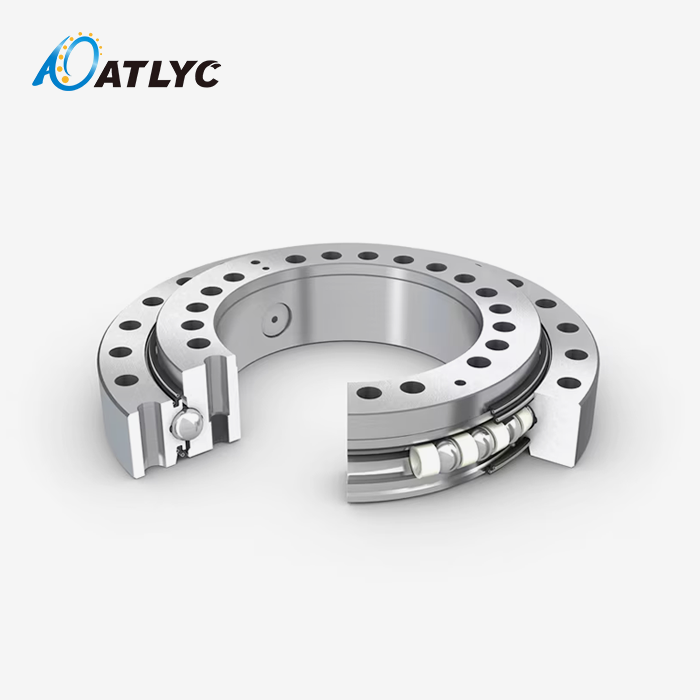
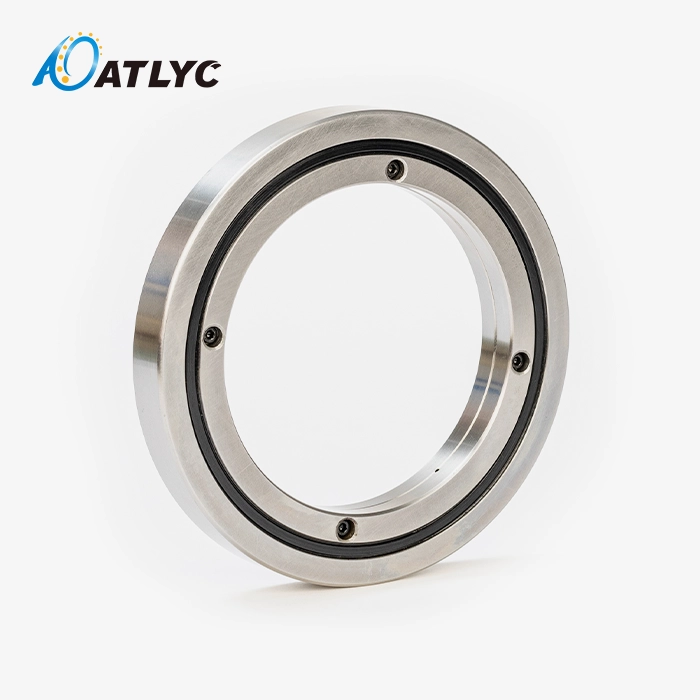
When very precise machinery needs to be very rigid while taking up very little room, the RA Series Crossed Roller Bearing gives you the best performance thanks to its innovative engineering design. This very small bearing solution has an outer ring that can be separated and an inner ring that can rotate. This makes it the best choice for situations where space needs to be optimized and heavy loads need to be handled. The crossing roller design puts cylindrical rollers on V-groove raceway surfaces at right angles to each other at 90 degrees. This lets a single bearing handle radial, axial, and moment loads at the same time. This complex design solves the important problem in the industry of making precision robotic equipment as hard as possible while still being small.
Understanding RA Series Crossed Roller Bearings: Design and Specifications
Crossed roller bearings are great for engineers because they have a unique way of managing pressure and making the best use of space. These precision parts are a big step up from traditional bearings because they have circular wheels that are placed perpendicular to each other and precision spacers between them to make sure that the load is spread evenly across the V-groove raceway surfaces.
Innovative Separable Outer Ring Design
The separable outer ring design makes this line of bearings different from others on the market because it makes assembly and upkeep easier. This design makes it possible for techs to install or change bearings without taking apart nearby parts. This cuts down on downtime and makes maintenance easier. The inner ring that is built in keeps the rotary accuracy high, reaching micron-level accuracy that is needed for tough industrial uses. The thin-wall design keeps the structure's strength and load capacity while reducing both weight and room needs.
Comprehensive Size Range and Material Specifications
There is a wide range of sizes available to meet the needs of different applications. The inner diameters range from 20mm to 350mm, the outer diameters from 70mm to 540mm, and the widths range from 12mm to 45mm. These measurements make it possible for different types of tools to be set up in the same way, while still meeting performance standards. The bearings are made of high-quality Gcr15 and Gcr15SiMn materials, which are known for being very hard, resistant to wear, and stable in size even when used in a variety of situations.
Precision Accuracy Classifications
Quality standards include different levels of accuracy, such as P6, P0, P5, RA Series Crossed Roller Bearing, and P4 marks, so they can be used in situations that need different levels of leeway. With these categories, procurement teams can choose the best amount of precision based on practical needs, keeping cost and performance goals in mind. With precisely ground raceway surfaces and controlled roller spacing, runout errors are kept to a minimum, and the rotational features stay stable even when the load changes.
Comparing RA Series Crossed Roller Bearings with Other Bearing Types
When choosing an industrial bearing, it's important to think carefully about how it will work, how much it will cost, and what practical benefits it will provide. The RA Series Crossed Roller Bearing is clearly better than other options because of its unique shape and the fact that it can handle more weight.
Performance Advantages Over Traditional Ball Bearings
Standard ball bearings can usually handle loads that only go in one direction well, but they have trouble with mixed loads that are common in precision machinery. Crossed roller technology gets around these problems by offering very high stiffness and much higher load capacities in multiple directions at the same time. The arrangement of vertical rollers makes more contact surfaces, which spreads loads more evenly than point contact systems found in ball bearings.
Cost-Performance Analysis and Long-Term Value
The original investment costs may be higher than for standard bearing solutions, but the full cost-performance study shows that there are big long-term benefits. Less frequent upkeep, longer service life, and higher operating reliability all add up to lower total costs over the lifecycle of an item. Because a single bearing unit can handle complex loads, there is no need for multiple bearing places. This cuts down on the cost of parts and the complexity of the system.
Operational Benefits in High-Precision Applications
Case studies from the robots and machine tool industries show that crossed roller methods make operations better in real ways. Manufacturers of equipment say that automatic methods are more accurate in terms of position, have less vibration, and can be repeated more often. These benefits directly lead to better products, more efficient production, and fewer damage claims from customers.

Applications and Benefits of RA Series Crossed Roller Bearings in B2B Industries
Precision parts that work the same way in all kinds of operating situations are becoming more and more important in modern industrial uses. Because crossed roller technology is flexible and reliable, these bearings are necessary parts in many high-performance applications.
Critical Applications Across Multiple Industries
In industrial robotics, joint accuracy has a direct effect on how well the robot works as a whole, making it one of the most demanding uses for precision bearings. The RA Series Crossed Roller Bearing works great in robotic joints and parts that spin. It gives the stiffness needed for accurate positioning and smooth operation. These bearings are used on rotating tables by machining centers. Their accuracy and load capacity decide the quality of the work and how quickly it is done. Manufacturers of medical equipment use crossed roller bearings in imaging and precision tools, where an accurate and smooth spinning RA Series Crossed Roller Bearing is very important. These parts are used in chip handling and positioning systems in tools used to make integrated circuits. They need to work very well because there is a chance of contamination, and accuracy is important. These bearings make measuring tools and precise rotating tables more accurate and stable, which is good for them.
Enhanced Productivity and Operational Reliability
Because crossed roller bearings are strong, they have less downtime and upkeep costs, which are important for B2B clients who want to increase efficiency in competitive manufacturing markets. The low friction coefficient makes spinning smooth while using less energy and producing less heat. Excellent runout accuracy guarantees consistent performance over long operating periods, meeting the needs for constant production.
Integration, Flexibility, and Space Conservation
Modern equipment design has to deal with important room limitations, and compact design features help engineers make the best machine plans without sacrificing performance. Being able to handle combined loads in a small installation space gives designers a lot of freedom, letting them make equipment combinations that are smaller and more efficient.
Procurement Guide: Sourcing and Maintaining RA Series Crossed Roller Bearings
Good procurement strategies make sure that you can always get high-quality precision bearings while keeping costs low and the supply chain running smoothly. Industrial buyers can make smart choices that support long-term business success by understanding key procurement factors.
Selecting Trusted Manufacturers and Suppliers
Finding manufacturers with stable quality, reliable shipping, and full expert help is the first step to successful procurement. Getting ISO 9001 and IATF 16949 certifications shows that you follow quality control systems and standards for the automotive business. Critical factors for evaluating possible suppliers include their ability to make things, their engineering knowledge, and their foreign experience.
Understanding Price Drivers and Volume Considerations
Pricing structures take into account many things, like the cost of materials, the level of customization needed, the number of orders, and the level of accuracy needed. When planning long-term purchasing plans, volume prices can help you get the best deals on goods. Custom specs may change the price, but they can help improve the performance of a bearing in a certain application. To make sure there are enough supplies on hand, lead time management requires coordinating when to buy things and when to make them.
Installation and Maintenance Best Practices
How the bearings are installed has a big effect on how well they work and how long they last. Precise attachment methods, the right choice of lubricant, and environmental protection measures keep things from breaking down too soon and make operations run more smoothly. Routine maintenance plans that include inspection dates, re-greasing, and checking on performance help bearings last longer and give you the best return on your investment.
Why Choose RA Series Crossed Roller Bearings: A Rational Decision for Your Business
In today's tough industrial world, strategic bearing choice affects how well equipment works, RA Series Crossed Roller Bearing how much it costs to run, and how competitive it is. The RA Series Crossed Roller Bearing has strong benefits that help businesses reach their goals in many areas.
Competitive Advantages and Technical Superiority
Crossed roller bearings are better than traditional precision bearings because they are more stiff, can hold more weight, and are more reliable over a long period of time. The unique design method solves several engineering problems at once, making it easier to build equipment and improving its performance. This technical edge gives them an edge over their competitors in terms of machine performance, dependability, and business efficiency.
Strategic Considerations for Procurement Managers
When making a procurement choice, you need to look at a lot of things, such as the starting prices, the total cost of ownership, the supplier's trustworthiness, and their expert support. When choosing a provider, it's important to think about things like the level of service support, the length of the warranty, and how the product is always being improved. When you can adjust bearings for specific uses, you get more value because the performance traits are better.
Future-Ready Technology Integration
Crossed roller bearings are compatible with Industry 4.0 projects and smart production environments because technology is always getting better. Modern production needs are met by digital tracking systems, the ability to integrate sensors, and the ability to work with predictive maintenance. These traits ensure long-term success in the industry and the ability to react to changing technological environments.
Conclusion
The RA Series Crossed Roller Bearing has been used for a long time and has been shown to work well in industrial settings that need high stiffness, accuracy, and dependability in a small package. These bearings work very RA Series Crossed Roller Bearing well in many different industrial settings thanks to their clever design, which combines a detachable outer ring, crossed roller technology, and high-quality materials. The wide range of sizes, different levels of accuracy, and strong construction of the materials make it possible to meet a wide range of operating needs while keeping high-quality standards. Buying these precise parts in a planned way helps improve the performance of tools, lower running costs, and make a business more competitive in tough industrial markets.

FAQ
1. What advantages does the RA Series offer over conventional ball bearings?
The crossed roller design is better at handling loads in more than one direction at the same time, while regular ball bearings are better at handling loads in just one direction. When compared to point contact systems in ball bearing designs, the vertical roller setup makes the contact surface areas bigger. This means that the bearing can handle more weight, be more rigid, and turn more accurately.
2. How do I select the appropriate bearing size and load capacity for my application?
The size to choose depends on the installation room you have, the load you need to carry, and how accurate you need to be. The wide range of sizes, with inner widths ranging from 20mm to 350mm, allows for a wide range of equipment combinations. To make sure that the best bearing is chosen for the job, radial, axial, and moment load combinations must be looked at when figuring out the load capacity.
3. What customization options are available for specialized industrial applications?
Customization choices include changing the sizes, using different materials, adding more closing options, and choosing the right accuracy levels for each application. These changes make sure that specialized equipment works well and is compatible with the changes, while keeping quality standards and reliable traits.
Partner with ATLYC for Premium RA Series Crossed Roller Bearing Solutions
ATLYC is a reliable company that has been making RA Series Crossed Roller Bearing for 15 years and has quality systems that are ISO 9001 and IATF 16949 approved. Our extensive production capabilities, which include six specialty workshops and 120 skilled workers, guarantee the regular supply of high-precision bearings that meet the most stringent industry needs. Email our technical team at auto@lyautobearing.com to talk about your unique application needs, get full product specifications, and get quotes from other companies. ATLYC is a popular seller in many global markets, such as the US, Germany, and South Korea. You can experience the benefits of stability and efficiency for yourself.
References
1. International Organization for Standardization. "Rolling Bearings - Vocabulary, Boundary Dimensions and Geometrical Product Specifications." ISO 492:2014.
2. Society of Automotive Engineers. "Surface Texture Specifications for Cylindrical Roller and Spherical Roller Thrust Bearings." SAE J946.
3. American National Standards Institute. "Load Ratings and Fatigue Life for Ball Bearings." ANSI/ABMA 9-1990.
4. German Institute for Standardization. "Rolling Bearings - Crossed Roller Bearings, Boundary Dimensions and Tolerances." DIN 616.
5. Japan Society of Mechanical Engineers. "Precision Bearing Technology for Industrial Robotics Applications." JSME Technical Publication 2019.
6. European Bearing Manufacturers Association. "Guidelines for Crossed Roller Bearing Selection in High-Precision Applications." EBMA Technical Report 2020.
Learn about our latest products and discounts through SMS or email