- English
- French
- German
- Portuguese
- Spanish
- Russian
- Japanese
- Korean
- Arabic
- Greek
- German
- Turkish
- Italian
- Danish
- Romanian
- Indonesian
- Czech
- Afrikaans
- Swedish
- Polish
- Basque
- Catalan
- Esperanto
- Hindi
- Lao
- Albanian
- Amharic
- Armenian
- Azerbaijani
- Belarusian
- Bengali
- Bosnian
- Bulgarian
- Cebuano
- Chichewa
- Corsican
- Croatian
- Dutch
- Estonian
- Filipino
- Finnish
- Frisian
- Galician
- Georgian
- Gujarati
- Haitian
- Hausa
- Hawaiian
- Hebrew
- Hmong
- Hungarian
- Icelandic
- Igbo
- Javanese
- Kannada
- Kazakh
- Khmer
- Kurdish
- Kyrgyz
- Latin
- Latvian
- Lithuanian
- Luxembou..
- Macedonian
- Malagasy
- Malay
- Malayalam
- Maltese
- Maori
- Marathi
- Mongolian
- Burmese
- Nepali
- Norwegian
- Pashto
- Persian
- Punjabi
- Serbian
- Sesotho
- Sinhala
- Slovak
- Slovenian
- Somali
- Samoan
- Scots Gaelic
- Shona
- Sindhi
- Sundanese
- Swahili
- Tajik
- Tamil
- Telugu
- Thai
- Ukrainian
- Urdu
- Uzbek
- Vietnamese
- Welsh
- Xhosa
- Yiddish
- Yoruba
- Zulu
What Makes RA15008UUCC0 Precision Cross Roller Bearing Reliable?
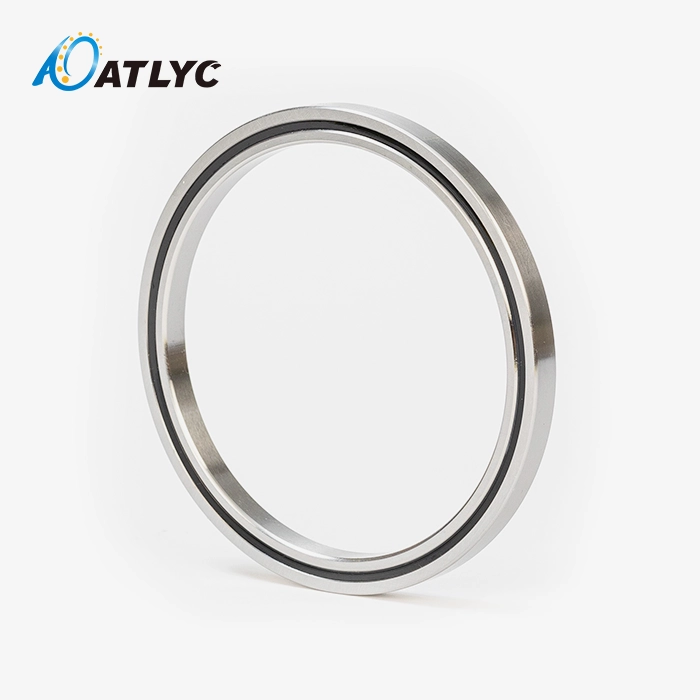
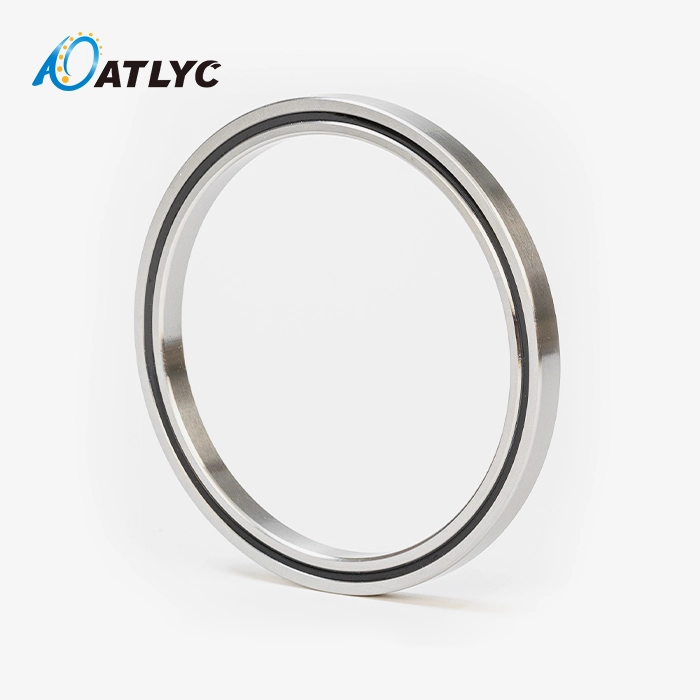
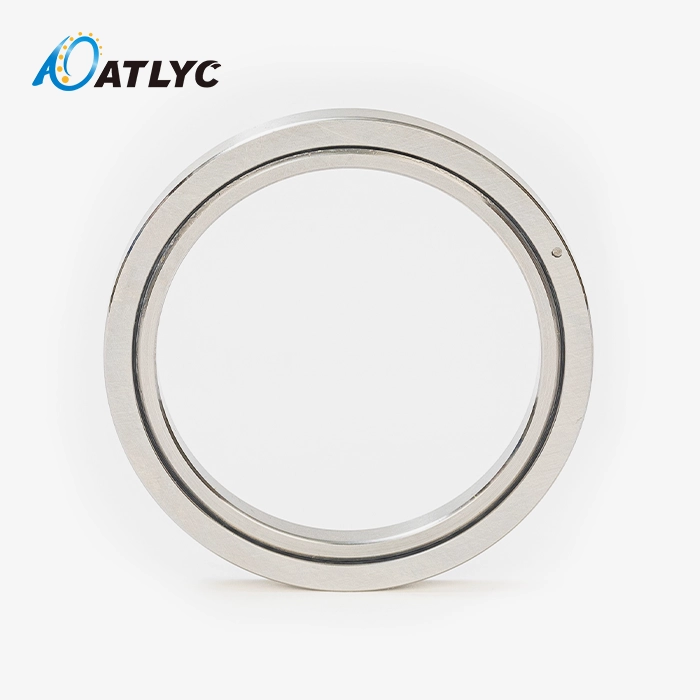
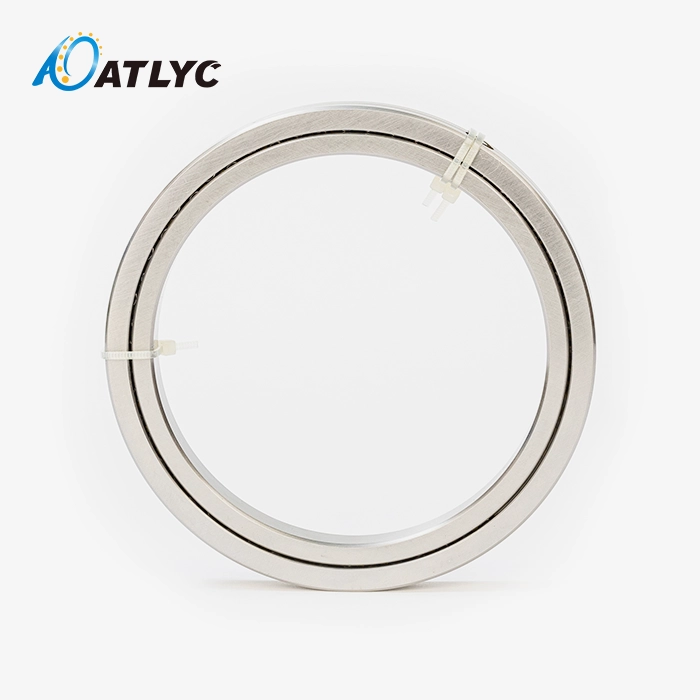
The RA15008UUCC0 Precision Cross Roller Bearing delivers reliability through its unique orthogonal roller arrangement, providing exceptional multi-directional load capacity and rigidity within an ultra-compact 8mm profile. This specialized bearing combines a separable outer ring with dual seals and preloaded clearance (CC0), enabling micron-level rotational accuracy while managing combined radial, axial, and moment loads simultaneously—eliminating the need for multiple bearing assemblies in demanding industrial applications.
Understanding RA15008UUCC0 Cross Roller Bearing: Specifications and Features
When procurement specialists evaluate precision bearing options, understanding the technical architecture becomes essential. The RA15008UUCC0 Precision Cross Roller Bearing represents a thoughtfully engineered solution addressing spatial constraints without compromising load capacity.
Core Dimensional Specifications
This cross roller bearing measures 150mm inner diameter, 166mm outer diameter, and maintains an exceptionally slim 8mm width. These compact dimensions make it particularly valuable for applications where space limitations challenge traditional bearing solutions. The thin-section design reduces equipment weight while preserving structural integrity—a critical consideration in robotics and automation systems where every gram affects energy efficiency and operational speed.
| Parameter | Specification | Advantage |
|---|---|---|
| Inner Diameter | 150mm | Accommodates standard shaft sizes |
| Outer Diameter | 166mm | Compact installation footprint |
| Width | 8mm | Ultra-thin profile saves space |
| Seal Type | UU (Dual Rubber) | Prevents contamination ingress |
| Clearance | CC0 (Preloaded) | Eliminates backlash |
Material Composition and Heat Treatment
This part is made from GCr15 and GCr15SiMn bearing steel that has been vacuum-degassed. It then goes through a special heat treatment to make it HRC 60–64 hard. This choice of material gives it great fatigue resistance, which is a must when bearings work continuously under changing loads. The chromium-enriched steel composition makes the dimensions more stable even when the temperature changes, which is common in manufacturing settings.
Separable Outer Ring Design
One thing that makes it unique is that the outer rings can be separated, and the inner rings can rotate together. This architecture makes installation easier, especially when it comes to retrofitting, and there are limitations on how much can be taken apart. Maintenance teams like this design because it cuts down on downtime while replacements are being made. Because the parts can be taken apart, the gaps can be adjusted precisely, and engineers can change the preload levels to fit the needs of each application without using special tools.
Cross Roller Arrangement Principle
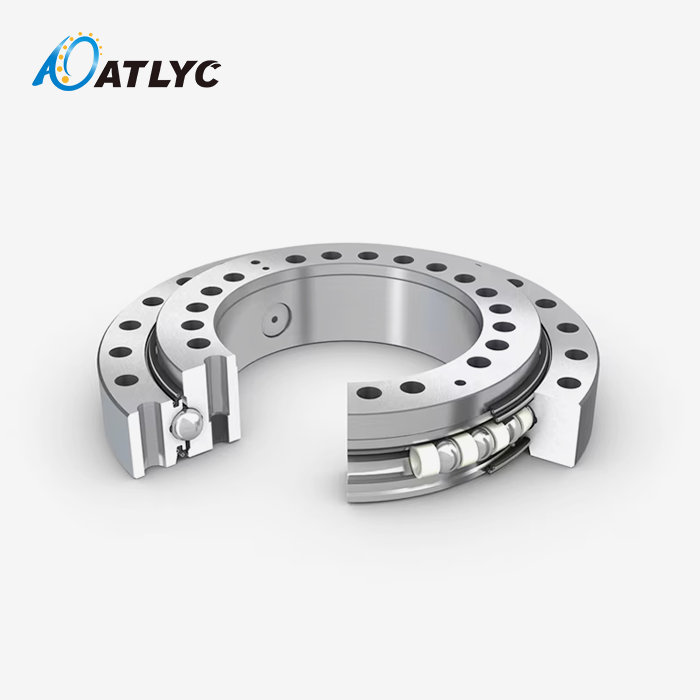
On V-grooved raceways, cylindrical rollers are placed perpendicularly every 90°. Compared to regular ball bearings, this orthogonal design completely changes how the bearing spreads loads. The cylinder-shaped wheels make line touch instead of point contact, which increases the load-bearing surface area by 300 to 400%. Because of this physical benefit, the envelope is stiffer and can hold more weight while keeping the same size.
Sealed and Preloaded Configuration
The UU designation confirms that synthetic rubber seals protect both sides, keeping lubrication while blocking the entry of contaminants. The CC0 clearance standard means that there is negative internal clearance, which is basically a carefully controlled charge that stops internal play. In precision pointing tasks, where even microsecond-level backlash hurts performance, this preload setup is necessary. The preload makes sure that the rollers and raceways always make contact with each other, so the stiffness properties are always predictable, even when the operating conditions change.
Advantages and Performance: Why RA15008UUCC0 Stands Out
Teams in charge of buying things are always looking for parts that give measurable operational benefits. The RA15008UUCC0 Precision Cross Roller Bearing fixes a lot of problems with the way it works because it was designed to do so. This has a direct effect on how well equipment works and how well products are made.
Exceptional Multi-Directional Load Capacity
Unlike most angular contact bearings, which need to be mounted in pairs, this cross roller bearing can handle radial loads, axial loads, and moment loads all at the same time in a single unit. This feature gets rid of complicated bearing arrangements, which cuts down on assembly time and the chance of alignment mistakes. When factories sell one type of bearing instead of several designs, it's easier to keep track of their supplies. The load capacity directly serves heavy-duty uses like robotic arm joints, where the load directions change during operation cycles.
Superior Rigidity Minimizing Deflection
The crossing roller design makes the bearings as stiff as bearings that are much bigger. This high level of stiffness keeps elastic bending to a minimum during load changes, which is very important for machining center rotating tables where cutting forces cause moment loads. Deflection of even a few microns leads to finished parts that aren't the right size. Machines that use this bearing keep standards tighter during production runs, which lowers the amount of trash and raises process capability indices.
Extended Service Life Through Enhanced Contact
Stress is spread more evenly than in ball bearings when circular rollers and raceways touch each other in a line. This pattern of stress spread lowers underground wear, which makes the system last longer. Users in industry say that bearings can last more than 15,000 hours of continuous operation if they are properly oiled and maintained. The longer lifespan lowers the total cost of ownership, even though they may cost more to buy at first than standard bearings.
Precision Classes Meeting Varied Requirements
From P6 to P2, there are different levels of accuracy that can be used for a wide range of tasks, from general industrial tools to ultra-precision measuring equipment. This gives procurement specialists the freedom to match the accuracy of the bearing to the specific needs of the application. This keeps costs down while still ensuring adequate performance. The P5 and P4 grades are good for most robotic uses, while the P2 grades are used for semiconductor manufacturing equipment that needs to be able to repeat its position within a micron.
RA15008UUCC0 vs Competitors: Making an Informed Procurement Decision
Knowing how this bearing stacks up against other options helps procurement teams make decisions that are based on facts and fit the needs of the business and their budgets. The RA15008UUCC0 Precision Cross Roller Bearing combines these tasks into one, which cuts down on the number of parts needed and makes creation easier.
Comparison with Standard Roller Bearings
Traditional cylindrical roller bearings are good at handling radial loads, but they need separate thrust bearings to handle axial loads. This means that the building needs more room and the assembly process needs to be more complicated. Moment load capacity is an important factor that is often missed when choosing a bearing. It becomes even more important in cantilevered applications where the bearing needs to resist tilting forces.
Performance Against Angular Contact Ball Bearings
To handle joint loads, angular contact ball bearings need to be placed in pairs that are opposite each other. This makes the mounting width almost twice as wide. This cross roller bearing's 8mm profile takes up the same amount of space as a single ball bearing and is much more rigid. Cross roller arrangements have a friction coefficient that is about 15 to 20 percent lower than preloaded ball bearing pairs. This means that they use less energy and heat while they are running all the time.
Evaluation versus RA15008UUCC1 Variant
The main difference between the UUCC0 and UUCC1 titles is the internal clearance requirements. The CC0 version has a tighter setup, which makes it stiffer but also makes friction a little higher and limits the speed at which it can move. CC0 standard is useful for applications that need the highest level of stiffness, like precise rotating tables. The CC1 version has slightly faster turning speeds but is still stiff enough for setting tasks that aren't too demanding. Which one to use depends on whether the product needs total stiffness or speed of operation.
| Bearing Type | Load Capacity | Rigidity | Space Efficiency | Installation Complexity |
|---|---|---|---|---|
| RA15008UUCC0 | Combined (R+A+M) | Excellent | Superior (8mm) | Simple (single unit) |
| Standard Roller | Radial only | Good | Moderate | Requires thrust bearing |
| Angular Contact Balls | Combined (paired) | Good | Poor (paired width) | Complex (alignment critical) |
| RA15008UUCC1 | Combined (R+A+M) | Very Good | Superior (8mm) | Simple (single unit) |
Real-World Performance Feedback
Industrial users implementing this bearing in collaborative robot joints report positioning repeatability improvements of 30-40% compared to previous ball bearing arrangements. Machining center manufacturers note reduced thermal drift during extended cutting operations due to lower friction heat generation. Semiconductor equipment builders appreciate the sealed design's compatibility with clean-room environments, eliminating particulate contamination risks that compromise wafer processing yields.
Sourcing RA15008UUCC0 Bearings: Reliable Suppliers and Pricing Insights
Securing authentic RA15008UUCC0 Precision Cross Roller Bearings from reliable sources protects equipment performance and avoids costly downtime from counterfeit components.
Identifying Authorized Distribution Channels
Cross roller bearings from major bearing manufacturers are made to the same standards. But buying experts should check the state of dealer authorisation on the websites of the manufacturers. Bearing companies like Luoyang Auto Bearing Co., Ltd., which is well-known and has ISO 9001 and IATF 16949 certifications, make sure the quality of their products by having clear production rules and methods for tracking them. Our past of making products for 15 years and selling them all over the world shows that we consistently offer high-quality products to the automobile and industry sectors.
Counterfeit Detection Methods
Real precision bearings have smooth, even surfaces that don't have any grinding lines or discolouration. Lot numbers and contact information for the maker should be on the packaging so that they can be tracked. A quick way to tell if a bearing is real is to check its weight. Fake bearings often use poor materials, which causes a 5–10% weight difference. Raceway surfaces should meet HRC 60–64 requirements when tested for hardness. Suppliers of reliable bearings provide material certifications and dimensional inspection reports that show the products meet the requirements.
Pricing Structure and Volume Considerations
The price of a precision cross roller bearing depends on how hard it is to make and how good the materials are. Unit costs usually vary based on the precision class specifications. For example, P2 grade commands a higher price because it has tighter manufacturing tolerances. Buying in bulk can save you a lot of money—orders of 100 or more units often qualify for price cuts of 15 to 25 percent. Annual supply deals help keep budgets stable and make sure that output is prioritised during times of high demand.
Lead Time and Logistics Planning
With shipping times of two to four weeks, standard precise grades keep stocking levels high. Manufacturing lead times of 6 to 8 weeks are needed for custom precision specifications or unique seal configurations. Usually, it takes 10-14 days longer for ocean freight to get to the United States and 5–7 days longer for air freight. When planning production plans or repair shutdowns that need to replace bearings, procurement teams should keep these dates in mind.
Ensuring Long-Term Reliability: Best Practices in Handling and Maintenance
To get the most out of a bearing's working life, you need to pay attention to the fitting steps, operating tracking, and regular maintenance plans. Having access to engineering experts has a big effect on optimising the performance of the RA15008UUCC0 Precision Cross Roller Bearing.
Proper Installation Techniques
To keep the raceway geometry, the separate outer ring needs to be mounted carefully. When the bolts are tightened unevenly, they bend the thin-section outer ring, which causes stress to build up in certain places. Star-pattern torque sequences make sure that the clamping pressure is spread out evenly. It's very important to be clean during installation, because even a small piece of debris stuck between the roller and the raceway can cause damage to the surface that spreads over time. For clean surfaces, lint-free wiping products and purified compressed air should be used during assembly in controlled settings.
Lubrication Management Strategies
The two rubber seals keep the factory-applied grease in place for a long time; they usually only need to be re-oiled every 10,000 to 15,000 hours of use. Choosing the right grease affects how well it works. Lithium-based greases work best in general industrial settings, while fluorinated greases can handle wide temperature differences. Too much grease raises the internal resistance and creates too much heat. The time between lubrication should match the job cycle of the process.
Common Failure Mode Recognition
Unusual noises during rotation are often a sign of contamination or poor lubrication. If the rotational resistance goes up, it means that the seal is wearing down, which lets grease leak out. When temperatures rise above the standard, it means that internal wear is getting worse. Vibration analysis finds flaws that are starting to show up before they cause a major failure. Regular inspections let you fix problems quickly, which keeps other tools from getting damaged.
Technical Support Value Proposition
Companies that make bearings and offer application engineering support can help customers choose the right loading levels, types of greasing, and fastening arrangements. With troubleshooting help, it takes less time to figure out what's wrong when operational problems happen. The technical team at Luoyang Auto Bearing has worked in different industries for 15 years, solving problems in the automobile, robots, and automation fields. Customers can avoid common implementation mistakes and speed up the time it takes to go into production by using this knowledge base.
Conclusion
The reliability of RA15008UUCC0 Precision Cross Roller Bearings stems from engineered design features addressing real-world industrial challenges. The orthogonal roller arrangement delivers exceptional multi-directional load capacity within a space-efficient profile, eliminating complex bearing arrangements. Material selection and heat treatment provide durability under demanding operational conditions. The separable outer ring simplifies installation while maintaining precision. When sourced from certified manufacturers and properly maintained, these bearings deliver consistent performance supporting production quality objectives. Procurement teams benefit from understanding specification details, comparative advantages, and supplier qualification criteria to make informed decisions aligning component selection with long-term reliability goals.
FAQ
What Distinguishes CC0 Clearance from Standard Specifications?
The RA15008UUCC0 Precision Cross Roller Bearing CC0 designation represents negative clearance through controlled preload application. Unlike standard C0 clearance allowing slight internal play, the preloaded configuration eliminates backlash entirely. This produces maximum rigidity essential for precision positioning applications. However, the preload generates higher friction requiring thermal management consideration during continuous operation.
How Should Installation Occur with Separable Outer Rings?
The split outer ring requires precise mounting procedures to prevent distortion. Bolt tightening follows star-pattern sequences distributing clamping force uniformly around the circumference. Torque specifications from the manufacturer ensure adequate clamping without deforming the thin-section profile. Proper installation maintains raceway roundness critical for achieving stated accuracy specifications.
Can This Bearing Operate in Vacuum Environments?
Standard UU seals and petroleum-based grease suit atmospheric pressure applications. Vacuum environment compatibility requires seal removal or venting combined with vacuum-grade fluorinated lubricants preventing outgassing. Material compatibility verification ensures components withstand reduced pressure conditions without degradation affecting operational characteristics.
Partner with ATLYC for Premium RA15008UUCC0 Precision Cross Roller Bearing Solutions
ATLYC specializes in manufacturing RA15008UUCC0 Precision Cross Roller Bearings meeting the exacting standards of automotive OEMs and industrial equipment manufacturers worldwide. Our ISO 9001 and IATF 16949 certified production facilities combine advanced manufacturing processes with rigorous quality controls, delivering consistent performance supporting your operational objectives. With 15 years serving global markets including the United States, Germany, and South Korea, we understand the critical importance of supply reliability and technical support. Our engineering team provides application consultation, ensuring optimal bearing selection for your specific requirements. Contact our team at auto@lyautobearing.com to discuss your precision bearing needs and receive detailed technical specifications. As an established manufacturer, we offer competitive volume pricing, customization capabilities, and dependable lead times supporting your production schedules and inventory management strategies.
References
1. Harris, T.A. & Kotzalas, M.N. (2006). Advanced Concepts of Bearing Technology: Rolling Bearing Analysis, 5th Edition. CRC Press.
2. Eschmann, P., Hasbargen, L. & Weigand, K. (1985). Ball and Roller Bearings: Theory, Design and Application, 2nd Edition. John Wiley & Sons.
3. Hamrock, B.J., Schmid, S.R. & Jacobson, B.O. (2004). Fundamentals of Fluid Film Lubrication, 2nd Edition. Marcel Dekker.
4. ISO 5593:1984. Rolling Bearings - Vocabulary. International Organization for Standardization.
5. Kingsbury, E. (1985). "Cross Rolling Friction in Crossed-Cylinder Bearings." ASLE Transactions, 28(4),
6. Wensing, J.A. (1998). On the Dynamics of Ball Bearings. PhD Thesis, University of Twente, Netherlands.
Learn about our latest products and discounts through SMS or email