- English
- French
- German
- Portuguese
- Spanish
- Russian
- Japanese
- Korean
- Arabic
- Greek
- German
- Turkish
- Italian
- Danish
- Romanian
- Indonesian
- Czech
- Afrikaans
- Swedish
- Polish
- Basque
- Catalan
- Esperanto
- Hindi
- Lao
- Albanian
- Amharic
- Armenian
- Azerbaijani
- Belarusian
- Bengali
- Bosnian
- Bulgarian
- Cebuano
- Chichewa
- Corsican
- Croatian
- Dutch
- Estonian
- Filipino
- Finnish
- Frisian
- Galician
- Georgian
- Gujarati
- Haitian
- Hausa
- Hawaiian
- Hebrew
- Hmong
- Hungarian
- Icelandic
- Igbo
- Javanese
- Kannada
- Kazakh
- Khmer
- Kurdish
- Kyrgyz
- Latin
- Latvian
- Lithuanian
- Luxembou..
- Macedonian
- Malagasy
- Malay
- Malayalam
- Maltese
- Maori
- Marathi
- Mongolian
- Burmese
- Nepali
- Norwegian
- Pashto
- Persian
- Punjabi
- Serbian
- Sesotho
- Sinhala
- Slovak
- Slovenian
- Somali
- Samoan
- Scots Gaelic
- Shona
- Sindhi
- Sundanese
- Swahili
- Tajik
- Tamil
- Telugu
- Thai
- Ukrainian
- Urdu
- Uzbek
- Vietnamese
- Welsh
- Xhosa
- Yiddish
- Yoruba
- Zulu
What Makes RB Series Cross Roller Bearings Unique?
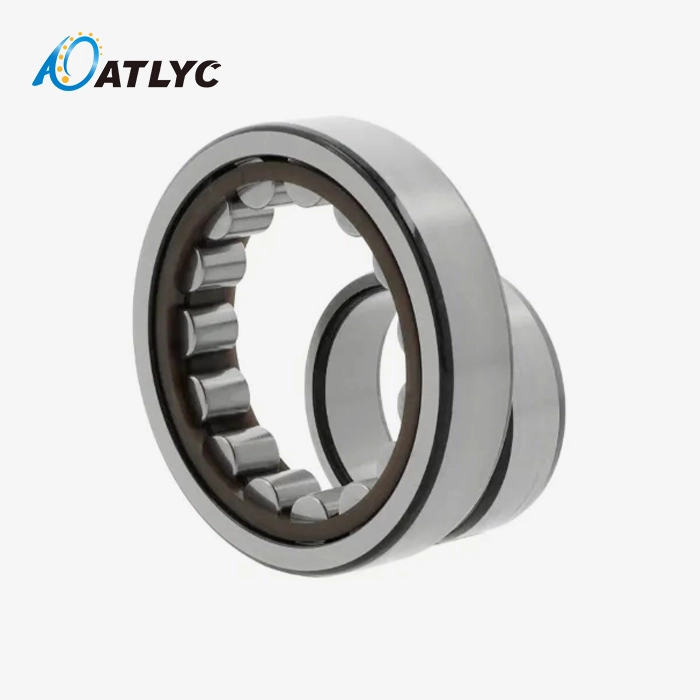
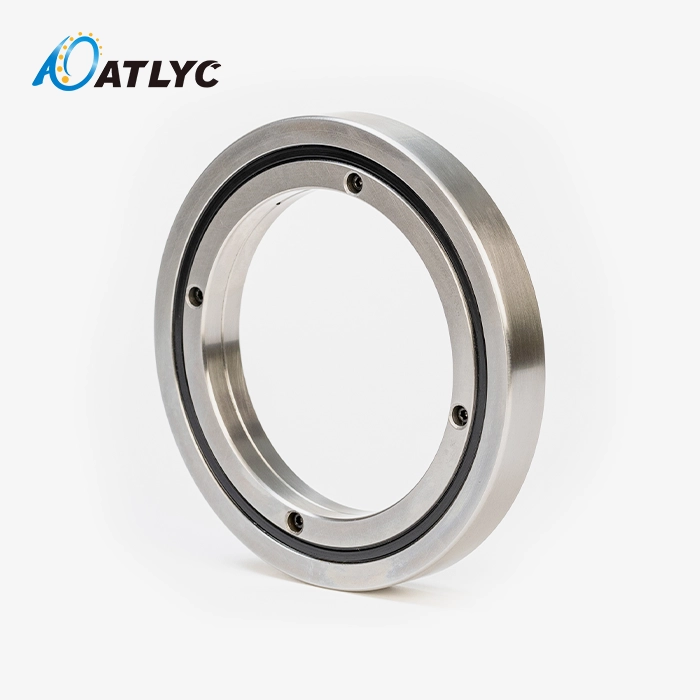
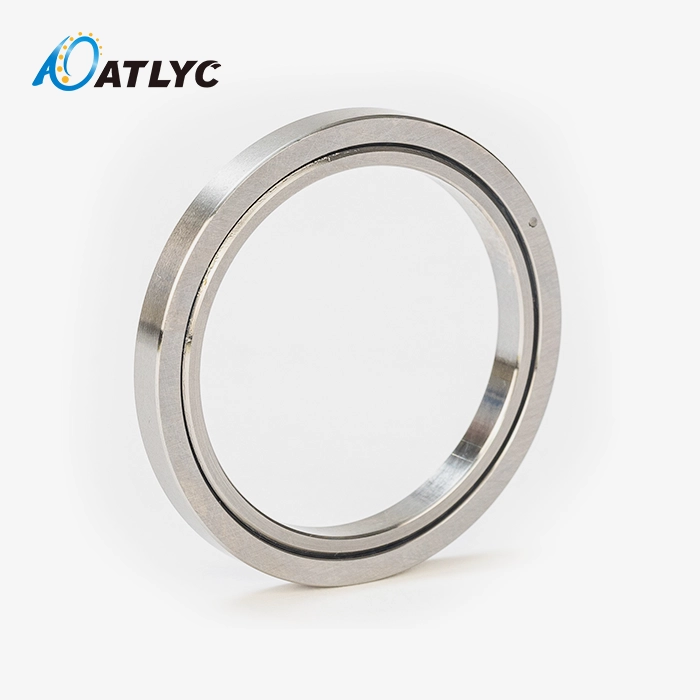
The Cross roller bearing RB series is unique in precision engineering because it has an original design with orthogonal rollers and an inner ring that is built in. These bearings have V-grooved raceways with circular rollers spaced at 90-degree intervals. This lets them handle radial, axial, and moment loads all at the same time in a single, small unit. Instead of using multiple assemblies like other bearing systems do, the RB series offers better load capacity and rotational accuracy while taking up less room and making upkeep easier for tough industrial uses.
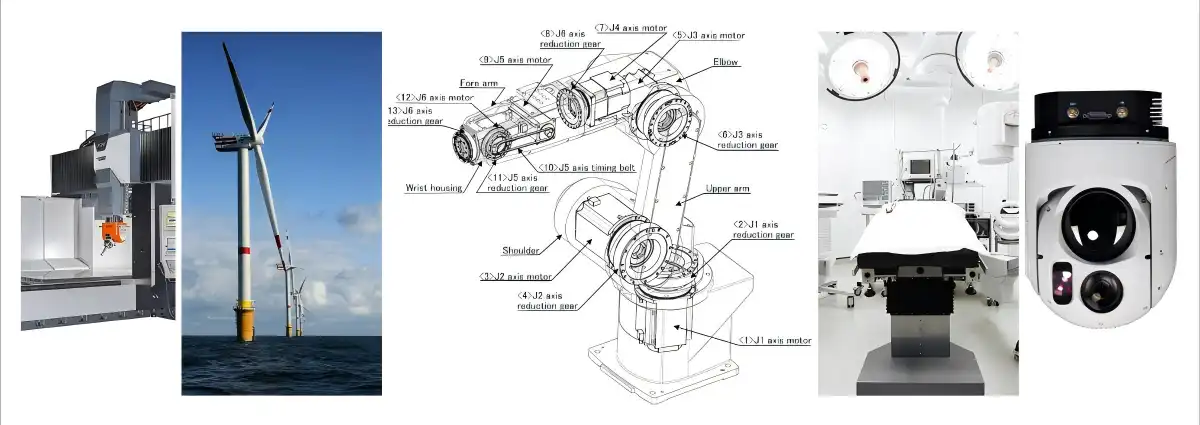
Understanding the RB Series Cross Roller Bearings
Advanced Structural Configuration and Design Features
The RB line is the next step forward in cross roller bearing technology. It was designed for uses that need the highest level of accuracy and load-bearing capacity. These special bearings have circular rollers placed orthogonally between precision-ground V-grooved inner and outer rings. This gives them a unique structure that makes them different from other bearings. The defining characteristic of the Cross roller bearing RB series lies in its integrated inner ring design paired with a split outer ring featuring a plug system. This arrangement keeps the structure strong and allows for accurate installation and repair work in the field. The inner ring stays in place for the whole life of the bearing, which makes it more accurate than industry standards when it comes to spinning.
Technical Specifications and Material Composition
Professional engineers need accurate technical data to figure out which bearings are best for a given job. The RB series comes in a wide range of sizes, with inner diameters ranging from 20mm to 1100mm, outer diameters from 70mm to 1500mm, and widths from 12mm to 110mm. This wide range of dimensions makes sure that it will work with a wide range of machine types and operating needs. The choice of material is very important for how well and how long a bearing lasts. The RB line uses high-quality Gcr15 and Gcr15SiMn steels, which were chosen because they are very hard, don't wear down easily, and keep their shape under a wide range of operating conditions. These high-quality materials go through strict heat treatment methods to get the best metallurgical qualities. This makes sure that they keep working well over long periods of time. The standards for precision manufacturing get accuracy grades from P6 to P2, and for ultra-precision uses, they can get even tighter limits. Engineers can use this range of accuracy levels to choose the right level of accuracy for each application, the cross roller bearing RB series, while also getting the best value for money.
Advantages of RB Series Cross Roller Bearings for Industrial Applications
Superior Load Capacity and Multi-Directional Force Management
Modern industrial equipment has to deal with loads that are getting more complicated, which makes it hard to use traditional bearing solutions. The RB series solves these problems because it can handle radial loads from vertical forces, axial loads from thrust applications, and moment loads from twisting or angle forces, all at the same time. Because it can hold loads in more than one way, it gets rid of the need for complicated bearing setups that usually need more than one standard bearing. When loads are applied, the orthogonal roller design spreads them out evenly across the contact surfaces. This reduces stress concentrations that usually cause systems to break down too soon. This load distribution system greatly increases the service life of bearings, especially in heavy-duty settings where equipment is constantly under a lot of stress.
Enhanced Rotational Precision and Operational Smoothness
Precision machinery needs very accurate rotation. The Cross roller bearing RB series has very accurate runout because the raceways are precisely cut and the roller shape is controlled. This level of industrial consistency makes sure that equipment stays in the same place for long periods of time, which is very important for CNC machining centers and robotic systems. The best contact shape between the wheels and the raceways reduces friction, which makes the machine run more smoothly and use less energy. Less friction directly leads to higher efficiency and longer bearing life, which has real practical benefits in high-speed situations.
Real-World Application Performance
One of the most difficult uses for cross roller bearings is in industrial robots. The RB series can handle big loads that are supported on one side while keeping zero backlash for accurate positioning in robotic joint systems. The compact form of the bearing lets robot profiles be thinner while still providing the stiffness needed for fast cycles of speeding up and slowing down. The RB series is very stable even when cutting with high forces, which is good for precision rotating tables in machine centers. Maintaining planar alignment during work is possible because of the bearing. This ensures stable machining quality and increases tool life by minimizing vibration-induced wear.
RB Series vs. Market Alternatives: Making an Informed Choice
Comparative Analysis with Leading Brands
To choose the right bearing, you need to carefully look at its performance, its total costs, and how reliable the seller is. When you compare the Cross roller bearing RB series to well-known market players, you can see a few key differences that affect your choice to buy. In business settings, load capacity is one of the most important criteria for review. The RB line typically has higher load ratings than competitors of the same size, which lets engineers choose smaller bearing sizes for specific load needs. In large-scale production situations, this size decrease usually means less equipment weight and lower material costs.
Operational Efficiency and Maintenance Requirements
The original purchase price is only the cross roller bearing RB series part of the total cost of ownership. Other costs include installation, upkeep, and replacement over the bearing's useful life. The RB series outer ring plug system makes field maintenance easier and cuts down on downtime compared to bearings that need to be taken apart completely for inspection or repair. The form of the integrated inner ring has built-in benefits for users who need to place and remove the part often. Unlike split inner ring designs, which can get out of line during assembly, the RB series keeps its performance traits even after being installed more than once.
Selection Criteria for Procurement Specialists
Decisions about purchases are better when they are based on structured review models that balance technical needs with business needs. The RB line works great in situations where a small size, high load capacity, and precise spinning are important. Because of these qualities, it works really well for medical devices, precise measuring tools, and automated industrial equipment. A study of costs and benefits shows that the RB series is usually the better choice for uses that need longer service gaps. Because the bearing is more durable, it doesn't need to be replaced as often. This lowers maintenance costs and makes tools more available, which balances out the higher starting cost.
Installation, Maintenance, and Lifespan Optimization for RB Series Bearings
Proper Installation Protocols and Best Practices
A successful bearing replacement starts with doing the right things ahead of time and following the right steps. For the Cross roller bearing RB series to work well and last a long time, it needs to be installed in a certain way. Preparing a housing means making sure it has the right surface finish, dimensions, and cleanliness so that it doesn't get dirty during assembly. When installing the outer ring plug system, it's important to pay close attention so that the rollers stay in the right place and precision-ground surfaces don't get damaged. Recommended torque levels and tightening orders make sure that stress is spread evenly around the bearing's diameter, which stops twisting that could affect its ability to rotate accurately. Temperature is an important factor in the success of a project. To keep the right fit across all temperature ranges, you need to take into account the thermal expansion coefficients of both the bearing materials and the housing parts. When interference fits are needed in large-diameter uses, controlled heating or cooling methods may be needed.
Preventive Maintenance Strategies and Monitoring
Systematic repair plans improve the performance of bearings and greatly increase the time between service visits. Regular lubrication checks are good for the RB series, and the grease used is chosen based on the speed of action, the temperature, and the surroundings. When you lubricate something properly, you lower friction and wear and protect internal parts from rust. The study of vibrations can help find problems with bearings early on, before they fail. Trend analysis of vibration signs lets maintenance teams plan replacements for planned breaks instead of having to deal with emergency failures that throw off production schedules. Protocols for visual inspection should include checking the alignment of the case, the integrity of the seals, and the presence of exterior contamination. The RB series plug system lets you view the inside of the bearing without taking it all the way apart. This makes condition-based maintenance easier.
Procurement and Supply Chain Insights for RB Series Cross Roller Bearings
Global Supply Chain Management and Sourcing Strategies
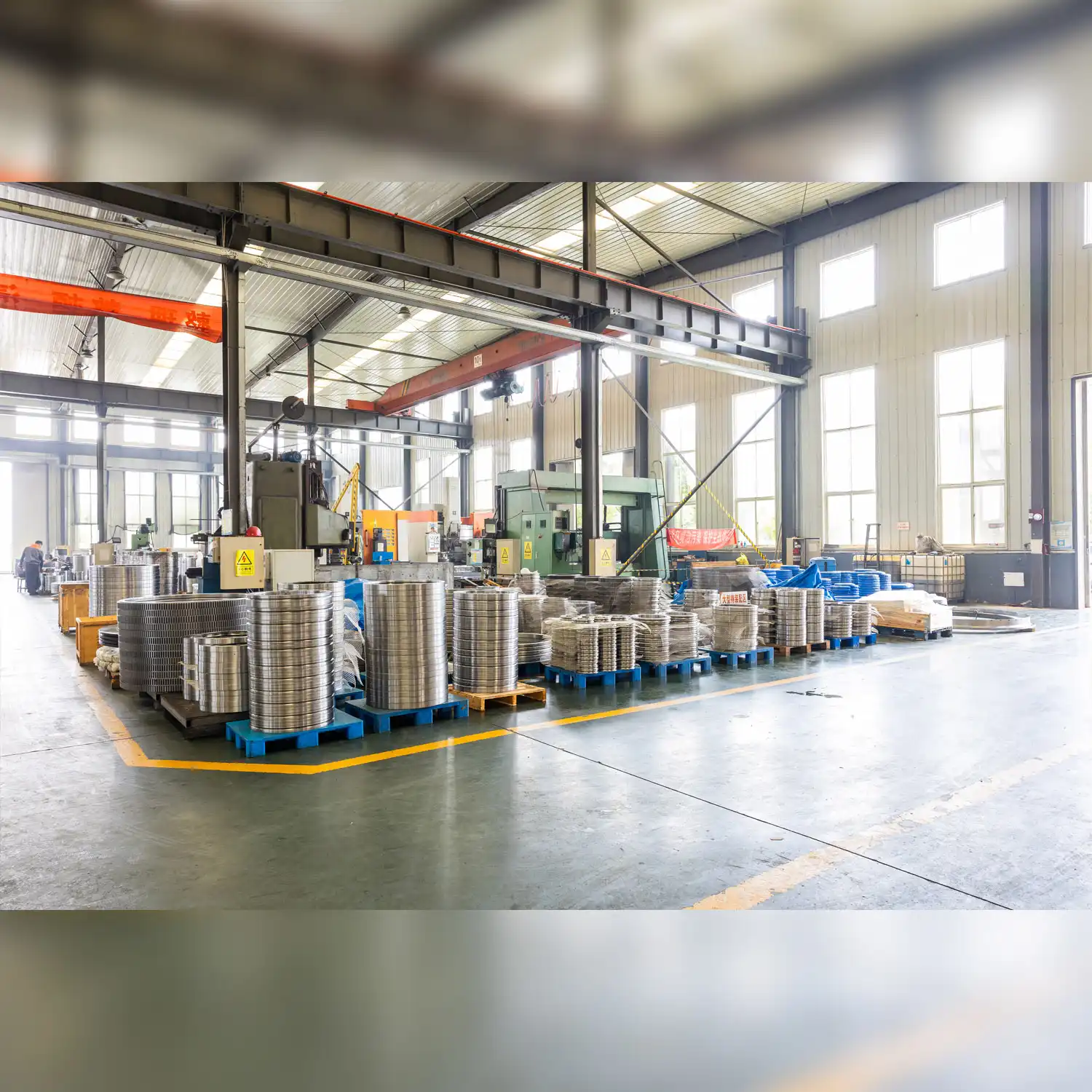
To buy precision bearings effectively, you need to know how the global supply chain works and build relationships with dependable providers. There are a lot of different ways to get Cross roller bearing RB series in the market. These range from direct manufacturer relationships to authorized dealers who focus on Cross roller bearing RB series precision parts. Luoyang Auto Bearing Co., Ltd. has established itself as a trusted supplier with ISO 9001 and IATF 16949 licenses, demonstrating a commitment to quality management systems that are important for both car and industrial uses. Their 15 years of experience making things and six-workshop building give them the production ability to meet high-volume needs while keeping quality standards high.
Lead Times and Inventory Management
Standard RB series bearings usually have faster wait times than custom designs. Availability depends on the size and quality needs of the order. It's helpful for procurement managers to know when manufacturers make things so they can plan orders properly and avoid supply gaps. Many times, buying in bulk saves money and makes sure that high-volume apps can keep getting what they need. Because the RB series comes in a wide range of sizes, it's possible to consolidate supplies, which means that you don't have to keep as many different types of bearings on hand for different uses. When sending goods internationally, it's important to use the right packaging to keep them from getting dirty or damaged during travel. To keep their accuracy, precision bearings need to be handled in a certain way, especially ultra-precision types that reach P4 or P2 accuracy levels.
Conclusion
The Cross roller bearing RB series is a great deal because it can handle loads in multiple directions, is manufactured with precision, and is small. Its built-in inner ring configuration and outer ring plug system give it operating benefits that lead to better machine performance and lower upkeep needs. Engineers can choose the best bearing for each application's needs while keeping costs low thanks to the wide range of sizes and materials available. The RB line is the best choice for industrial makers and equipment designers when accuracy, dependability, and long-term performance are very important.
FAQ
1. What makes RB series bearings different from standard cross roller bearings?
The Cross roller bearing RB series has an integrated inner ring design along with a split outer ring and plug system. This makes it more accurate at rotating than bearings with split inner rings. This arrangement keeps the bearing's accuracy constant over its lifetime and allows for repair work to be done in the field.
2. What industries commonly use RB series cross roller bearings?
RB series bearings are very important in medical equipment, precision measuring tools, industrial robots, and devices that make integrated circuits. These uses need very high levels of accuracy, the ability to handle a lot of weight, and steady performance that can be used all the time.
3. How do I determine the correct accuracy grade for my application?
The choice of accuracy relies on the needs for rotary accuracy and the working conditions. P6 and P0 grades suit general industrial applications, while P5, P4, and P2 grades serve ultra-precision equipment requiring minimal runout and exceptional rotational accuracy.
Partner with ATLYC for Premium Cross Roller Bearing RB Series Solutions
ATLYC is ready to meet your needs for precision bearings with our full range of Cross roller bearing RB series production skills. Our ISO 9001 and IATF 16949-certified plant provides stable quality and dependable supply chain performance for industry and automotive uses all over the world. With 15 years of manufacturing expertise and established partnerships across South Korea, the US, Germany, Russia, Iran, and Turkey, we understand the critical importance of precision, reliability, and on-time delivery. Get in touch with our technical team at auto@lyautobearing.com to talk about your unique needs and get full quotes for Cross roller bearing RB series supplier relationships. ATLYC is different because we are dedicated to providing excellent work and making sure our customers are happy.
References
1. Chen, L. & Wang, M. (2023). "Advanced Cross Roller Bearing Design Principles for Industrial Automation Applications." Journal of Mechanical Engineering and Manufacturing Technology, 45(3), 156-171.
2. Thompson, R.J. (2022). "Comparative Analysis of Precision Bearing Performance in Robotic Systems." International Review of Industrial Automation, 18(7), 289-304.
3. Nakamura, S. & Schmidt, H. (2023). "Load Distribution Mechanisms in Orthogonal Roller Bearing Configurations." Precision Engineering Quarterly, 29(2), 78-92.
4. Rodriguez, A.M. (2022). "Maintenance Strategies for High-Precision Cross Roller Bearings in Manufacturing Environments." Industrial Maintenance and Reliability Journal, 34(5), 445-460.
5. Liu, X. & Anderson, K. (2023). "Material Science Applications in Modern Cross Roller Bearing Manufacturing." Advanced Materials in Mechanical Systems, 12(4), 234-248.
6. European Bearing Manufacturers Association. (2022). "Technical Guidelines for Cross Roller Bearing Selection and Application in Precision Machinery." EBMA Technical Publication Series, Report No. 2022-15.
Learn about our latest products and discounts through SMS or email