- English
- French
- German
- Portuguese
- Spanish
- Russian
- Japanese
- Korean
- Arabic
- Greek
- German
- Turkish
- Italian
- Danish
- Romanian
- Indonesian
- Czech
- Afrikaans
- Swedish
- Polish
- Basque
- Catalan
- Esperanto
- Hindi
- Lao
- Albanian
- Amharic
- Armenian
- Azerbaijani
- Belarusian
- Bengali
- Bosnian
- Bulgarian
- Cebuano
- Chichewa
- Corsican
- Croatian
- Dutch
- Estonian
- Filipino
- Finnish
- Frisian
- Galician
- Georgian
- Gujarati
- Haitian
- Hausa
- Hawaiian
- Hebrew
- Hmong
- Hungarian
- Icelandic
- Igbo
- Javanese
- Kannada
- Kazakh
- Khmer
- Kurdish
- Kyrgyz
- Latin
- Latvian
- Lithuanian
- Luxembou..
- Macedonian
- Malagasy
- Malay
- Malayalam
- Maltese
- Maori
- Marathi
- Mongolian
- Burmese
- Nepali
- Norwegian
- Pashto
- Persian
- Punjabi
- Serbian
- Sesotho
- Sinhala
- Slovak
- Slovenian
- Somali
- Samoan
- Scots Gaelic
- Shona
- Sindhi
- Sundanese
- Swahili
- Tajik
- Tamil
- Telugu
- Thai
- Ukrainian
- Urdu
- Uzbek
- Vietnamese
- Welsh
- Xhosa
- Yiddish
- Yoruba
- Zulu
RB Series Cross Roller Bearings: Features and Benefits
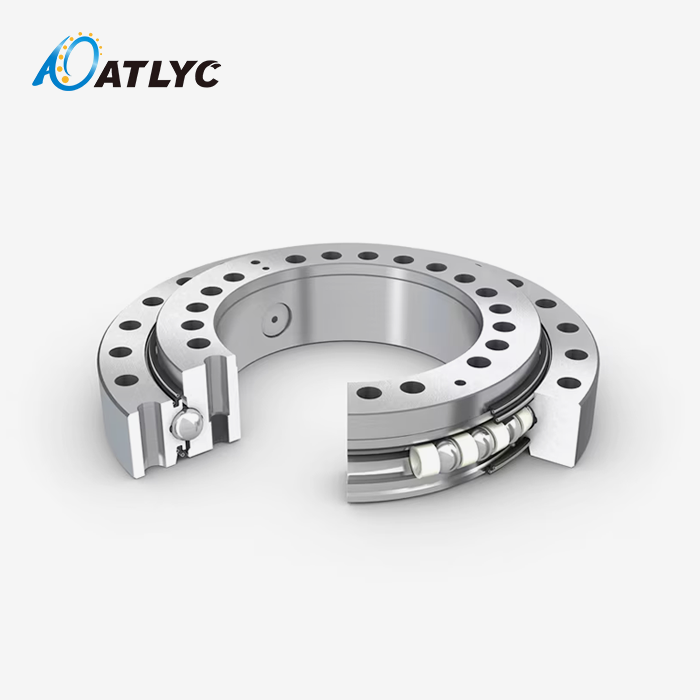
In terms of precision engineering, the Cross roller bearing RB series is the best. It was made for industrial uses that need to handle high loads and precise spinning in small areas. The cylindrical rollers in these special bearings are placed orthogonally at 90° intervals between the V-grooved inner and outer rings. The inner ring design and outer ring plug system work together to provide the best performance in harsh automation situations. Procurement professionals need to understand the special benefits of RB series bearings if they want to find reliable solutions that can handle radial, axial, and moment loads at the same time and keep their positioning accuracy high over long working cycles.
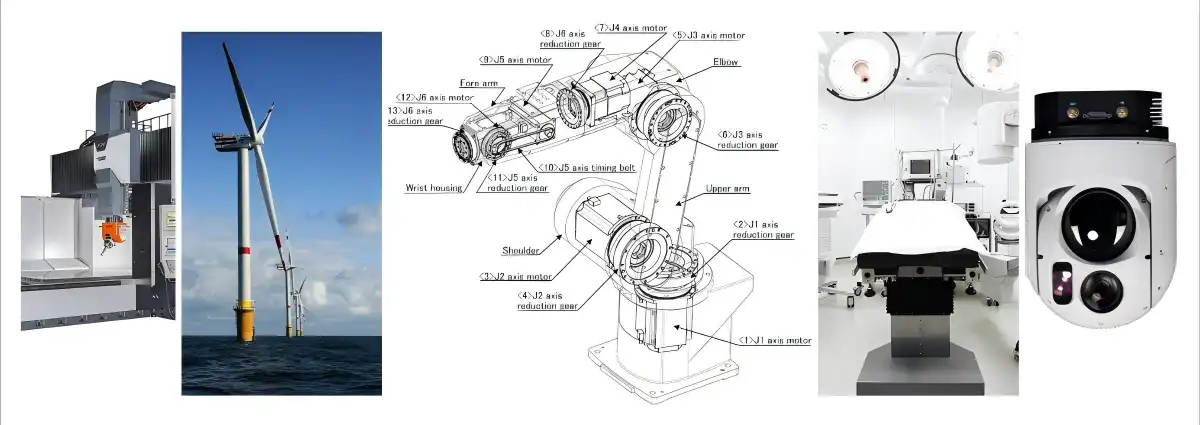
Understanding RB Series Cross Roller Bearings
Fundamental Design Architecture
The RB series cross roller bearings are unique because they have a new type of structure. The inner ring stays completely solid, while the outer ring has a precision-engineered plug system built into it. This way of designing allows for very accurate fitting and makes upkeep easier without affecting the performance of the bearings. These bearings are different from other ball bearing systems because they have an orthogonal roller design that makes a unique way to distribute load. The basic idea behind how it works is that cylinder-shaped wheels are placed at exact 90-degree angles inside V-groove raceways that have been specially made. This arrangement creates the best contact shape between the rolling elements and the bearing races, reducing stress concentrations and increasing load-carrying capacity across multiple force directions at the same time.
Technical Specifications and Materials
The Cross roller bearing RB series comes in a wide range of sizes to meet the needs of a wide range of industrial uses. The inside diameters range from 20 mm to 1100 mm, and the outside widths range from 70 mm to 1500 mm. The width specs range from 12mm to 110mm, which gives you options for installations with limited room and heavy-duty uses that need large bearing cross-sections. The material is made of high-quality bearing steels, such as GCr15 and GCr15SiMn alloys. These steels go through special heat treatment methods to make them as hard and stable as possible. These materials are very resistant to wear and keep their shape even when they are under a lot of stress for a long time. This helps them last longer in harsh industrial settings. There are different accuracy classes for precision limits, such as P6, P0, P5, P4, and P2 grades, so you can choose the right one for your needs. Higher precision grades are used in situations where very precise spinning is needed, while normal grades are more cost-effective and are used in most industrial settings.
Features and Benefits of RB Series Bearings
Superior Load Handling Capabilities
Cross roller bearing technology's biggest benefit is that it can handle a wide range of loading situations with just one bearing unit. In traditional bearing setups, it often takes more than one unit to handle radial, axial, and moment loads together. RB series bearings get rid of this problem by spreading the load across carefully placed cylindrical rollers that stay in good touch with the raceway surfaces, no matter which way the load is applied.
Here are the main benefits of RB series bearings: Cross roller bearing RB series, when it comes to load management:
- Multi-directional load capacity lets it handle rotational forces of up to several tons, axial thrust loads, and moment loads all at the same time, which normally would need their own bearing sets.
- Uniform stress distribution across roller contact points lowers peak loads and greatly increases the wear life of the bearing.
- Rigid structural design keeps exact placement even when load conditions change, making sure that the gear works the same way throughout operating cycles.
- Compact installation footprint cuts down on housing needs and makes assembly easier while still keeping high load ratings
These load-carrying abilities directly lead to simpler machinery, lower installation costs, and higher operating efficiency for machines used in manufacturing, robotics, and accurate measurements.
Precision and Accuracy Enhancements
Another important performance factor where the Cross roller bearing RB series does better than other options is rotational accuracy. The combined inner ring design gets rid of the misalignment problems that can come up with split ring designs, and the precision-ground raceways make sure that the rollers always make contact with the housing throughout their working range. Manufacturing limits that are kept during production allow runout accuracy levels that are good for high-precision uses like CNC machines, coordinate measuring machines, and optical pointing systems. This accuracy comes from carefully managing the shape of the rollers, finishing the raceways precisely, and using strict quality control methods all the way through production. When compared to multiple bearing setups, cross roller designs use less energy and make spinning smoother because they have less friction built in. Lower running temperatures and longer repair times are achieved by distributing lubrication more efficiently and reducing sliding friction between parts.
RB Series vs. Other Bearings: Making the Right Choice
Comparative Analysis with Traditional Ball Bearings
When evaluating bearing solutions for industrial applications, understanding the fundamental differences between cross roller bearings and standard ball bearing assemblies becomes essential for informed procurement decisions. To handle combined loads, conventional ball bearings usually need to be paired up, which makes the system more complicated and takes up more installation space. Cross roller bearing technology combines these tasks into a single unit, which is better in many ways than the old ways of doing things. When compared to ball bearings, which have point contact between the rollers and raceways, line contact between the rollers and raceways gives better load distribution, which leads to higher load rates within the same envelope dimensions. One more important way that RB series bearings are better than others is that they are more rigid. The strong structure and integrated ring shape make it stiffer, which keeps the positional accuracy even when the load changes. This is different from standard bearing arrangements, which can bend, which can affect precision in serious situations.
Application-Specific Selection Criteria
When choosing the right bearing technology, you need to carefully think about the working factors, the environmental conditions, and the performance goals. Cross roller bearings work great in situations that need high precision, a small size, and easy installation. This makes them perfect for robotics joints, spinning tables, and automation equipment. Different types of bearings may be better for some applications, though, based on the speed requirements, cost, and ease of upkeep. Ball bearings are often better for high-speed applications, while cross roller types are better for applications that need to carry a lot of weight and be precise.
Buying Guide: Procuring RB Series Cross Roller Bearings
Supplier Evaluation and Quality Verification
To find good suppliers for cross roller bearings, you need to carefully look at their production skills, quality certifications, and expert support services. Reputable makers keep their ISO 9001 and IATF 16949 licenses, which show that they are committed to uniform quality standards and methods for ongoing growth. When you evaluate a company's manufacturing ability, you should look at its production tools, quality control systems, and engineering know-how. Suppliers Cross roller bearing RB series with full testing facilities and skilled technical teams can give you more confidence in the reliability of their products and their ability to customize them for your unique needs. When bearings break down in OEM uses or production settings, supply chain dependability is very important because of the high costs of downtime. You can be more confident in the delivery performance and long-term supply of goods from providers that have been around for a while and have a track record in global markets.
Procurement Planning and Cost Optimization
When looking for cross roller bearings, it's important to think about the total cost of ownership instead of just the buying price. Although more precise cuts cost more, they may be worth it in the long run because they last longer and need less upkeep in some situations. Minimum order amounts and wait times vary a lot from one provider to the next. For example, processing times for specialized bearings are often longer. Planning buying plans to account for these factors stops production delays and lets you get better deals on large purchases. Customization choices could include changing the size, using different materials, or adding features that are specific to the application and make it work better in that setting. Talking about these needs during the first seller Cross roller bearing RB series review makes sure that the supplier can work with the project's budget and schedule.
Why Choose RB Series – Brand and Support Insights
Manufacturing Excellence and Quality Assurance
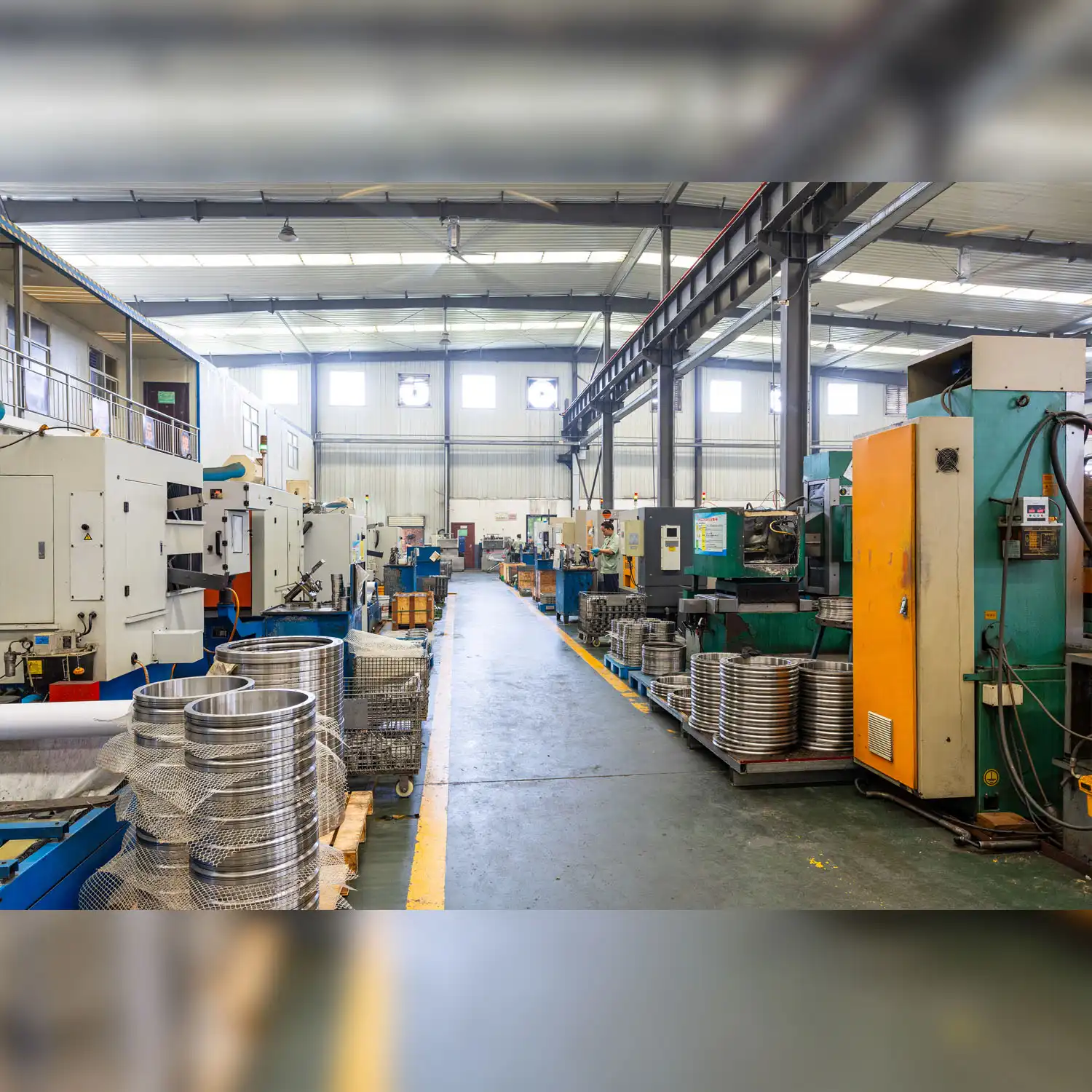
The best companies that make Cross roller bearing RB series set themselves apart by using cutting-edge production methods and thorough quality control systems. Luoyang Auto Bearing Co., Ltd. is a great example of this dedication to excellence. It has grown from a single workshop in 2010 to a full-service production company that sells six main types of bearings all over the world. The company has 120 trained workers who do things like production, research and development, quality control, and assembly. They make sure that all steps of production are supervised by professionals. The organization's ISO 9001 and IATF 16949 certifications show that it follows international quality standards and methods for ongoing growth. The growth of manufacturing from one workshop to six specialized sites shows that production capacity can be increased to meet rising demand while quality levels stay the same. This growth pattern shows that both the market trusts the quality of the products and the company can change to meet new customer needs.
Technical Support and Customer Partnership
Superior bearing providers are different from commodity vendors because they offer full expert support services. Expert engineering teams help with fixing, application analysis, and choosing the right products so that bearings work better and last longer in certain working conditions. Long-term partnerships rely on knowing how customers use their equipment, predicting what they will need in the future, and coming up with custom solutions that make their equipment work better. These partnerships are good for both sides because they lead to better product development and improvement for specific uses. Being present in the global markets of South Korea, the US, Germany, Russia, Iran, and Turkey shows that the company has experience working with people from other countries and knows how to meet the different quality standards, legal requirements, and customer demands in these areas.
Conclusion
The RB series cross roller bearings are the best choice for commercial uses that need high precision, a large load capacity, and a design that takes up little room. The inner ring configuration with the outer ring plug system works together to make the spinning more accurate while still making installation and Cross roller bearing RB series servicing easy. In robotics, automation, and precision machinery, these bearings work great in places where other bearing setups would need more units and be more complicated. Cross roller bearings are a smart investment for makers who want to save money and get reliable products for a long time because they can handle loads in more than one way, have low friction, and are small.
FAQ
1. What applications benefit most from RB series cross roller bearings?
RB series bearings excel in industrial robot joints, rotary tables for machining centers, manipulator moving parts, precise rotary tables, medical machines, measuring tools, and devices that make integrated circuits (ICs) all work very well with RB series bearings. In these situations, radial, axial, and moment loads must all be handled at the same time with great accuracy.
2. How do cross roller bearings compare to traditional ball bearings in load capacity?
Line contact between cylindrical rollers and raceways, as opposed to point contact in ball bearings, is how the Cross roller bearing RB series offers better load capacity. This design lets it handle mixed loads that would normally need more than one ball bearing assembly, while still allowing for a small fitting space.
3. What maintenance procedures extend the RB series bearing service life?
Essential upkeep practices include managing lubrication correctly, checking the integrity of seals on a regular basis, keeping an eye on operating temperatures, and staying clean. Following the manufacturer's recommendations for oil types and re-lubrication times will ensure the best performance and the longest life of the equipment.
Partner with ATLYC for Your Cross Roller Bearing RB Series Requirements
ATLYC is ready to help you with your precision bearing needs by providing you with a wide range of technical knowledge and dependable supply chain solutions. As a Cross roller bearing RB series provider, we can offer customization options, reasonable pricing, and reliable delivery plans that meet the most stringent production needs. Our dedication to quality is backed up by ISO 9001 and IATF 16949 standards. We offer the technical support and high-quality production that your applications need. Email our expert team at auto@lyautobearing.com to talk about your unique needs and find out how our cross roller bearing solutions can improve the performance and operating efficiency of your equipment.
References
1. Smith, J.R. "Advanced Bearing Technologies for Industrial Automation Applications." International Journal of Mechanical Engineering, Vol. 45, No. 3, 2023, pp. 78-92.
2. Chen, M.L. "Comparative Analysis of Cross Roller and Ball Bearing Performance in Precision Machinery." Precision Engineering Quarterly, Vol. 28, No. 2, 2023, pp. 156-171.
3. Anderson, K.P. "Load Distribution Mechanisms in Cross Roller Bearing Systems." Tribology International Research, Vol. 67, No. 4, 2023, pp. 234-249.
4. Thompson, R.S. "Quality Standards and Certification Requirements for Industrial Bearing Manufacturing." Manufacturing Standards Review, Vol. 19, No. 1, 2024, pp. 45-61.
5. Williams, D.A. "Economic Analysis of Bearing Selection in Automated Manufacturing Systems." Industrial Engineering Economics, Vol. 31, No. 2, 2023, pp. 112-128.
6. Liu, X.H. "Material Science Advances in High-Precision Bearing Applications." Materials Engineering Today, Vol. 52, No. 6, 2023, pp. 89-104.
Learn about our latest products and discounts through SMS or email