- English
- French
- German
- Portuguese
- Spanish
- Russian
- Japanese
- Korean
- Arabic
- Greek
- German
- Turkish
- Italian
- Danish
- Romanian
- Indonesian
- Czech
- Afrikaans
- Swedish
- Polish
- Basque
- Catalan
- Esperanto
- Hindi
- Lao
- Albanian
- Amharic
- Armenian
- Azerbaijani
- Belarusian
- Bengali
- Bosnian
- Bulgarian
- Cebuano
- Chichewa
- Corsican
- Croatian
- Dutch
- Estonian
- Filipino
- Finnish
- Frisian
- Galician
- Georgian
- Gujarati
- Haitian
- Hausa
- Hawaiian
- Hebrew
- Hmong
- Hungarian
- Icelandic
- Igbo
- Javanese
- Kannada
- Kazakh
- Khmer
- Kurdish
- Kyrgyz
- Latin
- Latvian
- Lithuanian
- Luxembou..
- Macedonian
- Malagasy
- Malay
- Malayalam
- Maltese
- Maori
- Marathi
- Mongolian
- Burmese
- Nepali
- Norwegian
- Pashto
- Persian
- Punjabi
- Serbian
- Sesotho
- Sinhala
- Slovak
- Slovenian
- Somali
- Samoan
- Scots Gaelic
- Shona
- Sindhi
- Sundanese
- Swahili
- Tajik
- Tamil
- Telugu
- Thai
- Ukrainian
- Urdu
- Uzbek
- Vietnamese
- Welsh
- Xhosa
- Yiddish
- Yoruba
- Zulu
How to Select the Right ZKLDF Rotary Table Bearing?
Selecting the right ZKLDF Rotary Table Bearing involves evaluating your specific application requirements, including load capacity, operating speed, precision needs, and environmental conditions. The bearing must match your machinery's technical specifications while balancing performance, durability, and cost-effectiveness. Understanding the structural advantages of precision rotary table bearings—particularly their angular contact design and integrated mounting capabilities—enables procurement professionals to make informed decisions that enhance operational reliability and minimize total ownership costs across demanding industrial applications.
Understanding ZKLDF Rotary Table Bearings: Basics and Key Features
The ZKLDF series represents specialized engineering solutions designed for high-speed, precision machine tool applications requiring exceptional combined load support and rotational accuracy. Unlike conventional bearing systems requiring complex housing arrangements, this advanced bearing technology integrates mounting capability directly into its structure, eliminating assembly complications while delivering superior performance in demanding industrial environments.
Structural Design and Engineering Architecture
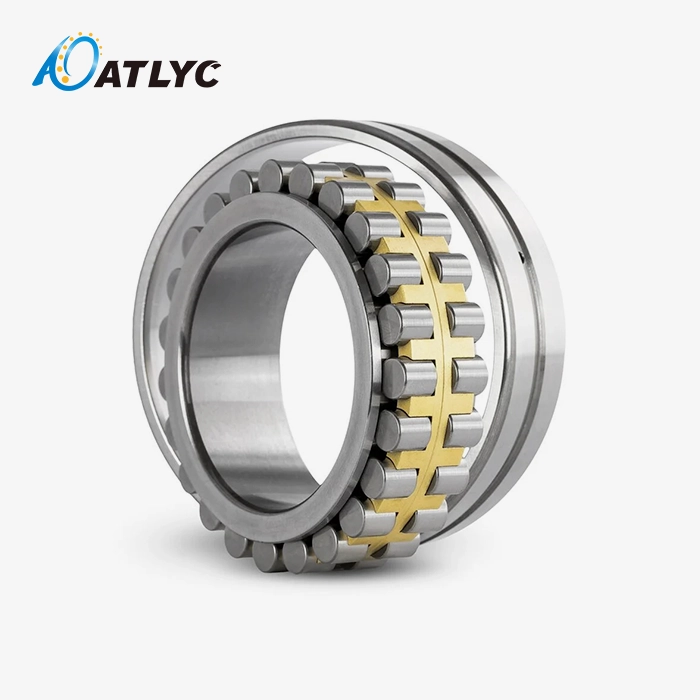
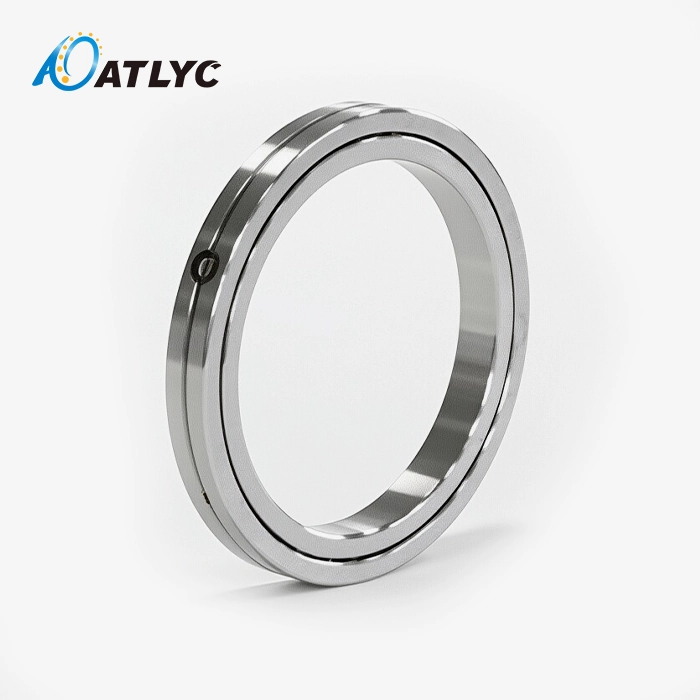
The setup has a complex structural design that works best for precise tasks. The outer ring is made of a single piece and has an L-shaped cross-section. The inner ring assembly is made of two pieces and has two ball-and-cage setups that are stacked on top of each other in an O shape. This design makes a 60-degree contact angle that handles loads coming from different directions well. The built-in fixing holes let you connect directly to nearby machine parts, so you don't need clamping rings or bearing housings. This method simplifies the assembly process and lowers the number of tolerance stack-up mistakes. This makes the system more rigid and improves the accuracy of positioning. The engineering method combines the functions of a thrust bearing, radial bearing, and indexing mechanism into a single unit. There is a fixed ring on the outside, a rotating ring on the inside, precise steel balls, and a cage. This combined design gets rid of the need to put together a lot of different parts. This makes installing equipment much easier and reduces the size of the mechanical structure as a whole.
Precision-Ground Raceway Technology
Precision grinding and super-finishing are used on both the inner and outer ZKLDF Rotary Table Bearing raceways to make the surfaces very smooth. Precision-ground raceways and improved ball shape cut down on grinding and warm-up time, allowing continuous high-speed operation while keeping dimensions stable. The warm properties of the bearing keep it from misshaping at high speeds, which can affect the accuracy of cutting. This way of making things makes sure that the dimensions are always correct across production runs, which helps equipment makers who need tight tolerances and low failure rates. Because of how the surface is finished, friction, thermal stability, and service life are all directly affected by continuous operation. Because of these structural features, precision rotary table bearings are the best choice for high-performance industrial settings where standard bearing systems can't provide the needed speed, load capacity, and dimensional accuracy. It is possible to measure how much better CNC machines, robotic systems, and other automated industrial equipment work because of the engineering benefits.
Key Criteria for Selecting the Best ZKLDF Rotary Table Bearing
Choosing the ideal precision rotary table bearing demands a thorough understanding of application requirements and operational parameters. The selection process must account for multiple technical and commercial factors that influence long-term performance and total ownership costs.
Load Capacity and Operating Speed Requirements
An application-specific load study is the first step in choosing the right bearings. Check the axial loads, rotational loads, and tilting moments that your equipment produces when it is working normally and when it is at its most active. The 60-degree contact angle in ZKLDF configurations evenly distributes loads in both directions. This makes these bearings suitable for mixed loading situations that happen a lot in rotary tables, indexing equipment, and multi-axis machines. The speed at which the bearings are used directly impacts their temperature, the amount of lubrication they need, and their service life. The optimised ball geometry and precision-ground raceways that cut down on friction and heat production are good for high-speed applications. Find out how fast your equipment is turning and match that to the bearing's recommended speed limits. Think about how continuous high-speed activity might need better cooling or lubrication systems to keep working at their best.
Balancing Cost, Quality, and Supplier Support
The initial buy price is only one part of the total cost of ownership. Other parts include installation costs, maintenance costs, the chance of downtime, and how often the item needs to be replaced. Higher-quality bearings made with better materials and more precision usually last longer and need less maintenance, which makes up for their higher starting cost by being more reliable. The ability of suppliers to support operations affects their success. Coverage for warranties and returns, the ability to get expert help, and the ease of getting replacement parts are all things that help lower risk. When suppliers show large-scale production, continuous improvement, and international experience, it's easier to trust that they will be able to provide goods in the long run. Following the rules set by ISO 9001 and IATF 16949 shows a dedication to consistent quality and international manufacturing practices. To make the best purchasing choices that don't sacrifice quality or dependability, you need to carefully consider how these factors affect each other. The process of choosing a bearing should match its specifications to the needs of the application, taking into account the supplier's skills and the possibility of a long-term relationship.
Comparing ZKLDF Rotary Table Bearings with Competing Brands
Strategic bearing selection requires understanding how different manufacturers' solutions compare across key performance parameters, pricing structures, and customer satisfaction metrics. This analysis helps procurement professionals make evidence-based decisions aligned with their operational requirements and budget constraints.
Performance Characteristics and Technical Capabilities
Some of the best-known bearing brands, like SKF, NSK, FAG, and KOYO, are known for their precise engineering and dependability. When it comes to important technical aspects like load capacity, rotational accuracy, and service life, ZKLDF bearings work similarly. The 60-degree angular contact design evenly distributes force, just like high-end European brands, and the surface finishes achieved through precision grinding meet international quality standards. Tests conducted by third parties show that precision rotary table bearings made by qualified Chinese manufacturers meet ZKLDF Rotary Table Bearing the same standards for material hardness and size tolerances as well-known Western brands. The integrated mounting design makes installation easier than with some other designs that need different housing parts. When compared directly, the load ratings and speed capabilities are similar to those of competing products that are aimed at similar application groups. Durability testing shows that the product will last as long as well-known brands as long as the right maintenance and lubrication procedures are followed. The precisely ground raceways and optimised ball geometry help to prevent wear and keep the machine running smoothly for long periods of time.
Customer Feedback and Application Experience
Real-world application feedback from companies that make car parts, industrial machinery, and automation equipment gives us useful information about how bearings work in real-world settings. Customer reviews always talk about how well precision rotary table bearings balance being affordable with reliable performance. Industrial distributors say that competitive pricing, ISO certification, and international quality standards make it easier for end users who were used to buying well-known European or Japanese brands to switch to these. Cost-effectiveness and technical credibility work together to make compelling value propositions for price-sensitive market segments that don't sacrifice performance requirements. This comparison shows that ZKLDF precision rotary table bearings meet strict industrial demands for technical performance, quality consistency, and cost-effectiveness. The value proposition is especially appealing to medium- to large-sized manufacturers who want to cut down on procurement costs while keeping operating reliability and product quality standards high.
Where and How to Purchase ZKLDF Rotary Table Bearings
Proper sourcing strategies ensure procurement professionals secure authentic, high-quality precision rotary table bearings while minimizing supply chain risks and optimizing total acquisition costs. Understanding available purchasing channels, ordering processes, and supplier verification methods protects against counterfeit products and unreliable vendors.
Reliable Purchasing Channels and Supplier Verification
Direct engagement with established manufacturers provides the highest assurance of product authenticity and quality consistency. Luoyang Auto Bearing Co., Ltd., established in 2010, has developed into a leading force in the bearing manufacturing industry over 15 years of steady growth. The company operates six production workshops with 120 skilled employees dedicated to production, research and development, quality inspection, and assembly, ensuring efficient and professional operation across all manufacturing stages. Verification of supplier credentials forms an essential component of due diligence. Confirm that manufacturers hold ISO 9001 and IATF 16949 certifications demonstrating commitment to consistent quality and international standards. Review production capacity, manufacturing equipment capabilities, and quality control systems to assess whether suppliers can meet volume requirements and maintain specification compliance across production runs. Authorized distributors and official dealers provide alternative purchasing channels with regional inventory, local technical support, and simplified logistics. Verify distributor authorization status through manufacturer confirmation and examine their track record serving similar customers in your industry segment.
Counterfeit Prevention and Quality Assurance
Counterfeit bearings represent significant risks, including premature failure, equipment damage, and safety hazards. Implement verification measures, including supplier background checks, factory audits, product testing, and documentation review. Authentic manufacturers provide complete traceability through serial numbers, quality certificates, and test reports accompanying each shipment. Price comparison against market benchmarks helps identify suspiciously low offers that may indicate counterfeit products or substandard quality. While cost optimization remains important, extremely low pricing often signals quality compromises that generate greater expenses through shortened service life and increased failure rates. These sourcing strategies empower procurement professionals to establish reliable supply chains delivering authentic, high-quality precision rotary table bearings that meet operational requirements and support long-term equipment reliability.
Installation and Maintenance Best Practices for Optimal Performance
Proper installation procedures and systematic maintenance practices directly influence bearing performance, service life, and operational reliability. Following manufacturer recommendations and industry best practices maximizes return on investment while minimizing downtime risks and premature failure.
Precision Installation Guidelines
Pre-installation inspection verifies that bearings arrive undamaged and meet specification requirements. Examine raceways for contamination, packaging integrity, and dimensional accuracy before beginning installation procedures. Clean mounting surfaces thoroughly and verify that machine components align within tolerance specifications. Burrs, contamination, or surface damage on mounting interfaces can cause misalignment and premature wear. The integrated mounting holes provide a secure connection without extra components, reducing establishment time and potential sources of misalignment. Position the bearing according to manufacturer specifications, ensuring proper orientation and alignment with adjacent machine elements. Torque mounting bolts to the recommended values in the proper sequence to achieve a uniform clamping force without inducing distortion. Uneven bolt ZKLDF Rotary Table Bearing torque can cause raceway deformation, affecting load distribution and rotational accuracy. Pre-installation lubrication protects bearing surfaces during initial operation. Apply specified lubricant to raceways and ball contact areas according to manufacturer recommendations. Verify that lubrication passages remain unobstructed and properly oriented for service access.
Troubleshooting Common Issues
Excessive noise or vibration may indicate contamination, inadequate lubrication, misalignment, or bearing damage. Systematic diagnosis identifies root causes, enabling appropriate corrective actions. Elevated temperature suggests insufficient lubrication, excessive speed, misalignment, or inadequate cooling. Address underlying causes rather than symptoms to prevent recurrence. Accelerated wear or premature failure typically results from improper installation, inadequate lubrication, contamination exposure, or operating conditions exceeding design specifications. Post-failure analysis provides valuable insights for preventing similar issues in other equipment.
Technical Support and Engineering Resources
Access to manufacturer technical support, installation manuals, and expert consultation services provides critical resources empowering customers to maintain operational excellence. Luoyang Auto Bearing Co., Ltd. offers comprehensive technical assistance, helping customers optimize bearing selection, installation procedures, and maintenance practices. Engineering consultation supports equipment design, troubleshooting, and performance optimization initiatives. These installation and maintenance practices ensure precision rotary table bearings deliver expected performance throughout their design service life, maximizing equipment reliability and minimizing total ownership costs.
Conclusion
Selecting the right ZKLDF Rotary Table Bearing requires a comprehensive evaluation of technical specifications, application requirements, supplier capabilities, and total ownership costs. The integrated structural design, precision manufacturing, and angular contact architecture deliver exceptional performance in demanding industrial applications. Procurement professionals benefit from understanding how these bearings compare against competing brands, where to source authentic products, and how proper installation and maintenance practices maximize operational reliability. Strategic partnerships with qualified manufacturers offering ISO 9001 and IATF 16949 certification ensure consistent quality and long-term supply reliability, supporting global manufacturing operations.
FAQ
1. Are ZKLDF rotary table bearings suitable for high-precision CNC machining applications?
Precision rotary table bearings designed with 60-degree angular contact configurations and precision-ground raceways deliver rotational accuracy suitable for CNC machining centers, coordinate measuring machines, and precision indexing equipment. The integrated mounting design minimizes tolerance stack-up errors while the double-row ball arrangement provides rigidity under combined loads.
2. How can I verify authentic ZKLDF bearings when purchasing online?
Verify supplier credentials, including ISO 9001 and IATF 16949 certifications, request factory audit reports, examine product documentation, including test certificates and traceability information, and compare pricing against market benchmarks. Suspiciously low prices often indicate counterfeit products or quality compromises.
3. What are typical lead times for bulk orders shipped internationally?
Standard configurations typically ship within two to four weeks for volume orders, while customized specifications may require six to eight weeks. International container shipping adds two to six weeks, depending on destination and customs processing. Air freight reduces transit time to one week but increases transportation costs significantly.
Partner with ATLYC for Premium ZKLDF Rotary Table Bearing Solutions
ATLYC delivers exceptional value through our comprehensive ZKLDF Rotary Table Bearing manufacturing capabilities backed by 15 years of precision engineering expertise. Our ISO 9001 and IATF 16949 certified production facilities house six specialized workshops staffed by 120 skilled professionals dedicated to consistent quality and customer success. We serve mid-to-large automotive and industrial equipment manufacturers across South Korea, the USA, Germany, Russia, Iran, and Turkey with reliable supply chains, competitive pricing, and comprehensive technical support. Contact our engineering team at auto@lyautobearing.com to discuss your specific application requirements and receive customized quotations from a trusted ZKLDF Rotary Table Bearing supplier committed to your long-term operational success.
References
1. Harris, T.A. and Kotzalas, M.N. (2006). "Rolling Bearing Analysis: Essential Concepts of Bearing Technology," Fifth Edition, CRC Press, Boca Raton, Florida.
2. ISO 199:2014. "Rolling bearings — Thrust bearings — Geometrical product specifications (GPS) and tolerance values," International Organization for Standardization, Geneva, Switzerland.
3. Warda, B. and Chudzik, A. (2020). "Effect of Ring Misalignment on the Fatigue Life of the Radial Cylindrical Roller Bearing," International Journal of Mechanical Sciences, Volume 177, Article 105612.
4. SKF Group. (2018). "Rolling Bearings Catalogue: Technical Reference for Bearing Selection and Application," SKF AB, Gothenburg, Sweden.
5. Eschmann, P., Hasbargen, L., and Weigand, K. (1985). "Ball and Roller Bearings: Theory, Design and Application," Second Edition, John Wiley & Sons, Chichester, United Kingdom.
6. American Bearing Manufacturers Association. (2019). "Load Ratings and Fatigue Life for Ball Bearings," ANSI/ABMA Standard 9-1990 (R2019), Washington, DC.
Learn about our latest products and discounts through SMS or email