- English
- French
- German
- Portuguese
- Spanish
- Russian
- Japanese
- Korean
- Arabic
- Greek
- German
- Turkish
- Italian
- Danish
- Romanian
- Indonesian
- Czech
- Afrikaans
- Swedish
- Polish
- Basque
- Catalan
- Esperanto
- Hindi
- Lao
- Albanian
- Amharic
- Armenian
- Azerbaijani
- Belarusian
- Bengali
- Bosnian
- Bulgarian
- Cebuano
- Chichewa
- Corsican
- Croatian
- Dutch
- Estonian
- Filipino
- Finnish
- Frisian
- Galician
- Georgian
- Gujarati
- Haitian
- Hausa
- Hawaiian
- Hebrew
- Hmong
- Hungarian
- Icelandic
- Igbo
- Javanese
- Kannada
- Kazakh
- Khmer
- Kurdish
- Kyrgyz
- Latin
- Latvian
- Lithuanian
- Luxembou..
- Macedonian
- Malagasy
- Malay
- Malayalam
- Maltese
- Maori
- Marathi
- Mongolian
- Burmese
- Nepali
- Norwegian
- Pashto
- Persian
- Punjabi
- Serbian
- Sesotho
- Sinhala
- Slovak
- Slovenian
- Somali
- Samoan
- Scots Gaelic
- Shona
- Sindhi
- Sundanese
- Swahili
- Tajik
- Tamil
- Telugu
- Thai
- Ukrainian
- Urdu
- Uzbek
- Vietnamese
- Welsh
- Xhosa
- Yiddish
- Yoruba
- Zulu
Why Upgrade to YRTS Series Rotary Table Bearings?
Upgrading to the YRTS Series rotary table bearing addresses critical operational challenges that standard bearings fail to solve in modern manufacturing environments. This precision-engineered bearing unit removes the usual trade-off between structural rigidity and rotational speed, allowing your CNC machinery to switch smoothly between low-speed heavy-cutting and high-speed light-machining operations. With limiting speeds reaching 2-3 times higher than conventional alternatives and factory-preset preload optimisation, the YRTS Series rotary table bearing delivers measurable improvements in productivity, thermal management, and positional accuracy—directly impacting your bottom line through reduced maintenance intervals and enhanced throughput in demanding industrial applications.
Introduction
Rotary table bearings are essential for precision machinery, especially in CNC equipment where microsecond accuracy affects product quality and operational efficiency. Your bearing selection directly influences machine uptime, maintenance budgets, and production scalability. Standard rotary bearings frequently overheat during high-RPM operations, creating costly downtime and precision degradation that affects your manufacturing output. The YRTS Series rotary table bearing represents an engineered solution specifically designed for direct-drive torque motor applications where conventional bearings demonstrate fundamental performance limitations. Understanding this specialised bearing technology enables B2B procurement professionals to make evidence-based decisions that enhance production capabilities while controlling total cost of ownership across multi-year equipment lifecycles.
Understanding the YRTS Series Rotary Table Bearing
Integrated High-Speed Architecture
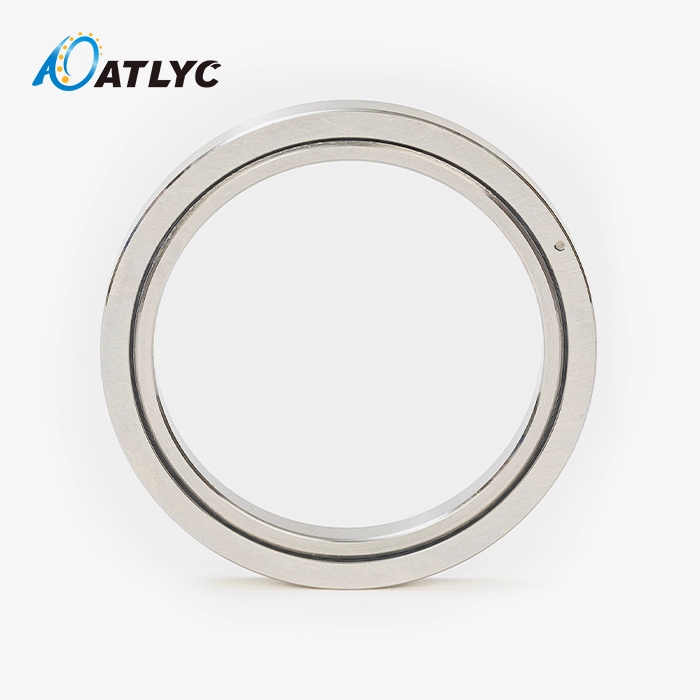
The YRTS Series rotary table bearing features a sophisticated three-in-one design that consolidates thrust bearing, radial bearing, and indexing capabilities into a single compact unit. This integration eliminates complex assembly requirements that typically burden maintenance teams while reducing overall mechanical volume by approximately thirty per cent compared to traditional combined bearing solutions. The bearing consists of an outer ring that provides a stable mounting interface, an inner ring enabling smooth rotational movement, precision steel balls optimised for high-speed operation, and an advanced cage design that maintains proper ball separation and lubrication distribution throughout operational cycles.
This architecture differs fundamentally from standard YRT configurations through specialised internal geometry that significantly reduces frictional torque. While retaining identical outer dimensions for easy retrofitting, the high-speed axial-radial bearing configuration addresses thermal expansion challenges inherent in direct drive motor applications. The outer ring is a fixed part, while the inner ring turns with very little resistance, so your equipment can move quickly without losing its ability to carry heavy loads during heavy machining operations.
Double-Row Angular Contact Configuration
Precision steel balls within the YRTS Series rotary table bearing are strategically arranged in two rows at optimised contact angles, typically specified at forty-five or sixty degrees depending on application requirements. This configuration enables simultaneous support of axial loads in both directions, radial loads from multiple vectors, and tilting moments under complex loading conditions that characterise modern machining centres. The bearing simultaneously handles high radial forces during heavy milling operations, dual-direction axial loads from cutting loads, and complex moment loads without compromising rotational smoothness.
The inner and outer raceways undergo precision grinding and super-finishing processes that achieve surface quality specifications exceeding standard bearing production tolerances. This manufacturing approach delivers dimensional accuracy meeting P4 and P2 tolerance classes according to ISO standards, ensuring interchangeability with standard mounting housings while providing superior performance characteristics. The vacuum-degassed bearing steel material, typically the GCr15 or 100Cr6 designation, undergoes specialised heat treatment protocols that maximise surface hardness and fatigue life—critical factors for sustained operation in demanding industrial environments.
Preload Optimisation and Sealing Technology
Unlike standard configurations requiring field adjustment, the YRTS Series rotary table bearing arrives with factory-set preload customised for optimal rigidity and speed performance. High-precision bolts maintain this preload specification throughout operational life, and manufacturers strongly advise against field adjustment attempts that risk precision degradation. This preloaded configuration, along with double-sided sealing, protects internal components from coolant contamination and particulate intrusion that are common in metalworking environments.
The sealed design extends lubrication intervals significantly, reducing maintenance frequency by up to forty per cent compared to open bearing configurations. This engineering approach directly addresses procurement concerns regarding total cost of ownership, as extended service intervals translate to reduced labour costs and improved equipment availability across production schedules.
Advantages of Upgrading to YRTS Series Bearings
Enhanced Speed Capabilities Without Thermal Penalties
Standard YRT bearings encounter fundamental limitations when rotational speeds exceed design specifications, generating excessive heat that degrades precision and accelerates wear. The specialised internal geometry of the YRTS Series rotary table bearing reduces frictional torque, overcoming these limitations and enabling speeds that are two to three times higher than conventional alternatives. This performance advantage proves essential for applications using direct drive torque motors, where rapid index positioning directly impacts cycle times and production throughput.
Manufacturing facilities implementing these high-speed bearings report measurable improvements in machine utilisation rates. Equipment that previously required cooling pauses between operations now maintains continuous operation during extended production runs. The thermal stability built into the YRTS design prevents overheating problems that affect standard configurations during high-RPM operations, ensuring dimensional accuracy over multi-hour machining cycles where temperature-induced expansion would otherwise compromise tolerances.
Superior Load Management Across Multiple Axes
Your machining equipment faces continuously varying load vectors as cutting tools engage workpieces from different approach angles and depths. The double-row angular contact ball arrangement in the YRTS Series rotary table bearing is very good at handling these complex loading scenarios, giving it excellent load-carrying capacity for axial, radial, and moment loading at the same time. The bearing has high tilting rigidity, which is essential for precision machining, and it also allows for rotational freedom, which is necessary for high-speed operations. This solves the traditional engineering trade-off between structural rigidity and rotational speed.
Industrial testing conducted across multiple manufacturing facilities demonstrates that equipment fitted with YRTS bearings maintains positional repeatability within two arc-seconds even under maximum rated loads. This performance consistency proves critical for automotive component manufacturers where tolerance stacking directly affects assembly quality and warranty costs. The bearing handles heavy axial loads during drilling operations while transitioning smoothly to high-speed grinding operations without requiring operational pauses for thermal stabilisation.
Extended Service Life and Reduced Maintenance Requirements
The YRTS Series rotary table bearing production employs material selection and heat treatment protocols that deliver an extended operational life compared to standard bearing alternatives. The vacuum-degassed bearing steel undergoes specialised processing that optimises microstructure for fatigue resistance, enabling sustained performance across millions of operational cycles. Manufacturing facilities tracking bearing replacement intervals report service life extensions averaging thirty to forty-five per cent when upgrading from standard configurations to YRTS specifications.
The double-sided sealing technology incorporated into these bearings protects internal components from environmental contamination while retaining lubrication effectiveness across extended service intervals. Maintenance teams benefit from simplified lubrication schedules, with recommended service intervals extending to every twelve hundred operational hours under normal loading conditions. This maintenance efficiency directly reduces labour costs and minimises unscheduled downtime events that disrupt production schedules and impact delivery commitments.
Comparing YRTS Series with Other Rotary Table Bearings
Performance Advantages Over Standard YRT Configurations
While the YRTS Series rotary table bearing maintains dimensional compatibility with standard YRT mounting interfaces, the internal engineering represents a fundamental redesign focused on high-speed performance. Standard YRT bearings utilise a combined roller design optimised for load capacity at moderate speeds, whereas YRTS configurations employ precision ball arrangements that minimise frictional resistance during high-speed rotation. This distinction becomes critically important in direct drive applications where standard bearings generate excessive heat that compromises precision and accelerates wear.
Testing data from multiple industrial applications demonstrates that YRTS configurations maintain stable operating temperatures at rotational speeds where standard YRT bearings reach thermal limits requiring operational derating. Procurement teams evaluating bearing specifications should recognise that dimensional interchangeability does not indicate performance equivalence—the specialised internal geometry justifies the modest cost premium through enhanced productivity and reduced maintenance expenses across equipment lifecycles.
Cost-Performance Analysis Against Premium Alternatives
Premium bearing manufacturers, including NSK, offer high-speed rotary table solutions with proven performance characteristics, yet procurement analysis reveals that the YRTS Series rotary table bearing delivers comparable precision and durability at substantially lower acquisition costs. Industry benchmarking studies indicate that YRTS bearings achieve price-performance ratios approximately twenty to thirty per cent more favourable than premium alternatives while maintaining quality standards verified through ISO 9001 and IATF 16949 certification.
This cost advantage proves particularly significant for mid-to-large manufacturers implementing multiple machining centres, where bearing standardisation enables inventory consolidation and volume purchasing benefits. The YRTS configuration provides specifications meeting P4 tolerance class requirements suitable for precision machining applications while maintaining competitive pricing that supports equipment investment justification across corporate procurement approval processes.
Application Suitability Compared to Cross Roller Bearings
Cross roller bearings are very rigid, which is good for some precision applications, but their design limits how fast they can rotate. The YRTS Series rotary table bearing provides a more robust load capacity and improved durability in heavy-duty settings while enabling higher operational speeds that are essential for modern machining centres. Manufacturing environments requiring rapid tool changes and multi-operation flexibility benefit from the YRTS configuration's ability to support both heavy milling operations and high-speed drilling or grinding cycles without equipment modifications.
Equipment designers increasingly specify YRTS bearings for vertical machining centres where the bearing must support heavy workpiece loads while enabling rapid index positioning between operations. The integrated design simplifies machine assembly while providing performance characteristics that would otherwise require complex bearing combinations with associated alignment challenges and maintenance complications.
Procurement Considerations for YRTS Series Bearings
Supplier Authentication and Quality Assurance
Successful bearing procurement begins with supplier verification to ensure authentic YRTS Series rotary table bearing units meeting published specifications. Authorised distributors and OEM channels provide documented traceability linking individual bearing serial numbers to production batch quality records, ensuring consistent manufacturing standards across orders. Procurement teams should request ISO 9001 and IATF 16949 certification documentation demonstrating supplier adherence to international quality management standards applicable to automotive and industrial bearing production.
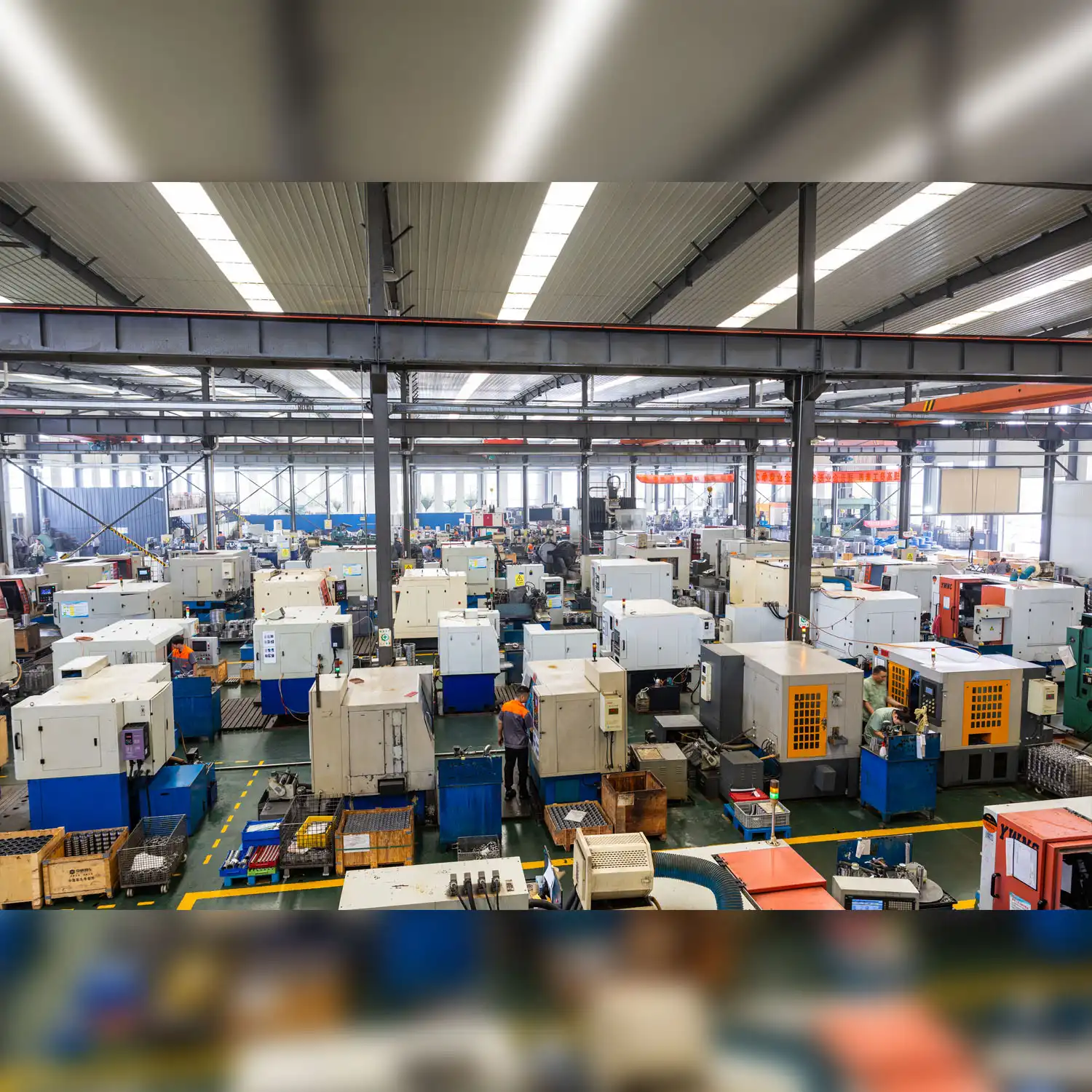
ATLYC maintains comprehensive manufacturing capabilities backed by fifteen years of bearing production experience, operating six specialised workshops staffed by one hundred twenty skilled employees dedicated to production, research and development, quality inspection, and assembly operations. This production scale enables consistent quality delivery while supporting customisation requirements for specialised applications that require dimensional modifications or enhanced load ratings beyond standard catalogue specifications.
Pricing Structure and Volume Considerations
Bearing costs vary based on size specifications, load capacity requirements, and customisation complexity. Standard YRTS Series rotary table bearing configurations typically range from three hundred to two thousand dollars per unit depending on bore diameter and load rating specifications. Volume purchasing arrangements provide cost reductions averaging fifteen to twenty-five per cent for orders exceeding fifty units, making standardisation across multiple equipment installations financially advantageous for manufacturing facilities operating numerous machining centres.
Customisation capabilities extend bearing applications across diverse industries requiring specialised dimensional characteristics or enhanced performance specifications. Engineering consultation services help choose bearings for demanding applications, making sure that the specified configurations meet operational requirements and keep procurement costs down by using the right size and avoiding over-specification. Lead times for standard configurations typically range from four to six weeks, with expedited options available for urgent equipment repairs or new installation deadlines.
Warranty Coverage and After-Sales Support
Comprehensive warranty coverage helps procurement teams reduce the risk of premature bearing failure. Standard terms cover manufacturing defects for twelve months from the installation date or eighteen months from the shipment date, whichever comes first. Extended warranty options are available for critical applications where operational downtime causes significant production losses, providing extra protection against unexpected maintenance costs.
After-sales technical support proves essential when troubleshooting installation challenges or addressing operational performance questions. ATLYC provides dedicated engineering assistance through direct communication channels, including an email contact at auto@lyautobearing.com, ensuring that technical questions receive prompt responses from experienced bearing specialists familiar with YRTS Series rotary table bearing applications across diverse industrial environments. This support infrastructure helps you tell the difference between reliable YRTS Series rotary table bearing suppliers and commodity distributors who cannot provide application-specific guidance.
Installation, Operation, and Maintenance Best Practices
Precision Mounting Techniques
Proper installation determines bearing performance and service life, requiring careful attention to mounting surface preparation and alignment procedures. Mounting surfaces must meet flatness specifications within ten micrometres across the bearing contact area, with perpendicularity maintained within fifteen arc-seconds to prevent ring distortion that increases friction and accelerates wear. Specialised tooling, including dial indicators and precision levels, ensures accurate bearing positioning during installation, avoiding alignment errors that compromise performance.
Torque specifications for mounting bolts require careful adherence to manufacturer recommendations, as improper tightening generates ring distortion affecting internal geometry. Installation teams should follow sequential tightening patterns that distribute clamping forces evenly around the bearing circumference, using calibrated torque wrenches to achieve specified values. The factory-preset preload within YRTS Series rotary table bearing units eliminates adjustment requirements during installation, simplifying the mounting process while ensuring optimal performance characteristics.
Lubrication Management Strategies
Effective lubrication management extends bearing service life and maintains consistent performance across operational cycles. High-performance lithium complex grease represents the recommended lubricant for most YRTS Series rotary table bearing applications, providing excellent load-carrying capacity and thermal stability across typical operating temperature ranges. Alternative lubrication approaches, including oil-air systems, prove beneficial for high-speed applications generating substantial frictional heat, enabling continuous lubrication delivery that manages temperature more effectively than grease-packed configurations.
Lubrication intervals depend on operational intensity, with heavy-duty machining applications requiring service every eight hundred to one thousand operational hours. Lighter-duty applications including metrology equipment extend intervals to fifteen hundred hours or more between lubrication services. Maintenance teams should monitor operating temperatures during initial equipment commissioning, as elevated bearing temperatures indicate insufficient lubrication or excessive preload requiring engineering consultation to resolve.
Load Management and Operational Monitoring
Operating the YRTS Series rotary table bearing within design load limits ensures expected service life and prevents premature failure. Equipment operators should understand maximum radial, axial, and moment load specifications, avoiding operational practices that generate impact loads or sustained overload conditions. Monitoring systems that track bearing temperature, vibration amplitude, and rotational torque provide early warning of developing problems, enabling corrective action before catastrophic failure occurs.
Troubleshooting procedures should address common bearing issues, including unusual noise, elevated operating temperature, and increased rotational resistance. These symptoms often indicate contamination, inadequate lubrication, or mounting misalignment requiring immediate attention. Maintenance protocols should include periodic inspection of bearing seals, verification of mounting bolt torque, and assessment of lubrication condition—straightforward procedures that prevent minor issues from escalating into equipment failures requiring costly emergency repairs.
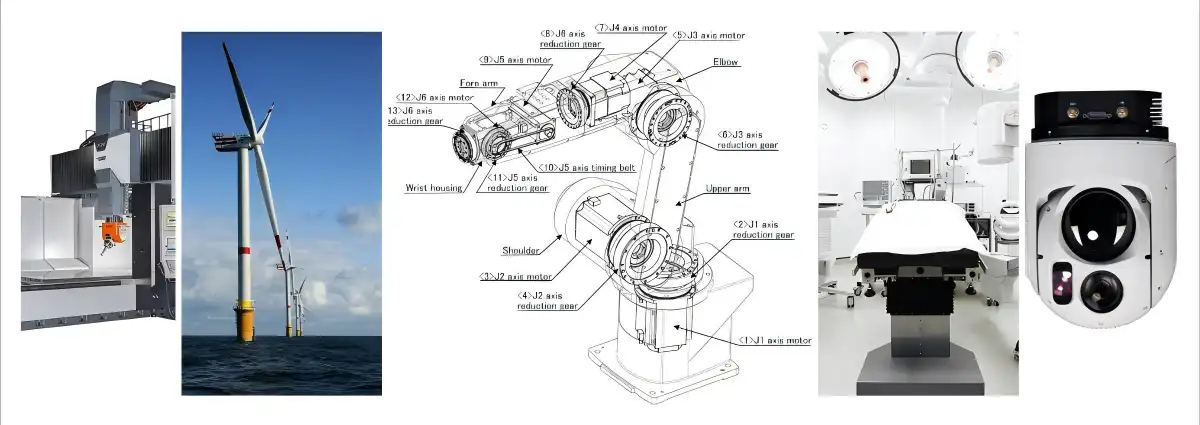
Conclusion
The YRTS Series rotary table bearing represents a strategic upgrade for manufacturing operations demanding high-speed performance without compromising load capacity or positional accuracy. This specialised bearing configuration addresses the fundamental limitations inherent in standard rotary table bearings, delivering measurable improvements in operational speed, thermal stability, and maintenance efficiency. The integrated design, precision manufacturing, and factory-optimised preload combine to provide performance advantages that translate directly into enhanced productivity and reduced total cost of ownership across equipment lifecycles. Manufacturing facilities upgrading to YRTS configurations report improved machine utilisation, extended bearing service life, and simplified maintenance requirements that collectively justify the investment through quantifiable operational benefits.
FAQ
What distinguishes the YRTS Series rotary table bearing from standard YRT configurations?
The YRTS Series features specialised internal geometry optimised for high-speed operation, achieving limiting speeds two to three times higher than those of standard YRT bearings through reduced frictional torque. While maintaining identical outer dimensions for easy retrofitting, the YRTS configuration incorporates preloaded, double-sided sealed construction that protects against contamination while eliminating field adjustment requirements that risk precision degradation.
Which industries benefit most from YRTS bearing implementation?
Automotive component manufacturers, precision machinery builders, and industrial equipment OEMs that use direct-drive rotary tables get significant benefits from YRTS technology. Vertical grinding machines, high-speed milling heads, and coordinate measuring equipment requiring rapid scanning speeds with minimal friction fluctuation represent ideal applications where YRTS bearings deliver measurable performance improvements over standard configurations.
How do I locate authorised YRTS Series rotary table bearing suppliers?
Reputable manufacturers, including ATLYC, maintain direct distribution channels with documented quality certifications, including ISO 9001 and IATF 16949 standards verification. Procurement teams should request certification documentation and production batch traceability records confirming authentic YRTS specifications. Direct contact with established manufacturers allows for customisation consultation and ensures access to genuine bearings with comprehensive warranty coverage and engineering support services.
Partner with ATLYC for Your Precision Bearing Requirements
ATLYC delivers comprehensive YRTS Series rotary table bearing solutions backed by fifteen years of manufacturing excellence serving automotive and industrial equipment manufacturers across global markets. Our ISO 9001- and IATF 16949-certified production facilities operate six specialised workshops staffed by one hundred twenty skilled professionals, ensuring consistent quality across every bearing unit. We offer complete customisation capabilities supporting specialised applications, competitive volume pricing for OEM partnerships, and rapid delivery schedules meeting urgent project timelines. Contact our engineering team at auto@lyautobearing.com to discuss your specific bearing requirements and receive detailed technical specifications confirming YRTS Series rotary table bearing supplier solutions optimised for your operational demands. Our proven track record serving manufacturers across South Korea, the United States, Germany, and additional international markets demonstrates our commitment to quality, reliability, and responsive technical support.
References
1. Wensing, J.A. "On the Dynamics of Ball Bearings." Doctoral Dissertation, University of Twente, Department of Mechanical Engineering, 1998.
2. Harris, T.A. and Kotzalas, M.N. "Advanced Concepts of Bearing Technology: Rolling Bearing Analysis, Fifth Edition." CRC Press, Taylor & Francis Group, 2006.
3. ISO 12240-4:1998. "Spherical Plain Bearings – Part 4: Spherical Plain Bearing Rod Ends". International Organisation for Standardisation, Geneva, Switzerland.
4. Gupta, P.K. "Advanced Dynamics of Rolling Elements". Springer-Verlag New York Inc., 1984.
5. Palmgren, A. "Ball and Roller Bearing Engineering, Third Edition." SKF Industries Inc., Philadelphia, 1959.
6. Zhou, R.S. and Hoeprich, M.R. "Torque of Tapered Roller Bearings." Journal of Tribology, Transactions of the ASME, Volume 113, 1991.
Learn about our latest products and discounts through SMS or email
_1772782093670.webp)