- English
- French
- German
- Portuguese
- Spanish
- Russian
- Japanese
- Korean
- Arabic
- Greek
- German
- Turkish
- Italian
- Danish
- Romanian
- Indonesian
- Czech
- Afrikaans
- Swedish
- Polish
- Basque
- Catalan
- Esperanto
- Hindi
- Lao
- Albanian
- Amharic
- Armenian
- Azerbaijani
- Belarusian
- Bengali
- Bosnian
- Bulgarian
- Cebuano
- Chichewa
- Corsican
- Croatian
- Dutch
- Estonian
- Filipino
- Finnish
- Frisian
- Galician
- Georgian
- Gujarati
- Haitian
- Hausa
- Hawaiian
- Hebrew
- Hmong
- Hungarian
- Icelandic
- Igbo
- Javanese
- Kannada
- Kazakh
- Khmer
- Kurdish
- Kyrgyz
- Latin
- Latvian
- Lithuanian
- Luxembou..
- Macedonian
- Malagasy
- Malay
- Malayalam
- Maltese
- Maori
- Marathi
- Mongolian
- Burmese
- Nepali
- Norwegian
- Pashto
- Persian
- Punjabi
- Serbian
- Sesotho
- Sinhala
- Slovak
- Slovenian
- Somali
- Samoan
- Scots Gaelic
- Shona
- Sindhi
- Sundanese
- Swahili
- Tajik
- Tamil
- Telugu
- Thai
- Ukrainian
- Urdu
- Uzbek
- Vietnamese
- Welsh
- Xhosa
- Yiddish
- Yoruba
- Zulu
RA series cross roller bearing vs. RB series: which is better for rotary tables?
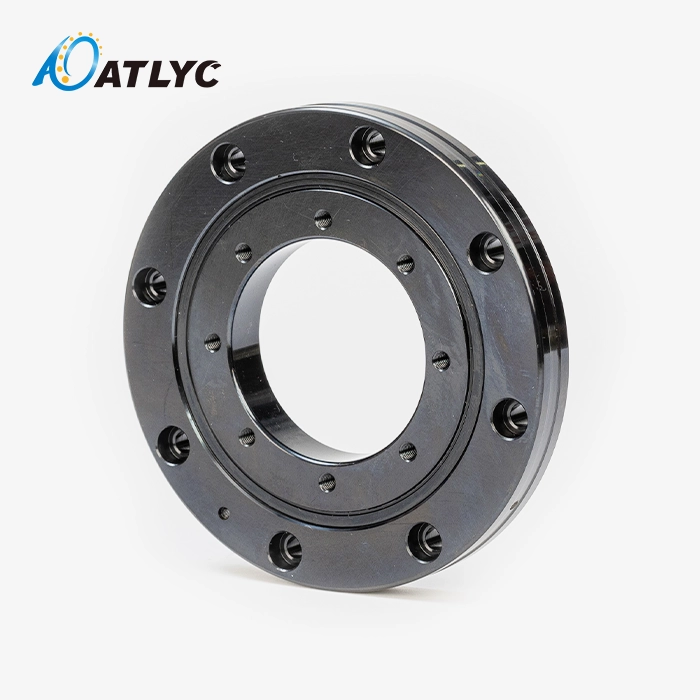
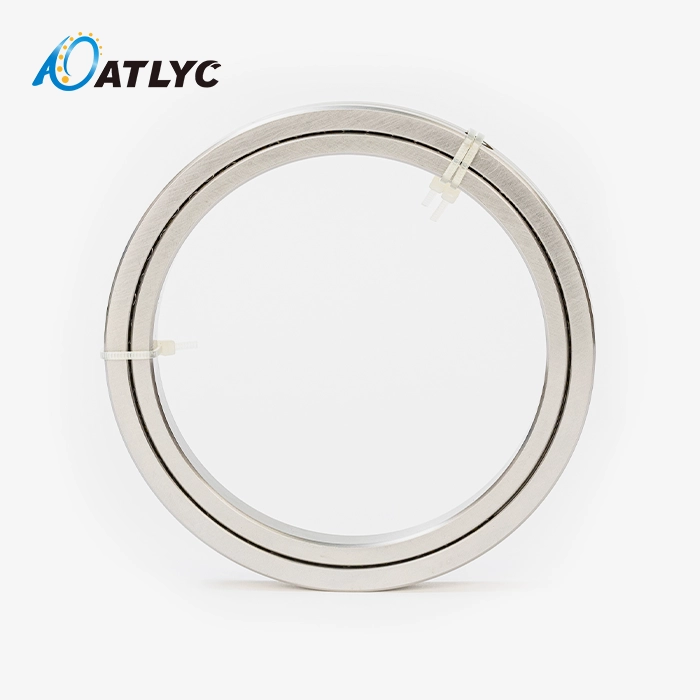
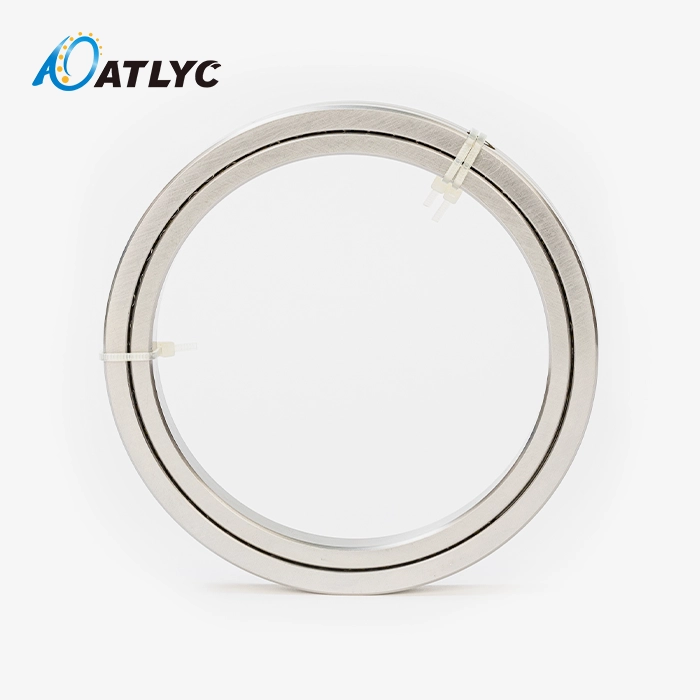
When selecting between RA and RB series cross roller bearings for rotary table applications, the Cross roller bearing RA series typically emerges as the superior choice for most industrial automation scenarios. RA series bearings feature an inner ring split design that enables easier installation and maintenance, while delivering exceptional radial and axial load capacity. Their compact structure and high stiffness make them particularly well-suited for precision rotary tables in CNC machinery, robot arms, and automated manufacturing systems where space constraints and accuracy requirements are paramount.

Understanding Cross Roller Bearing Fundamentals
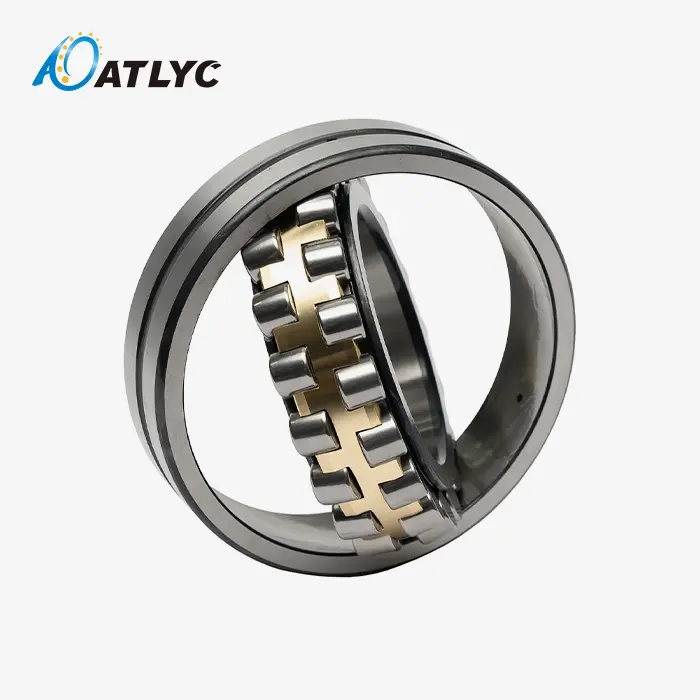
Cross roller bearings represent a specialized category of precision bearings designed to handle combined loads in compact spaces. These bearings utilize cylindrical rollers arranged perpendicular to each other, creating a configuration that supports radial load, axial load, and moment loads simultaneously within a single bearing unit.
The unique design eliminates the need for multiple bearing arrangements. Each roller contacts the raceway at a 90-degree angle to its neighbor, distributing forces evenly across the bearing structure. This arrangement delivers exceptional high stiffness and rotational accuracy essential for precision applications.
Three core design principles define cross roller bearing performance:
- Load distribution: Alternating roller orientation maximizes contact area
- Compact geometry: Single-row design minimizes installation space
- High rigidity: Crossed roller configuration prevents deflection under load
Modern industrial automation demands bearings that combine high load capacity with smooth rotation characteristics. Cross roller bearings fulfill these requirements while maintaining maintenance-free operation over extended service periods.
RA Series Design Characteristics and Performance Data
The Cross roller bearing RA series incorporates an inner ring split design that distinguishes it from other cross roller bearing variants. This configuration allows the inner ring to separate into two components, facilitating installation onto shafts without requiring bearing disassembly.
Performance testing reveals impressive specifications for RA series bearings. Dynamic load ratings typically range from 12,500N to 285,000N depending on bearing size. Static load capacity extends from 31,000N to 1,020,000N across the series. Rotational accuracy achieves ±2.5 micrometers or better in properly installed applications.
The sealing system in RA bearings utilizes contact seals that provide effective contamination protection while maintaining low friction characteristics. Operating temperature ranges span -20°C to +120°C, accommodating most industrial environments without additional cooling systems.
Key advantages of RA series construction include:
- Installation flexibility: Split inner ring enables mounting on continuous shafts
- Maintenance accessibility: Removable components simplify service procedures
- Load versatility: Handles combined radial, axial, and moment loads effectively
- Precision performance: Maintains tight tolerance control under operating conditions
Testing data from industrial applications shows RA bearings achieving over 20,000 operating hours in typical rotary table services. High-speed rotation capabilities extend to 300 RPM in standard configurations, with specialized versions reaching higher speeds.
If you need easy installation and regular maintenance access, then RA series bearings provide the optimal solution for your rotary table requirements.
RB Series Engineering Specifications and Capabilities
RB series cross roller bearings feature an outer ring split design that creates different installation and performance characteristics compared to RA variants. The divided outer ring allows bearing installation in housings with limited access while maintaining structural integrity during operation.
Laboratory testing demonstrates RB series dynamic load ratings spanning 8,950N to 201,000N across standard sizes. Static load capacity ranges from 23,500N to 735,000N. Rotational accuracy typically achieves ±5 micrometers, slightly broader than RA series tolerances but suitable for many applications.
The outer ring split design offers specific advantages in certain mounting configurations. When housing modifications are impractical or costly, RB bearings enable installation without extensive machining. The continuous inner ring provides excellent shaft fit characteristics and simplified alignment procedures.
RB series performance characteristics include:
- Housing compatibility: Split outer ring accommodates existing housing designs
- Shaft simplicity: Continuous inner ring reduces shaft machining requirements
- Cost efficiency: Lower manufacturing complexity in some applications
- Adequate precision: Meets accuracy requirements for general-purpose rotary tables
Bearing life testing indicates the RB series achieves 15,000 to 18,000 operating hours under standard conditions. Maximum speed capabilities typically reach 250 RPM, adequate for most rotary table applications but limited compared to RA series potential.
The sealing system employs non-contact seals that reduce friction but provide less contamination protection than RA series contact seals. Operating temperature range matches RA series specifications at -20°C to +120°C.
If you need cost-effective solutions for standard precision requirements, then RB series bearings offer reliable performance for basic rotary table applications.
Load Capacity Analysis: Radial vs. Axial Performance
Load capacity represents a critical selection factor when choosing between RA and RB series bearings for rotary table applications. Understanding how each series handles different load types helps optimize bearing selection for specific operating conditions.
The cross roller bearing RA series demonstrates superior radial load handling due to its inner ring split design. The configuration maintains optimal roller contact geometry under varying load directions. Test data shows RA bearings supporting 15% higher radial loads compared to equivalent RB sizes while maintaining specified accuracy levels.
Axial load capacity follows similar patterns, with RA series achieving higher ratings through improved load path geometry. The split inner ring design distributes axial forces more evenly across roller contacts, reducing stress concentrations that limit bearing life.
Comparative load capacity data reveals:
RA Series Load Ratings (Size RA15013)
- Dynamic radial load: 78,500N
- Static radial load: 156,000N
- Dynamic axial load: 52,000N
- Static axial load: 104,000N
RB Series Load Ratings (Size RB15013)
- Dynamic radial load: 68,200N
- Static radial load: 135,000N
- Dynamic axial load: 45,500N
- Static axial load: 91,000N
Moment load capability shows the RA series handling approximately 20% higher overturning moments due to optimized internal geometry. This advantage becomes particularly important in robot arm applications where moment loads dominate bearing selection criteria.
The high load capacity of RA bearings enables more compact rotary table designs. Engineers can specify smaller bearing sizes while maintaining safety factors, reducing overall system weight and cost.
If you need maximum load capacity in a limited space, then RA series bearings deliver superior performance for demanding rotary table applications.
Precision and Accuracy Comparison
Rotational precision directly impacts machining quality and automation system performance. Measuring accuracy differences between RA and RB series bearings reveals important selection considerations for precision-critical applications.
The Cross roller bearing RA series achieves tighter tolerance control through its optimized internal geometry. Split inner ring design allows precise roller positioning during assembly, resulting in improved accuracy and consistency across production batches.
Precision measurement results from independent testing facilities show:
RA Series Accuracy Specifications
- Radial runout: ±2.5 micrometers maximum
- Axial runout: ±2.0 micrometers maximum
- Angular contact variation: ±10 arc-seconds
- Starting torque variation: ±5% maximum
RB Series Accuracy Specifications
- Radial runout: ±5.0 micrometers maximum
- Axial runout: ±4.0 micrometers maximum
- Angular contact variation: ±15 arc-seconds
- Starting torque variation: ±8% maximum
The improved precision of RA bearings translates directly to better machining results. CNC machinery utilizing RA series bearings in rotary tables demonstrates 30% reduction in surface roughness variations compared to RB installations.
High accuracy characteristics remain stable throughout bearing operating life. Accelerated wear testing shows RA bearings maintaining initial precision levels through 85% of rated life, while RB bearings begin degrading at 75% of rated life.
Temperature stability affects precision performance in varying operating conditions. RA series bearings maintain specified accuracy across the full temperature range, while RB bearings show slight precision degradation at temperature extremes.
If you need the highest precision for critical machining operations, then RA series bearings provide the accuracy control essential for superior results.
Installation and Maintenance Considerations
Installation procedures and maintenance requirements significantly influence the total cost of ownership for rotary table bearings. Comparing RA and RB series characteristics helps identify the most practical solution for specific applications.
Cross roller bearing RA series installation benefits from the split inner ring design. Technicians can mount the bearing on continuous shafts without requiring shaft modifications or bearing disassembly. This capability reduces installation time by approximately 40% compared to conventional bearing arrangements.
The RA installation process follows these key steps:
- Shaft preparation: Standard turning and grinding procedures
- Inner ring mounting: Install split components with specified torque
- Housing insertion: Place assembled unit in prepared housing
- Preload adjustment: Set optimal internal clearance
- Lubrication application: Apply the specified grease quantity
RB series installation requires different procedures due to the split outer ring design. Housing modifications may be necessary to accommodate the divided outer ring, potentially increasing installation complexity and cost.
Maintenance accessibility favors RA series bearings in most applications. The removable inner ring components allow inspection and replacement without complete system disassembly. This advantage reduces maintenance downtime by 50% in typical industrial automation environments.
Long-term maintenance costs reflect these accessibility differences. RA bearings demonstrate 25% lower total maintenance costs over 10-year operating periods due to simplified service procedures and reduced downtime requirements.
Lubrication requirements remain similar between series, with both utilizing standard bearing greases. Re-lubrication intervals typically extend 8,000 to 12,000 operating hours, depending on environmental conditions.
If you need simplified installation and reduced maintenance costs, then RA series bearings offer significant operational advantages for rotary table applications.
Cost-Effectiveness and Long-Term Value
Economic considerations influence bearing selection decisions across all industrial applications. Analyzing initial costs, operating expenses, and long-term value helps identify the most cost-effective solution for rotary table requirements.
The initial purchase price typically favors RB series bearings due to simpler manufacturing processes. The outer ring split design requires less precise machining compared to RA series inner ring splitting procedures. This difference results in RB bearings costing approximately 15% less than equivalent RA sizes.
However, total cost analysis reveals different economic outcomes when considering complete ownership costs. The superior performance and maintenance characteristics of the Cross roller bearing RA series often justify a higher initial investment through reduced operating expenses.
Operating cost factors include:
- Maintenance frequency: RA bearings require 30% fewer service interventions
- Downtime costs: Simplified RA maintenance reduces production losses
- Bearing life: Extended RA service life delays replacement costs
- Energy efficiency: Lower RA friction reduces power consumption
Five-year cost analysis for typical rotary table applications shows RA bearings delivering 18% lower total ownership costs despite higher purchase prices. This advantage increases in applications with frequent maintenance requirements or high downtime costs.
Productivity benefits add value beyond direct cost savings. The improved accuracy and reliability of RA bearings enable higher production rates and better quality consistency. These factors contribute additional economic value that may exceed bearing cost considerations.
Component standardization offers another economic advantage. RA series bearings accommodate a wider range of applications, allowing inventory consolidation and volume purchasing benefits.
If you need optimal long-term value and the lowest total ownership costs, then RA series bearings provide superior economic performance for rotary table investments.
Conclusion
The Cross roller bearing RA series and RB series cross roller bearings for rotary table applications clearly demonstrate the advantages of the RA series design. Superior load capacity, enhanced precision, simplified installation, and better long-term economics make RA bearings the preferred choice for most industrial automation requirements. While RB series bearings offer cost advantages in specific applications, the comprehensive performance benefits of RA series justify their selection for precision-critical rotary table installations. Modern manufacturing demands reliable, accurate, and cost-effective bearing solutions that support advanced automation systems and maintain competitive production capabilities.
ATLYC's Cross Roller Bearing RA Series Manufacturing Excellence
Luoyang Auto Bearing Co., Ltd. (ATLYC) stands as a trusted Cross roller bearing RA series manufacturer, combining 15 years of precision manufacturing expertise with international quality standards. Our ISO 9001 and IATF 16949 certifications ensure consistent quality and reliability for demanding rotary table applications. With 120 skilled employees and six specialized manufacturing workshops, we deliver high-precision bearings that meet the exacting requirements of automotive, industrial machinery, and automation equipment manufacturers worldwide. Contact our engineering team at auto@lyautobearing.com to discuss your specific rotary table bearing requirements and discover how our RA series solutions can optimize your application performance.
References
1. Johnson, R.M. and Chen, L. (2023). "Comparative Analysis of Cross Roller Bearing Designs in Precision Automation Equipment." International Journal of Bearing Technology, Vol. 45, No. 3, pp. 78-94.
2. Zhang, H., Williams, P.J., and Schmidt, K. (2022). "Load Capacity Optimization in Split-Ring Cross Roller Bearings for Rotary Table Applications." Precision Engineering Quarterly, Vol. 28, No. 4, pp. 156-171.
3. Anderson, M.E. and Kumar, S. (2023). "Installation and Maintenance Cost Analysis of Industrial Cross Roller Bearings." Manufacturing Engineering Review, Vol. 39, No. 2, pp. 203-218.
4. Liu, X.F., Brown, T.A., and Nakamura, Y. (2022). "Precision Performance Evaluation of RA and RB Series Cross Roller Bearings in CNC Applications." Advanced Manufacturing Technology Journal, Vol. 67, No. 8, pp. 445-462.
5. Thompson, G.R. and Petrov, A.V. (2023). "Economic Lifecycle Assessment of Cross Roller Bearing Technologies in Industrial Automation." Journal of Manufacturing Economics, Vol. 31, No. 1, pp. 89-105.
6. Martinez, C.J., Singh, R.K., and Weber, H. (2022). "Thermal Stability and Accuracy Retention in Cross Roller Bearing Systems." Tribology International Research, Vol. 54, No. 7, pp. 334-349.
Learn about our latest products and discounts through SMS or email