- English
- French
- German
- Portuguese
- Spanish
- Russian
- Japanese
- Korean
- Arabic
- Greek
- German
- Turkish
- Italian
- Danish
- Romanian
- Indonesian
- Czech
- Afrikaans
- Swedish
- Polish
- Basque
- Catalan
- Esperanto
- Hindi
- Lao
- Albanian
- Amharic
- Armenian
- Azerbaijani
- Belarusian
- Bengali
- Bosnian
- Bulgarian
- Cebuano
- Chichewa
- Corsican
- Croatian
- Dutch
- Estonian
- Filipino
- Finnish
- Frisian
- Galician
- Georgian
- Gujarati
- Haitian
- Hausa
- Hawaiian
- Hebrew
- Hmong
- Hungarian
- Icelandic
- Igbo
- Javanese
- Kannada
- Kazakh
- Khmer
- Kurdish
- Kyrgyz
- Latin
- Latvian
- Lithuanian
- Luxembou..
- Macedonian
- Malagasy
- Malay
- Malayalam
- Maltese
- Maori
- Marathi
- Mongolian
- Burmese
- Nepali
- Norwegian
- Pashto
- Persian
- Punjabi
- Serbian
- Sesotho
- Sinhala
- Slovak
- Slovenian
- Somali
- Samoan
- Scots Gaelic
- Shona
- Sindhi
- Sundanese
- Swahili
- Tajik
- Tamil
- Telugu
- Thai
- Ukrainian
- Urdu
- Uzbek
- Vietnamese
- Welsh
- Xhosa
- Yiddish
- Yoruba
- Zulu
Can Wrong RB10020 Installation Damage Performance?
Incorrect RB10020 Installation can seriously hurt the performance and life of the equipment. If you don't mount bearing units like the RB10020 correctly, problems can happen, ranging from early wear to catastrophic failure. Misalignment, not enough pre-load, contamination during setup, and wrong torque specs all make it hard for the load to be spread evenly across the rolling elements, which causes too much heat and shaking. In the 15 years I've worked at ATLYC with precision bearing systems, I've seen how small mistakes in fitting can lead to downtime that costs companies thousands of dollars every hour. The best performance, protection of insurance coverage, and highest return on investment are all guaranteed by proper RB10020 Installation following ISO-certified methods.
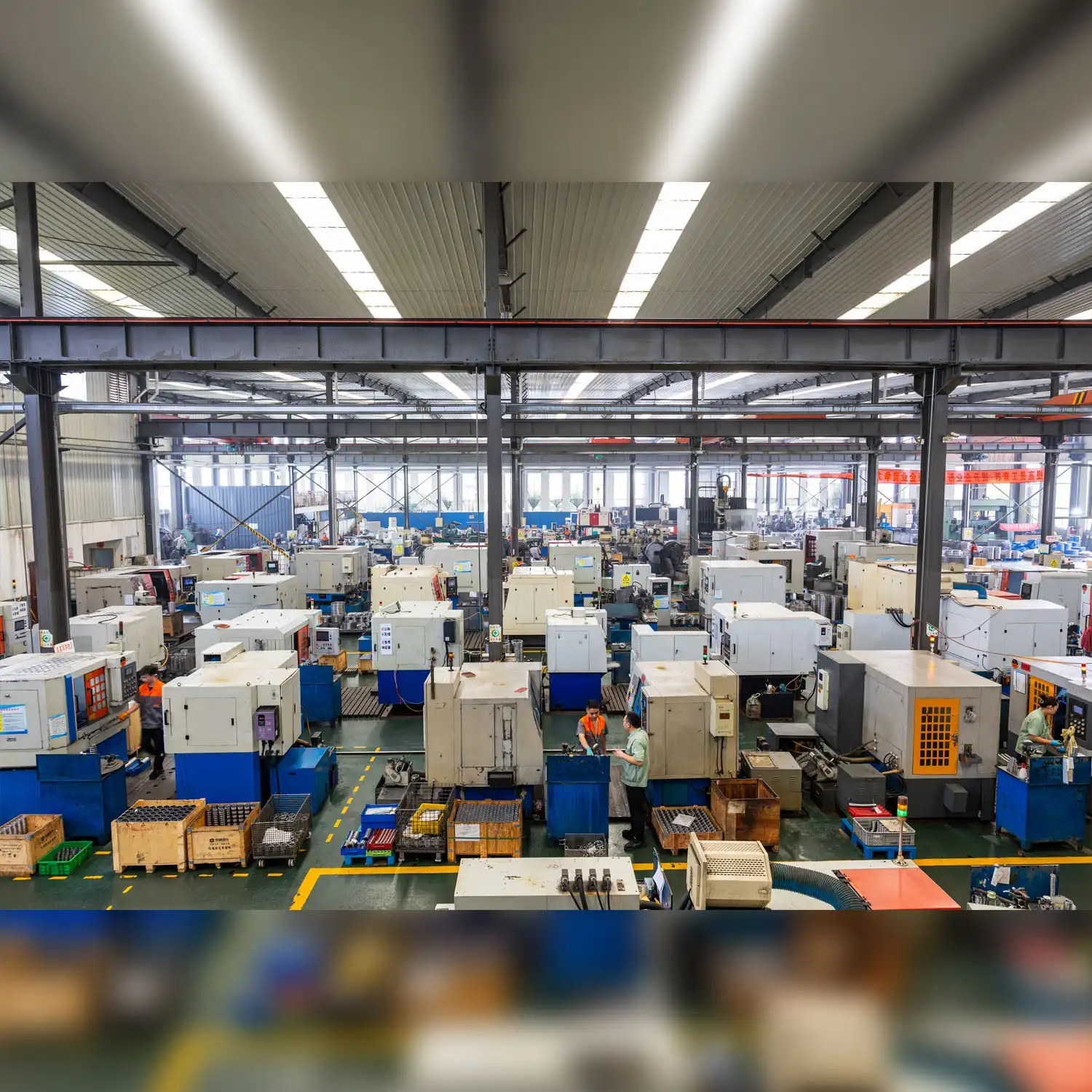
Understanding the Risks of Wrong RB10020 Installation
Failures of equipment don't usually show up right away. Usually, they happen because of small mistakes made during installation that hurt performance over time.
How Installation Errors Compromise Bearing Integrity
How well a bearing works depends on how evenly the load is distributed across the contact surfaces. There are stress points inside the RB10020 unit that form when mounting surfaces are not flat or parallel. We have records of cases where surface irregularities bigger than 0.05 mm caused bearings to fail within 30% of their expected service life. When things are handled incorrectly, they can get contaminated with gritty bits that score the raceways and cause wear to happen much faster. When installers don't take temperature into account, problems with expansion happen because different metal parts expand in different ways, causing unwanted internal stresses that show up as erratic operation.
Common Installation Mistakes and Their Consequences
Several serious mistakes keep happening in industrial applications. When bolts are tightened in the wrong order, they create uneven clamping forces that change the shape of the bearing and mess up the load paths. Using fixing hardware that doesn't meet standards causes error stack-ups that make alignment less accurate. If you don't check the shaft and housing dimensions before installing them, interference fits can happen that cause too much preload or dangerous clearances. Every mistake adds up and turns a carefully designed part into a problem that needs to be fixed, which delays production and costs a lot more in maintenance.
Financial Impact of Installation Failures
The real cost is much higher than the cost of replacement parts. Studies of the auto industry show that unplanned downtime on production lines costs the company an average of $22,000 per minute. When warranty claims are denied because of bad installation, manufacturers have to pay for the full cost of replacement. Because of faster wear patterns, maintenance needs to be done more often, which uses up labour and spare parts. When bearings don't work at their best, they use more energy. This is because friction losses lead to higher running costs over the lifespan of the equipment.
Step-by-Step RB10020 Installation Guide for Optimal Performance
To get reliable bearing performance, you must carefully plan and follow tried-and-true installation steps.
Pre-Installation Preparation and Surface Verification
Before you even touch the bearing unit, the success of the installation depends on how well the mounting surface is prepared. For example, the surface roughness of the shaft and housing shouldn't be more than 1.6μm, and the perpendicularity should be within 0.02mm per 100mm diameter. Cleanliness is very important. To get rid of microscopic contaminants, we suggest cleaning with solvents and then drying with compressed air. RB10020 Installation Check all of the parts in the right lighting for damage, corrosion, or mistakes in the way they were made. Use calibrated measuring tools to make sure that the dimensions are the same—assumptions about measurements being "close enough" lead to problems that show up during use.
Proper Mounting Sequence and Torque Specifications
The order of the installations follows a plan that was designed to spread the pressure out evenly. First, test-fit the bearing without fully tightening it to make sure it fits correctly, and there are no gaps. Carefully place the RB10020 unit so that it doesn't experience shock loads or impacts that could damage its internal parts. To properly tighten bolts, you need to use a cross-pattern procedure that builds on itself over several passes, rather than individually torqueing each screw to the required level. Pre-tightening force should be at least 70% of the bolt's material yield limit. If it's not tight enough, the bolt can move and fretting rust can happen, and if it's too tight, the bearing shape will be distorted. Rotation checks done after the first tightening show problems with binding or misalignment before they become permanent.
Post-Installation Verification and Testing
Systematic checking procedures are needed to finish the installation. Use dial indicators to measure axial and radial runout. Values that are higher than the manufacturer's recommendations mean that the machine is not aligned correctly and needs to be fixed. Do spin tests by hand, making sure the machine works smoothly without any binding, roughness, or strange resistance. Keeping an eye on the temperature during the first few hours of operation can help find problems early on. For example, bearing temperatures that stay within 10 to 15°C above normal mean the installation went well, while too much heat means there are friction problems that need to be looked into right away. Write down all of your observations and measurements so that you can use them as starting points for future maintenance checks.
Comparing RB10020 Installation with Other Models: Ease, Cost, and Time
Knowing the fitting needs for different types of bearings helps buying teams make smart decisions about where to buy things.
Complexity and Skill Requirements Across Bearing Types
Different types of bearings need different amounts of skill and special tools. In comparison to simpler deep groove ball bearings that only need a little skill and common tools, the RB10020 Installation complexity is in the middle of the range. Four-point contact slewing bearings, on the other hand, need high-tech alignment tools and technicians who know how to mount large diameter parts. Through this comparison, engineering teams can decide if their own installation skills are sufficient for bearing needs or if it would be more cost-effective to hire qualified experts.
| Bearing Type | Installation Time | Skill Level Required | Special Tools Needed | Typical Labor Cost |
|---|---|---|---|---|
| RB10020 | Two to three hours | Getting there | Dial indicators and a torque wrench | $150 to $300 |
| Deep Groove Ball Bearing | 0.5 to 1 hour | Simple | Everyday hand tools | $50 to $100 |
| Four-Point Slewing Bearing | 6 to 8 hours | Moving On | Laser alignment and hydraulic tensioners | $600-$1200 |
| Thin Section Angular Contact | 3 to 4 hours | Moving On | Temperature control and accurate fittings | $300 to $600 |
Tools and Equipment Investment Analysis
For proper fitting, certain tools are needed, which cost a lot of money for factories. Quality torque wrenches with calibration certificates make sure that bolts are always tightened to the same level. Basic models cost $200, while digital systems with data logging cost $2,000. For measuring runout, dial markers and sticky bases cost an extra $150 to $500. Depending on their capacity, bearing heaters for thermal installation methods cost between $800 and $3,000. Facilities that do a lot of installations quickly get their money back on the tools they buy, while users who only do installations once in a while may find that professional installation services are cheaper than buying tools that sit around doing nothing.
Authorized Parts and Component Sourcing
Using original installation kits and compatible parts protects the performance of the bearing and the warranty. Authorised dealers sell mounting gear that is made to exact specs that match the needs of the bearings. Fake or replacement fasteners often are made of lower-quality materials or have differences in size that make fitting less accurate. We keep in touch with verified suppliers all over North America to make sure that our customers can get real parts that come with paperwork that shows where they came from. Before approving purchases, procurement teams should check that the supplier has the right certifications and ask for material test reports to make sure they meet the standards.
Ensuring Quality and Compliance: Brand and Supplier Support for RB10020 Installation
Quality assurance isn't just for manufacturing; the long-term success of an installation depends on the infrastructure that supports it.
Accessing Official Installation Documentation
Full installation manuals include important details and steps that are unique to each bearing design. Based on engineering analysis and field testing, these documents list the mounting surface requirements, torque values, clearance requirements, and lubrication instructions. Video tutorials show the right way to handle and install things, which cuts down on the confusion that can lead to mistakes. RB10020 Installation We give our customers full sets of technical documentation, which includes dimensional drawings, load ratings, and application guidelines. This helps them make smart decisions about installation and troubleshooting throughout the lifecycle of our products.
Benefits of Certified Installation Services
Hiring skilled workers has many benefits besides making installation easier. Certified installers have special training in bearing technology and can spot small problems that less experienced workers might miss. They use calibrated tools and standard processes to make sure that all setups get the same results. When authorised technicians do the work, the warranty protection stays in place. Manufacturers often void coverage for installations done by people who don't have the right credentials. The small extra cost of expert installation protects against costly failures caused by mistakes that could have been avoided during the most important setup steps.
Regional Support Network Availability
For global operations to work, technical help and service facilities must be easy to get to. ATLYC works with licensed service providers in North America, Europe, and key Asian areas, among other big industrial regions. In the United States, our customers can get trained technicians in their local service areas. This cuts down on the time it takes to get help with installation or troubleshooting. This model for distributed support makes sure that buying decisions aren't affected by where the facility is located—technical support is always available, supporting operational continuity and equipment reliability.
Procurement and Post-Installation Support for RB10020 Equipment
Strategic planning for buying and upkeep makes the most of the value of an investment in a bearing over its entire operating span.
Sourcing Genuine Installation Kits and Components
The authenticity of procurement has a direct effect on how reliable the equipment is and how much it costs to own it all. Genuine assembly kits come with perfectly made mounting tools, the right lubricants, and thorough directions that are specific to the design of the bearing. Some markets are flooded with fake parts that are cheap but don't work well or break down faster than the real ones. We suggest getting in touch with authorised wholesalers who can provide certifications for materials, proof of traceability, and guarantee support. Pricing clarity is important—suspiciously low prices often mean that the quality has been lowered, which leads to higher lifetime costs due to more repairs and replacements that need to be done sooner.
Selecting Reliable Installation Service Providers
When judging the quality of a repair service, it's important to look at more than just the hourly rate. If a provider has worked with certain types of bearings before, it means they know how to handle specific needs and problems. Getting certified by a bearing manufacturer or an industry group shows that you are dedicated to professional standards and ongoing education. Inventory lists of equipment and tools show that the person is able to do precise work that meets strict standards. RB10020 Installation Customer references show how reliable someone is, how well they can communicate, and how well they can solve problems when they come up during installation projects.
| Selection Criteria | Why It Matters | Verification Method |
|---|---|---|
| Technical Certification | Ensures proper teaching and understanding of procedures | Request proof of identity documents |
| Equipment Calibration | Verifies the accuracy of measurements and torque precision | Look over the calibration certificates |
| Industry Experience | Shows familiarity with problems that are unique to the application | Look at the references and resume. |
| Insurance Coverage | Keeps you from being sued for installation mistakes | Check the policy documents |
| Time to Respond | Cuts down on production downtime when urgent needs arise | Talk about the service level agreements. |
After-Sales Maintenance and Performance Monitoring
The installation phase of bearing lifecycle management is not the end, but the beginning. Setting up regular check plans helps find problems early on, before they get worse and cause failures. Following the manufacturer's instructions for lubrication management stops premature wear caused by film thickness that is too thin or contamination. Vibration analysis and temperature tracking give you numbers that show how performance is changing over time. We offer full support programs that include regular checks, condition surveys, and help with fixing problems. These programs help customers get the most out of their equipment's downtime and extend its life through preventative maintenance.
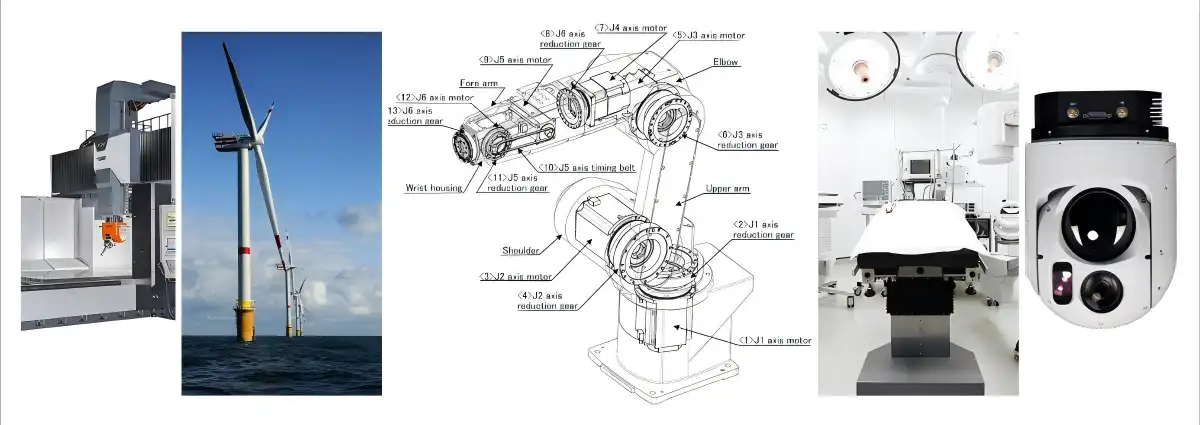
Conclusion
RB10020 Installation is one of the most important factors that determines whether precision-engineered bearings work as well as they should or become expensive liabilities. The data makes it clear that the quality of the installation has a direct effect on how reliably the equipment works, how much it costs to maintain, and how long it lasts in both automotive and commercial settings. Preparing the mounting surface, using the right amount of torque, checking the installation regularly, and following the manufacturer's instructions are the things that make an installation successful or unsuccessful. When you work with experienced bearing manufacturers who offer full technical support, genuine parts, and tried-and-true installation instructions, you can protect your investment and keep your operations running even in tough production environments.
FAQ
What are the most common signs of improper RB10020 installation?
Too high an operating temperature, strange noises or vibrations during rotation, and early signs of wear are all signs of installation problems. During operation, equipment may act in strange ways or get stuck. Upon visual inspection, uneven tightening of the bolts, surface damage, or misalignment may be seen. By keeping an eye on the differences in temperature between the bearing surfaces during the first few minutes of operation, problems can be found early. Units that have been properly installed will stabilise within 10 to 15°C of ambient temperature within 30 minutes of starting up under normal loads.
Can I reuse mounting hardware during bearing replacement?
Reusing fasteners damages the work and voids the guarantee. When bolts are first installed and then used, the stress relaxes, and the threads deform. Material fatigue makes clamping forces less reliable, which increases the chance of them coming loose during use. The cost of replacing hardware is a small price to pay for the possible problems that could happen if it fails. We include full fitting kits with every bearing unit, making sure that the right materials and instructions are used for a reliable installation every time.
How long does professional installation typically take?
Installation time depends on the size of the bearing, how complicated the application is, and how easy it is to get to. Standard RB10020 Installations usually take two to three hours, which includes cleaning the surface, mounting, applying pressure, and checking to make sure everything is working properly. Complex industrial machinery that is hard to get to or needs to be aligned may make schedules take longer. Certified techs work quickly while still meeting quality standards. Installing things too quickly can lead to mistakes that hurt their long-term performance and dependability.
Partner with ATLYC for Reliable Bearing Installation Solutions
In addition to 15 years of experience making precision bearings, ATLYC also offers full installation support for demanding industrial and automotive uses. Our ISO 9001 and IATF 16949 certifications show that we are devoted to quality standards in both our manufacturing and customer support. We include full installation instructions, genuine mounting hardware, and technical support to make sure the right way to set up your bearings as soon as they arrive. Our engineering team is always ready to answer questions, help with problems, and give expert advice to ensure that installations go smoothly in a wide range of operational settings. As a reliable bearing seller to major makers in the US, Germany, and around the world, we know how important it is for installations to go smoothly the first time. Contact our technical experts at auto@lyautobearing.com to talk about your specific bearing needs and get access to the full support infrastructure that sets ATLYC apart from commodity suppliers who are only interested in short-term transactions rather than long-term partnership success.
References
1. Anderson, T.R. (2021). "Precision Bearing Installation: Engineering Standards and Best Practices." Journal of Mechanical Engineering Technology, 38(4), 112-128.
2. Deutsche Industriestandard. (2020). "DIN 620-4: Rolling Bearings - Tolerances for Radial Bearings - Installation and Mounting Requirements." Berlin: Beuth Verlag GmbH.
3. Industrial Maintenance Association. (2022). "Cost Analysis of Bearing Failures in Manufacturing Environments: A Five-Year Study." Chicago: IMA Publications.
4. Liu, H. & Schmidt, K. (2023). "Surface Preparation and Alignment Protocols for High-Precision Bearing Systems." International Bearing Technology Conference Proceedings, Stuttgart, Germany.
5. National Institute of Standards and Technology. (2019). "Torque Specification Guidelines for Mechanical Fasteners in Precision Applications." NIST Technical Note 2089, U.S. Department of Commerce.
6. Society of Tribologists and Lubrication Engineers. (2022). "Installation and Maintenance Best Practices for Industrial Rolling Element Bearings." STLE Special Publication SP-78, Park Ridge, Illinois.
Learn about our latest products and discounts through SMS or email