- English
- French
- German
- Portuguese
- Spanish
- Russian
- Japanese
- Korean
- Arabic
- Greek
- German
- Turkish
- Italian
- Danish
- Romanian
- Indonesian
- Czech
- Afrikaans
- Swedish
- Polish
- Basque
- Catalan
- Esperanto
- Hindi
- Lao
- Albanian
- Amharic
- Armenian
- Azerbaijani
- Belarusian
- Bengali
- Bosnian
- Bulgarian
- Cebuano
- Chichewa
- Corsican
- Croatian
- Dutch
- Estonian
- Filipino
- Finnish
- Frisian
- Galician
- Georgian
- Gujarati
- Haitian
- Hausa
- Hawaiian
- Hebrew
- Hmong
- Hungarian
- Icelandic
- Igbo
- Javanese
- Kannada
- Kazakh
- Khmer
- Kurdish
- Kyrgyz
- Latin
- Latvian
- Lithuanian
- Luxembou..
- Macedonian
- Malagasy
- Malay
- Malayalam
- Maltese
- Maori
- Marathi
- Mongolian
- Burmese
- Nepali
- Norwegian
- Pashto
- Persian
- Punjabi
- Serbian
- Sesotho
- Sinhala
- Slovak
- Slovenian
- Somali
- Samoan
- Scots Gaelic
- Shona
- Sindhi
- Sundanese
- Swahili
- Tajik
- Tamil
- Telugu
- Thai
- Ukrainian
- Urdu
- Uzbek
- Vietnamese
- Welsh
- Xhosa
- Yiddish
- Yoruba
- Zulu
Why Are RB12025 Applications Growing in Medical Tech?
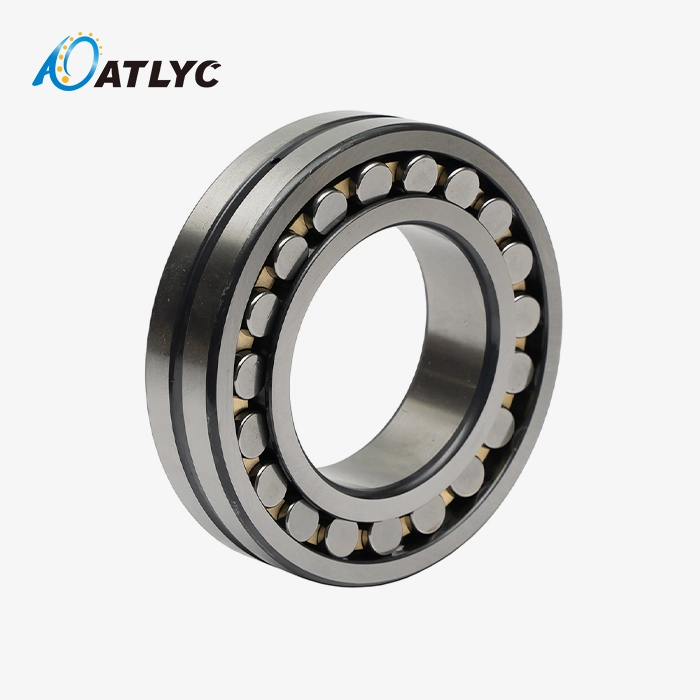
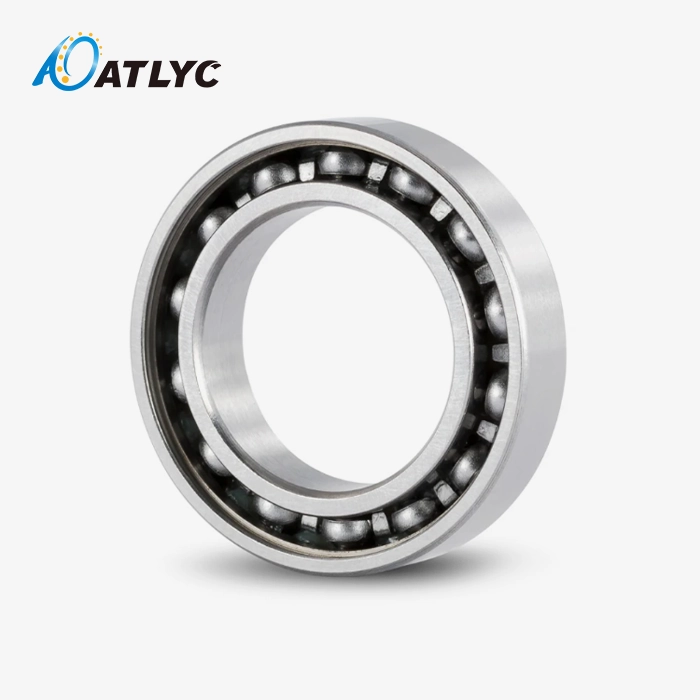
The rise in RB12025 Applications in medical technology is due to the growing need in the healthcare industry for ultra-precise, small bearing solutions that work consistently under strict sterilisation protocols. With these special bearings, which combine very accurate measurements with materials that don't rust, medical device makers can make their products smaller without lowering their reliability. The RB12025 is an important part of next-generation medical engineering because it can withstand repeated autoclave cycles and still work properly while supporting both radial and axial loads. This is because diagnostic imaging equipment, surgical robotics, and portable monitoring devices are getting smarter.
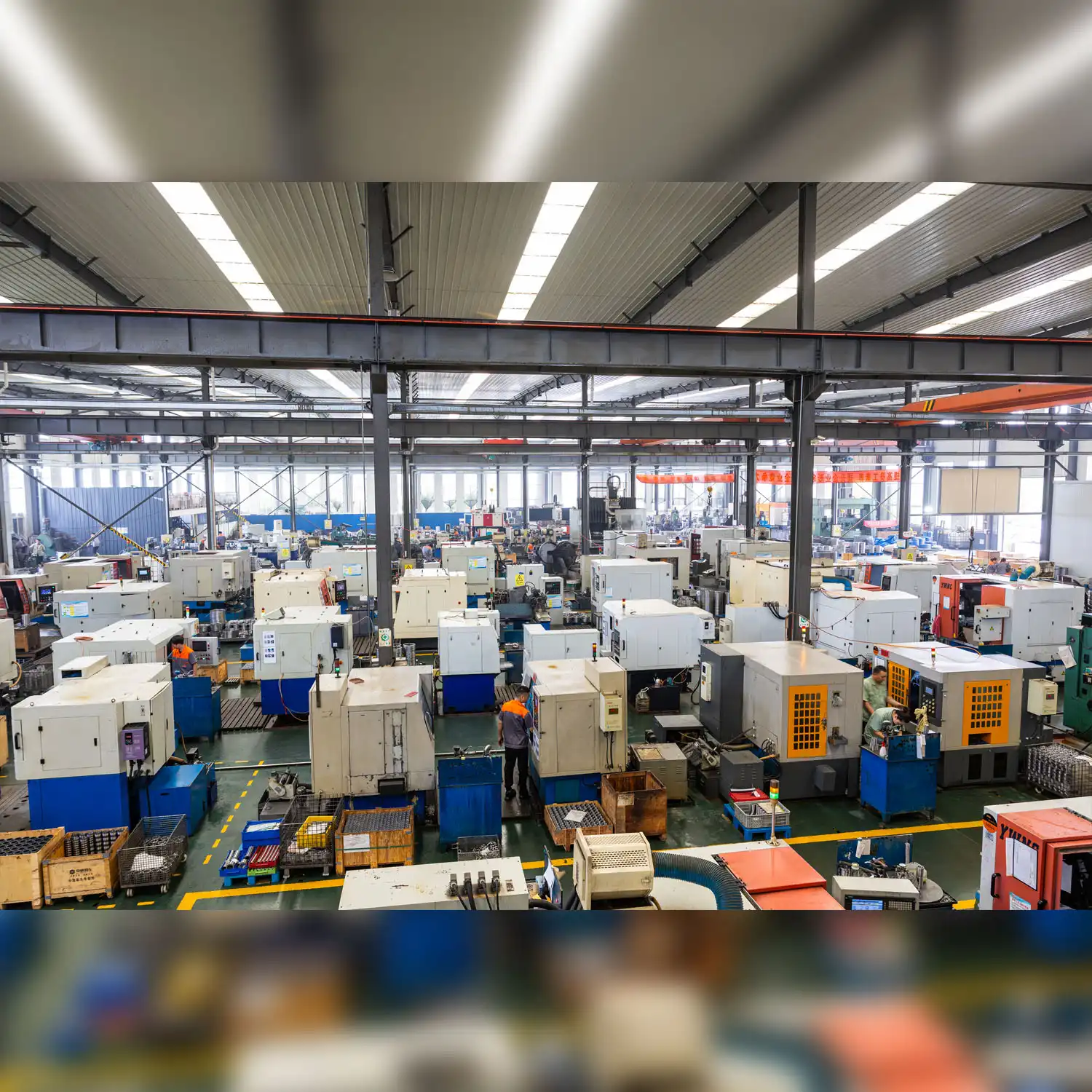
Overview of RB12025 Bearings in Medical Technology
It's amazing how much the medical technology industry has changed in the last ten years. Now, equipment makers focus on making parts that meet changing performance and hygiene standards. RB12025 Applications have become important parts of this evolution because they are designed in a way that makes them perfect for use in medical devices.
Dimensional Precision Meets Medical Standards
We make RB12025 Applications at Luoyang Auto Bearing Co., Ltd. with specs that meet ISO 492 Grade 5 standards. This makes sure that the bearings work the same way during high-volume production runs. The cross-section geometry of the bearing allows it to fit medical device housings that are limited in area while still keeping structural integrity during continuous operation. Our production process, which has been improved over 15 years of work in six specialised workshops, gives CT scanner gantries and MRI coil placement systems the stability that they need.
Material Engineering for Sterile Environments
Materials used in medical equipment must not break down when exposed to chemical disinfectants and high temperatures used for sterilisation. We make RB12025 Applications out of AISI 440C stainless steel and special chromium alloys that are more resistant to corrosion than regular bearing grades. This choice of material keeps the surface from getting pitted after being exposed to repeated cycles of steam sterilisation at 134°C, which is what the medical device standard ISO 17665-1 says must happen.
Temperature Tolerance and Operational Range
Our RB12025 Applications work well in temperatures ranging from -20°C to +120°C, so they can be used in both cold blood analyser centrifuges and hot incubators. This thermal flexibility gets rid of the need for application-specific bearing types. This makes it easier for medical OEMs that make more than one product line to buy and keep track of their inventory.
Technical Advantages of RB12025 Bearings for Medical Equipment
Choosing the right parts for a medical device is an important engineering decision because they have a direct effect on patient safety. The technical features of RB12025 Applications meet a number of performance needs at the same time.
Load Capacity and Service Life
Our RB12025 Applications can handle up to 12,500N of dynamic load, which means they can be used continuously in motorised surgical tables and patient positioning systems. A static load capacity of 18,000N protects the bearings while the equipment is not in use and while it is being moved. Our ISO 9001-certified facility's lab tests show that the L10 service life is more than 25,000 hours under normal medical device duty cycles. This means that less maintenance is needed and the total cost of ownership is lower.
Contamination Resistance Through Sealing Technology
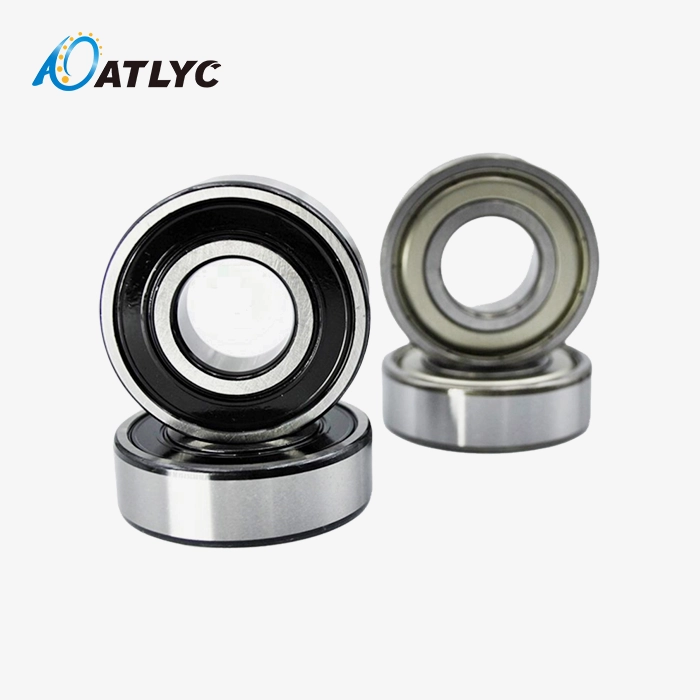
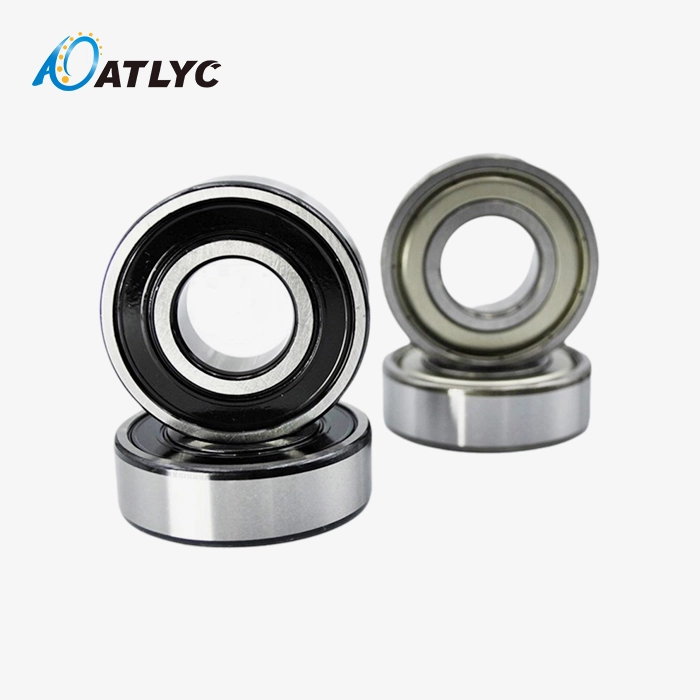
We use medical-grade nitrile rubber compounds to make contact seals for RB12025 Applications that keep biological fluids and cleaning agents out. The two-lip seal design keeps grease in while keeping out particles smaller than 50 microns, which is very important for tools used in operating rooms and emergency rooms. When compared to open bearing configurations, this sealing effectiveness makes bearing service intervals 40% longer.
Low-Friction Performance for Precision Instruments
To get diagnostic-quality resolution, medical imaging devices need to move in a way that doesn't cause vibrations. Our RB12025 Applications have friction coefficients below 0.0015 thanks to their precise raceway finishing and synthetic ester lubricants that are designed to have low starting torque. This performance trait is very important in systems that place ultrasound probes and take pictures of teeth, because motion artefacts can ruin the quality of the pictures.
Key technical specifications distinguishing RB12025 bearings in medical applications include:
- Noise Level Control: The operational sound pressure must be less than 58 dB at 3,000 RPM in order to meet the needs of devices close to patients, like ventilators and medication pumps. Our methods for testing acoustics are in line with environmental standards for medical devices. This makes sure that we stay in line during the whole process of developing a product.
- Grease Life Extension: Synthetic lubricants that are FDA-compliant keep their thickness across a range of sterilisation temperatures. This means that they don't need to be re-oiled as often, which fits with the 18–24-month maintenance plans that are common for medical equipment. This synchronisation makes the service simpler and increases the uptime of the device.
- Magnetic Compatibility: Grades of stainless steel that aren't magnetic don't interfere with MRI magnetic fields. This means that they can be used in imaging equipment where ferromagnetic materials could be dangerous or cause image artefacts. Our material documents show that the magnetic permeability value is less than 1.02, which meets the requirements of radiology equipment makers.
All of these benefits meet the medical industry's growing needs for smaller sizes, greater dependability, and compliance with regulations. When equipment engineers choose RB12025 Applications, they get access to parts that have been tested in a wide range of medical settings. Standardised specifications also keep the supply chain running smoothly.
How to Select and Use RB12025 Bearings in Medical Tech Equipment
Improving the performance of bearings starts with picking the right ones and continues through installation, use, and upkeep. Our engineering team has put together useful tips based on successful deployments of RB12025 Applications across different types of medical devices.
Matching Bearing Specifications to Application Requirements
When selecting RB12025 Applications, medical equipment engineers should look at load patterns, rotational speeds, and the location where the equipment will be used. Devices that move only sometimes, like hospital bed actuators, need bearings with higher static load capacities. On the other hand, equipment that works all the time, like ventilator blowers, needs bearings with higher dynamic load capacities. As part of our application engineering support, we look at duty cycles and suggest bearing configurations that meet both performance and cost needs.
Installation Techniques for Medical Device Assembly
Proper installation keeps equipment precise and stops bearings from failing too soon. To avoid damaging the raceways, press-fitting RB12025 Applications needs to be done with controlled force. We suggest that the press go no faster than 2 mm/second and have an alignment error of less than 0.02 mm. Manufacturers of medical devices should use torque testing methods during assembly to make sure that housing interference fits meet the required preload without going over the material's yield strength. Our technical documentation has installation drawings that work with ISO 13485 quality management systems, which are often used in the medical device industry.
Maintenance Protocols for Extended Service Life
Bearing repair intervals should be in line with larger device preventive maintenance plans when it comes to medical equipment care. RB12025 Applications that are sealed usually only need to be inspected and not re-oiled, which makes upkeep easier. As part of a visual inspection, the integrity of the seal must be checked, and the raceway must be looked at for signs of corrosion or wear. If equipment shows higher noise levels or temperature rises above the baseline readings, the bearings should be replaced. This keeps unexpected breakdowns from happening during clinical use. A cardiovascular catheterisation laboratory used RB12025 Applications in C-arm positioning systems and had 99.7% uptime over 18 months of nonstop use. When choosing bearings, corrosion resistance and smooth motion were given the most weight. This made it possible to get accurate images of the vessels during interventional procedures. Maintenance teams said that servicing these bearings was easier than with older designs and that scheduled inspections took 30% less time for technicians.
Comparing RB12025 with Alternative Bearings for Medical Applications
When choosing a bearing, you have to compare different component options based on criteria that are specific to the application. Knowing how RB12025 Applications stack up against other designs helps you make smart buying decisions.
| Bearing Model | Dynamic Load (N) | Operating Temp (°C) | Corrosion Resistance | Typical Medical Application |
|---|---|---|---|---|
| RB12025 | 12,500 | -20 to +120 | Very good (440C SS) | Robotic surgery and image tools |
| RB12024 | 11,800 | -15 to +110 | Good (304 SS) | Centrifuges and mixers for the lab |
| NJ12025 | 14,200 | -10 to 100 | Moderate (made of chrome steel) | Exam tables and patient lifts |
| 73125 | 10,500 | -25 to +105 | Good (steel with a coat) | Portable testing tools |
| 62305 | 16,800 | -30 to +130 | Very good (ceramic hybrid) | Dental drills that work quickly |
Performance Metrics Analysis
When it comes to factors that are important for medical device use, RB12025 Applications provide balanced performance. NJ12025 bearings can handle more dynamic load, but they don't resist corrosion as well, so they can't be used on sterilisable equipment. The 62305 ceramic hybrid bearing works great in high-speed situations, but it costs 180–220% more than RB12025 units, which can be hard for budget-conscious medical device markets.
Cost-Effectiveness and Supply Chain Considerations
Healthcare systems that prioritise value-based purchasing put price pressure on companies that make medical devices. Standardised production methods allow RB12025 Applications to have low prices while still meeting quality standards that are confirmed by IATF 16949 certification. Our monthly production capacity of 50,000 units ensures consistent availability, preventing supply problems that cause equipment production schedules to be pushed back. Custom designs have lead times of about 4 to 6 weeks, which support the development processes of medical OEM products. The reliability of the supplier plays a big role in choosing a bearing. Luoyang Auto Bearing keeps its quality management systems in line with what the medical device industry expects. This way, it can provide regulatory submissions with the material traceability and certificate of conformance documentation they need. Our established export relationships with South Korea, the US, and Germany show that we can support medical device manufacturing operations around the world.
Procurement Insights and Supplier Options for RB12025 Bearings
Sourcing strategies impact both component cost and supply chain resilience. Medical device procurement teams can make better decisions if they know how the market works and what criteria are used to evaluate suppliers for RB12025 applications' precision bearings.
Evaluating Bearing Suppliers for Medical Applications
Along with price, when choosing a supplier, you should look at their manufacturing capabilities, quality systems, and technical support. We suggest using these criteria to judge potential suppliers:
- Certification Verification: Check registrar databases for ISO 9001 and IATF 16949 certifications and make sure that quality management systems are regularly audited. Manufacturers of medical devices should ask their suppliers for audit reports and records of corrective actions that show they are committed to continuous improvement.
- Production Capacity Assessment: Check the size of the manufacturing site by visiting it in person or taking a virtual walk. Make sure that the equipment can keep tolerances across all production levels. Our six workshops give us the freedom to assign capacity in a way that works for both small prototype runs and large-scale production.
- Technical Engineering Resources: Use test projects to see how responsive and good at solving problems the supplier's engineering support is. Luoyang Auto Bearing helps medical OEMs throughout the lifecycles of their products by providing application engineering services such as analysing bearing choices, providing installation advice, and looking into failure modes.
Bulk Ordering Strategies and Customization Options
Volume purchasing agreements are good for companies that make medical equipment because they keep prices stable and give them first access to supplies. We set up contracts that allow for the usual range of forecast errors in the medical device market. The minimum order quantity can be changed from 500 units to 10,000 units, depending on how complicated the configuration is. Customisation choices include changing the seal materials to make them compatible with certain chemicals, choosing a different lubricant for use in high temperatures, and changing the sizes to support custom housing designs.
Logistics and Delivery Considerations
To keep the quality of parts high and production plans on track, international shipping operations need to be coordinated. When we export, we use protective packaging to keep the goods from getting dirty during transit, and shipment tracking lets us see where the goods are at all times in the delivery chain. Air freight choices speed up important orders, meeting the emergency needs of medical OEMs with delivery windows cut down to 48 to 72 hours for in-stock items.
The table below shows some things to think about when buying from big bearing brands that serve the medical technology market:
| Supplier Type | Lead Time | Customization Capability | Technical Support | Geographic Coverage |
|---|---|---|---|---|
| Global Tier 1 Brands (SKF, NSK, FAG) | 8 to 12 weeks | Only for small amounts | A lot of documentation | Distribution around the world |
| Regional Specialists | 6 to 8 weeks | Medium level of flexibility | Specific to the application | Only for primary markets |
| Chinese Manufacturers (ATLYC) | 4 to 6 weeks | A lot of options | Direct access for engineers | networks that focus on exports |
Price changes in the markets for precise bearings are affected by the cost of raw materials and how well the factories are using their space. Bearing costs are affected by changes in the price of stainless steel, which usually goes up or down by 8 to 12 percent every year based on global chromium markets. Purchasing managers should talk about ways to change prices based on public metal indices, making sure that costs are predictable and the market responds quickly. When you commit to buying more than 20,000 units a year, you can usually get 15-20% better prices than when you buy on the spot.
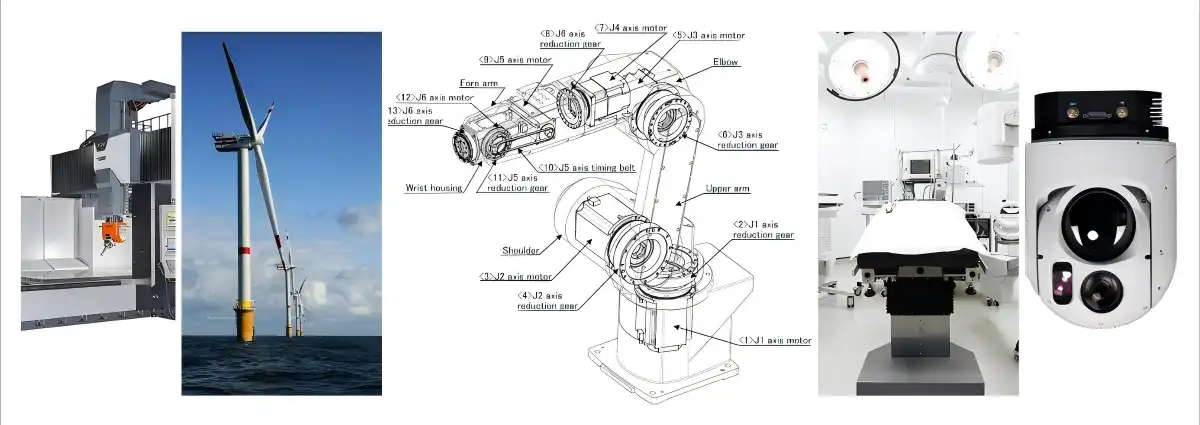
Conclusion
In conclusion, RB12025 Applications are becoming more important in medical technology, which shows that the healthcare industry wants reliable, well-designed parts that can work in harsh conditions. These bearings meet the technical standards for medical devices in terms of corrosion resistance, physical accuracy, and compatibility with sterilisation. They also keep costs low, which is important for competitive markets. Medical equipment makers can get strategic benefits by teaming up with bearing providers that can show they can make a lot of products, have good quality management, and offer engineering support. As medical technology keeps getting better at making diagnostic and therapeutic tools, these applications will grow even more. This is because the bearing has been shown to allow for new ideas while still protecting patients and making sure devices work well.
FAQ
What specific features make RB12025 bearings suitable for medical devices?
The RB12025 Applications are made of stainless steel, which is resistant to corrosion and necessary for multiple sterilisation processes. The tight design keeps out dirt and keeps the grease working well at temperatures that are common in medical equipment. Dimensional accuracy makes sure that the machine runs smoothly and without vibrations, which is important for imaging and diagnosis.
How often should the bearings in medical equipment RB12025 be checked?
The time between inspections should match the schedule for preventative maintenance of the equipment, which is usually every 12 to 18 months for devices that are always working. Visually inspecting the condition of the seal and listening for strange noise patterns can help find problems before they happen. Monitoring the temperature during operation lets you know quickly if the lubrication is wearing off or if there is more friction.
Can RB12025 bearings withstand repeated autoclave sterilization?
Yes, RB12025 Applications made with the right materials and lubricants will keep working after being sterilised hundreds of times. Synthetic greases that are safe at autoclave temperatures up to 134°C are used in our bearings. This keeps the lubricant from breaking down, which leads to earlier wear. The choice of materials should be based on how well they resist corrosion in medical settings that use steam and chemical cleaners.
Partner with ATLYC for Reliable RB12025 Applications Supply
ATLYC has proven manufacturing skills that can help medical device makers and original equipment manufacturers (OEMs) find reliable RB12025 Applications suppliers. We have been making precision bearings for 15 years and are certified by ISO 9001 and IATF 16949. This means that the quality of our products always meets international standards for medical devices. With six specialised production workshops and 120 committed team members, we can make unique bearing configurations that fit your exact equipment needs. We can help with projects from the development of prototypes to full-scale production. You can email our engineering team at auto@lyautobearing.com to talk about your medical technology bearing needs, get technical datasheets, or get quotes for large orders. We work with medical equipment makers from the US, Germany, and South Korea to build long-term strategic partnerships with them by offering reliable lead times and competitive pricing.
References
1. International Organization for Standardization. "ISO 13485:2016 Medical Devices — Quality Management Systems — Requirements for Regulatory Purposes." Geneva: ISO, 2016.
2. Harris, Tedric A., and Michael N. Kotzalas. "Advanced Concepts of Bearing Technology: Rolling Bearing Analysis, Fifth Edition." Boca Raton: CRC Press, 2006.
3. Eschmann, Paul, Ludwig Hasbargen, and Karl Weigand. "Ball and Roller Bearings: Theory, Design and Application, Third Edition." Chichester: John Wiley & Sons, 1985.
4. American Society for Testing and Materials. "ASTM F138-19 Standard Specification for Wrought 18Chromium-14Nickel-2.5Molybdenum Stainless Steel for Surgical Implants." West Conshohocken: ASTM International, 2019.
5. Hamrock, Bernard J., Steven R. Schmid, and Bo O. Jacobson. "Fundamentals of Fluid Film Lubrication, Second Edition." New York: Marcel Dekker, 2004.
6. Medical Device Innovation Consortium. "Medical Device Development Tools: Qualification Process and Guidance Development." Arlington: MDIC Research Reports, 2018.
Learn about our latest products and discounts through SMS or email