- English
- French
- German
- Portuguese
- Spanish
- Russian
- Japanese
- Korean
- Arabic
- Greek
- German
- Turkish
- Italian
- Danish
- Romanian
- Indonesian
- Czech
- Afrikaans
- Swedish
- Polish
- Basque
- Catalan
- Esperanto
- Hindi
- Lao
- Albanian
- Amharic
- Armenian
- Azerbaijani
- Belarusian
- Bengali
- Bosnian
- Bulgarian
- Cebuano
- Chichewa
- Corsican
- Croatian
- Dutch
- Estonian
- Filipino
- Finnish
- Frisian
- Galician
- Georgian
- Gujarati
- Haitian
- Hausa
- Hawaiian
- Hebrew
- Hmong
- Hungarian
- Icelandic
- Igbo
- Javanese
- Kannada
- Kazakh
- Khmer
- Kurdish
- Kyrgyz
- Latin
- Latvian
- Lithuanian
- Luxembou..
- Macedonian
- Malagasy
- Malay
- Malayalam
- Maltese
- Maori
- Marathi
- Mongolian
- Burmese
- Nepali
- Norwegian
- Pashto
- Persian
- Punjabi
- Serbian
- Sesotho
- Sinhala
- Slovak
- Slovenian
- Somali
- Samoan
- Scots Gaelic
- Shona
- Sindhi
- Sundanese
- Swahili
- Tajik
- Tamil
- Telugu
- Thai
- Ukrainian
- Urdu
- Uzbek
- Vietnamese
- Welsh
- Xhosa
- Yiddish
- Yoruba
- Zulu
Corrosion resistant RB cross roller bearing
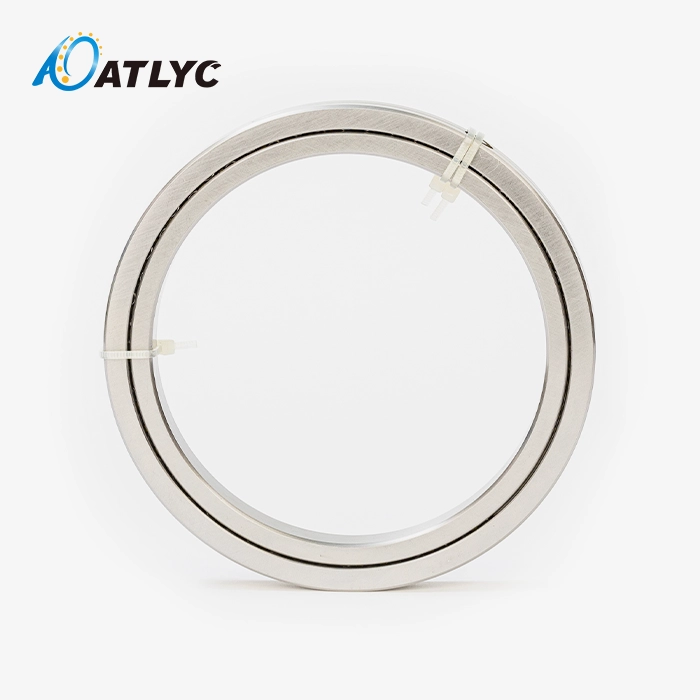
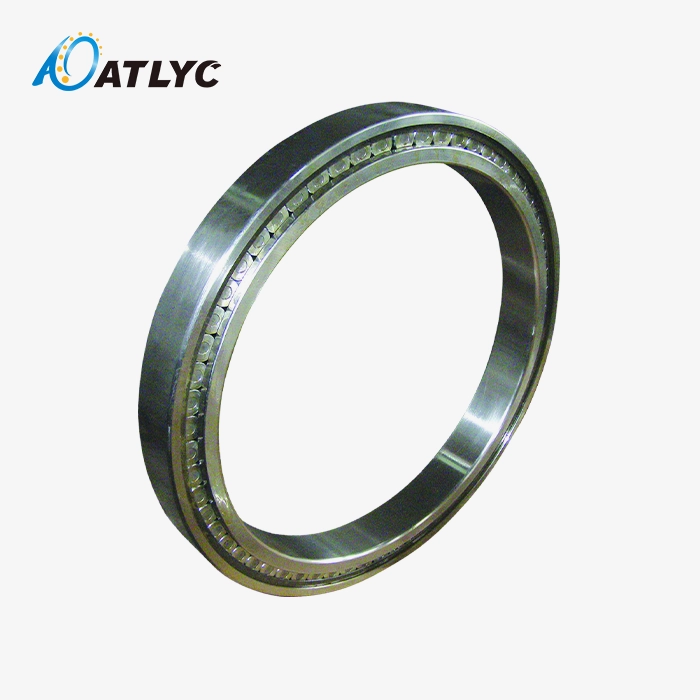
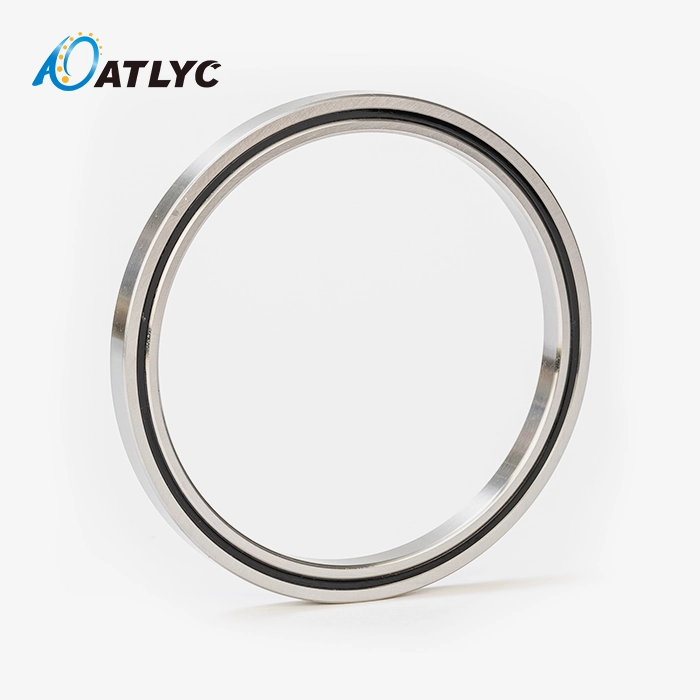
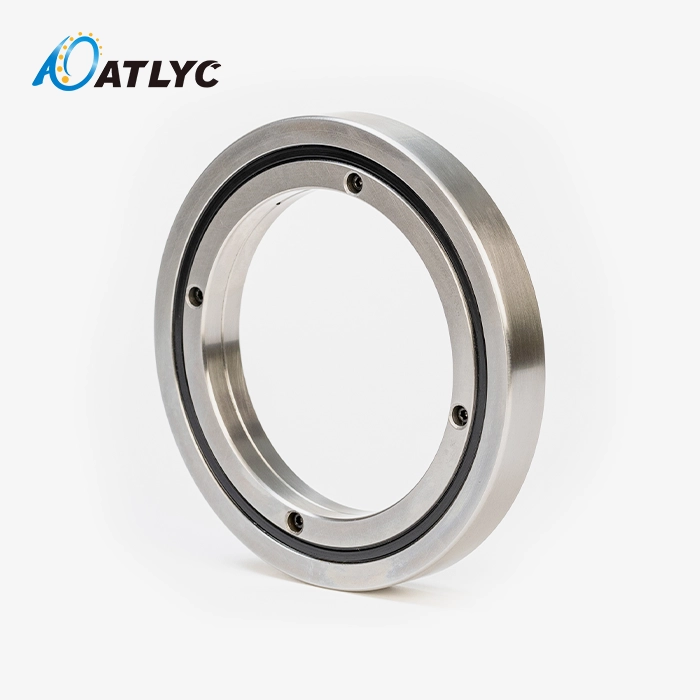
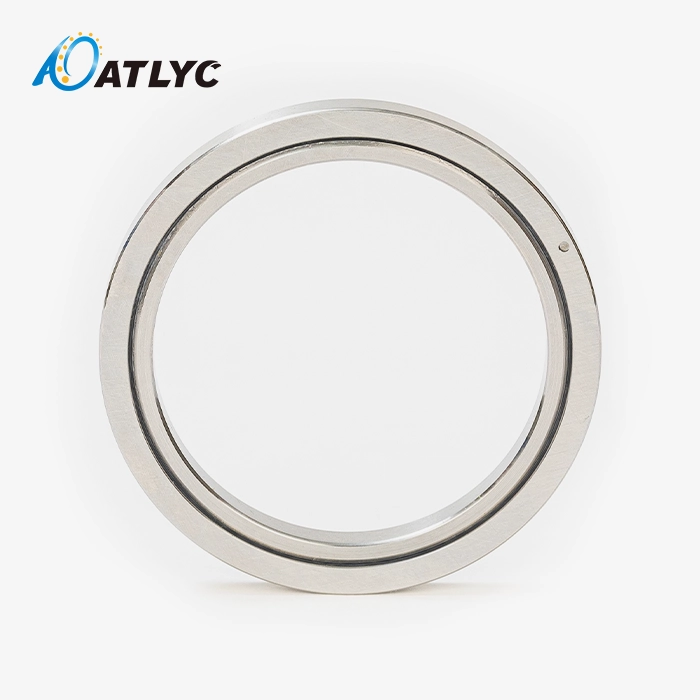
Corrosion-resistant RB crossed roller bearings are a unique option for businesses that work in tough settings where chemicals, water, and other elements can damage equipment. These precision-engineered parts combine the space-saving benefits of crossed roller design with improved rust protection. They provide unmatched performance in a wide range of settings, from automating ships to making medicines. We know that buying managers and engineering teams are under more and more pressure to choose parts that are both cost-effective and will last a long time. Corrosion can destroy bearing surfaces, leading to early failure, unplanned downtime, and production costs that are much higher than the savings from the original part. This detailed guide looks at the design principles, new materials, and practical issues that make up corrosion-resistant cross roller bearing technology. It gives you the technical knowledge to make smart buying decisions that protect your equipment investments and keep your business running.
Understanding Corrosion-Resistant RB Crossed Roller Bearings
The Fundamental Design Architecture
RB crossing roller bearings have V-shaped raceways with cylindrical rollers placed perpendicular to each other at 90-degree intervals. This makes it possible for a single small unit to handle radial, axial, and moment loads at the same time. This construction blends the stability of the inner and outer rings with an outer ring plug design that makes fitting easier while keeping the structure rigid. The crossing roller design spreads the load evenly across all contact surfaces, making the structure stiffer than regular bearing arrangements that need more than one part to handle complex loading situations. With inner diameters ranging from 20mm to 1100mm, outer diameters ranging from 70mm to 1500mm, and widths ranging from 12mm to 110mm, these bearings can meet a wide range of industrial needs, from small robotic joints to big rotary counting tables.
Material Science Behind Corrosion Protection
Standard bearing steel types like Gcr15 and Gcr15SiMn are very hard and don't wear down easily, but they can still be damaged by rust and chemicals in acidic settings. Types that are resistant to corrosion use stainless steel alloys, special surface treatments, and improved seal designs that stop contaminants from getting in. These safeguards stop water from getting in, chemicals from getting out, and salt spray damage that would otherwise weaken the raceway surfaces and roller integrity. How well these protective features work depends on how precisely they are manufactured. The right heat treatment, cutting methods, and quality control techniques make sure that the rust protection is the same across all production runs. We keep our ISO 9001 and IATF 16949 certifications up to date in all six of our specialised workshops. This way, we can be sure that every bearing meets international quality standards by following strict checking processes at every stage of production.
Environmental Challenges Addressed
When bearings are used in marine applications, they are exposed to salt spray, humidity, and changes in temperature that speed up rust. Places where food is processed have a lot of wetness and use acidic cleaning and sanitising chemicals. For pharmaceutical making to go smoothly, the area must be kept clean by washing it often. Offshore energy systems are constantly exposed to saltwater and are put under a lot of mechanical stress. In each case, there are different ways that rust can happen that normal bearings can't handle over long periods of time. These problems can be solved with corrosion-resistant cross roller bearings that are made with the right materials, have the right surface engineering, and use sealing technology that is tailored to the threats in the environment. This makes maintenance intervals longer and lowers the total cost of ownership in situations where replacing bearings takes a lot of work and equipment downtime.
Core Benefits and Applications of Corrosion-Resistant RB Crossed Roller Bearings
Quantifiable Performance Advantages
When crossed roller accuracy is combined with corrosion resistance in RB Crossed Roller Bearings, measurable benefits directly impact operating costs and machine longevity. Extended service life reduces replacement frequency, saving both component costs and maintenance labor. Tight tolerances ensure consistent rotational accuracy throughout the bearing's lifespan for precision positioning applications, protecting product quality where dimensional variations would otherwise create expensive scrap or rework. The low friction coefficient of the crossed roller design reduces energy consumption and operational heat generation, minimizing cooling requirements while extending lubricant life. Precision grades from P6 to P3 deliver exceptional runout accuracy, supporting applications requiring micron-level positioning stability, enabling advanced manufacturing processes that standard bearings cannot safely facilitate.
These benefits build over the life of the equipment. In tough settings, corrosion-resistant versions of bearings usually last two to three times longer between repair intervals. After switching to corrosion-resistant specs, we've seen clients cut the number of yearly bearing replacements by 60%. This was accompanied by a drop in unexpected downtime and emergency repair calls. Being able to handle radial, axial, and moment loads in a single small bearing makes machine design easier, assembly simpler, and system stability higher by getting rid of the weak spots that come with using multiple bearings.
Industrial Application Spectrum
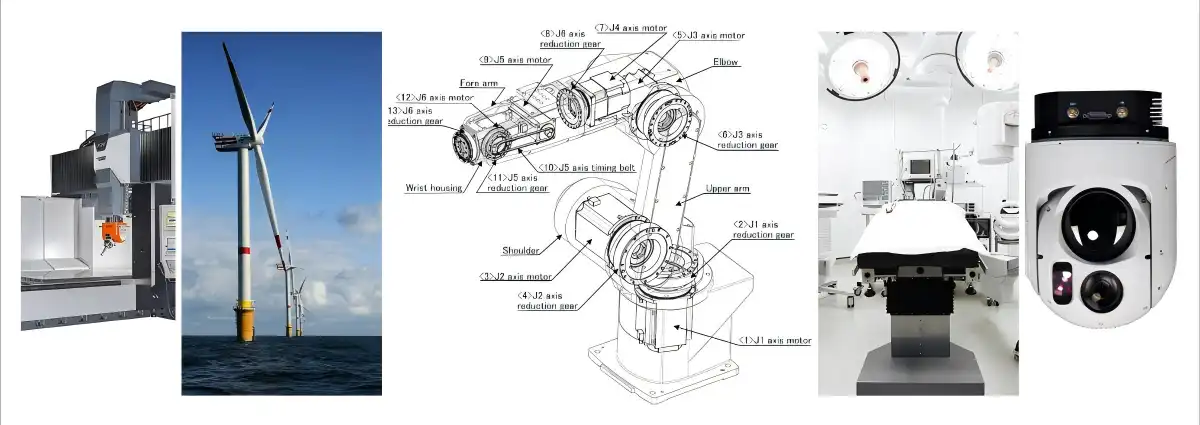
Robotic systems used in clean rooms, food processing, and pharmaceutical production benefit from crossed roller bearings that don't rust and keep their precision without bringing the risk of contamination. When collaborative robots work near chemical processes, their joints and moving parts need to be protected from getting accidentally exposed while still being able to provide the positional accuracy needed for automated assembly tasks.
Coolant spray, industrial fluids, and chip waste can get through normal bearing seals on rotary tables in CNC machine centers. Corrosion-resistant versions keep their tracking accuracy even after years of constant contact with these contaminants, so they can be used for years in production.
These bearings are used in medical imaging equipment, surgery robots, and diagnostic tools where harsh chemicals and wetness are used in the sterilisation process. When rust resistance is combined with precise spinning, it meets the needs for precise placement and can survive many cleaning processes over the course of the equipment's service life.
The equipment used to make semiconductors has to work in places that are both very clean and full of chemical vapours. This means that the bearings have to be able to fight rust without releasing particles that could be harmful. Cross roller bearing technology meets both of these needs and supports the precise motion steps that are needed for making semiconductors.
Marine deck machinery, offshore crane systems, and onboard automation gear are all constantly exposed to salt spray, which breaks down standard parts very quickly. Corrosion-resistant bearings increase the time between services in these tough situations, lowering the number of times they need to be fixed and increasing operating readiness in places where getting to parts takes special tools and timing that depends on the weather.
Technical Specifications & Performance Comparison
Precision Grade Selection Criteria
Bearing accuracy classes, from P6 (normal) to P3 (ultra-precision), say how much difference in size, runout, and groove shape is acceptable. The P6 and P0 grades are good for general industry uses where micron-level variance is acceptable for positioning accuracy. P5 precision supports mechanical equipment and machine tools that need to be able to position themselves consistently over and over again. The P4 and P3 grades are used in the production of semiconductors, measuring tools, and advanced robotic systems that need accuracy down to the micron level. When choosing the right precision grades, you have to weigh the need for performance against the cost. Higher accuracy classes come with higher prices, which are only worth it when the application needs to be very precise. During production, we follow quality control methods that make sure we always stay within the allowed tolerance bands. Statistical process control monitoring stops the differences in size between batches of manufacturing.
Load Capacity and Rigidity Characteristics
The crossed roller architecture inherent in RB Crossed Roller Bearings provides exceptional rigidity across all load directions, enabling compact assemblies that would otherwise require multiple standard bearings to achieve comparable stiffness. High moment load capacity proves particularly valuable in applications with overhung loads or asymmetric forces where conventional bearing arrangements cannot maintain alignment under operating stress. Radial and axial load ratings depend on bearing size, roller dimensions, and material properties, with larger units supporting forces exceeding tens of kilonewtons while maintaining rotational precision. This multi-directional load capability simplifies machine design, reduces installation space requirements, and improves dynamic response in applications where loading patterns become complex due to rapid acceleration and deceleration cycles. Finite element analysis during design validation ensures that load ratings incorporate conservative safety margins, preventing premature failure even during occasional overload scenarios such as equipment start-up, emergency stops, or process interruptions.
Comparative Analysis Against Alternative Technologies
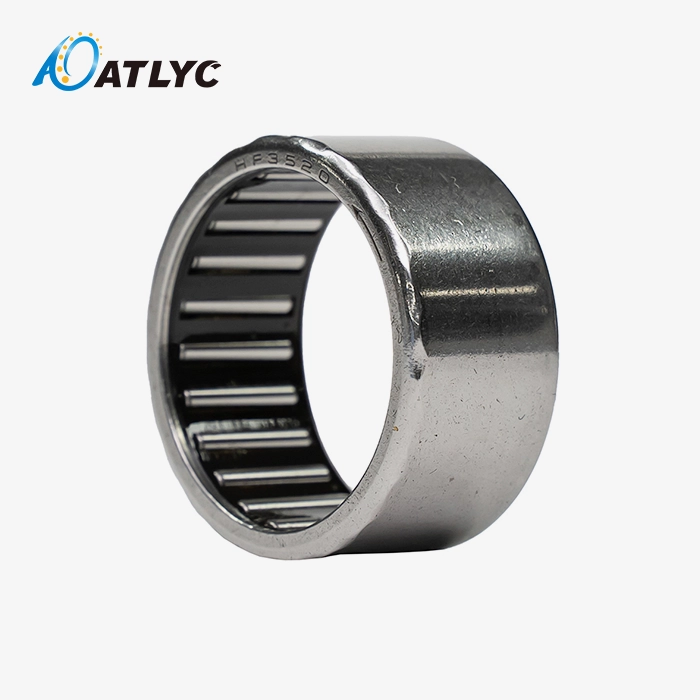
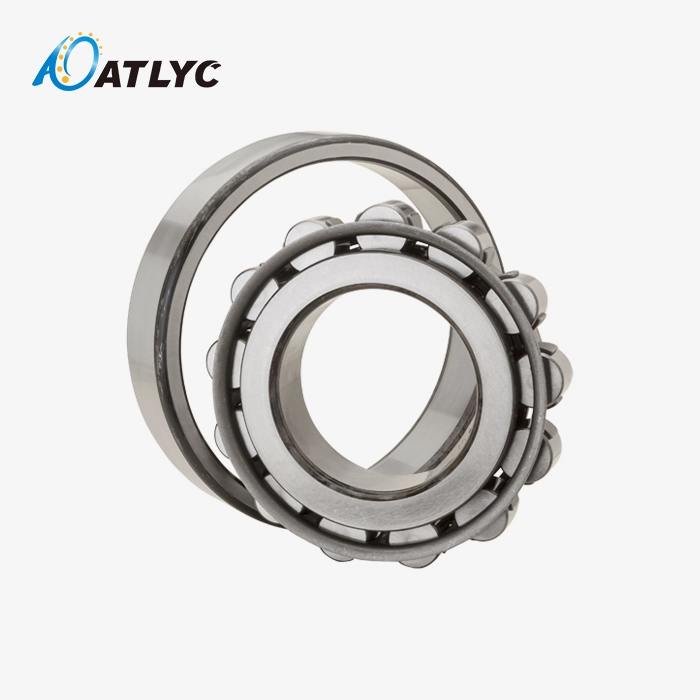
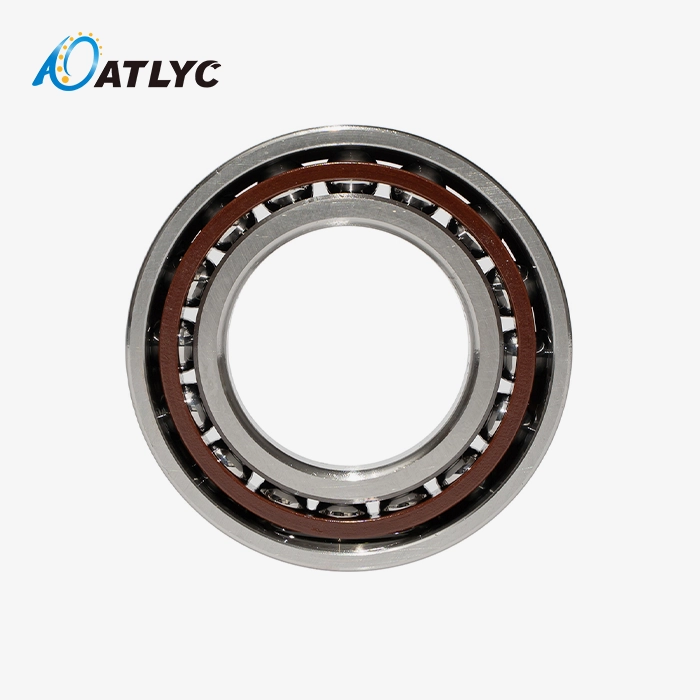
Ball bearings offer lower friction and higher speed capability compared to cross roller configurations, yet they provide substantially less rigidity and moment load capacity in equivalent installation spaces. Tapered roller bearings handle heavy loads effectively but require preload adjustment and cannot match the compact multidirectional capability of crossed roller designs. Cylindrical roller bearings excel in pure radial applications but lack the axial and moment capacity essential for precision positioning systems. When corrosion resistance becomes paramount, stainless steel ball bearings represent the most common alternative, delivering moderate environmental protection at lower cost than crossed roller variants. However, this cost advantage disappears in applications requiring high rigidity, moment load capacity, or compact installation dimensions, where multiple ball bearings would be necessary to replicate single crossed roller bearing performance. Our engineering team provides application-specific analysis comparing total installed costs, expected service life, and maintenance requirements across bearing technologies, helping procurement teams evaluate options beyond simple component pricing to assess genuine lifecycle economics.
Maintenance Tips and Best Practices for Corrosion-Resistant RB Crossed Roller Bearings
Inspection Protocols and Condition Monitoring
Regular visual examination identifies early corrosion indicators before surface degradation compromises bearing function. Surface discoloration, pitting, or rust deposits signal protective barrier failure requiring immediate corrective action to prevent accelerated deterioration. Monitoring operational characteristics provides additional insight into bearing condition, with gradual increases in starting torque, running noise, or temperature indicating internal wear or contamination accumulation. Vibration analysis techniques detect developing faults through characteristic frequency patterns associated with roller defects, raceway damage, or inadequate lubrication. Implementing predictive maintenance approaches based on condition monitoring data prevents unexpected failures while optimizing bearing replacement timing, avoiding premature component changes that waste remaining service life while catching developing problems before catastrophic failure triggers costly collateral damage to surrounding machinery.
We recommend establishing baseline measurements during initial equipment commissioning, documenting normal operating parameters that enable meaningful comparison during subsequent inspections. Trending data over time reveals gradual changes that might otherwise escape notice during individual assessments, providing early warning of developing issues when corrective actions remain straightforward and inexpensive.
Lubrication Management in Corrosive Environments
Proper lubricant selection and application practices prove crucial for maximizing service life in corrosive environments, with grease and oil formulations specifically designed to resist water washout, provide corrosion inhibition, and maintain film strength despite chemical exposure. Synthetic lubricants generally outperform petroleum-based products in harsh environments, offering superior temperature stability, oxidation resistance, and compatibility with seal materials. Relubrication intervals depend on operating conditions, with contaminated environments requiring more frequent attention to purge degraded lubricant and replenish protective films. Over-lubrication poses risks equal to inadequate lubrication, generating excessive heat buildup, seal damage, and potential churning losses that increase power consumption while reducing lubricant effectiveness. Our technical documentation provides application-specific lubrication recommendations based on operating temperature, speed, load conditions, and environmental exposure, optimizing lubricant selection and maintenance intervals for each installation scenario.
Cleaning and Contamination Prevention
When cleaning becomes necessary, procedures must avoid damaging protective coatings or seal integrity that safeguard bearing internals from corrosive agents. Harsh solvents, abrasive cleaners, or high-pressure washing can compromise corrosion resistance, creating pathways for contamination ingress that negate the protective features engineered into bearing design. Mild detergents, controlled application methods, and thorough drying procedures clean external surfaces without risking internal damage. Preventing contamination proves more effective than attempting remediation after exposure occurs, with proper seal selection, installation practices, and environmental controls minimizing corrosive agent contact. Understanding specific corrosion mechanisms affecting your application enables targeted protective measures, whether addressing salt spray in marine installations, chemical exposure in processing equipment, or moisture condensation in temperature-cycling environments.
Procurement and Supplier Guidance for Corrosion-Resistant RB Crossed Roller Bearings
Supplier Evaluation Criteria
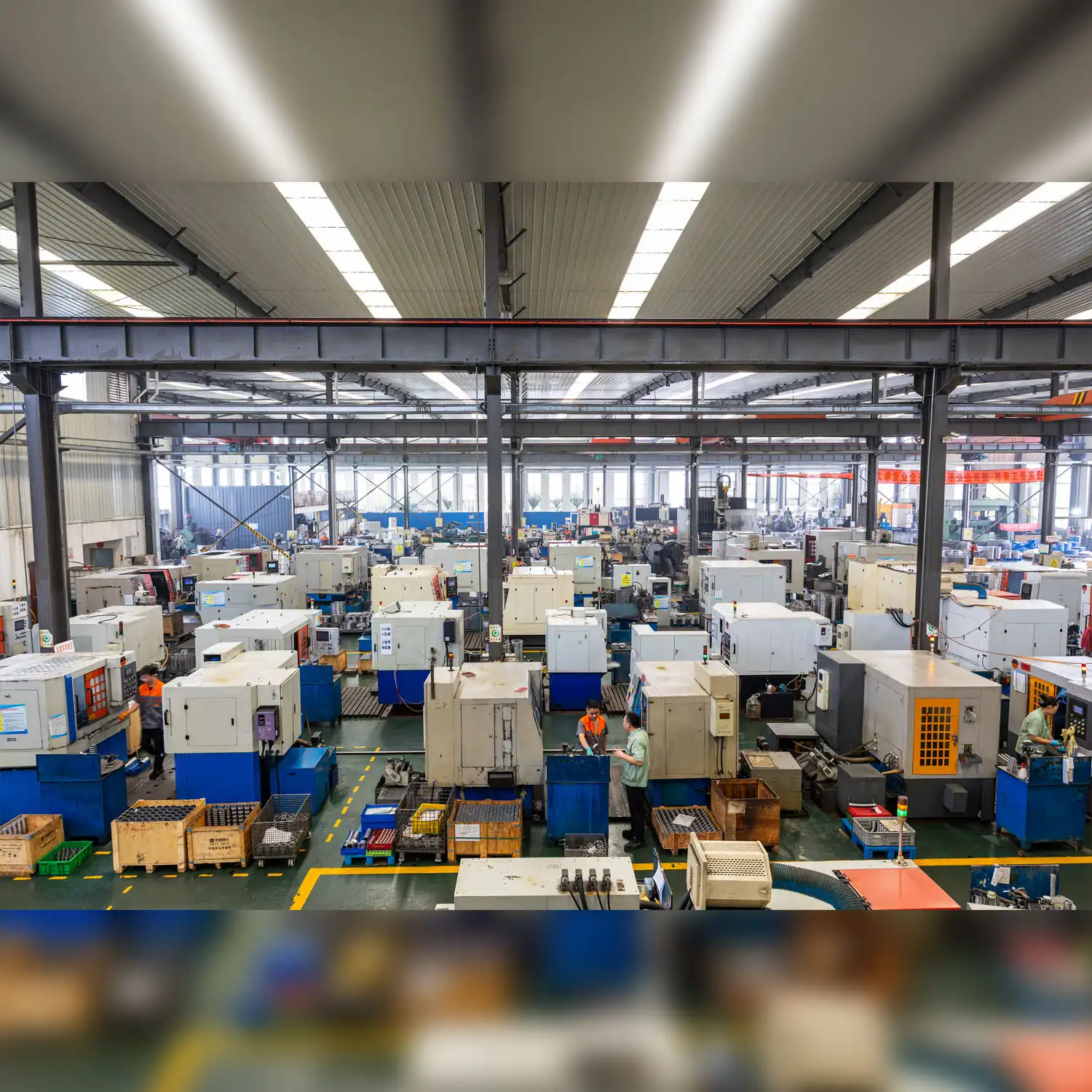
Selecting qualified bearing suppliers for Cross roller bearings requires assessing manufacturing capabilities, quality management systems, and technical support resources that determine product authenticity and long-term partnership value. ISO 9001 certification demonstrates commitment to quality management principles, while IATF 16949 qualification specifically addresses automotive industry requirements, including stringent process control and traceability protocols applicable to precision bearing production, regardless of end market. Production scale indicates the capacity to fulfill volume requirements with consistent lead times, avoiding supply disruptions that trigger production delays. Technical expertise enables application-specific consultation, custom modifications, and troubleshooting support that proves invaluable when addressing installation challenges or optimizing bearing selection for demanding applications. We have expanded from a single workshop established in 2010 to six specialized production facilities supporting comprehensive bearing manufacturing across multiple product categories, demonstrating sustained growth and capability development throughout 15 years serving global markets including South Korea, the United States, Germany, Russia, Iran, and Turkey.
Custom Sizing and Specification Flexibility
Standard bearing catalogs address common application requirements, yet specialized machinery often demands custom dimensions, modified seal configurations, or specific material treatments that catalog products cannot accommodate. Suppliers offering engineering collaboration and manufacturing flexibility provide solutions for unique challenges, working directly with your design team to optimize bearing specifications for particular installation constraints, performance targets, and environmental conditions. This customization capability becomes particularly valuable when retrofitting existing equipment, where space limitations or interface requirements dictate non-standard bearing dimensions. Bulk purchasing typically enables negotiated pricing, consolidated lead times, and inventory management support that reduces procurement complexity for high-volume programs. Our engineering team collaborates with clients to develop custom solutions when standard offerings prove inadequate, leveraging our 120-person workforce spanning production, research and development, quality inspection, and assembly operations to deliver tailored bearing solutions that solve specific application challenges.
Authentication and After-Sales Support
Counterfeit bearings represent a persistent industry problem, with substandard components lacking proper materials, heat treatment, or dimensional accuracy despite superficial appearance matching genuine products. Purchasing through authorized distributors and direct manufacturer channels provides authentication assurance, warranty coverage, and recourse options unavailable when sourcing from questionable suppliers offering suspiciously low pricing. Comprehensive after-sales support, including technical consultation, installation guidance, and troubleshooting assistance, protects your equipment investment, helping resolve application issues that might otherwise lead to premature bearing failure or suboptimal performance. Responsive communication channels and knowledgeable support personnel distinguish quality suppliers from commodity vendors focused solely on transactional sales, providing ongoing partnership value throughout equipment lifecycles rather than abandoning customers after initial purchase completion.
Conclusion
Corrosion-resistant RB crossed roller bearings deliver essential performance advantages in industrial applications where environmental exposure threatens component longevity and operational reliability. The integration of crossed roller geometry with advanced corrosion protection creates compact, high-capacity bearings that simplify machine design while extending maintenance intervals in challenging service conditions. Careful selection based on load requirements, precision needs, and environmental conditions ensures optimal bearing specification, while partnering with qualified manufacturers providing comprehensive technical support and authenticated products protects equipment investments. As automation expands into harsher environments and precision requirements continue advancing, corrosion-resistant bearing technology becomes increasingly critical for maintaining competitive manufacturing operations. Understanding the material science, design principles, and maintenance practices outlined throughout this guide empowers informed procurement decisions that balance immediate costs against long-term value.
FAQ
What materials provide corrosion resistance in crossed roller bearings?
Corrosion-resistant variants incorporate stainless steel alloys such as martensitic and austenitic grades, offering superior oxidation resistance compared to standard bearing steels. Surface treatments, including chrome plating, black oxide coating, and specialized conversion coatings, create additional protective barriers. Advanced seal designs using corrosion-resistant elastomers and labyrinth configurations prevent contaminant ingress that would otherwise expose internal components to corrosive agents. Material selection depends on specific environmental challenges, with different alloys and treatments optimized for saltwater exposure, chemical contact, or high-humidity conditions.
How do I verify genuine corrosion-resistant RB crossed roller bearings?
Authentic products feature proper packaging, documentation, and traceability markings that counterfeit components lack. Purchasing through authorized distributors and direct manufacturer channels provides assurance. Dimensional verification, material testing, and visual inspection reveal quality differences that distinguish genuine precision bearings from inferior substitutes. Requesting manufacturing certifications, material test reports, and dimensional inspection data confirms product authenticity before installation.
What service life should I expect under heavy loading conditions?
Properly specified corrosion-resistant crossed roller bearings typically deliver service intervals two to three times longer than standard bearings in harsh environments, with actual lifespan depending on load magnitude, operating speed, environmental severity, and maintenance practices. Heavy continuous loading reduces service life compared to intermittent duty cycles, while excellent lubrication practices and contamination prevention significantly extend operational longevity. Predictive maintenance approaches based on condition monitoring optimize replacement timing, maximizing useful life without risking unexpected failure.
Partner with ATLYC for Reliable Corrosion-Resistant RB Crossed Roller Bearings
ATLYC combines 15 years of precision bearing manufacturing expertise with comprehensive quality management systems certified to ISO 9001 and IATF 16949 standards, delivering corrosion-resistant crossed roller bearing solutions that meet the demanding requirements of global OEMs and industrial distributors. Our six specialized production workshops house 120 skilled professionals dedicated to manufacturing, engineering, quality assurance, and customer support, ensuring consistent product excellence from initial consultation through long-term operational support. We understand the critical importance of reliable bearing supply for your production continuity, offering customization capabilities, competitive pricing, and responsive technical assistance tailored to your specific application challenges. Whether you require standard catalog products or engineered solutions for unique installations, our team provides the manufacturing scale, engineering expertise, and partnership commitment that successful long-term collaborations demand. As a trusted corrosion-resistant RB crossed roller bearings supplier serving markets throughout the United States, Germany, South Korea, and beyond, we invite you to experience the ATLYC difference. Contact our technical team at auto@lyautobearing.com to discuss your precision bearing requirements and discover how our corrosion-resistant solutions protect your equipment investments while enhancing operational reliability.
References
1. Harris, T.A., and Kotzalas, M.N. (2006). Advanced Concepts of Bearing Technology: Rolling Bearing Analysis, Fifth Edition. CRC Press.
2. Bhushan, B. (2013). Principles and Applications of Tribology, Second Edition. John Wiley & Sons.
3. Hamrock, B.J., Schmid, S.R., and Jacobson, B.O. (2004). Fundamentals of Fluid Film Lubrication, Second Edition. Marcel Dekker.
4. ISO 281:2007. Rolling bearings — Dynamic load ratings and rating life. International Organization for Standardization.
5. Tallian, T.E. (1992). Simplified Contact Fatigue Life Prediction Model — Part I: Review of Published Models. Journal of Tribology, Transactions of the ASME.
6. Eschmann, P., Hasbargen, L., and Weigand, K. (1985). Ball and Roller Bearings: Theory, Design and Application, Second Edition. John Wiley & Sons.
Learn about our latest products and discounts through SMS or email