- English
- French
- German
- Portuguese
- Spanish
- Russian
- Japanese
- Korean
- Arabic
- Greek
- German
- Turkish
- Italian
- Danish
- Romanian
- Indonesian
- Czech
- Afrikaans
- Swedish
- Polish
- Basque
- Catalan
- Esperanto
- Hindi
- Lao
- Albanian
- Amharic
- Armenian
- Azerbaijani
- Belarusian
- Bengali
- Bosnian
- Bulgarian
- Cebuano
- Chichewa
- Corsican
- Croatian
- Dutch
- Estonian
- Filipino
- Finnish
- Frisian
- Galician
- Georgian
- Gujarati
- Haitian
- Hausa
- Hawaiian
- Hebrew
- Hmong
- Hungarian
- Icelandic
- Igbo
- Javanese
- Kannada
- Kazakh
- Khmer
- Kurdish
- Kyrgyz
- Latin
- Latvian
- Lithuanian
- Luxembou..
- Macedonian
- Malagasy
- Malay
- Malayalam
- Maltese
- Maori
- Marathi
- Mongolian
- Burmese
- Nepali
- Norwegian
- Pashto
- Persian
- Punjabi
- Serbian
- Sesotho
- Sinhala
- Slovak
- Slovenian
- Somali
- Samoan
- Scots Gaelic
- Shona
- Sindhi
- Sundanese
- Swahili
- Tajik
- Tamil
- Telugu
- Thai
- Ukrainian
- Urdu
- Uzbek
- Vietnamese
- Welsh
- Xhosa
- Yiddish
- Yoruba
- Zulu
Crossed Roller Bearing Guide: Which Series Matches Your Load?
Selecting the right crossed roller bearing series depends on your specific load profile—axial, radial, or moment loads—and the precision grade your application demands. This Crossed Roller Bearing Guide helps procurement professionals match RB, RU, and RA series bearings to light, medium, and heavy load categories, ensuring operational reliability. By understanding material specifications, tolerance grades, and integrated design benefits, you can confidently source bearings that deliver high rigidity, compact installation, and extended service life in robotics, CNC machinery, and medical imaging equipment.

Understanding Crossed Roller Bearings: Key Concepts and Specifications
The Line Contact Advantage
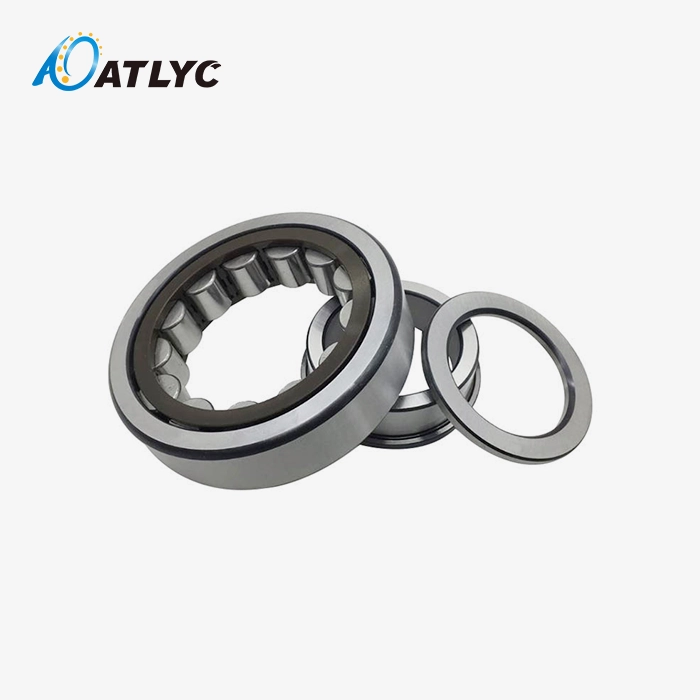
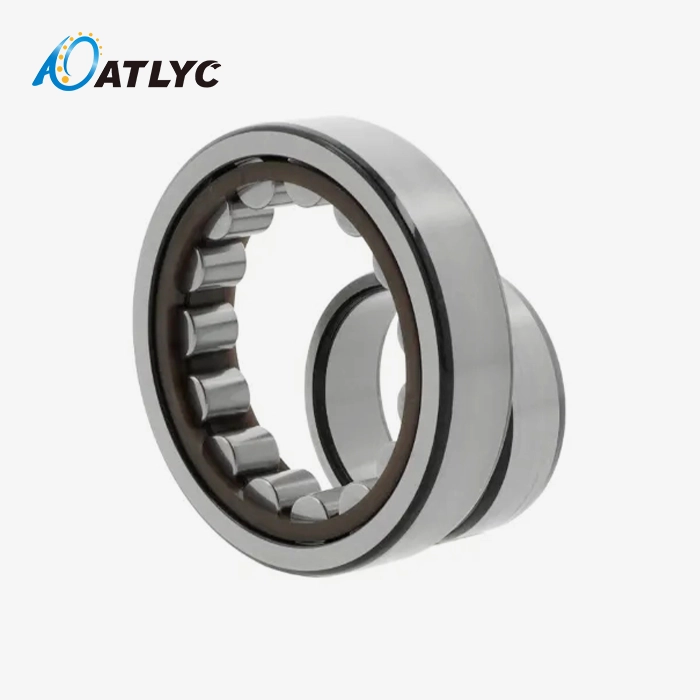
Compared to regular ball bearings, Crossed Roller Bearings work in a very different way. Cylindrical rollers set up at 90-degree angles make line contact with the track surfaces instead of point contact. When compared to regular angular contact bearings, this physical arrangement makes the useful contact area three to four times bigger. This makes the load distribution more even and increases stiffness by that much. The placement of the orthogonal rollers means that a single bearing can handle loads in more than one direction at the same time. This gets rid of the need for complicated bearing arrangements that take up space and make the assembly process more difficult. The most important part of the technology is how the rollers move back and forth between the inner and outer rings. This crossed design increases the useful span, giving it a very high moment load capacity while keeping the profile thin. The design does what would normally need several traditional bearings, which lowers the total system weight and makes the construction of the equipment easier. These are important benefits for robotic joints and precision rotary tables.
Material Science and Hardness Profiles
To make these bearings, you need special bearing steel, usually 42CrMo or an alloy that is similar, and the raceways need to be induction hardened to 58 to 64 HRC. The depth of hardness isn't all the same; it follows a carefully designed profile that's made to fit the roller contact pressures. At ATLYC, we carefully control this hardening depth because too little depth causes early spalling under cyclic loads, and too much depth makes the material brittle, which lowers its wear resistance. Raceway surface finish and dimensional tolerances have a direct effect on how long a bearing lasts. Surface roughness is kept below 0.2 Ra by precision grinding, which reduces friction and wear. To make sure the right preload and no backlash, the accuracy of the inner diameter, outer diameter, and height must meet tight tolerances, which are differences measured in microns. These requirements are not made up on the spot; they tell you if a bearing will keep its position accuracy over millions of spin cycles.
Design Variations and Integration Features
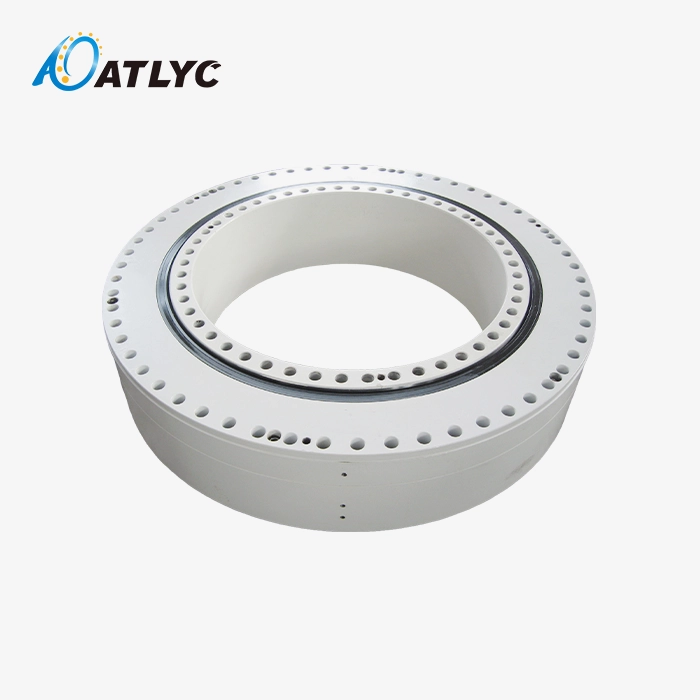
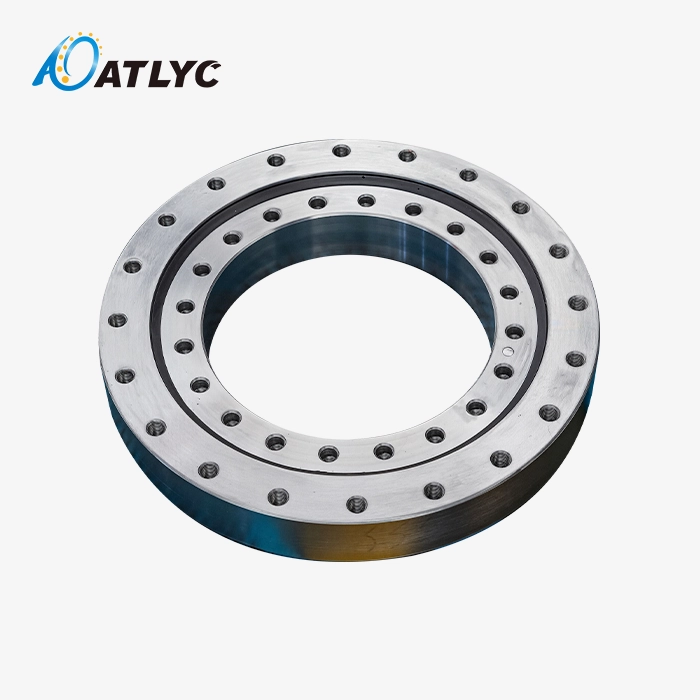
There are different shapes and sizes of Crossed Roller Bearings, and each one is best for a certain mounting situation. Split inner rings are easier to install in tight spaces, and mounting holes that are built in get rid of the need for separate flanges, which cuts down on assembly time and part count. Some models have gear teeth on the inside or outside, which support drive systems directly without the need for extra parts. This ability to integrate is especially helpful for small equipment designs where every millimeter counts. A well-designed Crossed Roller Bearing Guide can help engineers understand the structural options and select the right configuration for specific installation requirements. Different series use different ways to apply preload. Negative clearance setup means there is no pushback, which is important for systems that need to be precise. Starting torque is affected by the amount of preload. Too much preload causes friction and wear, while too little preload lets play happen, which lowers accuracy. When you know about these trade-offs, you can better match the bearing's properties to the needs of the application, whether you want smooth low-speed rotation or to keep the bearing stiff under dynamic loads.
Evaluating Load Requirements: How to Choose the Right Crossed Roller Bearing Series
Classifying Load Types and Intensities
The first step in choosing the right bearings is to accurately measure the load. Three types of loads are axial (which pushes along the shaft axis), radial (which pushes perpendicular to the shaft), and moment (which pushes the shaft in a way that causes spinning stress). Crossed Roller Bearings are very useful because they can handle combined loads where all three work at the same time. To figure out how much each part weighs, you need to know how it works, like how tool forces work in machine centers, how payload weight is distributed in robot arms, or how cantilever effects work in medical imaging gantries. Sorting by load strength helps cut down the choices for series. Medium loads are common in normal industrial automation, heavy loads are found in construction equipment and large-scale production machinery, and light loads are usually used for positioning tasks with little outside force. The difference isn't just about the highest capacity; it's also about how long the material should last under repeated loads. A bearing that is too big for the job wastes money and space, while a unit that is too small fails early even though it has enough static capacity.
| Load Category | Axial Load Range | Radial Load Range | Typical Applications | Recommended Series |
|---|---|---|---|---|
| Not Heavy Duty | Up to 5 kN | Up to 8 kN | Robots that work together and measure tools | RA Lines |
| Heavy Duty | 5 to 15 kN | 8–25 kN | CNC rotating tables and tools for semiconductors | RU Lines |
| Powerful | More than 15 kN | More than 25 kN | Large scanning tables and industrial robot parts | RB Lines |
Tolerance Grades and Precision Requirements
Rotational accuracy is rated by tolerance grades, which are P0 (standard), P5, P4, and P2 (highest precision). The grade choice has a direct effect on how well the application works. With P5 grade, standard robotic equipment works consistently, and runout is less than 10 microns. High-precision machining machines and measurement tools need grades P4 or P2, which have a runout of 2 to 5 microns. Tighter specs make it more expensive. Knowing how precise you really need to be will keep you from spending too much while still meeting performance goals. Runout specifications are important in some situations but not in others. Radial runout changes the quality of concentric rotation, which is very important in optical systems and grinding spindles. Axial runout affects face alignment, which is important for accurate tracking and locking. Moment rigidity controls how much an angle can bend when loads are applied from different directions. This controls how accurately robot wrists can position themselves. Cost-performance ratios are best when tolerance grades are matched to practical needs instead of being set to maximum accuracy.
Comparison with Alternative Bearing Types
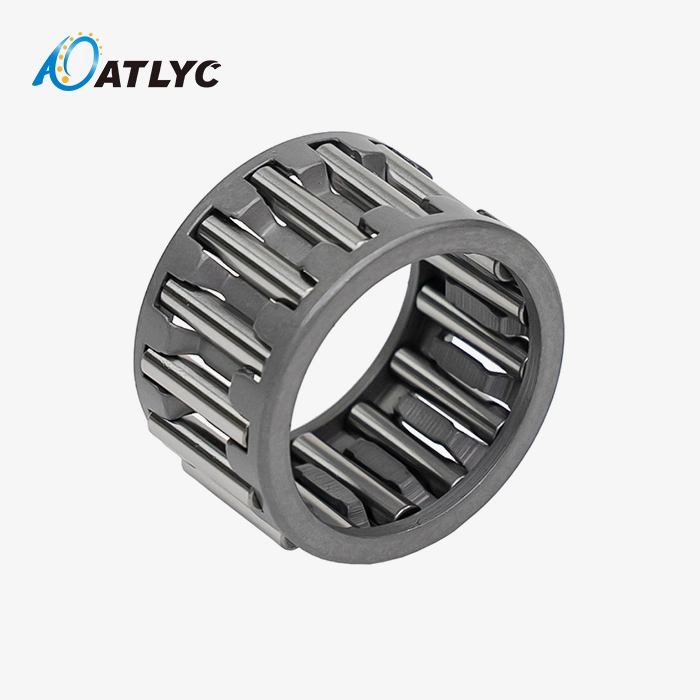
Angular contact ball bearings are cheaper and can go faster, but they are not as stiff or able to handle moment loads as Crossed Roller Bearings. Mounting them in pairs or groups to get similar performance makes the installation more difficult and takes up more room. Needle roller bearings are great at handling radial loads in small radial spaces, but they can't handle large axial or moment loads, which means they can't be used in situations with loads going in more than one direction.Crossed Roller Bearings work great in situations where there is limited room and a need for high precision. Robot joint axes are a good example of this because the arms are far from the center of rotation, causing large moment loads that would be too much for ball bearings to handle. The small crossed roller design keeps the hardness while fitting into slim joint shapes. This makes it possible to build arms that are lighter, which increases speed and efficiency.
Procurement Considerations: Sourcing Crossed Roller Bearings for Your Business Needs
Supplier Evaluation Framework
Finding suppliers of precision bearings requires more than just comparing prices. Quality management certification is the starting point. For example, ISO 9001 makes sure that processes are always controlled, and IATF 16949 shows that quality systems can meet the needs of the automotive industry. The presence of these certificates shows that a company keeps track of its products, works to make them better all the time, and takes clear steps to make sure quality doesn't get lost. Our dual certification at ATLYC shows that we are dedicated to meeting the high foreign standards that our buyers in the US, Germany, and South Korea expect. Supply security and scalability are based on manufacturing capabilities. A seller with six specialized workshops and 120 trained workers can handle changes in orders and meet growing production needs without affecting delivery times. Technical help is what sets strategic partners apart from transactional providers. Engineers who understand your application can suggest the best specifications, fix installation problems, and make designs fit your specific needs. When putting out new products or moving into more difficult applications, these skills become very useful.
Understanding Pricing Dynamics
The price of Crossed Roller Bearings in bulk orders in 2025 is based on the cost of materials, the need for precision machining, and the level of quality assurance. Orders of 50 units or more usually get a volume discount, and orders of 200 and 500 units get even bigger price cuts. Lead times depend on the series and amount of customization. Standard configurations ship in three to four weeks, but it can take up to eight weeks for items with custom mounting holes, special materials, or non-standard measurements. Planning purchases around these facts keeps production from being held up. For engineers who need to evaluate installation requirements and performance factors, a Crossed Roller Bearing Guide can provide useful reference information for selecting suitable models and understanding key specifications.For cost-performance optimization to work, the original buy price and the total cost of ownership must be balanced. A bearing that costs 15% more but lasts 30% longer saves money in the long run because it requires less replacement and maintenance work. The number of defects affects hidden costs like returns, line stops, and warranty claims. This is why consistent quality is worth charging more for. Value is higher from well-known manufacturers with a track record than from the cheapest sources that don't always deliver.
| Series | Typical OD Range | Load Capacity | Precision Grade | Estimated Unit Cost | Lead Time (Standard) |
|---|---|---|---|---|---|
| RA Lines | 70–200 mm | Very light to medium | P5 and P4 | $150 to $400 | 3 to 4 weeks |
| RU Lines | 120–300 mm | Heavy to Medium | P5 and P4 | $300 to $800 | 3 to 5 weeks |
| RB Lines | 150–400 mm | Powerful | P5/P4/P2 | $500 to $1500 | 4 to 6 weeks |
Customization and Technical Support
Standard bearing lists cover most uses, but sometimes changes need to be made because of the way the equipment is designed. You can change the mounting hole patterns, seal configurations, and lubrication options to fit the needs of your assembly. Integrating gear teeth, whether they are inside or outside, allows a direct drive connection, which gets rid of the need for different gear parts. Different types of materials can be used in different environments, such as those with high temperatures or corrosive gases. To get these customization choices, you need to work with makers who keep their own engineering departments and offer flexible output options. Technical advice during the design phase keeps mistakes from happening that cost a lot of money. Accurate bearing sizing and series choice are made possible by application data that includes load amounts, duty cycles, speed ranges, and environmental conditions. Collaborative engineering finds possible problems before they happen, like mismatched thermal expansion, poor access for lubrication, or mounting arrangements that cause unwanted changes in preload. With this consultative approach, buying bearings goes from being a simple transaction to a strategic partnership.
Maintenance and Longevity: Maximizing the Lifespan of Your Crossed Roller Bearings
Lubrication Strategies
Proper lubrication is a key factor in determining how long a bearing will last. Lithium-based greases work well in a wide range of temperatures, making them a good choice for most uses. Relubrication intervals depend on the speed of operation, the temperature, and the amount of contamination that the parts are exposed to. In clean environments with moderate speeds, intervals can be extended to 5,000 hours, but in harsh conditions, they need to be serviced every three months. Oil lubrication works better in high-speed systems or ones that lubricate everything centrally, but it needs more complicated closing and control. Choose the right lubricant to reduce friction, protect against wear, and keep out contamination. Greases with a higher viscosity protect heavy-duty slow-speed uses, while greases with a lower viscosity lower drag in fast spinning. Mineral-based lubricants are cheaper than synthetic ones, but synthetic ones cover a wider range of temperatures and need to be re-oiled more often. Matching the properties of the lubricant to the conditions of use improves protection without spending too much. At ATLYC, we give lubrication suggestions that are unique to each bearing series and use case.
Installation Best Practices
How well the bearings are installed directly affects how well they work and how long they last. One grain of rough material can damage precision raceways, so it's important to be clean during assembly to keep things from getting dirty. When things are properly aligned, edge pressure is eliminated, which focuses stress and speeds up wear. The mounting area must be flat according to the requirements; waviness or roughness causes the load to be spread out unevenly. The torque requirements for mounting bolts make sure that they clamp properly without distorting. Handling steps keep things from getting damaged before they are installed. Crossed Roller Bearings have precisely placed rollers that can move if they are not handled properly, which can make installation difficult and even cause damage. Corrosion can't happen in controlled settings because humidity and temperature changes wear down protective layers. Shipping damage or contamination can be found during inspection before installation. This stops problems before they happen during commissioning, when they cost more to fix.
Monitoring and Troubleshooting
Condition tracking finds problems early and stretches the life of bearings. Vibration research finds wear patterns that are starting to form before they break down completely. Temperature monitoring shows problems with lubrication or unusual friction. When maintenance windows are looked at visually on a regular basis, they can catch seal breakdown, contamination entry, or growing looseness. Setting up regular checks that happen at certain times or during certain production rounds makes it possible to stop problems before they happen, especially in precision applications using a Crossed Roller Bearing Guide for accurate motion control. Symptoms are unique to common failure modes. More starting torque means that the oil or lubrication is getting dirty or worn down. Rough rotation means that the rollers or raceways are broken. Changes in noise can mean that wear is happening or that the loading isn't right. By knowing these signs, you can take quick correction action, like re-greasing, cleaning, or replacing, before more damage happens. Keeping records of what was found during inspections creates historical data that can be used to support strategies for planned maintenance.

Conclusion
To match the Crossed Roller Bearing Guide set to the load requirements, you need to know both the technical details and how to buy them. The line contact design, material hardness curves, and built-in fastening features give these bearings performance benefits in small sizes that regular bearings can't match. Long-term success depends on how well you measure the load, choose the right tolerance grade, and evaluate the supplier. Strategic partnerships are built on ATLYC's manufacturing know-how, quality certifications, and focus on the customer. The right choice of bearings improves the performance of your equipment, extends its life, and helps you stay ahead of the competition in tough industrial settings by combining precise engineering with reliable supply chain management.
FAQ
How do crossed roller bearings compare to angular contact bearings for moment loads?
Due to their line contact design and crossed roller layout, Crossed Roller Bearings can handle more moment loads in smaller dimensions. To get the same moment stiffness, angular contact ball bearings need to be mounted in pairs or more complicated ways, which takes up more room and makes the assembly process more difficult. The crossed form is better when moment loads are strong and the installation room is limited, because it is three to four times stiffer.
What sizing methodology ensures proper bearing selection?
To get an accurate size, you must first measure all three types of load—axial, horizoncorrectiveoment—in the worst possible situations. Find the corresponding dynamic load by using methods from the maker that take into account the duty cycle and load combination. This should be compared to dynamic load ratings for bearings that have the right safety factors (usually 1.5 to 2.0 for industrial use). Check the static load ability for apps that will stay in one place or slowly move. If the loads are getting close to the catalog limits or the operating conditions aren't normal, talk to the manufacturer's engineers.
Can crossed roller bearings be customized for specialized environments?
You can customize the mounting hole patterns, seal types, lubrication options, and material choices for harsh environments or high temperatures. Integrated gear teeth (either internal or external) get rid of the need for different drive parts. Certain contaminants can't get through special coatings. Custom setups usually take longer to get, six to eight weeks instead of three to four weeks for regular designs. Working with makers that offer in-house engineering makes sure that the project is properly evaluated and put into action.
Partner with ATLYC for Precision Bearing Solutions
ATLYC has been making specialized products for 15 years and can meet your needs for Crossed Roller Bearings. They have quality systems that are ISO 9001 and IATF 16949 approved and offer quick expert support. Our engineering team helps people who buy things choose the best bearing type for the job, whether it's for holding robot joints, CNC rotary tables, or medical imaging equipment. We can consistently make both standard and unique setups thanks to our six specialized workshops and 120 skilled workers. Get in touch with our team at auto@lyautobearing.com to talk about your application needs and get detailed specifications that fit your project schedules. As a reputable company that makes Crossed Roller Bearings for customers in North America, Europe, and Asia, we give your business the quality and dependability it needs.
References
1. Harris, T.A., & Kotzalas, M.N. (2006). Essential Concepts of Bemove Slowlyology: Rolling Bearing Analysis, 5th Edition. CRC Press.
2. Wensing, J.A. (1998). On the Dynamics of Ball Bearings. PhD Thesis, University of Twente, Netherlands.
3. ISO 199:2014. Rolling Bearings — Thrust Bearings — Geometrical Product Specifications (GPS) and Tolerance Values. International Organization for Standardization.
4. Palmgren, A. (1959). Ball and Roller Bearing Engineering, 3rd Edition. SKF Industries Inc.
5. Eschmann, P., Hasbargen, L., & Weigand, K. (1985). Ball and Roller Bearings: Theory, Design and Application, 2nd Edition. John Wiley & Sons.
6. Tallian, T.E. (1999). Failure Atlas for Hertz Contact Machine Elements, 2nd Edition. ASME Press.
Learn about our latest products and discounts through SMS or email