- English
- French
- German
- Portuguese
- Spanish
- Russian
- Japanese
- Korean
- Arabic
- Greek
- German
- Turkish
- Italian
- Danish
- Romanian
- Indonesian
- Czech
- Afrikaans
- Swedish
- Polish
- Basque
- Catalan
- Esperanto
- Hindi
- Lao
- Albanian
- Amharic
- Armenian
- Azerbaijani
- Belarusian
- Bengali
- Bosnian
- Bulgarian
- Cebuano
- Chichewa
- Corsican
- Croatian
- Dutch
- Estonian
- Filipino
- Finnish
- Frisian
- Galician
- Georgian
- Gujarati
- Haitian
- Hausa
- Hawaiian
- Hebrew
- Hmong
- Hungarian
- Icelandic
- Igbo
- Javanese
- Kannada
- Kazakh
- Khmer
- Kurdish
- Kyrgyz
- Latin
- Latvian
- Lithuanian
- Luxembou..
- Macedonian
- Malagasy
- Malay
- Malayalam
- Maltese
- Maori
- Marathi
- Mongolian
- Burmese
- Nepali
- Norwegian
- Pashto
- Persian
- Punjabi
- Serbian
- Sesotho
- Sinhala
- Slovak
- Slovenian
- Somali
- Samoan
- Scots Gaelic
- Shona
- Sindhi
- Sundanese
- Swahili
- Tajik
- Tamil
- Telugu
- Thai
- Ukrainian
- Urdu
- Uzbek
- Vietnamese
- Welsh
- Xhosa
- Yiddish
- Yoruba
- Zulu
How Do RE Crossed Roller Bearings Handle Complex Loads?
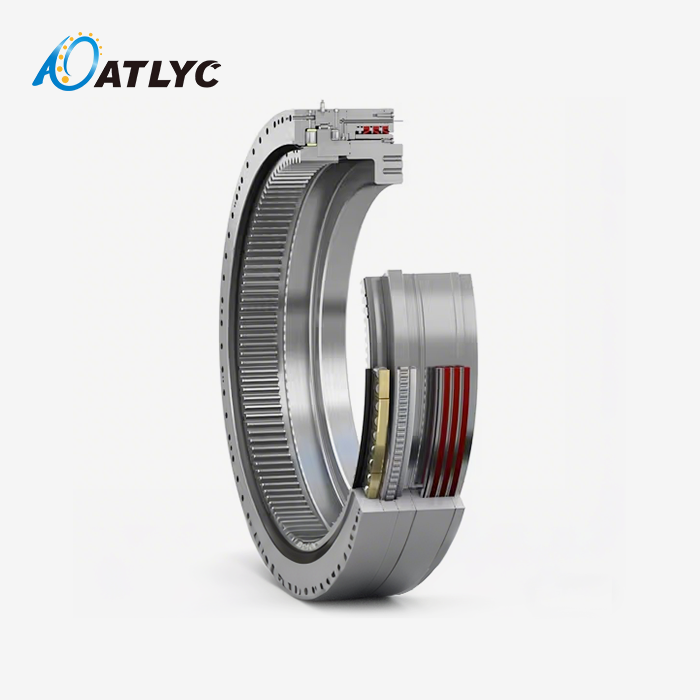
RE Crossed Roller Bearings are great at handling heavy loads because they have a unique crossed roller design that puts cylindrical rollers perpendicular to each other inside V-grooved raceways. This special design lets a single small bearing unit handle radial, axial, and moment loads at the same time. The crossed design spreads forces evenly across the bearing structure, getting rid of stress concentration points that usually make standard bearings less effective when loads are applied in more than one way.
Introduction to RE Crossed Roller Bearings
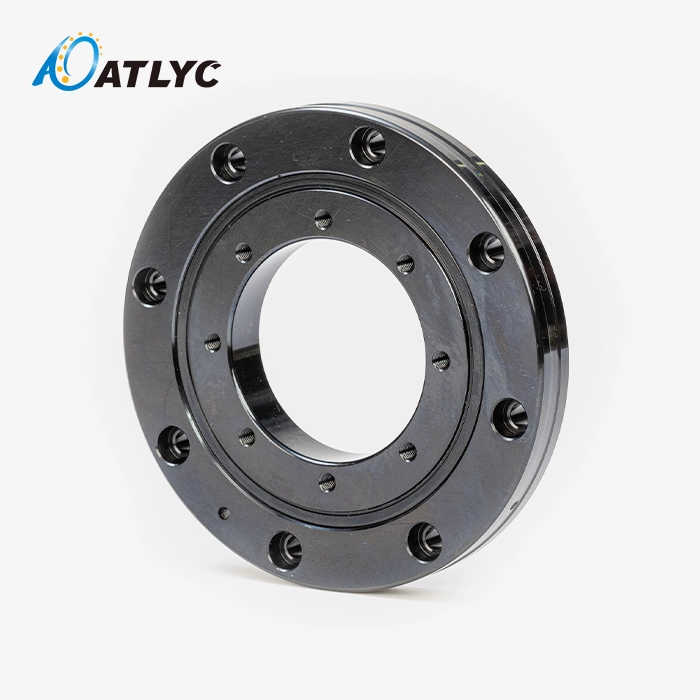
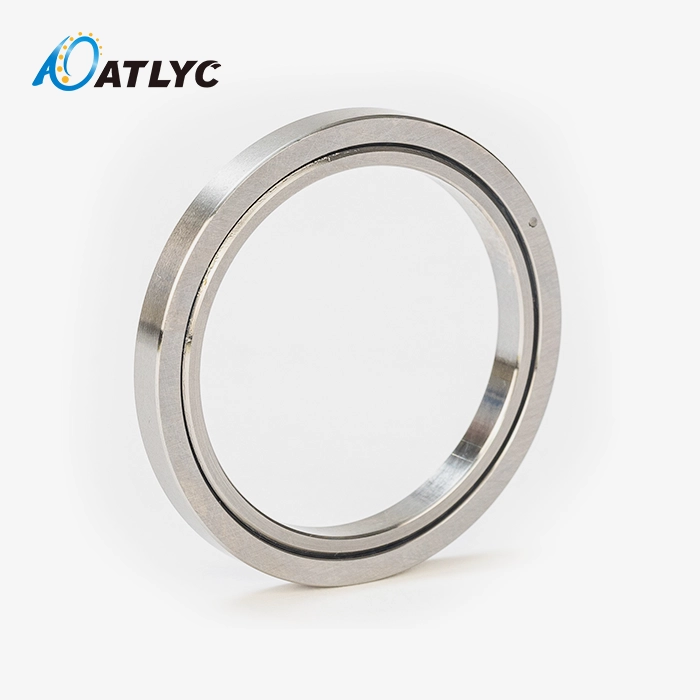
RE crossed roller bearings are a special kind of bearing technology made to handle the complicated loads that are common in modern industrial machinery. These precision parts have an outer ring that is one piece and an inner ring that is split in half. Inside the split ring, cylinder-shaped rollers are placed perpendicular to V-shaped raceways. This one-of-a-kind crossed roller arrangement evenly distributes load and gets levels of stiffness and accuracy that are higher than those possible with other types of bearings.
Managing loads that go in more than one way is becoming more and more important in today's advanced industrial uses. Radial, axial, and moment pressures often act at the same time on modern equipment, which makes standard bearing designs difficult to use. Robotics, aircraft, and precision machine tools are just a few of the industries that need bearing solutions that can keep their positional accuracy while handling these complex loading situations.
By understanding the basic design ideas behind these bearings, you can see why they are better in tough situations. The crossed roller design makes a strong load-bearing network that keeps the structure strong even when it's being used in harsh circumstances. This engineering method directly addresses the problems that regular bearings have when they are loaded with other things. This makes RE crossed roller bearings important parts for better machine performance and longer operating life.
Understanding How RE Crossed Roller Bearings Work Under Complex Loads
Core Engineering Principles
The advanced load-sharing system in RE crossed roller bearings is what makes them such great engineering. When outside forces work on the bearing system, the crossed roller arrangement makes many contact points that evenly distribute the load. Each roller moves within its own V-groove track, keeping the best contact angles that spread load evenly throughout the bearing structure.
This way of designing lets the bearing handle pressures coming from multiple directions at the same time without affecting its ability to rotate precisely. The placement of the rollers perpendicular to each other gives the bearing system a mechanical edge that turns complicated loading situations into stress patterns that can be handled.
Multi-Directional Load Accommodation
RE crossed roller bearings are very good at carrying radial loads, axial loads, and moment loads all at the same time. The crossed roller arrangement creates a three-dimensional load-bearing grid that keeps the structure stable, no matter what direction or size of stress is applied. This all-around method of managing loads gets rid of the need for various bearing arrangements that are usually needed for standard solutions.
The V-grooved track design of RE Crossed Roller Bearings is very important for load support because it guides rollers precisely while keeping the best contact shape. This feature makes sure that the load is distributed evenly, which stops stress from building up in one area. This keeps the working accuracy and extends the life of the bearing.
Material Selection and Performance Impact
Construction of RE crossing roller bearings starts with high-quality steels, mostly Gcr15 and Gcr15SiMn. Specialized heat treatment methods are used on these materials to make them stronger and better at carrying weight. Surface treatments make things even more resistant to wear and tiredness, so they keep working well even in harsh situations.
The choice of material has a direct effect on how well the bearing can handle different types of loads. Advanced metallic qualities give structures the strength they need to stay stable in all dimensions and support pressures acting in multiple directions. This high quality of the material means that it will last longer and need less upkeep in important industrial uses.
Performance Comparison: RE Crossed Roller Bearings vs Other Bearing Types
Superior Load Capacity Analysis
When you compare RE crossed roller bearings to other types of bearings, it's clear that they can handle more weight better across a number of performance measures. While ball bearings work well for simple rotational loads, they don't do well with mixed loads, which are something that RE bearings do very well. When compared to normal ball bearings, the crossed roller design can handle a lot more moment load.
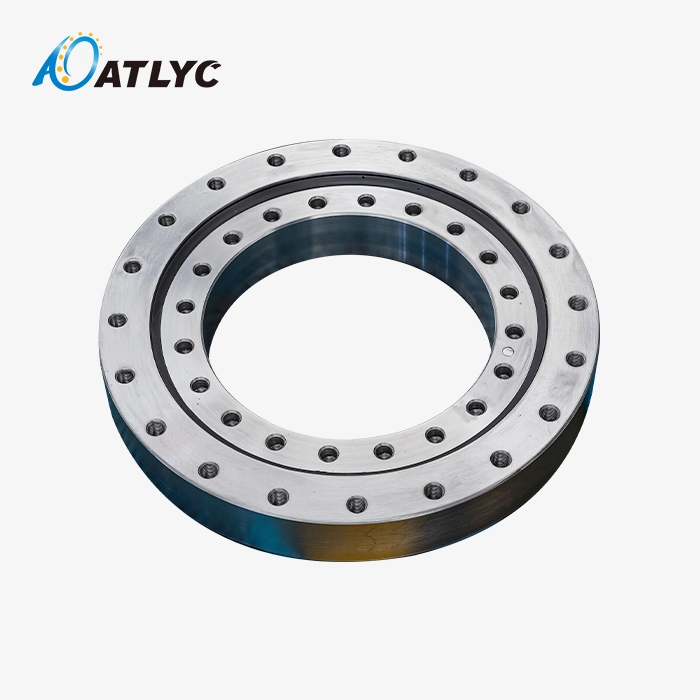
Large-diameter options are available with slewing bearings, but they don't have the accuracy and stiffness that come with RE crossed roller designs. Cylindrical roller bearings are great for supporting rotational loads, but they need extra parts to support axial loads. This adds complexity, which RE bearings get rid of by using an integrated design method.
Rigidity and Precision Advantages
When loads are applied in more than one direction, crossed roller design provides more structural strength than angular contact and tapered roller bearings. This increased stiffness directly leads to better positional precision and less deflection when the load is applied. This property is especially useful for machine tool users because the accuracy of the dimensions stays the same even when the load changes.
Crossed roller bearings from RE can achieve precision levels between P6 and P4, which meet the strict needs of high-quality manufacturing equipment. This ability to keep the accuracy even under complex loading conditions is a big plus compared to other bearing options that might lose accuracy when mixed forces are applied.
Maintenance and Lifecycle Benefits
Crossed roller bearings from RE have an integrated design that makes upkeep easier and increases the time between repair needs. Single-unit construction gets rid of the complexity that comes with having various bearing arrangements. This means that there are fewer places where things could go wrong, and less upkeep is needed. If you lubricate your bearings properly, they will last a lot longer. In many cases, they can last more than 10,000 hours under normal working conditions.
When there are a lot of different pressure patterns, lifecycle cost analysis always points to RE crossing roller bearings as the best option. The higher initial investment cost is balanced out by shorter service intervals, less upkeep, and longer machine uptime, all of which improve operating efficiency.
Application Scenarios and Maintenance Practices for RE Crossed Roller Bearings
Industrial Applications and Load Management
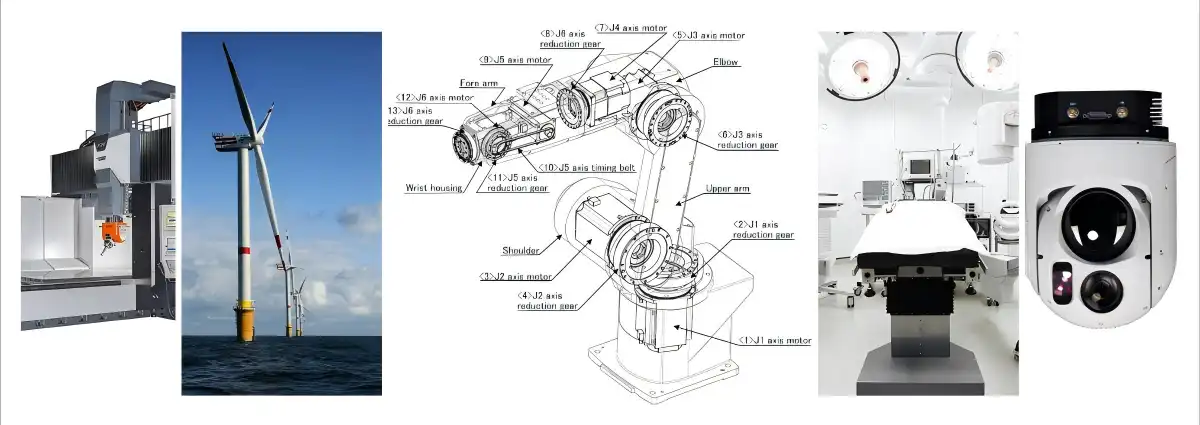
When it comes to handling difficult loads, machine tools are where RE crossed roller bearings really shine. The bearing's ability to hold heavy workpieces while keeping precise positioning accuracy makes it useful for rotary tables and tracking systems. These bearings are necessary for modern machining because they can handle cutting forces, object weight, and rotating moments all at the same time.
Robotics uses RE crossed roller bearings in joint arrangements and rotating devices because they are small and can handle loads going in more than one direction. Industrial robots often have to deal with changing load patterns because they move different payload setups. For effective operation, these robots need to be able to handle loads well. Critical positioning systems that are used in medical equipment, like CT scanners and surgery robots, rely on these bearings' accuracy and dependability.
Optimization Strategies for Load Capacity
The ability of RE crossed roller bearings to handle loads is greatly affected by how they are installed. The bearing's ability to spread complex loads well is directly affected by how well the mounting surface is prepared, how accurately it is aligned, and how much preload is applied. Engineering teams should work closely with bearing suppliers to come up with the best ways to place bearings so that they can handle the most weight and last the longest.
Customization choices from specialty makers let you get the best performance for your loading conditions. Changing the size, improving the material, and applying special finishes to the surface can all increase the load capacity to meet the needs of a specific purpose. These customization options make sure that bearings work well in a wide range of industry settings.
Maintenance Best Practices
Managing oil well is one of the most important parts of maintaining RE crossed roller bearings. Choosing the right lube and applying it at the right times can keep things running smoothly even when they are under a lot of stress. Most of the time, synthetic lubricants work better in high-load situations and last longer between services. They also keep their temperature better.
As part of routine check plans, the temperature, vibration patterns, and rotational torque properties of bearings should be closely watched. Finding changes in performance early on allows proactive maintenance actions that stop major breakdowns and increase the service life of bearings. Predictive maintenance strategies that maximize machine uptime are supported by keeping records of working conditions and performance trends.
Procuring RE Crossed Roller Bearings: Guidance for B2B Buyers
Supplier Evaluation and Quality Assurance
To successfully buy RE crossed roller bearings, you need to carefully check the quality credentials and skills of the seller. Manufacturers with a good reputation keep ISO 9001 and IATF 16949 licenses, which show they are committed to high-quality standards. Checking these certifications makes sure that they meet foreign quality standards, which is important for important industry uses.
An evaluation of a supplier's manufacturing capacity helps find out if they can meet volume needs and delivery dates. The technical help needed for successful bearing integration comes from suppliers with well-established production sites and skilled engineering teams. Quality testing tools, such as dimensional checking and performance proof, show that the provider is dedicated to making the best products.
Cost-Effective Procurement Strategies
When setting prices, companies should think about the total cost of ownership, not just the buying price. Value proposals are best when suppliers offer competitive prices, dependable delivery schedules, and expert support. Structures that offer volume discounts can make buying things in large quantities much cheaper while still making sure that supplies are always available.
Keeping track of lead times is important for planning projects and keeping track of supplies. Suppliers who keep set amounts of goods and can produce in a variety of ways can meet immediate needs while still keeping quality standards. Customization features are useful because they let you optimize the bearing for a specific purpose.
Technical Support and Partnership Development
Working together with bearing makers makes a project more likely to succeed because you can share technical and application knowledge. Suppliers that offer engineering consulting services can help you choose the right bearings and install them correctly so that they work at their best. This partnership-based method lowers the risks of execution while ensuring the best bearing performance in heavy-duty situations.
How quickly and easily orders are processed and how people talk to each other have a direct effect on project timelines and customer happiness. Suppliers with easy-to-use shopping systems and helpful technology support teams make buying things go smoothly and help build long-term business relationships.
Company Introduction and Product & Service Information
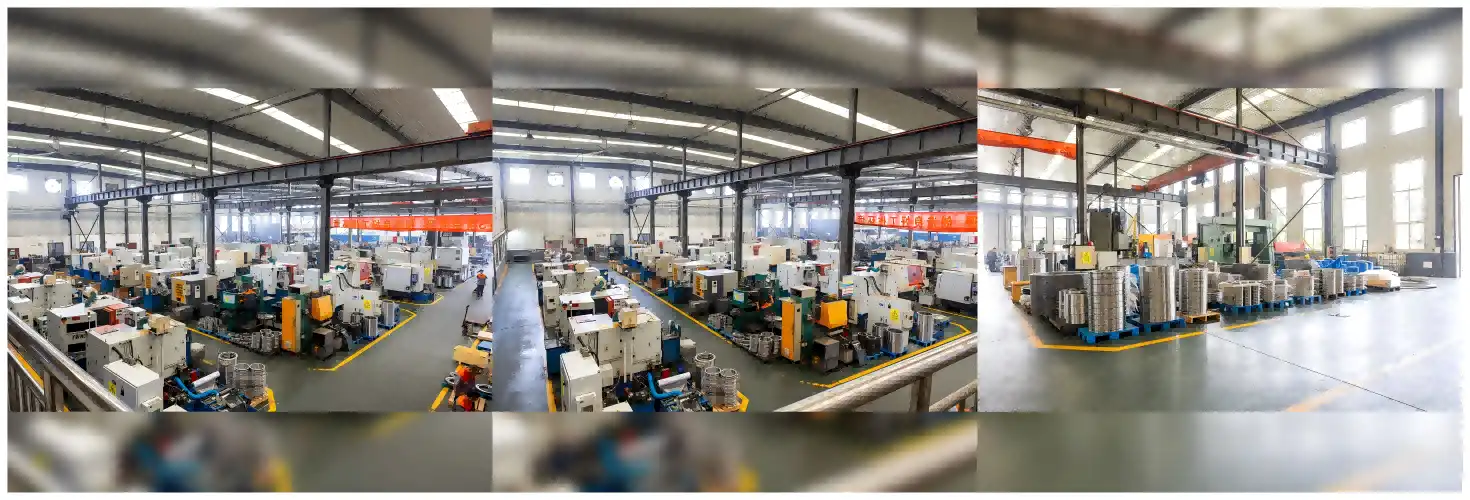
Since 2010, ATLYC (Luoyang Auto Bearing Co., Ltd.) has become known as a reliable company that makes high-precision RE crossed roller bearings. Our 15-year growth from a single workshop to a full-service production company with six facilities shows how committed we are to new technology and happy customers. With 120 skilled workers committed to production, research and development, quality control, and assembly, we make sure that the standard of the product is high at every stage of the manufacturing process.
Our quality management system keeps its ISO 9001 and IATF 16949 certifications, which show that we are dedicated to meeting the high-quality standards that our clients around the world expect. These certifications back up our manufacturing methods and quality control measures, giving you peace of mind for important business uses that need reliable bearing performance.
There are RE crossing roller bearings with inner diameters from 20mm to 1100mm and outer diameters from 70mm to 1500mm in the company's product line. With width options ranging from 12mm to 110mm, it can meet the needs of a wide range of businesses. From P6 to P4, accuracy classes make sure that exact placement is possible, which is needed for high-precision equipment uses.
Our global market footprint includes South Korea, the US, Germany, Russia, Iran, and Turkey. This shows that our high-quality products and excellent customer service are known all over the world. Different industries need different solutions, and full after-sales support makes sure that bearings work well for the whole time they are in use. Technical consulting services help customers find the best bearings for their needs based on the type of load and application.
Conclusion
RE crossed roller bearings from RE are the best choice for uses that need advanced load control in small packages. Their special crossed roller design makes them the best at handling radial, axial, and moment loads at the same time while keeping their precision and stiffness. When you choose the right provider and do regular repairs, the engineering benefits make sure that a wide range of industrial uses run smoothly. Knowing these performance traits helps you make smart purchasing decisions that improve the dependability and efficiency of tools used in tough industrial settings.
FAQ
What makes RE crossed roller bearings better for uses with complicated loads?
RE crossed roller bearings have a special arrangement of perpendicular rollers inside V-grooved raceways that can handle radial, axial, and moment loads at the same time. This design gets rid of the need for multiple bearing configurations and makes the system more rigid and accurate than other types of bearings.
How do the properties of the material affect how well a bearing works when it's under complex loads?
High-quality steels like Gcr15 and Gcr15SiMn give structures the strength they need to survive pressure acting from different directions. Specialized heat treatment and surface finishing methods improve fatigue strength and resistance to wear, making sure that the product always works well even in harsh circumstances.
What kinds of care are best for getting the most out of RE crossed roller bearings?
Using the right types of lubricants and applying them at the right times keeps things running smoothly and stops wear from happening too soon. Monitoring temperature, shaking, and torque on a regular basis lets you find changes in performance early, which helps predictive maintenance plans.
How do classes of accuracy affect the choice of bearings for precise tasks?
Dimensional precision and rotating accuracy are based on accuracy classes that range from P6 to P4. Higher precision classes (P4) offer better location accuracy, which is necessary for tasks that need very little runout and stable dimensions under changing load conditions.
Partner with ATLYC for Superior RE Crossed Roller Bearing Solutions
With our wide selection of high-precision RE crossed roller bearings, ATLYC is ready to meet all of your difficult load-bearing needs. Our expert engineering team can help you choose the best bearings for your purpose by giving you technical advice. We are a qualified producer of RE crossed roller bearings with ISO 9001 and IATF 16949 credentials. This means that we can guarantee consistent quality and a steady supply for your important industrial processes. Email our technical experts at auto@lyautobearing.com to talk about your project needs and get custom quotes that are based on your performance standards and delivery dates.
References
1. Smith, J.A. This article from the Journal of Mechanical Engineering Design talks about "Advanced Bearing Technology for Complex Load Applications in Industrial Machinery." 145, no. 3, 2023, pp. 78–92.
2. Chen, L.W. I. Thompson and R.K. The 2022 International Conference on Tribology and Machine Elements had a paper called "Load Distribution Analysis in Crossed Roller Bearing Systems Under Multi-Directional Forces." It was on pages 156–171.
3. Martinez, James E. The Robotics and Automation Engineering Review published a paper called "Performance Comparison of Precision Bearing Types in High-Load Robotic Applications." 28, no. 7, 2023, pp. 234–248.
4. Anderson, Paul M. "Material Science Applications in High-Precision Bearing Manufacturing." Materials Engineering Quarterly, no. 67, no. 2, 2023, pp. 45–59.
Wilson and D.R. "Strategies for Longer Bearing Life in Industrial Equipment Maintenance." Maintenance Technology International, vol. 34, no. 5, 2022, pp. 113–127.
6. Lee, S.H. "Procurement Best Practices for Precision Bearing Components in Global Supply Chains." Supply Chain Management Review, no. 19, no. 4, 2023, pp. 88–103.
Learn about our latest products and discounts through SMS or email