- English
- French
- German
- Portuguese
- Spanish
- Russian
- Japanese
- Korean
- Arabic
- Greek
- German
- Turkish
- Italian
- Danish
- Romanian
- Indonesian
- Czech
- Afrikaans
- Swedish
- Polish
- Basque
- Catalan
- Esperanto
- Hindi
- Lao
- Albanian
- Amharic
- Armenian
- Azerbaijani
- Belarusian
- Bengali
- Bosnian
- Bulgarian
- Cebuano
- Chichewa
- Corsican
- Croatian
- Dutch
- Estonian
- Filipino
- Finnish
- Frisian
- Galician
- Georgian
- Gujarati
- Haitian
- Hausa
- Hawaiian
- Hebrew
- Hmong
- Hungarian
- Icelandic
- Igbo
- Javanese
- Kannada
- Kazakh
- Khmer
- Kurdish
- Kyrgyz
- Latin
- Latvian
- Lithuanian
- Luxembou..
- Macedonian
- Malagasy
- Malay
- Malayalam
- Maltese
- Maori
- Marathi
- Mongolian
- Burmese
- Nepali
- Norwegian
- Pashto
- Persian
- Punjabi
- Serbian
- Sesotho
- Sinhala
- Slovak
- Slovenian
- Somali
- Samoan
- Scots Gaelic
- Shona
- Sindhi
- Sundanese
- Swahili
- Tajik
- Tamil
- Telugu
- Thai
- Ukrainian
- Urdu
- Uzbek
- Vietnamese
- Welsh
- Xhosa
- Yiddish
- Yoruba
- Zulu
RB Cross Roller Bearings for Advanced Automation Systems
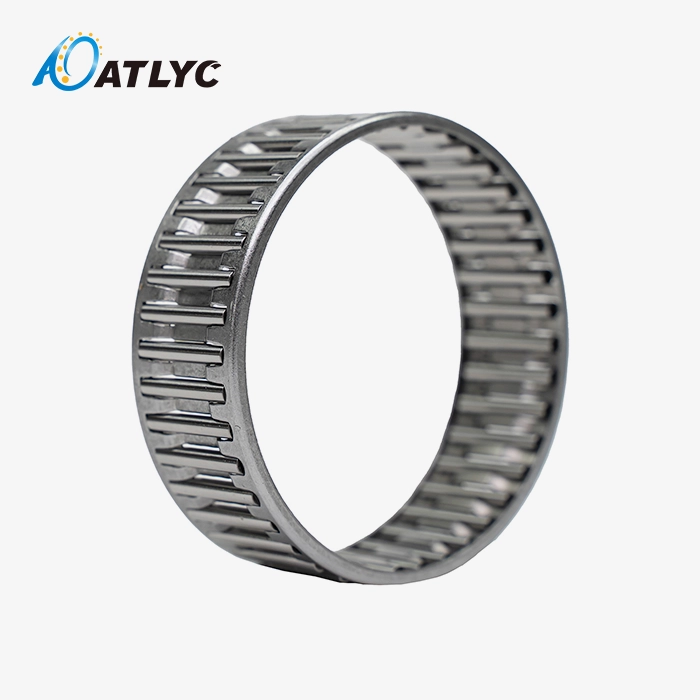
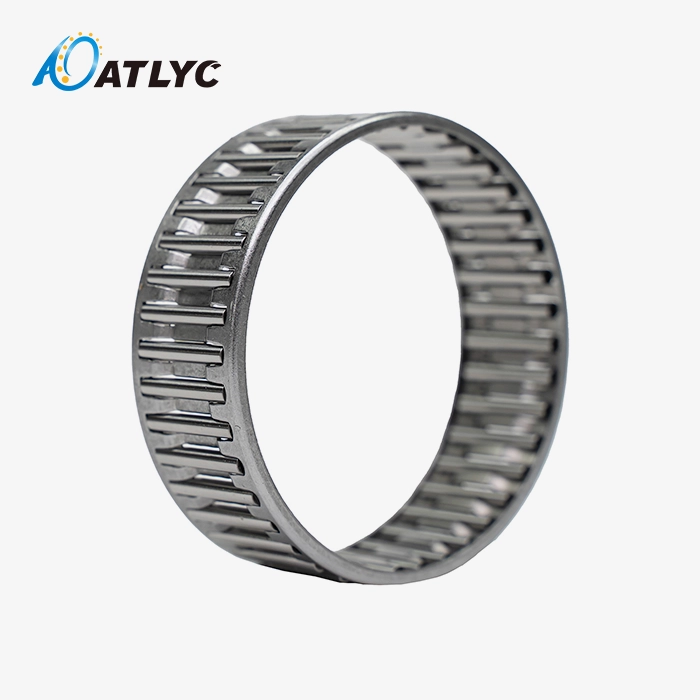
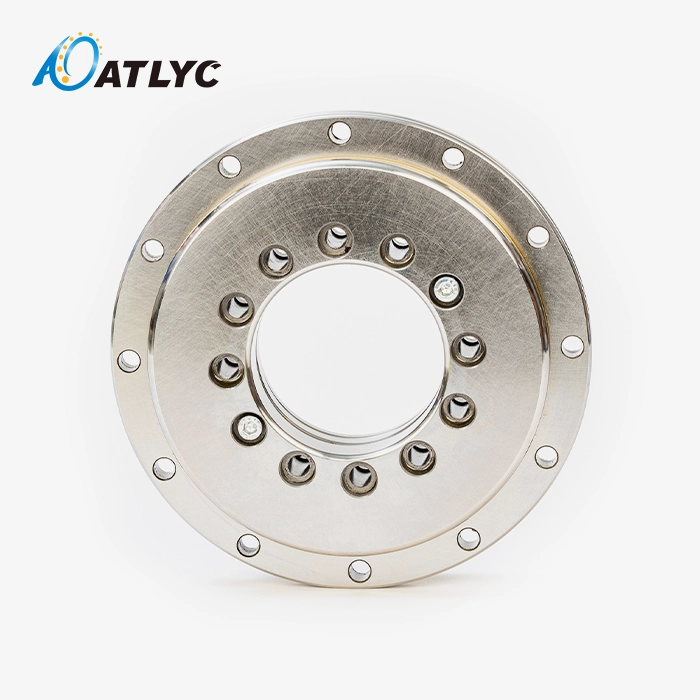
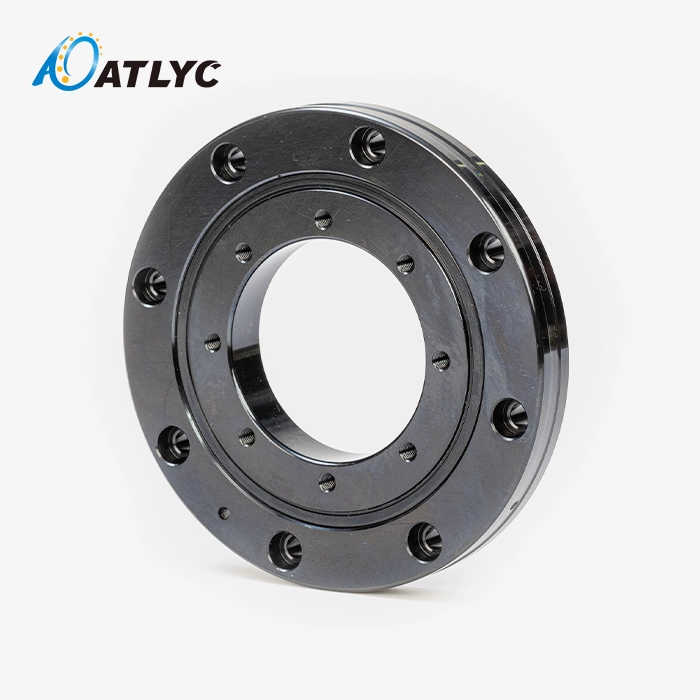
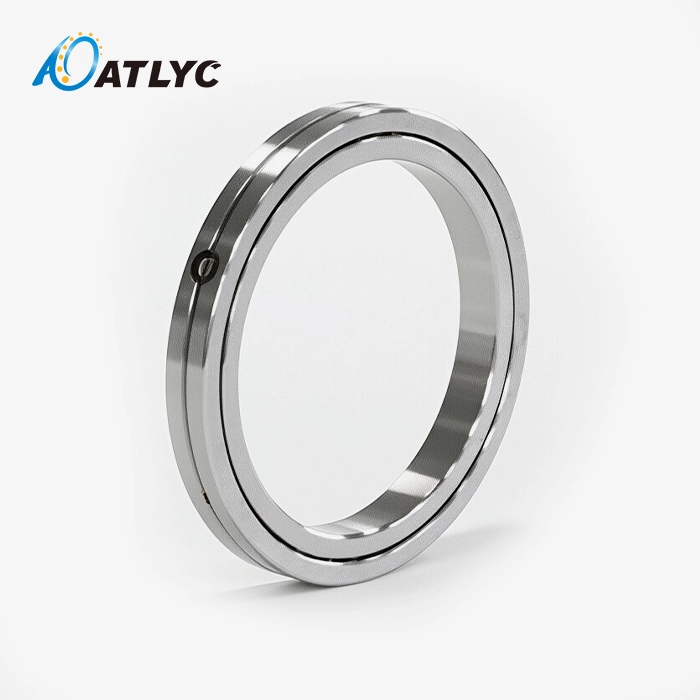
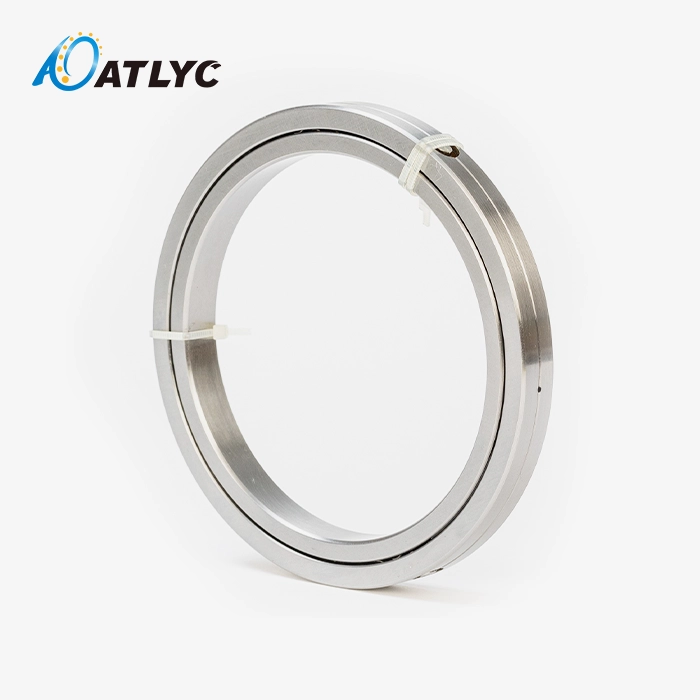
RB cross roller bearings are a new way to improve automation systems because they combine high precision and the ability to carry loads in multiple directions into a single, small unit. These special bearings have circular wheels that are spaced perpendicularly at 90-degree intervals. This lets them handle radial, axial, and moment loads all at the same time. With a solid inner and outer ring and a plug-shaped outer ring, RB Cross Roller Bearing technology gives robots, machine tools, and precision equipment the strength and accuracy they need for important positioning tasks. Their special crossed-roller design gets rid of the need for complicated bearing arrangements while still keeping high accuracy and speed in operation.
Understanding RB Cross Roller Bearings: Design, Functionality, and Advantages
Cross roller bearing technology changes the way that difficult loading conditions are handled by industrial automation systems in a basic way. Unlike regular ball bearings, which mostly support loads moving in one direction, these advanced bearings have cylinder-shaped rollers placed alternately at right angles within highly precise raceways. This creative design makes the best contact geometry for distributing load in more than one way.
Crossed-Roller Configuration and Working Principle
The unique thing about these bearings is that they have crossed rollers, which means that the circular rollers stay in place at right angles to each other. This setup makes straight contact between the wheels and the raceways, which increases the efficiency of load transfer and decreases stress concentrations. Each roller touches both the inner and outer rings at the same time. This makes various load lines that spread forces evenly across the structure of the bearing. The form of the continuous ring keeps the structure strong throughout the whole assembly. There is only one piece that makes up the inner ring, but the outer ring has a plug system that makes fitting easier. This way of designing makes sure that the rollers stay in place and that the right amount of oil is used, and it also gives industrial users easy access to maintenance spots.
Performance Advantages Over Traditional Bearing Solutions
Having all the load-handling abilities in one bearing unit is very helpful for modern robotic systems. The crossed-roller design gets rid of the need for multiple bearing setups that are usually needed for complicated pressure conditions. This makes the system lighter and shorter when it's put together. These traits are especially useful in artificial joints and precision rotary tables that need to be small because of limited space. The high contact ratios between the rollers and raceways give the bearings great rigidity. These stiffness properties keep the bearings from bending when they are under operating loads. This stiffness keeps the exact positioning accuracy while the machine is running, which is very important for tasks that need to be repeated over and over again. Low friction ratios are also achieved through optimized roller geometry and precise production methods. This leads to smoother spinning, lower energy use, RB cross roller bearings, and a longer operating life.
Technical Specifications and Types of RB Cross Roller Bearings
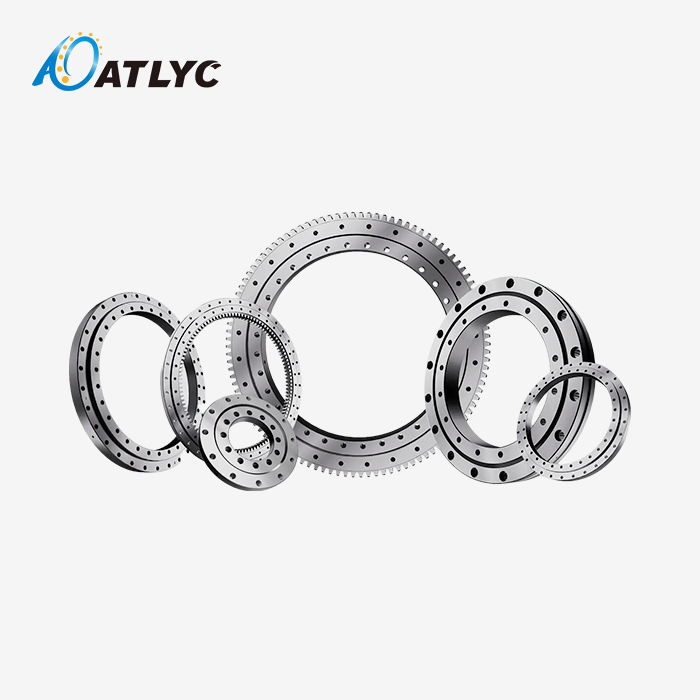
For industrial automation systems to work well and be reliable, they need exact technical specs. Different size needs can be met by RB Cross Roller Bearing sets, which have inner diameters from 20mm to 1100mm, outer diameters from 70mm to 1500mm, and widths from 12mm to 110mm. Engineers can choose the right bearings for a wide range of uses, from small semiconductor equipment to big industrial gear, thanks to this wide size range.
Material Composition and Manufacturing Standards
Reliable robotic systems are built on top-notch bearing materials. High-quality bearing steels, like Gcr15 and Gcr15SiMn, are used in these bearings. These steels are made to work in harsh industrial settings. Gcr15 steel keeps its toughness well and doesn't wear down easily. Gcr15SiMn steel, on the other hand, can be hardened more easily and keeps its shape better when temperatures change. Precision in manufacturing has a direct effect on how well bearings work in robotics applications. The bearings come in a number of different precision grades, such as P6, P0, P5, and P4. This lets engineers choose the right amount of accuracy for each application. For ultra-accurate positioning systems, P4 grade bearings offer the highest level of accuracy. For standard automation jobs, P6 grade units offer the most cost-effective options.
Load Capacity and Performance Characteristics
Bearings that can handle more than one type of load at the same time are needed for advanced robotic systems. These bearings are great at holding up high rotational loads while also being able to handle large axial forces and moment loads in the same unit. This ability to handle loads in more than one way gets rid of the need for complicated preload adjustments that come with paired bearing arrangements. This makes installation easier and lowers the need for upkeep. These bearings have very accurate runout because they are precision-ground and go through strict quality control steps to make sure there is little difference during spinning. This level of accuracy is very important for high-precision positioning jobs in medical equipment, semiconductor manufacturing, and precise measuring tools, where even very small differences can impact the quality of the product.
RB Cross Roller Bearings in Industrial Automation: Applications and Case Studies
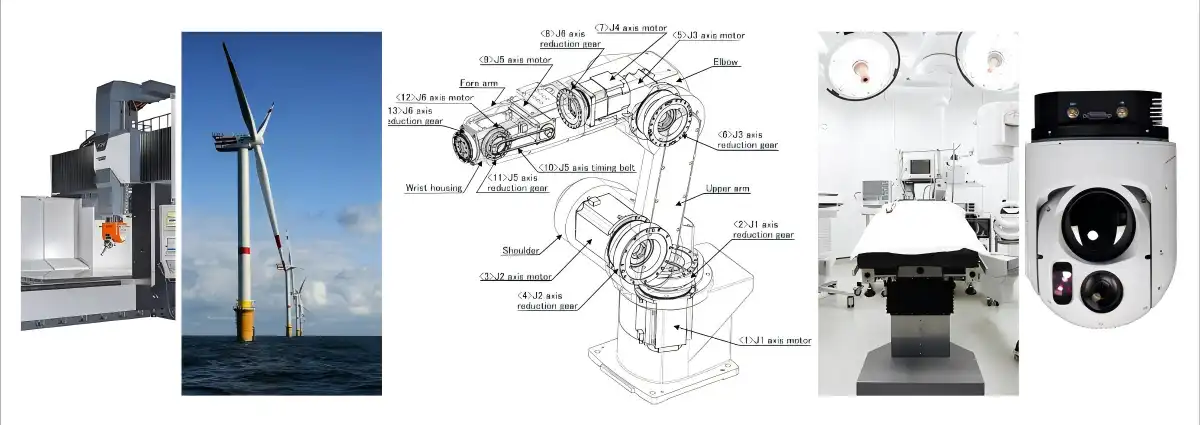
Precision bearing technology is being used more and more in industrial robotics to meet high-performance standards. These bearings are very important in artificial joints because they allow for smooth movement along multiple axes and can handle a lot of different loads. In industrial robots, they help the robotic arms stay in the right place while they are putting things together, welding, or moving things around.
Robotics and Precision Machinery Applications
Putting RB Cross Roller Bearing in the rotating tables of machine centers makes manufacturing automation a lot better. For these uses, you need bearings that can keep their place while holding heavy workpieces and cutting forces. Crossed-roller design gives the stiffness needed to keep parts from deflecting during precision cutting, which guarantees consistent part quality and accurate measurements. Medical technology is another important area where bearing reliability has a direct effect on the safety of patients and the accuracy of diagnoses. For best performance, CT scanners, MRI machines, and surgery robots need to be able to rotate smoothly and accurately. Because these bearings have low friction and great runout accuracy, they help medical imaging tools work more smoothly and produce better images.
Semiconductor and Measurement Equipment
When making semiconductors, photolithography equipment, chip handling systems, and testing equipment need to be able to position themselves very precisely. The microscopic setting needed for chip production is made possible by these bearings, which also keep their steadiness in cleanroom circumstances. Their small size lets them fit into semiconductor processing tools with limited room without affecting performance. Coordinate measuring machines, visual inspection systems, and testing equipment are all examples of precision measurement tools that use these bearings. The high level of rotary accuracy of RB cross roller bearings ensures that measurements are always the same, and it supports probe forces and setting loads. For quality control methods in the aerospace, automobile, and electronics manufacturing businesses, this dependability is very important.
Comparing RB Cross Roller Bearings with Other Bearing Solutions
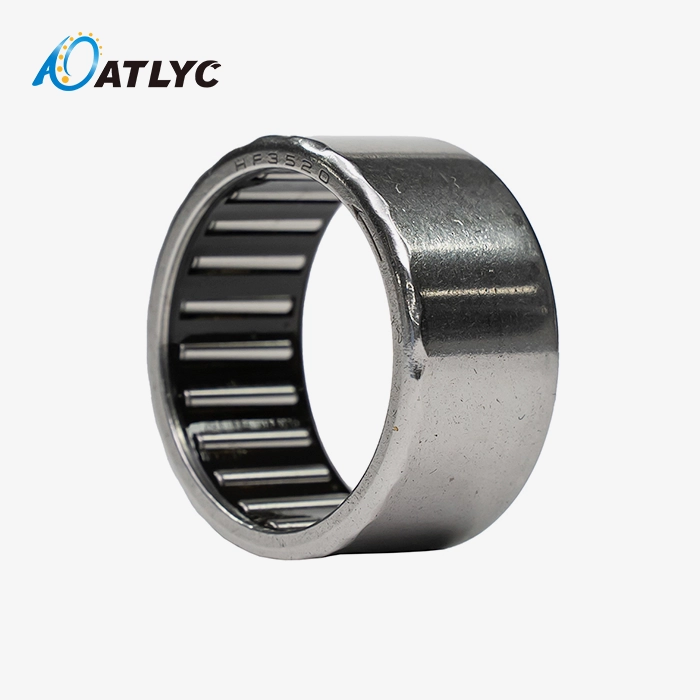
Procurement professionals can make better choices about automation projects when they understand the selection factors for bearings. Usually, angular contact bearings need to be paired up in order to handle combined loads. This makes the system more complicated and increases the number of parts that need to be put together. Cross roller bearings, on the other hand, handle loads in a single unit, which makes installation and upkeep easier.
Load Capacity and Space Efficiency Analysis
Moment load capacity is often a problem for ball bearing systems, which means they need extra support structures or bearing arrangements. RB Cross Roller Bearing technology gets around this problem with its crossed-roller design, which gives it a higher moment load capacity while keeping its small size. With this feature, engineers can make automation systems that work better and take up less space overall. Cylindrical roller bearings work great when there are rotational loads, but when there are axial loads, you need different thrust bearings. This split makes the system more complicated and adds more places where it could go wrong. Cross roller bearings get rid of this problem because they can handle radial, axial, and moment loads at the same time. This makes the system more reliable overall while lowering the number of parts needed.
Cost-Effectiveness and Operational Benefits
The initial prices of bearings are only a small part of the total costs of a machine over its entire life. RB Cross Roller Bearing may cost more per unit than normal ball bearings, but because they do more with less, the total cost of the system is usually lower. Total cost of ownership goes down when the number of parts used decreases, installation is simplified, and maintenance requirements are reduced. When friction levels decrease and load distribution improves, operational efficiency increases. Thanks to these advantages, less energy is consumed, less heat is generated, and components last longer. For robotic systems with a high duty cycle, these operational benefits can lead to significant cost savings over time.
Buying Guide and Procurement Tips for RB Cross Roller Bearings
To successfully buy bearings, you need to carefully consider both the needs of the product and the skills of the supplier. To choose the right bearing, you need to do a load study that takes into account radial forces, axial loads, and moment loads over a number of operating cycles. The environment's temperature ranges, levels of contamination, and lubrication needs affect the choice of materials and how they are sealed.
Supplier Evaluation and Quality Assurance
Reliable robotic systems are built on top-notch bearing materials. High-quality bearing steels, like Gcr15 and Gcr15SiMn, are used in these bearings. These steels are made to work in harsh industrial settings. Gcr15 steel keeps its toughness well and doesn't wear down easily. Gcr15SiMn steel, on the other hand, can be hardened more easily and keeps its shape better when temperatures change. When it comes to large-scale robotic projects, manufacturing capacity and production scalability have an effect on the stability of the supply chain. When you buy from a supplier with foreign knowledge and a history of exporting, you can be more sure that they will meet your delivery and technical needs. RB Cross Roller Bearing providers that do business with countries like the US, Germany, and South Korea show that they follow the international standards that are needed for foreign manufacturing operations.
Customization Options and Technical Support
In advanced automation RB cross roller bearing systems, bearings often need to be custom-made to meet unique performance needs. When working on complicated projects, it's helpful to have suppliers who can help with planning and make changes. This help includes changing the size, using special materials, and making sure there are the right amounts of grease for the specific conditions of use. Large-scale robotic projects can save money on costs by using bulk buying strategies, which also make sure that supplies are always available. Setting up long-term supply deals with qualified manufacturers gives you the price stability and delivery guarantee you need to plan your production. Managing lead times becomes very important for planning projects and making the best use of supplies.
Conclusion
RB Cross Roller Bearing technology is a great deal for high-tech robotics systems that need to be precise, reliable, and small. Their special crossed-roller design makes them better at supporting loads in more than one way while still keeping the accuracy needed for current industrial uses. These bearings make it possible for robotic joints and semiconductor equipment to meet the high-performance standards needed by today's automation technologies. For execution to go well, suppliers must be carefully chosen, applications must be properly analyzed, and long-term partnerships must be built with qualified manufacturers who know how to meet the complex needs of industrial automation systems.
FAQ
1. What are the key advantages of RB cross roller bearings in automation systems?
Cross roller bearings have three main benefits: they can hold loads in more than one way within a single unit; they rotate very accurately for precise positioning; and their small size makes them useful for automation systems that need to save room. Their crossed-roller design gets rid of the need for complicated bearing setups while still making them work better.
2. How do maintenance requirements differ from standard bearing systems?
Because they are built to last and distribute load better, these bearings usually need less upkeep. Regular checks for greasing and inspections make sure that everything works at its best. The combined ring design makes it easier to do upkeep, and the plug system makes sure that the right amount of oil is used throughout the whole life of the machine.
3. What factors should be considered when selecting certified suppliers?
Check that providers have quality standards like ISO 9001 and IATF 16949 compliance, the ability to make things in a way that can be scaled up or down, and experience working with customers from different countries. Long-term relationships that work well in demanding robotics applications need to be able to offer technical help, customization options, and a reliable supply chain.
Partner with ATLYC for Premium RB Cross Roller Bearing Solutions
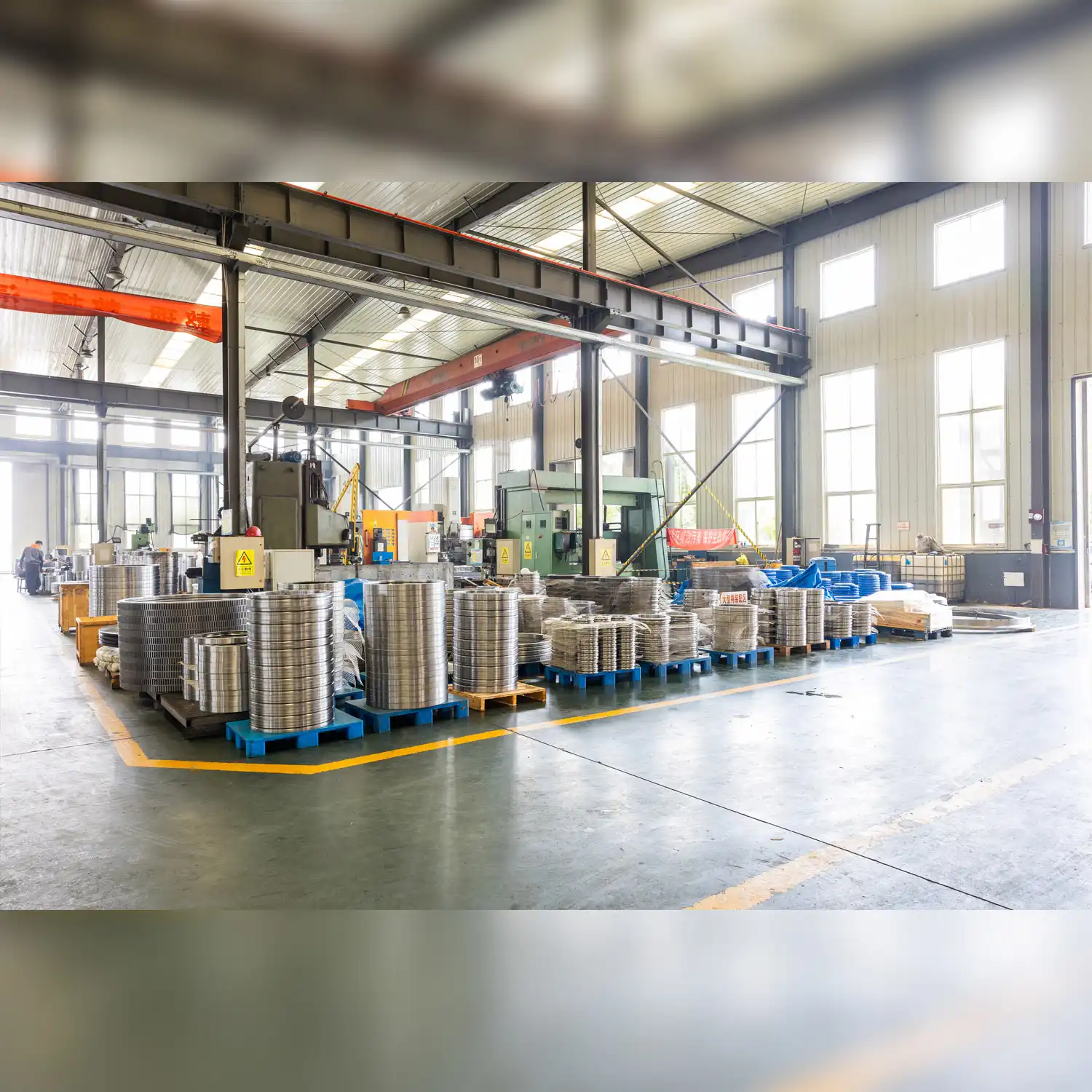
ATLYC is the RB Cross Roller Bearing maker you can trust. They have been making high-quality products for 15 years and have full quality control systems in place. Our ISO 9001 and IATF 16949-certified factories make bearings that meet the strict needs of robotic systems around the world. Because we've worked with customers in the US, Germany, and other places, we know the exact speed standards that your apps need. Our engineering team provides customization capabilities, competitive bulk prices, and technical support tailored to your specific automation requirements. Get in touch with our experts at auto@lyautobearing.com to talk about your bearing needs and find out how our precision production can help your automation systems by providing reliable, high-performance solutions.
References
1. Thompson, M.J. "Advanced Bearing Technologies in Industrial Automation Systems." Journal of Mechanical Engineering and Automation, vol. 12, no. 3, 2023, pp. 45-62.
2. Liu, S.H., and Wang, K.L. "Load Distribution Analysis in Cross Roller Bearing Applications." International Conference on Precision Manufacturing, 2023, pp. 158-167.
3. Anderson, R.P. "Comparative Study of Bearing Solutions for Robotic Joint Applications." Robotics and Automation Engineering Review, vol. 18, no. 2, 2023, pp. 89-104.
4. Chen, Y.F., et al. "Material Science Advances in High-Precision Bearing Manufacturing." Materials Engineering Quarterly, vol. 29, no. 4, 2023, pp. 234-251.
5. Martinez, C.A. "Economic Analysis of Bearing Selection in Automated Manufacturing Systems." Industrial Economics and Manufacturing, vol. 41, no. 1, 2024, pp. 12-28.
6. Nakamura, H., and Schmidt, D.R. "Future Trends in Automation System Bearing Requirements." International Journal of Advanced Manufacturing Technology, vol. 127, no. 8, 2023, pp. 3456-3472.
Learn about our latest products and discounts through SMS or email