- English
- French
- German
- Portuguese
- Spanish
- Russian
- Japanese
- Korean
- Arabic
- Greek
- German
- Turkish
- Italian
- Danish
- Romanian
- Indonesian
- Czech
- Afrikaans
- Swedish
- Polish
- Basque
- Catalan
- Esperanto
- Hindi
- Lao
- Albanian
- Amharic
- Armenian
- Azerbaijani
- Belarusian
- Bengali
- Bosnian
- Bulgarian
- Cebuano
- Chichewa
- Corsican
- Croatian
- Dutch
- Estonian
- Filipino
- Finnish
- Frisian
- Galician
- Georgian
- Gujarati
- Haitian
- Hausa
- Hawaiian
- Hebrew
- Hmong
- Hungarian
- Icelandic
- Igbo
- Javanese
- Kannada
- Kazakh
- Khmer
- Kurdish
- Kyrgyz
- Latin
- Latvian
- Lithuanian
- Luxembou..
- Macedonian
- Malagasy
- Malay
- Malayalam
- Maltese
- Maori
- Marathi
- Mongolian
- Burmese
- Nepali
- Norwegian
- Pashto
- Persian
- Punjabi
- Serbian
- Sesotho
- Sinhala
- Slovak
- Slovenian
- Somali
- Samoan
- Scots Gaelic
- Shona
- Sindhi
- Sundanese
- Swahili
- Tajik
- Tamil
- Telugu
- Thai
- Ukrainian
- Urdu
- Uzbek
- Vietnamese
- Welsh
- Xhosa
- Yiddish
- Yoruba
- Zulu
How Does Bearing Selection Improve Equipment Performance?
The right Bearing Selection directly influences the performance of the equipment in terms of load capacity, operating speed, life expectancy, and energy economy. The right choice of bearing for the application – for example, matching it to the kind of load, operating temperature, and speed of rotation – will enable manufacturers to decrease friction losses, vibration, and wear and tear on components. Strategic selection of bearings also protects against early failures, thereby reducing maintenance costs and downtime for industrial equipment and automotive applications.

Criteria for Effective Bearing Selection
Effective bearing selection begins with accurately identifying the equipment working circumstances, such as load direction, amplitude, and speed, along with environmental considerations including temperature extremes, contaminant exposure, and mechanical stresses. Our expertise in producing bearings according to ISO 9001 and IATF 16949 has taught us that meticulous examination saves expensive mismatches.
Operating Conditions and Load Analysis
Load characteristics are crucial in bearing selection. Radial loads are perpendicular to the axis of the shaft. Axial loads are pushing in the direction of the shaft. The combined loads need bearings that may be subjected to multi-directional forces concurrently. The basic load ratings are calculated based on the size of the load. The consistency of the load ( steady or variable) is used to calculate the fatigue life. The rotational speed affects the bearing's internal temperatures and the production of the lubrication layer, which directly affect the frictional losses and wear rates.
Environmental Factors and Industry Standards
Temperature extremes affect bearing clearances and lubricant viscosity. For applications exceeding 150°C, specific heat-resistant materials and high-temperature lubricants are necessary. In such cases, proper sealing solutions may be necessary against dust, moisture, or chemical exposure. The E designation is for reinforced design for severe conditions, and P2 is the designation for the highest precision for applications requiring minimal runout. Industry rating systems such as the ISO 281 bearing life calculation standard provide frameworks for predicting service life under specified operating conditions. These calculations include load ratings, rotational speed, and application parameters to predict L10 life, or running hours until 10% of the bearings experience fatigue degradation. This knowledge of rating systems helps to choose the appropriate bearing for a particular application, resulting in improved performance and longer bearing life.
| Environmental Factor | Impact on Bearing Selection | Recommended Solution |
|---|---|---|
| High Temperature (>150°C) | Reduces clearance, affects lubrication viscosity | C4 clearance, heat-resistant materials, synthetic lubricants |
| Contamination (Dust/Moisture) | Accelerates wear, causes corrosion | Sealed bearings (2RS, 2Z), frequent maintenance intervals |
| Shock Loads | Causes brinelling, premature fatigue | Roller bearings, reinforced design (E designation) |
| High Speed (>10,000 RPM) | Generates heat, increases friction | Low-friction seals, precision bearings (P2), ceramic materials |
Comparing Popular Bearing Types for Optimal Equipment Functionality
The proper kind of bearing will be chosen depending on the application requirements, such as the kind of load, speed capabilities, and maintenance capacity. Such a comparison allows the procurement specialist to match the bearing choice to the exact functional need.
Ball Bearings Versus Roller Bearings
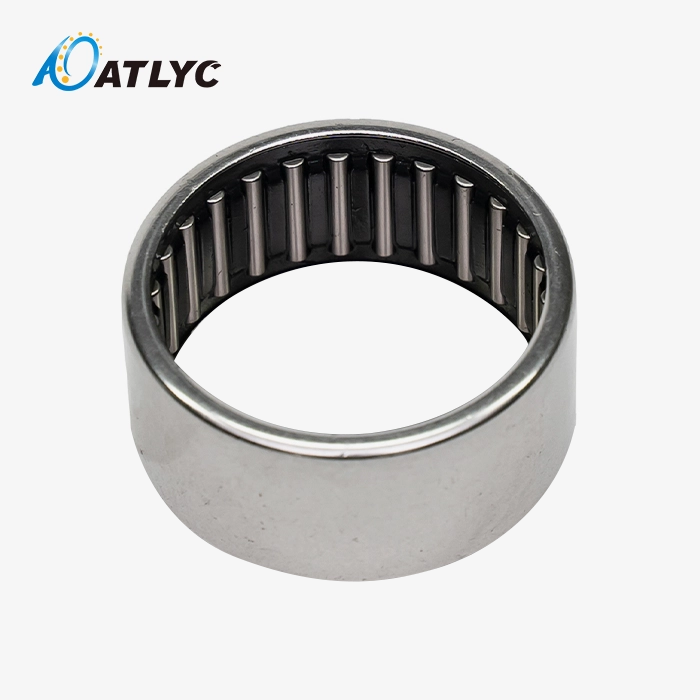
Ball bearings excel in high-speed applications with moderate loads, offering low friction and accommodating combined radial and axial loads. Their point contact with races limits heavy load capacity but enables smooth operation at elevated speeds. Roller bearings feature line contact, distributing loads across larger surface areas. This design supports substantially higher radial loads but typically operates at lower speeds than ball bearings.
Specialty Materials and Advanced Options
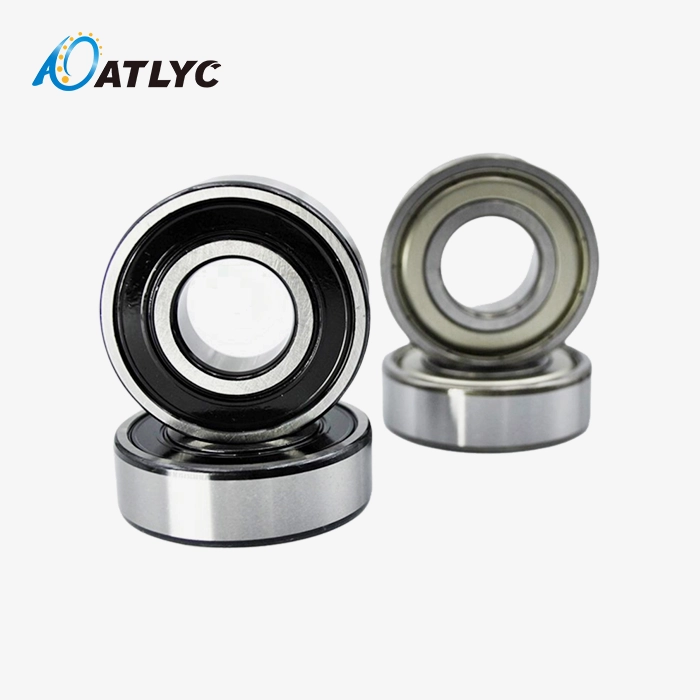
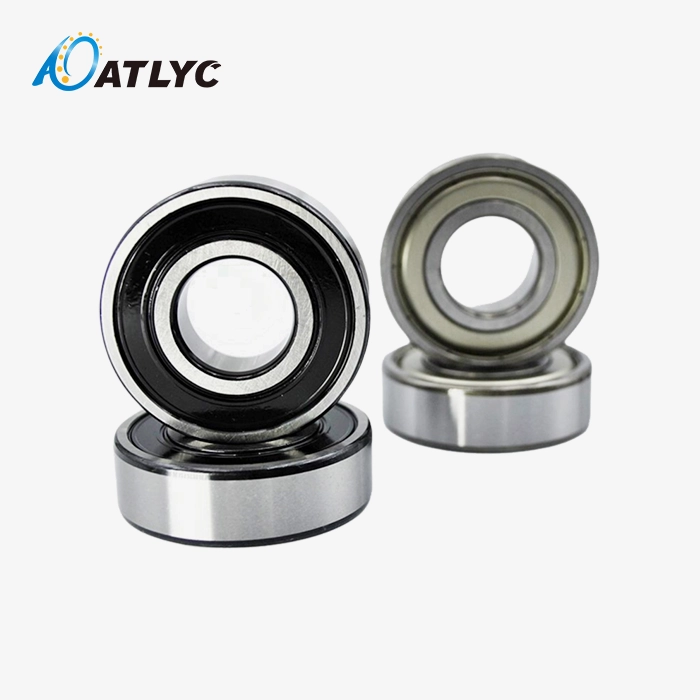
Some applications benefit from the unique performance benefits of ceramic bearings. They are corrosion-resistant, may run without lubrication in certain cases, and create less heat at high speeds. Steel bearings are still the most common kind for most industrial applications because of positive cost-performance ratios and proven dependability in a variety of operating situations. The difference between sealed and open bearings has an impact on maintenance needs and operating environments. 2RS or 2Z – Sealed bearings do not need relubrication. This protects the internal components from contamination. Open bearings need frequent maintenance but are better able to disperse heat and are therefore more suited for high-temperature applications.
Precision Applications and Industry-Specific Solutions
Precision machinery bearings must be made to strict tolerances. P2 is the most precise class, minimising runout and vibration for applications like machine tool spindles and precision measurement equipment. Typically, electric motors use deep groove ball bearings with suitable clearance specifications. Heavy-load conveyors use cylindrical or tapered roller bearings supporting high radial loads. The 6015 bearing is a type of deep groove ball bearing, which is often specified for motor applications for combined load capacity, making it an important consideration in Bearing Selection. Rubber seals on both sides of the 1615 2RS bearing protect it from dust and other types of contamination. The 1640 2RS bearing also has two rubber seals to protect the bearing from dust or any possible contamination. The 1640 2RS, 1640 ZZ, and 1640 2RSR are all available.
Best Practices for Bearing Installation, Maintenance, and Procurement
Best practices should be used for the installation, maintenance, and procurement of a bearing to achieve its maximum service life. In our production plant alone, we have handled hundreds of bearing installations in six manufacturing workshops and have seen how the right procedures may significantly prolong the service life.
Installation Techniques That Prevent Premature Failure
Proper handling avoids contamination and damage before installation. Clean work conditions and correct equipment reduce particle contamination, leading to increased wear. When mounting, the force must be uniformly distributed on the bearing rings to minimise damage to the rolling elements or raceways. The force application must be regulated for press fits, while thermal installation techniques employ controlled heating to expand the inner rings of bearings for slip-fit mounting to shafts. Tolerances of the shaft and the housing strongly influence the performance of the bearing. The K mark denotes bearings with taper bores, which need to be fitted correctly onto taper shafts. Regardless of bearing quality, incorrect shaft preparation, such as insufficient hardness (below HRC 58-63) or excessive surface roughness (above Ra 0.2µm), can affect bearing life.
Lubrication Schedules and Maintenance Protocols
Friction, heat production, and wear rates in bearings are directly affected by lubrication. Grease lubrication is suitable for most industrial applications, with relubrication periods dependent on operating speed, temperature, and load conditions. Oil lubrication systems need continual cooling and pollution removal for high-speed or high-temperature applications. Maintenance methods should include vibration monitoring to identify early bearing failure. Temperature monitoring detects lubrication failures or overloads before a catastrophic breakdown. Scheduled inspections at suitable intervals identify growing issues and minimise unexpected downtime.
Strategic Procurement for B2B Clients
The purchasing techniques have a big influence on the total cost of ownership beyond the original purchase price. Look for ISO 9001 and IATF 16949 certifications from reputable manufacturers that are committed to constant quality and continual development. These certifications confirm that the manufacturing processes adhere to international standards, therefore lowering failure rates and assuring consistent performance. Volume buying leverages economies of scale to decrease per-unit costs and maintain dependable supply chains. Supply dependability, which is essential to uninterrupted production, is ensured by long-term collaborations with manufacturers like ATLYC, which can exhibit manufacturing size and worldwide expertise. Technical support skills allow for the customisation necessary for special applications and to solve unique technical problems that can not be solved with conventional catalogue goods. Warranty policy knowledge provides protection from manufacturing failures, and unambiguous lead time commitments are important for production planning. Value is created not just by competitive pricing of the components but also by consistent supply schedules that help reduce inventory carrying costs and production delays.
| Bearing Type | Load Capacity | Speed Rating | Typical Applications | Maintenance Requirements |
|---|---|---|---|---|
| Deep Groove Ball | Moderate radial & light axial | High (up to 20,000 RPM) | Electric motors, pumps, general machinery | Low; sealed versions maintenance-free |
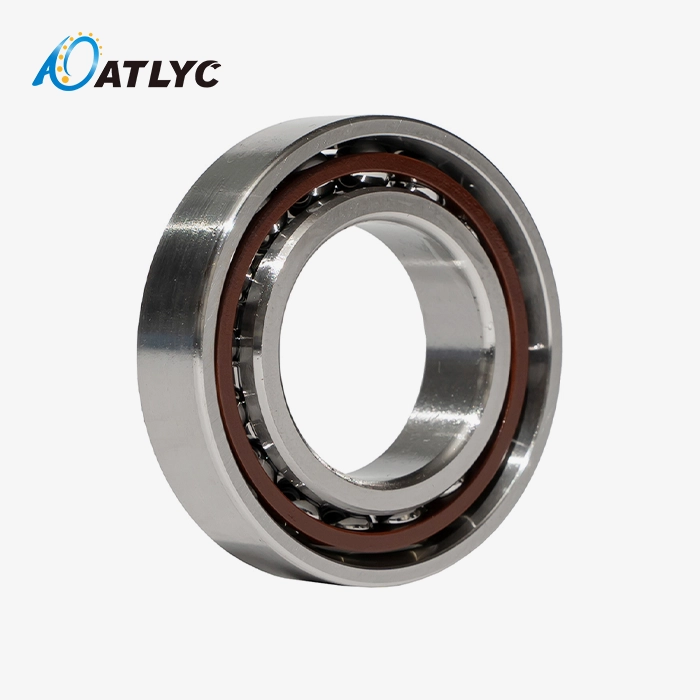
| Angular Contact Ball | High axial & moderate radial | Very High | Machine tool spindles, precision equipment | Moderate; requires precise mounting |
| Cylindrical Roller | Very high radial, no axial | Moderate to High | Heavy machinery, conveyors, gearboxes | Moderate; regular lubrication needed |
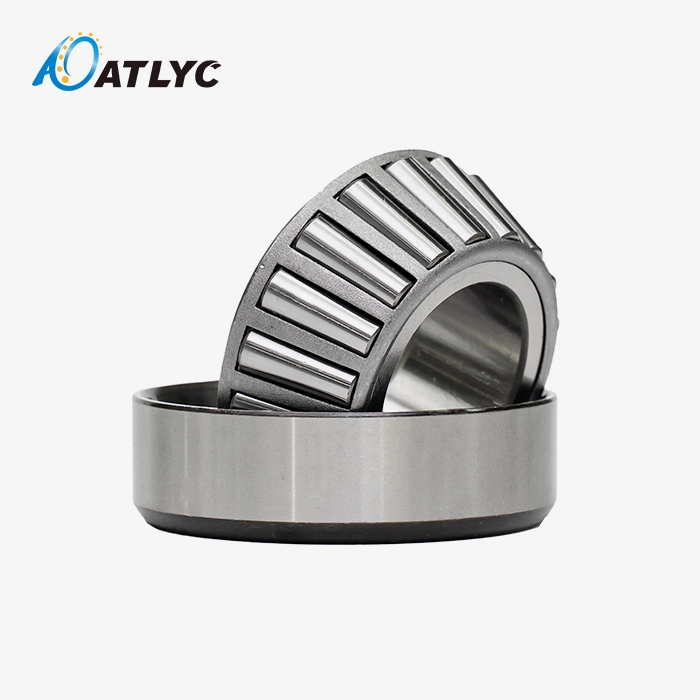
| Tapered Roller | High radial & axial | Moderate | Automotive hubs, industrial gearboxes | Higher; requires adjustment and monitoring |
Case Studies: How Proper Bearing Selection Enhanced Equipment Performance
The real-world examples demonstrate the real advantages of optimised bearing selection in a wide range of industrial applications.
Heavy Machinery Uptime Through Load-Specific Choices
A large producer of industrial equipment in the world was experiencing frequent bearing failures in heavy-duty conveyor systems working under constant high radial loads. The analysis showed that deep groove ball bearings were not enough for the continuous high stress. Conversion to cylindrical roller bearings with proper load ratings increased bearing life from 8 months to almost 3 years, saving 65% on maintenance expenses and avoiding unplanned production downtime. This bearing selection, tailored to the load, matched component capabilities with real operational requirements.
Reduced Maintenance Costs Through Material Selection
A producer of automobile components, namely brake assemblies, was experiencing premature bearing failures owing to moisture contamination in their manufacturing environment. The moisture kept out by the double rubber seals on the 1615 2RS bearings extended service intervals from quarterly to yearly. This material and seal selection has had the effect of reducing maintenance labour costs, inventory carrying costs, and enhancing production consistency. The sealed bearing solution was able to solve the environmental issues without the need for changes to the facility.
Improved Precision in Electric Motor Applications
A precision automation equipment OEM wanted finer tolerances and less vibration in servo motor assemblies. We saw a 40% increase in positioning accuracy and an 8-decibel reduction in audible noise when we moved from regular precision bearings to P2 precision-class bearings with C3 clearance.” The ceramic bearing option was considered but was found to be unnecessary since the performance gains were accomplished using precision steel bearings at a far cheaper cost. The precision-oriented bearing selection achieved the desired performance gains and desirable cost-performance relationships.

Conclusion
Choosing the right bearing is key to maximising the performance of the equipment by matching the capabilities of the components to the application requirements. Knowledge of bearing types, clearances, seals and materials allows educated decisions that increase service life, minimise maintenance costs and improve operational dependability. The case studies show measurable advantages of load-specific choices, proper sealing solutions, and precision-grade components. Beyond the cost of components, value is derived via procurement tactics that stress quality certifications, technical support skills, and long-term supplier relationships. At ATLYC, our 15-year journey from a single workshop to full-fledged bearing manufacturing across six locations demonstrates dedication to precise manufacturing matching worldwide standards. The use of these bearing selection principles results in better equipment performance, operating efficiency, and competitive advantage.
FAQ
What factors determine the proper bearing size for my equipment?
Bearing sizing depends on shaft diameter, load magnitude, rotational speed, and space constraints. Calculate required load ratings based on actual operating loads with appropriate safety factors. Consider both radial and axial load components, and verify that bearing dimensions fit the available envelope space while providing adequate shaft support.
How do sealed bearings differ from open bearings in performance?
Sealed bearings with 2RS or 2Z designations protect internal components from contamination, require no relubrication, and suit dirty or wet environments. Open bearings dissipate heat more effectively, accommodate higher speeds in clean environments, but demand regular lubrication maintenance. Choose based on environmental conditions and maintenance capabilities.
How often should bearings be relubricated in heavy-duty applications?
Relubrication intervals depend on operating speed, temperature, and load intensity. Heavy-duty applications typically require relubrication every 500-2,000 operating hours, with shorter intervals for higher speeds or temperatures. Sealed bearings eliminate relubrication needs. Monitor bearing temperatures and vibration to optimize lubrication schedules for specific applications.
Partner with ATLYC for Superior Bearing Selection Support
ATLYC stands as your dependable bearing supplier with 15 years of manufacturing expertise, serving automotive and industrial equipment manufacturers worldwide. Our ISO 9001- and IATF 16949-certified production facilities deliver high-precision bearings meeting international standards across deep groove ball, angular contact, cylindrical roller, tapered roller, needle roller, and spherical roller categories. Our 120-person team provides technical support for custom bearing solutions tailored to your specific application requirements. Whether you need C3 clearance bearings for standard conditions, C4 clearance for high-temperature environments, or sealed options like 1615 2RS and 1640 2RS bearings for contaminated environments, we deliver consistent quality with competitive pricing and reliable lead times. Contact our engineering team at auto@lyautobearing.com to discuss your bearing selection challenges and receive expert guidance ensuring optimal equipment performance.
References
1. Harris, T.A. & Kotzalas, M.N. (2006). Essential Concepts of Bearing Technology: Rolling Bearing Analysis, 5th Edition. CRC Press.
2. SKF Group. (2018). Rolling Bearings Catalogue: Selection and Application Guidelines for Industrial Bearings. SKF Publishing.
3. ISO 281:2007. Rolling Bearings – Dynamic Load Ratings and Rating Life: Calculation Methods and Standards. International Organization for Standardization.
4. Budynas, R.G. & Nisbett, J.K. (2015). Shigley's Mechanical Engineering Design, 10th Edition. McGraw-Hill Education, Chapter 11: Rolling-Contact Bearings.
5. Timken Company. (2020). Bearing Damage Analysis with Lubrication Reference Guide: Engineering Manual for Bearing Selection. Timken Technical Services.
6. Eschmann, P., Hasbargen, L. & Weigand, K. (1985). Ball and Roller Bearings: Theory, Design and Application, 2nd Edition. John Wiley & Sons.
Learn about our latest products and discounts through SMS or email