- English
- French
- German
- Portuguese
- Spanish
- Russian
- Japanese
- Korean
- Arabic
- Greek
- German
- Turkish
- Italian
- Danish
- Romanian
- Indonesian
- Czech
- Afrikaans
- Swedish
- Polish
- Basque
- Catalan
- Esperanto
- Hindi
- Lao
- Albanian
- Amharic
- Armenian
- Azerbaijani
- Belarusian
- Bengali
- Bosnian
- Bulgarian
- Cebuano
- Chichewa
- Corsican
- Croatian
- Dutch
- Estonian
- Filipino
- Finnish
- Frisian
- Galician
- Georgian
- Gujarati
- Haitian
- Hausa
- Hawaiian
- Hebrew
- Hmong
- Hungarian
- Icelandic
- Igbo
- Javanese
- Kannada
- Kazakh
- Khmer
- Kurdish
- Kyrgyz
- Latin
- Latvian
- Lithuanian
- Luxembou..
- Macedonian
- Malagasy
- Malay
- Malayalam
- Maltese
- Maori
- Marathi
- Mongolian
- Burmese
- Nepali
- Norwegian
- Pashto
- Persian
- Punjabi
- Serbian
- Sesotho
- Sinhala
- Slovak
- Slovenian
- Somali
- Samoan
- Scots Gaelic
- Shona
- Sindhi
- Sundanese
- Swahili
- Tajik
- Tamil
- Telugu
- Thai
- Ukrainian
- Urdu
- Uzbek
- Vietnamese
- Welsh
- Xhosa
- Yiddish
- Yoruba
- Zulu
How Does YRT100 Rotary Table Bearing Deliver Stable Performance?
The YRT100 Rotary Table Bearing works well and stays stable because it has a three-in-one structure that combines thrust, radial, and moment load powers into a small 100mm bore assembly. This bearing keeps its stiffness while handling complex forces acting in multiple directions. It does this by using precisely ground raceways and a double-row angular contact ball arrangement with the best contact angles. Its advanced sealing system keeps out dirt and debris, and the super-finished interior surfaces reduce friction and wear. This keeps it in the same place for longer and works well in CNC machines and automation equipment that are very hard on parts.
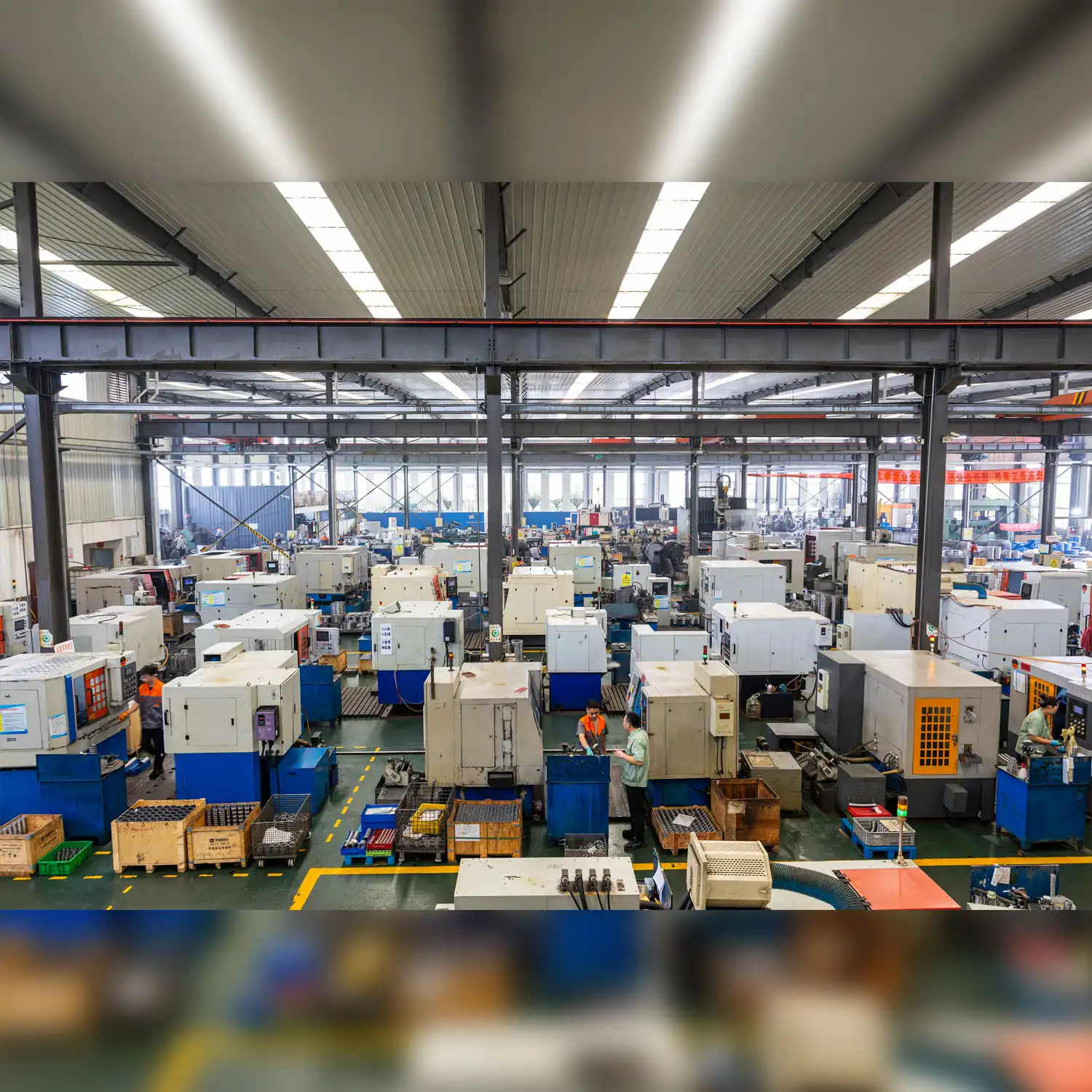
Understanding YRT100 Rotary Table Bearing and Its Performance Fundamentals
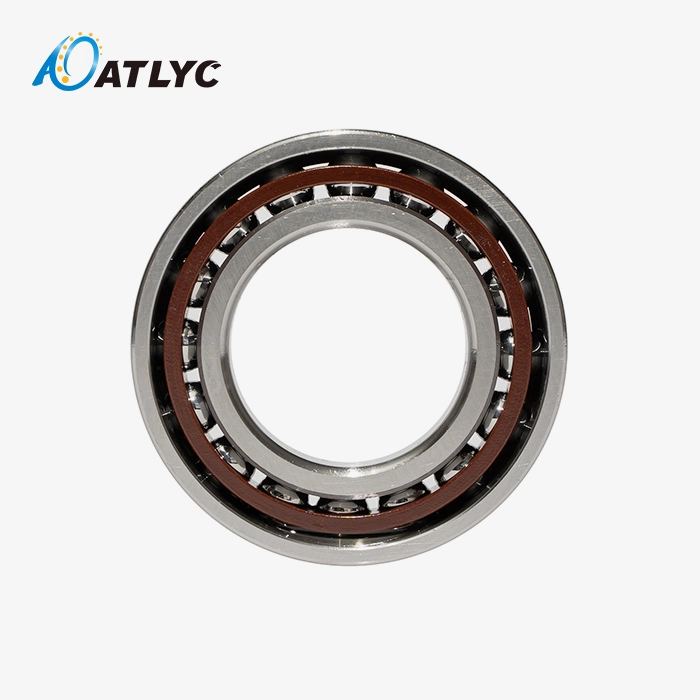
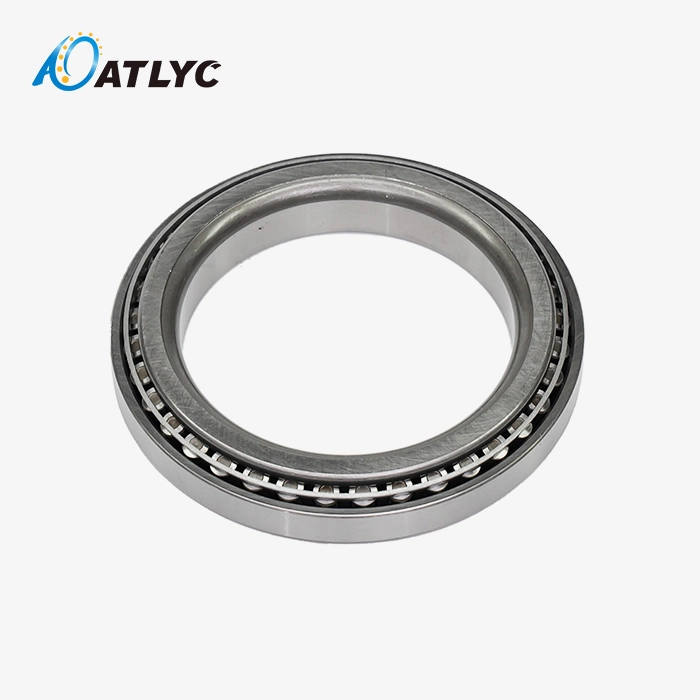
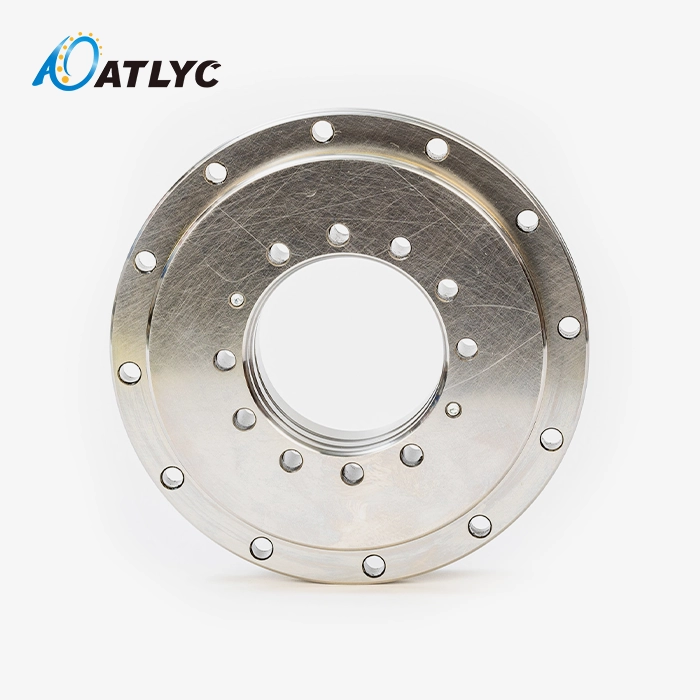
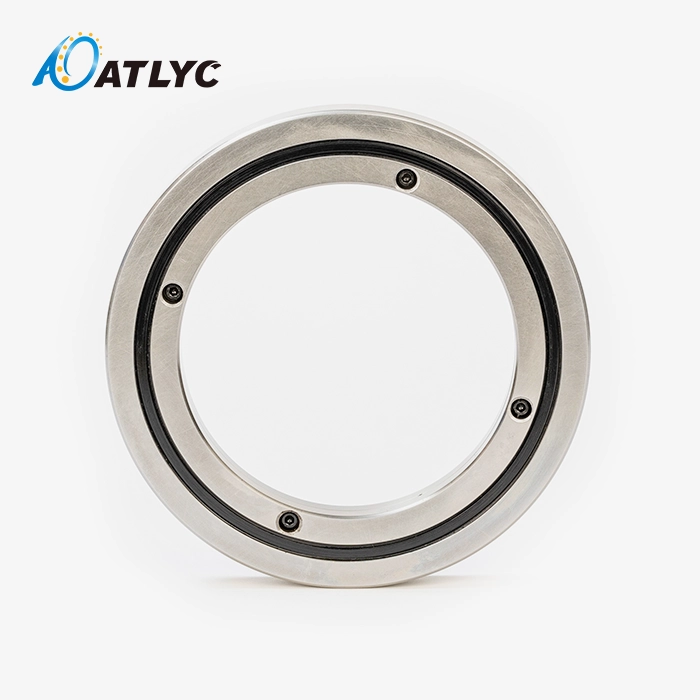
Rotary table bearings serve as the backbone of precision positioning systems across industries. The YRT100 model represents a significant advancement in rotary motion technology, addressing space constraints without compromising load-bearing capacity. With dimensions of 100mm inner diameter, 185mm outer diameter, and 38mm width, this precision component integrates multiple bearing functions into one unified assembly.
Compact Integrated Structure
Unlike other types of bearings that need different thrust and radial units, rotary table bearings have a single architecture. Because the YRT100 is designed to work with other devices, it doesn't need to be put together separately, which saves time and space. This is especially important for manufacturers who want to get the most out of their machine tools while also saving floor space. During operation, the outer ring stays still, while the inner ring spins easily with the help of precision steel balls and a carefully designed cage system. This structural consolidation directly leads to better machine rigidity. When different bearing units are used, alignment errors get bigger at more than one interface, which could make the system less stable. Since YRT bearings are made of a single unit, these cumulative tolerances are eliminated. This gives them better positioning repeatability, which is important for CNC indexing tasks and robotic joint articulation.
Multi-Directional Load Distribution
The layout of the two rows of angular contact balls is what makes the performance stable. When steel balls are placed at certain contact angles, usually 45° or 60°, they make load paths that are best for managing forces at the same time. Axial loads from machining, radial loads from rotating workpieces, and tilting moments from asymmetric forces are all absorbed at the same time without compromising the integrity of the bearing. Engineers like how this design keeps stiffness even when loads change. When heavy grinding is being done, the cutting forces are always changing direction and strength. The YRT100's ball design keeps the load spread evenly, which stops stress from building up in one area that speeds up wear and decreases accuracy over time.
Common Challenges Affecting Rotary Table Bearing Stability and How YRT100 Addresses Them
Industrial environments present numerous obstacles to bearing reliability. Understanding how design features counteract these challenges helps procurement professionals specify components that truly meet operational demands.
Contamination Protection and Sealing Systems
Particulate entry is one of the main reasons why bearings fail early. During YRT100 Rotary Table Bearing machining, metal chips, coolant residue, and airborne particles get into bearing systems and act as abrasives that damage precise surfaces. The YRT100 uses advanced sealing technology that blocks contaminants from getting in while keeping the lubrication that is needed. The design of the sealing system balances security with adding little friction. Rubber or synthetic seals stay in touch with rotating surfaces at the best amounts of interference to stop ingress without creating too much heat or drag. This is especially helpful in high-speed situations where seal friction can have a big effect on how much energy is used and how the temperature is controlled. Manufacturers of automotive parts who work multiple shifts can benefit greatly from this protective feature, as less contamination exposure increases the time between repair visits and decreases unplanned downtime.
Lubrication Protocol and Service Life Extension
Lubrication is still an important part of making bearings last a long time. YRT bearings can be used with both grease and oil lubrication systems, with different needs depending on the speed of operation and the surroundings. Most rotary table uses can be solved with grease, which is easy to do and effectively blocks contamination. The internal geometry of the bearing makes sure that the lubricant gets to all the important contact areas while it's running. Oil lubrication systems are useful in high-speed situations or places that need to handle lubrication centrally. Continuous oil supply gets rid of heat better than grease, which is helpful when managing heat becomes difficult. Manufacturers of industrial equipment like being able to choose lubrication methods that work with their current maintenance infrastructure and the way their machines are used. The amount of time between regular relubrication intervals depends on how the machines are being used. In our experience working with car OEMs, machines that work one shift a week and are moderately loaded usually need to be re-oiled every 2,000 to 3,000 hours. Heavy-duty uses with multiple shifts may need shorter intervals of 1,000 to 1,500 hours. Maintenance teams can make sure that lubrication schedules are based on real bearing conditions rather than just picking random times to do it by keeping an eye on vibration signatures and temperature trends.
Comparing YRT100 to Other Rotary Table Bearings: Why It Excels in Stability
The bearing market offers numerous rotary table solutions, each with distinct characteristics suiting different application profiles. Understanding these distinctions empowers informed specification decisions.
Dimensional and Capacity Variants
The YRT100 is in the middle of the YRT line. Its small size and large load capacity make it a good choice. Larger models, like the YRT150, can handle higher loads for heavy-duty uses, while smaller models are better for places with limited room and lower load needs. The 100mm bore diameter fits shaft sizes common in mid-sized CNC equipment and industrial robots, so it can be used in a wide range of automation applications. The YRT110 variant offers slightly more capacity with a smaller size increase, making it more appealing when load requirements get close to the YRT100 limits. But the YRT100's cost-to-performance ratio usually works out better when its specs meet the needs of the application. The YRT120 increases capacity even more, but it comes at a higher cost and weighs more, so the extra capacity might not be worth it unless loads specifically need it. Before specifying, procurement teams should do a careful load analysis. Bearings that are too big add extra weight and cost, while bearings that are too small could fail early and need to be replaced often. Technical support from makers of bearings that know what they're doing helps match the needs of a specific application to the best model.
Structural Comparison with Cross Roller Bearings
Cross roller bearings are an alternative high-precision rotary solution that uses cylinder-shaped rollers that are placed perpendicular to each other. This arrangement offers high rigidity and a small section height, which is helpful in situations where axial room is important. But rotary table bearings with ball elements can usually handle higher speeds and have less starting torque than cross roller designs. This is because the ball contact in YRT bearings causes less friction than the line contact in cross rollers. This means that less heat is generated and less power is used during continuous rotation activities. When industrial machinery is used for long production runs, it saves energy because it loses less heat through friction over the course of its years-long life. Each technology also has different maintenance needs. Because they have a line contact shape, cross roller bearings need to be aligned more precisely and are more likely to get dirty. The YRT100's ball element design is more accepting of small installation flaws, which makes setup easier and makes it easier to service in the field.
Installation and Maintenance Best Practices to Maximize YRT100 Bearing Stability
Realizing the full performance potential of precision bearings requires disciplined installation procedures and proactive maintenance strategies. These practices protect the investment and ensure consistent operational stability.
Pre-Installation Inspection and Preparation
Before mounting begins, visual inspection verifies bearing condition YRT100 Rotary Table Bearing and identifies any shipping damage. Examine raceways under good lighting for nicks, scratches, or corrosion that would compromise performance. Check seal integrity and cage condition. Rotate the bearing manually while feeling for smooth motion and listening for any unusual sounds indicating internal damage. Cleaning mounting surfaces thoroughly removes old lubricant residue, corrosion, and particulates. Use lint-free cloths and approved solvents, avoiding aggressive chemicals that might leave harmful residues. Verify mounting surface flatness using precision straightedges and feeler gauges, confirming compliance with specified tolerances. Chamfers and corner radii should match bearing dimensions to prevent interference during installation. Handle bearings with clean gloves to prevent skin oils from contaminating precision surfaces. Store bearings in their original protective packaging until immediately before installation, minimizing contamination exposure. These seemingly minor precautions significantly influence long-term bearing performance and service life.
Step-by-Step Mounting Procedure
Position the bearing carefully onto the mounting surface, ensuring proper orientation per installation drawings. The bearing's bolt holes must align precisely with threaded mounting locations. Apply specified lubricant to mounting bolt threads and contact faces to achieve accurate torque-to-preload conversion. Thread bolts finger-tight initially, verifying proper seating before applying torque. Tighten mounting bolts following a star pattern sequence, applying torque in progressive stages rather than single-pass tightening. This approach distributes clamping forces evenly, preventing distortion. Use calibrated torque wrenches verified within their certification period to ensure accuracy. Record final torque values for each bolt position, creating documentation for future maintenance reference. After initial mounting, verify rotational torque and axial/radial play measurements against manufacturer specifications. These baseline readings establish reference values for future condition monitoring. Any significant deviations from expected values warrant investigation before proceeding to operational service.
Procurement Insights and How to Source Genuine YRT100 Rotary Table Bearings
Securing authentic rotary table bearings at competitive prices while ensuring supply reliability requires strategic procurement practices. B2B procurement professionals navigate these considerations daily, balancing cost, quality, and supplier relationship factors.
Supplier Evaluation and Qualification Criteria
Identifying qualified bearing suppliers begins with certification verification. ISO 9001 YRT100 Rotary Table Bearing certification demonstrates established quality management systems, while IATF 16949 specifically addresses automotive quality requirements. These certifications undergo regular auditing, assuring that manufacturing processes maintain consistent standards. Manufacturing capacity influences supply reliability, particularly for OEMs managing large production volumes or seasonal demand fluctuations. Suppliers operating multiple production workshops with diversified equipment can scale output responsively. Our facility expansion from one to six workshops over 15 years reflects capacity investments enabling reliable delivery performance even during industry-wide demand surges. Request customer references and review testimonials from companies in similar industries facing comparable application requirements. Direct conversations with existing customers reveal supplier responsiveness, technical support quality, and problem-resolution capabilities that formal documentation doesn't capture. Suppliers confident in their performance welcome customer reference checks.
Lead Time Management and Inventory Strategies
Standard catalog bearings typically ship within days from distributor stock. Custom specifications or large quantity orders may require extended lead times, allowing for production scheduling and quality verification. Establishing realistic lead time expectations prevents production disruptions and allows planning of appropriate inventory buffers. Volume purchasing agreements secure favorable pricing while ensuring supply priority during high-demand periods. Suppliers appreciate predictable order patterns enabling efficient production planning. Annual or quarterly blanket orders with scheduled releases balance inventory carrying costs against procurement savings from volume pricing. Consignment inventory programs offer another approach for high-volume users. Suppliers maintain stock at customer facilities, billing only as components are consumed. This arrangement minimizes customer working capital tied up in inventory while ensuring immediate component availability. Mutual trust and established relationships enable these collaborative supply arrangements.
Counterfeit Detection and Authentication Methods
The bearing aftermarket, unfortunately, includes counterfeit products visually mimicking genuine components while using inferior materials and looser tolerances. Packaging quality, printing clarity, and component finish provide initial indicators. Genuine bearings exhibit consistent, high-quality markings and surface treatments. Weight verification offers a simple authentication check. Counterfeit bearings often use lower-grade steels with different densities, creating measurable weight variations from genuine specifications. Dimensional measurements using precision instruments reveal tolerance deviations characteristic of counterfeit production. Purchase exclusively through authorized distributors maintaining documented supply chains from manufacturers. Authorized channels eliminate counterfeit risk while providing warranty coverage and return privileges unavailable through unauthorized sources. The modest price premium for authorized distribution channels represents an insignificant cost compared to counterfeit-related failures.
Conclusion
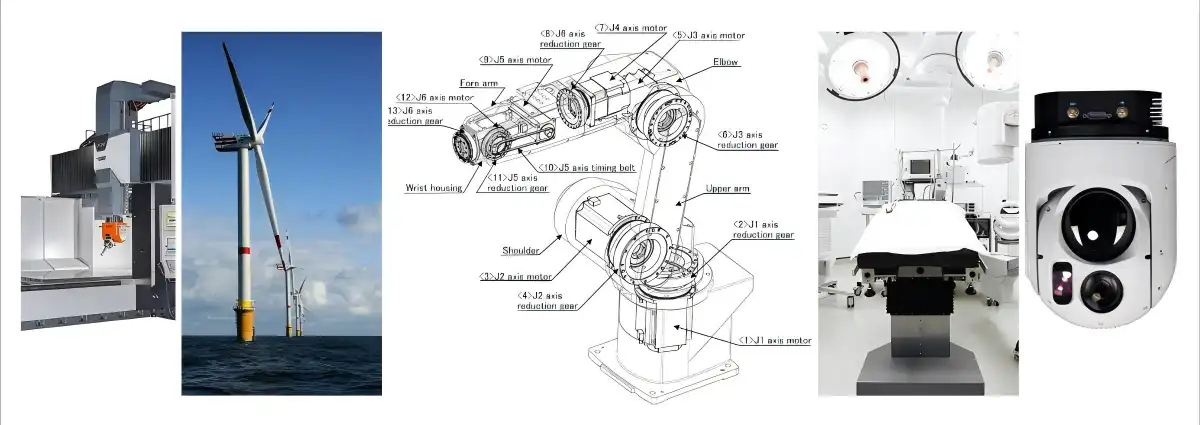
The YRT100 Rotary Table Bearing delivers stable performance through intelligent engineering, addressing real-world industrial challenges. Its integrated structure, precision manufacturing, and multi-directional load management capabilities provide the reliability demanded by automotive manufacturers, industrial equipment OEMs, and global bearing distributors. Proper installation following best practices, combined with proactive maintenance and genuine component sourcing, unlocks the full performance potential of these precision components. As manufacturing equipment grows more sophisticated and production demands intensify, partnering with experienced bearing manufacturers ensures access to technical expertise, consistent quality, and supply reliability essential for competitive success.
FAQ
1. What load capacities does the YRT100 bearing support?
The YRT100 rotary table bearing accommodates substantial multi-directional loads through its double-row angular contact ball design. Specific capacity ratings depend on contact angle configuration and preload settings. Typical axial load capacity ranges from 70-90 kN, while radial capacity reaches 45-60 kN. Moment load capacity, critical for resisting tilting forces, typically exceeds 5 kN·m. These ratings apply under normal operating temperatures and proper lubrication conditions. Application-specific loading analysis ensures bearing selection matches actual force profiles encountered during equipment operation.
2. How often does the YRT100 require maintenance?
Maintenance intervals vary based on operating conditions, including speed, loading, temperature, and contamination exposure. Standard industrial environments with moderate loading typically require lubrication replenishment every 2,000-3,000 operating hours. Heavy-duty applications or contaminated environments may necessitate shortened intervals of 1,000-1,500 hours. Condition monitoring through vibration analysis and temperature tracking enables predictive maintenance scheduling based on actual bearing condition rather than fixed time periods, optimizing both reliability and maintenance resource utilization.
3. Is the YRT100 suitable for high-speed CNC machining applications?
YRT bearings accommodate moderate-to-high rotational speeds common in CNC indexing operations. The ball element design generates lower friction than cross roller alternatives, supporting continuous rotation applications. Speed limitations depend on lubrication method, with grease-lubricated installations typically limited to 500-800 RPM, while oil-lubricated systems support higher speeds. Application analysis, considering duty cycles, precision requirements, and thermal management, determines suitability for specific CNC equipment configurations.
Partner with ATLYC for Reliable YRT100 Rotary Table Bearing Supply
ATLYC brings 15 years of bearing manufacturing expertise to support YRT100 Rotary Table Bearing for your precision equipment requirements. As a certified ISO 9001 and IATF 16949 manufacturer, we deliver consistent quality that meets international standards. Our production capacity across six specialized workshops ensures reliable lead times and scalable supply for growing demands. Whether you need standard YRT100 specifications or custom configurations tailored to unique applications, our engineering team provides technical collaboration throughout the procurement process. Connect with our specialists at auto@lyautobearing.com to discuss your rotary table bearing requirements. We'll provide detailed technical datasheets, competitive quotations, and supply solutions aligned with your operational needs. Join manufacturers across South Korea, the United States, Germany, Russia, Iran, and Turkey who trust ATLYC as their YRT100 Rotary Table Bearing supplier for precision, reliability, and partnership.
References
1. Harris, T.A. & Kotzalas, M.N. (2006). Advanced Concepts of Bearing Technology: Rolling Bearing Analysis, Fifth Edition. CRC Press, Taylor & Francis Group.
2. Palmgren, A. & Lundberg, G. (1952). Dynamic Capacity of Rolling Bearings. Journal of Applied Mechanics, Transactions of the ASME, Volume 74.
3. ISO 199:2014. Rolling Bearings — Thrust Bearings — Geometrical Product Specifications (GPS) and Tolerance Values. International Organization for Standardization.
4. Weck, M. & Brecher, C. (2006). Machine Tools Production Systems: Design Principles and Applications, Volume 2. Springer-Verlag Berlin Heidelberg.
5. Budynas, R.G. & Nisbett, J.K. (2015). Shigley's Mechanical Engineering Design, Tenth Edition. McGraw-Hill Education.
6. Eschmann, P., Hasbargen, L. & Weigand, K. (1985). Ball and Roller Bearings: Theory, Design and Application, Second Edition. John Wiley & Sons Ltd.
Learn about our latest products and discounts through SMS or email