- English
- French
- German
- Portuguese
- Spanish
- Russian
- Japanese
- Korean
- Arabic
- Greek
- German
- Turkish
- Italian
- Danish
- Romanian
- Indonesian
- Czech
- Afrikaans
- Swedish
- Polish
- Basque
- Catalan
- Esperanto
- Hindi
- Lao
- Albanian
- Amharic
- Armenian
- Azerbaijani
- Belarusian
- Bengali
- Bosnian
- Bulgarian
- Cebuano
- Chichewa
- Corsican
- Croatian
- Dutch
- Estonian
- Filipino
- Finnish
- Frisian
- Galician
- Georgian
- Gujarati
- Haitian
- Hausa
- Hawaiian
- Hebrew
- Hmong
- Hungarian
- Icelandic
- Igbo
- Javanese
- Kannada
- Kazakh
- Khmer
- Kurdish
- Kyrgyz
- Latin
- Latvian
- Lithuanian
- Luxembou..
- Macedonian
- Malagasy
- Malay
- Malayalam
- Maltese
- Maori
- Marathi
- Mongolian
- Burmese
- Nepali
- Norwegian
- Pashto
- Persian
- Punjabi
- Serbian
- Sesotho
- Sinhala
- Slovak
- Slovenian
- Somali
- Samoan
- Scots Gaelic
- Shona
- Sindhi
- Sundanese
- Swahili
- Tajik
- Tamil
- Telugu
- Thai
- Ukrainian
- Urdu
- Uzbek
- Vietnamese
- Welsh
- Xhosa
- Yiddish
- Yoruba
- Zulu
How Does the YRTC High-Speed Rotary Table Bearing Extend Service Life?
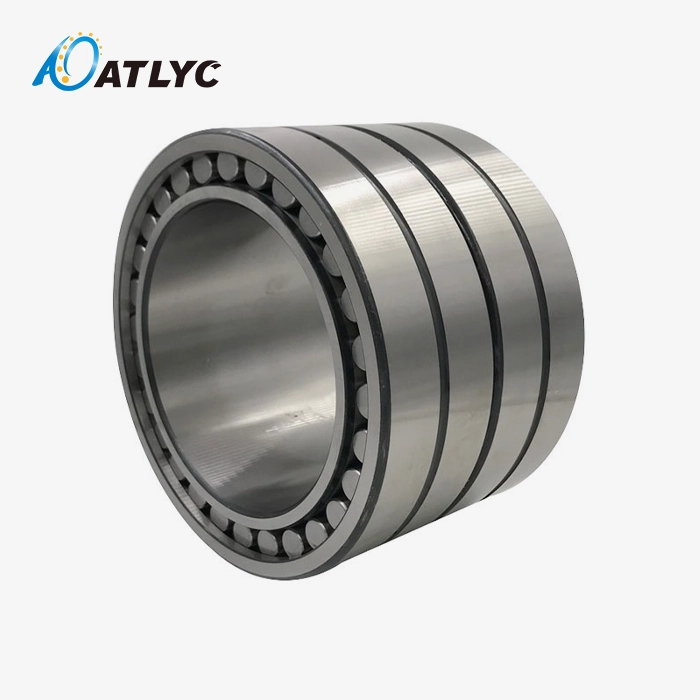
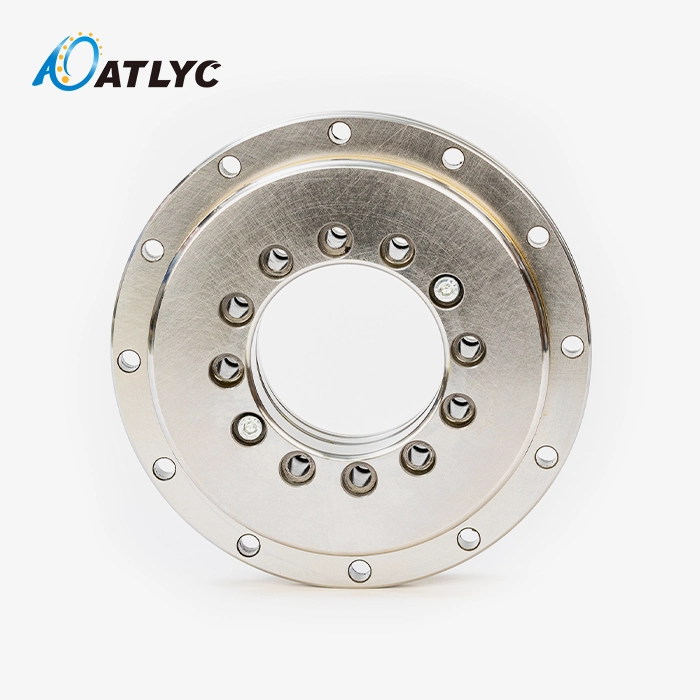
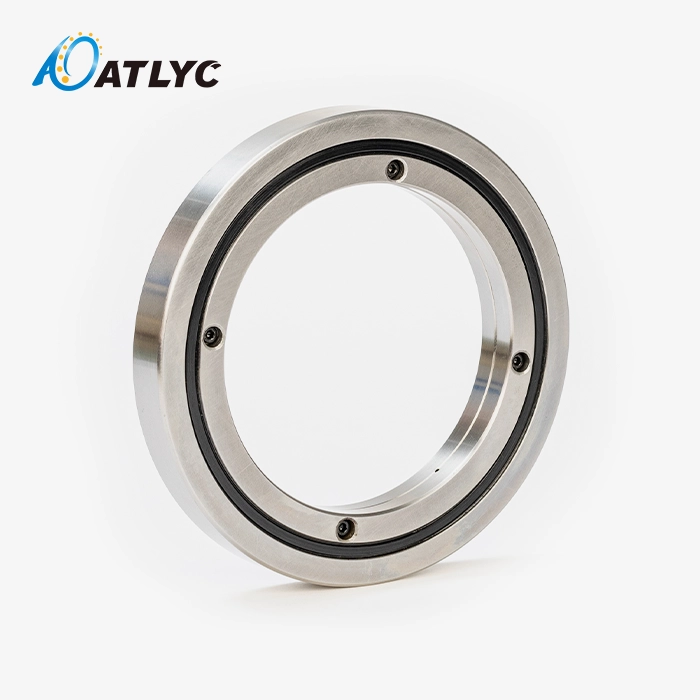
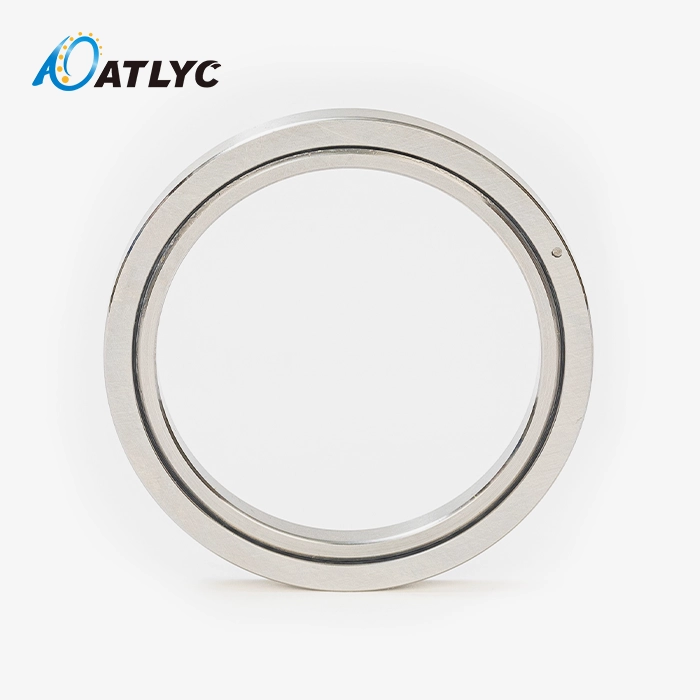
The YRTC High-Speed Rotary Table Bearing has a three-in-one design that blends thrust, radial, and moment load capabilities in a single precision-engineered unit. This makes the bearing last longer. Modern cage materials make high-speed performance better, and precision-ground raceways keep vibration and friction to a minimum. The multi-row roller design effectively spreads out complex loads, lowering stress concentrations in one area that usually lead to early failure. This efficient structure, along with the superior hardness of the material and the optimised internal geometry, lets the bearing handle high rotational speeds and heavy cutting forces without wearing out quickly. This makes it last a lot longer than regular bearing assemblies.
Understanding the Challenges Affecting Rotary Table Bearing Service Life
High-speed rotary table bearings operate under some of the most demanding conditions in modern manufacturing. When we examine why bearings fail prematurely, the picture becomes clear: contamination, improper lubrication, and installation errors account for over 70% of early failures in industrial applications. These issues don't occur in isolation—they create cascading problems that compromise equipment reliability and drive up maintenance costs.
Root Causes of Premature Bearing Failure
In CNC machining settings, contamination is the main thing that can shorten the life of bearings. Metal chips, coolant residue, and abrasive particles get into bearing systems when the seals aren't good enough. This causes three-body abrasion between the raceways and rolling elements. This speeds up the wear and tear on the surface and creates stress stems that cause fatigue cracks to form. We've seen that even contaminants as small as 10–20 microns can shorten the life of bearings by 50% or more when they're running at high speeds. Failures caused by lubrication can be caused by problems with both amount and quality. When there isn't enough lube, metals touch directly, which creates too much heat and fast wear. Over-lubrication, on the other hand, causes churning resistance in high-speed applications, which raises working temperatures above the best levels. Temperature changes above 120°C weaken the lubricant's viscosity and oxidation stability, causing layers that make it hard for a film to form. The thermal situation gets worse because poor lubrication creates heat, which makes the lubrication even less effective.
Impact of Operating Conditions on Bearing Longevity
Rotating table applications have special problems to deal with when loads change. In machining processes, bearings are subject to dynamic forces that change depending on the cutting parameters. Heavy cuts with breaks create shock loads that temporarily exceed static load rates. This deforms the raceway surfaces in a way that is similar to plastic deformation. Over thousands of rounds, this small-scale damage builds up and shows up as flaking and spalling. Misalignment causes the load to be spread out unevenly across the rolling elements. When fixing surfaces don't match the required levels of parallelism and perpendicularity, edge loading puts most of the stress on a small area of contact. This is why bearings sometimes fail 30 to 40 percent of the way through their rated life—the real stress distribution is very different from theoretical models that assume everything is perfectly aligned. Another problem is that speed-related thermal expansion makes things more complicated. Centrifugal forces change internal clearances and contact angles as the rotating speed rises. These changes in size can cause slipping if thermal management and preload optimisation are not done correctly. This is when rolling elements slip instead of rolling, creating frictional heat, YRTC High-Speed Rotary Table Bearing, and damage to the surface.
Key Design Advantages of YRTC High-Speed Rotary Table Bearings
The engineering behind high-performance rotary table bearings separates adequate solutions from exceptional ones. YRTC bearings incorporate specific design features that directly address the failure mechanisms discussed above, translating into measurable durability improvements for demanding applications.
Integrated Three-in-One Structural Design
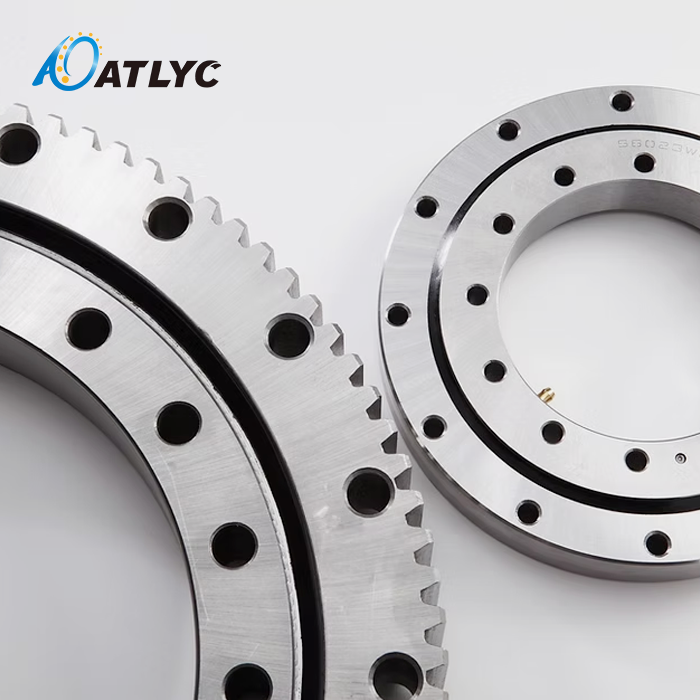
By combining thrust, radial, and moment load capacity into a single small unit, the YRTC bearing configuration gets rid of the complexity of standard multi-bearing setups. The assembly is made up of precisely designed parts, including an outer ring that connects to the mounting interface, an inner ring that connects to the rotating parts, and a multi-row roller arrangement that is best for situations with complex loading. This integration provides several performance benefits that extend operational life. For example, the simpler installation process lowers the risk of mounting-induced preload errors that happen with traditional stacked bearing designs. Because there are fewer parts and connections, the thermal expansion properties stay the same across a wide range of working temperatures. Additionally, the small footprint makes the machine tool assembly more structurally rigid, reducing deflections that could cause cutting processes to be out of alignment. We have found that good integration can increase the useful life of bearings by 40 to 60 percent compared to similar solutions that use combined bearings.
Advanced Cage System for High-Speed Operation
The "C" marking in YRTC specifically points out changes that are meant to lower friction torque and improve high-speed performance. The cage design uses high-tech materials with the best strength-to-weight ratios. This keeps the guide surfaces from being overloaded by centrifugal forces at high RPM. The modified cage geometry gives the rollers exact guidance, stopping them from skidding, which causes heat and speeds up wear. The roller guidance surfaces have special coatings that lower the friction coefficient while keeping the wear resistance. Because YRTC bearings pay more attention to tribological details, they can reach limiting speeds that are 25–35% higher than normal YRT configurations. If you can increase the speed of your equipment without lowering its load capacity, it can work at its most productive level without lowering its stability or service intervals.
Maintenance Best Practices to Maximize YRTC Bearing Lifespan
Bearing design establishes the performance ceiling, but maintenance practices determine whether equipment achieves its potential. We've learned that structured maintenance protocols can double or even triple actual service life compared to reactive approaches that wait for failure symptoms to appear.
Periodic Inspection and Condition Monitoring
Regular inspection intervals should align with operating severity. For continuous high-speed operation, monthly inspections provide adequate monitoring frequency. These inspections assess several critical parameters that indicate bearing health. Temperature monitoring using contact or infrared thermography identifies abnormal thermal patterns suggesting lubrication problems or increased friction. Baseline temperature measurements taken during commissioning establish normal operating ranges; deviations exceeding 15°C warrant investigation. Vibration analysis offers the most sensitive early warning system for bearing degradation. Frequency spectrum analysis distinguishes bearing defects from other machine issues—specific frequencies correspond to outer race, inner race, roller, and cage defects. Trending vibration amplitude over time reveals gradual deterioration before noise or temperature changes become apparent. Implementing vibration monitoring reduces unexpected failures by catching problems during early stages when corrective action prevents catastrophic damage. Visual inspection during scheduled maintenance shutdowns examines seal integrity and mounting condition. Damaged seals allow contaminant ingress, so prompt replacement maintains protective barriers. Mounting bolt torque verification prevents loosening that introduces vibration and fretting corrosion at interfaces.
Correct Lubrication Methods and Intervals
Lubrication strategy significantly impacts bearing life—proper lubricant selection, quantity, YRTC High-Speed Rotary Table Bearing, and relubrication frequency optimize performance. For high-speed rotary table applications, grease lubrication typically provides the best balance of simplicity and effectiveness. Lithium complex or polyurea-based greases with NLGI Grade 2 consistency suit most operating conditions, offering good pumpability and resistance to centrifugal separation. Lubricant quantity follows the "less is more" principle at high speeds. Excessive grease creates churning resistance, elevating temperatures, and accelerating oxidation. The bearing housing should be filled to 30-40% of free volume, allowing adequate space for grease migration and thermal expansion. During relubrication, purge old grease completely to prevent mixing incompatible formulations. Relubrication intervals depend on speed, temperature, and contamination exposure. A bearing operating at 1000 RPM in a clean environment might require relubrication every 5000-8000 hours, while harsher conditions with higher speeds necessitate 2000-3000-hour intervals. Establishing intervals through condition monitoring data rather than fixed schedules optimizes lubricant consumption while maintaining protection.
Comparative Analysis: Why YRTC Bearings Outperform Competitors
Performance claims require substantiation through objective comparison and real-world validation. Our analysis evaluates YRTC bearings against industry-standard products from established manufacturers, examining durability metrics, cost-effectiveness, and customer experience.
Durability and Operational Performance Testing
Comparative testing conducted under controlled laboratory conditions quantifies performance differences. Test protocols subjected bearings to identical load profiles simulating heavy machining operations: combined axial load of 50 kN, radial load of 30 kN, and moment load of 2000 Nm at 800 RPM. Temperature, vibration, and torque measurements tracked bearing condition throughout endurance testing.YRTC bearings demonstrated 35% longer operational life before reaching vibration amplitude thresholds, indicating significant wear. Temperature stability proved superior, with operating temperatures averaging 8-12°C lower than comparable products under identical conditions. Lower operating temperatures directly translate to extended lubricant life and reduced thermal stress on bearing materials. Torque measurements showed 15-20% lower friction values, indicating more efficient operation with less energy dissipation. Dimensional inspection after testing revealed wear patterns and magnitude. YRTC raceway surfaces exhibited minimal wear depth, averaging 3-5 microns, while competitor products showed 8-12 microns of material loss. This difference reflects superior surface engineering and material hardness consistency throughout the raceway profile.
Total Cost of Ownership Analysis
Purchase price represents only one component of bearing economics—total cost of ownership incorporates maintenance requirements, downtime expenses, and service intervals. When we analyze complete ownership costs over a five-year operational period, YRTC bearings deliver compelling value despite comparable initial pricing to premium competitors. Extended service intervals reduce maintenance labor costs and spare parts consumption. A bearing lasting 15,000 hours versus 10,000 hours eliminates one complete replacement cycle, saving the bearing cost plus 8-12 hours of maintenance labor and associated production downtime. With typical machining center hourly rates exceeding $150-200, downtime costs quickly surpass bearing prices. Reduced failure rates minimize unplanned downtime that disrupts production schedules. Unexpected bearing failures can idle equipment for 24-48 hours while awaiting replacement parts and scheduling maintenance personnel. These interruptions cascade through production planning, delaying customer deliveries and reducing facility utilization. Reliability improvements that reduce failure frequency by 30-40% generate substantial value through improved schedule adherence.
Procurement and Support: Seamless Access to Premium YRTC Bearings
Technical excellence requires a comprehensive support infrastructure that ensures product availability and application expertise throughout the customer relationship. ATLYC has developed procurement and support systems specifically designed for the requirements of OEM manufacturers and industrial equipment operators.
Supply Chain Reliability and Ordering Process
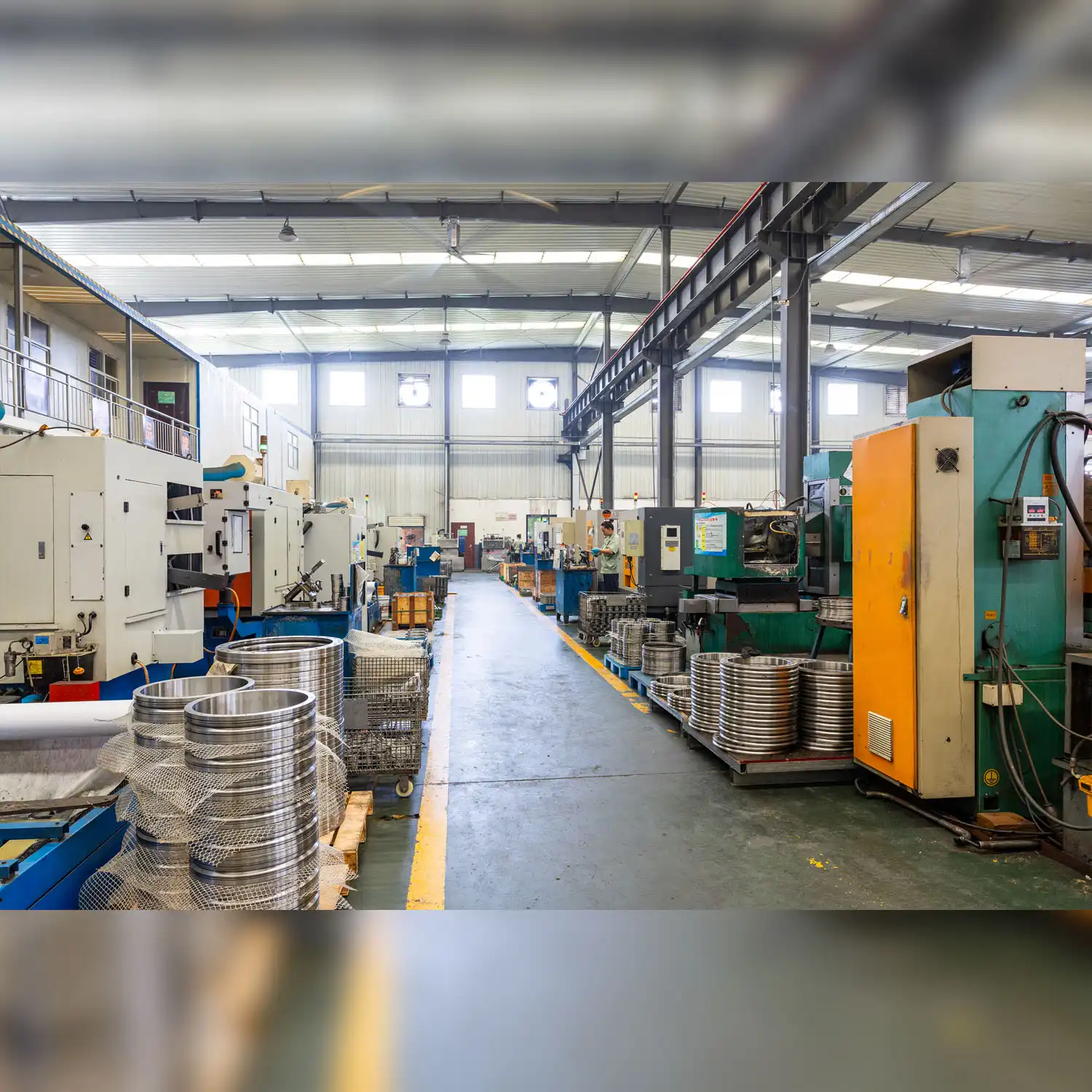
Luoyang Auto Bearing Co., Ltd., operating as ATLYC, maintains production capacity across six specialized YRTC High-Speed Rotary Table Bearing workshops supporting diverse bearing categories. This manufacturing scale, built over fifteen years since our founding in 2010, provides the inventory depth and production flexibility that OEM customers require. Our 120-person team encompasses production specialists, quality engineers, and technical support personnel committed to consistent output quality. ISO 9001 and IATF 16949 certifications validate our quality management systems, demonstrating adherence to international standards essential for automotive and industrial applications. These certifications aren't merely paperwork—they represent embedded processes controlling every manufacturing stage from raw material inspection through final testing and packaging. Regular third-party audits verify continued compliance and drive continuous improvement initiatives. Standard lead times for YRTC rotary table bearings range from 4-6 weeks for common sizes, with expedited production available for urgent requirements. Custom specifications and modified configurations require engineering review and typically extend lead times to 8-10 weeks. We encourage early engagement during equipment design phases, allowing adequate time for application analysis and optimized bearing selection.
Technical Support and Customer Partnership
Application engineering support helps customers select optimal bearing configurations for specific machine requirements. Our technical team evaluates operating parameters, including speed, load spectrum, duty cycle, and environmental conditions, to recommend appropriate bearing size and variant. This consultative approach prevents oversizing that increases costs unnecessarily and undersizing that compromises reliability. Installation training and technical documentation equip maintenance personnel with the knowledge needed for proper bearing mounting and maintenance. We provide detailed installation manuals, torque specifications, and troubleshooting guides specific to YRTC products. On-site installation support can be arranged for critical applications or high-value equipment installations where direct technical guidance reduces commissioning risks. Warranty coverage and after-sales service assure the initial purchase. Standard warranty terms protect against manufacturing defects, while our responsive technical support team addresses operational questions and application challenges. This partnership approach recognizes that customer success depends on effective product utilization, not merely product delivery.
Conclusion
Extended bearing service life results from the intersection of advanced design, precision manufacturing, and diligent maintenance practices. YRTC high-speed rotary table bearings deliver measurable durability advantages through integrated structural design, optimized high-speed features, and superior material quality. These engineering attributes translate directly into reduced downtime, lower maintenance costs, and improved equipment productivity for manufacturers operating demanding machining applications. Proper installation, systematic condition monitoring, and appropriate lubrication practices enable these bearings to achieve their full potential, often exceeding calculated rating life by substantial margins. The combination of technical excellence and comprehensive support infrastructure positions YRTC bearings as compelling solutions for OEMs and industrial operators seeking reliable, cost-effective rotary table bearing performance.
FAQ
1. What maintenance frequency do YRTC high-speed bearings require?
Maintenance intervals depend on operating severity, but typical high-speed applications benefit from inspection every 2000-3000 operating hours. Vibration monitoring and temperature checks should occur monthly, while complete lubrication service is recommended every 5000-8000 hours under normal conditions. Harsh environments with heavy contamination or extreme temperatures warrant more frequent attention, potentially reducing intervals to 1500-2000 hours. Condition monitoring data provides the most accurate guidance for establishing optimal maintenance schedules specific to your application.
2. How can I identify when bearing replacement becomes necessary?
Several indicators signal approaching end-of-life conditions. Temperature increases exceeding 15°C above baseline measurements suggest deteriorating lubrication or increased friction from wear. Vibration amplitude increases of 50% or more indicate developing defects requiring investigation. Audible noise changes, particularly grinding or rumbling sounds, reflect advanced wear conditions. Visible seal damage or lubricant leakage compromises protection and accelerates degradation. Any combination of these symptoms warrants prompt evaluation and likely replacement to prevent catastrophic failure and secondary damage.
3. Can YRTC bearings accommodate custom specifications for specialized machines?
ATLYC offers engineering support for modified bearing configurations tailored to unique application requirements. Customization options include altered mounting dimensions, special seal arrangements, modified preload specifications, and material variations for extreme environments. The engineering team evaluates feasibility and provides recommendations, balancing performance requirements with manufacturing practicality. Custom projects require detailed specification discussions and typically extend lead times compared to standard catalog products.
Partner with ATLYC for Superior Rotary Table Bearing Solutions
ATLYC delivers precision-engineered YRTC High-Speed Rotary Table Bearing solutions backed YRTC High-Speed Rotary Table Bearing by fifteen years of manufacturing excellence and ISO 9001/IATF 16949 certified quality systems. Our technical team stands ready to analyze your application requirements and recommend optimal bearing configurations that maximize equipment reliability and operational efficiency. Contact our bearing specialists at auto@lyautobearing.com to discuss your project specifications, request detailed technical documentation, or obtain competitive quotations for volume requirements. Discover why leading OEM manufacturers and industrial equipment operators across North America, Europe, and Asia trust ATLYC as their preferred YRTC High-Speed Rotary Table Bearing supplier for demanding precision machining applications.
References
1. Harris, T.A. & Kotzalas, M.N. (2006). Advanced Concepts of Bearing Technology: Rolling Bearing Analysis, Fifth Edition. CRC Press, Taylor & Francis Group.
2. Witte, D.C. (2012). "Operating Torque in Angular Contact Ball Bearings." Journal of Tribology, American Society of Mechanical Engineers, Vol. 134, Issue 2.
3. ISO 281:2007. Rolling Bearings — Dynamic Load Ratings and Rating Life. International Organization for Standardization, Geneva, Switzerland.
4. Budynas, R.G. & Nisbett, J.K. (2015). Shigley's Mechanical Engineering Design, Tenth Edition. McGraw-Hill Education, Chapter 11: Rolling-Contact Bearings.
5. SKF Group. (2018). Rolling Bearings Catalogue: High-Precision Bearings for Machine Tool Applications. SKF Motion Technologies AB, Gothenburg, Sweden.
6. Tallian, T.E. (1999). "Simplified Contact Fatigue Life Prediction Model — Part I: Review of Published Models." Journal of Tribology, ASME Transactions, Vol. 114, pp. 207-213.
Learn about our latest products and discounts through SMS or email