- English
- French
- German
- Portuguese
- Spanish
- Russian
- Japanese
- Korean
- Arabic
- Greek
- German
- Turkish
- Italian
- Danish
- Romanian
- Indonesian
- Czech
- Afrikaans
- Swedish
- Polish
- Basque
- Catalan
- Esperanto
- Hindi
- Lao
- Albanian
- Amharic
- Armenian
- Azerbaijani
- Belarusian
- Bengali
- Bosnian
- Bulgarian
- Cebuano
- Chichewa
- Corsican
- Croatian
- Dutch
- Estonian
- Filipino
- Finnish
- Frisian
- Galician
- Georgian
- Gujarati
- Haitian
- Hausa
- Hawaiian
- Hebrew
- Hmong
- Hungarian
- Icelandic
- Igbo
- Javanese
- Kannada
- Kazakh
- Khmer
- Kurdish
- Kyrgyz
- Latin
- Latvian
- Lithuanian
- Luxembou..
- Macedonian
- Malagasy
- Malay
- Malayalam
- Maltese
- Maori
- Marathi
- Mongolian
- Burmese
- Nepali
- Norwegian
- Pashto
- Persian
- Punjabi
- Serbian
- Sesotho
- Sinhala
- Slovak
- Slovenian
- Somali
- Samoan
- Scots Gaelic
- Shona
- Sindhi
- Sundanese
- Swahili
- Tajik
- Tamil
- Telugu
- Thai
- Ukrainian
- Urdu
- Uzbek
- Vietnamese
- Welsh
- Xhosa
- Yiddish
- Yoruba
- Zulu
Top 5 Benefits of RA5008UUCC0 Cross roller bearing
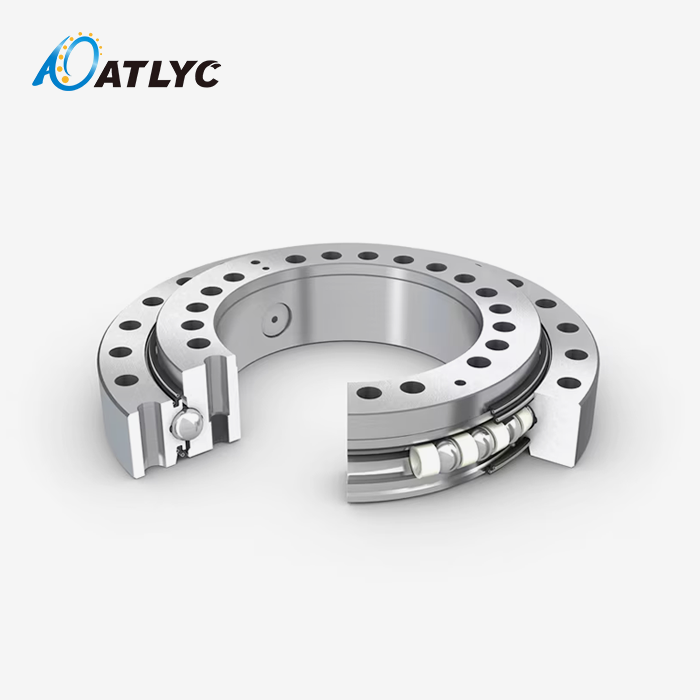
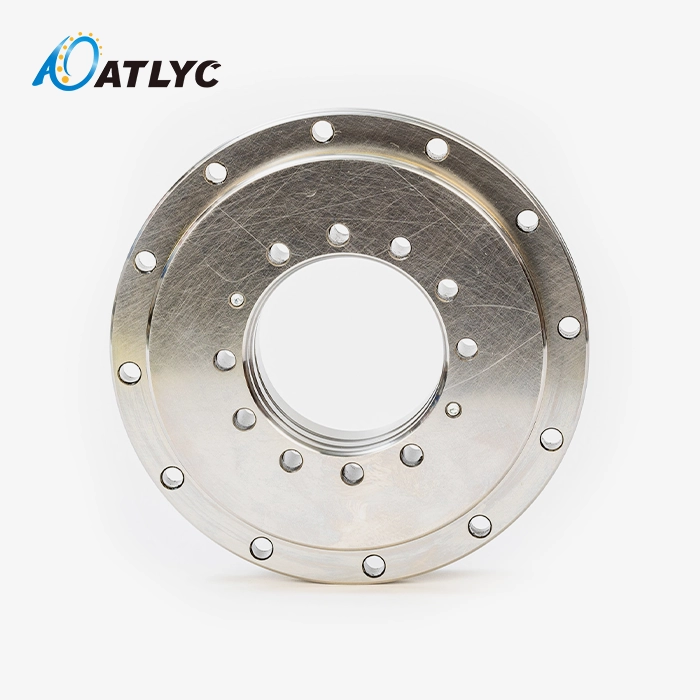
When OEMs and mid-to-large manufacturing facilities look at precision bearing options, the RA5008UUCC0 cross roller bearing always stands out as a good choice. This very thin bearing can handle radial, axial, and moment loads at the same time. It has a small shape with an inner diameter of 50 mm and an outer diameter of 66 mm, and it is only 8 mm wide. The design of its separate outer ring makes installation easier, and the arrangement of its orthogonal rollers at 90° intervals gives it great rigidity. Engineers in the automation, robotics, and industrial gear fields trust this bearing to replace sets with two bearings. This makes assembly easier and improves the accuracy of spinning. The CC0 preload design gets rid of internal play, making the structure 300–400% more stiff than normal clearance options.
Compact and Precise Dimensions for Space-Saving Designs
Engineering Efficiency Through Dimensional Optimization
There is constant pressure on modern automation equipment to do more in less space. This problem is solved by the RA5008UUCC0, which has carefully controlled measurements that meet ISO 492 and ABMA requirements. This very thin cross roller bearing has an inner diameter of 50mm, an outer diameter of 66mm, and a width of only 8mm. It takes up 40–50% less axial space than paired angular contact ball bearings with the same load capacity.
Made from high-quality GCr15 and GCr15SiMn bearing steels, the dimensions stay the same from one production batch to the next. 58–64 HRC hardness is reached through heat treatment methods. This makes sure that the V-groove raceway shape stays within tight limits over long service cycles. When production is scaled up, procurement teams benefit from this consistency because each bearing fits perfectly with existing mechanical assemblies without any design changes being needed.
CAD Integration and Assembly Predictability
Accurate CAD models are helpful for design engineers who work with robotic joints, rotating tables for machine centers, and precise measuring tools. During the design process, these digital models allow for virtual assembly testing, impact detection, and tolerance stack analysis. The separate outer ring design makes it easier to mount onto shafts or housings without taking apart the surrounding parts. This cuts installation time by about 30% compared to designs with combined rings that need to be pressed into place.
The table below shows how the dimensions of different bearing setups compare:
| Bearing Type | Axial Width | Load Directions | Installation Complexity | Space Efficiency |
|---|---|---|---|---|
| RA5008UUCC0 Cross Roller | 8mm | Radial + Axial + Moment | Moderate (separable outer ring) | Excellent |
| Paired Angular Contact | 18-22mm | Radial + Axial | High (preload adjustment required) | Moderate |
| Deep Groove Ball Bearing | 10-12mm | Primarily Radial | Low | Good |
| Tapered Roller (Paired) | 24-28mm | Radial + Axial | Very High (precise spacing critical) | Poor |
This comparative data demonstrates how the RA5008UUCC0 Cross roller bearing technology consolidates multiple load handling capabilities within a minimal footprint. For robotic arm joints requiring compact actuation systems, this translates directly into weight reduction and improved payload capacity. Automation equipment manufacturers report 15-20% mass savings when replacing traditional bearing arrangements with properly specified cross roller units.
Superior Load Capacity and Performance Reliability
Material Science Driving Durability
The RA5008UUCC0 has very high static and dynamic load ratings thanks to its advanced metallurgy and heat treatment protocols. During production, vacuum degassing is used to reduce the amount of non-metallic inclusions in GCr15 bearing steel, which is the same as AISI 52100. This material's purity makes it last longer before it breaks, especially when it's under fluctuating loads like those in robot spinning parts and devices that make integrated circuits.
With advanced heat treatment, a martensitic microstructure is made, and the amount of austenite that is still present is kept below 5%. This metallurgical condition gives the best balance of hardness and toughness, which keeps the material from breaking easily and keeps it resistant to wear. The V-groove raceway geometry spreads the contact stress along the length of the cylinder roller, making line contact instead of point contact. This basic difference in form makes it possible to carry two to three times as much weight as ball bearings of the same size.
Field-Proven Performance Across Demanding Applications
Manufacturers of medical tools that use this bearing in diagnostic imaging systems say that the mean time between failures (MTBF) is more than 50,000 hours of constant spinning. The orthogonal roller design can handle mixed loads without the need for complicated preload changes that come with paired bearing setups. The CC0 negative clearance specification makes sure that there is no backlash when surgical robots precisely position instruments. This keeps the positioning accuracy within ±2 arc-seconds.
When industrial robot joints are put through repeated motion cycles, they show the same level of dependability. When the right cleaning methods are used, makers of automotive parts that use six-axis flexible robots for welding record repair times that are longer than 24 months. The two rubber seals (UU designation) keep the lithium-based grease in while keeping out particulate contamination. This is very important in foundry environments where airborne debris can damage bearings.
Enhanced Operational Efficiency and Maintenance Ease
Lubrication Strategies Maximizing Service Life
Proper lubrication remains fundamental to achieving rated bearing life. The RA5008UUCC0 ships pre-greased with Alvania EP2 or equivalent lithium soap-based lubricant formulated for wide temperature ranges (-20°C to +120°C). The sealed configuration retains this initial charge throughout normal service intervals, typically 6-12 months in robotic applications or 2,000 operating hours in continuous rotation scenarios.
Maintenance personnel should monitor torque characteristics during routine inspections. Gradual torque increases signal lubricant degradation or contamination ingress, requiring service. Regreasing procedures involve injecting fresh lubricant through auxiliary ports when available, or complete disassembly for bearing types without relubrication access. Over-greasing must be avoided, as excessive lubricant generates internal pressure, causing seal damage and elevated operating temperatures.
Installation Best Practices: Preventing Premature Failure
The design of the outer ring that can be taken off requires careful attention during assembly. When engineers secure the two outer ring halves together, they need to make sure that the binding force is the same on both halves. If the torque isn't spread out evenly, the rings will bend in an oval way, which will change the roller contact patterns. When torque specifications are between 8 and 12 N⋅m and are applied in a cross-pattern sequence, the raceway surfaces are compressed evenly without being overstressed.
Here are some specific construction factors that have a direct effect on how reliable the system is:
- Preparing the mounting surface for RA5008UUCC0 Cross roller bearing: The sides and seats of the housing must be flat within 0.005 mm per 100 mm in diameter. Stress concentration points can't happen if the surface is rougher than Ra 1.6µm. Any burrs, nicks, or contamination particles stuck during assembly cause localised overloading, which starts fatigue cracks before they should happen.
- Thermal Management: When the operating temperature goes above 120°C, the grease oxidises faster, and the cover loses its flexibility. Applications that have to deal with high temperatures need extra cooling or better synthetic oils. Temperature tracking during testing finds heat escape lines that aren't working well and need to be fixed in the design before production starts.
- Verification of Alignment: The shaft and housing hole must be concentric within 0.02 mm to make sure that the load is evenly distributed across all wheels. When rollers aren't lined up correctly, they make uneven contact patterns where some rollers carry more weight than others. This lowers the useful load capacity and speeds up the wear process.
These preventative steps increase the life of the equipment and reduce the amount of unplanned downtime. When compared to installations that don't have standard protocols, those that do have maintenance teams with the right tools and written instructions cut failures caused by assembly by 60 to 70%.
Versatile Applications Tailored for Industry Needs
Precision Robotics and Automation Equipment
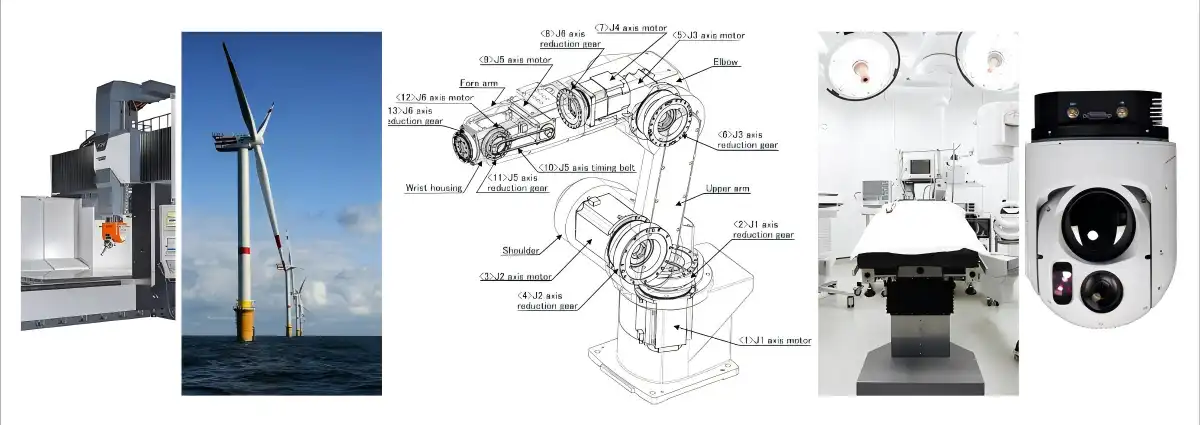
In industrial robots, motion control parts must be able to keep their positions accurately over millions of operating cycles. The RA5008UUCC0 meets this need thanks to its orthogonal roller design, which gets rid of play while keeping rotation smooth. These bearings are used in six-axis articulated robots at the elbow and wrist joints, where their small size allows for the best kinematic design. The moment load capacity is especially useful in overhanging designs where the weight of the end effector provides strong forces that turn the structure over.
Cross roller geometry has a low friction coefficient, which is good for collaborative robots (cobots) that work with humans. Less actuator force means smaller, lighter motors, which makes it safer for people to deal with robots. Precision assembly tasks that need to place electronic parts with an accuracy of ±0.05mm depend on this bearing technology to keep the parts in place during fast acceleration and braking cycles.
Medical Machinery and Measuring Instruments
Cross roller bearings are used in the gantry rotation mechanisms of diagnostic imaging equipment, especially CT and MRI systems. The RA5008UUCC0's runout accuracy specs (achievable in P4 and P2 precision grades) make sure that the scan head stays in the same place, which is important for picture quality. Vibration-free spinning stops motion artefacts that hurt diagnostic accuracy and have a direct effect on the quality of patient care.
Ultra-precise spinning tables are used in coordinate measuring machines (CMMs) for checking dimensions in the car and aircraft industries. With P2 grade precise bearings, these tables can keep their angle positions within 1 arc-second of each other. This measurement feature makes sure that the sizes of turbine blades, gearbox gears, and other important parts are correct, even when the accuracy is down to the micron level.
The wide range of possible uses covers a wide range of industries:
| Industry Sector | Typical Application | Critical Performance Requirement | RA5008UUCC0 Advantage |
|---|---|---|---|
| Industrial Robotics | Joint rotation, wrist assemblies | Zero backlash, high moment capacity | CC0 preload, compact profile |
| Machine Tools | Rotary tables, indexing heads | Positioning accuracy, load rigidity | P5/P4 precision grades available |
| Medical Equipment | Surgical robots, imaging gantries | Smooth operation, contamination resistance | Sealed design (UU), low friction |
| Semiconductor Manufacturing | Wafer handling, inspection systems | Ultra-clean operation, precision motion | Grease-sealed configuration, P2 accuracy option |
| Aerospace Tooling | Assembly fixtures, test equipment | High reliability, traceable quality | ISO 9001/IATF 16949 certified production |
This cross-industry applicability demonstrates the bearing's fundamental design strength of RA5008UUCC0 Cross roller bearing. OEMs developing new equipment leverage certified suppliers offering customization capabilities, including modified seal materials, specialized lubricants for extreme temperatures, and precision-grade selection matching application requirements. Volume purchasing agreements provide cost predictability while ensuring supply chain continuity for production scaling.
Cost-Effectiveness and Competitive Pricing with Reliable Supply Chain
Total Ownership Cost Analysis
When procurement experts look at bearing options, they need to look at the total costs over the whole lifespan, not just the purchase price. The RA5008UUCC0 is a great deal because it cuts costs in a number of ways. By switching from matched bearings to a single cross roller joint, 40–50% less work needs to be done to put the parts together. Fewer parts mean less inventory to keep and easier supply chain management, which is especially helpful for global manufacturers who coordinate production across multiple sites.
Scheduled downtime is cut down because sealed, pre-oiled construction allows for longer maintenance intervals. Bearing-related downtime costs in manufacturing processes range from $500 to $2,000 per hour, based on the value of the product. It saves $3,000 to $12,000 a year per production line to increase the mean time between maintenance (MTBM) from 6 to 12 months. Within the first year of service, these practical savings often cover the difference in the original bearing cost.
Strategic Sourcing Advantages
Chinese companies that have made bearings for a long time, like Luoyang Auto Bearing Co., Ltd., offer competitive prices that reflect 15 years of process improvement and production scaling. Certifications like ISO 9001 and IATF 16949 make sure that quality management systems meet the international standards that automakers and aerospace suppliers look for. These certifications aren't just paperwork; they're organised ways to stop defects, keep processes under control, and keep improving that have a direct effect on product consistency.
Volume pricing tiers offer big savings for yearly agreements that include more than 500 units. Standard setups have lead times of four to six weeks on average. This lets just-in-time stocking tactics work, which lowers the need for working capital. Express production options meet urgent replacement needs, which is very important when equipment breakdowns threaten production schedules. DDP (Delivered Duty Paid) terms and other flexible shipping arrangements make international logistics easier and make it possible to predict landed costs.
Warranty coverage usually lasts between 12 and 18 months from the date of installation. It protects against flaws in the making process and encourages good installation and upkeep habits. When performance problems happen, after-sales technical support helps with troubleshooting, which shortens the mean time to repair (MTTR). Professional bearing suppliers are different from commodity distributors, who only focus on transactional relationships, because they offer a wider range of services.
Conclusion
The RA5008UUCC0 cross roller bearing addresses critical requirements for mid-to-large manufacturers seeking precision rotary motion solutions. Its compact 8mm profile combines exceptional load capacity across radial, axial, and moment directions within a single assembly, simplifying mechanical design while improving performance reliability. Material quality utilizing GCr15 and GCr15SiMn bearing steels, combined with precision manufacturing, achieving P6 through P2 accuracy grades, ensures consistent operation across demanding applications from industrial robotics to medical equipment. Straightforward maintenance requirements and sealed construction extend service intervals, reducing total ownership costs while maintaining operational continuity. Strategic sourcing through certified manufacturers provides competitive pricing, reliable supply chain execution, and technical support essential for long-term partnership success.
FAQ
1. What accuracy grade should I specify for robotic applications?
P5 precision grade typically satisfies most industrial robot requirements, providing rotational accuracy within 5-10 arc-seconds while maintaining cost-effectiveness. Medical robotics and semiconductor equipment demanding ultra-precision positioning benefit from P4 or P2 grades, achieving sub-2 arc-second accuracy. Consult application specifications regarding positioning repeatability and vibration tolerance to determine the appropriate precision class. Higher grades increase cost by 30-50% but prove essential when functional requirements demand superior accuracy.
2. Can the outer ring separation design cause assembly errors?
Proper installation procedures prevent issues related to the separable outer ring configuration. Torque specifications must be followed precisely, applying force in cross-pattern sequences, achieving uniform compression. Mounting surface flatness within 0.005mm per 100mm prevents distortion. Installation training and documented procedures reduce assembly-induced failures significantly. Many manufacturers provide assembly fixtures ensuring proper alignment during outer ring clamping operations.
3. How does sealed (UU) design affect relubrication options?
The dual rubber seal configuration protects internal components from contamination while retaining factory-installed lubricant. This design extends maintenance-free operation but limits relubrication access. Applications requiring extended service life may specify bearings with auxiliary grease ports enabling lubricant replenishment without disassembly. Consult manufacturer specifications regarding relubrication capabilities for specific bearing configurations when planning maintenance strategies for long-duration installations.
Partner with ATLYC for Reliable Cross Roller Bearing Solutions
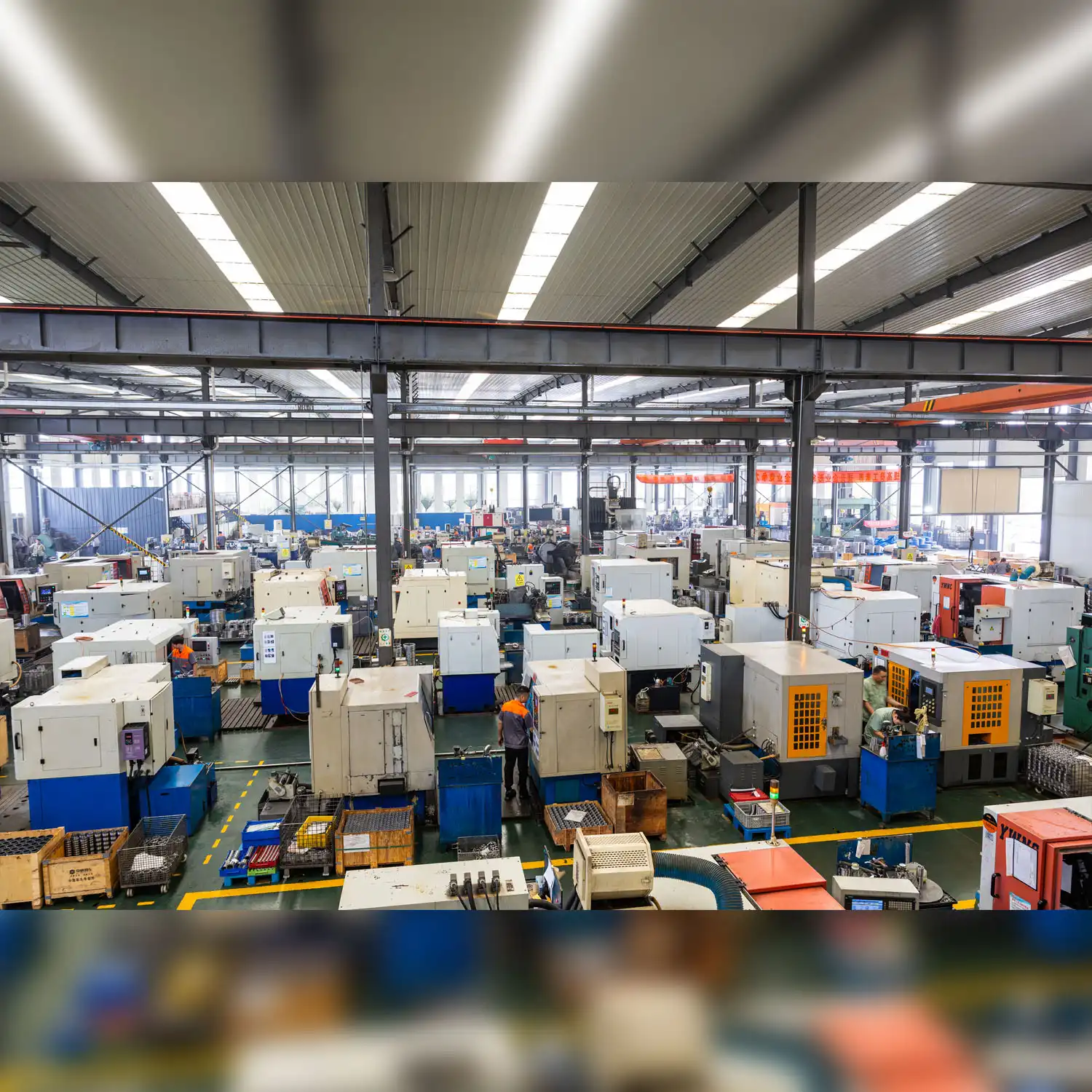
ATLYC (Luoyang Auto Bearing Co., Ltd.) combines 15 years of precision manufacturing expertise with comprehensive quality certifications, including ISO 9001 and IATF 16949, ensuring every RA5008UUCC0 cross roller bearing meets international standards. Our six specialized production workshops and 120 skilled technical professionals deliver consistent quality through advanced process controls and rigorous inspection protocols. As a trusted cross roller bearing manufacturer serving automotive OEMs, industrial equipment builders, and automation system integrators across South Korea, the United States, Germany, Russia, Iran, and Turkey, we understand your requirements for stable supply, competitive pricing, and responsive technical support. Volume purchasing programs provide cost advantages while maintaining delivery reliability essential for production planning. Contact our procurement specialists at auto@lyautobearing.com to discuss your specific application requirements, request technical documentation, or obtain quotations for your next project.
References
1. Harris, T.A. & Kotzalas, M.N. (2006). Advanced Concepts of Bearing Technology: Rolling Bearing Analysis, 5th Edition. CRC Press.
2. Wensing, J.A. (1998). On the Dynamics of Ball Bearings. Ph.D. Dissertation, University of Twente, Netherlands.
3. ISO 5593:1984. Rolling Bearings — Vocabulary. International Organization for Standardization.
4. Palmgren, A. (1959). Ball and Roller Bearing Engineering, 3rd Edition. SKF Industries Inc.
5. Bhushan, B. (2013). Principles and Applications of Tribology, 2nd Edition. John Wiley & Sons.
6. Eschmann, P., Hasbargen, L., & Weigand, K. (1985). Ball and Roller Bearings: Theory, Design and Application, 2nd Edition. John Wiley & Sons.
Learn about our latest products and discounts through SMS or email