- English
- French
- German
- Portuguese
- Spanish
- Russian
- Japanese
- Korean
- Arabic
- Greek
- German
- Turkish
- Italian
- Danish
- Romanian
- Indonesian
- Czech
- Afrikaans
- Swedish
- Polish
- Basque
- Catalan
- Esperanto
- Hindi
- Lao
- Albanian
- Amharic
- Armenian
- Azerbaijani
- Belarusian
- Bengali
- Bosnian
- Bulgarian
- Cebuano
- Chichewa
- Corsican
- Croatian
- Dutch
- Estonian
- Filipino
- Finnish
- Frisian
- Galician
- Georgian
- Gujarati
- Haitian
- Hausa
- Hawaiian
- Hebrew
- Hmong
- Hungarian
- Icelandic
- Igbo
- Javanese
- Kannada
- Kazakh
- Khmer
- Kurdish
- Kyrgyz
- Latin
- Latvian
- Lithuanian
- Luxembou..
- Macedonian
- Malagasy
- Malay
- Malayalam
- Maltese
- Maori
- Marathi
- Mongolian
- Burmese
- Nepali
- Norwegian
- Pashto
- Persian
- Punjabi
- Serbian
- Sesotho
- Sinhala
- Slovak
- Slovenian
- Somali
- Samoan
- Scots Gaelic
- Shona
- Sindhi
- Sundanese
- Swahili
- Tajik
- Tamil
- Telugu
- Thai
- Ukrainian
- Urdu
- Uzbek
- Vietnamese
- Welsh
- Xhosa
- Yiddish
- Yoruba
- Zulu
Is RB10020 Bearing the Best Choice for Your Application?
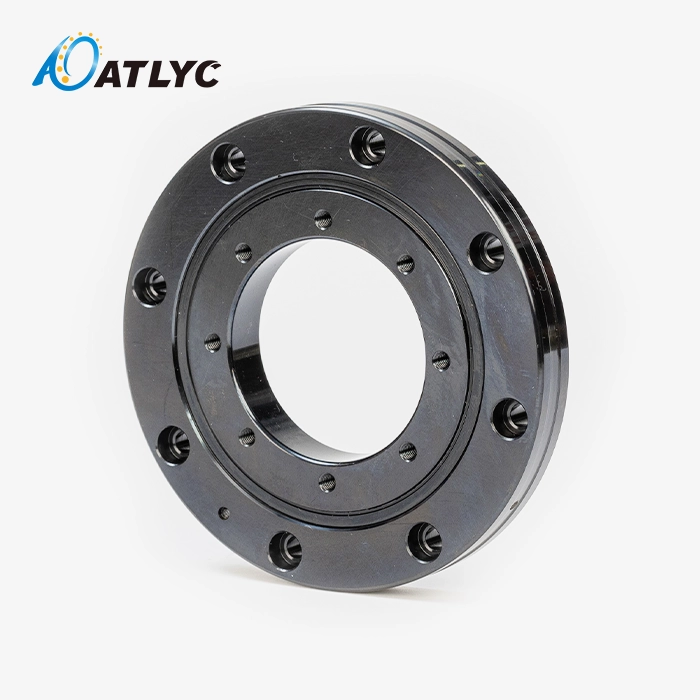
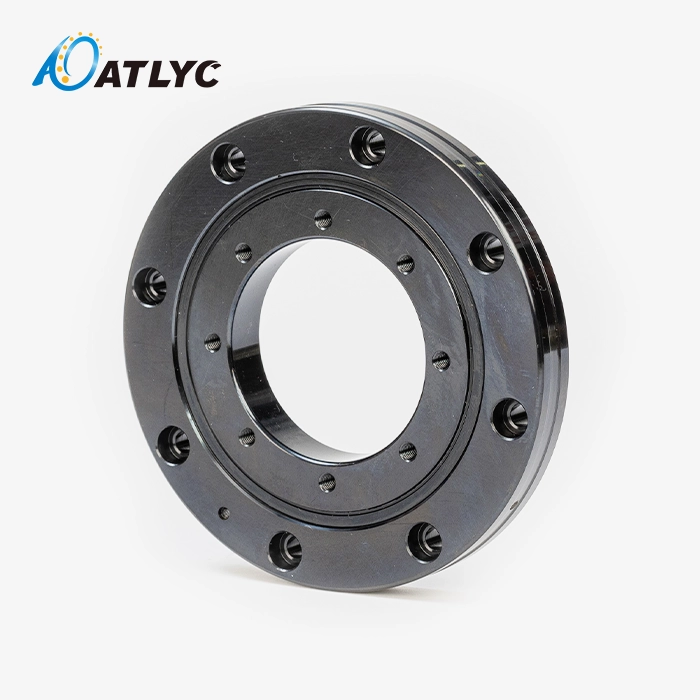
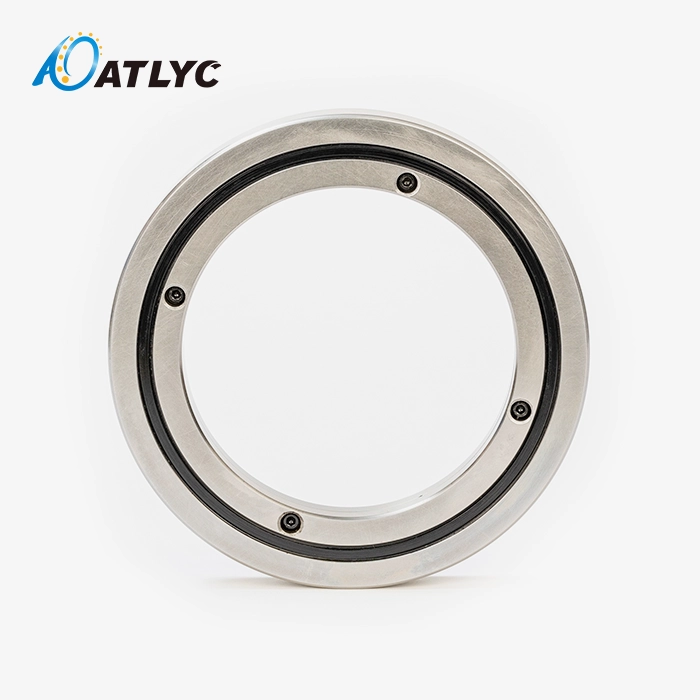
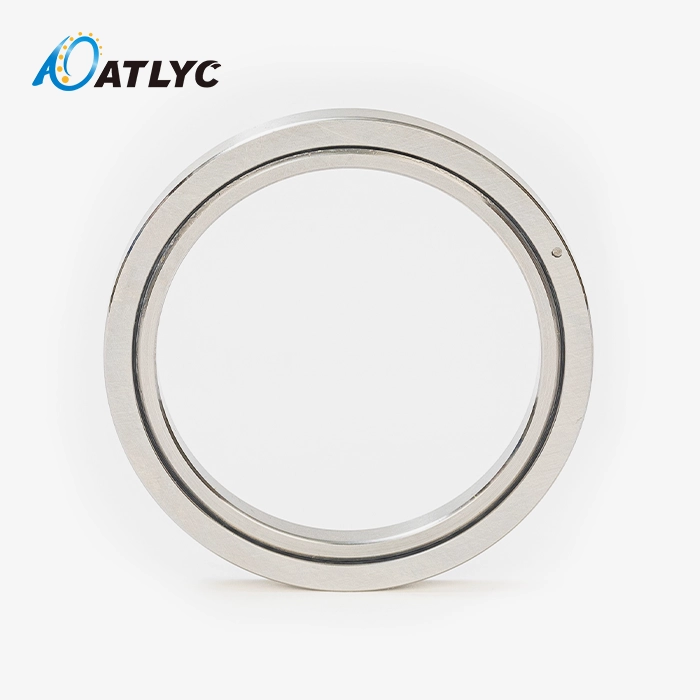
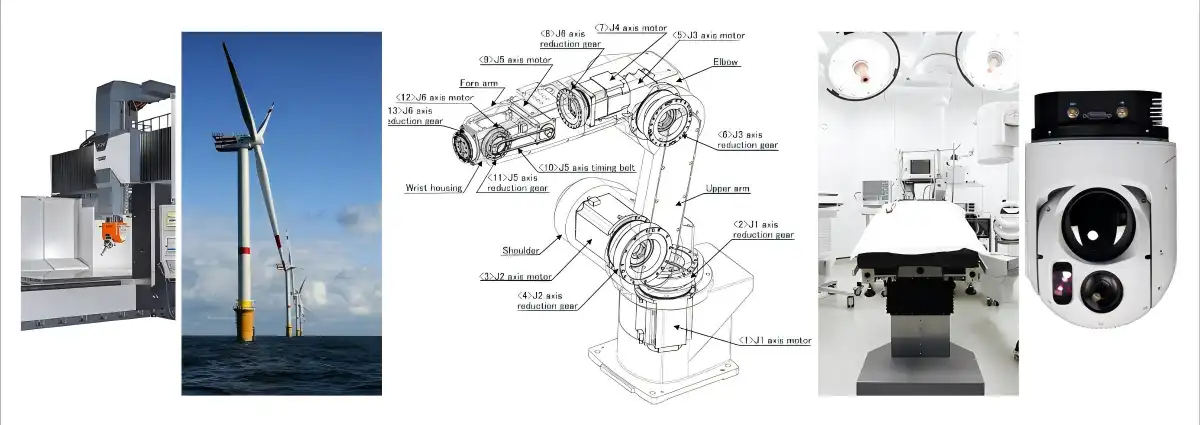
Picking the correct bearing for industrial equipment has a direct effect on how well it works, how much it costs to maintain, and how much time it is available for production. As a precision-engineered crossed roller bearing, the RB10020 Bearing is able to handle both radial and axial loads with great rigidity. This type of bearing works well in situations that need precise spin and little deflection when under load. These are traits that are necessary for robotic arms, CNC machine tool turntables, and medical imaging equipment. Its small size saves a lot of space while keeping the structure strong, which makes it a good choice for equipment makers who want to get the best performance out of limited installation spaces. This guide looks at whether this bearing really meets your operational needs by looking at its technical specs, comparing it to other options, and talking about things you should think about when buying it.
Understanding RB10020 Bearing Specifications and Performance
Core Technical Dimensions and Material Composition
The RB10020 Bearing crossed roller bearing has an inner diameter of 100mm, an outer diameter of 150mm, and a height of 20mm. It has a very thin profile for how much weight it can hold. It is made from GCr15 high-carbon chromium steel, which is the same as AISI 52100, and goes through precise heat treatment to get a hardness value of 60 to 65 HRC. A crossed roller arrangement sets cylindrical rollers perpendicular to each other, with spacer retainers between them. This lets the bearing handle forces from more than one direction at the same time. This arrangement gets rid of the need for separate angular contact bearings, which makes the assembly simpler and lighter overall. The RB10020 Bearing works best in temperatures between -20°C and +120°C, but some special versions with synthetic oils can work in temperatures up to +150°C. Different applications have different load capacities, but standard RB10020 Bearing units can handle up to 42 kN of dynamic loads in a radial direction and 35 kN in an axial direction. The static load ratings go up to about 68 kN in the radial direction and 58 kN in the axial direction. This gives a lot of safety margins for applications that are stationary or rotate slowly.
Performance Metrics That Define Reliability
Precision grades are important ways to tell RB10020 Bearing types apart from each other. Radial runout tolerances for standard, precise bearings are kept to within 15 microns, making them ideal for general industrial automation. High-precision versions have tolerances of less than 5 microns, which is what semiconductor manufacturing equipment and precision metrology instruments need. Our quality management system at Luoyang Auto Bearing Co., Ltd. makes sure that every bearing goes through strict dimensional checks using coordinate measuring machines (CMM) that are set to international standards. This makes sure that all of our production batches are the same. How bearings are oiled has a big effect on how long they last. RB10020 Bearing units that are greased can work for 10,000 to 15,000 hours without any maintenance as long as they are used in clean environments and at moderate speeds (below 300 RPM). For continuous-duty applications that go over 500 RPM, oil lubrication is recommended because it increases the time between services and the amount of heat that can be removed. Our engineering team gives clients lubrication specifications that are specific to their operating conditions. This helps them avoid premature wear caused by contamination or poor lubrication.
| Specification Parameter | Standard Value | High-Precision Value |
|---|---|---|
| Inner Diameter | 100 mm | 100 mm |
| Outer Diameter | 150 mm | 150 mm |
| Height | 20 mm | 20 mm |
| Dynamic Load Capacity (Radial) | 42 kN | 42 kN |
| Static Load Capacity (Axial) | 58 kN | 58 kN |
| Radial Runout Tolerance | ≤15 µm | ≤5 µm |
| Operating Temperature Range | -20°C to +120°C | -20°C to +150°C |
Maintenance Protocols for Extended Operational Life
Schedules for routine inspections depend on how intensive the application is. Heavy-duty industrial robots need to have their mounting bolt torque, seal integrity, and strange vibration patterns checked every three months. Keeping an eye on the temperature while the machine is running can help find problems with lubrication or misalignment early on. If the surface temperature goes above 80°C during regular loads, it means that the problem needs to be looked into. Using accelerometers for vibration research can help find problems before they become too big to fix, which protects expensive parts further down the line. One common problem that needs to be fixed is raceway spalling from contamination getting in. This is usually because of broken seals or bad housing design. Too much noise during rotation is usually a sign of not enough lubrication or too much debris. We suggest setting baseline vibration signatures during commissioning and then comparing regular measurements to these standards to find trends of gradual failure. When compared to reactive maintenance strategies, this proactive approach cuts down on unplanned downtime and increases the service life of bearings by 30 to 40 per cent.
Comparing RB10020 Bearing with Alternative Solutions
Dimensional and Load Rating Comparisons
When procurement engineers look at different bearing options, knowing how the RB10020 Bearing stacks up against others makes the application fit clearer. Deep groove ball bearings like the 6020 series are cheaper and can go faster, but they don't have the combined load handling and moment load resistance of the RB10020 Bearing. A 6020 bearing mostly handles radial loads, so it needs extra thrust bearings to handle axial forces. This makes the system more complicated and takes up more room during installation. Angular contact bearings, like the 7020 series, can handle more axial load than deep groove types, but they still need to be mounted in pairs to support loads moving in both directions. Because it has crossed rollers, the RB10020 Bearing doesn't need to be paired with anything else. This makes mounting it easier and lowers the chance of alignment mistakes. Tapered roller bearings, like the 32020, have a higher radial capacity but also more friction and rotating torque, which makes them less useful for precise placement tasks.
Mechanical Advantages and Cost-Performance Analysis
The crossed roller design provides high rotational stiffness, which is important for tasks that need accurate placement at different angles while loads change. Robotic joints that use RB10020 Bearing units stay in place within 0.02 degrees even during rapid acceleration cycles. This is better than spherical roller bearings, which can self-align but are less rigid. This stiffness stops errors caused by deflection in CNC machining centres, where cutting forces create moment loads that try to tilt the workpiece fixture. Costs include more than just the unit price. They also include the total costs of ownership. The RB10020 Bearing costs 40 to 60 per cent more than similar-sized deep groove ball bearings, but its combined design gets rid of extra parts, cuts down on assembly work, and lowers the number of guarantee claims caused by bad installation. When our customers choose crossed roller bearings over multi-bearing assemblies for the right uses, they report a 25% lower total cost of ownership over five years of operation.
| Bearing Type | Radial Load Capacity | Axial Load Capacity | Moment Load Resistance | Typical Application |
|---|---|---|---|---|
| RB10020 (Crossed Roller) | 42 kN | 35 kN | High | Robotic joints, rotary tables |
| 6020 (Deep Groove Ball) | 38 kN | 12 kN | Low | Electric motors, conveyors |
| 7020 (Angular Contact) | 44 kN | 28 kN | Medium | Machine tool spindles |
| 32020 (Tapered Roller) | 62 kN | 42 kN | Medium | Automotive wheel hubs |
Strengths and Limitations in Real-World Scenarios
The RB10020 Bearing works great in situations where space is limited, and loads are applied in more than one way. Medical CT scanner gantries depend on crossed roller bearings to support the weight of the patient and keep the gantry rotating smoothly and without vibrations during imaging cycles. The bearing's ability to handle intermittent shock loads without losing positional accuracy helps the indexing mechanisms in packaging machinery. When the speed of constant spinning goes above 800 RPM, there are some problems. This is because centrifugal forces and heat buildup favour ball bearing designs with lower rolling resistance. Extreme shock loads from impact operations may be higher than the static capacity of the RB10020 Bearing, damaging the raceways by making them notch. When engineers know these limits, they can choose the right bearings for the job at hand instead of making too many choices based on the worst-case situations that rarely happen.
Procurement Insights: Where and How to Buy RB10020 Bearings
Global Sourcing Channels and Supplier Selection
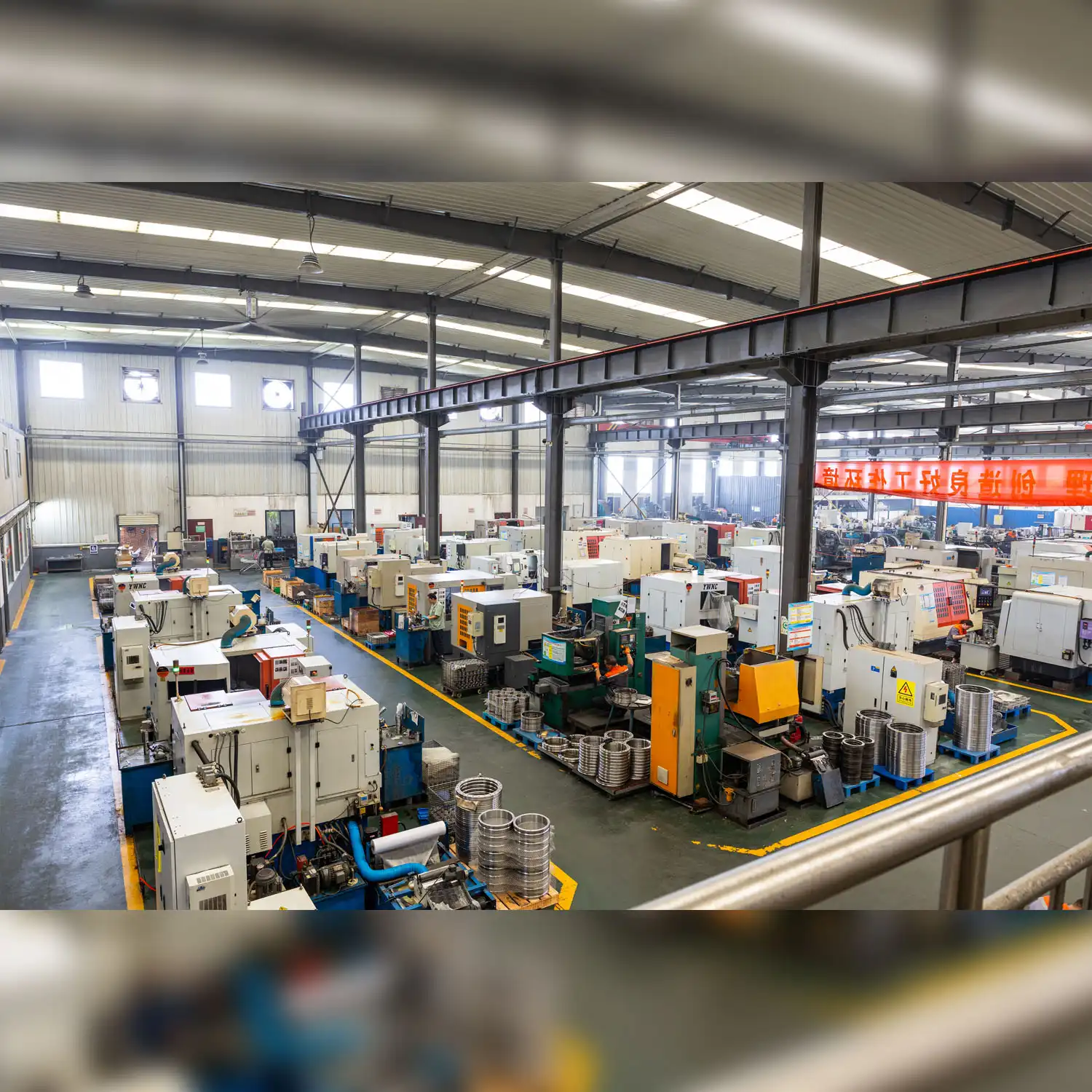
Getting reliable supply channels is just as important for keeping production going as the quality of the bearings. Crossed roller RB10020 Bearings that meet international standards are made by well-known global companies like SKF, NSK, and THK. These companies offer full technical documentation and application engineering support. These high-end brands cost more, but they come with quality certifications that can be tracked and lead times that are easy to plan for—usually 8 to 12 weeks for standard configurations. Chinese bearing companies like Luoyang Auto Bearing Co., Ltd. have become competitive alternatives. They offer quality systems that are ISO 9001 and IATF 16949 certified and prices that are 30 to 40 per cent less than European competitors. In the 15 years we've been making things, we've had good supply partnerships in the US, Germany, and South Korea, working with companies that make auto parts and integrate industrial automation. With the ability to make things in six specialised workshops, order numbers can be changed easily, from 10 prototypes to over 5,000 pieces every month in serial production groups.
Minimum Order Quantities and Lead Time Dynamics
Standard RB10020 Bearing units usually have minimum order sizes of 50 to 100 pieces when bought straight from the makers. This is because of the cost of setting up production and the need for quality control batch processing. Distributors can handle smaller orders, but they charge an extra 15 to 25 per cent. For custom configurations like chemically resistant seal materials or changed mounting hole patterns, tooling investments often need to be backed by at least 200 pieces. Lead times depend a lot on where the source is located and how they handle stock. European manufacturers keep regional distribution centres with standard sizes that can deliver in two to four weeks. Orders that go straight to the plant, on the other hand, take ten to fourteen weeks to make. We keep a strategic inventory of variants that are often asked for. This lets us deliver standard orders in 4 to 6 weeks and customised orders in 8 to 10 weeks. With 20 to 30 percent expedite fees, rush production can meet pressing needs and protect clients from equipment breakdowns that happen out of the blue.
Pricing Dynamics and Value Assessment
The way prices are set takes into account more than just the cost of raw materials and machining. Choosing the right precision grade has a huge effect on the unit cost. High-precision variants cost 60 to 80% more than standard grades because they have to go through more grinding processes and tighter quality control procedures. Prices change depending on the type of seal. Contact seals cost 12 to 18% more than open designs, while non-contact labyrinth seals cost 25 to 35 % more. Progression discounts are unlocked by making large commitments. When compared to spot purchases, annual purchase agreements for 500 to 1,000 units usually save 8 to 12 per cent. For strategic partnerships that cover more than 2,000 annual units, savings of 15 to 20 per cent can be achieved. Payment terms affect how prices can be changed. For example, letters of credit get better rates than open account terms when a new source is involved. Our procurement experts help clients set up buying deals that meet their needs for cash flow and their budgets for the whole purchase.
How to Evaluate if RB10020 Bearing Matches Your Application Needs
Operational Parameter Assessment Framework
Figuring out how to measure actual operating conditions is the first step in matching RB10020 Bearing specifications to application needs. To do a load analysis, you have to add up all the radial and axial forces, such as static weight, dynamic process forces, and transient shock loads. The speed factor (DN value) is found by multiplying the bore diameter in millimetres by the rotational speed in RPM. It shows how the rotating speed changes the life of the bearing. The 100mm bore of the RB10020 Bearing lets it run at 400 RPM before going over the recommended DN value of 40,000 for grease lubrication.The temperature environment affects the choice of material and the way it is oiled. Standard GCr15 steel stays the same size up to 120°C, which makes it good for use in industrial settings. For uses that involve heat sources or being outside in harsh weather, you might need a special heat treatment or a different material that doesn't rust, like stainless steel. Seal needs depend on the contamination level. Open bearings work well in clean rooms, while double-sealed versions keep out dust, moisture, and chemical vapours in harsh industrial settings.
Key Performance Indicators Defining Suitability
Load capacity margins are basic safety features that keep things from breaking down too soon. For continuous-duty uses, engineers usually try to keep working loads below 60 to 70 per cent of catalogue ratings. They leave some capacity headroom for occasional overloads and longer service life. With a 42 kN dynamic radial capacity, the RB10020 Bearing can handle steady loads of 25 to 30 kN without any problems. At normal speeds, the bearing is expected to last more than 30,000 hours. Different industries have different standards for durability. For example, car tier-one providers want a minimum life of 10 years or 150,000 cycles, which is backed up by accelerated testing data. On the other hand, industrial equipment makers aim for 5 to 7-year service intervals that are in line with planned repair windows. Accessibility for maintenance affects choice; bearings installed in hard-to-reach places justify more expensive sealed versions that require less service, while positions that are easy to get to allow more frequent inspection of cheaper open versions.
Real-World Application Case Studies
A company that makes equipment for putting together cars came to us looking for bearings for systems that automatically position welding guns. Every 8 seconds, they had to rotate 180 degrees and hold the weight of a 150-kilogram fixture plus 200 N of intermittent welding response forces. We chose RB10020 Bearing units with standard precision and contact seals. Based on their duty cycle, we estimated that they would last 45,000 hours. After 18 months of use on three production lines, the bearings continued to work properly and had no problems, proving the selection method was correct.A heavy machinery maker wanted to add slewing rings to mobile crane turntables and first thought about using large-diameter ball slewing bearings, but their small size made them impossible to fit in the space they needed. We suggested using RB10020 Bearing crossed roller bearings arranged in a circle to get the same load capacity in a 15 per cent smaller installation diameter. The solution cut the overall weight of the turret by 22 kg while keeping the needed moment stiffness. This shows how choosing the right bearings can lead to more system optimisation possibilities.
Best Practices for RB10020 Bearing Maintenance and Troubleshooting
Routine Inspection Schedules and Environmental Protection
Setting up regular maintenance plans increases the life of bearings and stops them from breaking down without warning. Mounting hardware should be checked every three months to make sure it is tight. If bolts loosen, the RB10020 Bearing preload changes, which leads to uneven load distribution and faster wear. By looking at the state of the seal, damage from dirt or mechanical interference can be found before the waste gets into the bearing. Thermographic imaging finds strange patterns of temperature that mean lubrication is breaking down or internal damage is starting to happen. Environmental protection includes more than just choosing the right seals. It also includes how the housing is built. When installed outside, proper drainage channels keep water from building up around bearing housings. When used in dusty places like cement plants or mines, positive-pressure closing systems with a clean air source keep the bearing space clean. Our engineering team gives advice on how to design housings so that seals work well and contaminants don't get in, which is what causes 40% of early bearing failures. Maintenance intervals for lubrication depend on how the machine is used and the type of lubricant used. When the RB10020 Bearing temperature rises 10°C above the baseline readings, or when the noise characteristics change, the grease needs to be re-oiled. Oil-lubricated systems need to be checked for contamination on a regular basis. Particle counts higher than ISO 4406 cleanliness code 18/16/13 show that the filtration system isn't working right or that internal wear is starting to happen. We give you detailed lubrication specifications, such as the recommended grease compositions and relubrication amounts, so you don't lose money due to too little or too much lubrication.
Early Warning Signs and Diagnostic Techniques
The easiest early warning sign to find is noise that doesn't make sense. When the RB10020 Bearing units are working properly, they make very little noise—a humming sound that can be heard from a close distance. Grinding or clicking sounds mean that there is contamination damage or raceway spalling that needs to be looked into right away. Squealing sounds mean that there isn't enough oil or that the seals are rubbing against each other. Maintenance workers can listen for bearing acoustic signatures during routine checks with industrial stethoscopes or ultrasonic detection instruments. This lets them spot problems weeks before they break. Changes in amplitude or frequency spectrum show that the vibration is getting stronger. Setting baseline vibration levels during installation gives condition tracking a way to compare things. When problems develop in the outer race, they cause vibrations at frequencies found by multiplying the speed of movement by the number of rollers. When problems develop in the inner race, they cause vibrations at frequencies changed by the roller pass frequency. Trending vibration data over time shows that things are slowly breaking down, which lets you replace them during routine maintenance instead of having to make repairs right away.
Common Problems and Remedial Actions
Damage from contamination shows up on raceways and rollers as surface pitting or scoring. To solve this problem, we need to look into why the seals are failing. Broken seals need to be replaced, and housings that don't have the right seal design need to be changed to make them safer. Cleaning bearing housings well before putting in new bearings keeps contaminants from getting back in and causing failures again and again. When you place something incorrectly, you can get fretting rust at the surfaces of the bearing and housing or preload loss from not having enough clamp force. Reddish-brown spots on the surfaces of bearing mountings show that micro-motion has caused fretting damage. Fixing this issue requires making sure that the specs of the housing match the specifications of the RB10020 Bearing. Too much space allows movement, which causes fretting, and interference fits that are too tight cause distortion of the bearings. We give you detailed mounting instructions that include the right sizes, torques, and assembly steps to avoid making mistakes during installation.
Conclusion
Before choosing the RB10020 Bearing, you need to carefully weigh the needs of your application against the bearing's capabilities. When a small system needs to handle both heavy loads and precise rotations, this crossed roller design works really well. Understanding technical specs, weighing your options, and following the right repair procedures will help your bearings work at their best for as long as your equipment lasts. Partnering with manufacturers who can show quality certifications, output scale, and expert support skills is good for procurement pros. In addition to catalogue specifications, the selection process for bearings also takes into account factors like supplier reliability, lead time management, and total cost of ownership, all of which affect the long-term success of operations.
FAQ
What distinguishes RB10020 from standard deep groove ball bearings?
The RB10020 Bearing has a crossed roller design that lets it support radial, axial, and moment loads all at the same time in a single small unit. Standard deep groove ball bearings can only handle radial loads; they need extra thrust bearings to handle axial forces. This integration makes assembly easier and raises the rotational stiffness, which is very important for applications that need precise positioning.
What service life should be expected under typical industrial conditions?
Operating life is affected by the duty cycle and the amount of load. The RB10020 Bearing usually lasts between 40,000 and 50,000 hours when it is used intermittently for four hours a day at 60% of its rated capacity. Life expectancy drops to 25,000 to 30,000 hours after continuous use at 70% capacity. With the right lubrication and contamination protection, these estimates are greatly increased.
Are OEM-certified RB10020 bearings available for specific equipment brands?
Major equipment makers use detailed buying standards to spell out the bearing needs of their products. Luoyang Auto Bearing Co., Ltd. has ISO 9001 and IATF 16949 certifications, which allow them to make bearings that meet OEM standards. We work with our clients to make sure that designs are correct by checking the sizes, testing the materials, and making sure that the designs meet the requirements of the original equipment.
Partner with ATLYC for Reliable RB10020 Bearing Supply
To get a steady supply of bearings, you need to work with makers that offer precise manufacturing, quality certifications, and quick expert support. Our 15-year history of manufacturing and ISO 9001/IATF 16949-certified quality systems at ATLYC (Luoyang Auto Bearing Co., Ltd.) ensures that we always deliver high-precision RB10020 Bearings that meet international standards. Our engineering team gives technical advice that is specific to each application, which helps procurement managers choose the best bearing configurations for their needs. If you email our bearing experts at auto@lyautobearing.com, you can ask for detailed product specifications or custom quotes for RB10020 Bearing supply. Our flexible manufacturing capacity and global shipping network provide reliable solutions whether you need small quantities of prototypes for developing new equipment or large amounts of serial production to support existing product lines. Get in touch with an experienced RB10020 Bearing supplier that wants to help you meet your goals for equipment performance and production continuity.
References
1. Harris, T.A. & Kotzalas, M.N. (2006). Advanced Concepts of Bearing Technology: Rolling Bearing Analysis, Fifth Edition. CRC Press.
2. Eschmann, P., Hasbargen, L. & Weigand, K. (1985). Ball and Roller Bearings: Theory, Design and Application. John Wiley & Sons.
3. ISO 492:2014. Rolling bearings — Radial bearings — Geometrical product specifications (GPS) and tolerance values. International Organization for Standardization.
4. Hamrock, B.J. & Dowson, D. (1981). Ball Bearing Lubrication: The Elastohydrodynamics of Elliptical Contacts. John Wiley & Sons.
5. SKF Group. (2018). Rolling Bearings Catalogue: Design, Variants, and Application Guidelines. SKF Technical Publications.
6. Khonsari, M.M. & Booser, E.R. (2008). Applied Tribology: Bearing Design and Lubrication, Second Edition. John Wiley & Sons.
Learn about our latest products and discounts through SMS or email