- English
- French
- German
- Portuguese
- Spanish
- Russian
- Japanese
- Korean
- Arabic
- Greek
- German
- Turkish
- Italian
- Danish
- Romanian
- Indonesian
- Czech
- Afrikaans
- Swedish
- Polish
- Basque
- Catalan
- Esperanto
- Hindi
- Lao
- Albanian
- Amharic
- Armenian
- Azerbaijani
- Belarusian
- Bengali
- Bosnian
- Bulgarian
- Cebuano
- Chichewa
- Corsican
- Croatian
- Dutch
- Estonian
- Filipino
- Finnish
- Frisian
- Galician
- Georgian
- Gujarati
- Haitian
- Hausa
- Hawaiian
- Hebrew
- Hmong
- Hungarian
- Icelandic
- Igbo
- Javanese
- Kannada
- Kazakh
- Khmer
- Kurdish
- Kyrgyz
- Latin
- Latvian
- Lithuanian
- Luxembou..
- Macedonian
- Malagasy
- Malay
- Malayalam
- Maltese
- Maori
- Marathi
- Mongolian
- Burmese
- Nepali
- Norwegian
- Pashto
- Persian
- Punjabi
- Serbian
- Sesotho
- Sinhala
- Slovak
- Slovenian
- Somali
- Samoan
- Scots Gaelic
- Shona
- Sindhi
- Sundanese
- Swahili
- Tajik
- Tamil
- Telugu
- Thai
- Ukrainian
- Urdu
- Uzbek
- Vietnamese
- Welsh
- Xhosa
- Yiddish
- Yoruba
- Zulu
Is RB3010 the Right Cross Roller Bearing for Your Application?
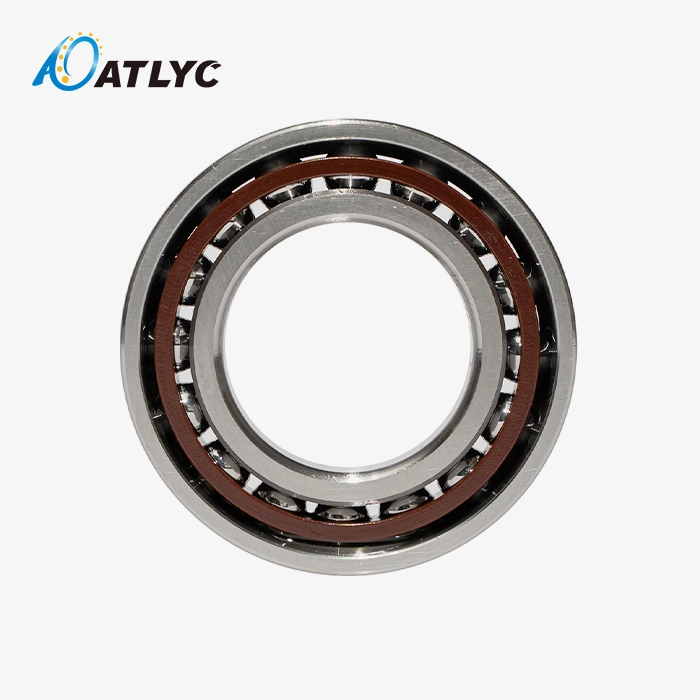
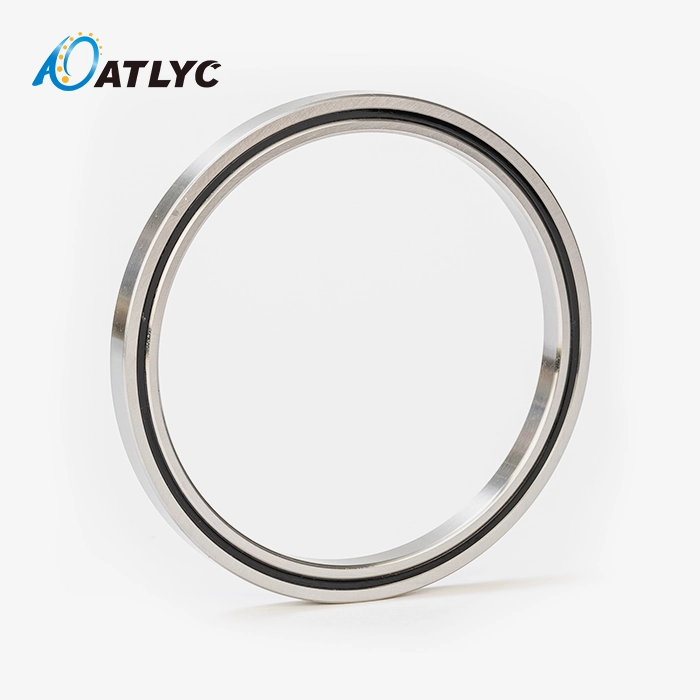
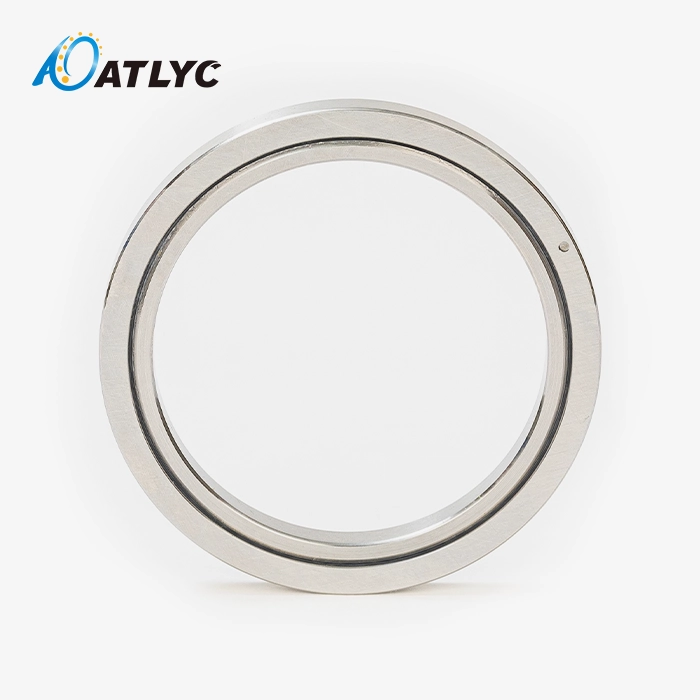
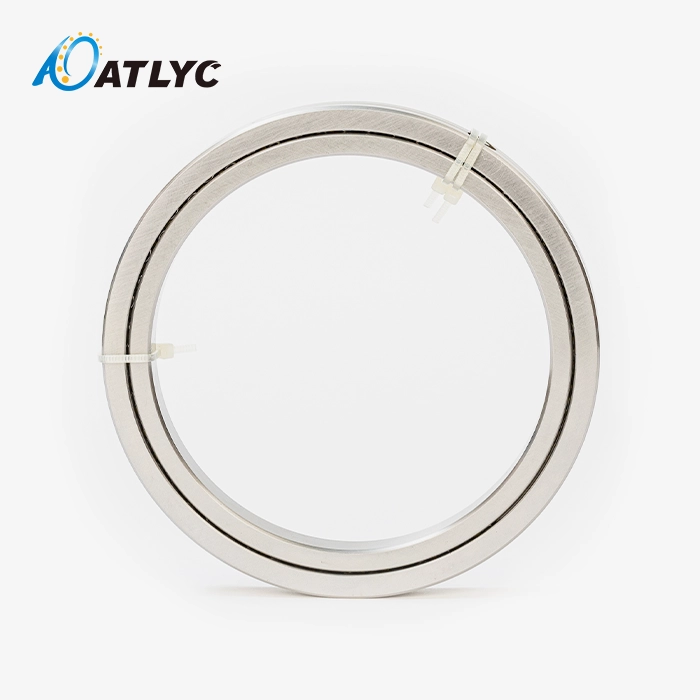
The RB3010 cross roller bearing is the strong engineering answer you need when your precision equipment needs to work reliably under loads that come from different directions. The small size of this bearing and its high load-carrying capacity make it ideal for artificial joints, spinning tables, and precision machinery. The RB3010 is a useful tool for engineers who need to fight radial, axial, and moment loads at the same time. It has an outer ring plug design and both inner and outer rings that are solid. Checking the technical details and real-world performance of this bearing is the first step in figuring out if it meets your operational needs.
Understanding RB3010 Cross Roller Bearing: Specifications and Features
Choosing the right bearing part has a big impact on how long equipment lasts and how much it costs to run. In the RB series, the RB3010 is a unique solution designed for situations where space is limited and heavy loads need to be handled.
Core Technical Specifications
When engineers are designing equipment, they like how accurate the dimensions of this cross roller bearing are. The unit's inner diameter is 30mm, its outer diameter is 100mm, and its width is 10mm. It can fit into small assemblies without affecting their structural integrity. The small size of the bearing's footprint makes it useful in robotics, where limited weight and space can affect how well the system works. The product is made from high-quality Gcr15 bearing steel, which makes it durable and reliable even when temperatures change, which is common in industrial settings. The crossed-roller design places cylindrical rollers 90 degrees apart and perpendicular to each other within precision-ground raceways. This setup makes the best contact shape, which evenly spreads loads across many contact points. This lowers the stress levels that usually lead to bearing failure before their time.
Load Capacity and Performance Characteristics
Knowing load grades helps buying teams safely choose parts. The bearing can handle radial, axial, and moment loads all at the same time in a single compact unit. This means that you don't have to use complicated bearing arrangements that are more expensive to set up and need more maintenance. The table below shows the key performance parameters that affect application suitability:
| Parameter | Specification | Application Benefit |
|---|---|---|
| Material Composition | Gcr15, Gcr15SiMn | Enhanced durability and wear resistance |
| Accuracy Class | P6, P5, P4, P2 | Precision matching for different tolerance requirements |
| Load Types | Radial, Axial, Moment | Multi-directional load handling in a single unit |
| Friction Coefficient | Low | Reduced energy consumption and heat generation |
| Runout Accuracy | Excellent | Consistent rotational precision for positioning tasks |
Engineers choose bearings for CNC machining centers because they have a low friction coefficient, which makes rotation smooth even when the machine is running all the time. The precision grinding method used in production makes sure that there is little difference in runout, which directly leads to better cutting accuracy and surface finish quality on the parts that are made.
Installation and Maintenance Considerations
Installing things the right way protects the performance of bearings and the uptime of equipment. The outer ring plug design makes mounting easier and makes sure that the roller stays in place throughout the life of the bearing. Lubrication access points let maintenance teams set up preventive maintenance schedules that make operations last longer without having to take everything apart. Keeping things clean during installation stops contamination, which, according to industry reliability studies, causes about 36% of premature bearing failures. Compared to split-ring designs, the integral ring structure makes it easier to handle. This cuts down on installation time and the chance of mistakes that could affect performance.
RB3010 vs Competitors: Making the Right Choice
Before deciding on a final standard, equipment makers often look at more than one bearing choice. Knowing how this cross roller bearing stacks up against other options helps procurement teams make decisions that are based on facts and fit within their budgets, and meet performance standards.
Performance Comparison Analysis
Several things affect the long-term value of cross roller bearings of the same size from different product lines. When it comes to its size, the RB3010 has competitive load ratings, and it's also cost-effective, which procurement managers who are watching their budgets will like. Different types, like the RB3011, have slightly different dimensions that may work better in certain situations that need a different width-to-diameter ratio. The quality of the material has a big effect on how long the bearing lasts and how often it needs to be serviced. Bearings made from Gcr15SiMn steel are more resistant to wear than bearings made from normal carbon steel. This is especially helpful in high-cycle uses like automatic assembly lines, where repair costs include both the cost of parts and the time lost from work.
Cost-Performance Evaluation
Buying decisions weigh the costs of the initial purchase against the total costs over the product's life. Precision production and high-quality materials used to make the bearing support a modest price increase by extending service times and lowering the need for upkeep. When you buy in bulk from qualified manufacturers, the prices are usually 15-20% lower than when you buy one unit at a time. This is good for equipment builders who are making a lot of machines. The following comparison shows some of the most important things to think about when choosing between common options:
| Model | Load Capacity | Accuracy Range | Typical Applications | Price Positioning |
|---|---|---|---|---|
| RB3010 | High | P6 to P2 | Robot joints, rotary tables | Mid-range |
| RB3011 | Very High | P5 to P2 | Heavy-duty indexing | Premium |
| Standard Ball Bearing | Moderate | P6 to P5 | General rotation | Economy |
| Tapered Roller Bearing | High Thrust | P6 | Axial-dominant loads | Mid-range |
Cross roller setups offer protected design choices that are useful for equipment that works in dirty settings. Even though they are more expensive at first than open bearing designs, sealed versions last longer and need less maintenance in places where they are exposed to coolant, dust, or other debris.
Real-World Application Feedback
When these bearings are used in automatic assembly equipment, manufacturing experts say that the accuracy of placement is much better than with older ball bearing setups. After switching to cross roller bearings in their part inspection stations, one auto part manufacturer saw a 40% drop in positional variance, which directly improved quality control accuracy. Medical equipment manufacturers like the smooth, quiet operation that meets strict noise requirements for patient-care environments. The low vibration properties cut down on measurement errors in high-precision diagnostic imaging equipment, where movements as small as a micron can change the quality of an image.
How to Evaluate RB3010 for Your Specific Application
To choose the right bearings, you need to match their technical skills with their real operating needs. Systematic evaluation processes that take both short-term needs and long-term performance goals into account are helpful for engineering teams.
Defining Operational Requirements
Start by writing down the exact load conditions your equipment is under during normal use and times of high demand. Find the radial loads that come from gears or pulleys, the axial loads that come from thrust forces, and the moment loads that come from overhung masses or eccentric loading conditions. These readings make it possible to directly compare with the published load rates. The speed of operation has a direct effect on estimates of bearing life. When running equipment at speeds over 500 RPM, it's important to pay close attention to the lubrication and heat-dissipation capabilities. The bearing's low friction is helpful in high-speed situations because it reduces the production of heat that speeds up the breakdown of lubricants. Temperature changes, contamination exposure, and humidity levels are some of the environmental factors that affect bearing selection. Standard bearings can handle temperatures between -20°C and 120°C for most equipment. However, for extreme temperature applications, special material specifications or lubricant formulations may be needed.
Dimensional Compatibility Assessment
Check that the bore sizes of the housing and the diameters of the shafts match the bearing's specifications with the right amount of fit tolerance. The bearing has an inner diameter of 30 mm and an outer diameter of 100 mm. For proper load distribution and operating gaps, housing bores and shafts must be made to ISO accuracy standards. Problems can range from earlier wear to catastrophic failure during operation when parts don't fit properly. In small systems, width issues affect how the room is allocated along the axes. The 10mm width meets the small packaging needs that are common in collaborative robot designs. Minimising the joint envelope dimensions makes the workspace more flexible and helps avoid collisions.
Maintenance and Troubleshooting Framework
Setting up routine repair checks saves the money you've spent on tools and keeps your workers productive. During routine maintenance, check the bearings for signs of contamination, poor lubrication, or unusual wear patterns that could mean alignment issues or too much load. Typical troubleshooting situations include loud noises that could mean lubrication problems or contamination, higher operating temperatures that could mean poor heat dissipation or overloading, and positioning errors that could mean bearing wear or preload loss. Taking care of these symptoms right away stops damage from spreading to other parts that are connected.
Procurement Guide: Buying RB3010 for Your Business
Finding qualified makers and setting up buying methods that balance cost-effectiveness with quality guarantee are needed to get reliable bearing sources.
Identifying Qualified Suppliers
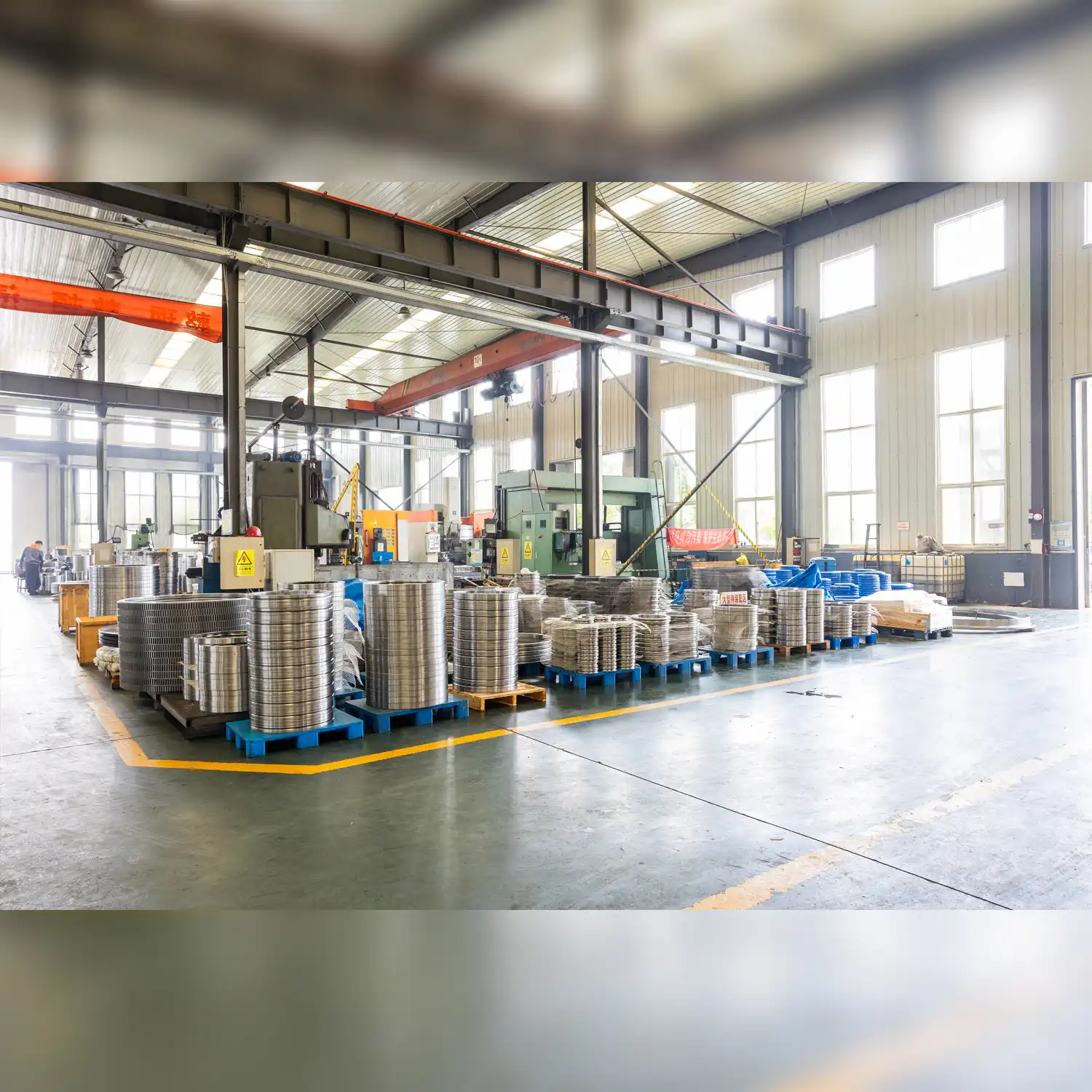
Work with manufacturers that have ISO 9001 and IATF 16949 certifications, which show they are dedicated to quality management. Luoyang Auto Bearing Co., Ltd. has been making products for 15 years and has certifications that are recognised around the world. They have served customers in countries like the US, Germany, and South Korea. Their six specialised workshops and 120 skilled workers allow them to produce both small batches of prototypes and large amounts of finished goods. You should look at the supplier's manufacturing capabilities, such as their precision grinding tools, heat treatment facilities, and quality inspection systems. Modern measuring tools that can check P4-level accuracy classes make sure that bearing specifications match the published tolerances, which is important for precision applications.
Volume Purchasing Strategies
When you buy in bulk, you save money on each unit and make sure that you always have enough to meet your production plans. Manufacturers usually give deals for buying in bulk, starting at 100 units and gradually raising prices as you buy 500 and 1,000 units. When comparing domestic and foreign sources, look at the total landing costs, which include shipping, customs taxes, and the cost of keeping goods. This will help you save money and make sure you have enough production capacity during times of high demand. Due to their advanced manufacturing infrastructure and economies of scale, Chinese manufacturers offer competitive prices. However, longer lead times mean that you need to carefully plan your inventory.
Warranty and Support Considerations
A full warranty protects against problems with the way the product was made and with the materials used while it is normally being used. Standard warranties usually last for 12 to 18 months from the date of delivery or 6 to 12 months from the date of installation, whichever comes first. Keep records of how the machine is used and how to maintain it so that your guarantee is still valid. The ability to provide technical help affects long-term supply relationships. Manufacturers who offer engineering help during application development, installation guidance, and troubleshooting support are worth more than the price of the parts they sell. Technical support in English and time zone coverage make it harder for North American procurement teams to talk to each other.
Why RB3010 is a Preferred Solution for Industrial Bearings
The small size, ability to carry loads in multiple directions, and precise performance of this cross roller bearing make it a good choice for equipment designers and maintenance teams who need to solve common problems.
Engineering Advantages
When comparing stiffness, crossed-roller configurations are better than ball bearings of the same size. This stiffness trait keeps the position accuracy that is important for applications like coordinate measuring machines and equipment used to make semiconductors by minimising deflection under load. When engineers design precision equipment, using single bearings instead of multiple bearing combinations makes mounting easier. Choosing materials made of Gcr15 and Gcr15SiMn bearing steels gives the equipment the hardness and fatigue resistance it needs for longer service intervals. Heat treatment methods improve the qualities of materials by making the surface hard (58–62 HRC) so it doesn't wear down and keeping the core tough so it can handle shock loads without breaking.
Quality Assurance Processes
The quality of manufacturing has a direct effect on the reliability of bearings and the costs of running them. Three levels of quality control are used during production: checking the dimensions of arriving materials, checking the dimensions of finished products, and testing their end performance. Life testing confirms performance predictions under fast conditions, and vibration testing finds problems with the way the product was made before it is shipped. Precision grinding processes achieve a surface finish quality and measurement accuracy that meet P4 tolerance class standards. RB3010 This precision level can be used in situations where runout accuracy needs to be less than 5 microns, which is important for aligning optical equipment and making precise measurements.
Adaptability Across Industries
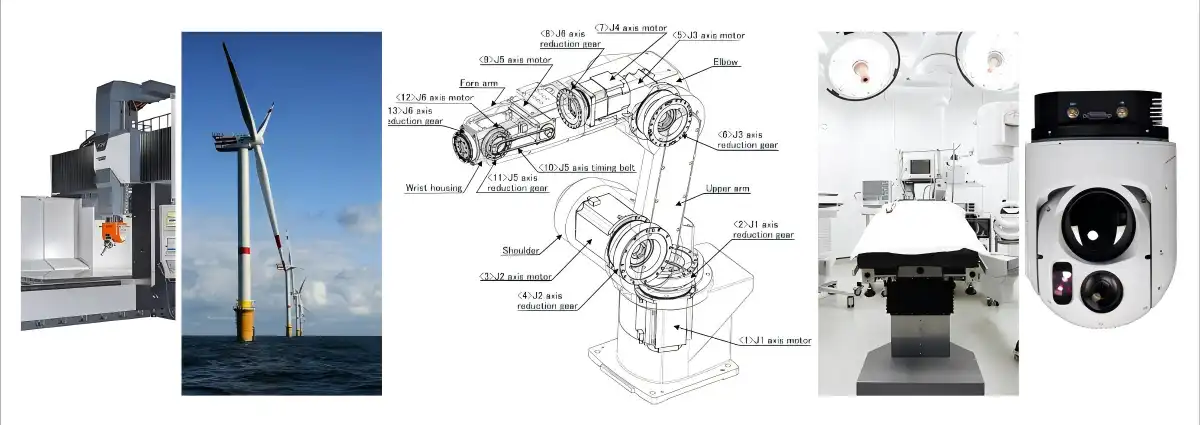
Robotics companies put these bearings in collaborative robot joints, where their small size and high rigidity make it possible to precisely control motion. The bearing's ability to handle combined loads makes kinematic designs easier and cuts down on the number of parts needed and the complexity of assembly. Machine tool builders use cross roller bearings in rotary tables and turning axis applications that need precise positioning under cutting forces. The low-friction properties lower the motor power needs, which makes it possible for smaller drive systems that lower the cost of equipment and energy use. Medical equipment uses benefit from smooth, quiet operation that meets the needs of healthcare environments. Diagnostic imaging machines, surgical robots, and lab automation systems depend on these precision bearings to keep their positions accurate and consistent over the course of their useful lives.
Conclusion
Choosing the right cross roller bearing affects how well equipment works, how much it costs to maintain, and how reliable it is over many years of use. The RB3010 offers tried-and-true engineering solutions for situations where radial, axial, and moment loads need to be handled at the same time in small units. Because it is precisely made, made from high-quality materials, and comes in a range of sizes, it can be used in a wide range of industrial settings, from robotics to machine tools. By comparing your working needs to the technical specs, you can be sure that you're choosing the best bearings for your needs and your budget. Working with qualified makers who have foreign certifications gives you peace of mind about the quality of the products and the stability of the supply chain, which helps you stick to your production plans.
FAQ
What accuracy classes are available for this cross roller bearing?
The bearing comes in multiple precision grades, including P6, P5, P4, and P2 accuracy classes. P6 represents standard precision suitable for general industrial applications, while P5 offers improved accuracy for machine tool applications. P4 and P2 classes provide the highest precision levels required for measurement equipment and semiconductor manufacturing machinery, where positioning accuracy below 5 microns matters critically.
How does material selection affect bearing performance?
Gcr15 bearing steel provides excellent hardness and wear resistance for standard industrial conditions. Gcr15SiMn steel contains silicon and manganese additions that enhance fatigue resistance and impact strength, particularly beneficial for applications experiencing shock loads or operating in temperature extremes. Material choice influences service life expectations and maintenance interval requirements.
What volume discounts apply for bulk purchases?
Volume pricing typically begins at 100-unit quantities with progressive discounts at higher volumes. Manufacturers offer competitive pricing for established customers placing regular orders, and annual purchasing agreements provide additional cost advantages while securing production capacity during high-demand periods.
Partner with ATLYC for Your RB3010 Cross Roller Bearing Requirements
ATLYC brings 15 years of precision bearing manufacturing experience serving automotive and industrial equipment manufacturers worldwide. Our ISO 9001 and IATF 16949-certified facilities produce cross roller bearings meeting the exacting standards that OEMs and distributors demand. We maintain comprehensive quality control processes, including vibration testing and dimensional verification, ensuring every bearing meets published specifications before shipping to your facility. Our engineering team provides technical support throughout your product development cycle, from initial bearing selection through installation guidance and maintenance recommendations. Whether you need prototype quantities for equipment testing or volume production supporting thousands of machines annually, our six specialized workshops and 120 skilled employees deliver consistent quality with reliable lead times. Contact us today at auto@lyautobearing.com to discuss your specific application requirements and request detailed quotations. As an established RB3010 manufacturer serving global markets, we understand the performance expectations and budget constraints facing procurement teams. Let us demonstrate how our precision manufacturing capabilities and customer-focused service approach support your operational success.
References
1. Harris, T.A. and Kotzalas, M.N. (2006). "Advanced Concepts of Bearing Technology: Rolling Bearing Analysis, Fifth Edition." CRC Press.
2. Eschmann, P., Hasbargen, L., and Weigand, K. (1985). "Ball and Roller Bearings: Theory, Design and Application." John Wiley & Sons.
3. Palmgren, A. (1959). "Ball and Roller Bearing Engineering." SKF Industries Inc.
4. ISO 492:2014. "Rolling Bearings - Radial Bearings - Dimensions and Tolerances." International Organization for Standardization.
5. Hamrock, B.J. and Dowson, D. (1981). "Ball Bearing Lubrication: The Elastohydrodynamics of Elliptical Contacts." John Wiley & Sons.
6. Tallian, T.E. (1992). "Simplified Contact Fatigue Life Prediction Model - Part I: Review of Published Models." Journal of Tribology, Vol. 114, pp. 207-213.
Learn about our latest products and discounts through SMS or email