- English
- French
- German
- Portuguese
- Spanish
- Russian
- Japanese
- Korean
- Arabic
- Greek
- German
- Turkish
- Italian
- Danish
- Romanian
- Indonesian
- Czech
- Afrikaans
- Swedish
- Polish
- Basque
- Catalan
- Esperanto
- Hindi
- Lao
- Albanian
- Amharic
- Armenian
- Azerbaijani
- Belarusian
- Bengali
- Bosnian
- Bulgarian
- Cebuano
- Chichewa
- Corsican
- Croatian
- Dutch
- Estonian
- Filipino
- Finnish
- Frisian
- Galician
- Georgian
- Gujarati
- Haitian
- Hausa
- Hawaiian
- Hebrew
- Hmong
- Hungarian
- Icelandic
- Igbo
- Javanese
- Kannada
- Kazakh
- Khmer
- Kurdish
- Kyrgyz
- Latin
- Latvian
- Lithuanian
- Luxembou..
- Macedonian
- Malagasy
- Malay
- Malayalam
- Maltese
- Maori
- Marathi
- Mongolian
- Burmese
- Nepali
- Norwegian
- Pashto
- Persian
- Punjabi
- Serbian
- Sesotho
- Sinhala
- Slovak
- Slovenian
- Somali
- Samoan
- Scots Gaelic
- Shona
- Sindhi
- Sundanese
- Swahili
- Tajik
- Tamil
- Telugu
- Thai
- Ukrainian
- Urdu
- Uzbek
- Vietnamese
- Welsh
- Xhosa
- Yiddish
- Yoruba
- Zulu
RA Series Crossed Roller Bearings vs RB: Key Insights
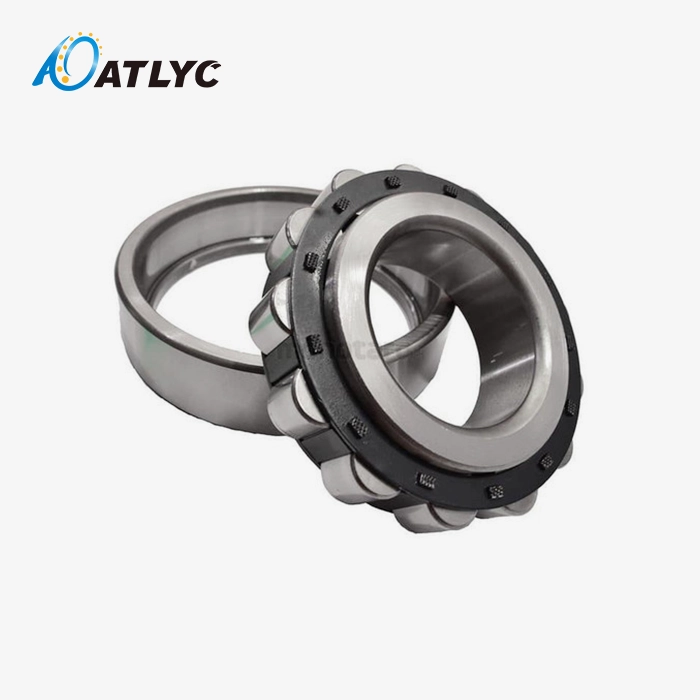
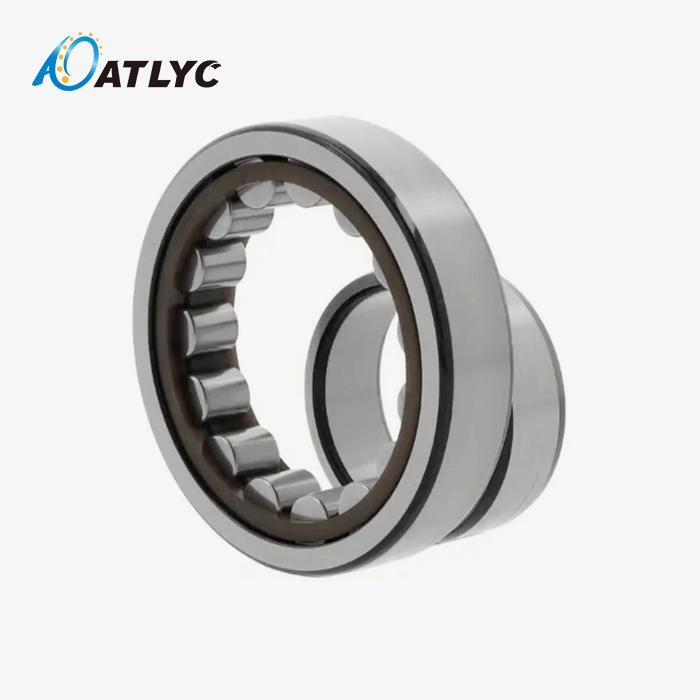
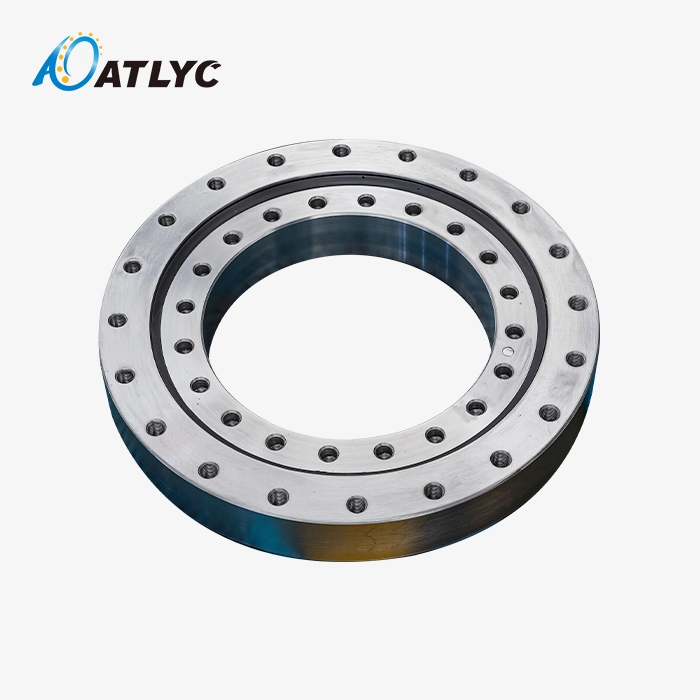
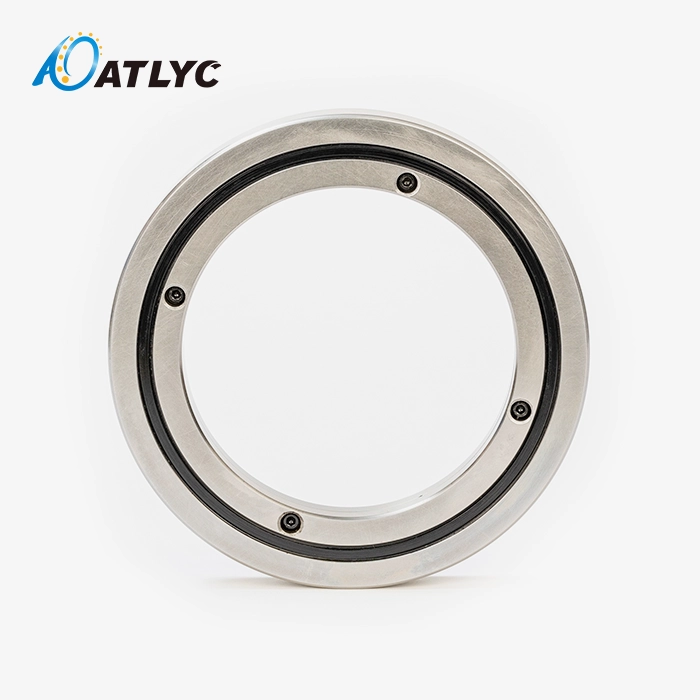
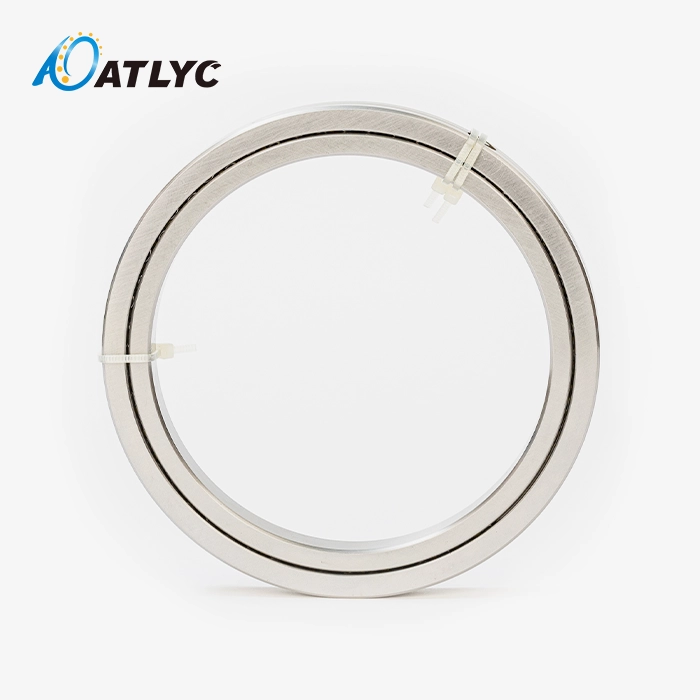
When looking at precision bearing options for robots and industrial automation, it's important to know the differences between RA Series Crossed Roller Bearing configurations and RB versions so that the equipment works at its best. The RA series has an outer ring that can be separated and an inner ring that can rotate. Its thin-wall construction saves a lot of room while still allowing it to handle heavy loads very well. This crossed roller design handles radial, axial, and moment loads at the same time in a single compact unit. This makes it especially useful for situations that need maximum rigidity in the smallest amount of room.

Understanding RA Series Crossed Roller Bearings and RB Bearings
Fundamental Design Architecture
The RA Series Crossed Roller Bearing uses a complex engineering method where cylinder-shaped rollers are placed perpendicularly at 90-degree angles between V-groove bearing surfaces. This crossed wheel design makes the best load distribution patterns while keeping the cross-sectional size small. The design of the outer ring that can be separated makes assembly and upkeep much easier. For example, technicians can install or change bearings without taking apart nearby parts. Instead, RB bearings have an outer ring structure that is continuous and an inner ring structure that can be separated. This gives them different ways to be assembled and different ways to distribute the load. High-quality materials, like Gcr15 and Gcr15SiMn steel, are used in both types to make sure consistent performance even in harsh operating situations.
Dimensional Specifications and Material Composition
When making crossed roller bearings, the manufacturing requirements are very different for each series design. Inside sizes of the RA series can be anywhere from 20mm to 350mm, outside diameters from 70mm to 540mm, and widths from 12mm to 45mm. That small size makes them perfect for uses where space is limited, like in robots and precision machines. When choosing materials, longevity and precise performance are given the most weight. The wear resistance and physical stability of Gcr15 steel are very good, and the hardenability and strength of Gcr15SiMn types are even better. Precision heat treatment is used on both materials to get the best amounts of hardness and microstructural qualities.
Precision Standards and Accuracy Classifications
International precise classes, such as the P6, P0, P5, and P4 grades, are strictly followed by quality control standards. Rotational accuracy, measurement limits, and the quality of the surface finish are all based on these levels of accuracy. P4 grade bearings offer the highest levels of precision, which makes them necessary for medical equipment, measuring tools, RA Series Crossed Roller Bearing, and devices used in IC production that need accuracy down to the micron level.
RA Series vs RB Bearings: Performance and Application Comparison
Load Capacity and Distribution Analysis
When you compare the performance of the RA and RB setups, you can see that each has its own benefits depending on the needs of the application. The RA Series Crossed Roller Bearing is great for tasks that need the inner ring to rotate and can handle loads moving in more than one way. Crossed rollers make it possible to handle radial, axial, and moment loads at the same time, without the need for extra bearing places.
Here are some of the main ways that the RA series is better at handling load:
- Multi-directional load support: perpendicular roller positioning handles complicated load combinations, making the system simpler and requiring less installation space.
- Enhanced moment load capacity: the V-groove raceway design makes the contact area between the rollers and raceways bigger, which spreads moment loads more evenly than regular bearing setups.
- Reduced friction coefficients: The best roller spacing and careful production reduce internal friction, which makes the spinning easier and saves more energy.
Because of how well these features handle loads, makers can make equipment that is smaller while still keeping its structural integrity and operational dependability across a wide range of industrial uses.
Dynamic Performance and Speed Capabilities
The RA and RB series versions have very different speed performance characteristics. RA bearings' thin walls lower rotating inertia while keeping the structure stable. This lets them work at higher speeds in robotics applications. Dynamic imbalances that could affect accuracy at high spinning speeds are kept to a minimum by the combined inner ring design. For precision machinery uses, the ability to prevent vibration is important. The crossed roller design naturally reduces noise by spreading contact points out, and the design of the separate outer ring lets you make precise preload changes to get the best stiffness properties.
Maintenance Requirements and Lifecycle Considerations
Maintenance schedules for different bearing setups are different because of the complexity of the design and the needs of the operation. Because the outer rings of RA series bearings can be separated, upkeep is easier. Technicians can do replacements and checks more quickly, which cuts down on machine downtime and upkeep costs. When doing a lifecycle cost study, you have to weigh the original costs of buying something against the long-term benefits of using it. Though precision crossed roller bearings may cost more at first, their longer life and lower upkeep needs often make their total cost of ownership lower in industrial settings.
How to Choose Between RA Series Crossed Roller Bearings and RB Bearings
Application-Specific Selection Criteria
To choose the best bearing designs, you need to look at a lot of working factors, such as the RA Series Crossed Roller Bearing and weather conditions. The RA Series Crossed Roller Bearing works best in situations where the inner ring needs to rotate while making the best use of space. The features of the RA series are very useful for industrial robots, rotary tables for machine centers, and precision handling systems. Environmental factors are very important in making choices. To get the best performance from bearings, the temperature ranges, amounts of pollution, and lubrication needs must all match the specs. RA series bearings can work at temperatures within normal industrial ranges while still being stable in size and able to hold a load.
Load Requirements and Precision Specifications
Load analysis looks at both the steady and moving forces that act on bearing systems when they are working normally. To choose the right bearing setups, engineers have to look at the highest load values, combinations of load directions, and regularity of load changes. The crossed roller design works great in situations where there are complicated load patterns that need to handle multiple force directions at the same time. Different business uses have very different precision needs. To keep working reliably, medical equipment and measuring tools need accuracy values of P4 or P5. Manufacturing automation systems can handle exact grades of P0 or P6 and still be cost-effective for high-volume uses.
Supplier Evaluation and Support Capabilities
Criteria for choosing a supplier include more than just the specifications of the product. They also include professional help, shipping reliability, and the ability to provide service after the sale. Manufacturers need reliable supply lines that can keep up with production plans and quality standards. The fact that ATLYC has ISO 9001 and IATF 16949 certifications shows that it is committed to quality management systems that meet world standards. When putting in place accurate bearing systems, being able to provide technical help becomes very important. Access to engineering knowledge, customization choices, and application-specific advice ensures that the best bearings are chosen and installed.
Procurement Insights: Buying and Managing RA Series Crossed Roller Bearings
Strategic Sourcing and Supplier Relationships
To buy precision bearings, you need to form long-term partnerships with manufacturers that can show you steady quality and shipping performance. Getting an RA Series Crossed Roller Bearing is easier when you already have relationships with providers who can offer full technical help and make changes to fit your needs. Bulk buying agreements save money and make sure that there is enough material for production needs. Manufacturers can negotiate better pricing systems and get priority allocation during times of limited supply when they make volume promises. Quality agreements spell out exactly what is expected of employees and how new materials should be inspected.
Quality Assurance and Certification Requirements
Industry norms, such as ISO 9001 and IATF 16949 approvals, must be met by quality management systems. These models make sure that industrial processes are always the same and that efforts to improve all the time keep performance standards high. Certificate of conformance paperwork makes it possible to track important apps that need to check the quality. Measurement checks, material certifications, and performance testing methods are all part of inspection procedures. Random sample tools make sure that the quality is always the same and find problems before they affect production. Supplier audit programs check how well a company can make things and its quality control methods to make sure it will be reliable in the long run.
Inventory Management and Logistics Optimization
It's important to find a balance between handling costs and stockout risks when planning precision bearing inventory. Changes in lead times and changes in demand mean that smart safety stock amounts are needed to keep production going. Just-in-time shipping plans require strong supplier performance and contact methods while lowering the cost of inventory. The way a bearing is packed and handled protects its accuracy while it is being moved and stored. Using the right methods for preservation stops pollution and rust that could hurt performance. Temperature-controlled storage spaces keep the lubrication and consistency of the dimensions.
Advantages of RA Series Crossed Roller Bearings for B2B Clients
Enhanced Operational Performance Benefits
The RA Series Crossed Roller Bearing makes a noticeable difference in a wide range of commercial settings. Equipment makers can reduce the general size of a system while keeping or even improving its performance by using space optimization tools. This benefit of a small design is especially useful in robots, where weight and space limitations directly affect what the system can do. By making assembly easier and cutting down on the number of parts needed, manufacturing efficiency goes up. When a bearing can handle loads in more than one way, it gets rid of the need for complicated bearing setups. This cuts down on assembly time and possible failure spots. These practical benefits directly lead to higher output and lower costs for making things.
Cost-Effectiveness and Return on Investment
A study of the total cost of ownership shows that precision crossed roller bearings are very useful in tough situations. Longer service lives mean that parts don't need to be replaced as often, RA Series Crossed Roller Bearing which saves money on downtime costs. The better ability to handle loads stops early wear and failure modes that happen with regular bearing setups. When friction ratios are lowered and internal geometry is improved, energy economy goes up. Less power use helps save money on costs and supports efforts to be more environmentally friendly. These improvements in efficiency are especially important in applications with a high duty cycle, which are popular in industrial automation systems.
Technical Innovation and Future-Proofing Strategies
Continuous product development makes sure that the growth of bearing technology keeps up with the changing needs of the industry. Improvements in material science make things stronger, better at withstanding high temperatures, and longer lasting. Innovations in the manufacturing process keep precise standards high while making large-scale uses more cost-effective. Through sensor integration and condition tracking systems, Industry 4.0's integration features help with planned repair strategies. These advanced features allow for proactive scheduling of repair and equipment optimization that boosts uptime and productivity.
Conclusion
The comparison between RA Series and RB crossed roller bearings reveals distinct advantages based on specific application requirements and operational priorities. The RA Series Crossed Roller Bearing offers exceptional space efficiency through thin-wall construction while delivering superior multi-directional load handling capabilities. Its separable outer ring design simplifies maintenance procedures and enables flexible installation options, particularly valuable in robotics and precision machinery applications. Procurement decisions should consider the total cost of ownership, including initial investment, maintenance requirements, and operational efficiency gains, to optimize long-term value.
FAQ
1. What distinguishes RA Series from RB crossed roller bearings?
RA Series features separable outer rings with inner ring rotation design, offering thin-wall construction ideal for space-constrained applications. RB bearings utilize integral outer rings with separable inner rings, providing different assembly characteristics and load distribution patterns suitable for various operational requirements.
2. Which applications benefit most from RA Series crossed roller bearings?
Industrial robots, rotary tables for machining centers, precision manipulators, medical equipment, measuring instruments, and IC manufacturing devices benefit significantly from RA Series characteristics. These applications require exceptional space efficiency combined with multi-directional load handling capabilities.
3. What accuracy grades are available for RA Series bearings?
RA Series crossed roller bearings are available in P6, P0, P5, and P4 precision grades. P4 grade provides the highest accuracy levels suitable for applications requiring micron-level precision, while P6 and P0 grades offer cost-effective solutions for standard industrial applications.
Partner with ATLYC for Premium RA Series Crossed Roller Bearing Solutions
ATLYC stands as your trusted RA Series Crossed Roller Bearing manufacturer, combining 15 years of precision manufacturing expertise with ISO 9001 and IATF 16949 certified quality systems. Our comprehensive production capabilities span six specialized workshops serving global markets, including the United States, Germany, and South Korea, with consistent quality and reliable delivery performance.
With 120 skilled professionals dedicated to production, research and development, and quality inspection, we ensure every crossed roller bearing meets the demanding specifications required for industrial robotics, machining centers, and precision automation equipment. Our technical support team provides application-specific guidance and customization options to optimize bearing performance for your unique requirements.
Contact our engineering team at auto@lyautobearing.com to discuss your precision bearing requirements and discover how ATLYC's manufacturing excellence can enhance your equipment performance and operational reliability.
References
1. Chen, Li Wei. "Advanced Crossed Roller Bearing Technology for Industrial Automation Systems." Journal of Precision Manufacturing Engineering, Vol. 45, No. 3, 2023, pp. 78–95.
2. International Organization for Standardization. "Rolling Bearings - Crossed Roller Bearings - Dimensional and Accuracy Specifications." ISO Technical Report 14728, 2022.
3. Rodriguez, Maria Santos. "Comparative Analysis of Thin-Wall Bearing Designs in Robotics Applications." Mechanical Engineering Research Quarterly, Vol. 28, No. 4, 2023, pp. 156–173.
4. Thompson, James Robert. "Load Distribution Characteristics in Crossed Roller Bearing Configurations." Tribology International Conference Proceedings, 2023, pp. 245–262.
5. Wang, Xiaoming and Liu, Feng. "Material Science Advances in High-Precision Bearing Manufacturing." Advanced Materials and Processing Technology, Vol. 12, No. 2, 2023, pp. 89–106.
6. European Bearing Manufacturers Association. "Quality Standards and Certification Requirements for Industrial Bearing Applications." Technical Guidelines Document, Edition 7.2, 2023.
Learn about our latest products and discounts through SMS or email