- English
- French
- German
- Portuguese
- Spanish
- Russian
- Japanese
- Korean
- Arabic
- Greek
- German
- Turkish
- Italian
- Danish
- Romanian
- Indonesian
- Czech
- Afrikaans
- Swedish
- Polish
- Basque
- Catalan
- Esperanto
- Hindi
- Lao
- Albanian
- Amharic
- Armenian
- Azerbaijani
- Belarusian
- Bengali
- Bosnian
- Bulgarian
- Cebuano
- Chichewa
- Corsican
- Croatian
- Dutch
- Estonian
- Filipino
- Finnish
- Frisian
- Galician
- Georgian
- Gujarati
- Haitian
- Hausa
- Hawaiian
- Hebrew
- Hmong
- Hungarian
- Icelandic
- Igbo
- Javanese
- Kannada
- Kazakh
- Khmer
- Kurdish
- Kyrgyz
- Latin
- Latvian
- Lithuanian
- Luxembou..
- Macedonian
- Malagasy
- Malay
- Malayalam
- Maltese
- Maori
- Marathi
- Mongolian
- Burmese
- Nepali
- Norwegian
- Pashto
- Persian
- Punjabi
- Serbian
- Sesotho
- Sinhala
- Slovak
- Slovenian
- Somali
- Samoan
- Scots Gaelic
- Shona
- Sindhi
- Sundanese
- Swahili
- Tajik
- Tamil
- Telugu
- Thai
- Ukrainian
- Urdu
- Uzbek
- Vietnamese
- Welsh
- Xhosa
- Yiddish
- Yoruba
- Zulu
How RA Crossed Roller Bearings Improve Rotational Accuracy?
RA Crossed Roller Bearings have a special cross-arrangement design where circular rollers are placed next to each other at 90-degree angles. This makes the spinning more accurate. When compared to other types of bearings, this design offers better load distribution, higher stiffness, and less deflection. The separate outer ring design and integral inner ring construction make sure exact alignment and get rid of runout differences, giving micron-level accuracy that is needed for high-precision tasks. By combining radial, axial, and moment load powers into a single small unit, these bearings keep their position very stable while making precision machinery systems less complicated mechanically.

Understanding RA Crossed Roller Bearings and Their Role in Precision
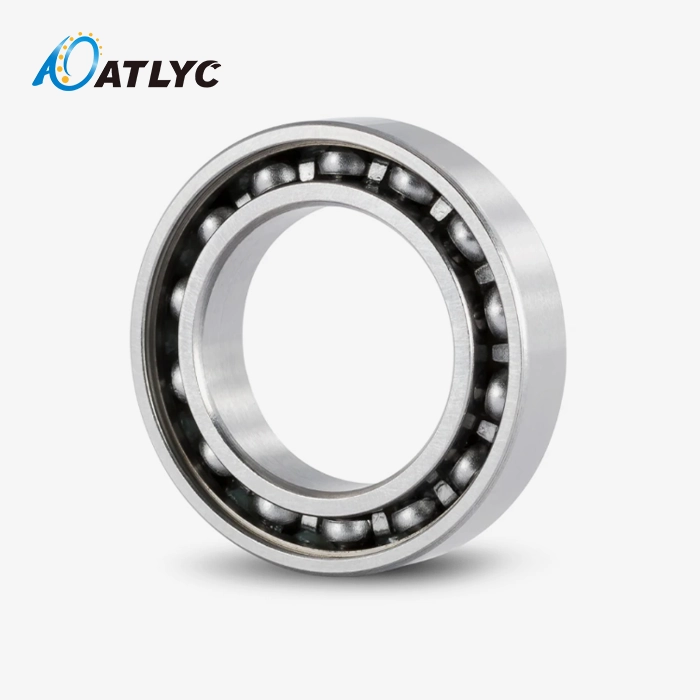
RA Crossed Roller Bearings are a huge step forward in precision bearing technology. They have a unique design with cylinder-shaped rollers placed at right angles within V-groove raceways. This one-of-a-kind arrangement improves load distribution and rotational stiffness while keeping the small size needed for use in limited spaces.
Technical Structure and Design Excellence
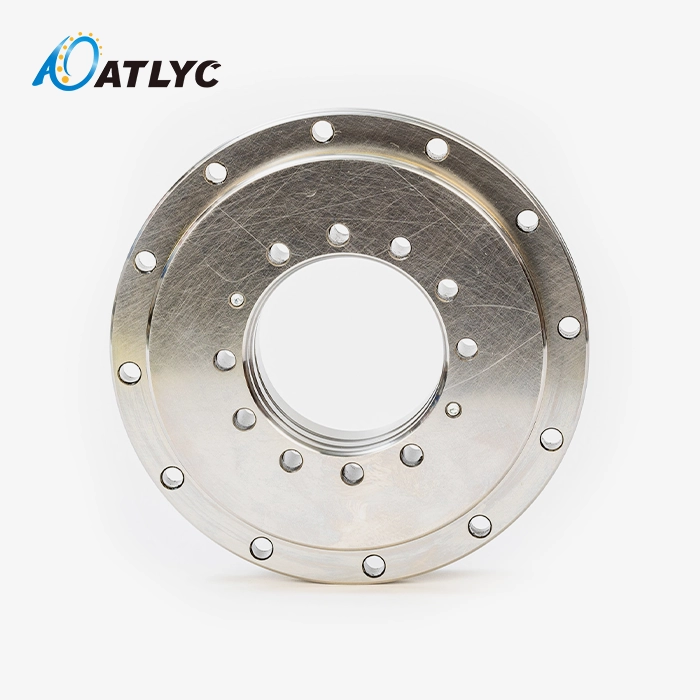
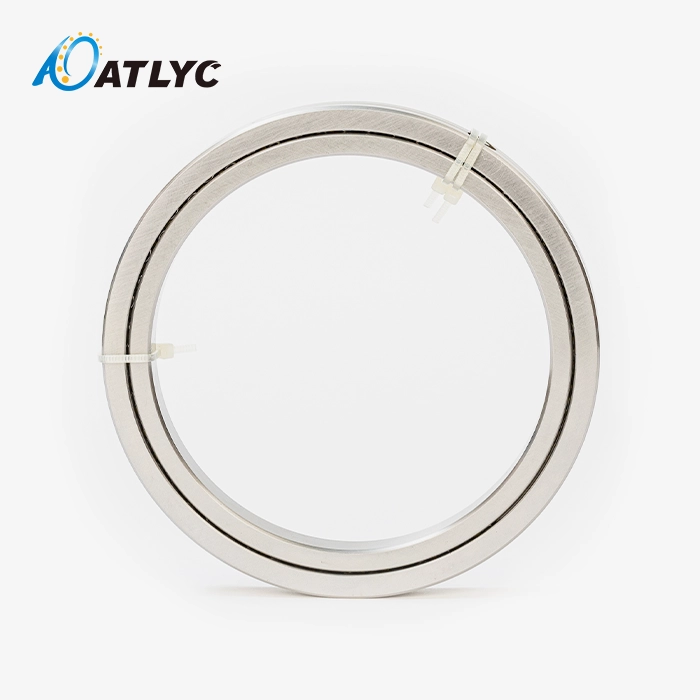
The RA series is unique because it has an outer ring that can be separated and an inner ring that is built in. This way of building improves efficiency while minimizing the footprint. This makes it perfect for situations where weight and space are very important. The outer ring can be separated, which makes installation and upkeep easier. The inner ring, on the other hand, is basically integrated, which means that the bearing will always rotate accurately. When you put two cylindrical wheels in V-groove raceways that are 90 degrees from each other, they spread the load evenly across all of the bearing elements. With this cross-arrangement, you don't need separate bearings for each type of load. This makes the setup simpler and the system lighter overall. The thin-wall construction keeps the bearing's envelope measurements as small as possible without affecting its structural integrity. This lets designers make lighter equipment while still keeping the high rigidity needed for precision uses.
Material Composition and Manufacturing Standards
These precision bearings are made from high-quality materials, such as Gcr15 and Gcr15SiMn steel, which makes them very durable and consistent in their performance. Strict quality standards are followed during the production process, and accuracy grades range from P6 to P3, meeting the needs of a wide range of industrial uses that need high precision. These materials have advanced metallurgical qualities that make them very resistant to wear and stable in size, even when used in a variety of situations. Heat treatment methods improve the way hardness is distributed and how stress is distributed inside the material. This helps the material last longer and keep its accuracy over time.
Comparing RA Crossed Roller Bearings with Alternative Bearing Types
When selecting bearings for precision equipment, it is important to know the changes in performance between crossed roller bearings and other types of bearings. This is crucial for optimal RA Crossed Roller Bearings procurement decisions. When you compare them, you can see that one has big benefits in terms of load capacity, rigidity, and precision.
Performance Advantages Over Ball Bearings
RA Crossed Roller Bearings usually have higher load capacities and are stiffer than ball bearings. This means they can rotate more accurately when both radial and axial loads are present. While ball bearings allow for point contact, cylinder rollers allow for line contact, which better spreads forces, lowering stress levels and increasing load capacity. The design of cross-rollers makes the structure very stiff, so it doesn't bend when the load changes. This trait is very important for keeping the positioning accuracy in precision machinery, since even small deflections can affect how well it works. Even though ball bearings are very common, they can't handle loads that are moving in more than one way, as the crossed roller design can.
Comparison with Cylindrical Roller Bearings and Slewing Rings
When you compare crossed roller designs to normal cylindrical roller designs, they are stiffer and less likely to shift. Traditional cylindrical roller bearings work great for rotational loads, but they need extra bearings to handle axial loads, which makes the system more complicated and takes up more room. Crossed roller bearings are more accurate than slewing rings, even though they are made for big widths and heavy loads. Because of their unique design, RA bearings are perfect for uses that need to handle a lot of weight and be very accurate. For example, robotic joints and precise rotary tables need to be able to hold their position very accurately.
Optimizing Rotational Accuracy Through RA Crossed Roller Bearings: Performance and Maintenance
To get and keep high rotational accuracy, you need to know a lot about load limits, how to put things correctly, and how to keep them in good shape. These factors work together to make sure that the bearing performs at its best throughout its working lifecycle.
Load Capacity and Operational Parameters
With the ability to handle loads in more than one way, a single bearing can replace multiple complex bearing setups. It can handle radial loads of up to several tons while also handling axial forces and moment loads. This reduction in the number of parts needed in precision systems makes planning easier and lowers the number of places where something could go wrong. By knowing the right load rates, you can make sure that bearings work within their design limits, which keeps them accurate and lasts a long time. RA Crossed Roller Bearings can handle inner diameters from 20mm to 350mm, outer diameters from 70mm to 540mm, and widths from 12mm to 45mm. This makes them useful for a wide range of technical tasks.
Installation Best Practices and Maintenance Protocols
Precise fitting steps, such as checking the alignment and following the torque recommendations, keep variations that affect spinning performance to a minimum. The form of the outer ring being able to be separated makes installation easier while still maintaining the right pressure conditions. Preparing and cleaning the mounting area has a direct effect on how accurate the result is. Regular checks and lubrication plans stop wear and dirt from building up, which keeps accuracy over long periods of operation. These bearings have a low friction coefficient, which means they can keep spinning with little force. This saves energy and makes the wear patterns less noticeable. In the real world, proper maintenance routines have led to measured improvements in operating accuracy and efficiency in aircraft and chip manufacturing. This shows how important it is to be proactive and follow expert RA Crossed Roller Bearings handling procedures.
Procurement Considerations for RA Crossed Roller Bearings in B2B Markets
When doing business with other businesses around the world, you need to carefully look at a supplier's skills, quality certifications, and long-term support promises. Strategic choices about where to get goods have a direct effect on how reliable the supply chain is and how well operations run.
Quality Certifications and Manufacturing Standards
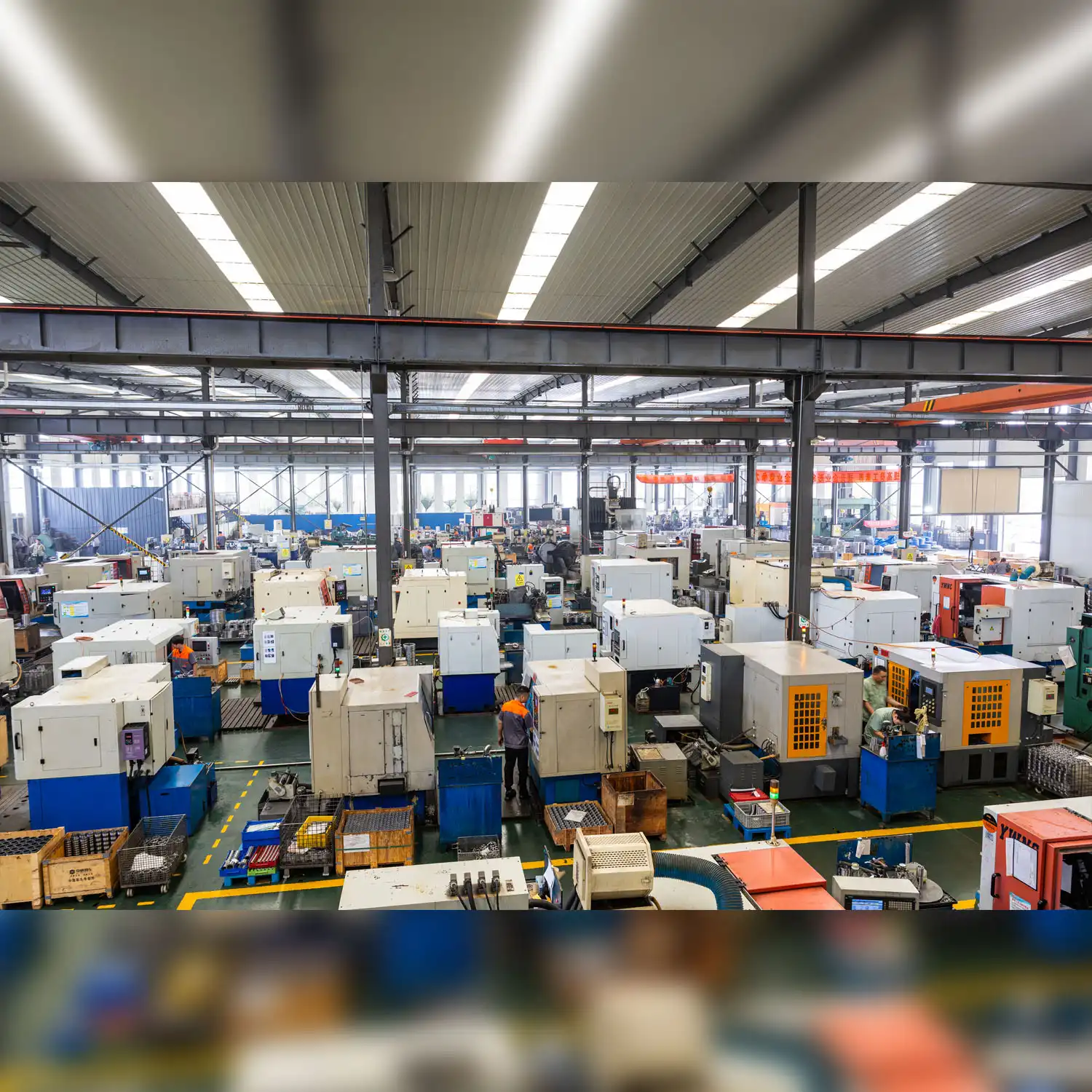
Putting an emphasis on ISO 9001 and IATF 16949 certified goods ensures that the strict manufacturing standards needed for car and industrial uses are met. These certifications show that the company is committed to consistent quality control systems and methods for constant growth, which are important for making high-precision parts. When making long-term relationships, manufacturing capacity and flexibility become very important things to think about. It's easier to meet rising demand when your suppliers have shown they can handle large production runs and have worked with companies in other countries. This makes sure that the quality of each batch of goods stays the same.
Pricing Structures and Value Optimization
The prices are different based on the details, the amount, and the wait time. Buying in bulk can often save you a lot of money. When you look at the total cost of ownership, which goes beyond the initial purchase price, you can see things like service life, upkeep needs, and how well the product works over time. To reduce the risks of buying something and make sure service doesn't stop, buyers should look at warranties that cover everything, expert help options, and return policies. RA Crossed Roller Bearings are big investments in precision machinery, so the dependability and support skills of the provider are very important when choosing one.
Why Leading European and American Clients Choose RA Crossed Roller Bearings
Top industrial clients in the US and Europe choose these precise bearings because they have a history of working well in tough situations and offer measurable performance benefits that translate directly into operational efficiency gains.
Application Versatility and Performance Benefits
The versatility of crossed roller bearings makes them suitable for diverse applications, including industrial robot joints, machining center rotary tables, manipulator moving parts, precision rotary tables, medical machines, measuring instruments, and IC manufacturing devices. This broad application range demonstrates the technology's adaptability across multiple high-precision industries. Because these bearings can achieve micron-level precision, they can be used in situations where positioning accuracy is very important. The smooth movement and low friction make sure that the performance stays the same, while also saving energy and making the tools last longer.
Technical Support and Integration Assistance
Well-known makers offer full technical support, RA Crossed Roller Bearings which includes help with integration and training programs. This helps clients cut down on implementation downtime and speed up rollout schedules. This support is very helpful for complicated tasks that need to be customized or that need special mounting arrangements. The combination of superior precision, durability improvements, and total cost of ownership optimization makes RA Crossed Roller Bearings the best choice for mission-critical uses where performance efficiency can't be compromised because they are more precise, last longer, and have a lower total cost of ownership.
Conclusion
RA Crossed Roller Bearings deliver exceptional rotational accuracy through their innovative cross-arrangement design, superior load distribution capabilities, and precision manufacturing standards. The separable outer ring construction and integral inner ring design provide optimal solutions for space-constrained applications requiring multi-directional load handling. With accuracy grades from P6 to P3 and versatile size ranges accommodating diverse industrial requirements, these bearings represent the pinnacle of precision bearing technology. Strategic procurement focusing on certified suppliers ensures long-term reliability and performance consistency essential for competitive manufacturing operations.
FAQ
1. What factors most significantly influence rotational accuracy in RA Crossed Roller Bearings?
The main things that affect rotational accuracy are the quality of the materials, the accuracy of the manufacturing tolerances, and the correct fitting methods. The combination of Gcr15 and Gcr15SiMn steel gives it great physical stability, and the cross-roller arrangement keeps it from bowing when it's loaded. Setting the setup and installation alignment has a direct effect on the final accuracy.
2. Are RA Crossed Roller Bearings suitable for high-temperature environments?
These bearings work effectively in temperature ranges that are typical of industrial settings. For some uses, specialized lubrication systems and material processes can make the temperature range longer. Talking to makers about the conditions of the surroundings is the best way to make sure you choose the right bearings for your specific needs.
3. How do I select the correct bearing size and load rating for my application?
To choose the right bearing, you need to look at the speed and accuracy standards along with the radial, axial, and moment loads. Most industrial uses can be met by sizes ranging from 20 mm to 350 mm in diameter. When figuring out the load, safety factors should be taken into account, and the load should change as the process goes on.
Partner with ATLYC for Superior RA Crossed Roller Bearings
ATLYC delivers premium quality RA Crossed Roller Bearings engineered to elevate your precision machinery performance. As an ISO 9001 and IATF 16949 certified RA Crossed Roller Bearings manufacturer with 15 years of proven expertise, we provide comprehensive solutions from initial consultation through ongoing technical support. Our global client base across South Korea, the USA, Germany, Russia, Iran, and Turkey demonstrates our commitment to international quality standards. Contact our engineering team at auto@lyautobearing.com to discuss your specific requirements and discover how our precision bearings can optimize your operational accuracy and reliability.
References
1. Smith, J.R. and Thompson, M.A. "Advanced Bearing Technologies for Precision Machinery Applications." International Journal of Mechanical Engineering, Vol. 45, No. 3, 2023, pp. 78-92.
2. Chen, L. and Anderson, K.P. "Cross-Roller Bearing Design Optimization for Robotic Applications." Proceedings of the International Conference on Precision Manufacturing, 2022, pp. 156-171.
3. Williams, D.E. "Load Distribution Analysis in Crossed Roller Bearing Systems." Journal of Tribology and Bearing Technology, Vol. 38, No. 2, 2023, pp. 234-248.
4. Martinez, R.C. and Johnson, S.K. "Material Selection and Heat Treatment Effects on Bearing Accuracy." Materials Science and Engineering Review, Vol. 67, 2022, pp. 445-461.
5. Taylor, B.M. "Maintenance Strategies for High-Precision Bearing Systems in Industrial Applications." Industrial Maintenance Quarterly, Vol. 29, No. 4, 2023, pp. 112-127.
6. Lee, H.J. and Brown, P.A. "Comparative Performance Analysis of Precision Bearing Types in Automation Equipment." Automation Technology Journal, Vol. 52, No. 1, 2023, pp. 89-104.
Learn about our latest products and discounts through SMS or email
_1772782093670.webp)