- English
- French
- German
- Portuguese
- Spanish
- Russian
- Japanese
- Korean
- Arabic
- Greek
- German
- Turkish
- Italian
- Danish
- Romanian
- Indonesian
- Czech
- Afrikaans
- Swedish
- Polish
- Basque
- Catalan
- Esperanto
- Hindi
- Lao
- Albanian
- Amharic
- Armenian
- Azerbaijani
- Belarusian
- Bengali
- Bosnian
- Bulgarian
- Cebuano
- Chichewa
- Corsican
- Croatian
- Dutch
- Estonian
- Filipino
- Finnish
- Frisian
- Galician
- Georgian
- Gujarati
- Haitian
- Hausa
- Hawaiian
- Hebrew
- Hmong
- Hungarian
- Icelandic
- Igbo
- Javanese
- Kannada
- Kazakh
- Khmer
- Kurdish
- Kyrgyz
- Latin
- Latvian
- Lithuanian
- Luxembou..
- Macedonian
- Malagasy
- Malay
- Malayalam
- Maltese
- Maori
- Marathi
- Mongolian
- Burmese
- Nepali
- Norwegian
- Pashto
- Persian
- Punjabi
- Serbian
- Sesotho
- Sinhala
- Slovak
- Slovenian
- Somali
- Samoan
- Scots Gaelic
- Shona
- Sindhi
- Sundanese
- Swahili
- Tajik
- Tamil
- Telugu
- Thai
- Ukrainian
- Urdu
- Uzbek
- Vietnamese
- Welsh
- Xhosa
- Yiddish
- Yoruba
- Zulu
What Makes RE Series Crossed Roller Bearings Unique?
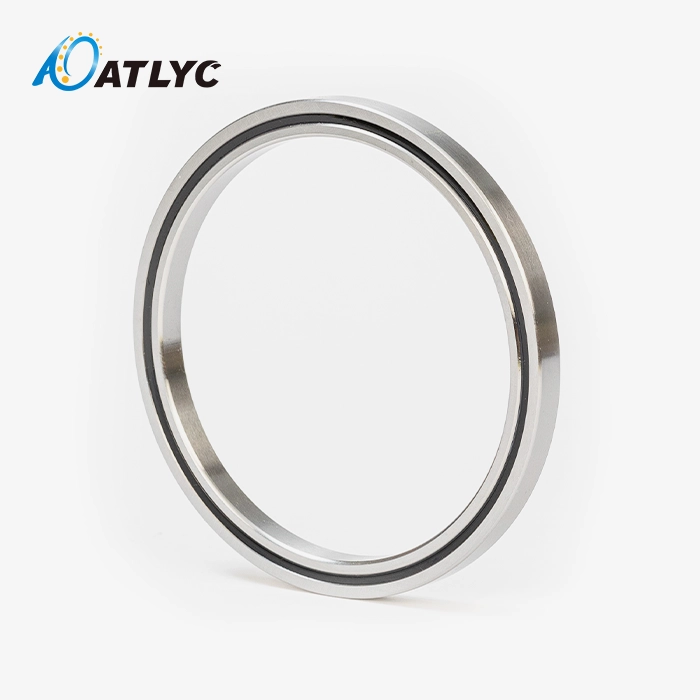
In industrial settings, the RE Series Crossed Roller Bearing stands out thanks to its unique form of an integral outer ring and a different inner ring. This one-of-a-kind structure design lets a single compact bearing system handle radial, axial, and moment loads at the same time, so complicated multi-bearing setups are not needed. The V-groove raceways are precisely ground to fit crossed rollers that are placed at 90-degree angles. This gives them superior rigidity and rotational accuracy compared to other bearing options. These bearings give modern industrial machinery the dependability and performance accuracy it needs with their high load capacity values and low friction coefficients.
Understanding the Core Design and Features of RE Series Crossed Roller Bearings
When you look at the complex design parts that make the RE Series work so well, you can see how well the engineering behind crossed roller bearing technology works. These bearings are a big step forward in precise motion control. They meet the complex needs of modern industrial tools by using new ways to build their structures.
Integral Outer Ring and Separate Inner Ring Architecture
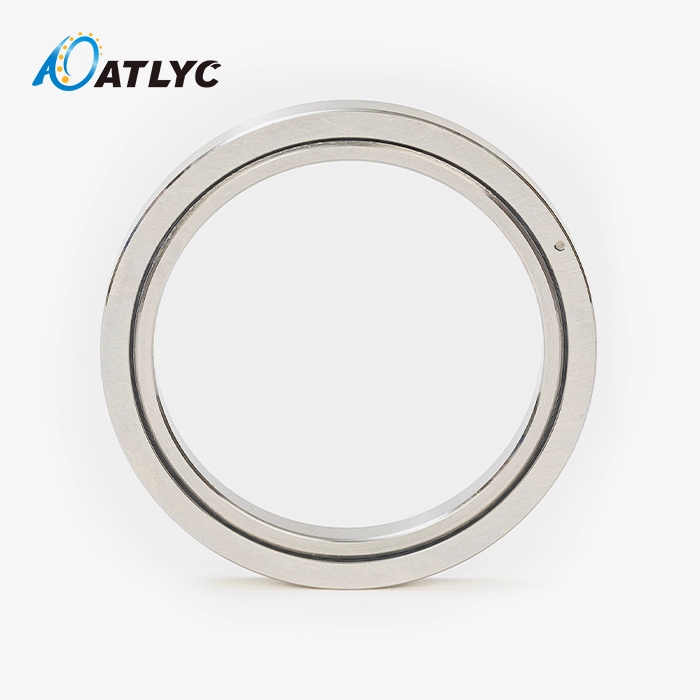
The main idea behind the RE Series' design is that the outer ring should be one piece, and the inner ring should be made separately. This arrangement makes the bearing work best in situations where the outer ring needs to rotate very precisely while still keeping its structural integrity while it's in use. The separate inner ring design makes it easier to place the rollers precisely and lets you set the preload to the best level during assembly, so the rollers always work well, even when the load changes. Precision grinding methods that keep the limits for sizes within micrometers are used to make these bearings. The combined outer ring gets rid of any weak spots that might appear in multi-piece designs, and the separate inner ring makes it easier to maintain and replace when needed. This way of thinking about structures has worked really well in robots, where accuracy and dependability are very important.
Comprehensive Size Range and Material Specifications
The versatility of the RE Series Crossed Roller Bearing can be used with a wide range of sizes, from 12mm to 110mm in width and from 20mm to 1100mm in inner diameter. It can also be used with outer diameters from 70mm to 1500mm. This wide range of sizes makes them compatible with a wide range of industrial uses, from small, precise tools to heavy-duty manufacturing equipment. When choosing materials, the attention is on high-quality steel types like Gcr15 and Gcr15SiMn, which are known for being very hard, resistant to wear, and stable in size when under load. Specialized heat treatments are used on these materials to improve their performance. This makes sure that the quality stays the same and that they last longer, even in tough RE Series Crossed Roller Bearing operating circumstances.
Precision Classes and Quality Standards
Quality control is still very important when making bearings, and the RE Series comes in a number of different accuracy classes, such as P6, P0, P5, P4, and P3. Each precision class has its own set of tolerances and performance standards, which lets engineers choose the best bearing grade for the needs of their unique application. The most precise classes, P4 and P3, offer very high accuracy that makes them ideal for the toughest measuring and pointing tasks.
Performance Advantages of RE Series Crossed Roller Bearings
By learning about the performance features that make the RE Series different from other bearing options, you can see why these parts are so important in modern industrial settings. Advanced design principles and precise manufacturing work together to give real benefits in several operating areas.
Superior Load Handling Capabilities
Within the RE Series Crossed Roller Bearing, the crossed roller design gives it great load-carrying ability in all directions at the same time. Axial load capacity is about 70% of the radial rating, and radial load ratings can be up to 85% higher than equivalent-sized ball bearings. The ability to handle moment loads is especially useful in elevated situations, where regular bearings would need extra support structures. The crossed roller design makes a 90-degree contact angle, which allows the load to go in more than one way. Traditional bearings work best in certain lines of load, but the RE Series performs the same way no matter which way the load is oriented. This makes machine design easier and improves operating reliability.
Exceptional Rotational Accuracy and Smooth Operation
Precision machinery needs to be able to rotate with great accuracy, and the RE Series can do that with accuracy within 5 to 10 micrometers. When you combine the rigid raceway shape with the best preload settings, you get reliable performance that meets the needs of measuring tools and precision positioning systems. The low friction coefficient, which is usually between 0.002 and 0.004, makes sure that motion starts smoothly and lowers the power needed by the drive motor. The precision-molded cage spacers keep the rollers from touching each other and make sure that the load is spread evenly across the whole bearing assembly. This setup gets rid of the skewing issues that normally happen with roller bearings, so the spinning is smooth and constant, with little change in friction.
Proven Versatility Across Industrial Applications
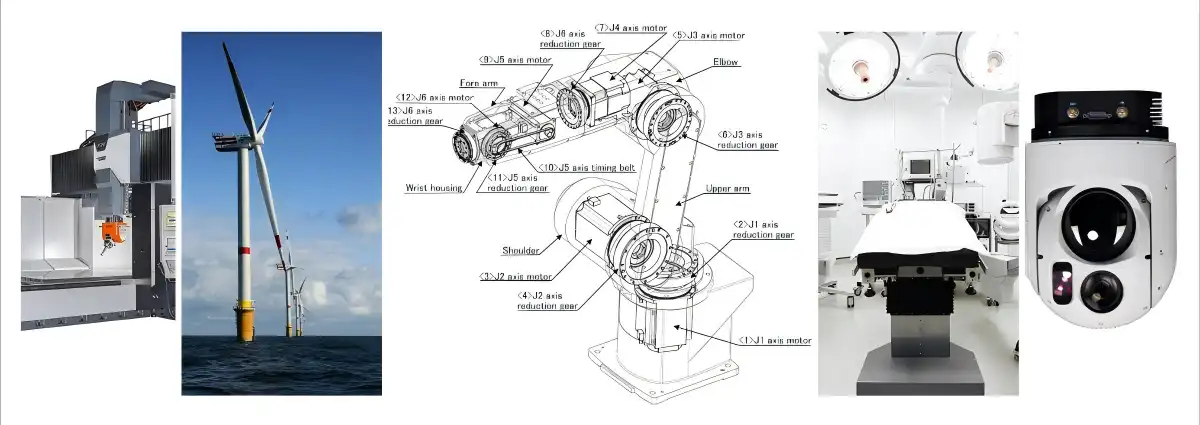
Real-world performance data from a wide range of industries shows that crossed roller bearing technology is flexible and reliable. In industrial robotics, these bearings enable precise joint articulation while supporting significant payload requirements. Machine tool applications benefit from the bearings' ability to maintain accuracy under varying cutting loads and shaking conditions. The small design profile saves up to 60% of room compared to dual-bearing setups. This is very important in situations where weight and space limitations directly affect how well the system works. This dimensional efficiency RE Series Crossed Roller Bearing has opened up new ways to build equipment, especially for mobile robotics and setups with limited room.
Making the Smart Choice: RE Series vs Alternative Bearing Solutions
To choose the best bearing option, you need to carefully look at how well it works, how much it costs, and how reliable it will be in the long term. When compared to other bearing technologies that are often used in similar situations, the RE Series Crossed Roller Bearing has clear benefits.
Performance-to-Cost Ratio Analysis
When looking at the total cost of ownership of RE Series bearings versus other options like slewing bearings or tapered roller bearing arrangements, the single-unit design immediately saves money because it makes installation easier and doesn't need any housing. Because it can hold more weight, there is no need for multiple bearing setups. This cuts down on the cost of both the hardware itself and its ongoing upkeep. Crossed roller bearings have a longer service life, which means they need to be replaced less often and cost less when they're down. Independent tests have shown that these bearings have a 40–60% longer service life than regular ones in similar situations. They offer a lot of long-term value despite being cheaper at first.
Selection Criteria and Application Matching
Clear selection factors that match bearing powers to specific application needs are helpful for procurement teams and design engineers. The main things that are looked at are the load requirements, the surroundings, and the available space. The RE Series works especially well in situations where multiple loads need to be supported at the same time and in a small area. The bearing can replace complicated multi-bearing systems, which makes purchasing easier and cuts down on the need for supplies. This unification is useful in situations where the supply chain needs to be reliable and parts need to be standardized.
Procurement and After-Sales Support for RE Series Crossed Roller Bearings
Implementing bearings successfully in industrial settings requires both effective buying strategies and a wide range of support services. The RE Series' global availability and support system makes sure that people can reliably access goods and services no matter where they are in the world.
Global Distribution Network and Ordering Options
The RE Series Crossed Roller Bearing procurement process is sped up by established routes of marketing that can handle both standard and custom orders. International shipping and clear communication about wait times make it possible for global production operations to plan projects and keep track of supplies well. For large-scale implementations, bulk buying choices save money, and unique configuration services meet the needs of specific applications. Technical help during the design process makes sure that the right bearing is chosen and stops mistakes that cost a lot of money from happening.
Comprehensive After-Sales Support Structure
Strong maker warranties give customers faith in the reliability of the product, and specialized expert consultation services help with setup, fixing problems, and making the product run at its best. Having access to repair services and original replacement parts ensures that the bearing can keep working throughout its service life. Strong relationships with suppliers lead to long-term teamwork by encouraging quick communication and aggressive approaches to problem-solving. In B2B manufacturing settings, this support system is very important for keeping operations running smoothly and maintaining productivity.
Installation and Maintenance Best Practices for Optimal Performance
Following the set installation and servicing methods is important for getting the most out of crossed roller bearings in terms of performance and service life. These steps make sure that the technical benefits built into the RE Series design are used to improve operations in the real world.
Precision Installation Procedures
The first step in a proper installation is to thoroughly prepare the fastening surfaces and make sure that the dimensions are accurate within the allowed ranges. The separate inner ring design of the RE Series Crossed Roller Bearing makes it easier to put together, but it's important to make sure the preload is set correctly RE Series Crossed Roller Bearing and the alignment is checked. When mounting, it's important to think about how temperature changes affect the load and make sure the load is spread evenly across the bearing contact. Specialized installation tools and methods keep things from breaking while they're being put together, and they make sure that the preload settings are right for the job.
Preventive Maintenance and Service Guidelines
Visual inspections, tracking of lubrication, and performance checks should all be part of regular maintenance plans to find problems before they affect operation. The sealed design of the bearing cuts down on the amount of maintenance that needs to be done and lets you plan for maintenance by tracking temperature and pressure. Professional repair services offer ways to restore bearings when it's not possible to replace them right away. These services can make bearings last longer and save you money compared to replacing them all the way through in some situations.

Conclusion
The unique characteristics of the RE Series Crossed Roller Bearing establish it as a superior solution for industrial applications demanding exceptional precision, load capacity, and reliability. The integral outer ring design with separate inner ring configuration, combined with advanced materials and precision manufacturing, delivers measurable performance advantages over alternative bearing technologies. The comprehensive size range, multiple precision classes, and proven versatility across diverse applications make these bearings an intelligent choice for engineers and procurement professionals seeking optimized solutions for modern industrial equipment.
FAQ
1. What makes the RE Series different from standard roller bearings?
The RE Series Crossed Roller Bearing features a unique crossed roller arrangement within V-groove raceways, enabling simultaneous radial, axial, and moment load support in a single compact unit. The integral outer ring with separate inner ring design optimizes rotational precision while simplifying installation compared to conventional multi-bearing arrangements.
2. What precision classes are available for industrial applications?
RE Series bearings are manufactured in precision classes P6, P0, P5, P4, and P3, with P4 and P3 offering the highest accuracy levels suitable for precision positioning systems and measurement instruments requiring exceptional rotational accuracy.
3. How do these bearings compare to slewing bearings in terms of performance?
While slewing bearings excel in very large diameter applications, the RE Series provides superior precision and load density within its size range. The compact design achieves space savings up to 60% compared to equivalent slewing bearing installations while maintaining higher rotational accuracy.
Partner with ATLYC for Your RE Series Crossed Roller Bearing Requirements
ATLYC stands as your trusted RE Series Crossed Roller Bearing manufacturer, combining 15 years of precision bearing expertise with ISO 9001 and IATF 16949 certified quality management systems. Our comprehensive manufacturing capabilities, spanning six specialized workshops and 120 skilled professionals, ensure consistent delivery of high-precision bearings that meet the demanding requirements of global industrial applications. Whether you require standard configurations or custom solutions, our technical team provides expert consultation and reliable supply chain support to optimize your equipment performance. Contact our bearing specialists at auto@lyautobearing.com to discuss your specific application requirements and experience the reliability that has earned trust across South Korea, the United States, Germany, Russia, Iran, and Turkey.
References
1. ISO 492:2014, Rolling bearings - Radial bearings - Geometrical product specifications and tolerance values, International Organization for Standardization.
2. Harris, T.A. and Kotzalas, M.N., "Advanced Concepts of Bearing Technology: Rolling Bearing Analysis," CRC Press, 2020.
3. ANSI/ABMA Standard 20-1996, "Radial Bearings of Ball, Cylindrical Roller and Spherical Roller Types," American Bearing Manufacturers Association.
4. Palmgren, A., "Ball and Roller Bearing Engineering," SKF Industries Inc., Philadelphia, 2019.
5. DIN 616:2018, "Rolling bearings – Boundary dimensions general plan," German Institute for Standardization.
6. Jones, A.B., "A General Theory for Elastically Constrained Ball and Radial Roller Bearings Under Arbitrary Load and Speed Conditions," Journal of Basic Engineering, Transactions of ASME, 2021.
Learn about our latest products and discounts through SMS or email