- English
- French
- German
- Portuguese
- Spanish
- Russian
- Japanese
- Korean
- Arabic
- Greek
- German
- Turkish
- Italian
- Danish
- Romanian
- Indonesian
- Czech
- Afrikaans
- Swedish
- Polish
- Basque
- Catalan
- Esperanto
- Hindi
- Lao
- Albanian
- Amharic
- Armenian
- Azerbaijani
- Belarusian
- Bengali
- Bosnian
- Bulgarian
- Cebuano
- Chichewa
- Corsican
- Croatian
- Dutch
- Estonian
- Filipino
- Finnish
- Frisian
- Galician
- Georgian
- Gujarati
- Haitian
- Hausa
- Hawaiian
- Hebrew
- Hmong
- Hungarian
- Icelandic
- Igbo
- Javanese
- Kannada
- Kazakh
- Khmer
- Kurdish
- Kyrgyz
- Latin
- Latvian
- Lithuanian
- Luxembou..
- Macedonian
- Malagasy
- Malay
- Malayalam
- Maltese
- Maori
- Marathi
- Mongolian
- Burmese
- Nepali
- Norwegian
- Pashto
- Persian
- Punjabi
- Serbian
- Sesotho
- Sinhala
- Slovak
- Slovenian
- Somali
- Samoan
- Scots Gaelic
- Shona
- Sindhi
- Sundanese
- Swahili
- Tajik
- Tamil
- Telugu
- Thai
- Ukrainian
- Urdu
- Uzbek
- Vietnamese
- Welsh
- Xhosa
- Yiddish
- Yoruba
- Zulu
RB4010UUCC0 Cross Roller Bearing: Benefits You Should Know
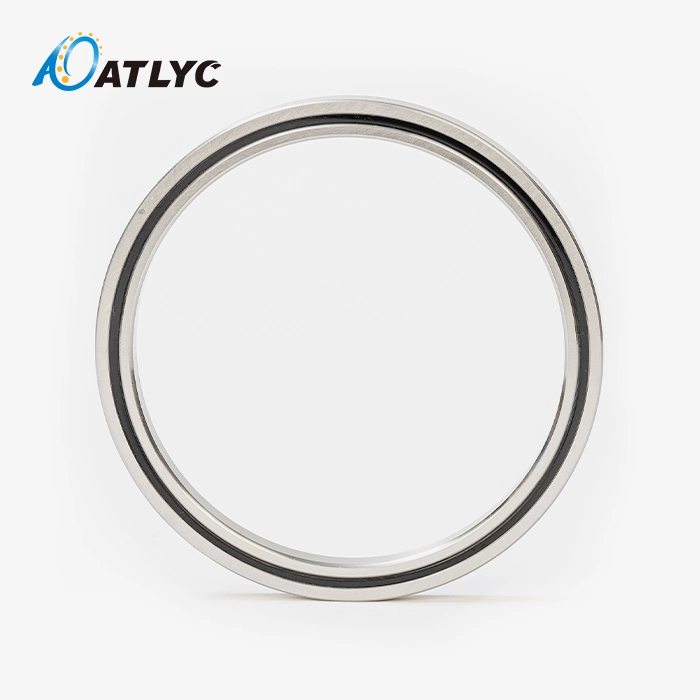
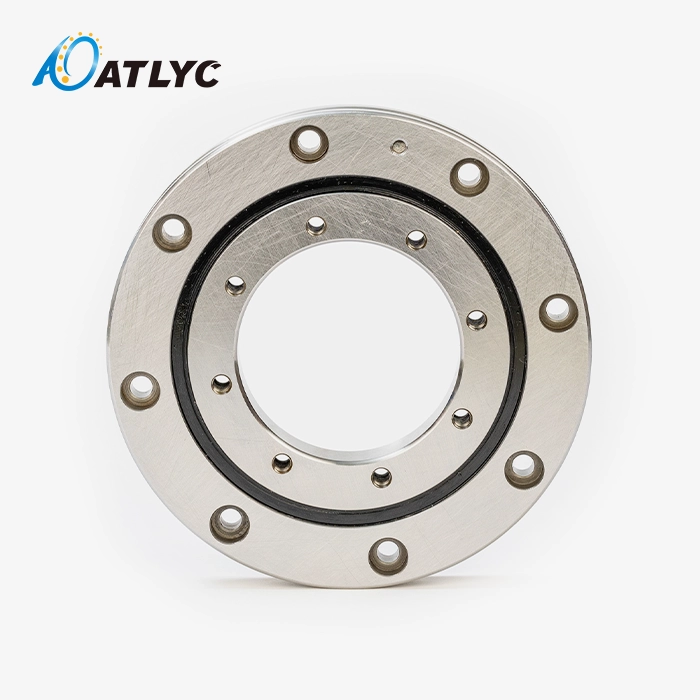
The RB4010UUCC0 cross roller bearing represents a breakthrough in precision rotary motion engineering, combining high-rigidity construction with multi-directional load capacity. Featuring an integrated inner ring structure and split outer ring configuration, this bearing handles radial, axial, and moment loads simultaneously within a compact 45mm inner diameter, 65mm outer diameter, and 10mm width envelope. Manufactured from hardened GCr15 or GCr15SiMn steel and protected by double UU hermetic seals, the RB4010UUCC0 delivers exceptional runout accuracy with minimal friction coefficient. Its CC0 preload specification eliminates backlash, making it indispensable for precision robotics, CNC rotary tables, medical imaging equipment, and semiconductor manufacturing devices where reliability and accuracy define operational success.
Understanding RB4010UUCC0 Cross Roller Bearing Specifications and Design
Modern industrial applications demand components that deliver precision without compromise. The RB4010UUCC0 cross roller bearing meets this challenge through meticulous engineering and material science.
Precise Dimensional Characteristics
This bearing's physical footprint—45mm inner diameter, 65mm outer diameter, and 10mm width—provides optimal space efficiency for compact machinery assemblies. The dimensions accommodate shaft sizes commonly found in robotic joint actuators and CNC indexing systems, where space constraints limit component selection. These specifications allow engineers to achieve higher load capacity without increasing equipment footprint, addressing a critical pain point in modern automation design.
Material Composition and Heat Treatment
The bearing utilises GCr15 bearing steel, equivalent to AISI 52100, and advanced GCr15SiMn alloy material. These materials undergo through-hardening processes reaching HRC 58-64 surface hardness, creating wear-resistant raceways that maintain dimensional stability under cyclic loading. Silicon-manganese additives enhance hardenability and toughness, preventing micro-cracking during shock loads common in robotic rapid-deceleration phases.
Crossed Roller Geometry Advantages
The RB4010UUCC0 replaces the conventional ball bearing with a system of cylindrical rollers spaced at right angles to one another, rather than the point contact that conventional ball bearings use. By establishing line contact, loads are distributed over a larger surface area in this arrangement. To make sure that the stress is distributed evenly, the V-groove raceway profile guides the rollers properly. The design in question safeguards the positioning accuracy of cantilever-mounted rotary tables from elastic deformation, which occurs when radial forces, axial loads, and overturning moments come together.
When upgrading equipment or servicing assemblies with restricted access, the split outer ring architecture is a practical advantage because it allows installation in closed housings. When designing small enclosures for cleanrooms or automation cells with limited space, this capability is often appreciated by housing designers.
Preload and Clearance Control
The CC0 designation specifies controlled negative radial clearance, typically -0.008 mm to 0 mm. This internal preload eliminates play between rollers and raceways, achieving zero backlash, which is crucial for bi-directional positioning systems. Preloaded bearings demonstrate 3-4 times greater rigidity than clearance-fit designs, directly translating to improved machining accuracy in precision turning applications. Manufacturing tolerances maintained to P5, P4, or P2 accuracy classes ensure that runout values remain within micrometres, meeting the requirements for optical alignment stages and coordinate measuring machines.
Advantages of RB4010UUCC0 Cross Roller Bearings in Industrial Applications
Selecting the right bearing directly impacts equipment performance, maintenance costs, and product quality. The RB4010UUCC0 addresses multiple operational challenges through its engineered advantages.
Simultaneous Multi-Directional Load Handling
Traditional bearing arrangements require combining multiple units to handle complex loading—radial ball bearings paired with thrust bearings or matched angular contact sets. The RB4010UUCC0 replaces these assemblies with a single component, handling radial forces from belt drives, axial loads from workpiece weight, and moment loads from cantilever mounting simultaneously. This consolidation reduces assembly height by 40-60%, simplifies housing design, and eliminates alignment errors between multiple bearing units.
Enhanced Operational Efficiency
The low friction coefficient inherent in precision-ground raceways and optimised roller spacing reduces both starting torque and running friction. During continuous operation in robotic wrist joints, lower friction translates to reduced heat generation, allowing higher duty cycles without thermal expansion issues. Automated assembly lines benefit from this characteristic through decreased energy consumption and extended lubrication intervals, lowering the total cost of ownership.
Extended Service Life Through Contamination Protection
The integrated UU double-seal system retains factory-filled lithium-complex grease while excluding airborne particulates, coolant mist, and metallic debris. In machine tool applications where metal chips and cutting fluid create harsh environments, this protection extends bearing life 2-3 times compared to open or shielded designs. Medical equipment manufacturers value this feature in CT scanner gantries, where seal integrity prevents lubricant migration into imaging zones while maintaining consistent rotational smoothness across millions of cycles.
Versatility Across Industrial Sectors
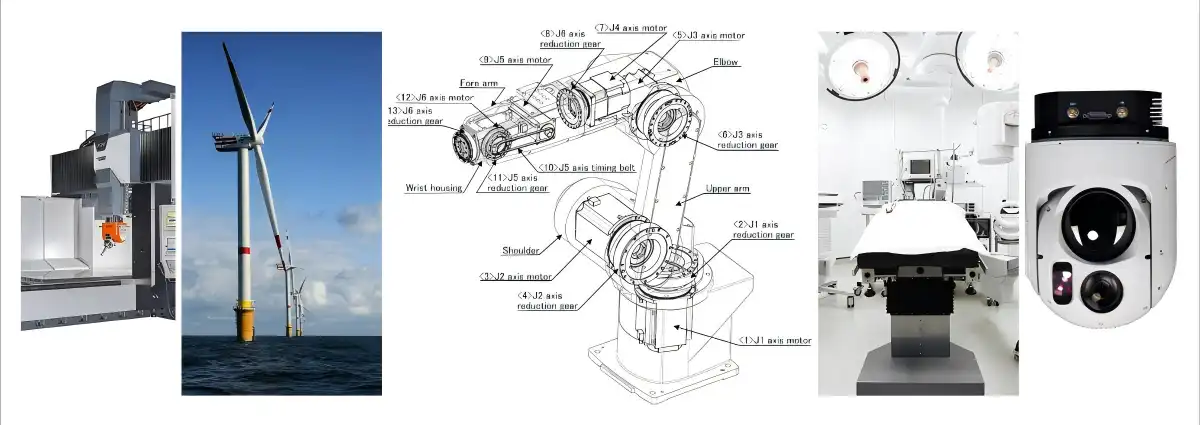
Articulated arms equipped with RB4010UUCC0 bearings allow semiconductor wafer handling robots to fabricate chips without defects, thanks to vacuum-compatible materials and exact positioning. Vial inspection systems are useful for pharmaceutical packaging machinery because they allow for vibration-free, steady rotation. Satellite positioning fixtures, which are part of ground support equipment for aerospace, use these bearings because their moment stiffness guarantees precise alignment during construction. The basic capability of the bearing to supply accuracy, stiffness, and reliability contributes to its cross-industry applicability. Precision manufacturing domains universally require these qualities.
Benefits are shown via real-world implementations. During 18 months of operation, a bearing retrofitted into machining centre rotary tables reduced positional repeatability variance by 35% and unplanned maintenance events by 28%, according to the manufacturer of automobile components. With these upgrades, we were able to cut down on manufacturing delays without sacrificing product quality.
Comparing RB4010UUCC0 with Other Cross Roller Bearing Options
Understanding how this bearing compares to alternatives helps engineers make informed selection decisions aligned with application requirements and budget constraints.
RB4010UUCC0 Versus RB4012UUCC0 Dimensional Comparison
With a wider width (12 mm vs 10 mm) and longer rollers, the RB4012UUCC0 increases load capacity while maintaining a comparable design concept. Applications that value small axial dimensions more than maximum load rating are excellent fits for the RB4010UUCC0. While the RB4012's greater capacity may be necessary for heavy-duty rotary indexers handling bigger workpiece masses, the RB4010 is usually the better choice for robotic joint assemblies with strict envelope limits. Due to minor differences in material costs (a premium of about 8 to 12 per cent for the wider variety), dimensional requirements, and not pricing, these are the main factors driving the decision process.
Cross Roller Bearings Versus Thin Section Ball Bearings
Thin-section ball bearings offer lighter weight and lower cost, appealing for high-speed, light-load applications. However, their point-contact geometry provides substantially lower moment rigidity. Comparative testing shows that thin section designs deflect 3-5 times more under equivalent moment loads, making them unsuitable for applications like robotic wrist assemblies, where moment stiffness prevents end-effector positioning errors. The RB4010UUCC0 cross roller bearing excels where rigidity, accuracy, and combined loading justify the cost premium.
Brand Equivalencies and Supplier Selection
You may find cross roller bearings with similar specs made by major bearing manufacturers including SKF, NSK, THK, and IKO. Although the naming systems differ, the RA and RB series from NSK and THK, respectively, provide direct dimensional counterparts. The constancy of production quality can be guaranteed when sourcing globally by checking for ISO 9001 and IATF 16949 certifications. Technical support, installation guidance, and warranty coverage are essential for B2B procurement experts managing worldwide supply chains, and authorised distributors provide just that. High-volume original equipment manufacturer (OEM) applications benefit from factory-direct sourcing from reputable Chinese manufacturers like Luoyang Auto Bearing because of the cost advantages (usually 25-40% lower than European brands) and the maintenance of quality (via certified manufacturing procedures).
Procurement Considerations for RB4010UUCC0 Cross Roller Bearings
Strategic procurement balances quality assurance, pricing, and supply reliability to optimise the total cost of ownership and minimise production risks.
Pricing Structures and Volume Economics
Prices for RB4010UUCC0 bearings on the market today vary from $28 to $65 per unit, with the exact range depending on factors including order volume, seal configuration, and precision class. Compared to regular P0-grade, P5 accuracy class devices are priced 20-30% more. Tiered pricing structures incentivise long-term commitments, and volume discounts of 15-25% are unlocked with bulk purchasing agreements for quantities surpassing 500 units yearly. By looking at total volume across product families, industrial purchasers can negotiate better terms and use proven suppliers through consolidated procurement. This helps them manage various assembly lines.
Evaluating Supplier Capabilities
Verified quality management systems are a sign of a reputable manufacturer's production capacity. IATF 16949 is designed for the automotive sector, focusing on defect prevention and continuous improvement, while ISO 9001 ensures consistent process control. Procurement teams can gauge dependability by perusing audit records, production capacity statistics, and client references. Companies in China that have been in business since 2010 or earlier and have grown from having a single workshop to having many facilities are able to offer reliable supply chains that are backed by well-established export logistics to countries like South Korea, Germany, and the US.
Dependent on the manufacturer and the level of customisation, lead times can vary. Shipments for standard setups typically take 2-4 weeks. However, if you require a bespoke preload or special seal materials, the timelines can stretch to 6-8 weeks. If you want to avoid having too much money stuck in inventory due to supply disruptions, a good strategy is to keep a strategic inventory buffer, which is usually 60-90 days' worth of utilisation based on consumption rates.
Authentication and Quality Verification
Counterfeit bearings represent serious risks, potentially causing equipment failures and safety incidents. Verifying authenticity through purchases from authorised distributors, direct factory relationships, or certified resellers protects against substandard components. Requesting material certifications, dimensional inspection reports, and traceability documentation ensures received products meet specifications. After-sales support, such as technical consultation, installation guidance, and warranty claims processing, sets quality suppliers apart from commodity vendors and adds value beyond just the unit price.
Installation and Maintenance Guide for RB4010UUCC0 Bearings
Proper installation procedures and disciplined maintenance practices maximise bearing performance and achieve design service life expectations.
Pre-Installation Preparation Steps
Clean work surfaces and inspect housing bores for nicks, burrs, or contamination before handling bearings. Verify housing and shaft tolerances match bearing specifications—typically h7 shaft tolerance and H7 housing bore tolerance for proper fit. The split outer ring requires careful handling to prevent separation during mounting. Never disassemble the outer ring halves, as raceway alignment depends on factory assembly precision.
Mounting Procedures and Tooling Requirements
Position the bearing in the housing bore, ensuring the split line of the outer ring aligns with housing access features. Apply uniform pressure using a press plate contacting the outer ring face, avoiding contact with seals or the inner ring. Hydraulic arbour presses set to controlled tonnage prevent over-pressurisation that could damage raceways. After seating the bearing, install housing covers or retaining rings that secure the outer ring halves, maintaining structural integrity during operation.
Shaft installation follows similar principles—clean the shaft journal, slide the bearing onto the shaft while supporting its weight to prevent dropping, and secure with shaft collars or housing shoulders. Check for smooth rotation by hand before final assembly, confirming proper seating and absence of contamination.
Lubrication Requirements and Schedules
The UU sealed configuration contains lithium-complex grease, typically Alvania EP2 or equivalent multi-purpose formulations. Under normal operating conditions—ambient temperatures between 15-40°C and moderate speeds—factory lubrication supports 12,000-15,000 operating hours. Heavy-duty cycles with elevated temperatures or contaminated environments necessitate re-lubrication every 6-12 months through lubrication ports integrated into outer ring designs. Applying excessive grease causes churning resistance and heat generation, while insufficient lubrication accelerates wear. Following manufacturer guidelines maintains optimal film thickness between rolling elements and raceways.
Inspection Protocols and Predictive Maintenance
Quarterly vibration monitoring using accelerometers detects early bearing degradation before failures occur. Baseline readings established during commissioning provide reference points for comparison. Temperature monitoring via infrared thermography identifies abnormal heat patterns indicating lubrication breakdown or preload issues. Annual visual inspections during scheduled maintenance shutdowns assess seal integrity, housing condition, and mounting security. Documenting inspection findings creates maintenance history, enabling trend analysis and predictive maintenance scheduling.
An automotive tier-one supplier implementing structured bearing maintenance across 50 machining centres documented a 42% reduction in unplanned downtime and a 31% extension of bearing service life over three-year periods, demonstrating measurable returns from disciplined maintenance investments.
Conclusion
The RB4010UUCC0 cross roller bearing delivers engineering advantages essential for modern precision machinery, combining space-efficient design with multi-directional load capacity and exceptional rigidity. Its sealed construction protects against contamination, while controlled preload eliminates backlash critical for accurate positioning systems. Manufactured from hardened bearing steel to exacting tolerances, this component serves demanding applications across robotics, medical equipment, semiconductor manufacturing, and CNC machinery. Strategic procurement from certified manufacturers ensures quality, reliability, and supply continuity supporting global operations. Proper installation and maintenance practices maximise service life and operational performance, protecting capital equipment investments while maintaining production quality standards.
FAQ
What load capacities can the RB4010UUCC0 handle?
The bearing's dynamic load rating typically ranges from 3,200 to 3,800 N radial capacity, with moment load capacity around 85-95 Nm, depending on preload configuration. Specific values vary by manufacturer and should be confirmed through technical datasheets. These ratings suit medium-duty robotic joints and rotary table applications handling workpieces up to 30-40 kg.
How does it compare to NSK and SKF equivalents?
NSK's RA4010 and SKF's corresponding cross roller models offer similar dimensional specifications and performance characteristics. Price points vary—European brands typically command 30-50% premiums over Asian manufacturers, though technical support networks differ by region. Performance differences remain minimal when comparing products manufactured to equivalent precision classes under ISO standards.
What maintenance intervals optimise bearing life?
Under standard operating conditions, inspect quarterly for abnormal noise or temperature, and re-lubricate annually. Heavy-duty applications benefit from semi-annual lubrication and vibration analysis. Proper maintenance extends service life to 20,000-30,000 hours, significantly reducing total cost of ownership through decreased replacement frequency and minimised unplanned downtime.
Partner With ATLYC for Your RB4010UUCC0 Cross Roller Bearing Requirements
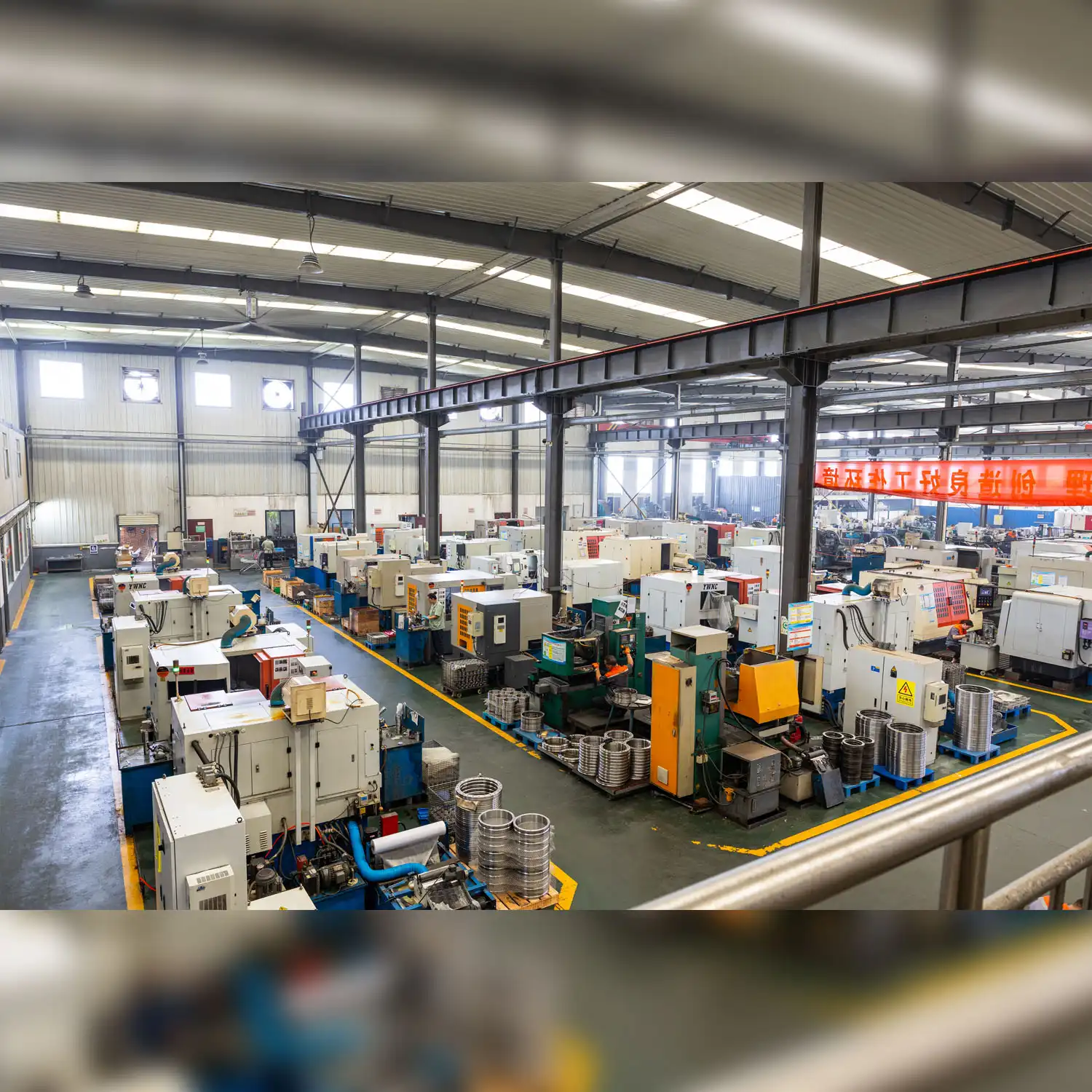
ATLYC, operating through Luoyang Auto Bearing Co., Ltd., brings 15 years of precision bearing manufacturing expertise to global OEMs and industrial equipment manufacturers. As an ISO 9001 and IATF 16949 certified RB4010UUCC0 cross roller bearing manufacturer, we combine advanced production capabilities across six specialised workshops with rigorous quality control protocols ensuring consistent precision and reliability. Our 120-member team delivers competitive factory-direct pricing, technical customisation support, and dependable lead times to clients across the United States, Germany, and throughout international markets. Contact auto@lyautobearing.com today for detailed specifications, volume pricing quotations, and engineering consultation on integrating RB4010UUCC0 cross roller bearing solutions into your precision machinery applications.
References
1. Harris, T.A. & Kotzalas, M.N. (2006). Rolling Bearing Analysis: Essential Concepts of Bearing Technology. CRC Press, Boca Raton.
2. Schaeffler Technologies AG & Co. KG. (2019). Cross Roller Bearings: Technical Product Information. Herzogenaurach: Schaeffler Group Industrial Division.
3. ISO 492:2014. Rolling bearings — Radial bearings — Geometrical product specifications (GPS) and tolerance values. International Organisation for Standardisation.
4. Budynas, R.G. & Nisbett, J.K. (2015). Shigley's Mechanical Engineering Design, 10th Edition. McGraw-Hill Education, New York.
5. THK Co., Ltd. (2020). Cross Roller Ring Technical Reference Guide. Tokyo: THK Engineering Documentation Centre.
6. Society of Tribologists and Lubrication Engineers. (2018). Bearing Lubrication and Maintenance Best Practices for Industrial Applications. STLE Technical Paper Series, Park Ridge.
Learn about our latest products and discounts through SMS or email