- English
- French
- German
- Portuguese
- Spanish
- Russian
- Japanese
- Korean
- Arabic
- Greek
- German
- Turkish
- Italian
- Danish
- Romanian
- Indonesian
- Czech
- Afrikaans
- Swedish
- Polish
- Basque
- Catalan
- Esperanto
- Hindi
- Lao
- Albanian
- Amharic
- Armenian
- Azerbaijani
- Belarusian
- Bengali
- Bosnian
- Bulgarian
- Cebuano
- Chichewa
- Corsican
- Croatian
- Dutch
- Estonian
- Filipino
- Finnish
- Frisian
- Galician
- Georgian
- Gujarati
- Haitian
- Hausa
- Hawaiian
- Hebrew
- Hmong
- Hungarian
- Icelandic
- Igbo
- Javanese
- Kannada
- Kazakh
- Khmer
- Kurdish
- Kyrgyz
- Latin
- Latvian
- Lithuanian
- Luxembou..
- Macedonian
- Malagasy
- Malay
- Malayalam
- Maltese
- Maori
- Marathi
- Mongolian
- Burmese
- Nepali
- Norwegian
- Pashto
- Persian
- Punjabi
- Serbian
- Sesotho
- Sinhala
- Slovak
- Slovenian
- Somali
- Samoan
- Scots Gaelic
- Shona
- Sindhi
- Sundanese
- Swahili
- Tajik
- Tamil
- Telugu
- Thai
- Ukrainian
- Urdu
- Uzbek
- Vietnamese
- Welsh
- Xhosa
- Yiddish
- Yoruba
- Zulu
RB4010UUCC0 Cross roller bearing for Industrial Automation
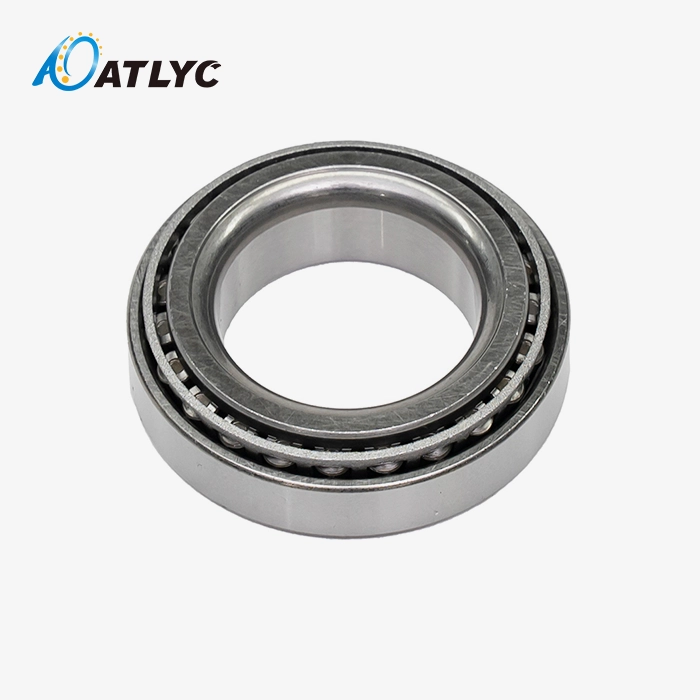
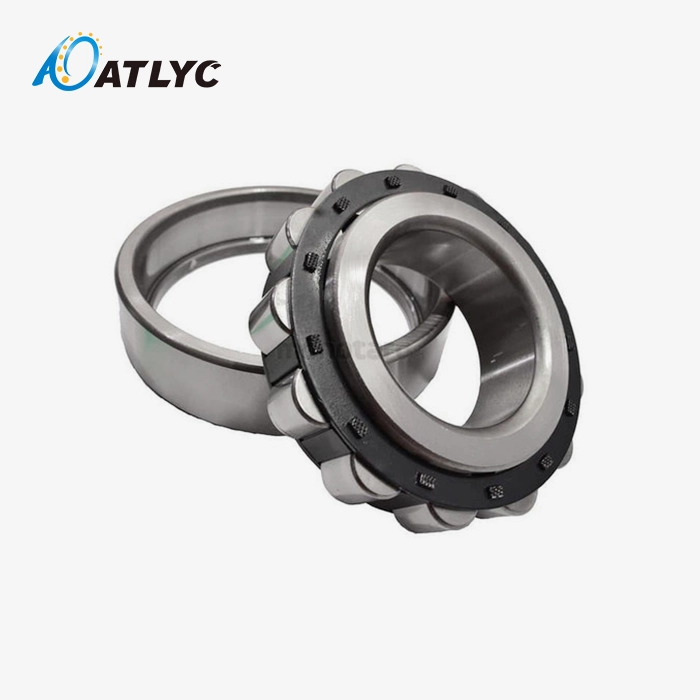
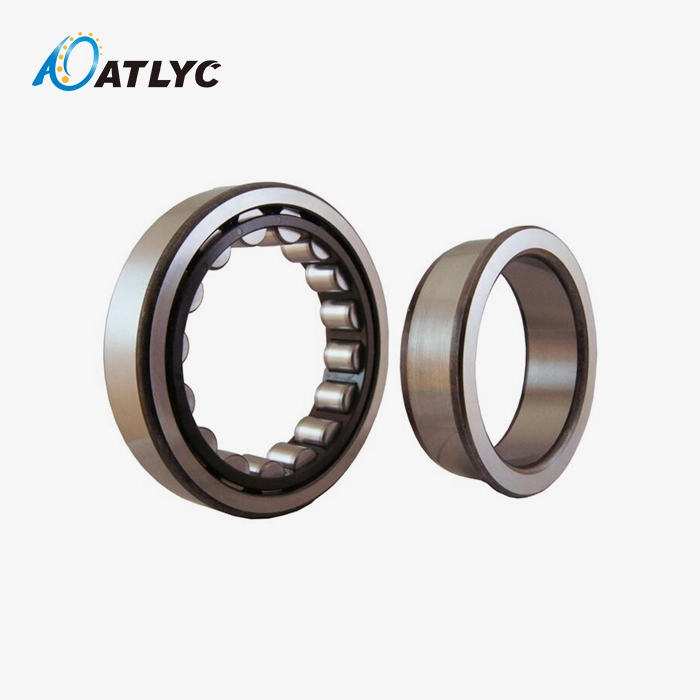
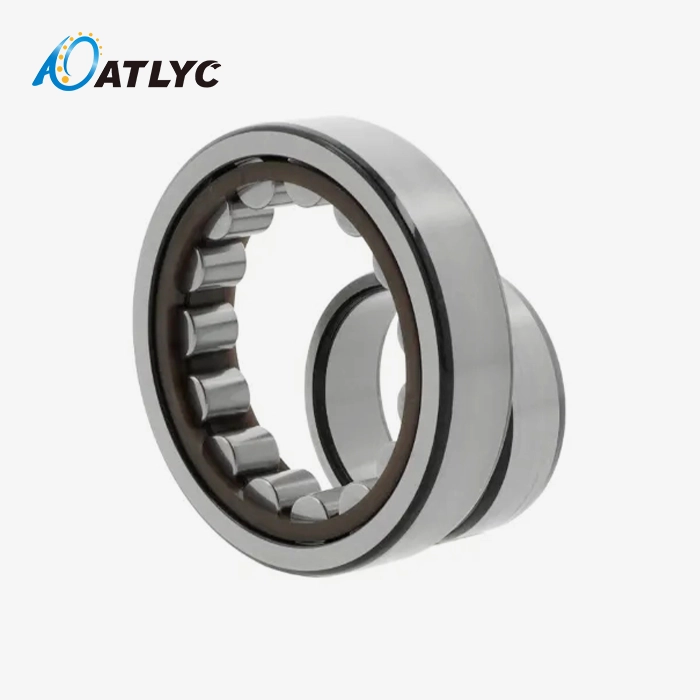
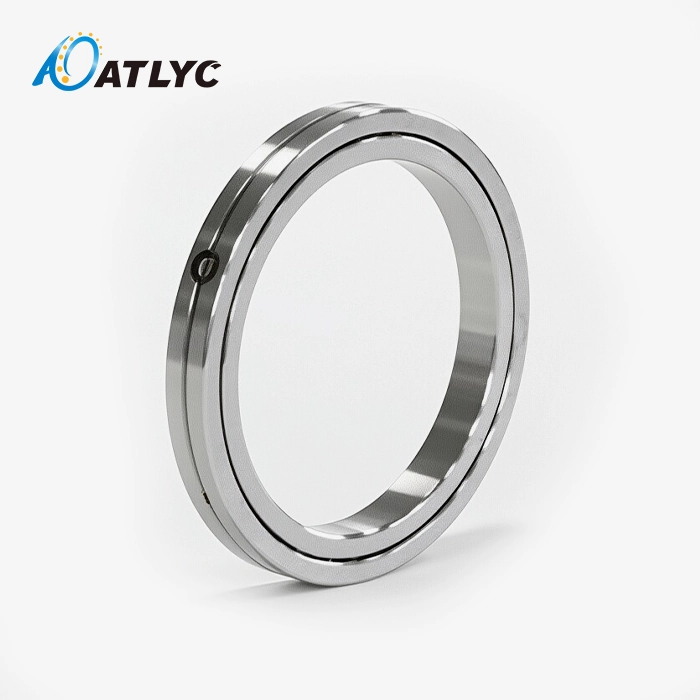
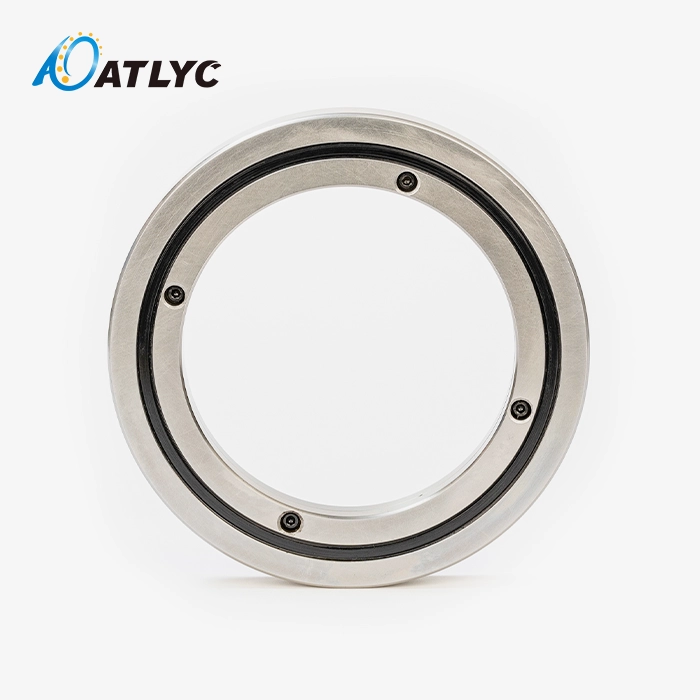
The RB4010UUCC0 cross roller bearing represents a breakthrough in precision rotary motion engineering, specifically designed to meet the demanding requirements of industrial automation systems. This compact bearing solution combines an integrated inner ring with a split outer ring configuration, enabling it to handle radial, axial, and moment loads simultaneously within a single unit. With dimensions of 45mm inner diameter, 65mm outer diameter, and 10mm width, the bearing delivers exceptional rigidity and zero-backlash performance critical for robotic joints, CNC rotary tables, and precision positioning equipment. The "UU" designation signifies double rubber seals that protect internal components from contamination, while the "CC0" specification indicates controlled preload for enhanced stiffness in automation applications where repeatability and accuracy determine production quality.
Understanding RB4010UUCC0 Cross Roller Bearing Specifications and Features
Bearing systems that go beyond standard performance limits are needed for modern industrial automation. These needs are met by the cross roller bearing architecture, which is different from other types of bearings used in older equipment because it uses new design principles.
Dimensional Precision and Load Capacity
The bearing's small cross-section makes it easy to place in automation systems with limited room. With a bore diameter of 45 mm and an outer diameter of 65 mm, it fits into robotic joint housings where other types of bearings would need much bigger spaces. The 10 mm width gives the roller enough length to spread the load over a good number of contact areas. The dynamic and static load rates show how well the RB4010UUCC0 Cross roller bearing can handle the working forces that come up in automated production. Because the rollers are crossed, the bearing can handle radial forces from the weight of the object, axial thrust from machining operations, and moment loads from cantilevered tools without the need for extra bearing units. This ability to handle loads in more than one direction makes machine design easier and increases the rigidity of the structure.
Crossed-Roller Architecture Explained
The circular wheels in this bearing make line contact with the raceways, which is different from ball bearings that make point contact. Rollers are placed perpendicularly every 90 degrees inside V-groove raceways that were precisely ground and machined into the inner and outer rings. This design of alternate perpendicular lines makes load paths that stop deflection in more than one way at the same time. When compared to point contact systems, line contact systems spread working stresses over a bigger surface area. Lowering the contact pressure makes bearings last longer when they are under a lot of stress, and it keeps the smooth rotation that is needed for precise positioning. The V-groove raceway profile limits the movement of the rollers, which stops them from skewing and keeps the contact angles constant during rotation.
Material Quality and Manufacturing Standards
For manufacturing, high-carbon chromium-bearing steel (GCr15 or GCr15SiMn) is used. This steel is heated until the surface hardness reaches HRC 58 to 64. This hardness specification makes sure that the material has enough resistance to fatigue while still being tough enough to handle shock loads during fast machine movements. The composition of the material ensures stable dimensional properties across the wide range of industrial temperatures found in factories.ISO 9001 and IATF 16949 quality control standards are followed during production, which makes sure that factory tolerances are the same from batch to batch. For precision grinding, the accuracy grades go from P6 (standard) to P5, P4, and finally P2 (ultra-precision). Tougher grades are needed for things like optical alignment systems and measuring instruments that need very accurate runout.
Sealed Protection System Benefits
The built-in double rubber seals (UU designation) keep the lithium-based grease that was applied by the factory while keeping out environmental contaminants. This protected design works well in automated settings where coolant mist, metal particles, and process waste could damage the bearings. The seals keep the inside clean without needing external protection, which makes the design of the building easier. When sealed bearings are delivered, they are already oiled and ready to be installed. RB4010UUCC0 cross roller bearing. In this way, there is no need for oil in the field during assembly. This cuts down on installation time and stops poor greasing that could hurt performance. The lubricant that is retained protects for a long time, and under normal automation duty cycles, it only needs to be re-oiled every 6 to 12 months.
Comparative Analysis: RB4010UUCC0 vs. Other Bearings for Industrial Applications
To choose the right bearing technology, you need to know how the different choices affect efficiency. This study looks at how cross roller bearings compare to other options that are often used in automation projects.
Performance Comparison with Alternative Bearing Types
| Bearing Type | Load Capacity | Rigidity | Footprint | Backlash | Application Suitability |
|---|---|---|---|---|---|
| RB4010UUCC0 Cross roller bearing | High multi-directional | Exceptional | Compact | Zero (preloaded) | Robotic joints, rotary tables, precision indexing |
| Angular Contact Ball (Paired) | Moderate combined | Good (when preloaded) | Larger (requires two) | Adjustable | Machine tool spindles, pumps |
| Deep Groove Ball | High radial, low axial | Moderate | Compact | Slight clearance | General industrial drives, electric motors |
| Cylindrical Roller | Very high radial | High radial only | Moderate | Minimal | Heavy radial loads, limited axial capability |
Traditional deep groove ball bearings are good at handling rotational loads, but they aren't very good at handling moment loads. Angular contact ball bearings can handle more combined loads, but they need to be arranged in two or three layers, which makes assembly more difficult and takes up valuable machine envelope room. While cylindrical roller bearings can handle more circular loads, they can't handle axial loads without additional thrust bearings. The crossed-roller design combines these functions into a single small unit, which cuts down on the number of parts and makes the machine stiffer overall. This consolidation is especially helpful in multi-axis robotic systems, where lowering weight and making packaging smaller have a direct effect on the amount of weight that can be carried and how fast it can move.
Brand and Quality Considerations
Cross roller bearings come in a range of standards and quality grades from well-known bearing brands like NSK, SKF, THK, and KOYO. Procurement professionals judge suppliers based on their certifications, their ability to make things, and how well they've done in similar situations in the past. Quality certifications show that the manufacturing method keeps tolerances uniform. ISO 9001 certification shows basic quality management skills, while IATF 16949 certification focuses on the needs of the automotive industry for preventing defects and always getting better. The fact that a supplier has these certifications shows that they are committed to quality control that goes beyond final inspection. The size of a factory affects how reliable the supply is and how prices are set. Suppliers with more than one production facility can keep their stock on hand and adjust to changing demand without having to wait longer for orders to arrive. When you can make a lot of them, you can usually get competitive prices on standard configurations, and you can still make changes that are needed for specific applications.
Procurement Guide: How to Source RB4010UUCC0 Cross Roller Bearings Efficiently
Efficient bearing purchase strikes a balance between cost, supply reliability, and the ability to provide expert help. When planning a buying strategy, it's important to think about more than just the original unit price.
Identifying Qualified Suppliers
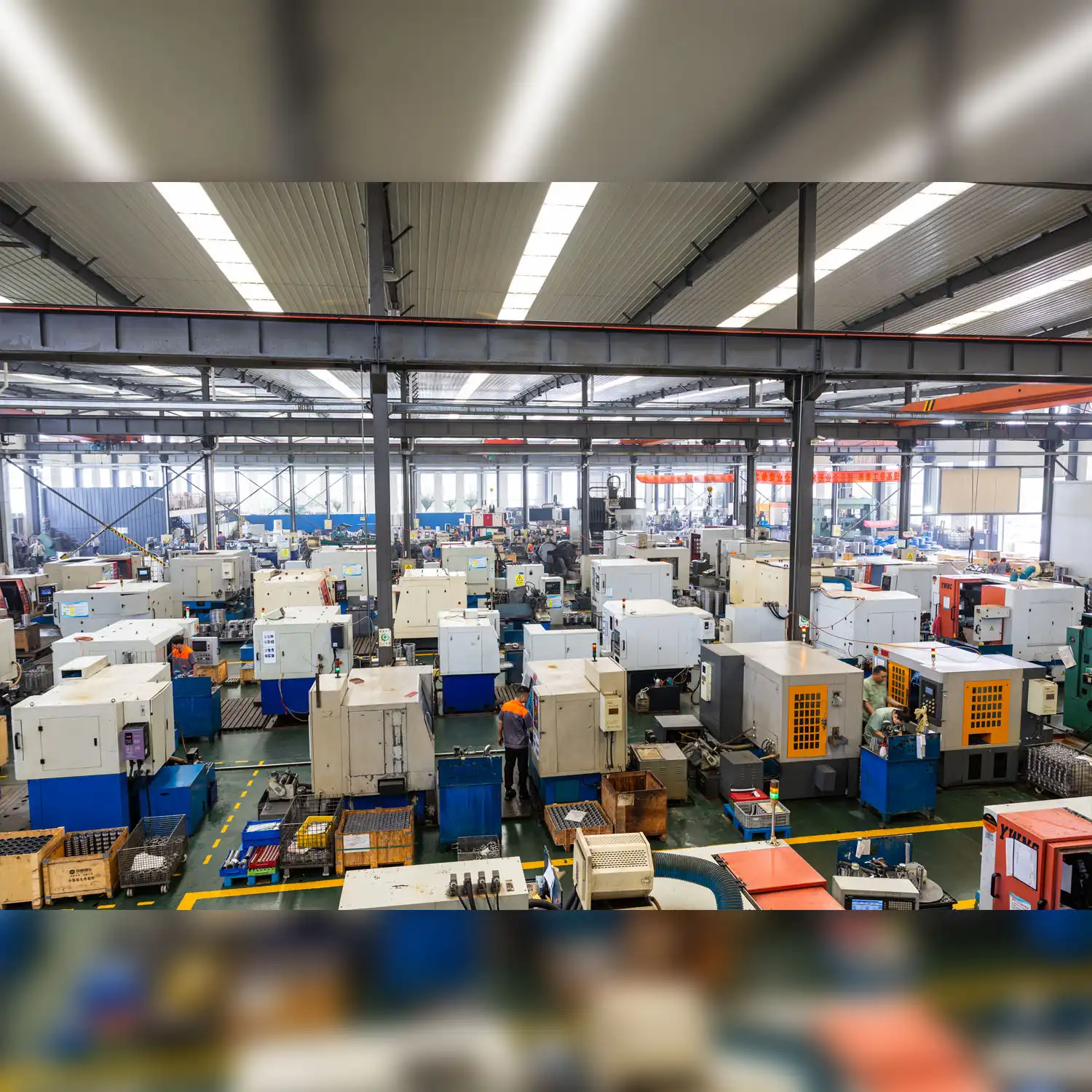
Authorised wholesalers and direct producers are the two main ways to get goods, and each has its own benefits. Distributors keep stock locally so that orders can be sent out quickly, and they can get a lot of different brands of bearings through a single procurement relationship. When you work directly with a manufacturer, you can make your own specs and get direct expert advice for needs that are unique to your application. When judging a supplier, you should look at their production capacity, proof of quality certification, and references from other customers in the same industry. Site visits to manufacturing sites give information about output size, the abilities of equipment, and quality control methods that written information alone can't show. Watching real production shows if providers know how to do fine grinding and heat treatment, which are important for bearing performance.
Pricing Dynamics and Volume Considerations
Bearing prices are based on how much the materials cost, how hard they are to make, the exact grade, and the number of orders. Prices for standard tolerance grades (P6, P0) are lower than those for precision grades (P5, P4, P2) because they are easier to grind and produce more. Because they have sealed parts and more assembly steps, sealed variants of the RB4010UUCC0 Cross roller bearing cost more than open variants. When you commit to buying more, the price per unit goes down because of volume pricing. OEM customers who buy bearings to put in production equipment usually make annual supply agreements that set price levels based on how much they expect to use. These agreements make costs predictable and make sure that suppliers' capacity is used during times of high demand. Requests for customisation, such as using non-standard materials, special seals, or changing the mounting measurements, can change prices and wait times. Before quoting unique specifications, suppliers look at what tools are needed and how that will affect production plans. Giving manufacturers specific application data like load profiles, speed ranges, and environmental conditions helps them make better designs and give more accurate quotes.
Lead Time Management and Inventory Planning
Standard bearing sets usually ship within two to four weeks from well-known companies that keep production supplies on hand. Custom specifications take between 6 and 12 weeks, depending on when the materials are bought and when production starts. To avoid production delays, these dates plus the time it takes to ship should be taken into account when planning purchases. Safety stock strategies weigh the costs of keeping an inventory against the risk of running out of stock. Keeping extra parts on hand is necessary for critical situations where bearing failure leads to long periods of downtime. Optimal reorder points and economic order numbers are based on statistical studies of bearing life in specific uses.
Maintenance, Installation, and Lifespan Optimization for RB4010UUCC0 Bearings
Proper installation and regular maintenance have a direct effect on the life of the bearings and the amount of time the machine is running. Following the manufacturer's instructions keeps bearings from breaking down too soon and gets the most out of your investment.
Installation Best Practices
When installing, the split outer ring shape needs to be handled carefully. The ring comes fully put together, with mechanisms that keep it in place. Installers shouldn't take apart the outer ring parts because putting them back together incorrectly can cause stress concentrations that cause the parts to fail early. To mount the RB4010UUCC0 Cross roller bearing into the housing, the pressure must be spread evenly around the outside ring's diameter. When you use fitting fixings that touch the whole ring face, you stop localised loading that could bend the ring or break the seals. For interference values, press fits should follow the manufacturer's instructions. To get the right clearances, H7 shaft and H7 housing specs are usually used. The CC0 preload standard says that there should be negative radial clearance, which means that the shaft and case must fit perfectly. When there is too much interference, there is more internal friction, which makes heat. When there is not enough interference, the bearing can move within the mounting, which leads to fretting corrosion and loss of rotational accuracy. By measuring the real sizes of the parts before putting them together, you can be sure that the tolerance stack-up gives the right preload levels.
Lubrication Requirements and Schedules
When you get sealed cross roller bearings, they come with lithium-based grease that you can use right away to grease them. The amount and type of grease are good for general industry uses at low temperatures. If the operating conditions include high temperatures, fast speeds, or chemical exposure, you may need to choose a different lubricant based on the manufacturer's compatibility guidelines. How often you need to re-oil depends on things like the load intensity, rotational speed, and ambient temperature. For applications that need to rotate continuously at low speeds, grease needs to be replaced every 6 to 12 months. Because the lubricant doesn't move as far and the working temperature is lower, oscillating uses with limited movement angles can go longer between lubrication times. Some bearing types have grease fittings that let you re-grease them without taking them apart. To keep from over-greasing, which raises the operating torque and makes too much heat, old lubricant has to be purged out before new grease can be added through these fittings. The right way to do it is to add small amounts of grease while slowly turning the bearing, letting the extra grease escape through the seal gaps.
Inspection and Troubleshooting Guidelines
| Symptom | Probable Cause | Corrective Action |
|---|---|---|
| Increased running noise | Insufficient lubrication, contamination | Use clean grease to lube again, and check the seals. |
| Elevated temperature | Too much grease, too much pressure, and bad alignment | Get rid of any extra grease, check the mounting tolerances, and make sure everything is lined up. |
| Rough rotation feel | Raceways that are dirty and roller damage | Take it apart and clean it. Look for damage and repair it if necessary. |
| Decreased positional accuracy | Bearing wear, loss of preload, loose mounting | Check the mounting's tightness, measure the preload, and look at the wear patterns. |
| Visible rust or corrosion | Damage to the seal and water getting in | Change the bearing and make the seals better. |
Regular inspections find problems as they start to form before they become catastrophic failures. By measuring the working temperature regularly, you can find problems with the fitting or the lubrication. Setting baseline temperature readings during commissioning gives ongoing tracking a way to compare results. Vibration analysis lets you know early on when a bearing is wearing out. Accelerometers placed near bearings pick up on specific frequency patterns that are linked to problems with rollers, raceways, or dirt. Trending vibration amplitudes over time shows that things are slowly breaking down, which lets you do planned maintenance instead of repairs when they go wrong. By using the right tools and installing things in a planned way and following these maintenance guidelines, operations teams can reduce unplanned downtime and make bearings last a lot longer than in cases where installation shortcuts hurt performance from the start.
Why RB4010UUCC0 is the Preferred Choice in Industrial Automation
The bearing is widely used in many different robotic tasks because it performs well and meets the needs of modern production. Implementations in the real world show the value argument goes beyond academic details.
Proven Performance in Robotic Systems
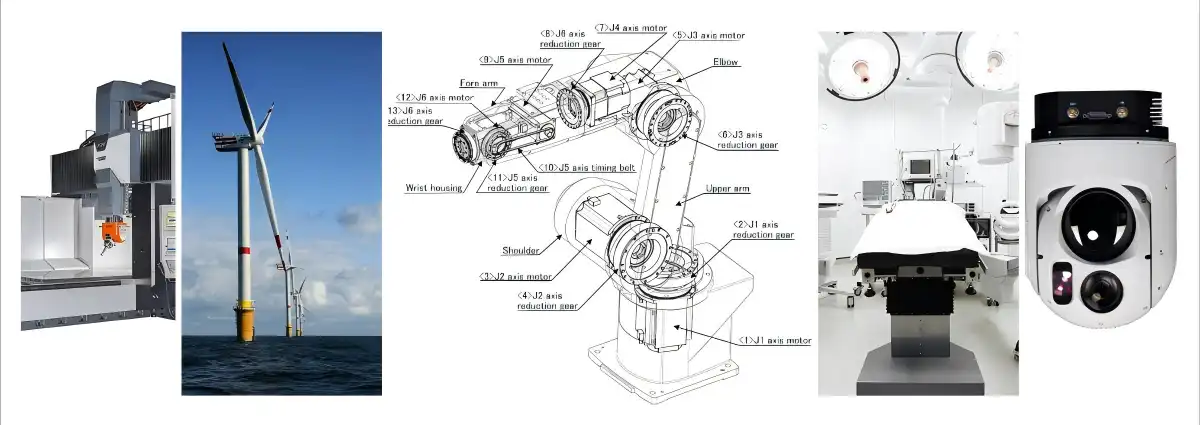
RB4010UUCC0 Cross roller bearings are used in the waist and elbow joints of six-axis industrial robots to keep them from deflecting during fast acceleration cycles. The zero-backlash feature makes sure that positional commands are directly translated into mechanical movement, with no lost motion. With this level of accuracy, robots can meet repetition requirements within ±0.02mm over millions of operating cycles. Because the bearing cross-section is small, robot designers can make joints with smaller diameters. This lowers the rotational inertia and lets the robot move faster. Lowering the inertia makes the dynamic response better while using less energy. Sealed construction keeps liquid and weld splatter from getting into the air, which can happen in places where robots do spot welding and move materials.
Rotary Table Applications in CNC Machining
CNC machining centers use rotating tables to cut parts with multiple sides. This cuts down on setup time and improves geometric accuracy by keeping the workpiece reference in a single setting. Cross roller bearings in these tables support the weight of the workpiece (axial load), cutting forces (radial load), and overhang moments all at the same time, keeping the positioning accuracy within arc-seconds. The high hardness of the bearing keeps the table from bowing under cutting loads that would otherwise make it impossible to get accurate measurements. Keeping the table in the same place during machining processes gets rid of the need to make compensation changes in CNC programs and raises the quality of the surface finish. Longer bearing life in these tough conditions cuts down on the number of repair visits and the output stops that come with them.
Medical Imaging Equipment Integration
CT scanners and other diagnostic imaging systems need to be able to rotate smoothly and without shaking so that picture artefacts don't show up and make it harder to diagnose. Cross roller bearings allow for stable low-torque rotation with little vibration. The built-in inner ring structure makes sure that the structure is mounted correctly and keeps the concentricity that is important for image quality. Sealed bearing designs keep grease from getting into sensitive electronic parts and keep working well in hospital settings that control the temperature and humidity. The ability to operate quietly is good for healthcare situations where choosing tools based on patient comfort is important. In hospitals, where equipment availability directly affects patient throughput, longer repair times cut down on the need for servicing.
Return on Investment Considerations
The bearing improves the performance of the machine, which leads to measurable economic benefits. Less frequent maintenance cuts down on direct service costs and minimises production losses caused by planned downtime. A longer bearing life means that you don't have to keep as many extra parts on hand, and it costs less to buy them. In manufacturing, where product acceptance is based on size limits, better location accuracy lowers the amount of scrap that is made. The cost of discarded parts is often many times higher than the cost of bearings. This means that precise components are economically viable, even though they cost more at first. Better machine skills let makers bid on projects that need tighter tolerances than their equipment could handle before.After thinking about these examples of use, the bearing shows value by making the machine more useful, rather than just being a common part. This difference in performance is reason enough to specify them, even though they cost more than basic bearing types.
Conclusion
For industrial automation tasks that need accuracy, stiffness, and dependability in small machine spaces, the RB4010UUCC0 Cross roller bearing is an important tool. Its integrated design can handle loads that are applied in more than one direction while keeping zero backlash and very high positional accuracy. Choosing the right supplier, installing the bearings correctly, and following the maintenance instructions will help them work better and last longer. In robotic systems, CNC rotary tables, and precision positioning equipment, where traditional bearing arrangements slow down performance or take up too much space, the technology is especially useful. When engineering teams know about these technical and purchasing factors, they can come up with answers that meet long-term manufacturing goals.
FAQ
What distinguishes cross roller bearings from traditional ball bearings?
Cross roller bearings have cylindrical rollers that are arranged perpendicular to each other inside V-groove raceways. This makes line contact instead of point contact. This shape gives better stiffness and the ability to hold loads in multiple directions in small cross-sections. Ball bearings can only handle radial loads and aren't very rigid when it comes to moments. This means that multiple bearing setups are needed for situations where joint load support is needed.
How does the CC0 preload specification affect installation requirements?
CC0 means that there is negative radial clearance, which creates internal preload that gets rid of backlash but makes the running force a little higher. To get the right preload without putting too much stress on the bearing, installation needs exact shaft and housing specs (usually h7/H7). Too much interference leads to early failure through heat generation, while not enough interference lets the RB4010UUCC0 Cross roller bearing move in a way that hurts it.
Can sealed cross roller bearings operate at high rotational speeds?
Cross roller bearings work best in situations where the load is very stiff and accurate, not when the load is very fast and continuous. When compared to open bearings with space, the CC0 preload and UU seals cause friction that limits the speed. When there needs to be oscillation or irregular rotation, this type of bearing works better than angular contact ball bearings for constant high-RPM needs.
What lubrication maintenance does the sealed version require?
Lithium-based grease that has already been applied gives the original lubrication. Re-greasing is suggested every 6 to 12 months, depending on the duty cycle intensity. Some designs have grease fittings that let you re-grease without taking the whole thing apart. If the operating conditions include high temperatures or being exposed to contamination, lubrication may need to be done more often to keep up security.
Partner with ATLYC for Your Cross Roller Bearing Requirements
Since 2010, ATLYC has focused on making precision bearings, building up a wide range of skills across six production sites that serve robotic markets around the world. We have ISO 9001 and IATF 16949 certified businesses that provide RB4010UUCC0 cross-roller bearing solutions that meet the high-quality standards needed by OEM customers in the automotive and industrial sectors. We work with makers in the US and around the world to provide reliable supply partnerships. Our 120 skilled professionals are committed to production excellence and technical support. Get in touch with our engineering team at auto@lyautobearing.com to talk about your needs and find out how ATLYC's large production capacity and technical know-how can help your automation projects as a reliable cross roller bearing maker.
References
1. Harris, T.A. and Kotzalas, M.N. (2006). Advanced Concepts of Bearing Technology: Rolling Bearing Analysis, Fifth Edition. CRC Press, Boca Raton, Florida.
2. Schaeffler Technologies AG & Co. KG (2019). Rolling Bearings: Catalogue HR 1. Technical Publication, Herzogenaurach, Germany.
3. ISO 5753-1:2009. Rolling bearings — Internal clearance — Part 1: Radial internal clearance for radial bearings. International Organization for Standardization, Geneva, Switzerland.
4. Nguyen-Schäfer, H. (2015). Rotordynamics of Automotive Turbochargers, Second Edition. Springer International Publishing, Cham, Switzerland.
5. Wardle, F.P. (2015). Ultra Precision Bearings. Woodhead Publishing Series in Electronic and Optical Materials, Cambridge, United Kingdom.
6. Weck, M. and Brecher, C. (2006). Werkzeugmaschinen 2: Konstruktion und Berechnung (Machine Tools 2: Design and Calculation). Springer-Verlag, Berlin, Germany.
Learn about our latest products and discounts through SMS or email