- English
- French
- German
- Portuguese
- Spanish
- Russian
- Japanese
- Korean
- Arabic
- Greek
- German
- Turkish
- Italian
- Danish
- Romanian
- Indonesian
- Czech
- Afrikaans
- Swedish
- Polish
- Basque
- Catalan
- Esperanto
- Hindi
- Lao
- Albanian
- Amharic
- Armenian
- Azerbaijani
- Belarusian
- Bengali
- Bosnian
- Bulgarian
- Cebuano
- Chichewa
- Corsican
- Croatian
- Dutch
- Estonian
- Filipino
- Finnish
- Frisian
- Galician
- Georgian
- Gujarati
- Haitian
- Hausa
- Hawaiian
- Hebrew
- Hmong
- Hungarian
- Icelandic
- Igbo
- Javanese
- Kannada
- Kazakh
- Khmer
- Kurdish
- Kyrgyz
- Latin
- Latvian
- Lithuanian
- Luxembou..
- Macedonian
- Malagasy
- Malay
- Malayalam
- Maltese
- Maori
- Marathi
- Mongolian
- Burmese
- Nepali
- Norwegian
- Pashto
- Persian
- Punjabi
- Serbian
- Sesotho
- Sinhala
- Slovak
- Slovenian
- Somali
- Samoan
- Scots Gaelic
- Shona
- Sindhi
- Sundanese
- Swahili
- Tajik
- Tamil
- Telugu
- Thai
- Ukrainian
- Urdu
- Uzbek
- Vietnamese
- Welsh
- Xhosa
- Yiddish
- Yoruba
- Zulu
RA8008UUCC0 Crossed Roller Bearing Buying Guide for Engineers
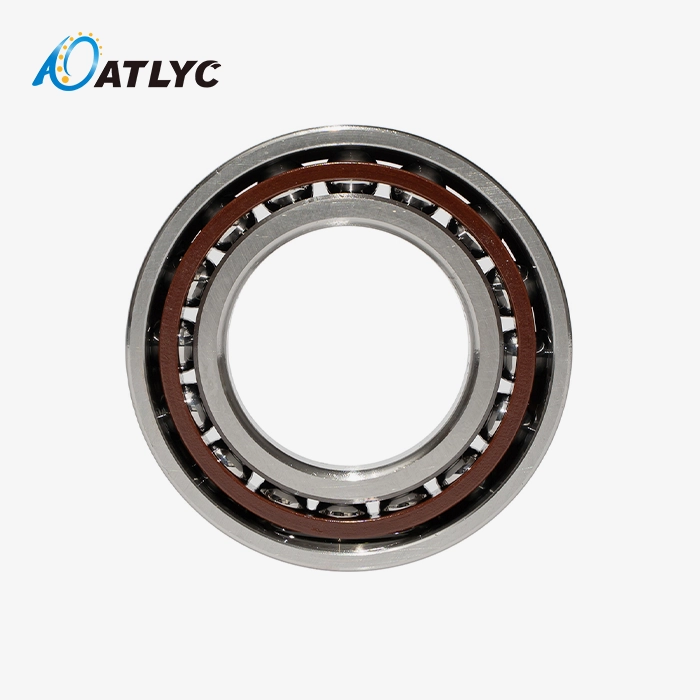
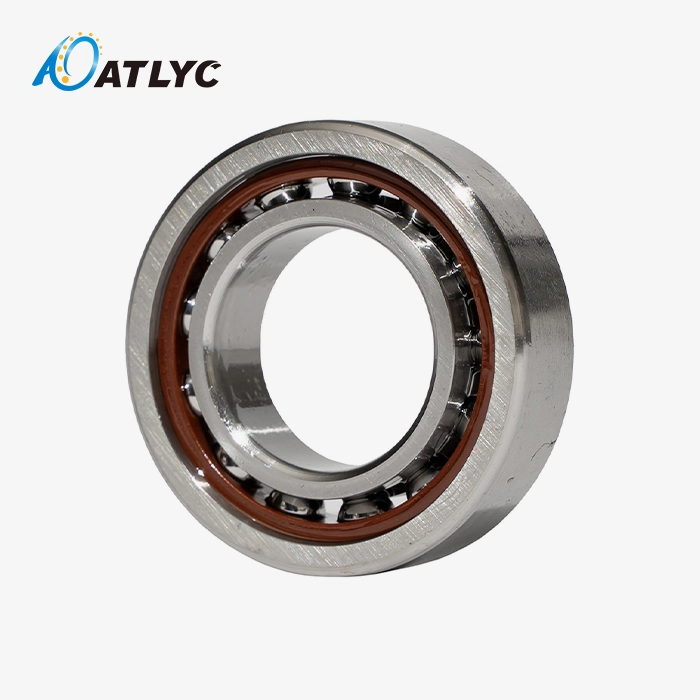
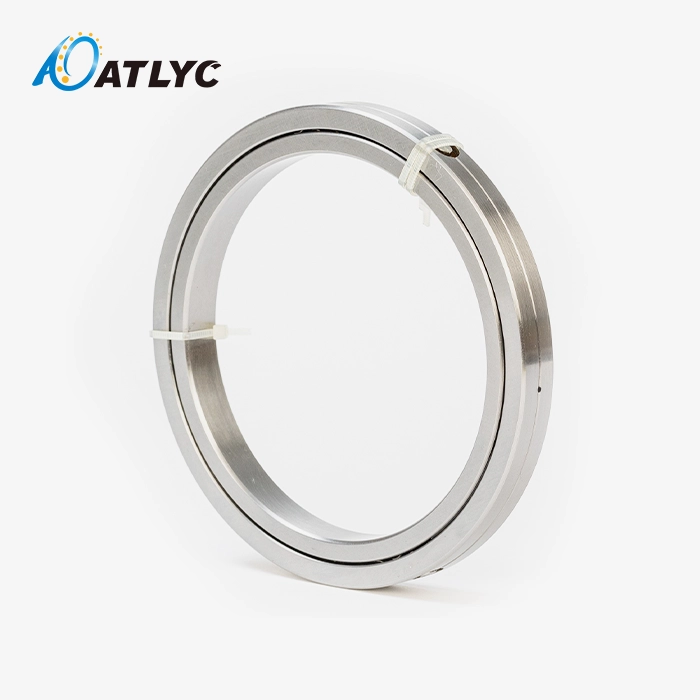
Selecting the right crossed roller bearing for your engineering project requires understanding technical specifications, application demands, and supplier capabilities. The RA8008UUCC0 Crossed Roller Bearing stands out as an ultra-compact precision component designed for applications where space constraints meet demanding load requirements. This bearing features an 80mm inner diameter, 96mm outer diameter, and an exceptionally thin 8mm cross-section, enabling engineers to achieve exceptional rigidity without compromising on footprint. The crossed roller configuration handles radial, axial, and moment loads simultaneously within a single compact unit, eliminating the need for complex bearing arrangements. This guide equips engineers, procurement managers, and OEMs with actionable insights to optimize bearing selection, integration, and lifecycle management.
Understanding RA8008UUCC0 Crossed Roller Bearing Specifications and Features
The technical base of this precision part starts with its dimensions and the materials it is made of. When engineers look at this bearing, they need to know how these specs translate into better performance in the real world.
Dimensional Specifications and Load Ratings
The RA8008UUCC0 has an ultra-thin shape with a width of only 8 mm, an inner diameter of 80 mm, and an outer diameter of 96 mm. This shape has a high rigidity-to-weight ratio, which means that the unit is about 50% lighter than a normal bearing series. Radial forces, axial pressure, and tilting moments are all types of complicated loads that the bearing can handle in a single block. Made from GCr15 or GCr15SiMn high-carbon chromium steel that has been hardened to HRC 58–64, the composition of the material makes it durable even when it is under constant operational stress. The load capacity depends on how the setup is set up. A CC0 designation means that there is a negative clearance of -2 to -5 microns, which stops any internal play.
Crossed Roller Configuration Mechanism
Precision-machined V-groove raceways hold cylindrical wheels that are spaced out 90 degrees apart and in a straight line. By switching the patterns around, many contact points are made that spread the loads evenly across the bearing structure. Roller-to-roller slippage, which hurts performance in regular designs, is stopped by gap elements that keep each roller apart. When compared to ball bearings, where point contacts concentrate stress, the crossed arrangement does a better job of spreading the load. The design of the outer ring being able to be separated makes installation easier in tight spaces while still maintaining manufacturing precision. The built-in inner ring makes sure that the rotary accuracy stays the same even when the load changes.
Preload System and Accuracy Grades
As long as the CC0 preload specification is met, there will be no backlash and the negative clearance will be carefully controlled. This preload makes the movement more rigid and stops positional shift, which is very important for precision positioning systems. Engineers can choose from accuracy grades from P6 (normal) to P0, P5, P4, and P2 (ultra-precision). Tighter limits ensure the best runout accuracy. The UU seal designation means that two synthetic rubber seals keep lithium-soap grease in and keep out contaminants as small as microns. This sealed configuration extends service life in harsh environments without the need for additional external protection.
Comparing RA8008UUCC0 with Other Crossed Roller Bearings and Alternatives
Knowing how different types of bearings work differently helps engineers match parts to the needs of an application. The RA8008UUCC0 Crossed Roller Bearing is compared to similar products and other bearing designs in this section.
Performance Benchmarking Against Similar Models
The following table shows how the main features of similar crossed roller bearing models compare:
| Model | Inner Diameter (mm) | Outer Diameter (mm) | Width (mm) | Load Capacity | Accuracy Range |
|---|---|---|---|---|---|
| RA8008UUCC0 | 80 | 96 | 8 | High multi-directional | P6 to P2 |
| RA5008UUCC0 | 50 | 66 | 8 | Moderate multi-directional | P6 to P2 |
| RA8008UU | 80 | 96 | 8 | Standard multi-directional | P6 to P5 |
The RA8008UUCC0 is more rigid than the standard RA8008UU because it has a CC0 preload instead of a normal clearance. This preload gets rid of backlash, which makes it better for applications that need precise positioning. The RA5008UUCC0 has the same cross-section width, but it is used in smaller-diameter situations where room is even more limited. The sealing systems and material requirements for both models are the same.
Comparison with Alternative Bearing Designs
To handle moment loads, angular contact ball bearings need to be mounted in pairs, which makes the setup more complicated and increases the size of the envelope. While crossed roller bearings are better at handling combined loads, cylindrical roller bearings are better at handling pure radial loads. Four-point contact ball bearings can handle loads that are applied in more than one direction, but they are less stiff and bend more when moment loads are applied. The V-groove raceway shape of the crossed roller design makes line contact instead of point contact, which spreads stress over a bigger surface area. The main reason for the better load capacity and rotational stiffness that engineers see in tough situations is this difference.
Manufacturer Reliability and Brand Considerations
Crossed roller bearings are made by well-known companies like NSK, THK, and SKF, and they come with established quality systems and warranties. Chinese companies like Luoyang Auto Bearing have been certified by ISO 9001 and IATF 16949, which shows that they follow foreign quality standards. When buying parts, it's important to make sure the products are real because fake bearings make tools less reliable. Engineers should ask for certificates of materials, records on dimensional inspections, and proof that each production lot can be tracked. Most warranties cover problems with the way the product was made, but not problems with installation or lubrication.
Application Areas and Maintenance Tips for RA8008UUCC0 Bearings
Knowing how to use technical specifications in real life is what turns technical specs into operational success. Knowing what this bearing does best helps you choose the right one, and keeping it in good shape extends its life.
Industrial Robotics Applications
The compact profile and zero-backlash properties of the bearing are very helpful for collaborative robot wrist joints. The CC0 charge keeps the arm from sagging when cantilevered tools are loaded, so the position stays accurate during work cycles. These bearings are built into articulated robots at the shoulder, elbow, and wrist joints, where room limits the size of the bearing area. The low friction coefficient makes it possible for smooth motion profiles that cool down the motor and use less energy. When properly preloaded crossed roller bearings are used, robot makers say that repeatability specifications get better and maintenance times get longer.
Precision Machinery and Semiconductor Equipment
For exact positioning, machining centers with rotary tables use the moment load capacity of the bearing. The protected design keeps coolant and metal chips from getting into the internal parts, which can happen in machining settings. Medical imaging tools, like portable C-arms, need to be able to rotate slowly and smoothly so that the images are stable and the patients are comfortable. For wafer handling systems used in semiconductor fabrication to work properly, they need to be kept clean in ISO Class cleanrooms. The UU seals stop the release of grease and particles that would lower yield rates in chip manufacturing processes.
Installation Best Practices
Following the right setup steps will keep your system from failing early and meet its performance goals. Thoroughly clean all mating surfaces to get rid of protective coats, dirt, and other impurities before putting them together. Check that the tolerances match the bearing specs by measuring the housing bore and shaft width. Because the outer ring can be taken off, it is possible to install it by first mounting the inner ring assembly onto the shaft and then placing the outer ring into the housing bore. To keep the bearing from warping, apply the mounting torque slowly and evenly. Check the smoothness of the movement by turning it by hand before joining the drive systems. For quality assurance records, write down the steps for installation and the results of the inspection.
Maintenance Guidelines for Extended Service Life
As part of regular inspections, the temperature, vibration levels, and sound signatures of bearings should be checked to spot problems before they get worse. The sealed bearing design keeps the factory-applied grease for a long time, so it usually doesn't need to be re-oiled during normal service life. Environmental controls that keep temperatures steady and humidity low stop moisture, which breaks down the qualities of lubricants. When working in difficult conditions, extra shaft seals keep the bearing seals from coming into direct contact with dirt. Before they break in a big way, replace any bearings that show signs of increased friction torque, temperature rise, or strange noise patterns.
Procurement Considerations for RA8008UUCC0 Crossed Roller Bearings
Strategic decisions about buying things have to take into account technical needs, the dependability of the supply chain, and the total cost of ownership. Knowing about these things lowers risk and ensures the best value.
Identifying Trustworthy Suppliers
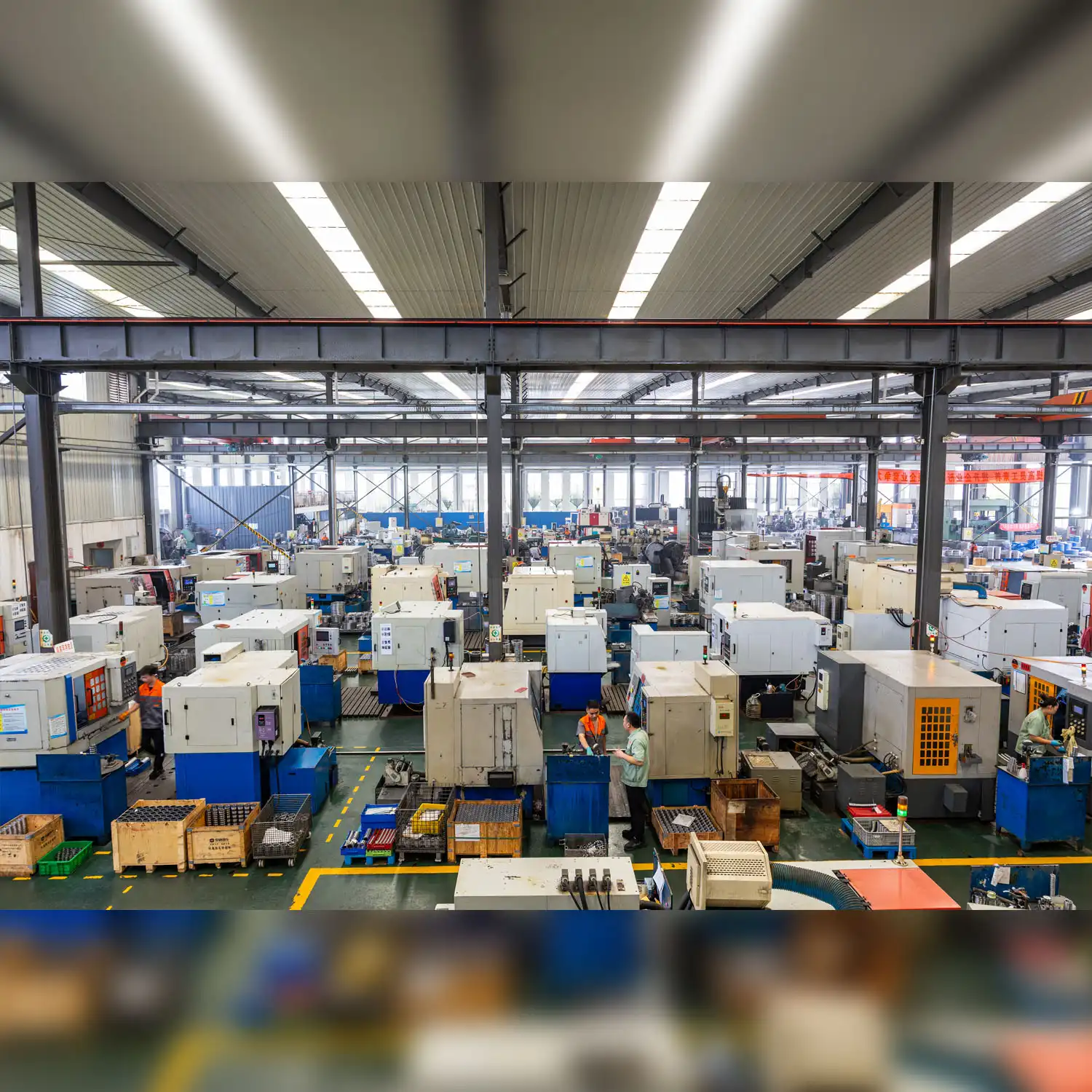
Authorised distributors work directly with manufacturers to make sure that the products they sell are real and that the warranties are valid. As part of the verification process, factory licenses, batch tracking paperwork, and dimensional inspection records must be requested. Established providers keep regular stock amounts that keep production plans on track without requiring too long of a wait time. With 15 years of experience making things and ISO 9001 and IATF 16949 certifications, Luoyang Auto Bearing has the quality systems that you would expect from a trusted bearing provider. The company has six production workshops with 120 skilled workers that can handle everything from small prototypes to large orders.
Pricing Elements and Order Considerations
The following table shows some common factors that go into buying something:
| Factor | Consideration | Impact on Procurement |
|---|---|---|
| Unit Price | Varies by accuracy grade and quantity | Higher precision grades command premium pricing |
| MOQ | Typically 10-50 units for standard configurations | Larger orders reduce per-unit costs |
| Lead Time | 2-4 weeks for standard stock, 6-8 weeks for custom | Planning buffers prevent production delays |
| Shipping | International freight adds 10-15% to landed cost | Consolidate orders to optimize logistics |
| Payment Terms | Net 30-60 common for established relationships | Early payment discounts available from some suppliers |
Choosing the accuracy grade has a big effect on the price. For example, P2 precision bearings cost a lot more than P5 or P6 grades. Instead of automatically choosing ultra-precision choices, engineers should say what the lowest level of accuracy that meets the needs of the application is. When you commit to a certain amount of a product, you can often get better prices. This makes annual supply agreements appealing for high-volume uses.
Warranty Coverage and After-Sales Support
A full warranty guards against problems with the way the product was made, and quick technical help fixes problems with the program. Standard warranties usually cover damage caused by improper installation, inadequate lubrication, or contamination entry for 12 to 18 months from the date of delivery. Application engineering support from suppliers helps customers choose the best bearings for their needs. When unexpected problems happen, after-sales service like having replacement parts on hand and fast shipping options keep production running as smoothly as possible. Supporting documentation like CAD models, installation guides, and upkeep suggestions makes the product more valuable than just the actual thing itself.
How to Choose the Right Crossed Roller Bearing for Your Engineering Project
A systematic selection method makes sure that the bearings work at their best and meet the needs of the project. Engineers can use this strategy to help them make important decisions.
Defining Application Requirements
First, you need to figure out how much the radial load, axial thrust forces, and moment loads are affecting the bearing. Write down the required rotational speed in RPM along with duty cycle details like whether the rotation should be constant or irregular. Conditions in the environment, such as temperature range, contamination exposure, and chemical compatibility, affect the choice of materials and how they are sealed. Maximum bearing dimensions are limited by the space envelope, and weight restrictions may favour ultra-thin series like the RA8008UUCC0 Crossed Roller Bearing. Tolerance grades are based on the level of accuracy needed. For example, placement tasks need P5 or P4 accuracy, while less important tasks can handle P0 or P6 grades.
Comparing Performance Metrics
When comparing rigidity, which measures how much something deforms when it's loaded, crossed roller bearings are stiffer than ball bearings. Load capacity values must be higher than the real working loads by the right amount to ensure safety, which is usually 1.5 to 2.0 for industrial uses. The features of friction torque affect the size of the motor and how much energy it uses over the life of the equipment. When you use the L10 bearing life methodology to figure out the service life, you can guess how many hours the bearing will be used before it fails statistically. The cost-effectiveness analysis looks at the initial purchase price plus the labour costs for installation, the expected costs of upkeep, and how often the equipment needs to be replaced over its lifetime.
Sector-Specific Recommendations
For robotics uses that need small sizes and zero slack, preloaded crossed roller bearings are the best choice for joint designs. Ultra-precision grades with a lot of material traceability and quality documents are needed for aerospace tools. For heavy machinery, standard accuracy grades may be fine, but they need to be able to handle higher loads and keep out harsh contaminants. Medical device rules often require certain certifications for materials and controls on the manufacturing process, which limits the suppliers' choices. Semiconductor equipment needs to be compatible with clean rooms and have particle generation tests and outgassing traits that can be proven.
Conclusion
The RA8008UUCC0 Crossed Roller Bearing works very well for engineers who have to work with limited space and need to move loads in more than one way. Its very small 8mm cross-section, high rigidity, and high precision accuracy grades make it very useful in robotics, precision machinery, and semiconductor equipment. To choose the right bearing, you need to accurately describe the loads, conditions, and level of accuracy needed for the job, then match these details to the bearing's specifications. When making purchases, companies should give more weight to suppliers who can show they have quality certifications, the ability to produce goods, and quick expert help. Installing and maintaining your equipment correctly will protect your investment and make it last longer. When engineers know these selection factors and procurement issues, they can put their projects in the best situation for performance and dependability.
FAQ
What distinguishes the RA8008UUCC0 from standard crossed roller bearings?
The number CC0 means that the clearance preload is negative, between -2 and -5 microns. This means that there is no internal play and there is no backlash. Compared to standard clearance bearings, this preload makes the rotational stiffness a lot higher. The dual seal design of the UU keeps out dirt and keeps the factory-applied grease. The form of the outer ring being able to be separated makes placement easier in tight spaces. Because of these qualities, it works especially well for precise placement tasks that need very high accuracy.
Can this bearing operate effectively in high-speed robotic applications?
Crossed roller designs with spacers between the rollers have less friction than straight roller contact designs. But the speed limits depend on the load and how well the bearings are oiled. Most collaborative robot applications work within the speed range of the bearing. For high-speed uses, you might need to choose a different type of grease or a different type of bearing. Talking to bearing experts about specific mixtures of speed and load makes sure that the right choice is made.
How can I verify authentic RA8008UUCC0 bearings from reliable sources?
Ask for material certificates that list the grade of steel and how it should be heated. The results of a dimension inspection should show that the critical tolerances are in line with the published standards. Traceability of manufacturing lots lets quality problems be looked into if they happen. Established providers with ISO certifications keep quality systems that are written down and back the accuracy of their products. A physical check should make sure that the seal was installed correctly, that it rotates smoothly, and that the surface finish is of the right quality.
Partner with ATLYC for Reliable RA8008UUCC0 Crossed Roller Bearing Supply
ATLYC has 15 years of experience making precision bearings for engineers and sourcing teams around the world through Luoyang Auto Bearing Co., Ltd. Our ISO 9001 and IATF 16949-approved factories make RA8008UUCC0 Crossed Roller Bearings that meet international quality standards and have accuracy grades that range from P6 to P2. Our reliable crossed roller bearings are sold to global distributors in South Korea, the US, Germany, Russia, Iran, and Turkey, as well as to original equipment manufacturers (OEMs) of cars and other vehicles. Our six specialised workshops are run by 120 skilled workers who offer competitive prices, reliable lead times, and full technical support. You can email auto@lyautobearing.com to get more information about the RA8008UUCC0 Crossed Roller Bearing, help with application engineering, or bulk prices. We offer material certificates, measurement inspection reports, and customisation options that are specific to your project needs. Our precision bearing solutions will make sure that your equipment works at its best.
References
1. Harris, T.A. & Kotzalas, M.N. (2006). Rolling Bearing Analysis: Essential Concepts of Bearing Technology. CRC Press, Taylor & Francis Group.
2. ISO 492:2014. Rolling bearings — Radial bearings — Geometrical product specifications (GPS) and tolerance values. International Organization for Standardization.
3. Schaeffler Technologies AG & Co. KG. (2019). Crossed Roller Bearings: Design Characteristics and Application Guidelines. Technical Handbook Series.
4. American Bearing Manufacturers Association. (2021). Load Ratings and Fatigue Life for Ball and Roller Bearings. ABMA Standard 9-2020.
5. NSK Ltd. (2020). Precision Machine Components: Crossed Roller Bearings Technical Reference. CAT. No. E1102g.
6. Society of Tribologists and Lubrication Engineers. (2018). Bearing Lubrication: A Practical Guide to Lubricant Selection and Application. STLE Education Series.
Learn about our latest products and discounts through SMS or email