- English
- French
- German
- Portuguese
- Spanish
- Russian
- Japanese
- Korean
- Arabic
- Greek
- German
- Turkish
- Italian
- Danish
- Romanian
- Indonesian
- Czech
- Afrikaans
- Swedish
- Polish
- Basque
- Catalan
- Esperanto
- Hindi
- Lao
- Albanian
- Amharic
- Armenian
- Azerbaijani
- Belarusian
- Bengali
- Bosnian
- Bulgarian
- Cebuano
- Chichewa
- Corsican
- Croatian
- Dutch
- Estonian
- Filipino
- Finnish
- Frisian
- Galician
- Georgian
- Gujarati
- Haitian
- Hausa
- Hawaiian
- Hebrew
- Hmong
- Hungarian
- Icelandic
- Igbo
- Javanese
- Kannada
- Kazakh
- Khmer
- Kurdish
- Kyrgyz
- Latin
- Latvian
- Lithuanian
- Luxembou..
- Macedonian
- Malagasy
- Malay
- Malayalam
- Maltese
- Maori
- Marathi
- Mongolian
- Burmese
- Nepali
- Norwegian
- Pashto
- Persian
- Punjabi
- Serbian
- Sesotho
- Sinhala
- Slovak
- Slovenian
- Somali
- Samoan
- Scots Gaelic
- Shona
- Sindhi
- Sundanese
- Swahili
- Tajik
- Tamil
- Telugu
- Thai
- Ukrainian
- Urdu
- Uzbek
- Vietnamese
- Welsh
- Xhosa
- Yiddish
- Yoruba
- Zulu
What Is RE9016UUCC0 Cross Roller Bearing Used For?
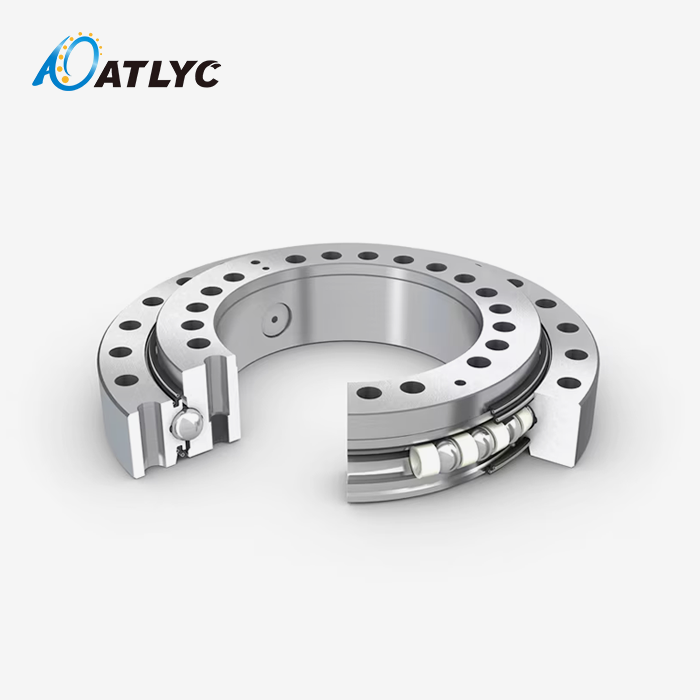
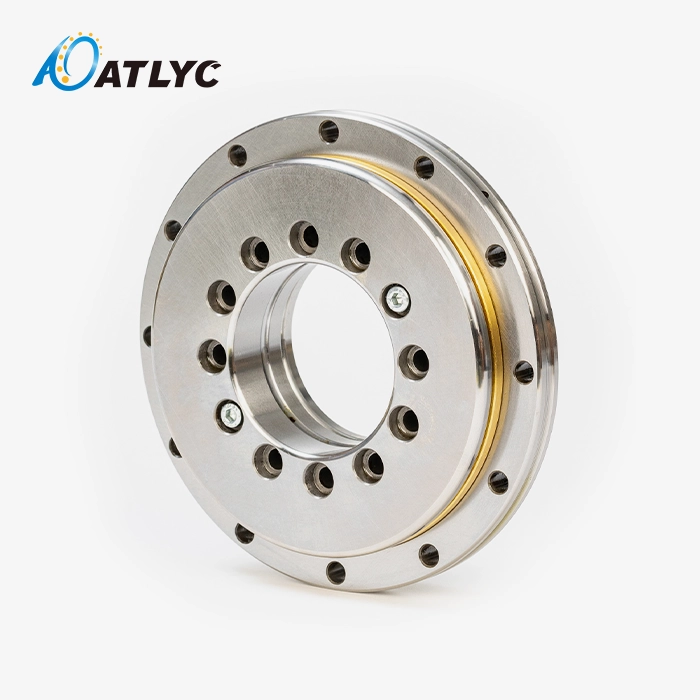
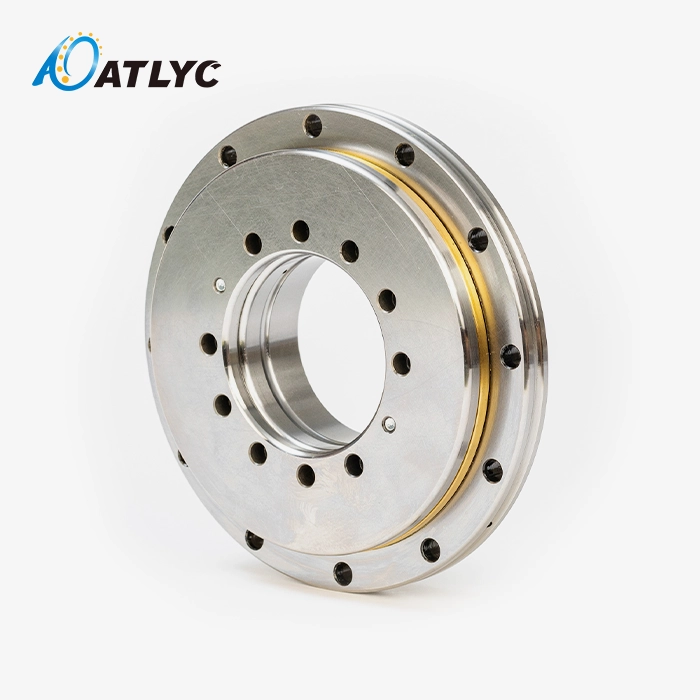
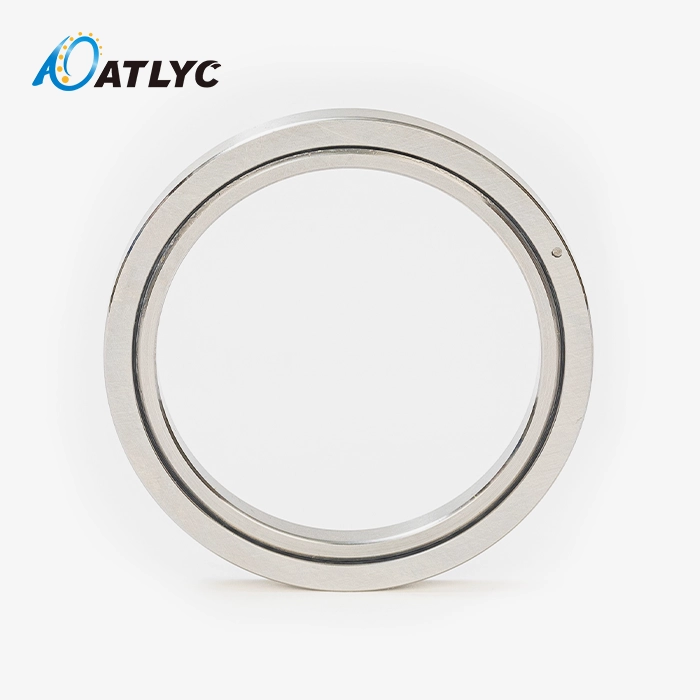
The RE9016UUCC0 Cross Roller Bearing is an important part for tasks that need high rigidity, the ability to handle loads in multiple directions, and accurate outer ring movement. This special bearing has a bore diameter of 90mm, an outer diameter of 130mm, and a width of 16mm. It has a combined outer ring and a split inner ring design. This bearing is used in industries like industrial robots, precision machining centers, medical imaging equipment, and semiconductor production. It can achieve rotational accuracy at the micrometer level and support radial, axial, and moment loads all at the same time in a single small unit.
Understanding the RE9016UUCC0 Cross Roller Bearing
Cross roller bearings are a better choice than standard ball bearings when your production equipment needs to save room and handle different loads. The RE9016UUCC0 Cross Roller Bearing is an improved engineering method for controlling rotational motion that works best for situations where the outer ring rotates.
Technical Specifications and Design Architecture
The bearing's design follows a unique plan that makes it different from other types of bearings. In V-shaped raceways, cylindrical rollers are placed at right angles to each other every 90 degrees. This makes a cross design that spreads loads over many contact points. Line contact, not point contact, is used in this arrangement, which greatly reduces the amount of elastic movement under load.
After being made from GCr15 and GCr15SiMn bearing steel, the raceways are heated until they reach a hardness level of 58 to 64 HRC. This choice of material makes sure that the surface won't wear down or become fatigued, even when it's used continuously in harsh conditions. The built-in outer ring structure stops the housing from deforming during installation, so the precise shape needed for accurate spinning is kept. The split inner ring design makes fitting easier and keeps the preload set by the factory even though the parts are made to very tight standards.
If the clearance number is CC0, it means that there is negative clearance or advance. This preload gets rid of internal play, which stops backlash that could make placement less accurate. If your application changes directions a lot or is exposed to shaking, this preload setup will help the bearing last longer by keeping the rolling elements and raceways from fretting.
Dimensional Standards and Accuracy Classifications
This bearing has a 90mm inner diameter, a 130mm outer diameter, and a 16mm width. It can be used in places where there isn't a lot of axial room but the load capacity can't be reduced. The small cross-section takes the place of paired angular contact ball bearings or complicated bearing setups. This lowers the height of the unit and the weight of the whole system.
There are six accuracy classes: P6, P0, P5, P4, and P2. These classes go from normal to ultra-precision grades. The P5 and P4 classes are good for most industrial robots and CNC machinery because they provide rotary runout within micrometers. P2 is the highest level of precision, and it is used for measuring and handling semiconductor wafers, where even small errors can affect the quality of the product or the accuracy of the measurement.
Knowing about these levels of accuracy helps engineering teams match the specs of a bearing to the needs of an application. It's not necessary to specify P4 precision when P0 is enough. On the other hand, not defining precision enough for a high-accuracy application can cause speed problems that require expensive repairs.
Typical Applications of RE9016UUCC0 Bearings in Industry
Cross roller bearing technology solves certain problems in the business world that become clear when you look at how it is used in real life. The shape of the RE9016UUCC0 Cross Roller Bearing makes it great for equipment that needs the outer ring to rotate, be small, and work without any backlash.
Industrial Robotics and Automation Systems
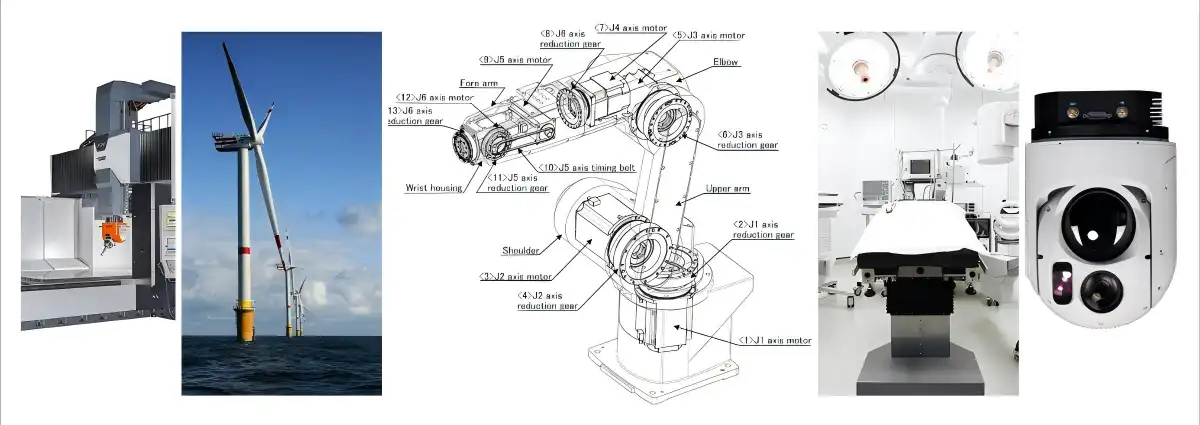
Articulated robots move along more than one axis, and each one needs to be precisely positioned at an angle while also holding the moment loads that come from their stretched arms and end-effector tools. This type of movement is especially good for the waist and arm joints. Gravitational forces put a lot of stress on the joint bearings when a robotic arm moves horizontally. To offset these moments with traditional bearing arrangements, you would need a lot of axial room. But the RE9016UUCC0 Cross Roller Bearing can handle radial, axial, and moment loads all at the same time within its 16mm width.
In robotic architecture, where the arm casing rotates around a fixed central column, the ability of the outer ring to rotate is very important. This setup lets cables run through the stable inner ring while the outer structure moves. This makes managing cables easier and keeps electrical links in better shape. Repeatability is guaranteed by zero-backlash operation, which lets robots return to preset places within microns, cycle after cycle.
More and more, automated production lines rely on robots that work with people to do their jobs. For these systems to work, the movements must be smooth and reliable. Because cross rollers have a low friction coefficient, they require the same amount of torque throughout spinning. This makes it possible to precisely control speed and avoid sudden moves that could be dangerous or make it harder to handle products.
Precision Machining Centers and Rotary Tables
Rotary indexing tables are used by CNC machining machines to place workpieces at exact angles for tasks that need to be done on more than one side. Cutting forces include radial loads from the tool, axial loads from drilling, and moment loads from placing the part at an angle. These tables have to be able to handle them. A rotating table with a 90mm bore can hold workpieces that weigh several hundred kilograms and still keep the accuracy of its numbering within arc-seconds.
For high-speed tracking, there needs to be little friction and low drag. The RE9016UUCC0 Cross Roller Bearing's small size means it has less spinning mass than bearings with bigger spaces, which lets it speed up and slow down more quickly. Less friction means less heat is generated, which keeps the bearing housing's dimensions stable and keeps the accuracy high during long cutting processes.
Tolerance rules are very strict for manufacturers who work with the aerospace and medical device industries. Surface finish and measurement precision have a direct effect on product approval when working with titanium to make parts or orthopedic implants. Because bearing runout directly leads to mistakes in the workpiece, precision-grade cross roller bearings are not a choice but an investment that must be made.
Medical Imaging Equipment
Advanced X-ray machines and CT scanners move heavy gantries with radiation sources and detector grids around people. To keep images clear for monitoring purposes, these systems need movement that doesn't cause vibrations. Even small problems with the bearings cause resonance, which blurs the picture sharpness.
The shape of the combined outer ring makes operation smoother by preventing misalignment between the two halves of the split ring. When a CT gantry spins at speeds higher than 200 RPM with 500kg or more of equipment on it, any instability causes centrifugal forces that cause shaking. The RE9016UUCC0 Cross Roller Bearing works with very little vibration amplitude thanks to precise manufacturing and careful preload adjustment. This meets the picture quality standards that medical workers need.
Bearing choice is also affected by how comfortable the patient is. A noisy operation can make people anxious and make it hard for techs and patients to talk to each other. The line-contact roller design is quieter than ball bearings, which helps make the hospital setting more peaceful.
Semiconductor Manufacturing and Metrology Instruments
During the photolithography, deposition, and etching processes, IC manufacturing tools place silicon plates with nanometer accuracy. Any mistake in placement affects millions of transistors, which means that whole wafer batches might not be useful. Cross roller bearings give chip handling robots and inspection systems the precise spinning accuracy they need.
In cleanrooms, there are extra rules that must be followed. Bearing seals must stop grease from moving and getting on sensitive parts. The UU designation on RE9016UUCC0 Cross Roller Bearing types means that there are contact seals on both sides. The bearing assembly contains lithium soap-based grease that keeps out particles.
Coordinate measuring machines (CMMs), which are used to check the quality of things, also need their tool tracking systems to be able to rotate precisely. Bearing-induced error usually only gets micrometers of measurement uncertainty budget. This is why precision-grade cross roller bearings are needed to keep calibration standards and measurement tracking.
Procurement Guide for RE9016UUCC0 Cross Roller Bearings
When looking for important motion control parts, you need to pay attention to the qualifications of the seller, the authenticity of the products, and their ability to provide long-term support. The global market for RE9016UUCC0 Cross Roller Bearings has both genuine goods from respected companies and fakes that break down quickly. This makes procurement strategy an important part of working reliably.
Identifying Reputable Suppliers and Manufacturers
Making good bearings starts with knowing how to do it right and keeping an eye on the process. Manufacturers of well-known bearings keep their ISO 9001 and IATF 16949 certifications up to date, which shows that they have documented quality control systems and methods for continuous improvement. With these certificates, you can be sure that every bearing goes through the same heat treatment, precise grinding, and dimensional checking.
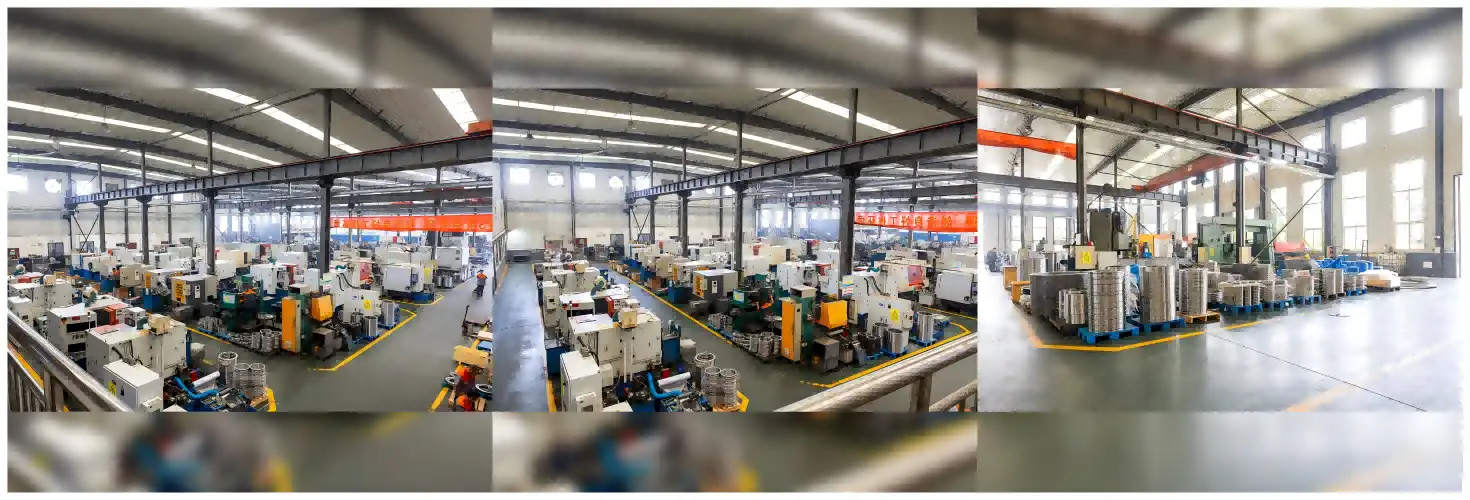
This way of making things is shown by Luoyang Auto Bearing Co., Ltd. Since we started in 2010, we've gone from a single workshop to a full-fledged center with 120 skilled workers in production, quality control, and technical support. Each bearing goes through three levels of quality checks, including vibration analysis and life testing. More than 99.9% of bearings pass these tests before they leave the plant.
When you're looking at possible providers, you should ask to see proof of their accuracy grade and material certifications. Manufacturers with a good reputation give out papers that can be used to track materials and show what the steel is made of and how it was heated. This paperwork is necessary when equipment breaks down, and the reason needs to be found, or when regulations say that parts need to be able to be tracked back to their source.
Bulk Purchasing Considerations and Lead Times
OEMs and repair teams of industrial equipment weigh the costs of keeping inventory against the risks to production continuity. The amount you order should be based on how much you use each year, how long it takes for suppliers to deliver, and how you will store it. To keep cross roller bearings from rusting, they need to be stored in a controlled temperature environment, especially for precision grades where even a little surface oxidation can hurt performance.
With volume agreements, it's often easier to negotiate prices and set priorities for production. When planning production over several quarters, giving manufacturers forecast information early on lets them figure out how to divide manufacturing capacity and raw materials. This partnership lowers the cost of speeding up shipping and makes sure it fits in with your production plans.
When sending goods internationally, there are extra things to think about. Ocean freight is cheaper for big orders, but it takes longer to arrive. While air freight cuts down on travel time, it also raises the cost per unit. The best way to place an order is to know what your true total purchase cost is, which includes the cost of keeping supplies and the cost of expediting orders when there are gaps.
Warranty Policies and Technical Support
When bearings break in important machinery, it costs a lot more than just replacing the broken part. When a bearing fails, it can cause production to stop, extra work to be done, and damage to nearby parts. These risks are lessened by having a full warranty and quick expert help.
We are confident in the way we make our goods, which is shown by the guarantee coverage we offer. In addition to warranty terms, our expert team offers application engineering support to help customers choose the best bearings, install them correctly, and keep them in good shape. This engineering advice stops expensive mistakes from happening when equipment is used in strange situations like very hot or dirty places or with loads that aren't arranged in a normal way.
Failure analysis is part of technical help. A metallurgical study and operational data review are used to figure out whether failure was caused by material flaws, fitting mistakes, or operational conditions when bearings reach the end of their useful life early. This study helps with taking corrective steps that stop problems from happening again and make replacement intervals work better.
Maintenance and Performance Optimization of Cross Roller Bearings
The service life of a bearing is directly affected by how well it is installed and maintained. Even bearings that were made with great care can break early if they get dirty, aren't oiled properly, or aren't installed correctly.
Installation Best Practices and Alignment Techniques
When installing RE9016UUCC0 Cross Roller Bearings, they need to be handled carefully so that they keep their precision. If the bearing is dropped or hit hard before it is installed, the cylindrical wheels can come loose from their cages. The split inner ring halves stay together with assembly pins or other holding mechanisms, but moving them with too much force can change the preload that was set at the factory.
Technical paperwork spells out requirements for how flat mounting areas must be. When there is runout or surface irregularities in the housing hole or shaft shoulder, these problems move to the bearing and cause vibrations that lower accuracy. Most suggestions for surface finish say that the roughest a surface can be is between 1.6 and 3.2 micrometers Ra.
For uses involving outer ring movement, alignment during installation is very important. When the housing isn't lined up right, the outer ring tilts relative to the inner ring. Edge loading puts extra stress on the roller ends, which speeds up wear and could cause the bearing to fail early. Dial markers or laser alignment tools make sure that the mounting surfaces are straight and parallel to the axis of movement, within certain limits.
Press-fit systems are affected by temperature. When you heat the housing, the hole gets bigger. This lets you place the outer ring of the bearing without using too much force, which could damage the raceways. The same amount of space is reached by cooling the inner ring. Temperature differences should stay modest, usually no more than 100°C above atmospheric, to keep metals from changing in ways that could make them less hard.
Lubrication Requirements and Maintenance Intervals
In many versions of the RE9016UUCC0 Cross Roller Bearing, the UU sealed configuration comes with lithium soap-based grease that is put at the factory and is made to last longer between service times. This choice of grease strikes a good balance between being able to hold a lot of weight and having low friction, making it good for precision uses.
Relubrication times are set by how the machine is being used. In normal manufacturing settings with average speeds and temperatures, intervals of thousands of working hours are possible. Higher temperatures speed up the breakdown of grease, so it needs to be replaced more often. On the other hand, operations that don't happen very often raise worries about oil settling and moisture absorption, which could mean that purging and regreasing are needed before long times of storage end.
When working speeds cause bearing temperatures to rise above 70°C, high-temperature synthetic greases may work better than regular lithium soap formulations. Application engineering support helps find the best lubricants for different types of operations by balancing qualities like temperature stability, anti-wear, and compatibility with seal materials.
Troubleshooting Common Performance Issues
During operation, strange noises often mean that problems are starting to show up. A grinding sound means that there is dirt or not enough oil on the bearings. A clicking or periodic sound means that the raceways are damaged or the rollers aren't working right. Using accelerometers for vibration analysis can find worn-out bearings before they show any audible signs. This allows condition-based maintenance, which stops unexpected breakdowns.
Monitoring temperature is another way to find out what's wrong. Temperature rises that happen slowly over weeks or months could mean that the grease or seal is breaking down, letting dirt and other contaminants in. Sudden temperature rises mean that the oil is failing or there is major damage that needs to be fixed right away to stop more damage.
When torque needs go up, it means that friction is rising because of dirt, worn-out grease, or changes in the preload. When you measure baseline torque during launching, you set reference values that you can use to compare values during regular maintenance checks. If the torque goes up by 20% or more, you should look into it even if there are no other signs.
Making the Right Decision: Choosing the Best Cross Roller Bearing for Your Needs
When choosing a bearing, you have to weigh several performance factors against cost and supply issues. Knowing the pros and cons of different bearing types and specs is important for making sure that the capabilities of a part are perfectly matched to the needs of an application.
Load Capacity and Speed Considerations
Cross roller bearings work best in situations where their ability to handle moment loads in small spaces is more important than their ability to handle pure speed. Cross roller bearings are more rigid under complex loads, while ball bearings can handle higher spinning speeds because they have less contact stress and rolling resistance.
To figure out what the real load conditions are, you have to look at forces coming from all sides and any moment loads that come from offset masses or outside forces. Bearing makers give both static and dynamic load ratings that let you figure out how long a bearing will last based on the loads that it will be used for and how long you want it to last. Changes in load, shock loading, and working uncertainty are all taken into account by safety factors.
Rollers are limited in speed by rotational forces and the heat that friction creates. The RE9016UUCC0 Cross Roller Bearing's 90mm bore size can usually handle speeds of up to several hundred RPM, which is fast enough for most robotic joints and indexing tables. Applications that need constant high-speed spinning may benefit from different types of bearings that are designed to work well in those circumstances.
Environmental Factors and Operating Conditions
Extreme temperatures can damage bearing materials and lubrication. Steel bearings stay the same size over a wide range of temperatures, but oils are more sensitive. When working at temperatures below -20°C, you might need special low-temperature greases to keep the grease from becoming too thick, which raises friction and torque. On the other hand, running something continuously above 100°C needs high-temperature oils and may shorten the life of bearings by speeding up material wear.
Contamination may be the most common reason why bearings fail too soon. When it comes to relatively dirty environments, sealed bearings protect against damage, but abrasive particles or acidic substances that get through seals quickly damage precision surfaces. When metal chips, coolant exposure, or chemical vapors are present during operation, extra safety steps like secondary seals or bearing shields are needed.
Vibrations from nearby machines or process forces get into bearings through mounting structures. Cross roller bearings can handle a lot of weight, but high-frequency shaking can cause fake brinelling, which are depressions in the raceways that happen when rollers rub against surfaces while they are not moving. This type of damage can be lessened by using isolation clamps or vibration damping in the design of the equipment.
Comparing Alternative Bearing Solutions
Angular contact ball bearings grouped in pairs can be used instead in some situations where axial stiffness is needed. This arrangement allows for faster speeds, but it needs more axial room and makes it harder to line up matched bearings. Cross roller bearings make the design easier while making it more rigid when the speeds are modest, and the gears need to be small.
High radial and axial loads can be handled by tapered roller bearings, but they make more friction than cross roller types and need thrust support in the opposite direction. Slewing ring bearings can handle very big diameters, but they don't have the exact grades that smaller cross roller bearings do.
Standard ball bearings are sometimes a better choice than precision cross roller bearings when cost is an issue. When making this choice, you should think about the total cost of ownership, which includes how much energy is lost through friction, how much it costs to fix problems that cause production to stop, and how often you need to buy a new one. Even though it costs three times as much as a regular bearing, a precision bearing may last ten times longer and stay accurate the whole time.
Emerging Innovations in Bearing Technology
Materials science keeps making progress that pushes the limits of efficiency. Ceramic rolling elements are less dense and harder than steel, which means they can work at higher speeds and for longer periods of time without wearing out. Ceramic rollers and steel races in hybrid bearings show potential for difficult conditions, but their high cost means they can only be used in a few specific situations right now.
Specialized coatings and other surface engineering processes make things less likely to rust and increase their resistance to friction. These treatments are especially helpful for medical equipment and food preparation equipment that needs to be cleaned often, which can damage traditional seals and oils.
The use of integrated sensor technology is a new and developing area of bearing development. Embedded sensors send information to predictive repair systems about temperature, vibration, and rotary factors. These smart bearings allow condition-based maintenance plans that find the best time to change parts and stop them from breaking down without warning.
Conclusion
The RE9016UUCC0 Cross Roller Bearing meets important needs in current precision machinery with its small size, integrated outer ring design, and ability to handle loads in more than one way. In fields like medical imaging and industrial robots, this type of bearing is needed to get the rigidity and accuracy that other types of bearings can't match in the same amount of room. Using GCr15 bearing steel as the material, making it with precision to P4 or P5 accuracy levels, and setting the CC0 preload configuration all work together to provide circular accuracy on the micrometer level while supporting radial, axial, and moment loads at the same time. For the right choice, you need to look at the load conditions, environmental factors, and accuracy needs to make sure that the bearing specs fit the needs of the application. This will ensure the best performance and service life.
FAQ
1. What differentiates the RE series from RB series cross roller bearings?
The outer ring of the RE series is merged, and the inner ring is split. This design is best for situations where the outer housing moves around a shaft that stays still. For inner ring spinning, the RB series has the opposite design, with an outer ring that is split and an inner ring that is merged. The right series pick depends on how you're fixing the part and which part stays still.
2. Can the RE9016UUCC0 handle axial loads in both directions simultaneously?
The cross roller design lets radial loads, bidirectional axial loads, and moment loads all be supported at the same time by a single RE9016UUCC0 Cross Roller Bearing system. Because it can work in more than one way, it doesn't need extra thrust bearings or the complicated preload setups that other types of bearings need.
3. How does the label CC0 preload affect operational characteristics?
CC0 means that there is a light advance or negative clearance, which stops internal play and stops reaction when the direction of movement changes. Compared to bearings with normal clearance, this preload makes the rotation more rigid and accurate while also slightly raising the friction force. The trade-off helps uses that value accuracy and rigidity more than low friction.
4. What maintenance does the sealed UU configuration require?
When sealed bearings are put together at the factory, grease is put on them to keep them running smoothly. In high-speed situations or places with high temperatures, grease may need to be added through oil holes on a regular basis. In contaminated areas, it's helpful to keep an eye on the state of the seals and replace the bearings before the seals break down and let particles in.
Partner with ATLYC for Reliable RE9016UUCC0 Cross Roller Bearing Supply
To serve mid-to-large OEMs and industrial equipment makers, ATLYC blends its experience in precision manufacturing with the dependability of its global supply chain. As a well-known company that makes RE9016UUCC0 Cross Roller Bearings, we keep our ISO 9001 and IATF 16949 certifications up to date. Our three-level testing system makes sure that every unit meets international quality standards. Our research team helps with application selection so that the best bearings are used, and our production capacity can handle both small quantities for prototypes and large amounts for mass production. You can email us at auto@lyautobearing.com to talk about your cross roller bearing needs, get detailed specs, or set up a sample review for your precision machinery.
References
1. Harris, T.A. and Kotzalas, M.N. (2006). Rolling Bearing Analysis: Essential Concepts of Bearing Technology, 5th Edition. CRC Press.
2. International Organization for Standardization. (2014). ISO 5753-1: Rolling Bearings - Internal Clearance - Part 1: Radial Internal Clearance for Radial Bearings. Geneva: ISO.
3. Eschmann, P., Hasbargen, L., and Weigand, K. (1985). Ball and Roller Bearings: Theory, Design and Application, 2nd Edition. John Wiley & Sons.
4. American Bearing Manufacturers Association. (2016). ABMA Standard 12.2: Instrument Precision Ball Bearings - Metric Design. Washington, DC: ABMA.
5. Hamrock, B.J. and Dowson, D. (1981). Ball Bearing Lubrication: The Elastohydrodynamics of Elliptical Contacts. John Wiley & Sons.
6. Society of Tribologists and Lubrication Engineers. (2018). Cross Roller Bearings for Robotics and Precision Equipment: Application Guidelines and Selection Criteria. Park Ridge, IL: STLE.
Learn about our latest products and discounts through SMS or email