- English
- French
- German
- Portuguese
- Spanish
- Russian
- Japanese
- Korean
- Arabic
- Greek
- German
- Turkish
- Italian
- Danish
- Romanian
- Indonesian
- Czech
- Afrikaans
- Swedish
- Polish
- Basque
- Catalan
- Esperanto
- Hindi
- Lao
- Albanian
- Amharic
- Armenian
- Azerbaijani
- Belarusian
- Bengali
- Bosnian
- Bulgarian
- Cebuano
- Chichewa
- Corsican
- Croatian
- Dutch
- Estonian
- Filipino
- Finnish
- Frisian
- Galician
- Georgian
- Gujarati
- Haitian
- Hausa
- Hawaiian
- Hebrew
- Hmong
- Hungarian
- Icelandic
- Igbo
- Javanese
- Kannada
- Kazakh
- Khmer
- Kurdish
- Kyrgyz
- Latin
- Latvian
- Lithuanian
- Luxembou..
- Macedonian
- Malagasy
- Malay
- Malayalam
- Maltese
- Maori
- Marathi
- Mongolian
- Burmese
- Nepali
- Norwegian
- Pashto
- Persian
- Punjabi
- Serbian
- Sesotho
- Sinhala
- Slovak
- Slovenian
- Somali
- Samoan
- Scots Gaelic
- Shona
- Sindhi
- Sundanese
- Swahili
- Tajik
- Tamil
- Telugu
- Thai
- Ukrainian
- Urdu
- Uzbek
- Vietnamese
- Welsh
- Xhosa
- Yiddish
- Yoruba
- Zulu
RE Cross Roller Bearings Applications in Robotics and Automation
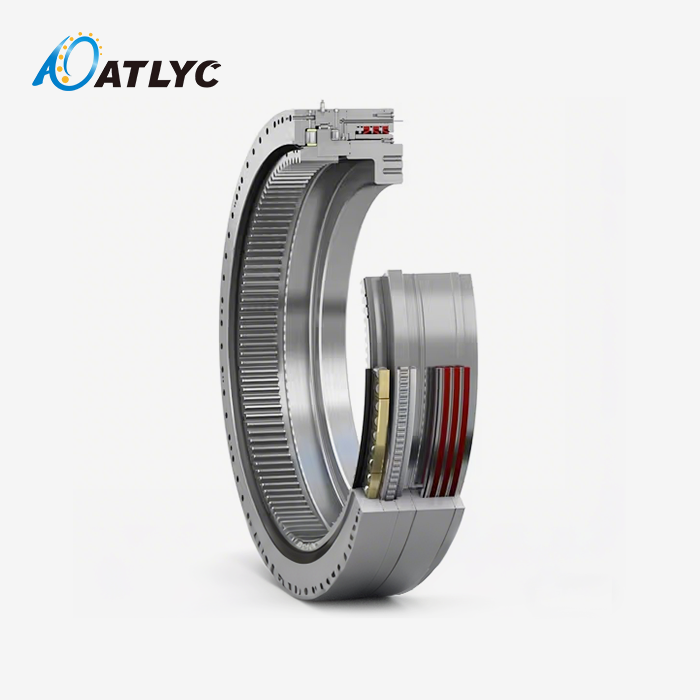
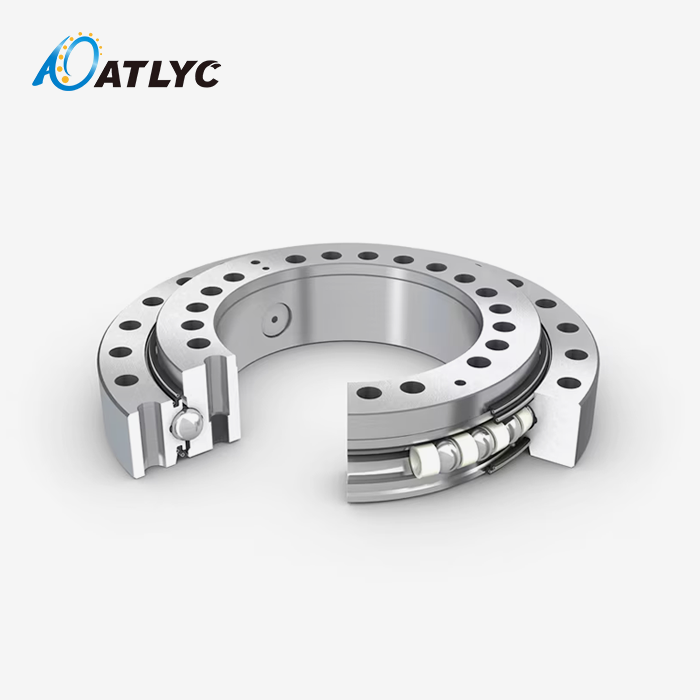
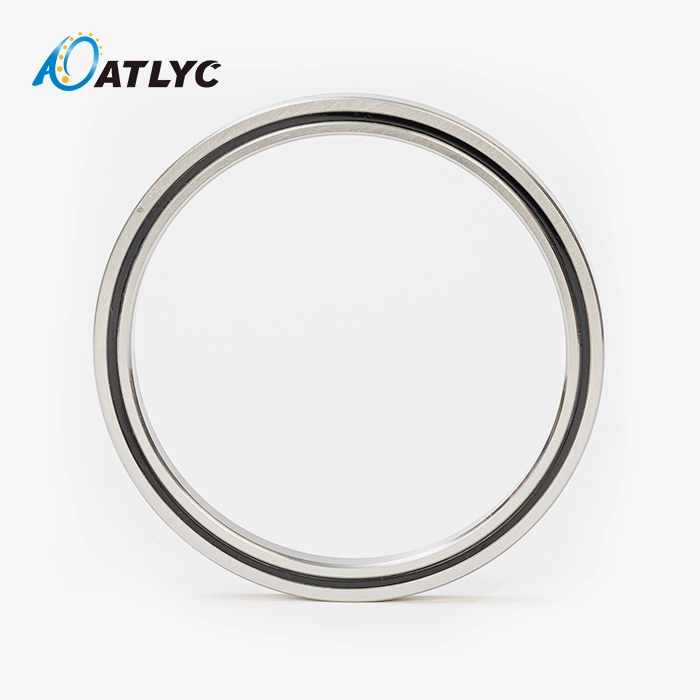
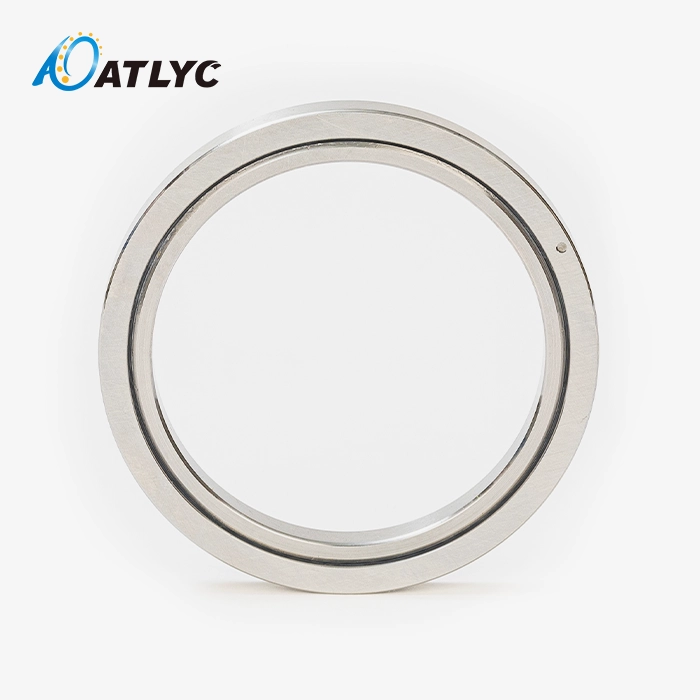
When accuracy meets technology, there is no room for mistakes at all. RE Cross Roller Bearings are essential parts in robots and industrial automation because they can handle loads in multiple directions and rotate accurately, which is what modern manufacturing needs. With a combined outer ring and a split inner ring design, these bearings can handle radial, axial, and moment loads all at the same time in a single small unit. Their special crossed-roller arrangement allows for micrometer-level accuracy while keeping high structural stiffness. This directly leads to better system performance in robotic joints, rotary indexing tables, and automatic guided vehicles.
Understanding Cross Roller Bearings in Robotics and Automation
Modern robotic systems have to deal with loads that are getting more complicated, which is hard for traditional bearing methods to handle well. RE Cross Roller Bearings are a big change in how engineers solve problems with motion control.
What Makes Cross Roller Design Unique
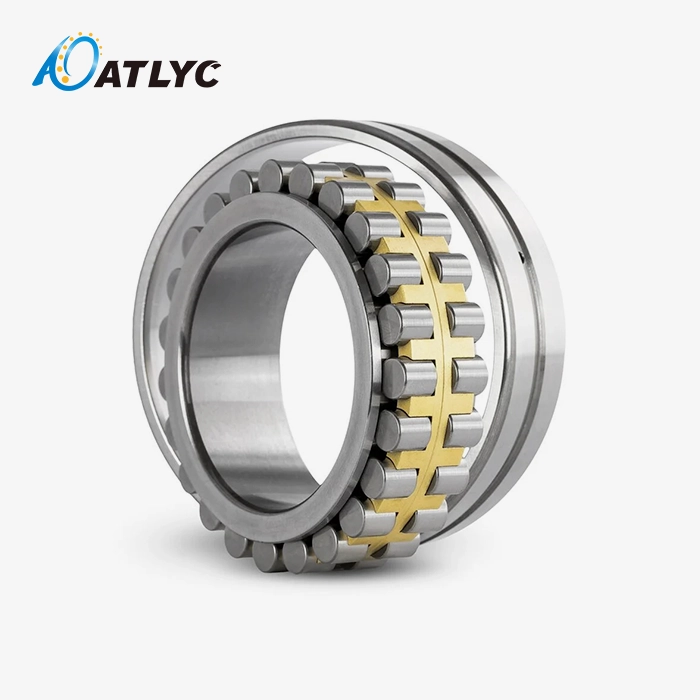
The unique feature is how the circular rollers are arranged so that they are perpendicular to each other in V-shaped raceways. When you set this up, you get line-contact contacts, which spread loads over a bigger surface area than point-contact designs found in most ball bearings. The spacers between each roller keep the metals from touching directly, which lowers the friction torque and keeps the spinning features smooth even when the preload is high.
Operating Principles That Drive Performance
RE Cross Roller Bearings combine functions into a single unit, unlike other types of bearings that need multiple parts to handle complex load vectors. As a result of the vertical roller orientation, half of the rollers support radial forces, and the other half counteract axial thrust and turns. This simultaneous load management gets rid of the bending and misalignment problems that come up with multiple bearings. It also gives robotic uses that need a high stiffness-to-volume ratio what they need.
Precision Standards in Automated Systems
Automation equipment can handle small changes from the working settings that were set. These bearings are accurate up to P2 (ISO class 5 to 2), and their rotary runout is kept to less than one micron. This level of accuracy makes sure that robotic manipulators can repeat positioning actions correctly millions of times. This has a direct effect on production quality and lowers the amount of scrap in high-volume industrial settings.
Key Applications of RE Cross Roller Bearings in Robotics
When you look at how these bearing solutions are used on different automation platforms, you can see how flexible they are. Real-world use shows how choosing the right RE Cross Roller Bearings affects the general capabilities of a machine.
Robotic Arms and Joint Assemblies
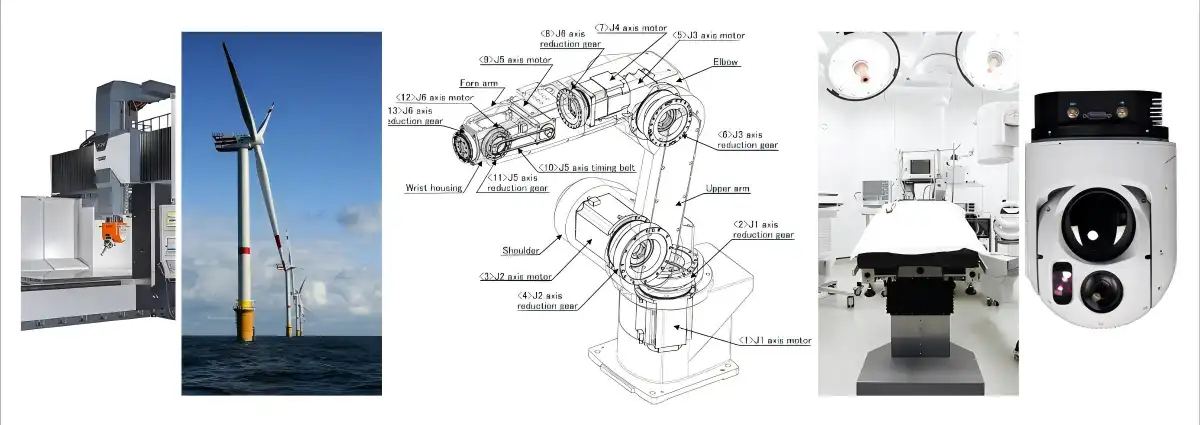
Every joint axis of an articulated robot depends on how well the bearings work. When it comes to shoulder, elbow, and wrist parts, where rotational accuracy directly affects end-effector placement, the design with the integral outer ring gives structural benefits. When heated to 58 to 64 HRC, materials like GCr15 and GCr15SiMn steel give you the fatigue strength you need for continual use in welding cells, assembly stations, and material handling tasks. Inner diameters that range from 20 mm to 1100 mm can fit a wide range of robots, from interactive ones to heavy-duty industrial ones.
Automated Guided Vehicles and Mobile Platforms
AGVs move through warehouses and factory halls carrying heavy loads that cause large moment loads when they speed up and turn. RE Cross Roller Bearings in the steering systems and spinning guns keep the path accurate while these dynamic forces are being handled. Crossed-roller designs with low friction coefficients use less power, which is important for battery-powered mobile platforms that go long periods of time without being charged.
Industrial Automation Equipment
Gains in manufacturing efficiency often come from changes to parts that don't seem very important. With these bearings, rotary tracking tables can go through cycles faster because they have better acceleration and settling properties. They are used in rotary-tilt heads on CNC machines, where cutting forces create complicated load combinations. The small installation size is good for packaging machinery because it lets designers keep processing capacity while minimizing equipment footprints. The very high runout accuracy is needed to keep calibration standards high during production runs for measuring equipment and IC-making tools.
Comparing RE Cross Roller Bearings with Alternative Bearing Types
When making a purchase choice, it's important to look at how different bearing methods fit with the needs of the application. Comparing performance traits helps engineers make the best decisions about designs and how to spend money on RE Cross Roller Bearings.
Performance Against Ball Bearings
Ball bearings work well when there is only a simple horizontal or axial load, but they are not stiff enough for precision positioning systems. Due to their line-contact shape, RE Cross Roller Bearings are three to four times stiffer, which immediately leads to better positional accuracy when they are loaded. Because they can handle combined loads, you don't need to pair or stack ball bearings. This makes the setup simpler and reduces the number of possible failure places.
Advantages Over Angular Contact Bearings
In order for angular contact bearings to handle loads that come from multiple directions, they need to be mounted in a way that faces the opposite direction. This way of doing things needs more axial room and makes it harder to change the preload during assembly. The crossed-roller shape gets similar load ratings in a thinner cross-section, which saves room that is needed for current small robot designs. The maintenance process is also easier because the pressure properties stay the same over the life of the bearing.
Cost-Performance Comparison with Slewing Rings
Because they have been used in the past, slewing ring bearings are often the first choice for large-diameter rotating uses. When the outer diameter needs to be between 70 and 1500 mm, RE Cross Roller Bearing choices offer competitive load rates and better rotational accuracy. The solid outer ring design eliminates the gear mesh flaws that come with slewing ring designs. This makes the motion smoother, which is important for precision robotic equipment. When looking at initial acquisition costs, long-term cost analysis should take into account less frequent upkeep and longer service life.
Selecting the Right RE Cross Roller Bearings for Your Robotics Project
The basic design step is where successful RE Cross Roller Bearings integration starts. When technical specifications are in line with operational needs, redesigns that cost a lot of money and efficiency losses are avoided.
Size and Load Rating Considerations
Widths ranging from 12 mm to 110 mm can fit into a variety of space areas within robotic systems. Instead of using theoretical maximums, engineers should figure out what the real load conditions are, taking safety factors into account. Static load ratings tell you how much holding power you need when the machine is in a stationary position, while dynamic load ratings tell you how fast it should rotate and how many hours it should be used. The split inner ring design makes fitting easier in situations where the outer ring rotates. It also gets rid of the problems that come with complete inner ring designs.
Precision Class Selection
To get the best performance, you need to match the accuracy of the bearing to the limits of the product. With placement errors of just a few hundredths of a millimeter, grades P6 and P0 are good for basic industrial automation. P5 and P4 classes are for precision machine tools and robotic surgery equipment that needs to be accurate to the micron level. P2 bearings are the most accurate bearings that can be bought. They are only used in measuring tools and devices that make semiconductors, where measurement accuracy is crucial to the success of the product.
Material Selection and Environmental Factors
Standard GCr15 bearing steel works well in a wide range of temperatures and clean conditions that are common in industry. GCr15SiMn alloy choices that offer better protection to corrosive atmospheres, high temperatures, or contamination risks may be useful in situations where the climate is harsh. Choosing the right seals keeps particles from getting into the internal rolling elements, which speeds up wear and makes it harder to maintain accuracy.
Customization and Volume Procurement
For some automation platforms, bearing changes that go beyond what is listed in the catalog are needed. Customized outer diameter fastening features, special lubrication provisions, or built-in detecting features can make system interaction better. Bulk purchasing agreements help OEMs save money on production runs while keeping the supply chain running smoothly. To avoid production delays, it's important to be clear with suppliers about minimum order amounts, expected wait times, and quality documentation needs.
Why Choose ATLYC for Your Cross Roller Bearing Requirements
Strategic buying includes more than just technical specs; it also includes the skills and abilities of suppliers that help the business reach its long-term goals. The choice of partner for RE Cross Roller Bearings affects the quality of the product, the dependability of delivery, and the total cost of ownership over the duration of the equipment.
Manufacturing Excellence and Quality Assurance
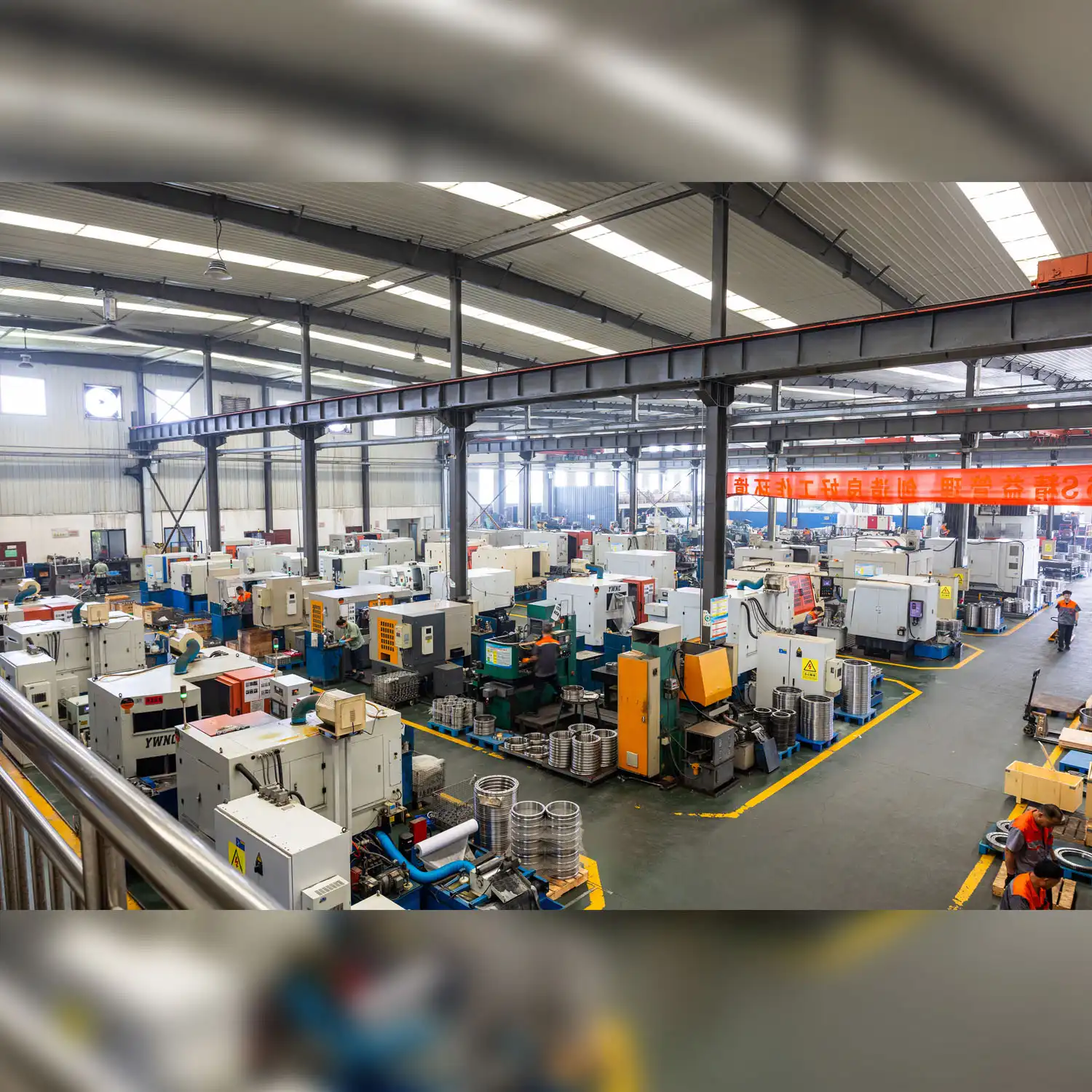
Luoyang Auto Bearing Co., Ltd., doing business as ATLYC, has been making fine bearings for 15 years and sells them all over the world. From starting as a single workshop in 2010 to now having six specialized production sites shows that we are committed to increasing our capacity to meet the needs of our growing customer base. The ISO 9001 and IATF 16949 licenses prove that there are quality control systems in place that make sure all batches of products meet the same standards.
When we do quality checks on our RE Cross Roller Bearing line, we focus on the most important factors that impact how well robots work. For checking rotational accuracy, high-precision inductive tools measure the radial runout of the outer ring, which is the most important factor in spinning outer ring applications. Checking the internal clearance and preload by measuring the starting force proves that the split inner rings are properly matched. Magnetic particle inspection is a type of non-destructive testing that finds breaks in the material below the surface that could affect the stability of bearings. Laser micrometers check that the mounting face is flat and centered according to standards that allow the host machine to be properly integrated.
Global Supply Chain Reliability
The 120 people on our team are in charge of managing production, tech support, and logistics for companies in South Korea, the US, Germany, Russia, Iran, and Turkey. Our wide range of locations shows that we can handle the complicated rules for foreign shipping, paperwork needs, and communication standards that make buying things across borders easier. When you have a good relationship with your freight partners, you can be sure of the wait times you'll need to support just-in-time stocking strategies and project milestones.
Technical Support Throughout Product Lifecycle
Help with choosing bearings helps engineers make the best designs during the development stages, when changing specifications has the least amount of cost. Installation advice stops the mounting mistakes that cause big bearing failures too soon in many industrial settings. Recommendations for maintenance that are tuned to specific working conditions increase the time between services and lower the total cost of ownership. When performance issues come up during the setup or operation of equipment in production, our expert staff responds quickly to help with troubleshooting, which keeps downtime costs to a minimum.
Competitive Advantages for Volume Purchasers
Buying bearings is an ongoing cost for companies that make robotic equipment and sell it to other businesses. Our price structure takes into account the economies of scale that can be reached through modern production methods while still upholding the quality standards that keep our customers' good names. Clear guarantee policies show that you trust the product and give you options if there are quality problems. Flexible minimum order amounts can be used for both prototype development programs and full-scale production needs. This way, buying strategies can be aligned with real demand patterns instead of having to make investments in supplies that tie up working capital.
Conclusion
Automation technology keeps getting better at meeting higher standards for stability, faster run times, and higher levels of accuracy. RE Cross Roller Bearings are tried-and-true ways to meet these rising performance standards because they have better load control, smaller packing, and very accurate rotation. Their ability to work with robotic arms, mobile platforms, and industrial tools shows that they can be used with a wide range of automation equipment. The best system performance is achieved by choosing the right bearings based on the load qualities, precise needs, and environmental factors. ATLYC has the manufacturing skills, quality control systems, and customer service systems to make sure that bearing integration goes smoothly from the first design to ongoing production needs.
FAQ
1. How Do Maintenance Practices Affect Bearing Performance?
According to studies in the field, about 16% of bearing problems can be avoided by installing them correctly. This includes using the right fixing methods, making sure the parts are lined up correctly, and picking the right tools. Managing lubrication is just as important. This includes choosing the right types of grease for the working temperatures, keeping to the recommended relubrication times, and making sure that neither too little nor too much lubrication happens, which would cause too much heat. Vibration analysis and temperature tracking are used for condition monitoring to find problems before they become too big to fix. Regularly checking and replacing seals keeps them free of contamination, which protects the purity of internal parts for long periods of time.
2. What Distinguishes Cross Roller from Angular Contact Bearings?
Angular contact bearings handle mixed loads with ball elements set at specific contact angles. They usually need to be mounted in pairs. RE Cross Roller Bearings designs handle loads in a similar way by arranging rollers perpendicularly within a single unit. The line-contact shape makes the structure three to four times more rigid, which is very important for uses that need precise positioning. RE Cross Roller Bearings use less room because they don't need the axial space that opposite angular contact setups do, but they still have the same load values.
3. Can Bearing Specifications Be Customized for Unique Applications?
Custom changes are made to meet unique integration needs that go beyond what is available in the store. Unique design factors can be supported by mounting face features, lubrication options, seal configurations, and dimensional changes. How possible personalization is and how much it costs are affected by the production number. Standard bearings with extra parts can be used for prototypes, but special tooling needs to be bought for production amounts. Consulting during the planning step helps find ways to improve things before committing to tools.
Partner with ATLYC—Your Trusted RE Cross Roller Bearings Supplier
To raise your automation systems, you need RE Cross Roller Bearings solutions that meet technical requirements and ensure the reliability of your supply chain. ATLYC offers cross roller bearings that are made using ISO 9001 and IATF 16949 certified methods. This makes sure that the quality stays consistent, which keeps your production plans on track and protects your brand's image. Throughout the lifecycle of your equipment, our engineering team can help you with specifications, make special changes, and provide fast technical support. Competitive volume prices and flexible minimum orders make it possible to meet the needs of both concept development and full-scale production.
Contact our procurement specialists at auto@lyautobearing.com to discuss your specific application requirements. Request detailed technical documentation, product samples, or volume quotations that enable informed sourcing decisions. Discover how partnering with an experienced RE Cross Roller Bearings manufacturer transforms component procurement into a strategic advantage supporting your automation equipment performance and market competitiveness.
References
1. Harris, T.A., and Kotzalas, M.N. (2006). Advanced Concepts of Bearing Technology: Rolling Bearing Analysis, Fifth Edition. CRC Press, Boca Raton, Florida.
2. Weck, M., and Brecher, C. (2006). Werkzeugmaschinen 5: messtechnische Untersuchung und Beurteilung, dynamische Stabilität. Springer-Verlag, Berlin, Germany.
3. Nakamura, T. (2012). "High-Precision Cross Roller Bearings for Industrial Robot Applications." Journal of Advanced Mechanical Design, Systems, and Manufacturing, Vol. 6, No. 5, pp. 682-693.
4. International Organization for Standardization (2014). ISO 492:2014 Rolling Bearings—Radial Bearings—Geometrical Product Specifications (GPS) and Tolerance Values. Geneva, Switzerland.
5. Schaeffler Technologies AG (2016). Rolling Bearings: Technical Design and Application Guidelines. Schaeffler Technologies, Herzogenaurach, Germany.
6. Chen, G., and Wang, L. (2018). "Load Distribution Analysis and Contact Stiffness Prediction of Cross Roller Bearing." Industrial Lubrication and Tribology, Vol. 70, No. 8, pp. 1438-1446.
Learn about our latest products and discounts through SMS or email