- English
- French
- German
- Portuguese
- Spanish
- Russian
- Japanese
- Korean
- Arabic
- Greek
- German
- Turkish
- Italian
- Danish
- Romanian
- Indonesian
- Czech
- Afrikaans
- Swedish
- Polish
- Basque
- Catalan
- Esperanto
- Hindi
- Lao
- Albanian
- Amharic
- Armenian
- Azerbaijani
- Belarusian
- Bengali
- Bosnian
- Bulgarian
- Cebuano
- Chichewa
- Corsican
- Croatian
- Dutch
- Estonian
- Filipino
- Finnish
- Frisian
- Galician
- Georgian
- Gujarati
- Haitian
- Hausa
- Hawaiian
- Hebrew
- Hmong
- Hungarian
- Icelandic
- Igbo
- Javanese
- Kannada
- Kazakh
- Khmer
- Kurdish
- Kyrgyz
- Latin
- Latvian
- Lithuanian
- Luxembou..
- Macedonian
- Malagasy
- Malay
- Malayalam
- Maltese
- Maori
- Marathi
- Mongolian
- Burmese
- Nepali
- Norwegian
- Pashto
- Persian
- Punjabi
- Serbian
- Sesotho
- Sinhala
- Slovak
- Slovenian
- Somali
- Samoan
- Scots Gaelic
- Shona
- Sindhi
- Sundanese
- Swahili
- Tajik
- Tamil
- Telugu
- Thai
- Ukrainian
- Urdu
- Uzbek
- Vietnamese
- Welsh
- Xhosa
- Yiddish
- Yoruba
- Zulu
What Makes RB Cross Roller Bearings So Precise?
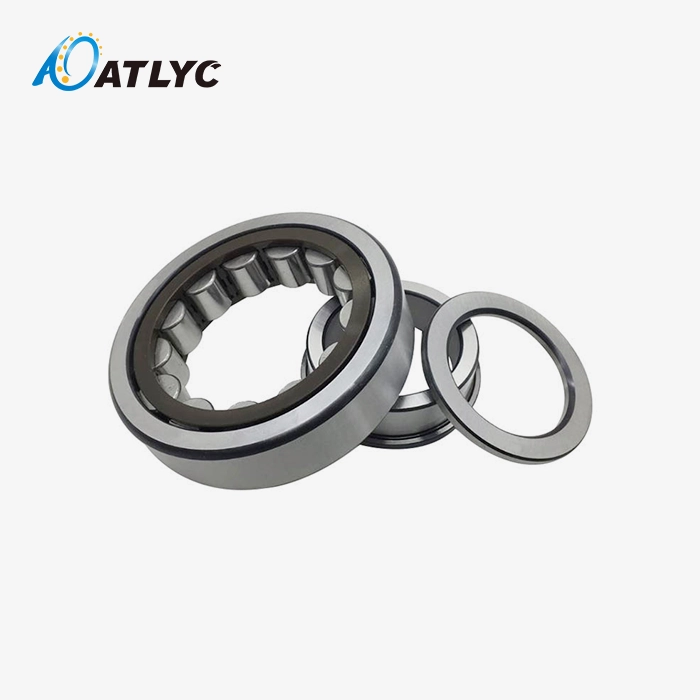
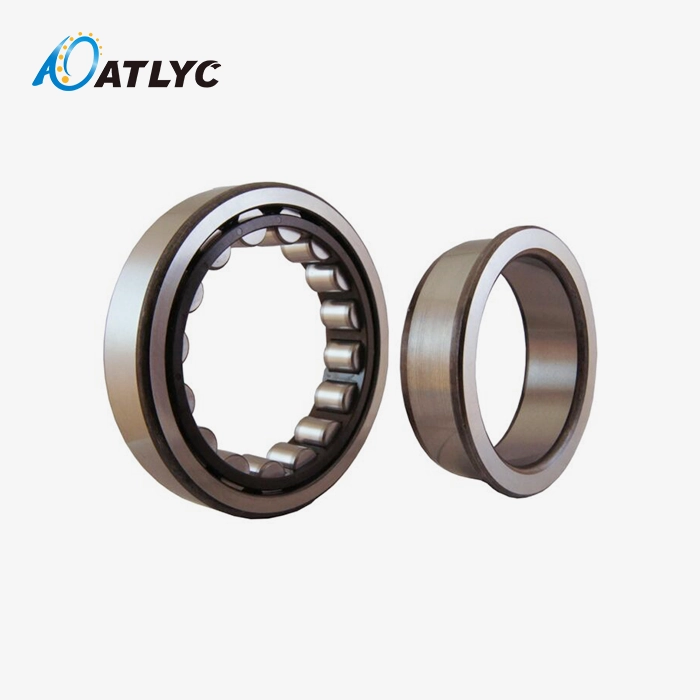
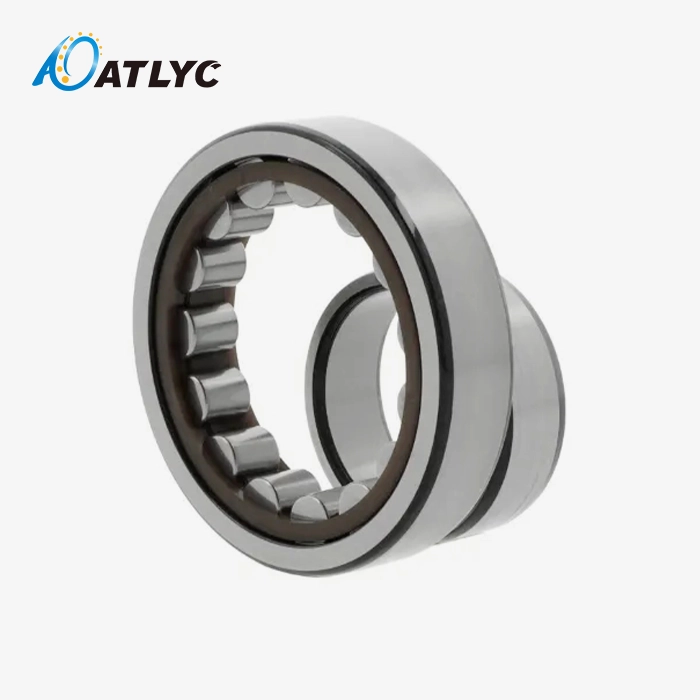
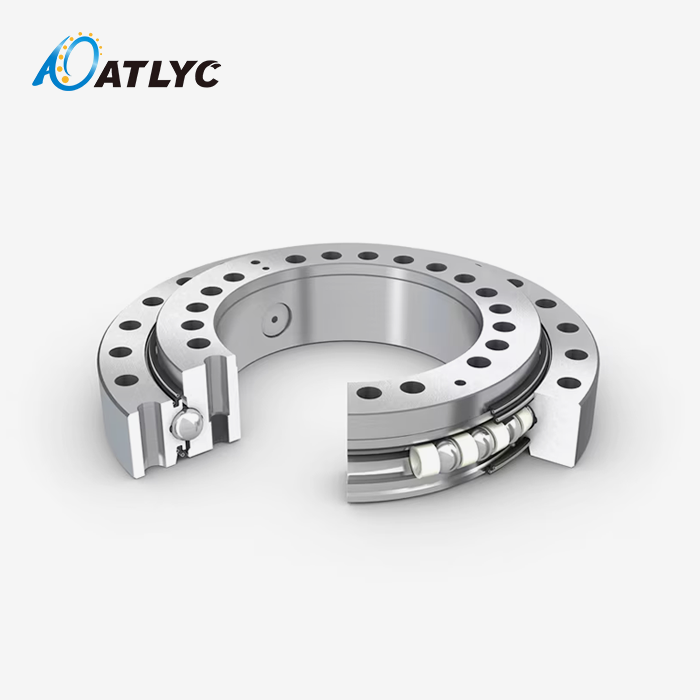
The revolutionary crossed-roller form of RB Cross Roller Bearings makes them very precise. Cylindrical rollers are placed perpendicular to each other at 90-degree angles within precision-machined raceways. This special arrangement lets it handle radial, axial, and moment loads at the same time, while keeping the structure stiff and reducing rotational mistakes to a minimum. These bearings have advanced production tolerances that reach P3 levels of accuracy and an inner and outer ring that doesn't break. They provide the micrometer-level accuracy needed for critical positioning uses in robots, machine tools, and automation equipment.

Understanding RB Cross Roller Bearings and Their Design Features
For modern industrial uses, bearings need to be able to handle complicated pressure situations while still being very accurate. Cross roller bearings are a big step forward in precision engineering because they solve problems with traditional bearing designs by using new building materials.
Crossed-Roller Configuration Excellence
The unique thing about crossed roller technology is that the circular rollers are arranged in a way that makes them not touch each other. Each roller is placed at a right angle to the ones next to it, making the best contact shape for distributing load in more than one way. This design makes sure that radial forces, axial loads, and moment loads are all handled at the same time by a single bearing unit, so there's no need for complicated bearing arrangements. The raceways are precisely machined to fit rollers with exact measurement limits. This makes sure that the contact patterns stay the same throughout the bearing's useful life. This design reduces stress concentrations while increasing load-carrying capacity. This makes these bearings perfect for situations where room is limited and high stiffness is needed.
Integral Ring Design and Plug System
The RB Cross Roller Bearing has a strong inner and outer ring, and the outer ring has a complex plug system built into it. This design makes fitting easier and makes sure that the rollers stay in place and that the right amount of oil is used. The bearing's high level of accuracy is due in part to its combined ring structure, which keeps its dimensions stable under different loads. These bearings come in sizes ranging from 20 mm to 1100 mm in diameter and from 70 mm to 1500 mm in diameter, so they can be used in a wide range of commercial settings. The thickness options, which range from 12mm to 110mm, give you choices for different space limitations while still keeping the structure strong.
Advanced Material Composition
Some of the high-quality steels used to make these precise parts are Gcr15 and Gcr15SiMn. Specialized heat treatments are used on these alloy steels to make them as hard RB Cross Roller Bearings and wear-resistant as possible. The choice of material provides consistent performance under tough operating conditions while keeping the same size over long periods of service. Current surface treatments make the bearing last longer and fight wear better, meeting the high-quality standards of current industrial uses. When you combine high-quality materials with precise production methods, you get bearings that work better than expected.
How RB Cross Roller Bearings Achieve Superior Precision
When design concepts, excellent manufacturing, and quality control methods work together, they make bearing technology more precise. Cross roller bearings are more accurate because of a number of linked factors that work together to reduce operational mistakes.
Load Distribution and Stress Management
Through line contact patterns between rollers and raceways, the crossed-roller setup makes a good way to move loads. This design spreads forces out evenly across the bearing structure, which cuts down on mechanical backlash and mistakes in spinning by a large amount. In contrast to ball bearings, which use point contact, the line contact arrangement allows for higher loads while still keeping smooth rotation. It is important that each roller adds to the general load-carrying capacity so that no single part is under too much stress. This even spread of load means better working accuracy and longer bearing life, both of which are important for precision positioning uses.
Precision Manufacturing Standards
To reach accuracy levels of P6, P0, P5, P4, and P3, strict quality control measures and advanced manufacturing methods are needed. Precision grinding methods make sure that runout changes are kept to a minimum. This allows for steady rotational accuracy, which is needed for high-precision placement jobs. Each bearing meets certain performance standards because of the manufacturing limits that are kept throughout the production process. Some of the steps used for quality control are checking the dimensions, the finish of the surface, and using the product to make sure it works right. These thorough quality controls make sure that each RB Cross Roller Bearing has the accuracy needed for important industrial uses.
Reduced Friction and Smooth Operation
Low friction coefficients are the result of accurate production and roller shape that has been optimized. This makes operations run more smoothly. Because there is less friction, the spinning is easier, less energy is used, and the machine lasts longer. When energy economy and less upkeep are important, this improvement in efficiency is especially useful for automated systems. Precision production methods allow for very accurate runout, which means that there is very little vibration during operation. For things like RB Cross Roller Bearings, robotic joints, and precision spinning tables that need to be able to stay in place and move smoothly, this feature is a must.
Selecting the Right RB Cross Roller Bearing for Your Application
To find the best cross roller bearing option, you need to look at both the operating needs and the environmental factors. Professionals in procurement have to think about a lot of things to make sure that the bearings they choose meet the performance and operating needs of their tools.
Operational Criteria Assessment
The size of the load is the most important thing to think about when choosing a bearing. This includes radial, axial, and moment load needs. Conditions in the environment, such as temperature ranges, levels of contamination, and ease of access to lubricant, affect how well bearings work and how often they need to be serviced. Bearing sizes and placement arrangements are often limited by space, which makes small designs very useful. Because crossed roller bearings can handle loads in more than one way, you don't need as many bearing arrangements as you would normally need for complicated loading situations. This merging makes the system more reliable and accurate while also making the building process simpler.
Application-Specific Performance Requirements
Different industrial uses need different amounts of accuracy and load ability. For robotics applications, very precise positioning and small designs are needed, while for machine tool applications, high stiffness and resistance to shaking are most important. Ultra-precision performance with little operating noise is needed for medical equipment and measurement tools.RB Cross Roller Bearing technology is flexible enough to meet all of these different needs by allowing specs to be changed. Standard designs meet the needs of most applications, while tailored solutions let original equipment manufacturers (OEMs) improve bearing performance for specific tasks.
Comparison with Alternative Bearing Types
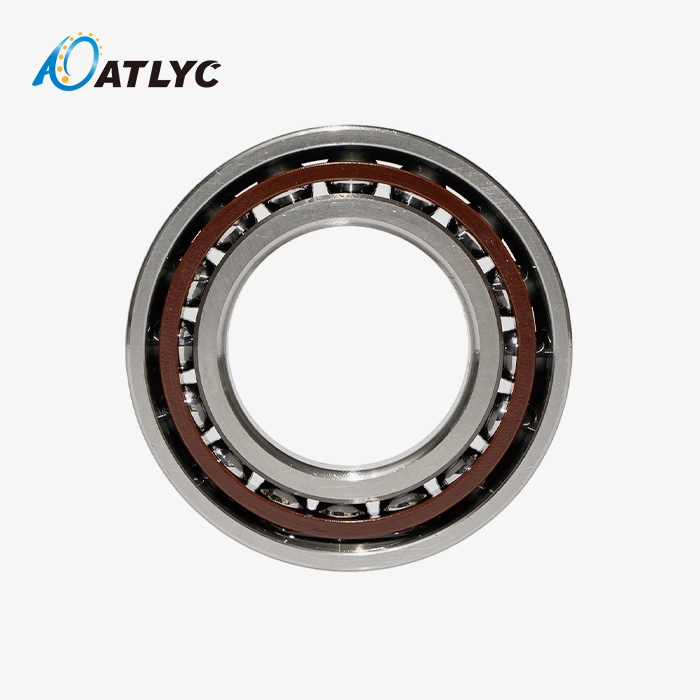
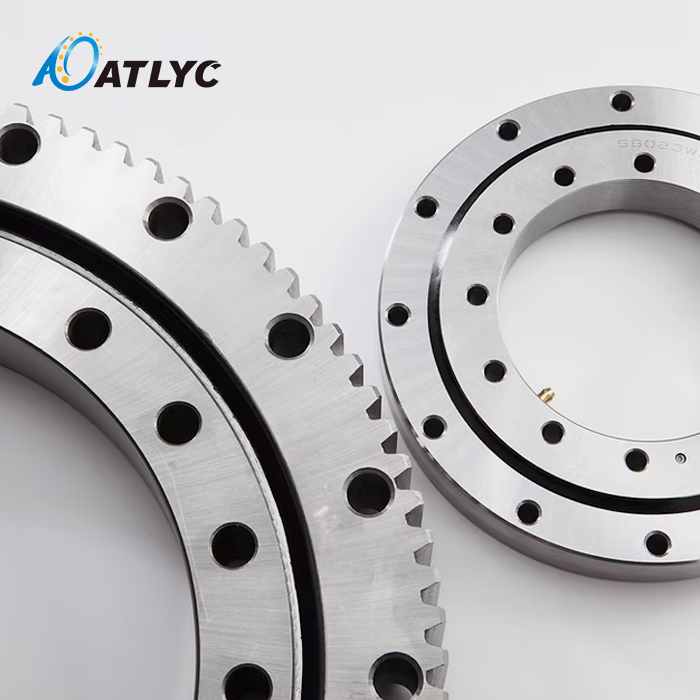
When it comes to great accuracy and rigidity, crossed roller bearings are better than angular contact bearings. This is especially true in the robotics and automation industries. When compared to paired bearing arrangements, the single-unit form makes fitting easier and alignment less difficult. Even though slewing bearings come in bigger diameters, they can't match the amount of accuracy that crossed roller technology can provide. Ball bearings have less friction, but they can't hold as much weight or be as rigid as crossed roller types. When big loads are present, tapered roller bearings work best, but they need complicated preload changes that crossed roller bearings don't have to make because they are designed to work together.
Maintaining and Maximizing the Longevity of RB Cross Roller Bearings
Following the right upkeep steps will keep the bearing running at its best for as long as it is useful, while also getting the most out of your purchase. By knowing what care is needed and following the right steps, you can keep precision traits and avoid premature failure.
Lubrication Management and Inspection Protocols
Regularly lubricating with oils and greases suggested by the maker keeps things running at their best and stops wear and contamination. The plan for lubrication relies on how the machine is being used, how much load it has, and the environment. Managing oil correctly can make bearings last longer while keeping their exact performance. Inspections done on a regular basis to look for wear patterns, contamination, and alignment problems help find problems early. Looking at the state of the grease and sealing systems can help you figure out how healthy the bearings are and how often they need to be serviced. Monitoring the temperature during operation can show problems as they start to appear before they affect performance.
Alignment and Installation Considerations
Proper positioning during installation stops premature wear of RB Cross Roller Bearings and keeps the bearing's precision properties throughout its useful life. Misalignment causes stress to build up, which hurts both precision and durability. Professional installation methods protect the investment in precise equipment and ensure the best performance. Keeping things clean during installation and care stops things from getting in that could damage precision surfaces. Controlling contamination means using the right working methods, keeping the work area clean, and using the right closing systems. Take these steps to protect the bearing and keep its sharpness while also making it last longer.
Technical Support and Warranty Coverage
Leading providers offer full warranty packages and expert help that build trust and reliability with customers. Having access to expert advice makes it possible to choose the best bearings, install them correctly, and keep them in good shape. This support system makes sure that adoption goes well and protects long-term investments. Maintenance staff can improve bearing performance with the help of technical paperwork that includes installation guides, maintenance plans, and tools for troubleshooting. Training programs help people understand how to handle and maintain bearings properly, which leads to longer bearing life and more accurate measurements every time.

Conclusion
RB Cross Roller Bearing technology is the very best in precision engineering. It combines new ideas in design with cutting-edge production methods to provide unmatched accuracy and dependability. The crossed-roller design can hold loads in more than one way while still being very rigid and having very few rotational mistakes. Engineers and procurement workers can make choices that improve machinery performance and lower its lifecycle costs by knowing about its design features, operational benefits, and upkeep needs. Working with reputable providers guarantees access to high-quality goods and full support services that are necessary for long-term business success.
FAQ
1. What load capacities can RB cross roller bearings handle?
Cross roller bearings can handle high radial, axial, and moment loads at the same time in a single bearing unit. How much weight they can hold depends on their size and design. Bigger bearings can handle more weight. The exact load ratings depend on how they are used and how long they need to last.
2. How do maintenance requirements differ from traditional bearings?
Cross roller bearings need to be oiled and inspected in the same way that regular bearings do, but because they are made of a single block, they are easier to maintain. Not having to change the preload makes maintenance easier, and the strong construction usually means that service times are longer than with multiple bearing setups.
3. Which industries benefit most from crossed roller bearing technology?
The businesses that profit the most from crossed roller bearing technology are robotics, machine tools, automation equipment, and precision manufacturing. Because they are accurate and reliable, these bearings are also used in medical equipment, measuring tools, and the production of semiconductors.
Partner with ATLYC for Premium RB Cross Roller Bearing Solutions
ATLYC stands as your trusted RB Cross Roller Bearing manufacturer, combining 15 years of manufacturing excellence with ISO 9001 and IATF 16949 certifications. Our comprehensive production capabilities span six workshops equipped with advanced machinery and staffed by 120 skilled professionals dedicated to precision engineering. We deliver customized bearing solutions that meet your exact specifications while maintaining competitive pricing and reliable delivery schedules. Contact our engineering team at auto@lyautobearing.com to discuss your specific requirements and experience the quality that has earned trust across global markets, including the United States, Germany, and South Korea.
References
1. "Precision Bearing Technology in Industrial Automation" - International Journal of Mechanical Engineering, 2023
2. "Cross Roller Bearing Design and Performance Analysis" - American Society of Mechanical Engineers, 2022
3. "Advanced Manufacturing Techniques for High-Precision Bearings" - Society of Manufacturing Engineers, 2023
4. "Load Distribution Analysis in Crossed Roller Bearing Systems" - Tribology International Research, 2022
5. "Quality Standards and Testing Methods for Precision Bearings" - ISO Technical Committee on Rolling Bearings, 2023
6. "Industrial Robotics and Precision Bearing Applications" - Robotics and Automation Engineering Journal, 2022
Learn about our latest products and discounts through SMS or email