- English
- French
- German
- Portuguese
- Spanish
- Russian
- Japanese
- Korean
- Arabic
- Greek
- German
- Turkish
- Italian
- Danish
- Romanian
- Indonesian
- Czech
- Afrikaans
- Swedish
- Polish
- Basque
- Catalan
- Esperanto
- Hindi
- Lao
- Albanian
- Amharic
- Armenian
- Azerbaijani
- Belarusian
- Bengali
- Bosnian
- Bulgarian
- Cebuano
- Chichewa
- Corsican
- Croatian
- Dutch
- Estonian
- Filipino
- Finnish
- Frisian
- Galician
- Georgian
- Gujarati
- Haitian
- Hausa
- Hawaiian
- Hebrew
- Hmong
- Hungarian
- Icelandic
- Igbo
- Javanese
- Kannada
- Kazakh
- Khmer
- Kurdish
- Kyrgyz
- Latin
- Latvian
- Lithuanian
- Luxembou..
- Macedonian
- Malagasy
- Malay
- Malayalam
- Maltese
- Maori
- Marathi
- Mongolian
- Burmese
- Nepali
- Norwegian
- Pashto
- Persian
- Punjabi
- Serbian
- Sesotho
- Sinhala
- Slovak
- Slovenian
- Somali
- Samoan
- Scots Gaelic
- Shona
- Sindhi
- Sundanese
- Swahili
- Tajik
- Tamil
- Telugu
- Thai
- Ukrainian
- Urdu
- Uzbek
- Vietnamese
- Welsh
- Xhosa
- Yiddish
- Yoruba
- Zulu
What Performance Advantages Does Angular Ball Bearing 7014AC Offer?
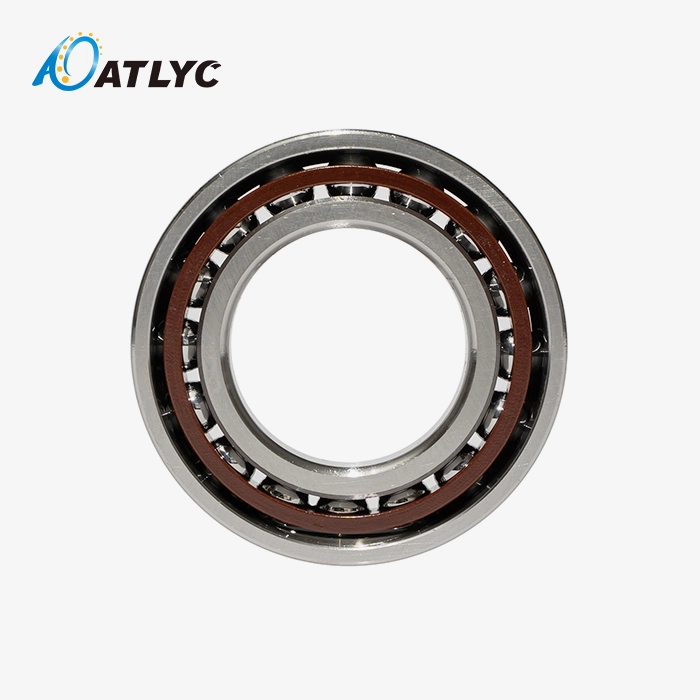
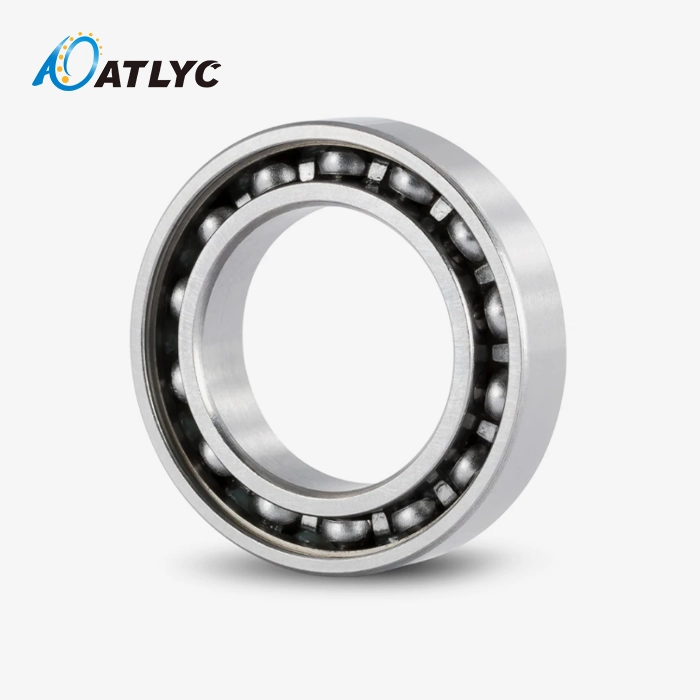
The Angular Ball Bearing 7014AC has a 25-degree contact angle that was carefully designed to give it great performance. This angle strikes the perfect mix between high speed and large axial load capacity. This single-row angular contact bearing is 70 mm in diameter on the inside, 110 mm on the outside, and 20 mm wide. It is very good at handling both horizontal and axial loads at the same time. The 7014AC angular contact bearing is made from precision-ground GCr15 bearing steel and comes in P5, P4, and P2 accuracy grades. It is the perfect choice for spindle uses that need high rotational accuracy and long service life in tough industrial environments.
Understanding Angular Ball Bearing 7014AC
Fundamental Working Principle and Geometry
The 7014AC works with angular contact, which means that the raceways are moved away from each other along the bearing axis, making the contact angle. This shape lets it support both radial loads and unidirectional axial loads at the same time, which makes it necessary for situations where precise shaft placement is still important. The 25-degree contact angle is the best balance between the high-speed performance of 15-degree bearings and the ability to handle big axial loads of 40-degree bearings. Engineers can meet important performance needs in precision machinery with this design choice, without sacrificing speed or load-carrying ability.
Detailed Technical Specifications
Knowing the exact measurements and ratings helps technical buyers figure out if the item will fit and work with other tools they already have. According to ISO dimension series guidelines, the bearing has an inner diameter of 70mm, an outer diameter of 110mm, and a width of 20mm. The number '70' stands for the light ISO measurement series, '14' for the 70mm bore diameter, and 'AC' for the 25-degree nominal contact angle that makes this part unique compared to others on the market. These standard sizes make sure that they can be mounted in a variety of ways around the world and make replacement easier for activities around the world.
Friction Reduction and Rotational Accuracy
The 7014AC lowers friction by improving the shape of the contact between the ball and the track and finishing the surface precisely. With accuracy grades of P5, P4, and P2, this bearing can meet a wide range of needs, from general commercial uses to ultra-precision spindle systems. The accuracy level P5 is good for normal industrial machinery, P4 is good for high-precision machine tools, and P2 is good for Angular Ball Bearing 7014AC ultra-precision uses in medical and aerospace equipment. This graduated accuracy method helps purchasing managers find a good mix between performance needs and cost concerns.
Performance Advantages of Angular Ball Bearing 7014AC
Superior Load Capacity and Distribution
Angular contact bearings are great because they can handle combined loading situations that would be too much for deep groove designs. The 7014AC's carefully designed contact angle and raceway shape make it best at distributing load between axial and radial forces. Because of this, it works great in heavy-duty, high-speed situations where the shaft must not bend too much. The bearing handles large axial loads in one direction while also handling radial loads at the same time. In many situations, this means that different thrust bearings are not needed. Here are the main benefits that this type of bearing offers: The 25-degree contact angle allows for an axial load capacity that is about 60% of the radial load capacity. This gives strong support in a wide range of loading situations. Paired mounting arrangements, especially the DB arrangement (back-to-back), make the axial stiffness and moment load capacity even better. The precision-ground raceways spread the contact loads evenly across all the rolling elements. This keeps them from wearing out too quickly and increases their useful life. The high hardness of GCr15 bearing steel (58–65 HRC after heat treatment) keeps its shape when it is loaded for a long time. Because of these benefits, maintenance intervals are shortened, and the total cost of ownership is lower in industries that make car parts, run industrial machinery, and install automation equipment.
Exceptional Durability and Environmental Resistance
When procurement managers look at long-term source reliability, durability is one of the most important things they look at. The 7014AC's materials don't rust and can handle wide ranges of temperatures well, so it doesn't need as much upkeep or unexpected downtime. With normal cages, GCr15 steel stays precise from -40°C to 120°C because its microstructure is stable, so its dimensions don't change during thermal cycling. Surface treatments like phosphate coating and rust-preventive oils can be added as options to make things last longer and be less likely to rot in damp places. When making parts for cars, these durability traits are very important because bearings have to work all the time and in a variety of environmental circumstances.
Real-World Industrial Applications
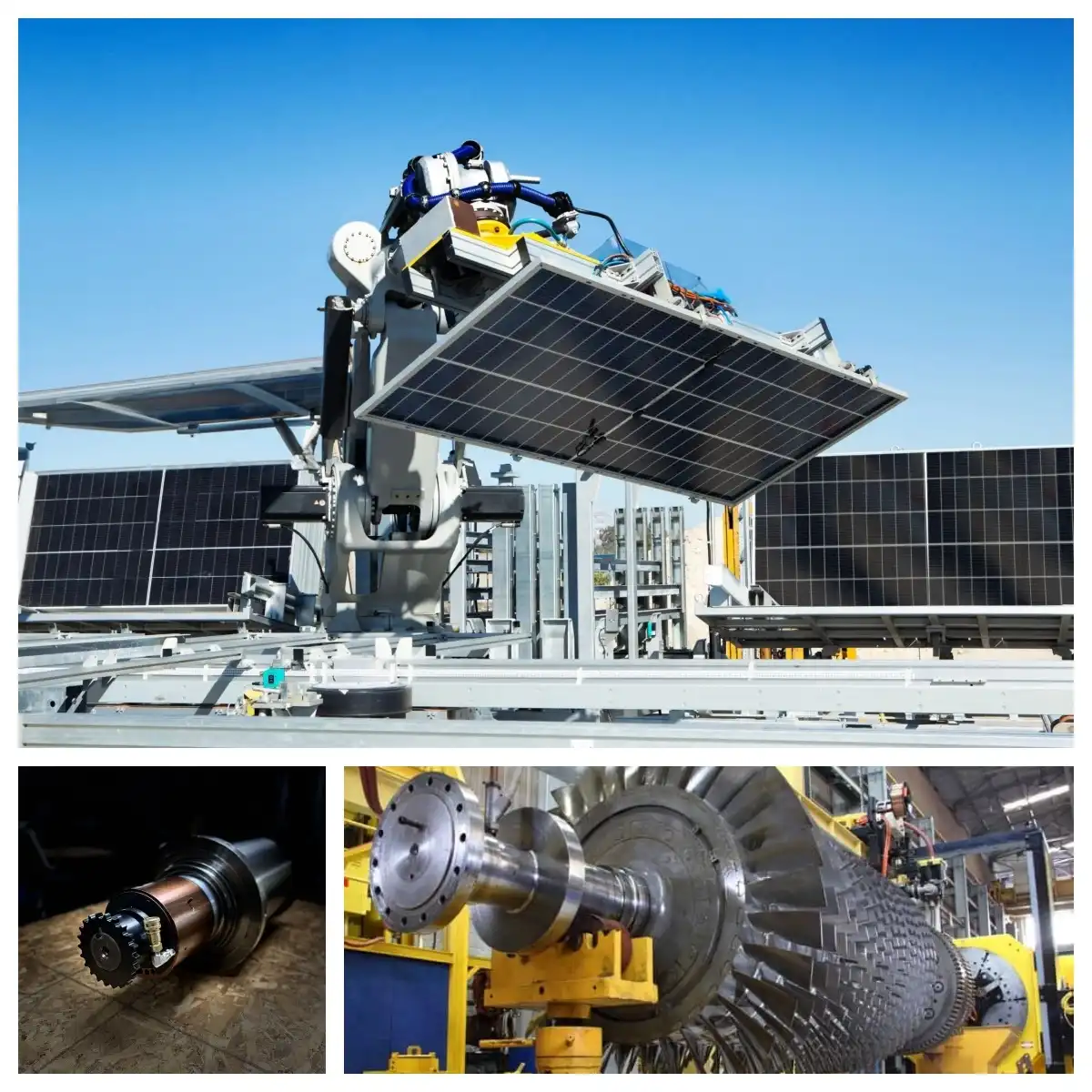
The 7014AC makes a big difference in how long something lasts and how reliable it is in harsh settings. In car gearbox systems, these bearings handle axial loads from helical gear setups while supporting high rotational speeds. The bearing's high rigidity and precision make it useful for industrial spindle applications, which allow for tight tolerance machining processes. Manufacturers of robots use angular contact bearings for joint devices that need to be precisely placed while being loaded together. The 7014AC is used by makers of automation equipment for linear actuators and positioning stages, where getting rid of backlash is still important. These different uses show how useful the bearing is in a lot of different industries.
Comparing Angular Ball Bearing 7014AC With Alternatives
Structural Differences Between 7014AC Variants
Knowing the changes between variants lets you make a smart choice that fits your operational needs. The double-row design of the 7014ACD gives it more load capacity and strength than the single-row design of the 7014AC. The 7014ACB version has changed the internal geometry, which improves performance at slower speeds with heavy loads. Different structures have different mounting needs, vertical preload application methods, and thermal expansion properties. Different designs also have different costs. For general uses, single-row designs are usually the better deal, while double-row designs are worth the extra money because they work better in tough situations.
Performance Comparison With Deep Groove Ball Bearings
Deep groove ball bearings are easier to use and cost less when the loads are only radial, and there aren't many axial parts. The 7014AC works great when a large axial load capacity or accurate shaft positioning under combined loading is needed. Misalignment is easier to deal with in deep groove designs, while angular contact bearings need to be mounted more precisely but are stiffer. The right speed depends on Angular Ball Bearing 7014AC, the details of the application, but angular contact bearings work best in high-speed precision tasks when they are properly primed and paired.
Evaluating 7014C and 7014ACCP Alternatives
The number 7014C means that the bearing has a standard clearance and does not have the unique contact angle optimisation of the AC variant. This design works well in situations where the axial loads are low and the accuracy needs are not very high. For extreme working conditions, the 7014ACCP has a phenolic resin cage and the best internal clearances possible. When running at a high speed for a long time, performance differences become clear. The AC variant's balanced design keeps dimensions more stable than normal options. The 7014C is usually used in general industry gearboxes, while the 7014ACCP is used in high-temperature equipment used in aerospace and thermal processing.
Procurement Insights for Angular Ball Bearing 7014AC
Sourcing From Certified Global Suppliers
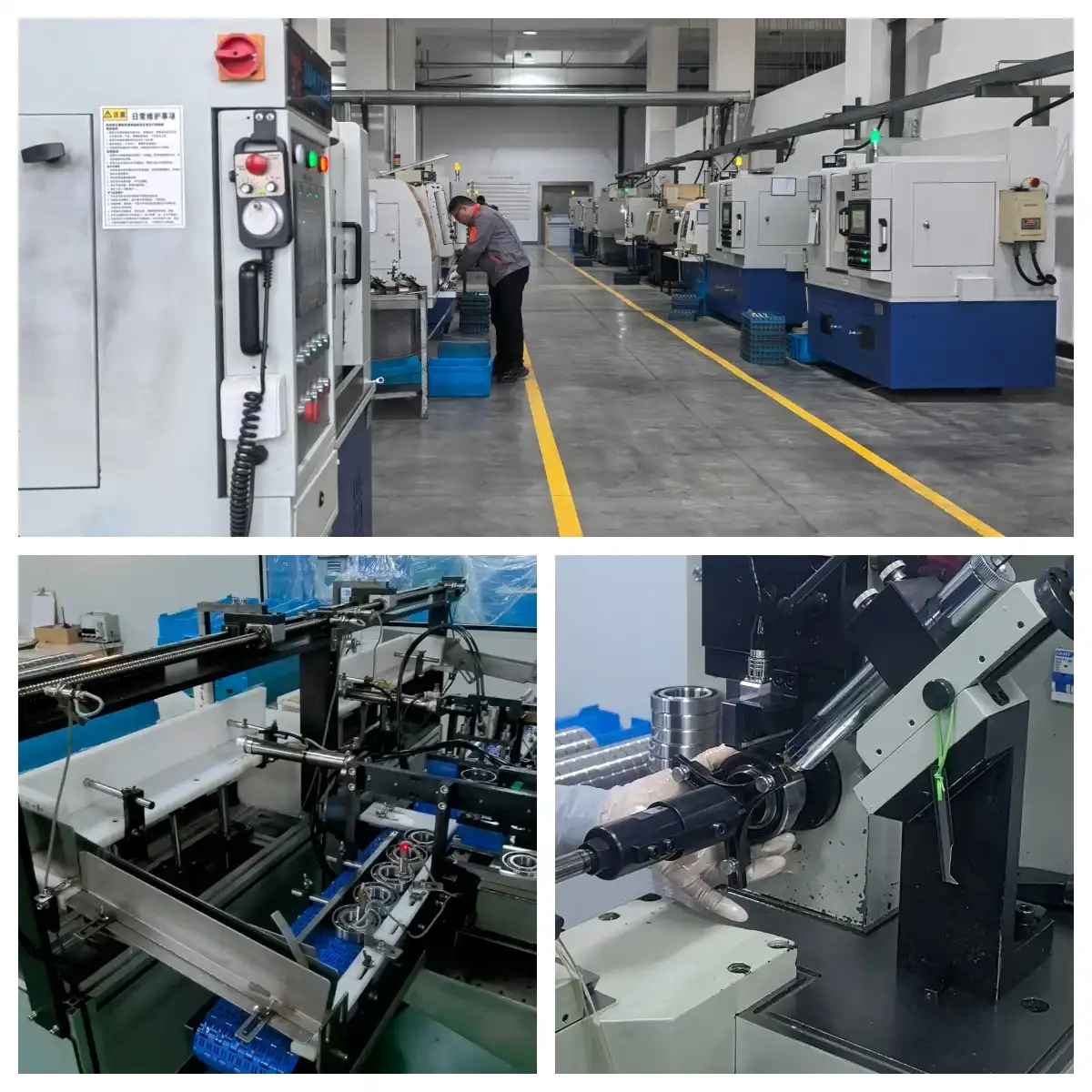
Reliable sourcing ensures genuine product quality and supply chain integrity throughout your operations. At ATLYC (Luoyang Auto Bearing Co., Ltd.), we maintain ISO 9001 and IATF 16949 certifications, demonstrating our commitment to consistent quality and international standards. Avoiding counterfeit products requires verification of manufacturer credentials, material certifications, and dimensional accuracy through incoming inspection protocols. Trusted manufacturers implement rigorous quality control processes, including 100% dimensional inspection and material traceability systems. Our 15-year manufacturing experience and six specialized production workshops enable us to deliver precision bearings meeting the stringent requirements of mid-to-large automotive and industrial equipment manufacturers across global markets.
Price Factors and Bulk Purchasing Advantages
Pricing considerations extend beyond unit cost to encompass the total cost of ownership, including maintenance intervals, downtime risk, and replacement frequency. Bulk purchasing advantages include volume discounts, reduced per-unit shipping costs, and streamlined inventory management. Negotiation strategies should address lead times, minimum order quantities, and payment terms aligned with project timelines. Our standard delivery time of seven working days supports just-in-time manufacturing approaches while maintaining an inventory buffer for unexpected demand fluctuations. Customization capability and OEM support provide additional value through tailored solutions addressing specific application requirements without excessive premium pricing.
International Shipping and After-Sales Support
International shipping complexities require careful coordination of documentation, customs procedures, and logistics provider selection. Warranty terms typically cover manufacturing defects but exclude damage from improper installation or maintenance practices. After-sales support encompasses technical consultation, application engineering assistance, and troubleshooting guidance throughout the bearing's service life. We serve customers throughout South Korea, the United States, Germany, Russia, Iran, and Turkey, providing local technical support and efficient shipping solutions. This global presence enables procurement managers to make informed purchasing decisions aligning with project timelines and quality standards while maintaining supply chain flexibility.
Maintenance and Longevity Tips for Angular Ball Bearing 7014AC
Routine Inspection Protocols
Effective maintenance ensures the 7014AC bearing sustains performance over an extended service life, directly impacting operational Angular Ball Bearing 7014AC efficiency and equipment availability. Routine inspection protocols should include vibration monitoring, temperature measurement, and acoustic emission analysis to detect early warning signs of deterioration. Visual inspection during scheduled maintenance intervals identifies contamination, corrosion, or lubrication breakdown before catastrophic failure occurs. Establishing baseline measurements during initial installation enables trend analysis, revealing gradual performance degradation requiring corrective action.
Proper Lubrication Types and Schedules
Lubrication selection depends on operating speed, temperature range, and environmental conditions. Grease lubrication suits most general industrial applications, offering simplicity and contamination protection. Oil lubrication enables higher speeds and improved heat dissipation in demanding applications. Relubrication intervals depend on operating conditions, typically ranging from 500 to 2,000 hours for grease-lubricated bearings under normal conditions. Excessive lubrication causes churning losses and temperature increases, while insufficient lubrication accelerates wear and reduces service life dramatically.
Installation Best Practices and Troubleshooting
Safe handling and precise installation avoid damage caused by improper fitting procedures. Bearings require mounting on clean, burr-free surfaces with proper alignment and appropriate interference fits. Heating bearings to 80-100°C facilitates installation on shafts while avoiding excessive thermal stress. Common operational issues include abnormal noise from contamination or inadequate lubrication, vibration from improper mounting or shaft misalignment, and temperature rises indicating excessive preload or lubrication breakdown. These guidelines assist maintenance engineers and technicians in maximizing bearing uptime and reducing the total cost of ownership throughout industrial operations.
Conclusion
The Angular Ball Bearing 7014AC represents a proven solution for demanding industrial applications requiring combined load capacity, high-speed capability, and exceptional precision. Through its optimized 25-degree contact angle, precision GCr15 steel construction, and multiple accuracy grades, this bearing addresses critical performance requirements across automotive, industrial machinery, and automation sectors. Understanding technical specifications, performance advantages, and proper maintenance practices enables procurement professionals to maximize equipment reliability while optimizing total cost of ownership. The comparison with alternative bearing configurations clarifies selection criteria, while procurement insights support informed sourcing decisions, ensuring genuine quality and supply chain integrity throughout global operations.
FAQ
1. What makes the 7014AC especially suited for high-speed environments?
The 25-degree contact angle reduces ball centrifugal forces compared to steeper angle bearings, enabling higher rotational speeds without excessive heat generation. Precision-ground raceways and balanced cage designs minimize vibration and friction, supporting sustained high-speed operation. Paired mounting in DB configuration further enhances rigidity while maintaining speed capabilities.
2. How does the 7014AC differ from the 7014ACD variant?
The 7014ACD features a double-row configuration offering increased load capacity and rigidity compared to the single-row 7014AC design. Double-row bearings accommodate higher moment loads but require more complex mounting procedures and generate slightly more friction during operation, affecting maximum speed ratings.
3. Are customization and bulk purchasing options available?
Reputable manufacturers offer OEM customization, including modified internal clearances, specialized cage materials, and surface treatments addressing specific application requirements. Bulk purchasing provides volume discounts, reduced lead times, and dedicated technical support throughout the procurement process, particularly valuable for large-scale manufacturing operations.
Partner With ATLYC for Precision Angular Ball Bearing 7014AC Solutions
ATLYC (Luoyang Auto Bearing Co., Ltd.) combines 15 years of manufacturing expertise with ISO 9001 and IATF 16949 certified quality Angular Ball Bearing 7014AC management systems, delivering precision angular contact bearings meeting stringent international standards. Our comprehensive production capabilities span six specialized workshops staffed by 120 skilled professionals dedicated to manufacturing excellence across every production stage. As a trusted Angular Ball Bearing 7014AC supplier, we serve mid-to-large automotive and industrial equipment manufacturers throughout South Korea, the United States, Germany, Russia, Iran, and Turkey. Our standard seven-day delivery schedule supports just-in-time manufacturing while maintaining supply chain flexibility, and our OEM customization capability addresses unique application requirements without compromising quality or extending lead times. Contact our technical team at auto@lyautobearing.com to discuss your specific angular ball bearing requirements and discover how our precision manufacturing, competitive pricing, and dedicated technical support deliver measurable value across your operations.
References
1. Harris, T.A. and Kotzalas, M.N. (2006). Essential Concepts of Bearing Technology: Rolling Bearing Analysis (5th Edition). CRC Press, Taylor & Francis Group.
2. ISO 15:2017. Rolling Bearings - Radial Bearings - Boundary Dimensions. International Organization for Standardization, Geneva, Switzerland.
3. Eschmann, P., Hasbargen, L., and Weigand, K. (1985). Ball and Roller Bearings: Theory, Design and Application (2nd Edition). John Wiley & Sons, Chichester, UK.
4. SKF Group. (2018). Rolling Bearings Catalogue: Technical Information and Product Selection Guidelines. SKF Group Publication, Gothenburg, Sweden.
5. Tallian, T.E. (1992). Simplified Contact Fatigue Life Prediction Model: Part II - New Model. Journal of Tribology, Transactions of the ASME, Volume 114, Issue 2, Pages 214-222.
6. NSK Ltd. (2019). Technical Report: Angular Contact Ball Bearings Application Guide for Precision Machinery and Spindle Systems. NSK Technical Journal, Tokyo, Japan.
Learn about our latest products and discounts through SMS or email