- English
- French
- German
- Portuguese
- Spanish
- Russian
- Japanese
- Korean
- Arabic
- Greek
- German
- Turkish
- Italian
- Danish
- Romanian
- Indonesian
- Czech
- Afrikaans
- Swedish
- Polish
- Basque
- Catalan
- Esperanto
- Hindi
- Lao
- Albanian
- Amharic
- Armenian
- Azerbaijani
- Belarusian
- Bengali
- Bosnian
- Bulgarian
- Cebuano
- Chichewa
- Corsican
- Croatian
- Dutch
- Estonian
- Filipino
- Finnish
- Frisian
- Galician
- Georgian
- Gujarati
- Haitian
- Hausa
- Hawaiian
- Hebrew
- Hmong
- Hungarian
- Icelandic
- Igbo
- Javanese
- Kannada
- Kazakh
- Khmer
- Kurdish
- Kyrgyz
- Latin
- Latvian
- Lithuanian
- Luxembou..
- Macedonian
- Malagasy
- Malay
- Malayalam
- Maltese
- Maori
- Marathi
- Mongolian
- Burmese
- Nepali
- Norwegian
- Pashto
- Persian
- Punjabi
- Serbian
- Sesotho
- Sinhala
- Slovak
- Slovenian
- Somali
- Samoan
- Scots Gaelic
- Shona
- Sindhi
- Sundanese
- Swahili
- Tajik
- Tamil
- Telugu
- Thai
- Ukrainian
- Urdu
- Uzbek
- Vietnamese
- Welsh
- Xhosa
- Yiddish
- Yoruba
- Zulu
What Benefits Does the ZKLDF Rotary Table Bearing Offer to Automation
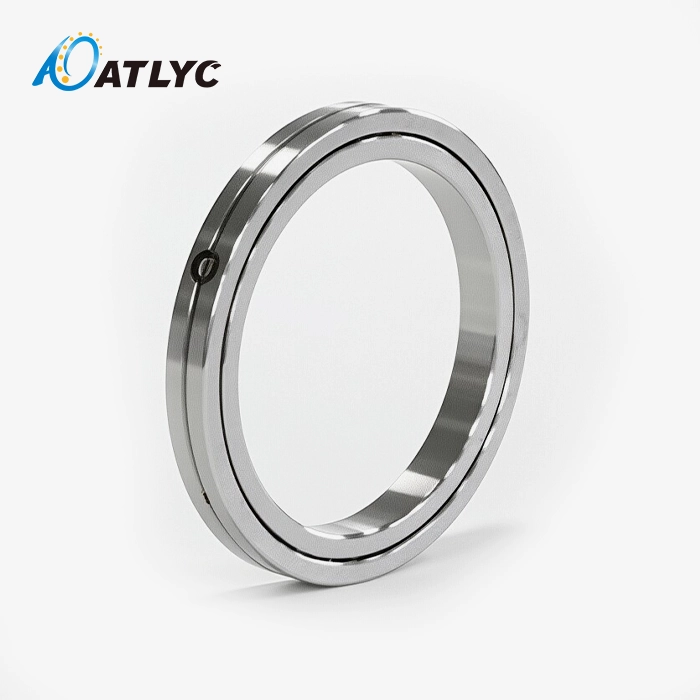
The ZKLDF Rotary Table Bearing is a revolutionary part of automation systems because it has a three-in-one design that blends thrust, radial, and moment load capabilities into a single small unit. This precision-engineered part has a unique 60° angular contact ball arrangement housed in two rows. This allows for simultaneous multi-directional load management while keeping high levels of rotational accuracy. The integrated mounting hole design gets rid of the need for traditional bearing housings. This makes installation much easier and reduces the system's footprint, which are important benefits for modern automated production environments that need to be as efficient as possible with little downtime.
Understanding the ZKLDF Rotary Table Bearing: Features and Specifications
The ZKLDF bearing represents specialized engineering designed specifically for high-speed machine tool applications requiring exceptional combined load support. Unlike conventional bearing systems that necessitate complex assembly of multiple components, this advanced solution integrates mounting capability directly into its structure, streamlining installation while delivering superior performance in demanding industrial environments.
Integrated Structural Design
The bearing is made up of an L-shaped outer ring that is made of a single piece and an inner ring unit that is made up of two pieces. This setup has two ball-and-cage setups placed back-to-back in an O shape. This makes the important 60° contact angle needed to handle loads coming from different directions. The combined design gets rid of the need for separate indexing mechanisms, thrust bearings, and radial bearings, which used to need to be carefully aligned and took up extra room in automation systems.
Load Distribution Engineering
The double-row angular contact ball arrangement provides extraordinary load-carrying capacity across multiple axes. The 60° contact angle optimizes force transmission, ensuring stable operation beneath combined axial, radial, and tilting moment loads. This setup maintains structural integrity even when equipment encounters dynamic cutting forces or eccentric loading conditions common in automated ZKLDF Rotary Table Bearing manufacturing cells. Understanding these functional principles clarifies how rotary table bearings seamlessly integrate into automation workflows. The combination of compact integration, precision manufacturing, and optimized load handling ensures smooth, accurate, and repeatable motion—the foundation of reliable automated operations.
Key Benefits of ZKLDF Rotary Table Bearings in Automation Applications
Manufacturing automation demands components that consistently deliver precision while minimizing maintenance interventions. The ZKLDF bearing addresses these requirements through several interconnected advantages that directly impact operational efficiency.
Enhanced Precision and Repeatability
Rotational accuracy defines quality in automated machining and assembly operations. The bearing's precision-ground raceways and optimized ball geometry minimize runout and vibration, maintaining positional accuracy within microns across millions of cycles. This consistency proves essential for automotive component manufacturers producing parts with tight tolerances, where dimensional variation translates directly into quality defects and warranty costs. During our fifteen years serving global automation markets, we've observed how bearing precision affects downstream processes. A robotic welding cell using precision rotary table bearings maintains consistent torch positioning, reducing weld defects and rework. Similarly, CNC indexing tables equipped with high-accuracy bearings produce parts requiring minimal secondary operations, improving throughput and reducing labor costs.
Superior Load Capacity and Rigidity
The dual-row angular contact configuration delivers exceptional load-carrying capacity relative to bearing size. The 60° contact angle effectively manages combined axial, radial, and moment loads simultaneously—a critical capability for automation equipment handling heavy workpieces or experiencing variable cutting forces. This robust load handling maintains system rigidity under demanding conditions, preventing deflections that compromise accuracy. Industrial machinery manufacturers particularly value this characteristic. A CNC machining center processing large aluminum castings experiences significant cutting forces that vary with toolpath geometry. The bearing's ability to maintain positional accuracy despite these dynamic loads ensures consistent surface finishes and dimensional control throughout the machining cycle.
Maintenance Accessibility Features
Built-in lubrication passages facilitate maintenance operations throughout the bearing's service cycle. The outer ring features standardized lubrication points that allow precise lubricant delivery to critical contact zones without disassembly. This accessibility extends operational life and maintains consistent performance, supporting predictive maintenance strategies that prevent unexpected failures. These benefits collectively contribute to enhanced operational efficiency, reliability, and long-term value for automation stakeholders. The combination of precision, load capacity, durability, and ease of integration addresses the key pain points that mid-to-large manufacturers face when specifying components for automated systems.
Comparing ZKLDF Rotary Table Bearings with Other Market Solutions
Procurement teams evaluating bearing solutions for automation applications benefit from understanding how different technologies compare across critical performance dimensions. The ZKLDF bearing offers distinct advantages when assessed against alternative approaches commonly used in precision automation.
Performance Against Cross Roller Bearings
Cross roller bearings represent a competing technology frequently specified as ZKLDF Rotary Table Bearing for rotary table applications. While these bearings offer excellent load capacity and rigidity, they typically require more complex mounting arrangements and exhibit higher friction characteristics compared to angular contact ball designs. The ZKLDF bearing's optimized contact angle and precision ball complement deliver comparable rigidity with reduced friction, enabling higher speed capabilities—an advantage for applications requiring rapid indexing cycles. Independent testing conducted across multiple operating conditions demonstrates that angular contact configurations maintain dimensional stability at rotational speeds where cross roller alternatives begin experiencing thermal expansion effects. This speed capability proves valuable for modern CNC machining centers that maximize throughput through rapid tool changes and workpiece indexing.
Balancing Performance, Longevity, and Budget Considerations
Procurement decisions inevitably involve trade-offs between competing priorities. Understanding these differentiators proves crucial in selecting the right bearing solution that balances performance requirements, expected service life, and budget constraints—ensuring appropriate return on investment and minimized operational risks. The ZKLDF bearing addresses this balance through manufacturing approaches that emphasize consistent quality and international standards compliance. Our ISO 9001 and IATF 16949 certifications demonstrate our commitment to producing components that meet global quality expectations. This certification framework ensures that bearings delivered to customers in South Korea, Germany, the United States, or other markets maintain identical specifications and performance characteristics—critical for manufacturers operating multiple facilities or sourcing components for equipment deployed across geographic regions.
Procurement Insights: How to Buy and Partner with ZKLDF Rotary Table Bearing Suppliers
Successful bearing procurement extends beyond component specifications to encompass supplier relationships, logistics capabilities, and ongoing technical support. Understanding these dimensions helps manufacturers establish partnerships that support long-term operational success.
Flexible Ordering Options for Global B2B Clients
Purchasing precision rotary table bearings accommodates diverse customer requirements, from wholesale orders supporting production equipment to specialized custom configurations addressing unique application challenges. This flexibility proves essential for manufacturers managing complex supply chains across multiple facilities and product lines. At Luoyang Auto Bearing, our 120 skilled employees dedicated to production, research and development, quality inspection, and assembly ensure efficient and professional operation across all manufacturing stages. Having expanded from one workshop in 2010 to six specialized facilities by 2025, we've developed capabilities spanning six core bearing categories, enabling us to serve as a single-source supplier for diverse customer requirements. This production scale supports both large-volume orders for standard configurations and smaller batch quantities for specialized applications.
Transparent Pricing and Warranty Policies
Procurement confidence builds through transparent commercial terms that clearly define product specifications, pricing structures, delivery timelines, and warranty coverage. These policies mitigate risks and ensure product authenticity—concerns that naturally arise when sourcing precision components from international suppliers. We've structured our commercial policies to address these concerns directly. Clear specification documentation ensures that ordered components match application requirements. Documented warranty coverage provides recourse if products fail to meet stated performance standards. These transparent approaches support the long-term strategic partnerships that mid-to-large manufacturers prefer with suppliers demonstrating production scale, continuous improvement, and international experience.
Practical Application Areas and Case Examples of ZKLDF Rotary Table Bearings
Understanding how precision rotary table bearings perform across varied automation environments helps manufacturers recognize potential applications within their own operations. The technology has proven its value across diverse industrial sectors where rotational accuracy directly impacts product quality and operational efficiency.
CNC Machining Centers and Precision Indexing
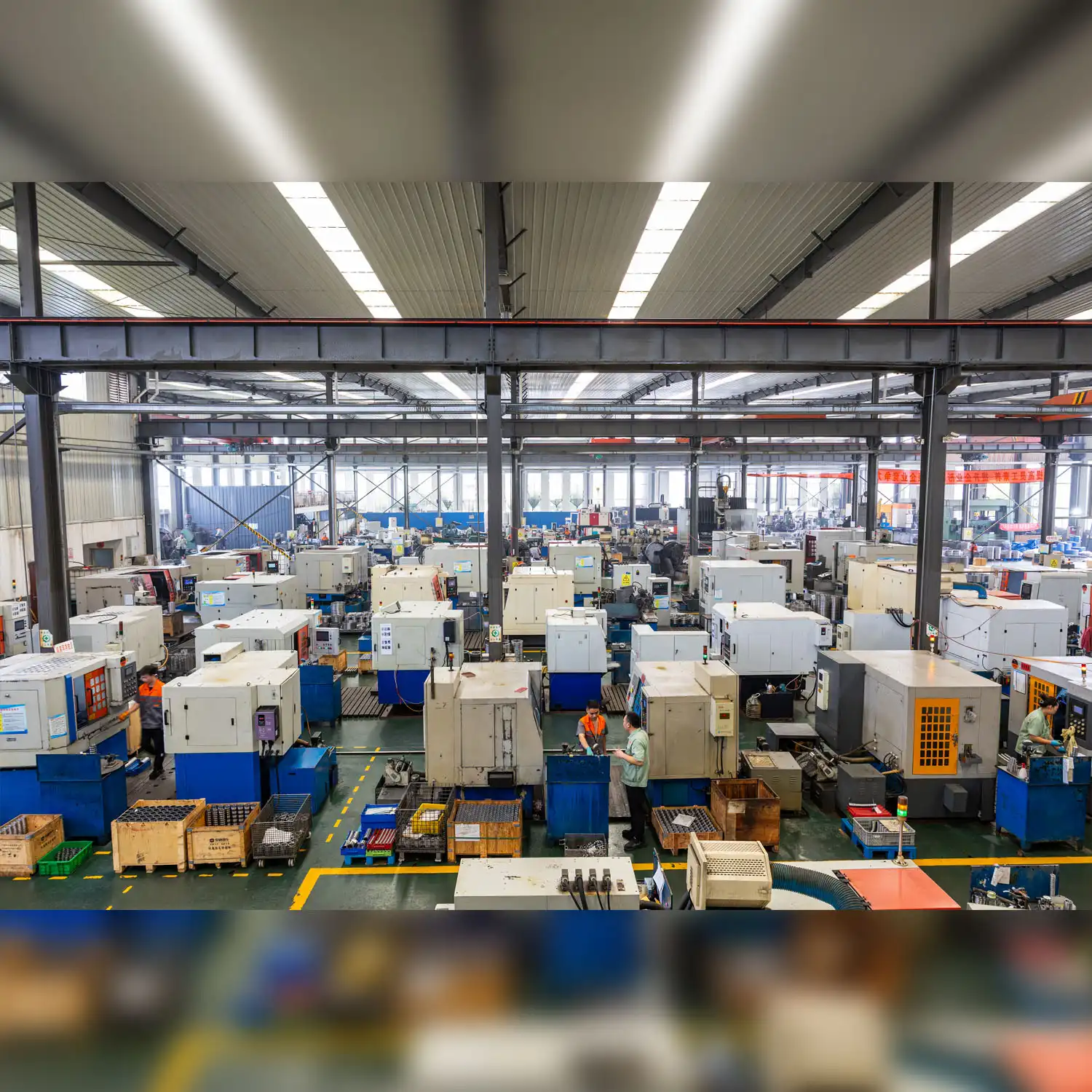
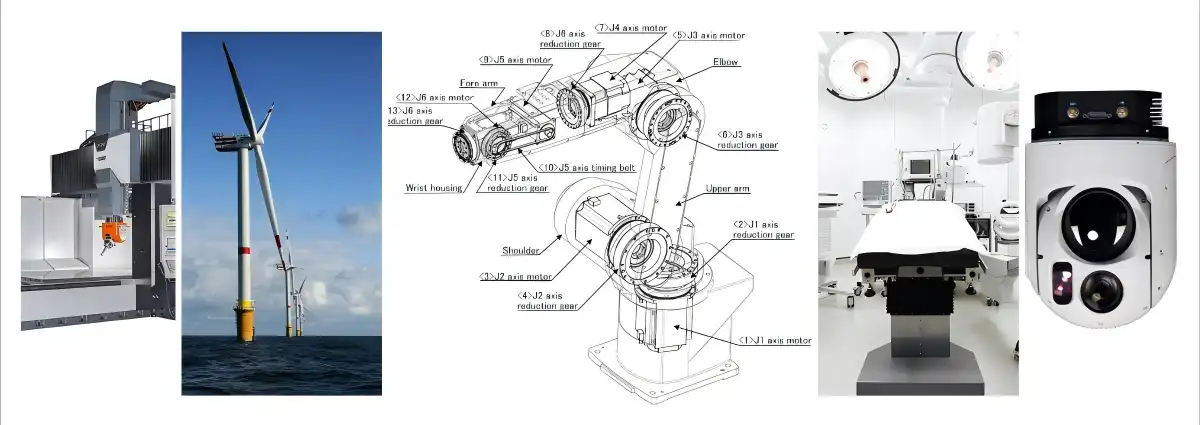
Computer numerical control (CNC) machining centers are where high-precision rotary table bearings are mostly used. To make complex shapes that meet tight tolerances for size, these tools need to accurately position the workpiece along several axes. Because the bearing can keep its positional accuracy even when cutting forces and temperature changes happen, the quality of the part stays the same ZKLDF Rotary Table Bearing throughout production runs. For example, a Midwest car supplier makes aluminium gearbox housings that need to be machined on different faces more than once. Their horizontal machining center has a precise rotary table that moves the workpiece around so that the cutting tools can reach every area. The accuracy of the bearing keeps the mounting face parallelism and bore concentricity within the required ranges. These are important measurements that affect the transmission's performance and the efficiency of the assembly. Because the service life is longer, they don't have to do as many unplanned repairs, which would mess up their schedule for continuous production and just-in-time delivery.
Robotic Automation and Assembly Systems
More and more, complex assembly jobs that need precise positioning of parts with multiple degrees of freedom are being done by industrial robots. Bearings keep the rotary joints in robot wrists and turntable bases accurate while adjusting to the changing loads caused by planned movements and changes in payload. An electronics company set up robotic assembly cells to place components precisely on circuit boards. The robot's wrist joints use small rotating table bearings that allow precise rotation while keeping the placement head assembly's payload capacity. The low friction of the bearing means that less motor power is needed, which lets smaller, less expensive servo drives be used. The throughput and reliability measures of the cell are directly affected by its precision, load capacity, and efficiency.
Packaging and Material Handling Equipment
Rotary indexing is used to place goods for filling, labelling, inspecting, and packaging on high-speed packaging lines and automated material handling systems. For these uses, bearings must stay accurate over millions of cycles and be able to handle the shock loads that come with start-stop indexing motions. The structural rigidity and optimised load distribution of the bearing effectively solve common automation problems like vibration and load stress. Rotating indexing tables move bottles through stages for filling, capping, and labelling on a pharmaceutical packaging line. Precision placing makes sure that the right amount of product is filled and that the label is placed correctly, which cuts down on waste and helps meet regulatory requirements. Because the bearing lasts a long time, it doesn't need as much upkeep, which would stop validated production processes.
Conclusion
Through its integrated design, precise engineering, and strong load-carrying abilities, the ZKLDF Rotary Table Bearing gives automation systems real benefits. When you combine easier installation, longer service life, and high accuracy, you solve some of the biggest problems that mid- to large makers, OEMs, and bearing distributors face. When compared to other options, the technology is more cost-effective for uses that need to work quickly and manage loads in more than one way. Our dedication to ISO 9001 and IATF 16949 standards and fifteen years of experience in manufacturing ensure consistent quality that supports long-term strategic relationships. As the needs for automation change, precision rotary table bearings provide the stable base that makes industrial operations competitive.
FAQ
1. What maintenance practices maximize ZKLDF rotary table bearing service life?
Proper lubrication management represents the most critical maintenance factor. We recommend establishing relubrication intervals based on operating speed, load conditions, and environmental factors. Using high-quality greases meeting DIN 51825 specifications ensures adequate film strength under contact pressures. Monitoring operating temperature identifies potential lubrication deficiencies before accelerated wear occurs. Periodic inspection of mounting bolt torque prevents preload variations affecting load distribution.
2. How does load capacity compare with competitor brands?
The dual-row 60° angular contact configuration delivers axial and radial load capacity comparable to leading international brands at more competitive price points. Our precision grinding processes achieve raceway surface finishes and geometric tolerances meeting DIN 620 standards. Independent testing confirms that properly specified bearings maintain accuracy under rated loads throughout their service life. We provide detailed load rating data supporting application engineering calculations.
3. What customization options address specialized machinery requirements?
Our engineering team collaborates with customers requiring modified configurations, including non-standard dimensions, special materials for corrosive environments, integrated sealing solutions, or customized preload specifications. With six specialized workshops and comprehensive manufacturing capabilities, we accommodate custom requirements while maintaining the quality standards our ISO certifications require. Contact our technical support team to discuss your specific application challenges and explore available solutions.
Partner with ATLYC for Your ZKLDF Rotary Table Bearing Requirements
At ATLYC, we combine precision manufacturing expertise with ZKLDF Rotary Table Bearing global standards compliance to serve as your reliable ZKLDF Rotary Table Bearing supplier. Our 120-person team operating across six specialized workshops delivers the stable supply, technical support, and customization capability your automation projects demand. Whether you require standard configurations or engineered solutions for specialized applications, our ISO 9001 and IATF 16949 certified processes ensure consistent quality meeting international standards. Contact auto@lyautobearing.com to discuss your specific bearing requirements with our engineering team and discover how fifteen years of manufacturing excellence can support your automation initiatives with competitive pricing and reliable lead times.
References
1. Harris, Tedric A., and Michael N. Kotzalas. "Rolling Bearing Analysis: Essential Concepts of Bearing Technology." CRC Press, 5th Edition, 2006.
2. Weck, Manfred, and Christian Brecher. "Werkzeugmaschinen-Fertigungssysteme: Konstruktion, Berechnung und messtechnische Beurteilung." Springer-Verlag, 8th Edition, 2006.
3. Budynas, Richard G., and J. Keith Nisbett. "Shigley's Mechanical Engineering Design." McGraw-Hill Education, 10th Edition, 2015.
4. ISO 199:2014. "Rolling Bearings: Thrust Bearings with Rotary Precision." International Organization for Standardization, 2014.
5. Palmgren, Arvid. "Ball and Roller Bearing Engineering." SKF Industries Inc., 3rd Edition, 1959.
6. Hamrock, Bernard J., Steven R. Schmid, and Bo O. Jacobson. "Fundamentals of Fluid Film Lubrication." Marcel Dekker, 2nd Edition, 2004.
Learn about our latest products and discounts through SMS or email