- English
- French
- German
- Portuguese
- Spanish
- Russian
- Japanese
- Korean
- Arabic
- Greek
- German
- Turkish
- Italian
- Danish
- Romanian
- Indonesian
- Czech
- Afrikaans
- Swedish
- Polish
- Basque
- Catalan
- Esperanto
- Hindi
- Lao
- Albanian
- Amharic
- Armenian
- Azerbaijani
- Belarusian
- Bengali
- Bosnian
- Bulgarian
- Cebuano
- Chichewa
- Corsican
- Croatian
- Dutch
- Estonian
- Filipino
- Finnish
- Frisian
- Galician
- Georgian
- Gujarati
- Haitian
- Hausa
- Hawaiian
- Hebrew
- Hmong
- Hungarian
- Icelandic
- Igbo
- Javanese
- Kannada
- Kazakh
- Khmer
- Kurdish
- Kyrgyz
- Latin
- Latvian
- Lithuanian
- Luxembou..
- Macedonian
- Malagasy
- Malay
- Malayalam
- Maltese
- Maori
- Marathi
- Mongolian
- Burmese
- Nepali
- Norwegian
- Pashto
- Persian
- Punjabi
- Serbian
- Sesotho
- Sinhala
- Slovak
- Slovenian
- Somali
- Samoan
- Scots Gaelic
- Shona
- Sindhi
- Sundanese
- Swahili
- Tajik
- Tamil
- Telugu
- Thai
- Ukrainian
- Urdu
- Uzbek
- Vietnamese
- Welsh
- Xhosa
- Yiddish
- Yoruba
- Zulu
Where to Buy High-Quality YRTS Series Rotary Table Bearings?
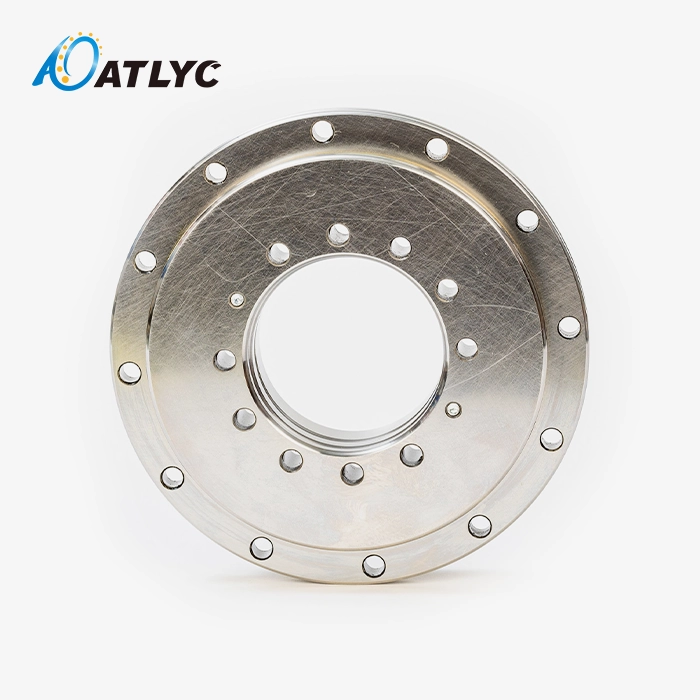
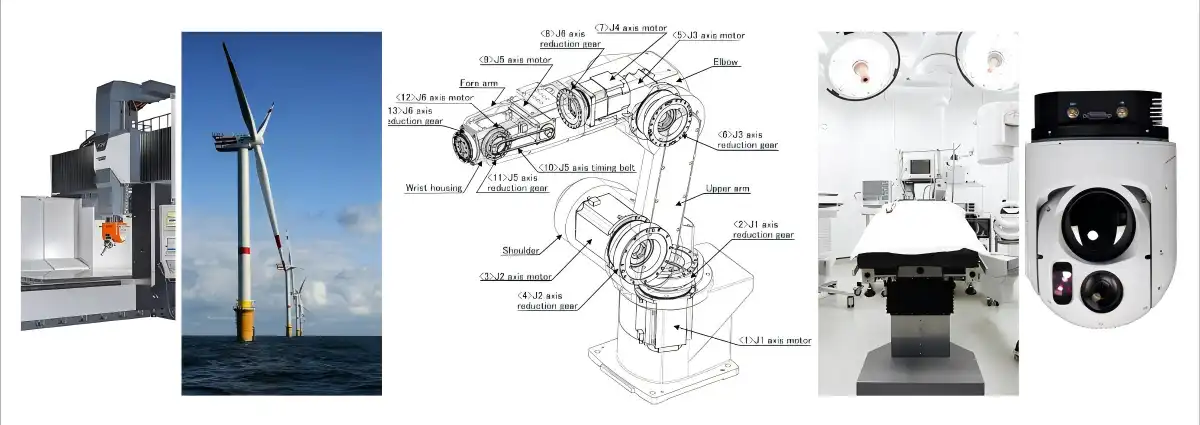
It is important to think about the reliability of the supply chain, the technical knowledge of the manufacturer, and the credentials of the manufacturer when sourcing high-precision rotary table bearings. Procurement experts looking for YRTS Series rotary table bearings should give preference to recognized suppliers that have demonstrated manufacturing capability, international export expertise, and certifications from both ISO 9001 and IATF 16949. Generic distributors can't compete with authentic providers when it comes to after-sales assistance, customization options, and thorough technical documentation. We'll show you how to find reliable vendors that can meet the stringent standards of CNC machining, direct drive systems, and other high-precision industrial applications for these vital components.
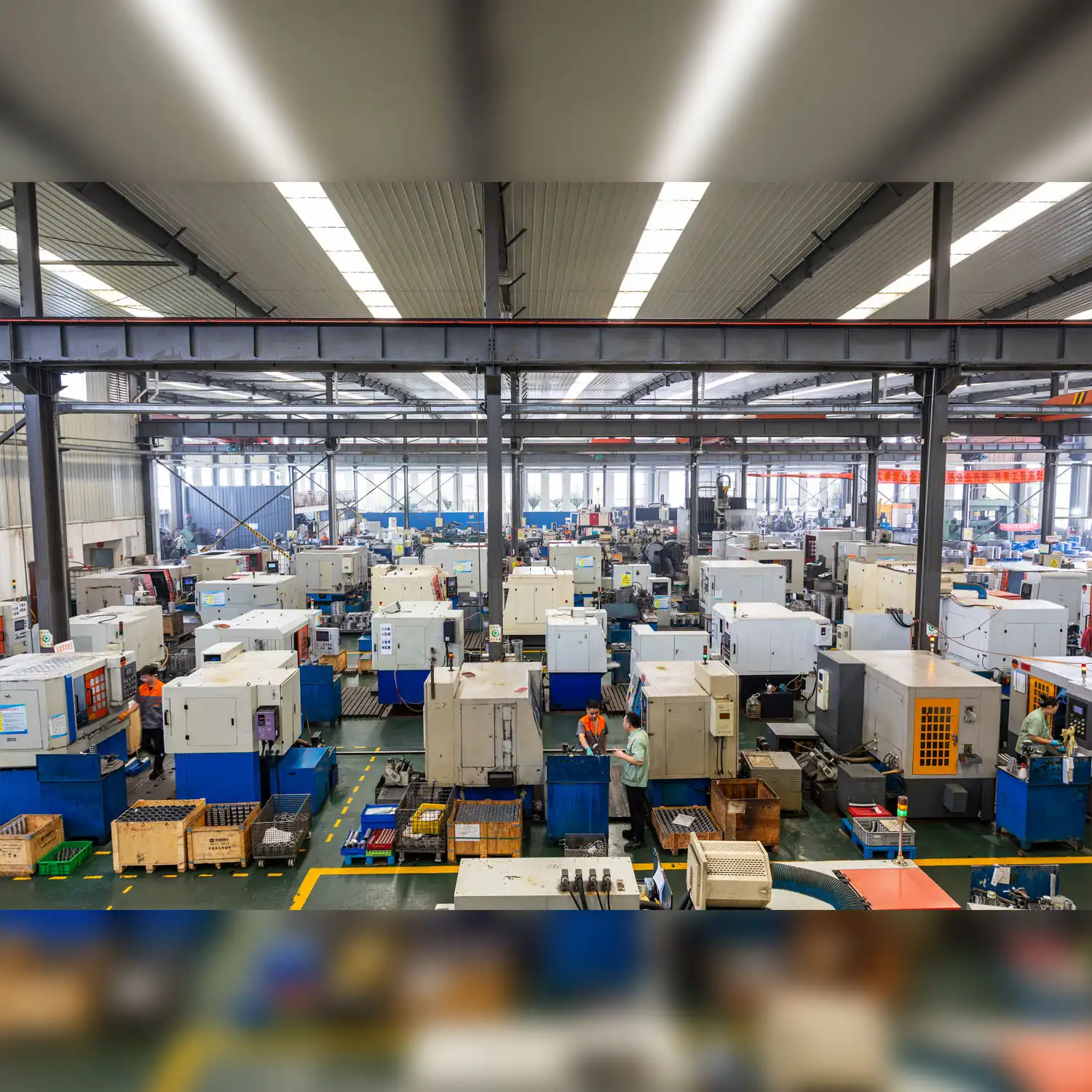
Understanding YRTS Series Rotary Table Bearings
The engineering behind precision rotary table bearings represents a significant advancement in direct drive technology. These components solve critical challenges that traditional bearing solutions cannot address, particularly in high-speed CNC environments where standard options fail under demanding operational conditions.
Integrated High-Speed Architecture
In severe industrial applications, load management capabilities impact bearing performance. To provide support across multiple load vectors at once, steel balls are stacked in two rows at suitable contact angles, usually 45° or 60°. Under complicated loading conditions, this structure can sustain axial loads in both directions, radial loads at different angles, and tilting moments without experiencing any noticeable rotational roughness. Superfinishing the precision-ground raceways improves both surface quality and dimensional precision. For precise machining operations, where even small deviations could affect the final product's quality, these manufacturing processes guarantee that the bearing keeps to the stringent tolerances needed.
Double-Row Angular Contact Configuration
The performance of bearings in demanding industrial applications is determined by their load management capabilities. The best contact angles for steel balls are 45° or 60°, and they are purposefully organized in two rows to provide simultaneous support across many load vectors. Under complicated loading conditions, this structure can manage axial loads in both directions, radial loads at different angles, and tilting moments while keeping the rotational smoothness. Superior surface quality and dimensional accuracy are outcomes of the superfinishing process applied to the precision-ground raceways. For precision machining procedures, where even small deviations could lower part quality, these production methods guarantee that the bearing keeps the tight tolerances needed.
Enhanced Speed and Performance Characteristics
Because of their superior speed capabilities, specialist bearings are becoming the standard in modern manufacturing settings. A rotary table bearing from the YRTS Series can reduce frictional torque by a factor of two to three compared to regular YRT bearings. This is because of the bearing's unique internal shape. Where standard bearings would fail due to excessive heat, these parts are ideal for use in direct-drive torque motors. The bearing maintains the necessary degree of rotational flexibility for high-speed operations while withstanding complicated moment loads, dual-direction axial loads caused by cutting forces, and severe radial loads experienced during heavy machining processes. With this setup, machine tool designers no longer have to worry about the age-old dilemma of how to balance structural rigidity with rotational speed.
Comparing YRTS Series Bearings with Other Rotary Bearings
Making informed procurement decisions requires understanding how different bearing technologies perform under specific operational conditions. The distinctions between bearing types significantly impact machine performance, maintenance requirements, and total cost of ownership.
YRTS Versus Standard YRT Bearings
The internal engineering of various bearing groups differs substantially, although they are dimensionally comparable. Typical YRT bearings are suitable for high-load, moderate-speed applications because of their mixed roller construction. For high-speed direct drive systems, the YRTS type is ideal due to its preloaded, double-sided sealed structure. By optimizing the internal design, we can reduce friction torque and continue operating at high RPMs continuously without experiencing the temperature buildup that degrades the performance of conventional YRTs. Applications requiring precise regulation of heat expansion, such as those involving quick transitions between low-speed heavy cutting and high-speed positioning operations, rely heavily on this difference.
Cross Roller Bearings and Slewing Bearing Alternatives
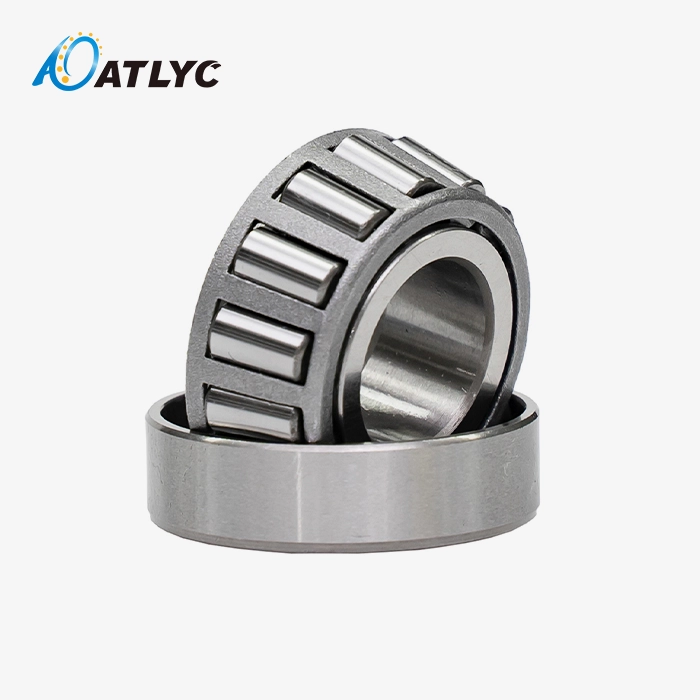
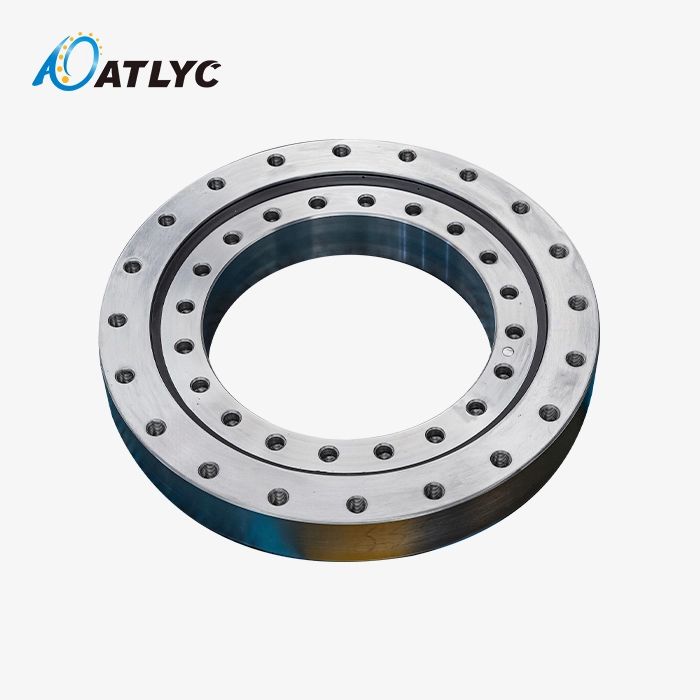
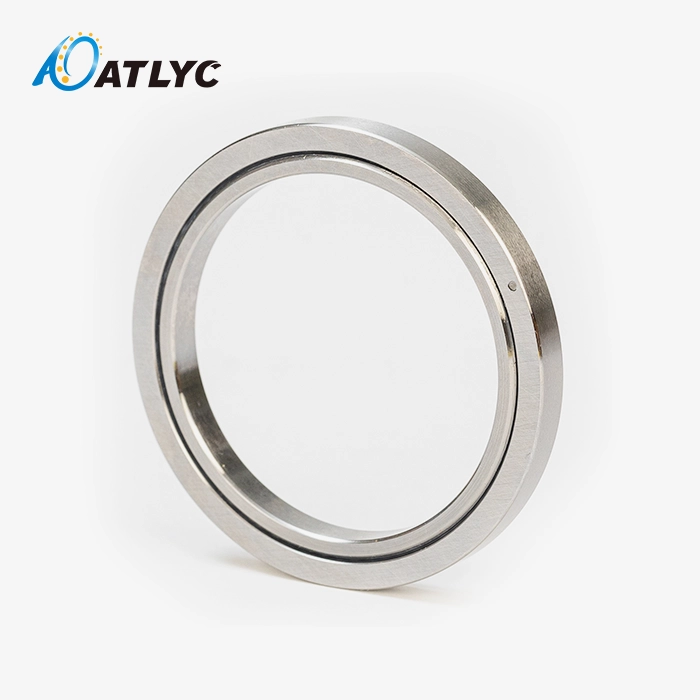
Cross roller bearings provide exceptional stiffness and small dimensions due to their perpendicular roller arrangement between raceways. However, their speed restrictions and susceptibility to contamination make them unsuitable for high-speed machining applications. Slewing bearings perform well in heavy-duty, low-speed rotating applications such as crane turntables and excavator platforms, but their design philosophy prioritizes load capacity over precision and speed. The YRTS Series rotary table bearing maintains positional accuracy comparable to cross roller bearings while operating at speeds approaching typical ball bearing performance levels, bridging a critical gap in precision manufacturing requirements.
Lifecycle Cost and Operational Efficiency
The original purchase price is just one component of total cost evaluation, which also takes into account energy usage, maintenance intervals, and the effects of downtime. Systems with high-friction bearings need more cooling infrastructure since they use more electricity and produce more heat. Reduced frictional torque means less energy consumption and longer lubrication intervals for rotary table bearings. Coolant penetration is prevalent in machining environments; the sealed construction eliminates it, which is appreciated by maintenance teams since it reduces cleaning requirements and extends service life. These aspects typically justify premium pricing when you consider the bearing's operational lifetime, which results in decreased operational expenses and increased machine availability.
Where and How to Procure High-Quality YRTS Series Bearings?
Securing authentic precision bearings requires navigating complex supply chains and verifying manufacturer credentials. The bearing market contains numerous intermediaries, and distinguishing genuine manufacturers from resellers impacts product quality, pricing, and after-sales support.
Identifying Certified Manufacturers
A dedication to constant production standards is demonstrated by authentic producers, who possess verifiable quality management certificates. While the precision manufacturing business is progressively adopting the quality criteria of the automobile industry, ISO 9001 certification verifies well-established quality management systems, and IATF 16949 addresses automotive industry standards in particular. One company that has met these certification criteria is Luoyang Auto Bearing Co., Ltd, which was founded in 2010. They have both the ISO 9001 and IATF 16949 certifications. Having grown from a single workshop to six specialized production facilities over the course of fifteen years, the company has achieved the level of industrial scale required to consistently produce precise bearings. Rather than relying on basic assembly operations, their 120-person staff guarantees entire manufacturing capacity via research and development, quality inspection, production, and assembly.
Direct Manufacturer Benefits
There are several benefits for OEM clients and bulk purchasers when they engage directly with manufacturers instead of going through intermediaries. A more competitive price, especially for bulk buys, is possible through direct interactions because markup layers are eliminated. Distributors do not offer customization options, such as altered dimensions, unique lubrication requirements, and application-specific preload adjustments, but manufacturers do. Because engineering teams can talk to design engineers about load calculations, mounting arrangements, and performance expectations, having access to technical consultations is crucial for improving bearing choices for specific machinery requirements. Optimization options that lower total system costs or increase performance beyond initial specifications are often uncovered through this technical discourse.
Wholesale and OEM Procurement Options
It is important for operational needs and inventory management capabilities to be in sync with volume purchasing strategies. When you buy in bulk, you may take advantage of price breaks and guarantee a steady supply for your production plan. Typically, while offering wholesale programmes, the producer of YRTS Series rotary table bearings will set minimum order quantities that are balanced against discount structures. To maintain consistent bearing specifications across production runs, machinery manufacturers might benefit from OEM procurement relationships. These arrangements also offer the opportunity for unique branding and packaging. Manufacturing companies typically offer inventory management services as part of these agreements. This allows buyers to reduce their working capital requirements and ensures that the products they need are always available.
International Logistics and Supply Chain Considerations
When you purchase globally, you must carefully consider shipping logistics, customs processes, and delivery dates. Professional bearing manufacturers who cater to global markets offer end-to-end export solutions, which include packing components correctly for shipping by sea, preparing all necessary customs paperwork, and coordinating with freight forwarders that specialize in handling delicate components. Logistics knowledge is essential for dependable international delivery, and Luoyang Auto Bearing has proven experience exporting to South Korea, the US, Germany, Russia, Iran, and Turkey. Reputable suppliers offer accurate delivery estimates that consider manufacturing cycles, quality inspection intervals, and foreign transit durations, which becomes critical when establishing production plans.
Maintenance Tips and Best Practices for YRTS Series Bearings
Maximizing bearing service life and maintaining performance specifications requires systematic maintenance protocols aligned with manufacturer recommendations and operational conditions.
Lubrication Management
Proper lubrication forms the foundation of bearing longevity in high-speed precision applications. The YRTS Series rotary table bearing requires high-performance lithium complex grease or oil-air lubrication systems to manage heat dissipation effectively during sustained high-speed operation. Lubrication intervals depend on operational parameters, including speed, load, and ambient temperature conditions. Oil-air lubrication systems provide superior cooling for continuous high-speed applications, delivering precisely metered lubricant quantities that minimize friction while preventing excess lubrication, which can increase operating temperatures. Grease-lubricated installations require attention to relubrication intervals and proper grease quantity to maintain the protective film without overpacking, which increases friction torque.
Inspection Protocols and Early Warning Signs
Routine inspection identifies developing issues before catastrophic failure occurs. Maintenance teams should monitor operating temperature trends, as gradual temperature increases indicate lubrication degradation or contamination. Vibration analysis using accelerometers detects bearing wear patterns and developing defects through frequency spectrum analysis. Rotational torque measurements reveal friction increases, suggesting lubrication issues or contamination intrusion. Visual inspection during scheduled maintenance intervals checks seal integrity and detects any visible damage to mounting surfaces or external components. These inspection practices, documented systematically, establish baseline performance parameters enabling early detection of degradation trends.
Mounting and Installation Considerations
Installation procedures directly impact bearing performance and service life. The flatness and perpendicularity of the mounting structure must match the bearing's precision class to avoid ring distortion, which increases friction and reduces accuracy. The YRTS Series rotary table bearing comes with factory-set preload optimized for rigidity and speed balance, and field adjustment risks precision loss through improper loading. Mounting bolt torque specifications require careful adherence using calibrated torque wrenches to ensure uniform load distribution around the bearing circumference. Clean mounting surfaces free from burrs, contamination, or damage ensure proper seating and prevent stress concentrations that could lead to premature failure.
Why Choose ATLYC YRTS Series Bearings — The Trusted Global Supplier?
Selecting the right bearing supplier involves evaluating manufacturing capabilities, quality assurance systems, and long-term partnership potential beyond simple price comparison.
Manufacturing Excellence and Quality Assurance
Luoyang Auto Bearing Co., Ltd., operating under the ATLYC brand, represents 15 years of focused development in precision bearing manufacturing. The company's evolution from a single deep-groove ball bearing workshop to a comprehensive six-category bearing manufacturer demonstrates both technical expertise and market responsiveness. The facility's 120 skilled employees span the complete production chain from material selection through final quality inspection, ensuring comprehensive quality control at every manufacturing stage. This vertical integration enables rapid response to quality concerns and continuous improvement initiatives that distributors cannot match.
Technical Support and Engineering Consultation
Complex machinery integration benefits significantly from manufacturer engineering support. ATLYC's technical team assists with bearing selection calculations, mounting arrangement optimization, and troubleshooting operational challenges. This consultation service proves particularly valuable during new machine development, where bearing performance directly impacts overall system capabilities. Engineers can discuss specific application requirements, including load profiles, speed requirements, environmental conditions, and accuracy specifications, to ensure optimal bearing selection. This technical dialogue often reveals opportunities for performance improvement or cost optimization through alternative configurations or complementary product selections.
International Service Network and After-Sales Support
Global operations require supplier partners capable of supporting international installations. ATLYC's established export experience to major manufacturing regions provides logistics expertise and documentation support essential for smooth international transactions. After-sales support includes warranty coverage addressing manufacturing defects and technical assistance for installation or operational questions. The company's commitment to long-term customer relationships aligns with OEM preferences for stable supply partnerships rather than transactional vendor relationships. This approach supports customers' quality assurance requirements and continuous supply needs, which are essential for production planning.
Conclusion
Procuring high-quality rotary table bearings requires careful evaluation of manufacturer credentials, technical capabilities, and supply chain reliability. The YRTS Series rotary table bearing represents specialized engineering addressing high-speed precision machining demands through optimized internal geometry and superior manufacturing quality. Successful sourcing strategies prioritize certified manufacturers with ISO 9001 and IATF 16949 qualifications, comprehensive technical support, and established international experience. Direct manufacturer relationships provide cost advantages, customization capabilities, and engineering consultation unavailable through intermediary distributors. ATLYC has been manufacturing for 15 years and has a proven export track record, making it a reliable partner for OEM requirements and precision bearing applications that need consistent quality and dependable supply.
FAQ
How does the YRTS Series differ from standard YRT bearings?
While maintaining identical external dimensions for mounting compatibility, the YRTS variant incorporates internal geometry optimized for high-speed operation with significantly reduced frictional torque. This enables limiting speeds two to three times higher than standard YRT bearings, making YRTS suitable for direct-drive motor applications where conventional designs would experience thermal management issues and premature failure.
What customization options are available for OEM applications?
Manufacturers like ATLYC offer dimensional modifications, special lubrication specifications, customized preload settings, and application-specific seal configurations. These customizations address unique machinery requirements, including non-standard mounting arrangements, extreme environmental conditions, or specialized performance parameters. Engineering consultation during the specification process ensures customizations achieve intended performance improvements.
How can I verify I'm purchasing genuine YRTS bearings?
Authentic manufacturers provide comprehensive documentation, including material certifications, dimensional inspection reports, and quality management system certifications. Request verification of ISO 9001 and IATF 16949 certifications directly from certification bodies. Established manufacturers maintain transparent facility information and welcome customer audits. ATLYC provides complete traceability documentation and welcomes enquiries verifying manufacturing credentials and facility capabilities.
Partner with ATLYC for Superior YRTS Series Rotary Table Bearing Solutions
ATLYC delivers precision-engineered rotary table bearings backed by ISO 9001 and IATF 16949-certified manufacturing processes and 15 years of specialized expertise. Our YRTS Series rotary table bearing supplier capabilities include comprehensive customization services, competitive wholesale pricing for volume orders, and reliable international shipping to major manufacturing regions. Our engineering team provides technical consultation optimizing bearing selection for your specific application requirements, ensuring maximum performance and service life. Contact us at auto@lyautobearing.com to discuss your precision bearing needs, request detailed technical specifications, or obtain quotations for your upcoming projects. We're committed to building long-term partnerships supporting your operational excellence through dependable supply, technical expertise, and responsive customer service.
References
1. Bearing Technology Standards Committee. "Precision Bearing Manufacturing Standards and Quality Assurance Protocols for Industrial Applications." International Standards Organization Technical Report, 2023.
2. Chen, Wei and Thompson, Robert. "High-Speed Bearing Design: Engineering Principles for Direct Drive Rotary Systems." Journal of Precision Manufacturing Engineering, Vol. 47, No. 3, 2024.
3. Industrial Bearing Association. "Global Bearing Market Analysis: Procurement Strategies for OEM Manufacturers". Annual Industry Report, 2024.
4. Martinez, Carlos. "Rotary Table Bearing Applications in CNC Machining: Performance Optimization and Maintenance Best Practices." Advanced Manufacturing Technologies Quarterly, Spring 2024.
5. Schmidt, Heinrich and Park, Jin-Ho. "Comparative Analysis of Rotary Bearing Technologies: Load Capacity, Speed Limitations, and Application Suitability." International Journal of Machine Tool Design, Vol. 89, 2023.
6. Wang, Xiaoming. "Evolution of Chinese Bearing Manufacturing: Quality Systems and International Competitiveness in Precision Components." Asian Manufacturing Review, December 2023.
Learn about our latest products and discounts through SMS or email