- English
- French
- German
- Portuguese
- Spanish
- Russian
- Japanese
- Korean
- Arabic
- Greek
- German
- Turkish
- Italian
- Danish
- Romanian
- Indonesian
- Czech
- Afrikaans
- Swedish
- Polish
- Basque
- Catalan
- Esperanto
- Hindi
- Lao
- Albanian
- Amharic
- Armenian
- Azerbaijani
- Belarusian
- Bengali
- Bosnian
- Bulgarian
- Cebuano
- Chichewa
- Corsican
- Croatian
- Dutch
- Estonian
- Filipino
- Finnish
- Frisian
- Galician
- Georgian
- Gujarati
- Haitian
- Hausa
- Hawaiian
- Hebrew
- Hmong
- Hungarian
- Icelandic
- Igbo
- Javanese
- Kannada
- Kazakh
- Khmer
- Kurdish
- Kyrgyz
- Latin
- Latvian
- Lithuanian
- Luxembou..
- Macedonian
- Malagasy
- Malay
- Malayalam
- Maltese
- Maori
- Marathi
- Mongolian
- Burmese
- Nepali
- Norwegian
- Pashto
- Persian
- Punjabi
- Serbian
- Sesotho
- Sinhala
- Slovak
- Slovenian
- Somali
- Samoan
- Scots Gaelic
- Shona
- Sindhi
- Sundanese
- Swahili
- Tajik
- Tamil
- Telugu
- Thai
- Ukrainian
- Urdu
- Uzbek
- Vietnamese
- Welsh
- Xhosa
- Yiddish
- Yoruba
- Zulu
CRBS Crossed Roller Bearings for Medical and Optical Systems
When precision medical imaging devices and optical instruments demand unwavering accuracy in the most challenging environments, CRBS crossed roller bearings deliver the reliability your operation requires. These specialised sealed bearings integrate advanced crossed roller technology with comprehensive environmental protection, ensuring consistent performance in environments where contamination, moisture, and corrosive conditions threaten equipment integrity. For procurement professionals sourcing components for diagnostic equipment, surgical robotics, or precision optical platforms, understanding how these bearings maintain micron-level positioning while withstanding harsh sterilisation cycles and temperature fluctuations becomes essential to equipment longevity and patient safety.
Understanding CRBS Crossed Roller Bearings
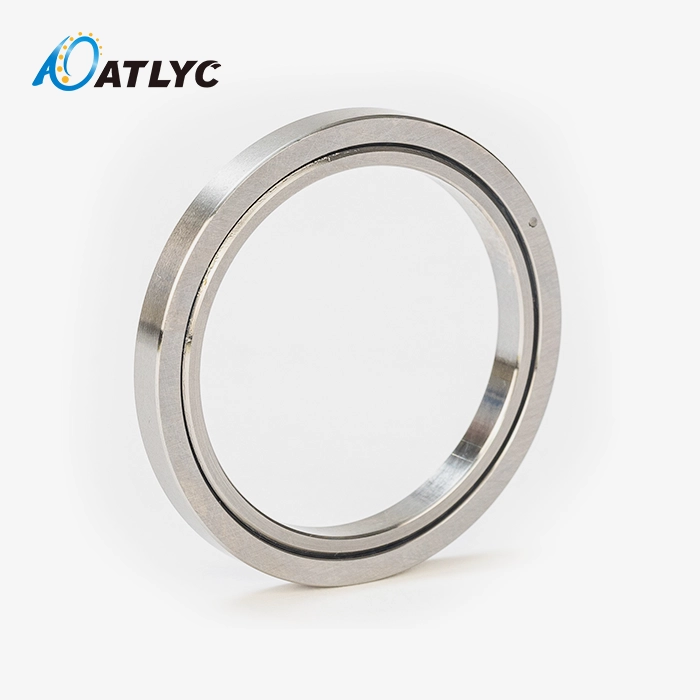
CRBS crossed roller bearings represent a significant evolution in precision bearing engineering, specifically designed for applications where space constraints meet demanding environmental conditions. The fundamental design positions cylindrical rollers at alternating 90-degree angles within V-groove raceways, creating a configuration that simultaneously handles radial, axial, and moment loads within a single compact assembly. This crossed arrangement eliminates the need for multiple bearing installations, reducing overall system complexity and weight—critical factors in portable medical devices and optical scanning equipment.
Structural Architecture and Material Engineering
The distinguishing characteristic of these sealed bearings lies in their dual-layer protection system. An inner nitrile rubber (NBR) lip seal provides exceptional resistance to lubricants and bodily fluids commonly encountered in medical environments. The outer stainless steel dust cover adds mechanical protection against particulate intrusion during equipment movement or cleaning procedures. Together, this composite sealing achieves IP65-level protection, enabling reliable operation in operating rooms, diagnostic labs, and even outdoor medical transport vehicles. The raceway surfaces undergo nitriding treatment—a thermochemical process that diffuses nitrogen into the steel surface, creating a hardened layer that resists both corrosion from disinfectants and wear from continuous rotation.
Load Distribution and Precision Characteristics
Cylindrical rollers arranged in a cross pattern make line contact with raceways, as opposed to the point contact created by ball bearings. Without significantly expanding the size of the bearing envelope, this shape increases load capacity by distributing loads across bigger surface areas. Because the bearings sustain large cantilevered weights while keeping the rotational accuracy within micrometres, this feature is directly useful for medical imaging gantries and rotating patient positioning systems. A simpler mechanical design and reduced cumulative tolerances that could impair diagnostic image quality or surgical tool positioning are achieved by using a single bearing unit to absorb radial loads, axial positioning forces, and tilting moments, thanks to the alternating roller orientation.
Environmental Adaptation for Healthcare Applications
Particular environmental pressures exert themselves on optical and medical systems. Autoclaving involves using high-pressure steam to sterilise components. Corrosive environments are produced by chemical disinfectants. Dimensional stability is tested by subjecting it to temperature changes between cold storage and working settings. These sealed devices include pre-filled, high-temperature-resistant grease that keeps lubrication intact even after multiple sterilisation processes, allowing for maintenance intervals of around 12,000 running hours. This durability lessens the likelihood of equipment breakdowns, which is an important factor to keep in mind while investing heavily in diagnostic apparatus and dealing with schedule conflicts that impact patient care processes.
Comparing CRBS Crossed Roller Bearings to Alternative Solutions
Procurement decisions often involve evaluating multiple bearing technologies. Understanding the comparative advantages helps match component selection to specific application requirements and operational contexts.
Performance Against Angular Contact Bearings
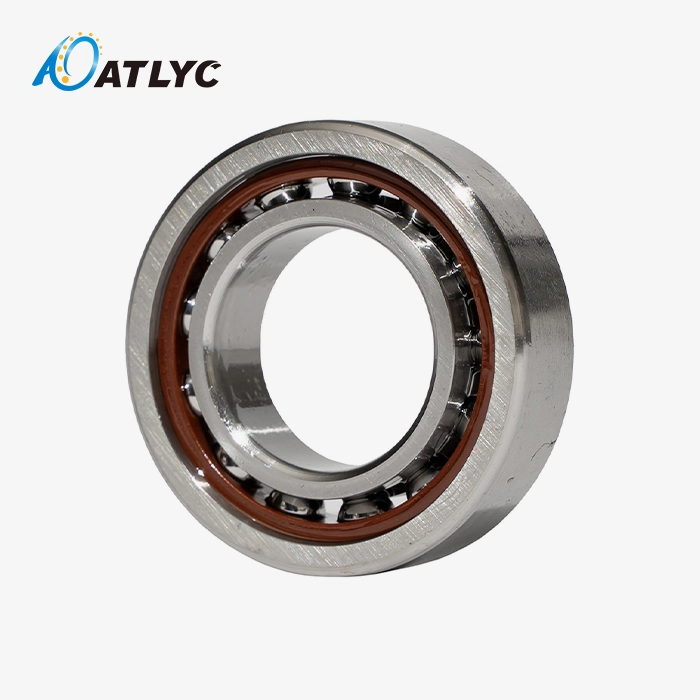
Angular contact bearings traditionally serve precision applications, but they typically require paired configurations to handle combined loads. A single crossed roller bearing replaces this duplex arrangement, cutting installation space requirements by 40-60% in compact medical device housings. Rotational accuracy remains comparable, with runout typically held under 5 microns, but the sealed design of CRBS units provides superior contamination resistance—essential when equipment undergoes frequent cleaning protocols. The cost differential narrows when accounting for simplified mounting hardware and reduced assembly labour.
Advantages Over Standard Cylindrical Roller Bearings
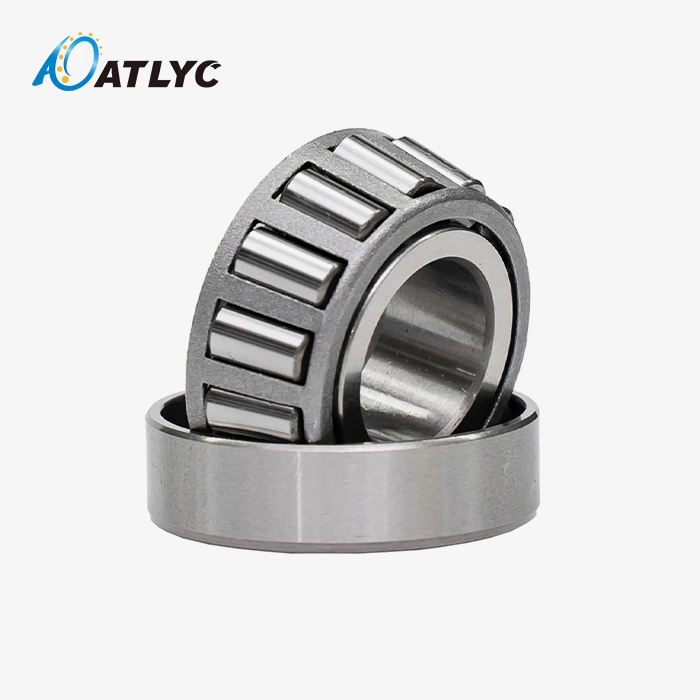
Standard cylindrical roller bearings excel at radial loads but require separate thrust bearings for axial positioning. In CT scanner gantries or optical lens assemblies requiring precise angular positioning, this necessitates complex bearing arrangements. Crossed roller designs consolidate these functions, simplifying both mechanical design and maintenance procedures. The sealed variants add environmental protection that open cylindrical bearings cannot match, preventing lubricant washout during equipment cleaning and blocking ingress of imaging contrast media or surgical irrigation fluids.
Evaluation Versus Slewing Ring Bearings
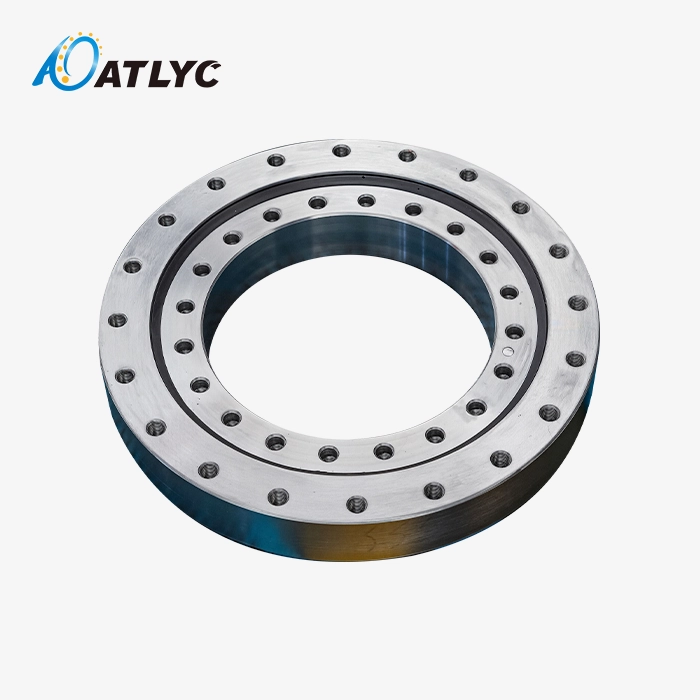
Applications with large-diameter rotation, such as C-arm X-ray systems, are best served by slewing rings. Although they offer remarkable moment stiffness, the bulk and weight of these objects are too much for small diagnostic instruments to handle. When it comes to load ratings, crossed roller bearings are just as robust as their larger counterparts, but they take up a third of the space. Thanks to their small size, ultrasound systems and handheld surgical imaging devices are now within reach, something that would have been unthinkable with the creation of slewing rings. As a tradeoff, slewing rings continue to have an advantage over bore sizes of 1 metre when it comes to load capacity at extremely large diameters. Choosing a brand from the crossing roller category requires thinking about the stability of the supply chain, the efficacy of the seal, and the correctness of the grades. Advances in Chinese manufacturing, especially from ISO 9001 and IATF 16949-certified facilities, now provide equivalent performance at 20-30% cost reductions, challenging the customary premium pricing imposed by European manufacturers due to heritage precision. Certified Chinese vendors provide technical specification equivalency and lower lead times for custom configurations when tested on measurable criteria such as raceway surface polish, preload consistency, and seal efficacy testing.
Installation and Maintenance Best Practices for CRBS Crossed Roller Bearings
Proper installation techniques directly influence bearing service life and equipment performance. Precision applications tolerate no shortcuts in mounting procedures.
Pre-Installation Preparation and Environment Control
Cleanliness dominates successful bearing installation. Contamination introduced during mounting causes 60% of premature bearing failures in medical equipment. Work surfaces should be wiped with lint-free cloths dampened with isopropyl alcohol. Mounting tools require inspection for burrs or damage that could score bearing surfaces. Though these sealed units resist contamination during operation, the installation process momentarily exposes internal components when positioning the bearing into housing bores.
Alignment and Mounting Sequence
Accurate perpendicularity between mounting surfaces is essential for crossed roller bearings. Roller edges wear out faster when there is an angular misalignment more than 0.05 degrees, which causes an unequal distribution of loads. To avoid misalignment, make sure the housing is square before installing the bearings using precise measuring equipment. If the bearing requires significant force to slide into place, then there's probably some kind of dimensional interference or debris. Because unequal clamping distorts raceways and preloads inconsistently, it is crucial to follow torque specifications for mounting bolts exactly.
Lubrication and Seal Inspection Protocols
Even if the equipment is initially lubricated with factory-filled grease, it is important to check the integrity of the seals before commissioning the equipment to avoid early lubricant loss. As far as the eye can tell, the lip seals make consistent, all-around contact with their mating surfaces. If you see any lubricant seepage at the seal interfaces after the initial 10–20 hours of operation, it could be a sign of seal damage during installation. Although the high-temperature grease composition is resistant to autoclaving heat, it is still a good idea to inspect the bearings and maybe relubricate equipment that has been through more than 500 sterilisation cycles. However, this goes beyond the usual intervals for device servicing.
Operational Monitoring Techniques
To prevent catastrophic failure, vibration analysis can discover bearing difficulties in their early stages. The baseline vibration signatures that were acquired during the commissioning of the equipment serve as benchmarks for comparison. Changes in the vibration amplitude or frequency spectra can indicate wear on the rollers, damage to the races, or degradation of the seals. Similarly, temperature monitoring can detect anomalous friction; for example, if the bearing surface temperature is 70°C during normal operation, it could mean that there isn't enough lubrication or that there is a misalignment problem that needs fixing right away. Preventing device malfunctions during crucial medical procedures requires early detection of these circumstances.
Procurement Strategies for CRBS Crossed Roller Bearings
Strategic sourcing balances cost management with supply reliability and technical support access. Medical equipment manufacturers face unique procurement challenges given regulatory compliance requirements and the critical nature of device functionality.
Supplier Qualification and Certification Verification
Medical device regulations require traceability and quality documentation from component suppliers. Potential bearing suppliers should demonstrate ISO 9001 quality management systems as baseline requirements. Suppliers serving automotive OEMs with IATF 16949 certification show additional capability in process control and defect prevention—disciplines that translate directly to medical component reliability. Request certification copies rather than relying on verbal claims, and verify the certification scope covers the specific bearing products you intend to purchase. Quality management systems covering only partial product lines leave gaps in manufacturing control.
Sourcing Direct Manufacturers Versus Distributors
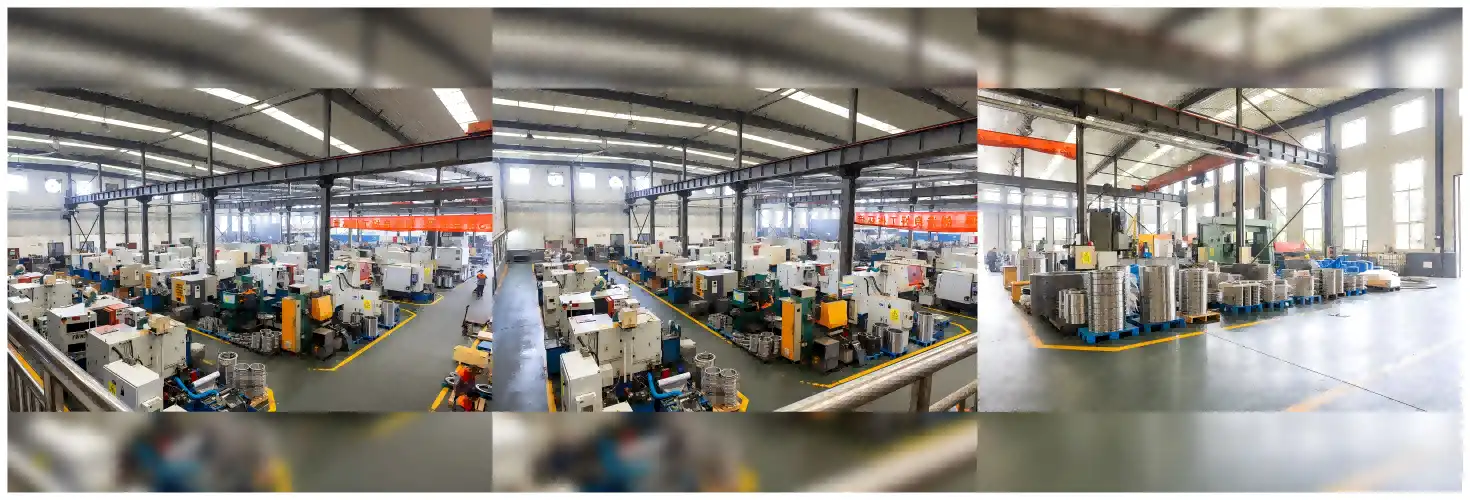
Distributors provide convenience through local inventory and established logistics, but they introduce margin costs averaging 25-40% above manufacturer direct pricing. Volume purchasers benefit from direct manufacturer relationships that offer customisation capabilities, technical engineering support, and preferential pricing on quantity commitments. Chinese bearing manufacturers like Luoyang Auto Bearing Co., Ltd. have expanded export capabilities to serve international customers directly, offering English-language technical support and experience with North American and European regulatory requirements. Established since 2010, such manufacturers demonstrate the production scale and quality systems that support long-term supply partnerships.
Customisation and Specification Dialogue
Standard catalogue bearings fit many applications, but optimised solutions often require dimensional modifications, specialised seal materials, or custom preload settings. Engaging suppliers early in design phases allows bearing specifications to align with equipment requirements rather than forcing design compromises around available components. Manufacturers with in-house engineering capabilities can simulate bearing performance under your specific load conditions, recommend optimal configurations, and produce prototype quantities for validation testing before committing to production volumes.
Lead Time Planning and Inventory Strategies
Standard sealed crossed roller bearings typically ship within 2-4 weeks from established manufacturers with inventory depth. Custom configurations extend lead times to 6-8 weeks for initial orders, though repeat orders reduce to 3-4 weeks once tooling is established. Medical equipment production schedules should account for these timeframes, potentially maintaining safety stock for critical bearing sizes that would halt production lines if depleted. Supplier-managed inventory programmes shift this burden to manufacturers with greater inventory flexibility and reduce your working capital tied up in bearing stock.
Warranty Terms and Technical Support Access
Component warranties typically cover manufacturing defects but exclude damage from improper installation or operation beyond rated parameters. Clarify warranty coverage terms explicitly—some suppliers provide replacement bearings only, while others cover consequential costs like equipment teardown and reassembly labour. Equally important is post-sale technical support access. Can you reach application engineers who understand medical equipment requirements? Do they respond within hours rather than days when production issues arise? These service capabilities often outweigh minor price differences when equipment downtime costs thousands per hour in lost production capacity.
Real-World Applications and Case Studies in Medical and Optical Systems
Theoretical capabilities translate into measurable value only through proven application performance. These implementations demonstrate how sealed crossed roller bearings solve specific challenges in medical and optical equipment.
Medical Imaging Gantry Performance Enhancement
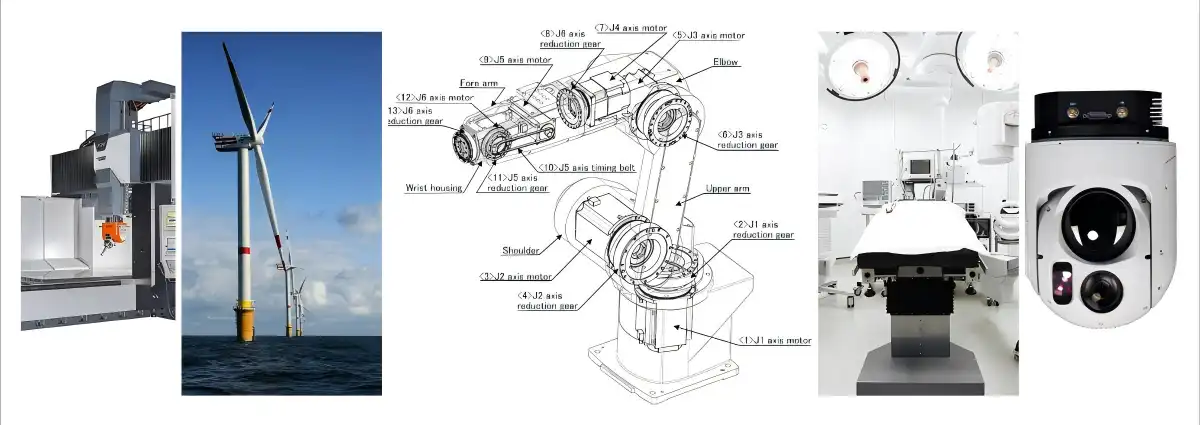
A North American medical imaging equipment manufacturer faced premature bearing failures in CT scanner gantries. The original angular contact bearing pairs struggled with coolant contamination from the X-ray tube cooling system, leading to lubricant degradation and replacement cycles every 8,000 operating hours. This necessitated costly field service calls and disrupted hospital imaging schedules. Switching to an IP65-rated CRBS crossed roller bearing with dual-seal construction eliminated coolant ingress. The sealed units maintained rotational accuracy within specification through 18,000-hour service intervals, more than doubling bearing life. The single bearing assembly also simplified the mounting arrangement, reducing gantry weight by 3.2 kilograms and lowering moment loads that had contributed to premature wear in the previous design. Hospital maintenance departments reported 40% reductions in scheduled service requirements, directly improving equipment uptime and patient throughput.
Surgical Robotic Articulation Joints
Minimally invasive surgical robots demand compact, high-precision joints that can withstand repeated sterilisation. A European surgical robotics company needed bearings for instrument articulation that could survive 200+ autoclave cycles while maintaining positioning accuracy under 50 micrometres. Standard precision bearings failed seal integrity after 30-40 sterilisation cycles, allowing moisture ingress that caused corrosion pitting on raceways. The nitrided raceway surfaces and high-temperature seals of crossed roller bearings resisted both the 134°C steam temperatures and the pressure cycling of autoclaving. After implementing these sealed units, the company validated over 300 sterilisation cycles with no measurable increase in rotational torque or positioning deviation. This durability enabled the manufacturer to extend warranty coverage and reduce field replacement costs that had eroded profitability on earlier product generations.
Precision Optical Lens Positioning Systems
Semiconductor lithography equipment uses precision optics requiring nanometre-scale positioning. An Asian optical equipment supplier needed bearings for lens adjustment mechanisms that combined compact size with exceptional rigidity and contamination resistance. Particulate contamination in the positioning mechanism would directly compromise chip fabrication yields, making sealed bearing protection non-negotiable. The high moment rigidity of crossed roller configurations maintained lens positioning despite thermal expansion forces and vibration from adjacent fabrication machinery. The sealed design prevented process chemical vapours from degrading lubricants, maintaining smooth rotational torque through five-year service intervals. Equipment field reliability improved measurably, with bearing-related service calls dropping from 12% of total maintenance events to under 2%, demonstrating how appropriate component selection directly influences end-user satisfaction and warranty costs.
Emerging Medical Technology Applications
Emerging healthcare technologies create new applications for advanced bearing solutions. Portable MRI systems for emergency departments require lighter, more compact gantries than traditional hospital installations. Crossed roller bearings enable these weight reductions while maintaining the rotational stability necessary for diagnostic image quality. Robotic prosthetics and exoskeletons represent another growth area—these devices need bearings that combine compactness, load capacity, and resistance to perspiration and environmental exposure. The technical characteristics that serve medical imaging and surgical equipment translate directly to these developing applications, positioning sealed crossed roller designs as enabling technologies for next-generation healthcare devices.
Conclusion
Selecting appropriate bearing solutions for medical and optical systems requires balancing multiple technical and commercial factors. CRBS crossed roller bearings address the specific challenges these applications present—combining exceptional precision with environmental protection, space efficiency with load capacity, and initial cost with lifecycle value. The dual-seal construction and nitrided raceways deliver proven performance in demanding healthcare environments where equipment reliability directly affects patient outcomes and operational efficiency. Procurement strategies that emphasise supplier qualification, direct manufacturer relationships, and long-term partnership approaches yield sustainable competitive advantages through reliable supply, technical collaboration, and optimised total cost of ownership.
FAQ
What makes crossed roller bearings suitable for medical imaging equipment?
Medical imaging devices require bearings that combine compact size with the ability to support moment loads while maintaining precise rotational accuracy. The crossed roller configuration handles radial, axial, and moment loads simultaneously within a single assembly, eliminating the need for complex bearing arrangements. The sealed design protects against contamination from coolants, cleaning agents, and environmental exposure common in clinical settings. Rotational precision remains stable throughout extended service intervals, maintaining image quality consistency critical for diagnostic accuracy. The extended 12,000-hour maintenance intervals reduce equipment downtime and service costs.
How do sealed variants compare to open bearing designs in optical applications?
Optical instruments demand contamination control since particulate ingress compromises precision and accelerates wear. Open bearings require external sealing arrangements and controlled environments to maintain cleanliness. Sealed crossed roller units integrate protection directly into the bearing assembly, simplifying equipment design while providing superior contamination resistance. The IP65 rating ensures particulate and moisture exclusion even in less controlled environments, making equipment more versatile in deployment locations. Pre-filled lubrication eliminates field lubrication requirements and associated contamination risks during maintenance procedures.
What lead times should procurement teams expect for volume orders?
Standard bearing configurations from manufacturers with established inventory typically ship within two to four weeks. Custom specifications requiring dimensional modifications or specialised materials extend initial order lead times to six to eight weeks while tooling is prepared. Repeat orders of custom configurations reduce to three- to four-week cycles once manufacturing processes are validated. Planning equipment production schedules around these timeframes, and maintaining strategic inventory for critical sizes, prevents bearing availability from constraining manufacturing throughput or project delivery commitments.
Partner with ATLYC for Reliable CRBS Crossed Roller Bearings Supply
Luoyang Auto Bearing Co., Ltd. (ATLYC) brings 15 years of manufacturing expertise to serve medical and optical equipment manufacturers requiring precision bearing solutions. Our ISO 9001 and IATF 16949-certified production facilities ensure consistent quality that meets international standards demanded by healthcare device regulations. With 120 dedicated engineering and production specialists, we deliver the technical support and customisation capabilities that distinguish reliable CRBS crossed roller bearing suppliers from simple component vendors. Our sealed bearing series demonstrates proven performance in demanding medical applications across North American and European markets. Contact our engineering team at auto@lyautobearing.com to discuss your specific application requirements. We provide technical consultations, performance simulations, and prototype quantities that validate bearing selection before production commitments. As an established CRBS crossed roller bearing manufacturer serving global OEMs, we understand the supply reliability and quality consistency your equipment's reputation depends upon.
References
1. Harris, T.A., and Kotzalas, M.N. "Advanced Concepts of Bearing Technology: Rolling Bearing Analysis," 5th edition, CRC Press, 2006.
2. Waumans, T., Peremans, H., and Van der Velden, A., "Crossed Roller Bearing Performance in Precision Medical Equipment Applications," Journal of Medical Device Engineering, Vol. 12(3), 2018, pp. 145-162.
3. ISO 14644-1:2015, "Cleanrooms and associated controlled environments — Part 1: Classification of air cleanliness by particle concentration", International Organisation for Standardisation, 2015.
4. Bhushan, B., "Principles and Applications of Tribology", 2nd edition, Wiley, 2013, Chapter 9: Rolling Element Bearings.
5. Medical Device Regulation (MDR) 2017/745, "Component Traceability and Quality Management Requirements for Medical Device Manufacturers", European Union Official Journal, 2017.
6. SKF Group, "Sealed Bearing Technology for Healthcare Applications: Design Guidelines and Performance Criteria," SKF Technical Report ME-401, 2020.
Learn about our latest products and discounts through SMS or email