- English
- French
- German
- Portuguese
- Spanish
- Russian
- Japanese
- Korean
- Arabic
- Greek
- German
- Turkish
- Italian
- Danish
- Romanian
- Indonesian
- Czech
- Afrikaans
- Swedish
- Polish
- Basque
- Catalan
- Esperanto
- Hindi
- Lao
- Albanian
- Amharic
- Armenian
- Azerbaijani
- Belarusian
- Bengali
- Bosnian
- Bulgarian
- Cebuano
- Chichewa
- Corsican
- Croatian
- Dutch
- Estonian
- Filipino
- Finnish
- Frisian
- Galician
- Georgian
- Gujarati
- Haitian
- Hausa
- Hawaiian
- Hebrew
- Hmong
- Hungarian
- Icelandic
- Igbo
- Javanese
- Kannada
- Kazakh
- Khmer
- Kurdish
- Kyrgyz
- Latin
- Latvian
- Lithuanian
- Luxembou..
- Macedonian
- Malagasy
- Malay
- Malayalam
- Maltese
- Maori
- Marathi
- Mongolian
- Burmese
- Nepali
- Norwegian
- Pashto
- Persian
- Punjabi
- Serbian
- Sesotho
- Sinhala
- Slovak
- Slovenian
- Somali
- Samoan
- Scots Gaelic
- Shona
- Sindhi
- Sundanese
- Swahili
- Tajik
- Tamil
- Telugu
- Thai
- Ukrainian
- Urdu
- Uzbek
- Vietnamese
- Welsh
- Xhosa
- Yiddish
- Yoruba
- Zulu
Where to Source YRT100 Rotary Table Bearing with P2 Certificate?
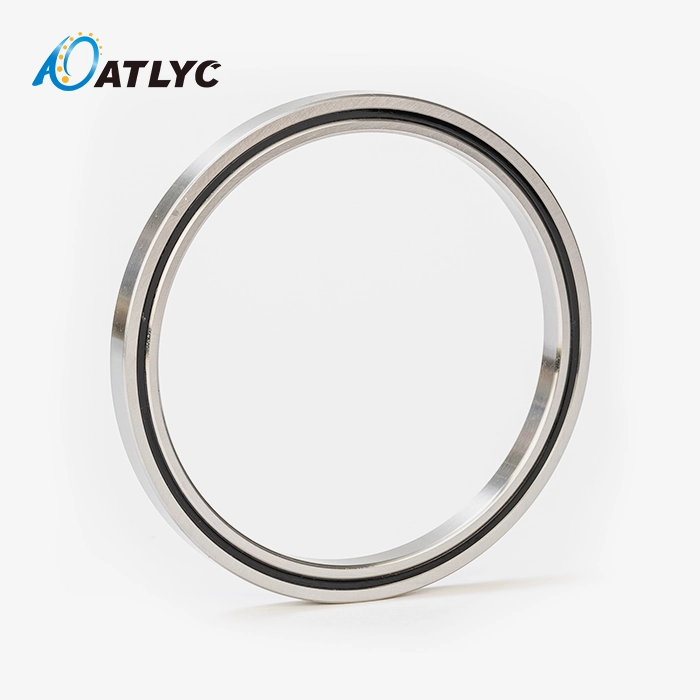
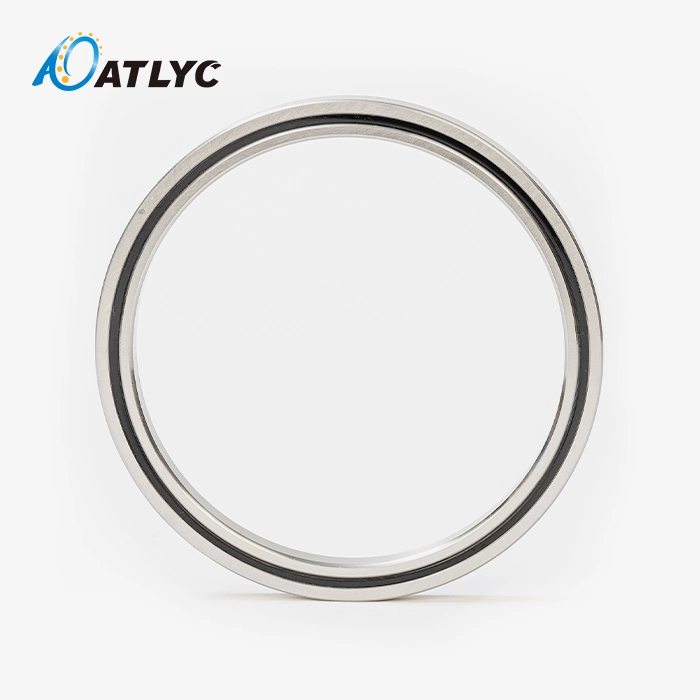
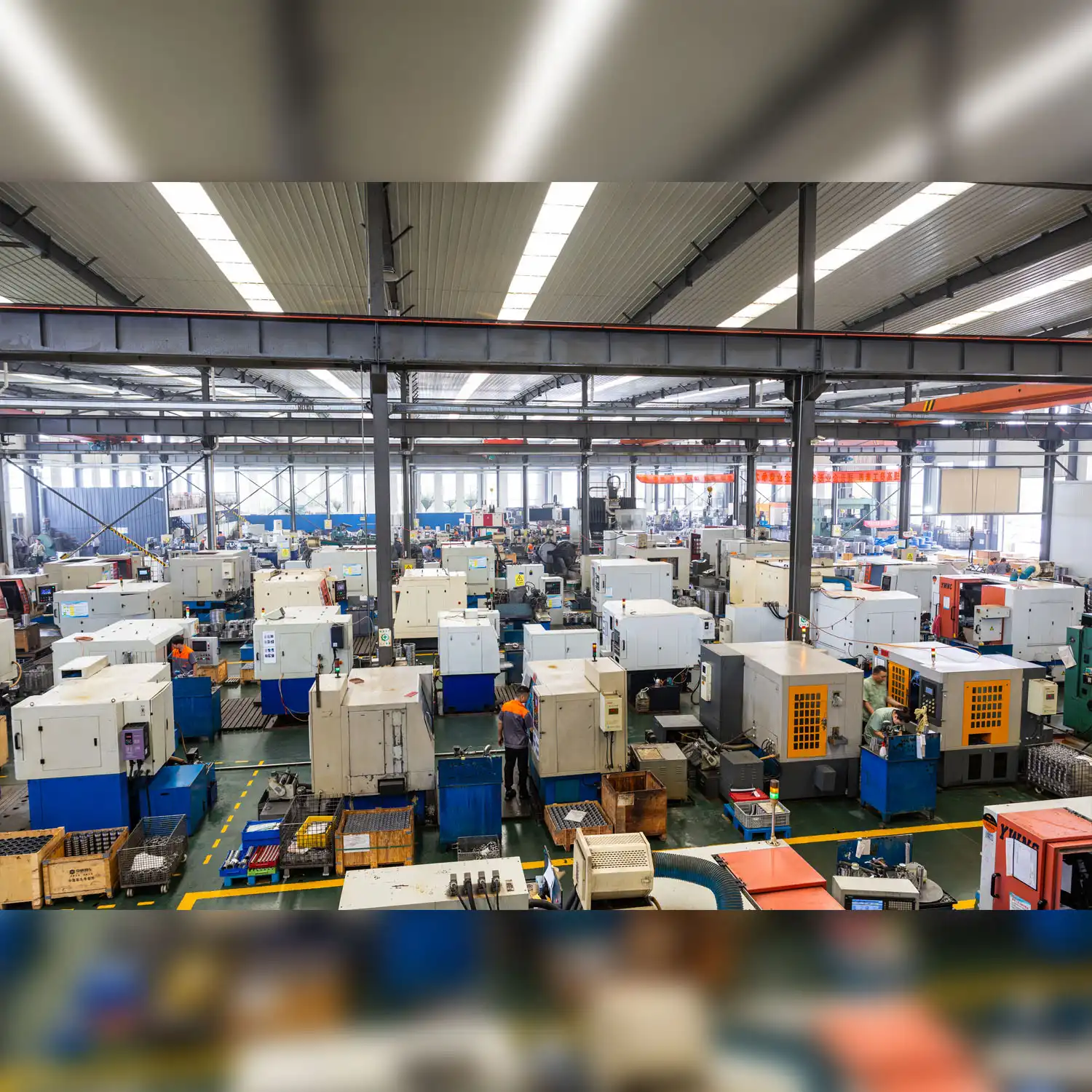
To find high-precision rotary table bearings with verified P2 certification, you need to be very selective about which manufacturers have the technical know-how, strict quality systems, and reliable supply chains. Our company, Luoyang Auto Bearing Co., Ltd. (ATLYC), is a reliable partner for medium to big-sized original equipment makers (OEMs) and companies that make industrial equipment that need tailored answers. Our real P2-certified YRT100 Rotary Table Bearing rotor bearings meet the demanding needs of CNC machine centers, turning heads, and precise measurement tools around the world. We have 120 skilled workers, ISO 9001 and IATF 16949 certifications, and 15 years of industrial excellence.
Core Structural Innovation
Precision rotary bearings are the result of decades of work to improve how loads are distributed and how space is used. Modern designs combine three useful parts—a thrust bearing, a radial bearing, and an indexing mechanism—into a single unit, which gets rid of the need for complicated installations with many parts. This method cuts down on the size of the motor structure while making it easier to set up the equipment.
Integrated Three-Row Configuration
The structure for moving the load has three different types of rollers: two sets of axial needle rollers and one set of circular full-complement cylindrical rollers. This arrangement divides the load paths, so each row can work best for a certain type of force. Steel balls set up in two columns at exact contact angles (usually 45° or 60°) make it possible to handle axial loads, radial loads, and tilting moments from different directions at the same time. This arrangement makes the structure more rigid than other types of bearing combinations, making it stiffer for the same weight.
Precision Manufacturing Standards
The surface quality of the internal raceways is measured in micrometres after they are precision-ground and super-finished. This strict production process makes sure that the contact patterns are always the same, that the friction coefficients are low, and that the parts last as long as possible in tough situations. High-quality GCr15 bearing steel (equal to AISI 52100) that has been hardened to HRC 58–64 is the best material for supporting static loads of up to 185 kN while keeping its shape even as the temperature changes.
P2 Tolerance Class Advantages
P2 certification means that the YRT100 Rotary Table Bearing product meets ISO tolerance standards, which say that the accuracy of the axial and radial runout must be less than 3 micrometres. This level of accuracy has a direct effect on the accuracy of machine tools, especially in 4th and 5th axis CNC machining centers, where the positional accuracy of the workpiece must stay within sub-micron ranges even when cutting forces are high. Bearings that meet P2 standards have lower sound signatures and temperature drift traits than bearings that meet P5 or P6 standards. This means that made parts have better surface finish quality and tighter measurement control.
| Parameter | Specification | Performance Impact |
|---|---|---|
| Bore Diameter | 100mm | Space-efficient integration |
| Outer Diameter | 185mm | High load capacity |
| Height | 38mm | Compact axial profile |
| Precision Class | P2 (ISO) | <3μm runout accuracy |
| Material | GCr15 (52100) | HRC 58-64 hardness |
| Static Load Rating | ~185 kN | Heavy-duty applications |
Comparison of YRT100 Bearings with Alternatives in the Market
Model Variations and Application Fit
When looking at different rotary table bearing models, it's important to know how each one meets specific practical needs. This way, you can avoid expensive mistakes where the capabilities of the part don't match the needs of the application. The bearing being talked about is in the middle of the product family. Its size, load capacity, and speed ratings are all good for tasks that need moderate to high precision.
This model has a 40% higher radial load capacity and a 35% higher tilting moment resistance compared to smaller diameter options. This makes it suitable for machining centers that work with hardened steel or titanium alloys. Larger diameter choices, like 150mm hole types, can hold even more weight, but they need more room to be mounted and put more force on drive systems. The 100mm hole design is the best mix for most 4-axis and 5-axis machine tools used with table widths between 300mm and 500mm.
Performance Metrics Comparison
Standard turntable bearings and generic cross roller bearings don't have the built-in fixing features and preload optimisation that make rotary table bearings unique. Because the inner and outer rings have mounting holes built in (usually 18 holes per ring), you don't need separate retention plates. This means that installation takes about 60% less time than with regular bearing assemblies. This way of designing makes the system as stiff as possible while reducing the amount of cumulative tolerance stack-up that hurts positional accuracy.
The ability to move quickly is another thing that sets it apart. Standard turntable bearings can only rotate at 500 RPM because they need to be oiled and cool down properly. But precision rotary table bearings can keep working well at speeds over 1000 RPM as long as they are properly oiled. This speed advantage is very important for direct-drive motors used in semiconductor manufacturing equipment, where fast indexing cycles have a direct effect on production throughput.
Cost-Performance Analysis
The prices of precision bearings are based on how hard the manufacturing process is and how strict the quality control is. P2-certified units usually cost 25–35% more than P5-grade units that are the same, but this difference in price needs to be weighed against the total cost of ownership. Better machining accuracy leads to less scrap, longer maintenance intervals because of better wear resistance, and less downtime because of better reliability. In high-volume production environments, these benefits often pay for themselves in less than 18 months.
Where and How to Source Certified YRT100 Rotary Table Bearings
Supplier Qualification Criteria
To get real P2-certified YRT100 Rotary Table Bearing parts, you need to carefully look at possible sources from a lot of different angles. A manufacturing capacity review should look at how advanced the production equipment is, how well-developed the quality control system is, and how well-developed the technical support infrastructure is. Suppliers with ISO 9001 and IATF 16949-certified facilities show a dedication to process control and continuous improvement, which are important qualities for making sure that the quality of precision bearings is the same from one production lot to the next.
To check the authenticity of a P2 certification, you need to ask for full dimensional inspection reports that show measured runout values, load distribution uniformity, and preload consistency. Reliable manufacturers give out serialised certificates that can be linked to specific production batches. This makes it possible to check for quality issues and figure out why something failed when needed. If there isn't any detailed certification paperwork, you should be worried right away about the authenticity of the product and the reliability of the supplier.
Direct Factory Sourcing Advantages
OEMs and large buyers can get a lot of strategic benefits from working directly with bearing makers instead of middlemen like distributors. When you work directly with the factory, you can talk about customisation options that meet the needs of your unique application, like changing the mounting hole patterns, the way the seals are set up, or the setup settings. When compared to distributor channels, volume pricing structures usually save between 15 and 20 percent on costs while getting rid of the uncertainty about inventory availability and lead time changes.
Our manufacturing operation is a good example of the skills that serious B2B buyers should look for in a supplier partner. Six specialised production workshops serve a wide range of bearing categories, and 120 committed workers make sure that expert help is quick and that quality is maintained. Production capacity scaling can handle both small amounts for prototypes and long-term deals for high volumes. This gives growing OEMs the freedom they need as their application ranges grow.
Online Platforms vs. Traditional Distribution
Digital procurement platforms have changed the way bearings are bought by making prices clearer and suppliers easier to reach. When it comes to standard catalogue items with clear specifications and application needs, these channels work great. There are problems when you need to talk to a technical expert to help you choose the best bearings, fix problems with installation, or figure out what's wrong with the performance. Traditional partnerships with distributors and direct partnerships with factories allow engineers to talk to each other, which is important for complex applications.
Managing lead time is another important thing to think about. Distributors who keep stock can meet immediate needs within days, but their stock usually only includes the most common requirements. Custom setups or P2-certified precision grades usually need to be made directly in the factory. Lead times vary from 4 to 8 weeks, based on the number of orders and how demand changes with the seasons. Strategic buyers keep two ways of getting supplies: partnerships with distributors for emergency replacements and with factories for planned production materials.
Installation, Maintenance, and Maximizing the Lifecycle of YRT100 Bearings
Proper Mounting Procedures
To get rated bearing performance, you must install the bearings in a way that keeps the manufacturing precision throughout the whole process. Mounting surfaces need to have flatness tolerances of less than 0.01mm and perpendicularity errors of less than 0.02mm so that preload changes don't affect the accuracy of rotation. It's just as important to keep the surface clean—even tiny particles can speed up wear and cause vibrations.
The torque requirements for fixing bolts are based on determined numbers that make the binding forces equal all around the bolt's diameter. When bolts are tightened unevenly, they create stress clusters in certain areas that change the shape of the raceway, making the precision cutting that was done during manufacturing useless. Using calibrated torque wrenches to tighten things in a certain order makes sure that the preload is distributed evenly. A lot of maintenance teams with a lot of experience use dial indicators during installation to make sure that runout values stay within the P2 specification limits after the mounting is done.
Lubrication Strategy
Choosing the right lubricant has a big effect on how long a bearing lasts and how consistently it works. For high-precision tasks, NLGI Grade 2 lithium complex greases made with extreme pressure additives are often required to protect the boundary lubrication. When to re-grease depends on the speed of rotation, the amount of load, and the temperature outside, but on average, grease should be added every 2000 to 3000 hours of operation. Surface wear is sped up by inadequate lubrication, and churning losses caused by too much grease raise operating temperatures.
Circulating oil lubrication methods are better for high-speed or continuous-duty uses where getting rid of heat is important. The choice of oil viscosity strikes a balance between the thickness of the film needed and the amount of power needed for pumping. ISO VG 68–100 types work well for most rotating table uses. To keep gritty particles from getting in, filtration system specs should aim for cleaning levels of ISO 4406 16/14/11 or higher.
Condition Monitoring Protocols
Regular vibration analysis is part of proactive maintenance programs to find early signs of bearing wear and tear before they fail. When you use an accelerometer to record frequency bands, you can see the unique patterns that are linked to raceway spalling, roller flaws, or preload loss. By measuring these factors on a monthly or yearly basis and looking for trends, it is possible to make repair choices that are more accurate and avoid unnecessary downtime during important production runs.
Monitoring the temperature gives you extra information that can help with your diagnosis. Gradual temperature rises can mean that the lubrication is wearing out or that the preload is changing. On the other hand, sudden temperature spikes can mean that there are serious problems, like a broken seal or contamination getting in. Setting standard temperature values during initial setup makes data that can be used to check the bearing's state over its entire service life.
| Maintenance Activity | Frequency | Objective |
|---|---|---|
| Visual Inspection | Monthly | Detect seal damage, contamination |
| Vibration Analysis | Quarterly | Identify early wear indicators |
| Relubrication | Every 2000-3000 hrs | Maintain film thickness |
| Torque Verification | Semi-annually | Confirm mounting integrity |
| Dimensional Runout Check | Annually | Validate accuracy retention |
Making the Decision: Factors to Consider When Purchasing YRT100 Bearings
Technical Specification Alignment
It's important to carefully look at working conditions and performance standards in order to match the bearing's powers to the needs of the application for the YRT100 Rotary Table Bearing. When figuring out the load, it's important to take into account not only steady-state operating loads but also peak values during sudden acceleration or emergency stops. Safety factors between 1.5 and 2.5 give you a buffer against unexpected load spikes and take into account differences in the properties of materials between production lots.
As much as mechanical loads do, environmental factors also play a big role in choosing bearings. In contaminated areas, better sealing arrangements are needed to keep out abrasive particles, coolant mist, and chemical vapours. Extreme temperatures require bearing materials and lubricants that are made to be stable at high and low temperatures. Coastal or high-humidity areas need treatments that stop rust and protect bearing surfaces while they are being stored and used.
Supplier Partnership Evaluation
In addition to product specs, factors for choosing a provider should look at things that make tools reliable over the long term. How well application problems are fixed when they happen depends on how well the company offers technical support after the sale. The length of the warranty shows how confident the maker is in the quality of the product. For example, 12- to 24-month warranties show that the company has strong quality control and material tracking systems in place.
Being able to communicate clearly and understand other cultures is important, especially when dealing with international suppliers. Language and time zone gaps can make it hard to solve pressing problems if providers don't have export support or teams. Our company solves these issues by having expert staff that speaks English and established transportation partnerships that make the process of clearing customs and sending goods internationally easier.
Total Cost of Ownership Analysis
The purchase price is only one part of bearing economics. Total ownership costs include the cost of labour for installation, the cost of keeping inventory, and the time lost during replacements. P2-certified precision bearings that cost a lot often end up saving you money in the long run because they last longer and use less scrap, as they are more accurate. Finding the net present value over the expected lifetimes of equipment lets you compare different bearing options in an objective way.
For strategic buyers, negotiating a volume commitment can lead to big cost savings. Manufacturers can make the best use of their production schedules and raw material purchases when they sign annual purchase agreements with minimum quantity commitments. These agreements save manufacturers money, which is shared through price discounts. Blanket orders with planned releases offer the same benefits while keeping goods at the supplier's location, which lowers the buyer's need for operating capital.
Conclusion
Sourcing precision-certified rotary table bearings requires balancing technical specifications, supplier capabilities, and total ownership economics. P2 tolerance standards ensure the dimensional accuracy and operational consistency that CNC machining centers, indexing heads, and precision measurement equipment demand. Careful supplier selection—prioritizing manufacturing expertise, quality certifications, and technical support infrastructure—protects your operation from counterfeit components and performance failures. Proper installation practices and proactive maintenance protocols maximize bearing service life while preserving accuracy throughout operational lifecycles. Strategic procurement approaches incorporating direct factory relationships, volume commitments, and comprehensive supplier evaluation deliver sustainable competitive advantages through enhanced equipment reliability and reduced total ownership costs.
FAQ
1. How can I verify the authenticity of P2-certified rotary table bearings?
Authentic P2 certification requires comprehensive dimensional inspection reports documenting measured runout values, typically below 3 micrometers for both axial and radial directions. Request serialized certificates traceable to specific production batches, including raw material certifications and heat treatment records. Reputable manufacturers provide complete quality documentation as standard practice. Physical inspection should confirm precision grinding quality on raceways and uniform preload characteristics during manual rotation testing.
2. What lead times should I expect for bulk orders?
Standard catalog specifications with P2 certification typically require 4-6 weeks for production and quality verification when ordered directly from manufacturers. Custom configurations incorporating modified mounting patterns or specialized sealing extend lead times to 6-8 weeks. Large volume commitments exceeding 100 units per order may qualify for expedited production scheduling. Establishing blanket purchase orders with scheduled releases optimizes lead time management by enabling manufacturers to maintain dedicated inventory buffers for your specific requirements.
3. Are different rotary table bearing types interchangeable?
Physical dimensional compatibility does not guarantee functional interchangeability. Load ratings, stiffness characteristics, and speed capabilities vary significantly between bearing designs. Mounting hole patterns and bolt circle diameters differ across product families, preventing direct substitution without machine modifications. Preload specifications and lubrication requirements also vary. Always consult the manufacturer's engineering specifications and conduct application analysis before substituting bearing types in existing equipment designs.
Partner with ATLYC for Certified Precision Bearing Solutions
ATLYC brings 15 years of specialized manufacturing experience to your precision bearing requirements. Our ISO 9001 and IATF 16949 certified facilities in Luoyang produce P2-certified rotary table bearings trusted by automotive OEMs, industrial machinery manufacturers, and automation equipment integrators across six continents. Direct factory sourcing eliminates intermediary markups while providing customization capabilities and technical consultation services that standard distributors cannot match. We maintain comprehensive quality traceability systems and deliver complete certification documentation with every shipment. Contact our technical sales team at auto@lyautobearing.com to discuss your application requirements and receive detailed quotations. As an established YRT100 Rotary Table Bearing supplier, we offer competitive volume pricing, reliable lead times, and engineering support that transforms component sourcing into strategic partnerships.
References
1. Harris, T.A. and Kotzalas, M.N. (2006). Advanced Concepts of Bearing Technology: Rolling Bearing Analysis. CRC Press.
2. ISO 492:2014. Rolling bearings — Radial bearings — Geometrical product specifications (GPS) and tolerance values. International Organization for Standardization.
3. Weck, M. and Brecher, C. (2006). Machine Tools Production Systems 4: Automation of Machine Tools and Production Systems. Springer-Verlag.
4. SKF Group. (2018). Rolling Bearings Catalogue: Technical Guidelines for Selection and Application. SKF Technical Publications.
5. American Bearing Manufacturers Association. (2019). ABMA Standards for Precision Ball and Roller Bearings. ABMA Engineering Committee.
6. Eschmann, P., Hasbargen, L., and Weigand, K. (1985). Ball and Roller Bearings: Theory, Design and Application. John Wiley & Sons Limited.
Learn about our latest products and discounts through SMS or email