- English
- French
- German
- Portuguese
- Spanish
- Russian
- Japanese
- Korean
- Arabic
- Greek
- German
- Turkish
- Italian
- Danish
- Romanian
- Indonesian
- Czech
- Afrikaans
- Swedish
- Polish
- Basque
- Catalan
- Esperanto
- Hindi
- Lao
- Albanian
- Amharic
- Armenian
- Azerbaijani
- Belarusian
- Bengali
- Bosnian
- Bulgarian
- Cebuano
- Chichewa
- Corsican
- Croatian
- Dutch
- Estonian
- Filipino
- Finnish
- Frisian
- Galician
- Georgian
- Gujarati
- Haitian
- Hausa
- Hawaiian
- Hebrew
- Hmong
- Hungarian
- Icelandic
- Igbo
- Javanese
- Kannada
- Kazakh
- Khmer
- Kurdish
- Kyrgyz
- Latin
- Latvian
- Lithuanian
- Luxembou..
- Macedonian
- Malagasy
- Malay
- Malayalam
- Maltese
- Maori
- Marathi
- Mongolian
- Burmese
- Nepali
- Norwegian
- Pashto
- Persian
- Punjabi
- Serbian
- Sesotho
- Sinhala
- Slovak
- Slovenian
- Somali
- Samoan
- Scots Gaelic
- Shona
- Sindhi
- Sundanese
- Swahili
- Tajik
- Tamil
- Telugu
- Thai
- Ukrainian
- Urdu
- Uzbek
- Vietnamese
- Welsh
- Xhosa
- Yiddish
- Yoruba
- Zulu
Why Choose RA Series Crossed Roller Bearings for Robotics?
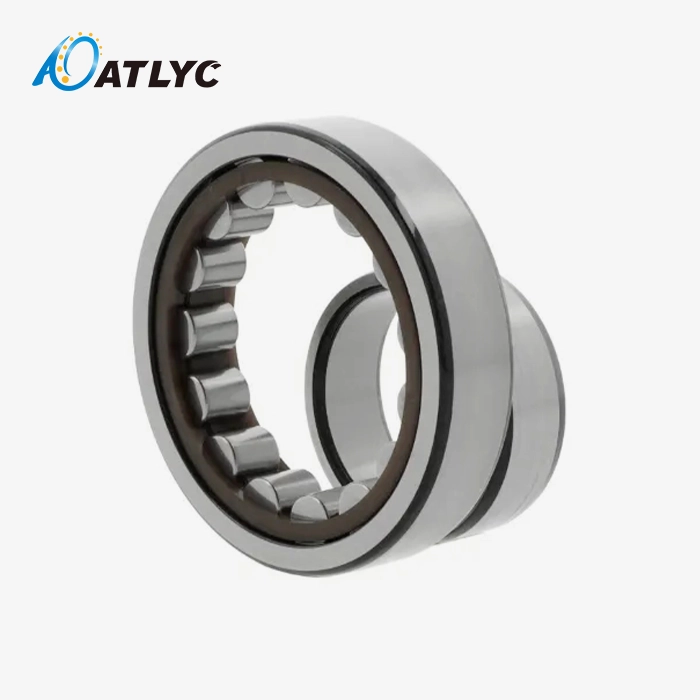
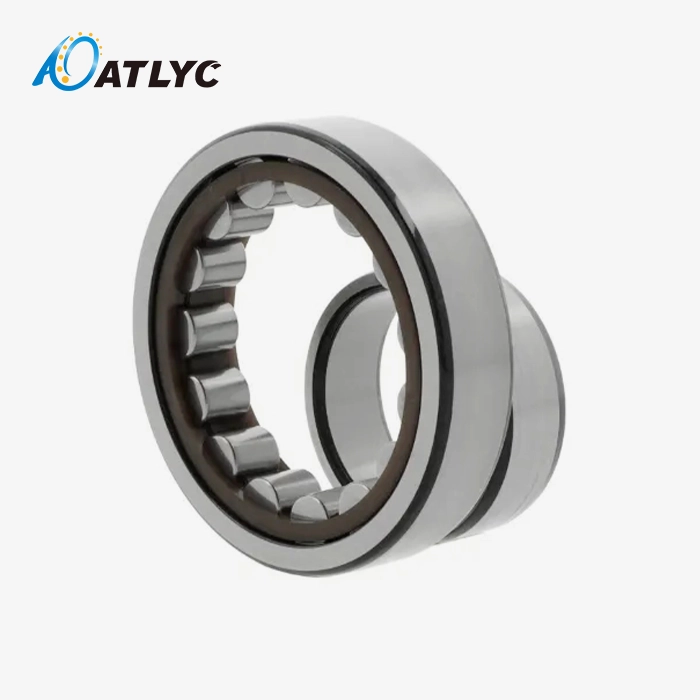
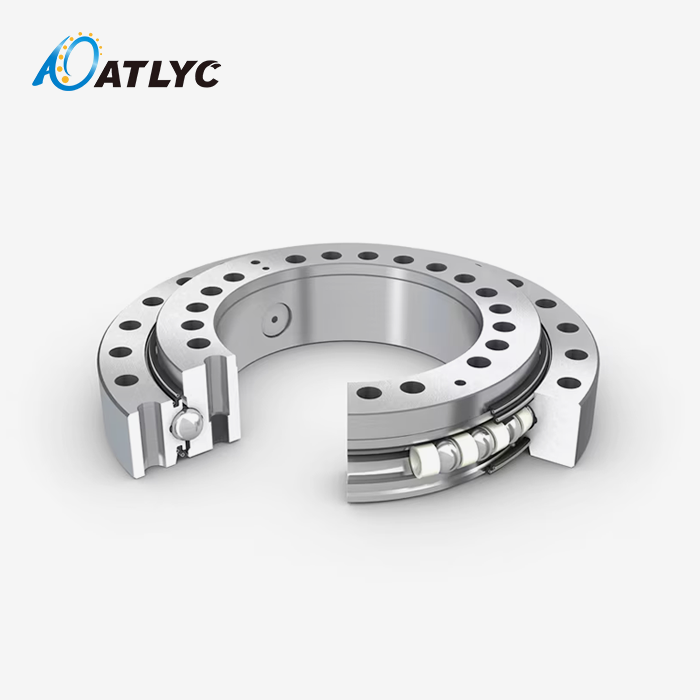
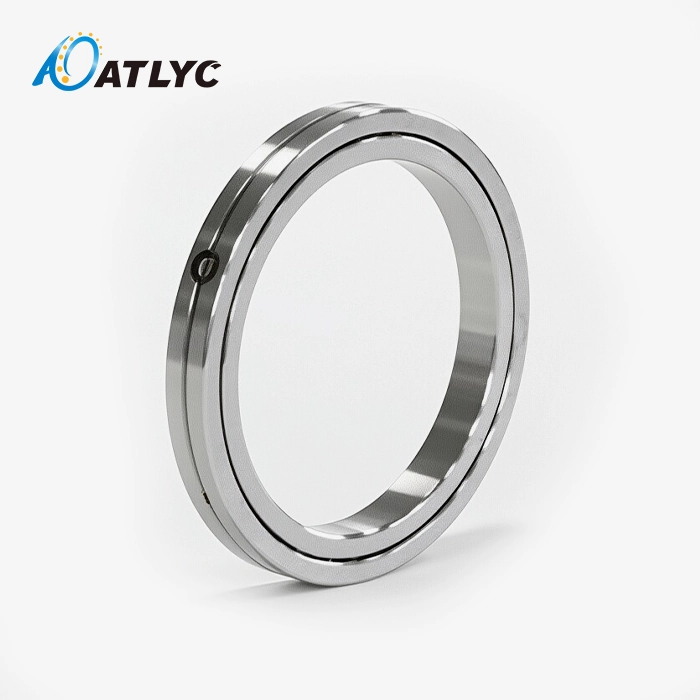
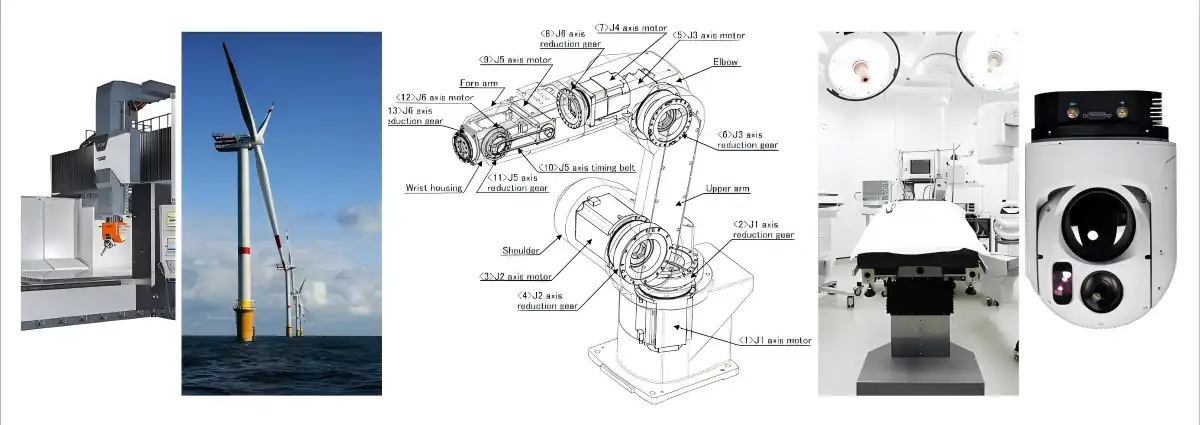
RA Series Crossed Roller Bearings are the best choice when your robotic systems need to be as precise as possible while still fitting into a small area. These special parts meet the most important needs of current automation by combining very thin profiles with great load-carrying abilities. The separate outer ring design and integral inner ring construction make for very accurate spinning while handling radial, axial, and moment loads at the same time. This one-of-a-kind arrangement gets rid of the need for various bearing arrangements. This makes the assembly simpler and more reliable for industrial robotics uses.
Understanding RA Series Crossed Roller Bearings
Fundamental Design Architecture
The RA Series employs a sophisticated crossed roller configuration where cylindrical rollers are positioned orthogonally within precision-machined V-groove raceways. This arrangement allows each roller to carry loads in different directions, effectively distributing forces across the entire bearing assembly. The alternating right-angle orientation creates superior load distribution and rigidity in multiple directions within a compact footprint.
Key Structural Characteristics
Precision-machined parts made from special steels, like Gcr15 and Gcr15SiMn, give the bearings their high level of hardness and longevity. The design of the outer ring being able to be separated makes installation and upkeep easier, which cuts down on downtime during assembly or service work. At the same time, the built-in inner ring provides better rotational accuracy and keeps the tight limits needed for robotic precision. Inner diameters range from 20mm to 350mm, outer diameters from 70mm to 540mm, and widths from 12mm to 45mm. These sizes can be used for RA Series Crossed Roller Bearings in a wide range of applications. With this wide range of sizes, engineers can choose bearings that perfectly fit their space limits and load needs. The very thin profile reduces the size of the envelope needed while keeping the structure strong, making space-saving options for modern robotic joints possible.
Operating Principles and Load Management
The crossed roller design optimises the load path, which is at the heart of how it works. When combined loads are put on the structure, they are spread out over several contact points at the same time. When placed at 90-degree angles, each roller takes a different load vector, which works together to increase capacity. This gets rid of the need for paired angular contact bearings or complicated preloading setups, which makes things simpler and lowers the risk of failure. These bearings are great for settings with constant motion because they can handle a lot of weight and last a long time. The precise V-groove raceways keep the rollers in the best possible touch throughout operation, which reduces friction and improves the efficiency of load distribution. Compared to other bearing setups, this design means lower operating temperatures and a longer service life.
Why RA Series Bearings Are the Optimal Choice for Robotics
Superior Rigidity and Reduced Backlash
When it comes to rigidity, the RA Series is clearly better than standard cylindrical roller bearings and angular contact ball bearings. The crossed roller setup makes the structure very stiff in all load directions, which is important for keeping the robot's position accurate while it moves quickly. Less backlash means exact motion control, getting rid of the small movements that add up to positioning mistakes when doing the same thing over and over. This feature is very helpful for industrial robots that are used for assembly jobs. When manipulators do thousands of moves over and over again every day, even small mistakes in positioning can add up to big problems with quality. Crossed roller bearings are more rigid, so they keep their accuracy over millions of cycles. This directly improves the consistency of production.
Extended Lifespan and Enhanced Accuracy
RA Series models have longer operational lifespans than normal crossed roller bearing designs because they use better materials and are manufactured with more precision. The high-quality Gcr15 and Gcr15SiMn steels don't wear down easily, and the precision grinding methods make sure that the surfaces are perfectly smooth, which reduces friction and heat production. The level of accuracy for these bearings is between P6 and P4, and there are even P8 choices for very precise uses. Engineers can use this range to precisely set the level of accuracy their application needs, weighing cost concerns against performance needs. For example, P4 grade bearings are used in precision rotary tables in machining centers to keep accuracy below one micron.
Selection Criteria for RA Series Crossed Roller Bearings in Robotics
Aligning Specifications with Application Demands
To choose the right bearing, you need to carefully look at the operational factors. Load types are the most important thing to think about for RA Series Crossed Roller Bearings. Engineers have to figure out the highest radial, axial, and moment loads that their application will have to handle. Crossed roller bearings can handle these forces at the same time because they can handle a combined load capacity, but making sure they are the right size ensures they have enough safety gaps. Operational speeds affect the choice of bearings by changing how much heat they produce and how much oil they need. For robotic moves that happen quickly, the bearings need to be big enough to get rid of heat effectively while keeping the lubrication film intact. On the other hand, slower, precise applications value rigidity and accuracy more than speed.
Procurement and Supply Chain Factors
From the point of view of buying, choosing bearings is affected by more than just technical specs. Large-scale automation operations are especially affected by the time it takes to receive a bulk order. Established companies like ATLYC, which has been making bearings for 15 years, have the production capacity to safely meet large orders. Customisation options let OEMs integrate in a way that fits the needs of each application. Different seal arrangements, special coatings, or non-standard sizes can make bearings work better in certain conditions. Supply chain dependability makes sure that delivery schedules are always the same and match up with production schedules. This keeps production from being delayed, which costs a lot of money. Quality certifications prove that manufacturing norms and process controls are being followed. Getting ISO 9001 and IATF 16949 certifications shows that you are dedicated to quality control and growth, which are very important when you are looking for a long-term supply partner. These certificates give you peace of mind that the bearings you buy will always meet the requirements, even if they are made in multiple batches.
Maintenance and Longevity of RA Series Bearings in Robotics
Routine Maintenance Protocols
To get the most out of your bearings' life, you need organised maintenance plans that include lubrication management, inspection schedules, and troubleshooting before problems happen. Proper lubrication keeps the wheels and raceways from touching metal, which reduces wear and heat production. When choosing grease, it's important to think about things like temperature range, speed, and contamination exposure. When you do regular inspections, you can find possible problems early on, before they get worse and cause failures. Vibration analysis shows problems that are getting worse by looking at patterns of frequencies, and temperature tracking shows when there isn't enough lubrication or too much load. Visual inspections during planned maintenance windows check the integrity of the seal and look for signs of contamination.
Environmental Factors and Handling Protocols
Conditions in the area where the bearing is used have a big effect on its durability. Dust, wetness, or process chemicals can contaminate something, which speeds up wear and can cause it to fail early. Effective closing solutions protect internal parts, but the right design of the equipment must keep contamination from building up in places that are easy to get to. Using handling procedures during setup and upkeep keeps things from getting damaged, which would lower performance. When handling crossed roller bearings, you need to be careful not to damage the precision-ground surfaces by brinelling or deforming them. To get the best performance, installation methods must follow the manufacturer's instructions for mounting tolerances, preload application, and torque specifications.
How to Procure RA Series Crossed Roller Bearings for Your Robotics Projects
Establishing Reliable Supply Partnerships
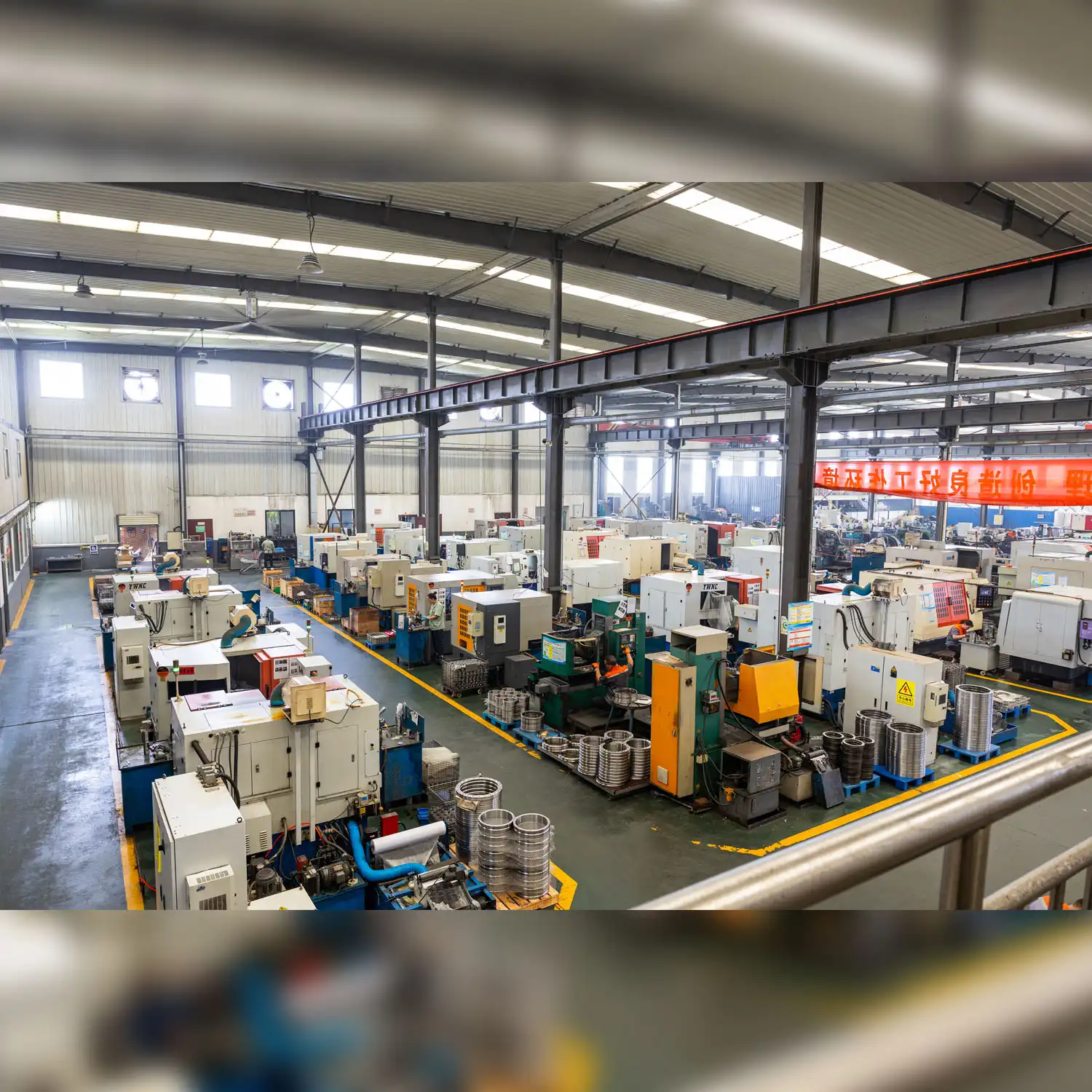
To make sure you always have bearings, you need to work with manufacturers RA Series Crossed Roller Bearings who can show they have the production capacity, quality systems, and foreign experience you need. ATLYC was founded in 2010 and has grown from a single workshop to six specialised sites that are experts at making high-precision bearings for a wide range of applications. This growth path shows that manufacturers can keep up with customer demand. The 120 skilled workers who work for the company in production, research and development, quality control, and assembly make sure that all steps of production run smoothly. ISO 9001 and IATF 16949 standards make sure that quality management and process controls are working properly, so you can be sure that the quality of your products will always be the same.
Strategic Procurement Approaches
Bulk order strategies enable competitive pricing through volume discounts while ensuring adequate inventory for production continuity. Transparent cost breakdowns, including shipping and lead times, facilitate accurate project planning and budget management. Negotiating framework agreements establishes pricing stability and delivery priorities, particularly valuable for ongoing production requirements. Custom bearing solutions tailored to specific robotic applications minimize design compromises and optimize performance. Close collaboration with manufacturing engineers during specification development ensures feasibility while identifying potential cost-saving opportunities. OEM integration support reduces project timelines by addressing compatibility issues proactively.
Global Distribution and Market Reach
ATLYC serves export markets across South Korea, the United States, Germany, Russia, Iran, and Turkey, demonstrating international logistics capabilities and regional technical support networks. This geographic reach ensures reliable delivery and responsive service regardless of customer location. Understanding regional quality expectations and regulatory requirements facilitates smooth procurement processes and customs clearance. The company's evolution over 15 years mirrors advancement within China's precision bearing industry, reflecting continuous investment in manufacturing technology and quality systems. This commitment to improvement positions them as dependable partners for mid-to-large automotive and industrial equipment manufacturers requiring scalable production capacity.
Conclusion
RA Series Crossed Roller Bearings represent engineered solutions specifically addressing the demanding requirements of modern robotics applications. Their unique crossed roller configuration delivers exceptional rigidity, multi-directional load capacity, and precision within compact envelopes that traditional bearing arrangements cannot match. Proper selection based on application-specific parameters, combined with structured maintenance protocols, ensures optimal performance and extended operational life. Strategic procurement partnerships with certified manufacturers provide reliable supply, competitive pricing, and technical support essential for successful robotics system implementation. As automation continues transforming manufacturing, these precision components remain fundamental to achieving the accuracy, reliability, and efficiency that define competitive advantage in global markets.
FAQ
1. What makes RA Series crossed roller bearings particularly suitable for robotic applications?
The alternating orthogonal roller arrangement provides exceptional rigidity and multi-directional load handling within minimal space, addressing the compact designs and precision requirements inherent to robotic joints. Their low friction coefficient ensures smooth motion control essential for sensitive operations, while excellent runout accuracy prevents vibration that could compromise positioning precision.
2. How do precision grades affect bearing performance in robotics?
Accuracy classifications from P6 through P4 determine dimensional tolerances and rotational precision. Higher precision grades like P4 deliver tighter runout tolerances essential for ultra-precise applications such as semiconductor manufacturing robots, while P5 or P6 grades adequately serve general industrial automation at lower cost points.
3. What factors influence bearing selection between standard and custom configurations?
Standard bearings suit applications with conventional space envelopes and loading conditions, offering cost advantages and shorter lead times. Custom configurations become necessary when spatial constraints, unusual load combinations, or environmental factors require modified dimensions, seal configurations, or specialized coatings to optimize performance.
Partner with ATLYC for Premium RA Series Crossed Roller Bearings
ATLYC brings 15 years of specialized manufacturing expertise to RA Series Crossed Roller Bearings, delivering precision crossed roller bearings that meet the exacting standards of global OEMs and industrial automation leaders. Our ISO 9001 and IATF 16949 certified facilities produce high-precision bearings with consistent quality, low defect rates, and extended service life. As an established RA Series Crossed Roller Bearings manufacturer, we combine competitive pricing with reliable lead times and comprehensive technical support. Contact our engineering team at auto@lyautobearing.com to discuss your specific robotics bearing requirements and receive detailed specifications for your application.
References
1. Harris, T. A., & Kotzalas, M. N. (2006). Essential Concepts of Bearing Technology: Rolling Bearing Analysis. CRC Press, Boca Raton, Florida.
2. Weck, M., & Brecher, C. (2006). Machine Tools Production Systems 2: Design and Calculation. Springer-Verlag, Berlin.
3. Siciliano, B., & Khatib, O. (2016). Springer Handbook of Robotics. Springer International Publishing, Cham, Switzerland.
4. Budynas, R. G., & Nisbett, J. K. (2015). Shigley's Mechanical Engineering Design. McGraw-Hill Education, New York.
5. Hamrock, B. J., Schmid, S. R., & Jacobson, B. O. (2004). Fundamentals of Fluid Film Lubrication. Marcel Dekker, New York.
6. ISO 492:2014. Rolling Bearings - Radial Bearings - Geometrical Product Specifications and Tolerance Values. International Organization for Standardization, Geneva.
Learn about our latest products and discounts through SMS or email