- English
- French
- German
- Portuguese
- Spanish
- Russian
- Japanese
- Korean
- Arabic
- Greek
- German
- Turkish
- Italian
- Danish
- Romanian
- Indonesian
- Czech
- Afrikaans
- Swedish
- Polish
- Basque
- Catalan
- Esperanto
- Hindi
- Lao
- Albanian
- Amharic
- Armenian
- Azerbaijani
- Belarusian
- Bengali
- Bosnian
- Bulgarian
- Cebuano
- Chichewa
- Corsican
- Croatian
- Dutch
- Estonian
- Filipino
- Finnish
- Frisian
- Galician
- Georgian
- Gujarati
- Haitian
- Hausa
- Hawaiian
- Hebrew
- Hmong
- Hungarian
- Icelandic
- Igbo
- Javanese
- Kannada
- Kazakh
- Khmer
- Kurdish
- Kyrgyz
- Latin
- Latvian
- Lithuanian
- Luxembou..
- Macedonian
- Malagasy
- Malay
- Malayalam
- Maltese
- Maori
- Marathi
- Mongolian
- Burmese
- Nepali
- Norwegian
- Pashto
- Persian
- Punjabi
- Serbian
- Sesotho
- Sinhala
- Slovak
- Slovenian
- Somali
- Samoan
- Scots Gaelic
- Shona
- Sindhi
- Sundanese
- Swahili
- Tajik
- Tamil
- Telugu
- Thai
- Ukrainian
- Urdu
- Uzbek
- Vietnamese
- Welsh
- Xhosa
- Yiddish
- Yoruba
- Zulu
How Does RA5008UUCC0 Cross Roller Bearing Reduce Vibration?
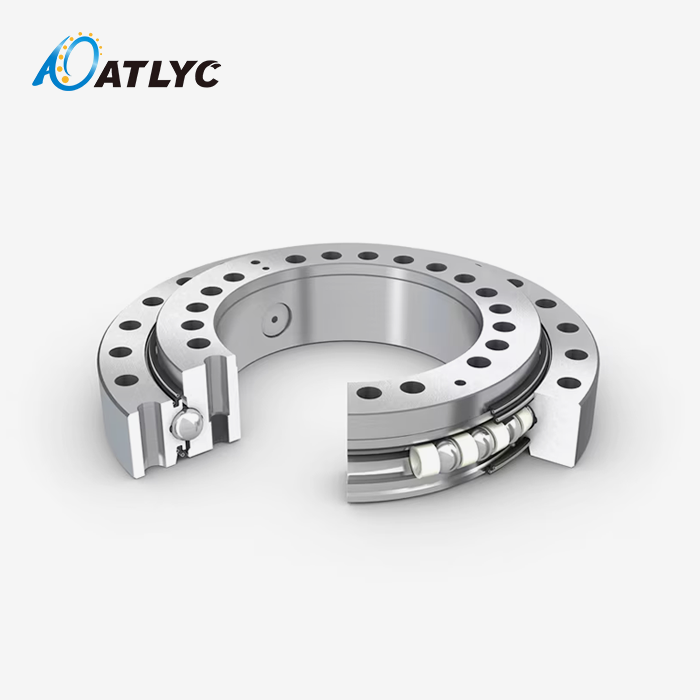
The RA5008UUCC0 cross roller bearing lowers vibration by having a set of orthogonal cylinder rollers spaced at 90° intervals on precision V-groove raceways. This one-of-a-kind design spreads radial, axial, and moment loads across multiple contact points at the same time. This gets rid of the imbalanced forces that cause movements. The CC0 clearance standard gets rid of all internal play, and spacer retainers keep rollers from touching each other, which is what usually causes friction-induced resonance. With high-quality Gcr15 and Gcr15SiMn materials and manufacturing that meets P5 or P4 accuracy standards, this very thin bearing has very smooth rotation, which is important for robots and medical instruments.
Understanding the Vibration Problem in Bearings
Vibration represents one of the most persistent challenges facing precision machinery manufacturers today. When bearings generate unwanted oscillations, the consequences extend far beyond minor annoyances—they directly threaten equipment accuracy, accelerate component degradation, and compromise product quality.
Root Causes of Bearing Vibration
When spinning parts aren't perfectly symmetrical, centrifugal forces spread through the system and cause mechanical imbalances. When loads aren't spread out evenly, stress builds up on certain rolling parts instead of being spread out evenly. This causes periodic impacts that show up as vibration. Tolerances in manufacturing, even if they are within acceptable limits, cause tiny surface flaws and changes in size that make spinning less smooth.
Consequences of Excessive Vibration
Vibrations that cause sporadic contact between rolling elements and raceways, which create localised stress concentrations, speed up premature wear. When sensor outputs have noise from vibrations, signal interference can be a problem for precise measurement tasks. As cyclic pressures go beyond the material's endurance limits, component fatigue shortens its useful life. When vibration-related failures require unplanned repair, they cause more downtime in production. When procurement experts and design engineers know about these failure modes, they can look at bearing solutions based on real performance needs instead of general requirements. The difference between good and great vibration control often decides whether equipment meets production goals or needs expensive changes after it has been put into use.
Design Features of RA5008UUCC0 that Minimize Vibration
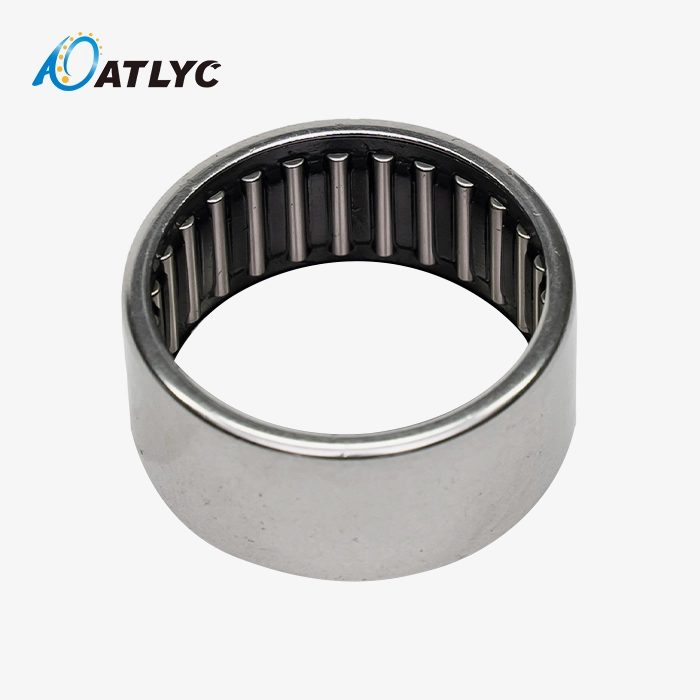
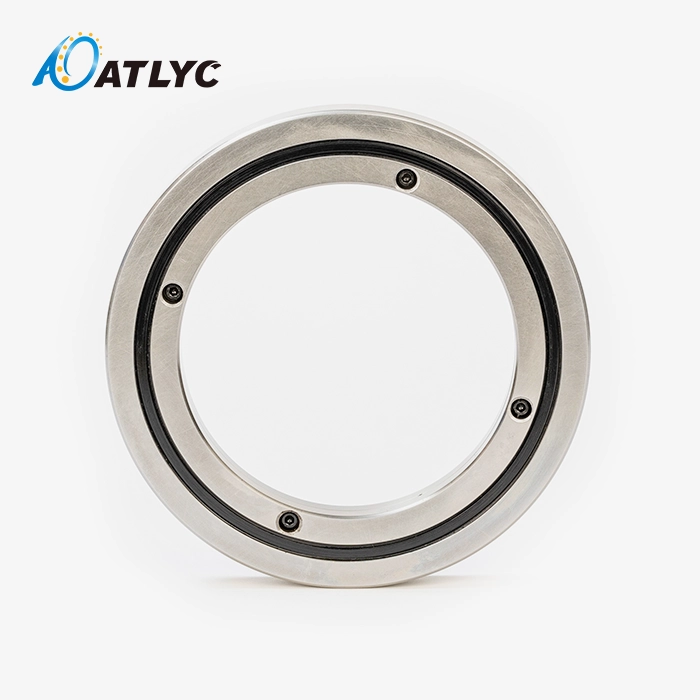
The RA5008UUCC0 represents advanced engineering in ultra-thin precision bearing technology. This component features compact dimensions with a 50mm inner diameter, 66mm outer diameter, and remarkably slim 8mm width, making it exceptionally suitable for space-constrained applications demanding superior vibration control.
Orthogonal Roller Configuration
Cross rollers are made up of circular rolling elements that are placed perpendicular to each other along V-groove raceways that are machined into the inner and outer rings. With this setup, there are many load-bearing contact points spread out around the bearing's diameter. In normal designs, the rolling elements all follow the same path. But in an orthogonal setup, the radial forces, axial thrust, and overturning moments all meet resistance from different roller sets at the same time. This geometric benefit gets rid of the load concentration that the RA5008UUCC0 cross roller bearing makes single-direction bearings vibrate.
Friction Reduction Through Spacer Retainers
When rollers touch each other, stick-slip friction happens. This causes high-frequency vibrations that speed up wear. This cross roller design has a spacer retainer system that keeps the rolling parts exactly apart from each other. This makes sure that only the metal-to-raceway contact happens. This trait greatly lowers the coefficients of friction while getting rid of the uneven contact patterns that cause vibration harmonics. This makes the rotation smoother, lowers the starting torque, and makes the speed more stable across the whole working range. These aspects of the design work together instead of against each other. The orthogonal roller design spreads loads out evenly, which lowers stress levels that could wear down high-precision surfaces otherwise. When these loads are spread out, better materials keep their shape and keep the tight limits that stop vibrations caused by clearance. Preload control makes sure that geometric accuracy turns into mechanical rigidity, and spacer retainers keep all of these parts from wearing down because of friction. This unified method explains why the RA5008UUCC0 is so good at controlling vibrations in precise uses that need it.
Technical Comparison – RA5008UUCC0 vs Alternatives in Vibration Control
Understanding how this cross roller bearing performs relative to alternative solutions helps procurement teams make evidence-based decisions aligned with specific application requirements.
Performance Against Adjacent Size Variants
Both the RA5007UUCC0 and the RA5010UUCC0 are closely related options that are built in similar ways but have different dimensions. The RA5007UUCC0 has smaller overall dimensions, which lowers its load capacity and rigidity. These are the two factors that directly affect how well it resists vibrations when it is under working loads. The RA5010UUCC0, on the other hand, has more capacity but needs more installation room and makes the system heavier. The RA5008UUCC0 is in the perfect middle spot, with small dimensions and enough load-carrying capacity for most precision uses. Its 8mm width makes it perfect for robotic joint designs that can't use bigger bearings because of limited axial room.
Cost-Performance Considerations
In the end, choices about procurement have to balance technical performance with the realities of the economy. Premium ultra-precision bearings from well-known global brands may be out of reach for budget-conscious uses that need a lot of them. The RA5008UUCC0 has vibration control performance that is similar to more specialised choices, but it is priced competitively enough for OEM integration. Because of this price-to-performance ratio, makers can make sure that all of their products have good vibration control instead of just the most expensive ones. When engineers are looking at different bearing choices, they should think about vibration reduction as a requirement for the whole system, not just one part. Cross roller bearings have better vibration control, so they don't always need extra damping systems, balancing devices, or structural reinforcements that other types of bearings would need. Comparing the system as a whole shows cost savings and efficiency gains that comparisons at the component level miss.
Maintenance and Installation Considerations for Optimal Vibration Reduction
Achieving the theoretical vibration reduction capabilities of precision cross roller bearings requires meticulous attention to installation procedures and maintenance protocols.
Proper Mounting Techniques
Misalignment is the most common fitting mistake that makes bearings less accurate and causes them to vibrate. The RA5008UUCC0's separable outer ring design makes installation easier by letting the inner and outer parts be placed separately. Surfaces for mounting must be flat within 5 microns and straight in relation to the shaft axis within the same limits. When you install the inner ring with a controlled interference fit, you stop rotary creep and keep the exact dimensions. The outer ring needs the same amount of bolt torque all the way around it. If the clamping isn't even, the distortion that happens during spinning causes vibrations. Using calibrated torque tools and following set patterns for tightening makes sure that the clamps stay in place without deforming. A lot of companies that make precision tools use dial indicators during installation to make sure that the runout stays within the limits set before the final assembly.
Inspection and Troubleshooting Protocols
Monitoring on a regular basis finds signs of wear and tear in the RA5008UUCC0 cross roller bearing before they become catastrophic. Using accelerometers for vibration analysis lets you find frequency patterns that show specific problems. For example, bearing flaws leave unique signatures that can be told apart from those of other machinery parts. Temperature tracking shows when lubrication is breaking down, or there is too much preload before the damage gets too bad. Visual inspection during regular maintenance checks can show if the seal is wearing down, dirt or debris is getting in, or the fastening hardware is coming loose. To fix vibration problems, a systematic evaluation starts with making sure the installation is done right, then moves on to checking the lubrication, and ends with checking the bearing state. A common cause of vibration is contamination, where tiny particles stuck in raceways cause regular impacts that show up as vibration. Getting rid of the root causes instead of just the signs stops problems from happening again and increases the life of bearings. Documenting maintenance makes useful performance records that let you plan instead of reacting to problems. By following vibration patterns over time, you can see how things slowly break down, which lets you replace things during planned downtime instead of having to make fixes right away. This proactive approach cuts down on production delays and maximises the cost-effectiveness of bearings over their entire lifecycle.
Procurement Guide – Ensuring Authentic RA5008UUCC0 Bearings for Your Applications
Sourcing genuine precision bearings significantly impacts equipment reliability and total cost of ownership. The global bearing market includes products ranging from premium-grade components to substandard counterfeits, making vendor selection a critical procurement decision.
Recognized Manufacturers and Authentication
Established brands, including NSK, THK, KOYO, SKF, and Nachi, maintain rigorous quality standards backed by decades of engineering expertise. These manufacturers implement anti-counterfeiting measures such as laser-engraved serial numbers, holographic labels, and packaging authentication features. Verification methods include contacting manufacturer representatives with component serial numbers, examining packaging quality and printing precision, and comparing dimensional accuracy against published specifications. Price discrepancies exceeding 30-40% below market rates often indicate counterfeit products, regardless of packaging appearance.
Market Conditions and Ordering Strategies
Current lead times for precision cross roller bearings typically RA5008UUCC0 cross roller bearing range from 4-8 weeks for standard specifications, extending to 10-14 weeks for custom accuracy grades or material variants. Volume pricing structures offer 15-25% discounts for quantities exceeding 100 units, with additional reductions available for annual supply agreements. Many manufacturers maintain safety stock for common sizes, enabling expedited delivery for urgent requirements at premium pricing. Procurement strategies balancing inventory carrying costs against volume discounts depend on production forecasting accuracy and storage capabilities.
Evaluating Alternative Suppliers
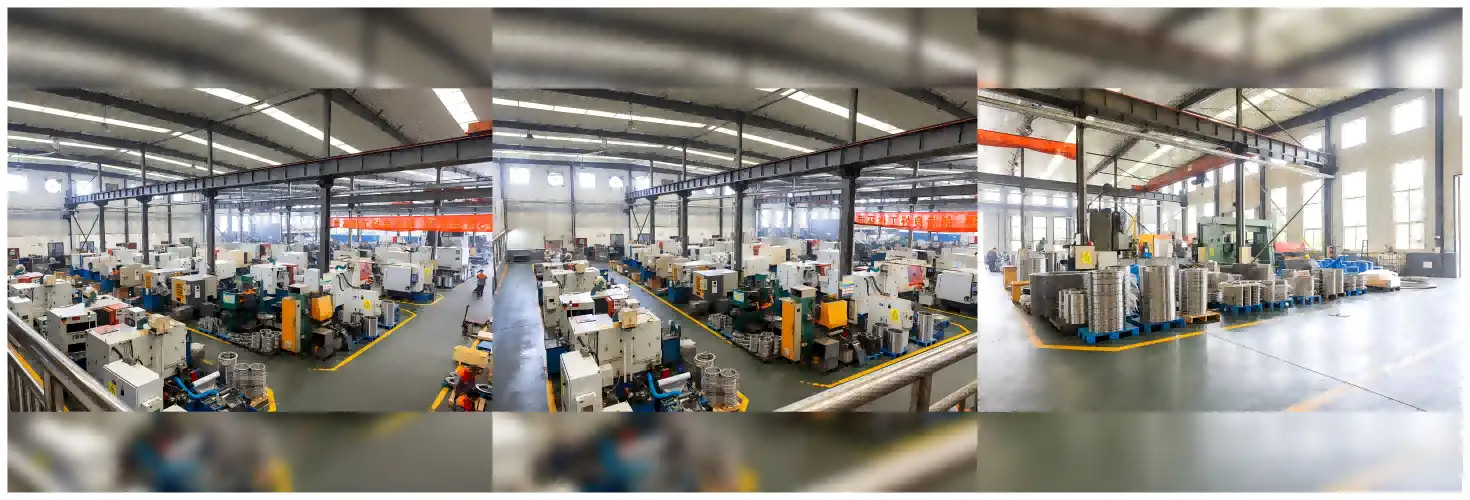
Luoyang Auto Bearing Co., Ltd. has been in business since 2010 and has grown its manufacturing skills across all types of precision bearings during that time. The company has 120 skilled workers and is certified by both ISO 9001 and IATF 16949. It provides OEM-grade parts that meet world quality standards. From one workshop to six specialised buildings, production capacity grew, allowing for shorter lead times and more flexible volume production. ATLYC makes the RA5008UUCC0, which has accuracy grades from P6 to P4. It does this by using Gcr15 and Gcr15SiMn bearing steels and carefully heating and cleaning the outside. With experience in global supply, they have built ties with customers in South Korea, Germany, the US, Russia, Iran, and Turkey in the areas of automotive parts, industrial machinery, and automation equipment. When choosing a reliable supplier, it's not just about the cost of the parts themselves; it's also about getting technical help, warranty coverage, and service after the sale. For many bearing uses, special instructions are needed on how to choose the right preload, lubrication levels, and mounting tolerances. When suppliers offer technical advice during the specification phase, mistakes in design that are expensive and bad for performance are avoided. The length of the warranty depends on how confident the maker is in the quality of the product. Usually, the warranty covers defects in materials and workmanship for 12 to 24 months, but not problems with installation or use. Long-term partnerships are formed through after-sales support that includes replacement logistics, technical troubleshooting, and advice on how to improve performance. This lowers the total cost of ownership above and beyond the price of the individual parts.
Conclusion
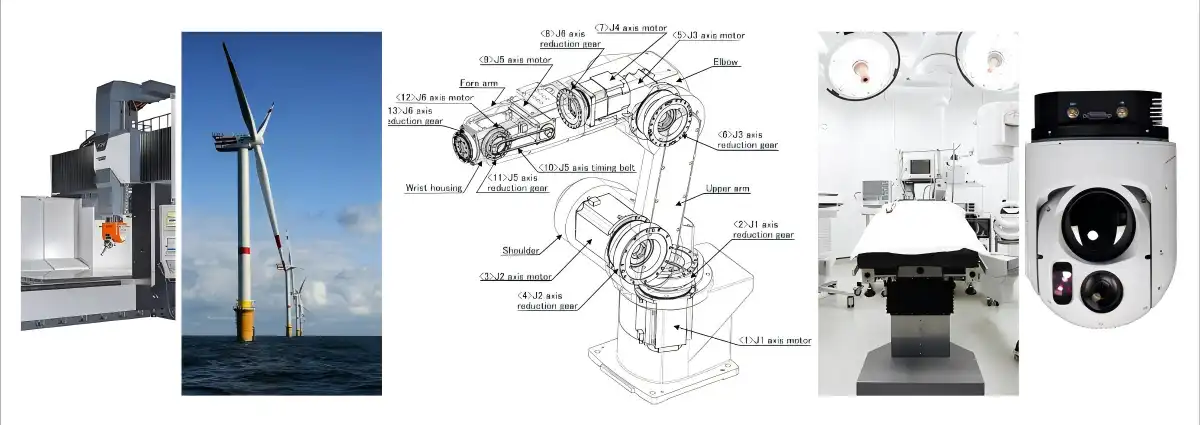
Vibration reduction in precision machinery relies on the quality of the bearings and how well they are designed. This need is met by the RA5008UUCC0 cross roller bearing, which has an orthogonal roller geometry, is precision manufactured, and has optimised dimensional characteristics that make it work better in tough situations. Because it is small, can hold loads in multiple directions, and is very rigid, it works well in industrial robots, medical equipment, and measurement instruments where vibration can have a direct effect on how well they work. With proper installation and maintenance, these performance qualities will last for a longer time. Instead of just looking at the price of the first part, it's better to look at the manufacturer's skills, quality certifications, and long-term support infrastructure when making purchasing choices that balance technical needs with budgetary limits.
FAQ
1. What accuracy grade should I specify for robotic applications?
Robotic joint assemblies typically require P5 or P4 accuracy grades to achieve positioning repeatability within acceptable tolerances. Standard P6 grade suffices for less demanding automation tasks, while ultra-precision P2 specifications serve specialized applications like semiconductor manufacturing equipment. The performance difference between grades directly correlates with manufacturing cost—specifying tighter tolerances than application requirements necessitate increases in component expense without functional benefit. Consulting with bearing specialists ensures appropriate grade selection, balancing performance requirements against budget constraints.
2. How does the CC0 clearance affect bearing performance?
The CC0 designation indicates controlled negative clearance, meaning internal preload eliminates play between rolling elements and raceways. This condition maximizes rigidity and rotational accuracy while minimizing vibration from clearance-induced impacts. Applications requiring frequent load direction reversal particularly benefit from preload specifications. Excessive preload increases friction and heat generation, potentially reducing bearing life, making proper specification critical for optimal performance across operational conditions.
3. Can this bearing operate in cleanroom environments?
The dual rubber seal configuration protects internal components from contamination while retaining lubrication, making the RA5008UUCC0 suitable for cleanroom applications when properly maintained. However, seal materials may generate minimal particulate during extended operation. Applications with stringent cleanliness requirements sometimes specify non-contact labyrinth seals or open bearing configurations with external protection, accepting more frequent maintenance in exchange for zero particulate generation from sealing elements.
Partner With ATLYC for Reliable RA5008UUCC0 Cross Roller Bearing Supply
Securing high-quality cross roller bearings requires partnership with RA5008UUCC0 cross roller bearing manufacturers demonstrating production scale, technical expertise, and commitment to international quality standards. ATLYC combines 15 years of bearing manufacturing experience with ISO 9001 and IATF 16949 certifications, ensuring consistent quality across volume production runs. Our engineering team provides application-specific guidance for RA5008UUCC0 implementations, optimizing preload selection, accuracy grades, and lubrication specifications to match your operational requirements. As an established cross roller bearing supplier serving global OEMs and industrial equipment manufacturers, we maintain competitive pricing with reliable lead times backed by comprehensive technical support. Contact our team at auto@lyautobearing.com to discuss your precision bearing requirements and discover how our manufacturing capabilities support your production objectives.
References
1 Harris, T.A., and Kotzalas, M.N. "Rolling Bearing Analysis: Essential Concepts of Bearing Technology." CRC Press, 5th Edition, 2006.
2. Nachi Technical Review. "Cross Roller Bearings: Design Principles and Application Guidelines." Nachi-Fujikoshi Corporation Engineering Publication, 2018.
3. ISO 492:2014. "Rolling Bearings – Radial Bearings – Geometrical Product Specifications and Tolerance Values." International Organization for Standardization.
4. Wensing, J.A. "On the Dynamics of Ball Bearings." University of Twente Doctoral Dissertation, Netherlands, 1998.
5. SKF Group. "Bearing Vibration: Causes, Analysis and Solutions for Precision Machinery." SKF Technical Manual Series, 2020.
6. IATF 16949:2016. "Quality Management System Requirements for Automotive Production and Relevant Service Parts Organizations." International Automotive Task Force Standards.
Learn about our latest products and discounts through SMS or email