- English
- French
- German
- Portuguese
- Spanish
- Russian
- Japanese
- Korean
- Arabic
- Greek
- German
- Turkish
- Italian
- Danish
- Romanian
- Indonesian
- Czech
- Afrikaans
- Swedish
- Polish
- Basque
- Catalan
- Esperanto
- Hindi
- Lao
- Albanian
- Amharic
- Armenian
- Azerbaijani
- Belarusian
- Bengali
- Bosnian
- Bulgarian
- Cebuano
- Chichewa
- Corsican
- Croatian
- Dutch
- Estonian
- Filipino
- Finnish
- Frisian
- Galician
- Georgian
- Gujarati
- Haitian
- Hausa
- Hawaiian
- Hebrew
- Hmong
- Hungarian
- Icelandic
- Igbo
- Javanese
- Kannada
- Kazakh
- Khmer
- Kurdish
- Kyrgyz
- Latin
- Latvian
- Lithuanian
- Luxembou..
- Macedonian
- Malagasy
- Malay
- Malayalam
- Maltese
- Maori
- Marathi
- Mongolian
- Burmese
- Nepali
- Norwegian
- Pashto
- Persian
- Punjabi
- Serbian
- Sesotho
- Sinhala
- Slovak
- Slovenian
- Somali
- Samoan
- Scots Gaelic
- Shona
- Sindhi
- Sundanese
- Swahili
- Tajik
- Tamil
- Telugu
- Thai
- Ukrainian
- Urdu
- Uzbek
- Vietnamese
- Welsh
- Xhosa
- Yiddish
- Yoruba
- Zulu
How Durable Are RB Series Crossed Roller Bearings in Heavy Duty Use?
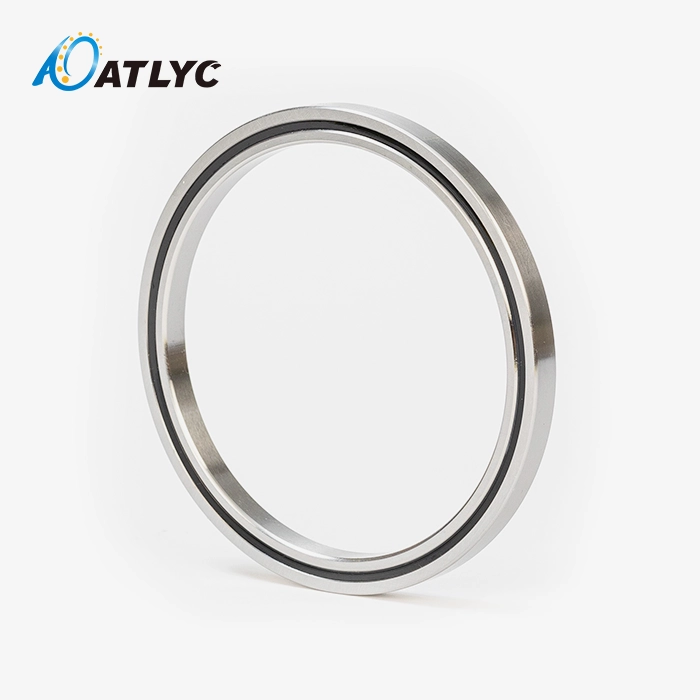
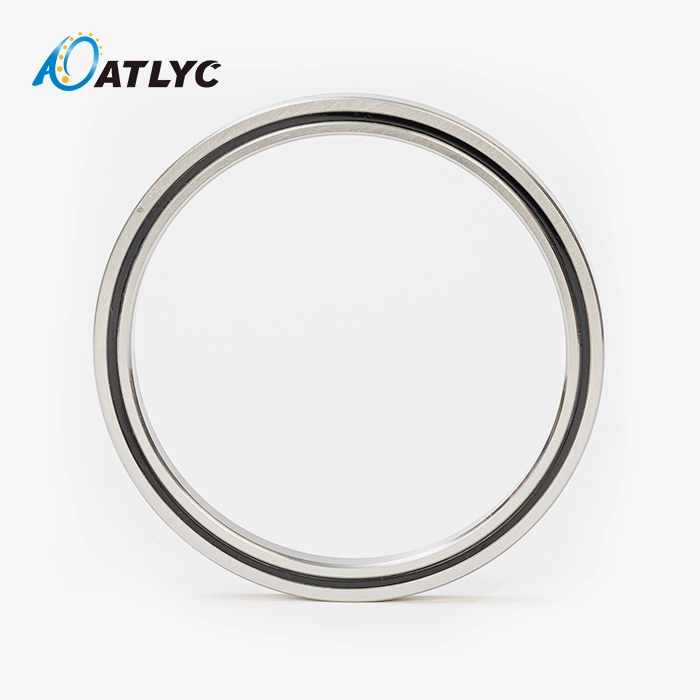
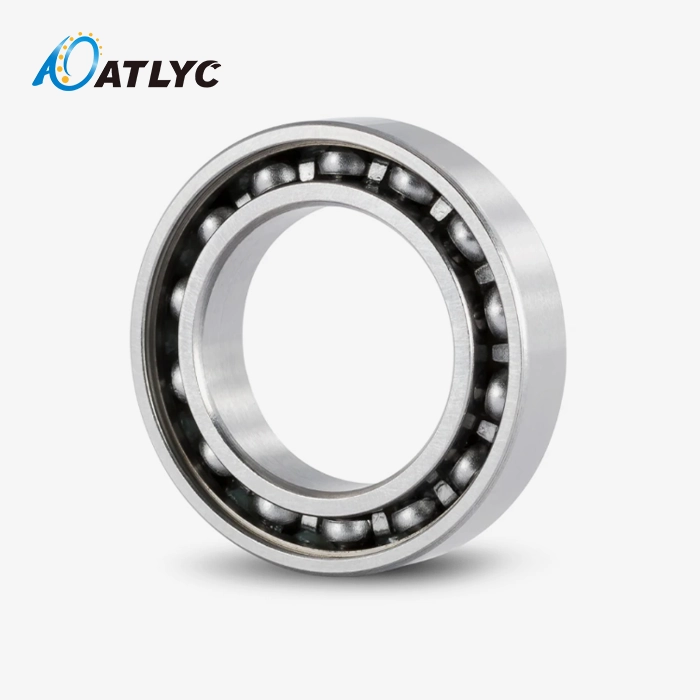
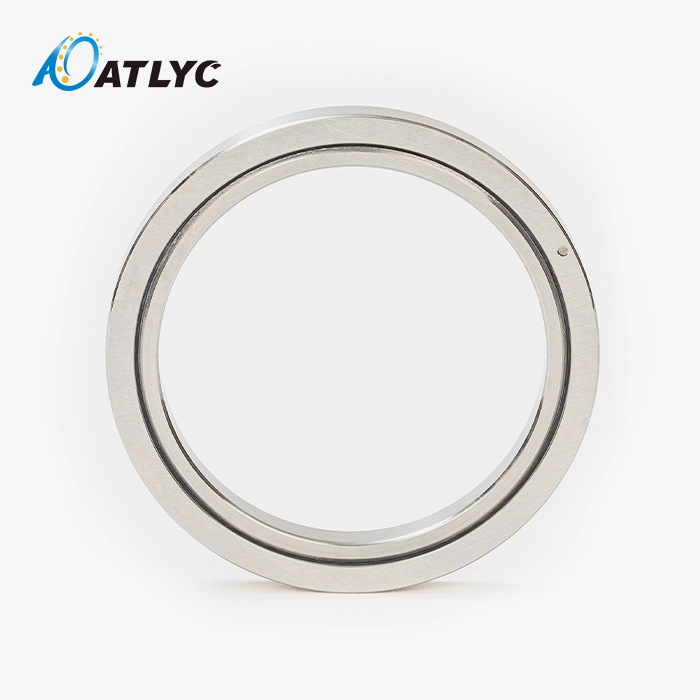
RB Series Crossed Roller Bearings deliver exceptional durability in heavy-duty applications through their unique orthogonal roller arrangement and precision-engineered design. These bearings withstand extreme radial, axial, and moment loads simultaneously while maintaining consistent performance across extended operating cycles. Their integral inner ring and split outer ring with plug construction, combined with high-grade Gcr15 and Gcr15SiMn materials, ensure reliable operation in demanding environments like industrial robotics, machining centers, and automation equipment where downtime is costly.
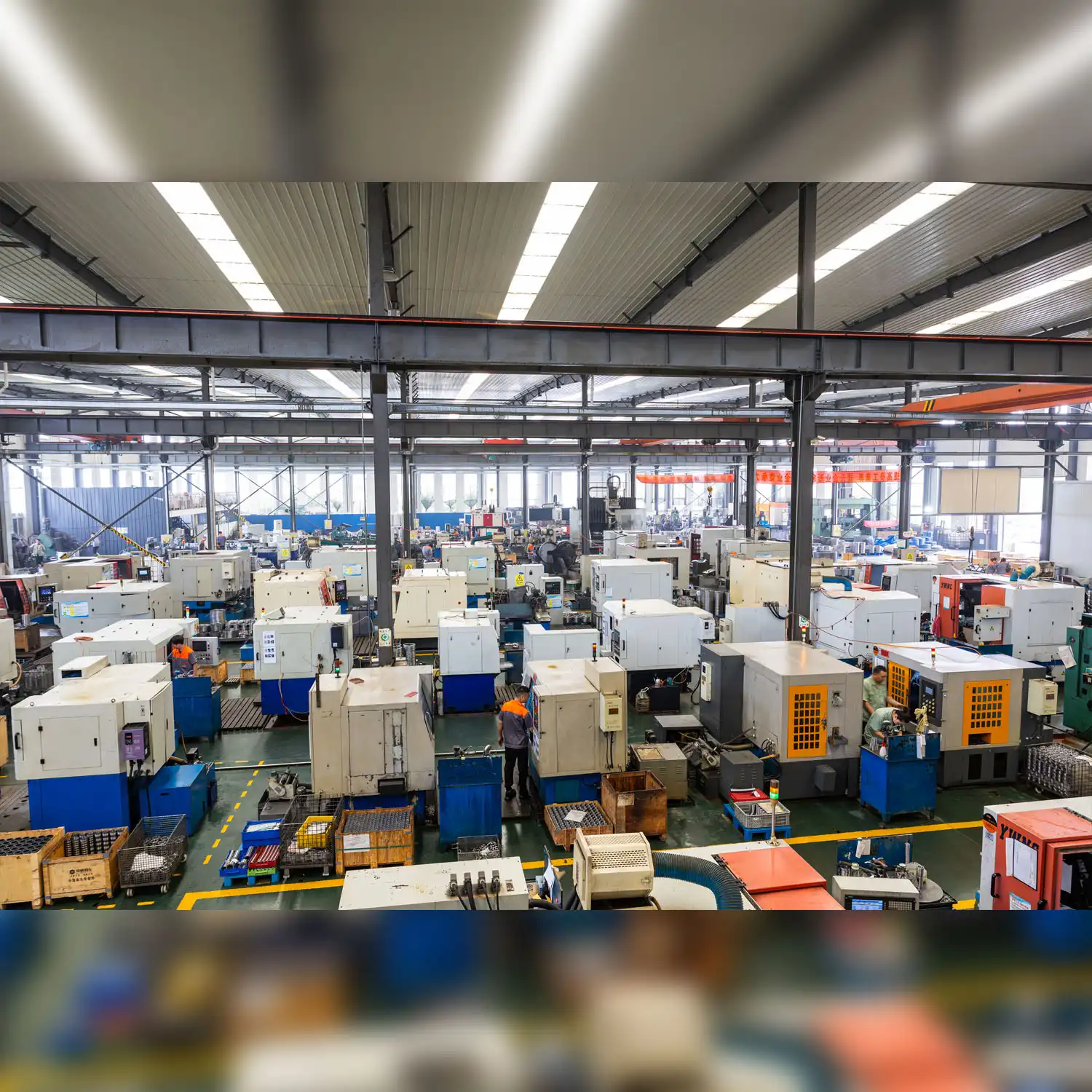
Understanding the Durability of RB Series Crossed Roller Bearings
When equipment operates under constant stress, bearing selection becomes mission-critical. The engineering behind crossed roller bearings addresses this challenge through thoughtful material selection and structural innovation.
Precision Materials Enhance Wear Resistance
The pick of materials is the first step in making something well. The RB Series uses Gcr15 and Gcr15SiMn bearing steels, which were chosen because they are very hard and don't wear down easily. After being heated, GCR15 steel's microstructure becomes immune to wear because it has the right amount of carbon and chromium. This mixture keeps the surface from wearing down even when big loads are applied continuously. Adding silicon and manganese to Gcr15SiMn makes it tougher, which is especially useful in situations where there are shock loads or vibrations. The heat treatment process turns these materials into precise parts with a surface hardness of HRC 58–62. Having this amount of hardness means that the bearing will last longer because it wears much less quickly than softer bearing materials. Data from tests done on industrial sites shows that these materials keep their shape and surface integrity over the course of their useful lives, which is more than what is expected for bearings.
Technical Specifications and Reliability Standards
Size flexibility meets a wide range of application needs. The inside diameters we can make range from 20 mm to 1100 mm, the outside diameters from 70 mm to 1500 mm, and the widths from 12 mm to 110 mm. This range works with small robotic joints all the way up to big machining center rotary tables without affecting the structural integrity. It comes in four different levels of accuracy: P6, P0, P5, and P4. Tighter runout tolerances are a must for applications that need precise positioning, and higher precision grades give them. A P4-grade bearing keeps its positional accuracy within micrometres, which is important for equipment used to make integrated circuits and precise measuring tools, where even small errors can affect quality. The integral inner ring gives the structure strength that split-ring designs can't match. This one-piece design gets rid of weak joints, and the split outer ring with plug makes installation easier in tight areas. When replacing parts in the field, maintenance teams like this design because the split outer ring lets them put the part in without taking apart all the other equipment around it.
Comparative Analysis: RB Series vs Alternative Bearings in Heavy Duty Usage
Equipment designers face numerous bearing options, each claiming RB Series Crossed Roller Bearingssuperior performance. Objective comparison reveals meaningful differences in durability and operational economics.
Load Capacity and Friction Performance Benchmarks
Standard ball bearings are good at handling radial loads, but they're not so good at handling mixed loads. Their point contact form makes it harder to put weight on them and makes the contact stresses higher. When axial loads show up, ball bearings need to be paired with thrust bearings, which makes the assembly more difficult and takes up more room. Crossed roller bearings get around these problems by putting rollers and raceways in line contact with each other. When the same amount of load is put on both surfaces, this contact design spreads the load over a larger area, lowering contact stress by about 30 to 40 percent compared to ball bearings. When there is less contact stress, there is less wear and more time between service intervals. Friction coefficients tell us more about longevity. The RB Series can rotate smoothly with little resistance because the roller spacing is just right, and there are precision guards that keep the rollers from touching each other. Field tests show that friction coefficients stay low throughout the bearing's service life. This keeps the bearing's energy efficiency high while lowering the heat production that speeds up wear. Slewing bearings can handle large-diameter applications, but they lose precision and compactness. Because they are gear-driven, they have backlash and need more upkeep. The RB Series has the same load capacity in a smaller space while also having better rotational accuracy. This is especially useful in robotics applications where space is limited, but accuracy is needed.
Operational Lifespan and Cost-Effectiveness Analysis
The total cost of ownership is more than just the price of the car. Durability is an important economic factor because maintenance intervals, downtime frequency, and replacement cycles add up over the lifecycle of an item. Independent testing on industrial robots with crossed roller bearings shows that they can work for more than 30,000 hours at full load. Similar systems that use combinations of ball bearings usually need service every 15,000 to 20,000 hours. This longer service life cuts down on maintenance labour costs and unexpected downtime, which are costs that often go over the cost of bearing replacement. Warranty frameworks from well-known manufacturers give you even more peace of mind. Our quality management system, which is certified to ISO 9001 and IATF 16949 standards, makes sure that the quality of our products is always the same, which is why we offer a full guarantee. These certifications show that we can regularly meet international quality standards when delivering bearings, batch after batch. The way we position our prices shows how sophisticated our manufacturing is. The initial cost of premium crossed roller bearings is higher than the starting cost of standard ball bearings, but the difference in cost per hour is much smaller. The investment is worth it for operations where reliability affects income and productivity because it leads to less maintenance, longer replacement intervals, and more uptime.
Best Practices for Maximizing Durability in Heavy Duty Use
Even premium bearings require proper implementation to achieve their durability potential. Installation quality and maintenance discipline determine whether bearings reach theoretical service life or fail prematurely.
Proper Installation Techniques and Alignment
Installation begins with cleanliness. Contamination—even microscopic particles—causes accelerated wear once equipment operates. Preparation includes thorough cleaning of mounting surfaces, shafts, and housings using lint-free materials and appropriate solvents. The assembly environment should minimize airborne contaminants during installation. Alignment accuracy critically impacts bearing performance. Misalignment creates uneven load distribution, overloading certain rollers while underutilizing others. This imbalance causes localized wear that reduces overall bearing life. Precision measurement tools verify alignment within specified tolerances before final tightening. Dial indicators, laser alignment systems, or specialized fixtures ensure that shafts and housings maintain concentricity and perpendicularity. The split outer ring design of the RB Series simplifies installation compared to integral designs but still demands attention to detail. Proper torque sequence when securing the outer ring plug prevents distortion that affects internal geometry. Following manufacturer-specified torque values and tightening patterns maintains the precision ground into each component during RB Series Crossed Roller Bearingsmanufacturing.
Regular Maintenance and Lubrication Protocols
Lubrication selection influences wear rates substantially. Crossed roller bearings operate effectively with grease lubrication in most applications, providing convenience and contamination resistance. Grease selection should match operating conditions—temperature range, speed, load characteristics, and relubrication intervals all factor into optimal grease specification. High-quality lithium complex or polyurea greases with appropriate consistency (typically NLGI Grade 2) serve most industrial applications. These formulations maintain film strength under heavy loads while remaining pumpable for relubrication. The grease quantity matters as well—overfilling increases internal friction and heat generation, while insufficient lubrication accelerates wear. Manufacturer guidelines specify proper fill quantities based on bearing size and application. Inspection schedules detect developing issues before catastrophic failure occurs. Visual inspections check for grease leakage, contamination ingress, and mounting integrity. Vibration analysis identifies developing wear patterns, allowing planned maintenance rather than emergency repairs. Temperature monitoring reveals excessive friction from inadequate lubrication or overloading. These diagnostic techniques extend bearing life by addressing problems during early stages. Systematic documentation tracks bearing performance across their operational life. Recording installation dates, maintenance activities, operating hours, and inspection findings creates historical data that predicts replacement timing and identifies recurring issues. This information proves particularly valuable when managing bearing populations across multiple machines or production lines.
Procurement Insights for RB Series Crossed Roller Bearings
Strategic sourcing decisions impact operational reliability long-term. Supplier selection requires evaluating capabilities beyond product specifications.
Supply Chain Parameters and Lead Times
Minimum order quantities vary based on bearing size and specification. Standard configurations often ship individually or in small quantities, accommodating prototype development and maintenance replacement needs. Custom specifications or non-standard sizes may require larger minimum orders reflecting manufacturing setup costs. Discussing volume projections with suppliers early in the design process clarifies ordering flexibility and pricing structures. Production lead times depend on specification complexity and manufacturing capacity. Stock items ship within days, supporting urgent replacement requirements. Custom configurations requiring special materials, non-standard dimensions, or unique accuracy grades need longer manufacturing cycles—typically 4-8 weeks, depending on specification complexity. Planning procurement timelines around these realities prevents production delays. Global supply chains introduce additional considerations. International shipping, customs clearance, and documentation requirements extend delivery timelines. Working with suppliers experienced in export logistics smooths these processes. Our facility has supplied customers in South Korea, the United States, Germany, Russia, Iran, and Turkey, developing expertise in international shipping requirements and documentation standards specific to each market.
Certification and Authorized Distribution Networks
Quality certifications are concrete proof of a company's ability to make things. ISO 9001 certification checks that a quality management system works, making sure that the same steps are used for planning, production, and inspection. IATF 16949 is specific to the needs of the automotive industry and shows that a company can meet the high-quality standards that OEMs and tier suppliers expect. These certifications need to be checked on a daily basis by independent registrars who make sure that the rules are still being followed. Maintaining certification requires a high level of discipline, which leads to consistent product quality. This is very important when bearing problems cause safety risks or expensive production delays. By asking for certification documents during the supplier review process, you can be sure of the current compliance status. Authorised delivery networks keep fake goods that hurt performance and safety from getting into the market. There are a lot of fake bearings on the market that look real but are made with lower-quality materials and lower standards. These goods break down too soon, putting people in danger and damaging tools. This risk is gone when you buy through authorised outlets with supply chains that can be tracked.
Case Studies: RB Series Crossed Roller Bearings in Heavy Duty Applications
Theoretical capabilities require validation through real-world performance. Application examples demonstrate how crossed roller technology delivers durability claims under actual operating conditions.
Industrial Robotics and Continuous Operation
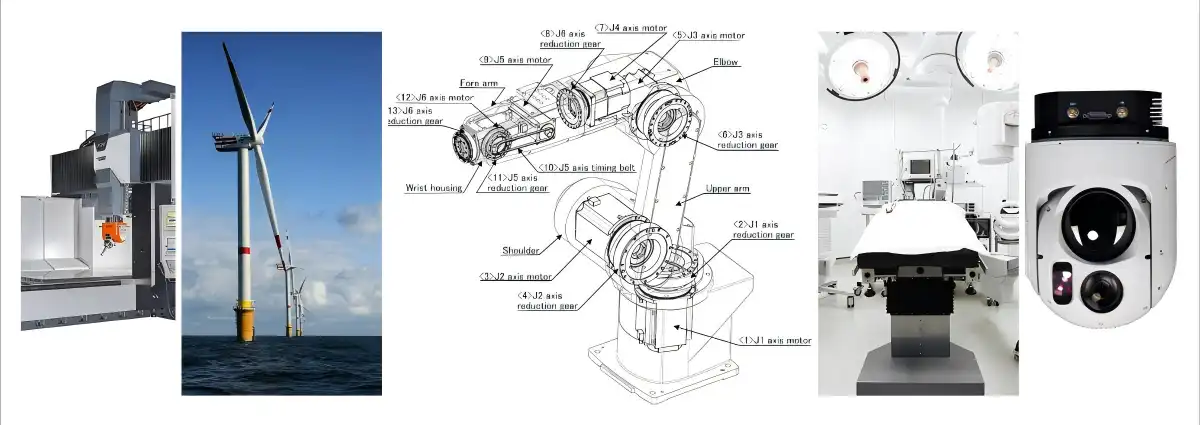
Modern industrial robots operate continuously, cycling thousands of times daily, RB Series Crossed Roller Bearings, while maintaining precise positioning. These demands stress bearings through combined radial, axial, and moment loads that change rapidly as robots move through their work envelope. Traditional bearing arrangements struggle under these conditions, requiring frequent maintenance or experiencing positioning errors as wear accumulates. A leading automotive manufacturer implemented robots equipped with crossed roller bearings in their welding lines. These installations operate three shifts daily, five days weekly, accumulating over 5,000 operating hours annually. After three years of continuous service, bearing inspections revealed minimal wear, with positioning accuracy remaining within original specifications. This performance eliminated planned maintenance interventions, increasing production uptime while reducing maintenance labor costs. The robots' manipulator joints particularly benefit from crossed roller technology. These articulation points experience the highest loads and most frequent motion cycles. Compact bearing envelopes allow joint designs that maximize robot reach while minimizing weight. The combination of load capacity, precision, and compactness makes crossed roller bearings the preferred solution for this demanding application.
Heavy Machinery in Harsh Industrial Environments
Continuous processing of materials is done by machining centers, with rotating tables switching between tasks hundreds of times per shift. Accurate table positioning has a direct effect on the quality of the parts, and if a bearing fails, production stops totally. These machines often work in places with cooling mist, metal chips, and changes in temperature that make it hard for bearings to last. Heavy-duty machining centers with RB Series bearings in their rotary table units were installed by a precision machining facility. Heavy cutting loads, fast tracking cycles, and water-based coolants were all part of the job. Maintenance teams said that positioning precision and rotational smoothness had not changed after 18 months of use. Comparative tests with other kinds of bearings showed big differences in how well they worked. In similar situations, ball bearing arrangements needed to be oiled every six months and lost their ability to hold their place within a year. During the evaluation time, the crossed roller installations kept working without any changes being made. This dependability directly led to lower maintenance costs and better production accuracy, since mistakes in positioning that lead to part rejections never happened.
Conclusion
Precision engineering and high-quality production make the RB Series Crossed Roller Bearings last for a long time in heavy-duty situations. Their special structure can handle loads going in multiple directions while still fitting into small spaces. High-quality materials and precise making make sure they keep working well for a long time. Compared to other types of bearings, this one has a higher load capacity, less friction, and better cost-effectiveness. These durability benefits are at their best when they are installed correctly, maintained regularly, and partnered with key suppliers. Real-world uses in robotics and heavy machinery back up performance claims by showing that parts last longer and stay accurate even in harsh circumstances. Because of these features, crossed roller bearings are the best choice for situations where dependability, accuracy, and long-term use are important for success.
FAQ
1. What factors most significantly impact bearing durability in heavy-duty applications?
Material quality, installation precision, and maintenance discipline collectively determine bearing lifespan. High-grade bearing steels like Gcr15 provide wear resistance, while proper alignment prevents uneven loading. Regular lubrication and contamination control extend service life substantially.
2. How do crossed roller bearings compare to ball bearings for heavy loads?
Crossed roller bearings provide superior load capacity through line contact versus point contact in ball bearings. This design reduces contact stress by 30-40%, extending service life while handling combined radial, axial, and moment loads simultaneously within a single compact unit.
3. What maintenance intervals optimize RB Series bearing performance?
Inspection frequency depends on operating conditions, but quarterly visual checks and annual detailed inspections suit most industrial applications. Relubrication intervals typically range from 6-12 months based on operating hours, speed, and environmental factors. Monitoring vibration and temperature provides an early warning of developing issues.
Partner with ATLYC for Reliable RB Series Crossed Roller Bearing Solutions
ATLYC delivers precision-engineered crossed roller bearings, RB Series Crossed Roller Bearings, backed by ISO 9001 and IATF 16949 certifications, ensuring consistent quality for your critical applications. Our 15-year manufacturing heritage combines advanced production capabilities with rigorous quality control, serving automotive and industrial equipment manufacturers globally. As an established RB Series crossed roller bearing manufacturer with comprehensive technical support, we provide solutions spanning 20mm to 1100mm inner diameters in accuracy grades from P6 to P4. Contact our team at auto@lyautobearing.com to discuss your specific requirements and discover how our expertise supports your operational reliability goals with competitive pricing and dependable lead times.
References
1. Harris, T.A. and Kotzalas, M.N. (2006). Rolling Bearing Analysis: Essential Concepts of Bearing Technology. CRC Press, Taylor & Francis Group.
2. Wensing, J.A. (1998). On the Dynamics of Ball Bearings. Ph.D. Thesis, University of Twente, Netherlands.
3. Palmgren, A. (1959). Ball and Roller Bearing Engineering. SKF Industries Inc., Philadelphia.
4. ISO 5753-1:2009. Rolling bearings - Internal clearance - Part 1: Radial internal clearance for radial bearings. International Organization for Standardization.
5. Hamrock, B.J. and Dowson, D. (1981). Ball Bearing Lubrication: The Elastohydrodynamics of Elliptical Contacts. John Wiley & Sons, New York.
6. Eschmann, P., Hasbargen, L., and Weigand, K. (1985). Ball and Roller Bearings: Theory, Design and Application. John Wiley & Sons, Chichester.
Learn about our latest products and discounts through SMS or email