- English
- French
- German
- Portuguese
- Spanish
- Russian
- Japanese
- Korean
- Arabic
- Greek
- German
- Turkish
- Italian
- Danish
- Romanian
- Indonesian
- Czech
- Afrikaans
- Swedish
- Polish
- Basque
- Catalan
- Esperanto
- Hindi
- Lao
- Albanian
- Amharic
- Armenian
- Azerbaijani
- Belarusian
- Bengali
- Bosnian
- Bulgarian
- Cebuano
- Chichewa
- Corsican
- Croatian
- Dutch
- Estonian
- Filipino
- Finnish
- Frisian
- Galician
- Georgian
- Gujarati
- Haitian
- Hausa
- Hawaiian
- Hebrew
- Hmong
- Hungarian
- Icelandic
- Igbo
- Javanese
- Kannada
- Kazakh
- Khmer
- Kurdish
- Kyrgyz
- Latin
- Latvian
- Lithuanian
- Luxembou..
- Macedonian
- Malagasy
- Malay
- Malayalam
- Maltese
- Maori
- Marathi
- Mongolian
- Burmese
- Nepali
- Norwegian
- Pashto
- Persian
- Punjabi
- Serbian
- Sesotho
- Sinhala
- Slovak
- Slovenian
- Somali
- Samoan
- Scots Gaelic
- Shona
- Sindhi
- Sundanese
- Swahili
- Tajik
- Tamil
- Telugu
- Thai
- Ukrainian
- Urdu
- Uzbek
- Vietnamese
- Welsh
- Xhosa
- Yiddish
- Yoruba
- Zulu
Why Choose RE Cross Roller Bearings for Precision Applications?
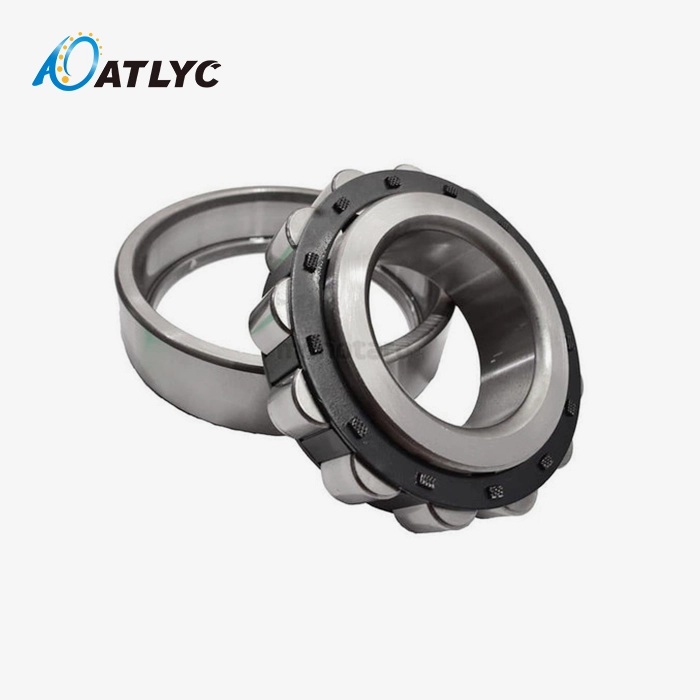
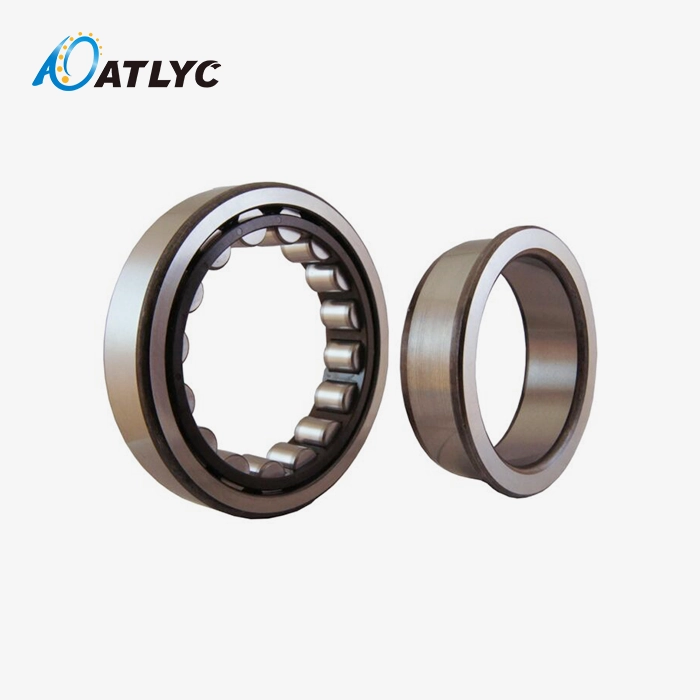
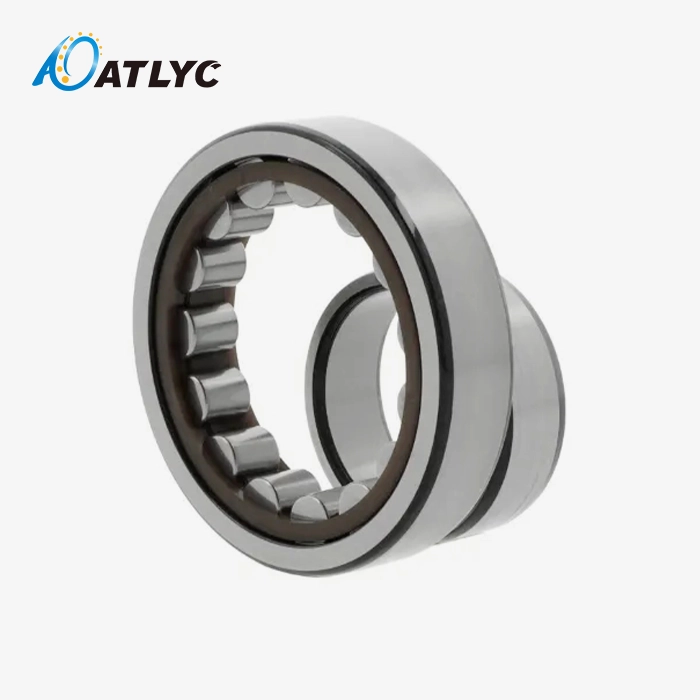
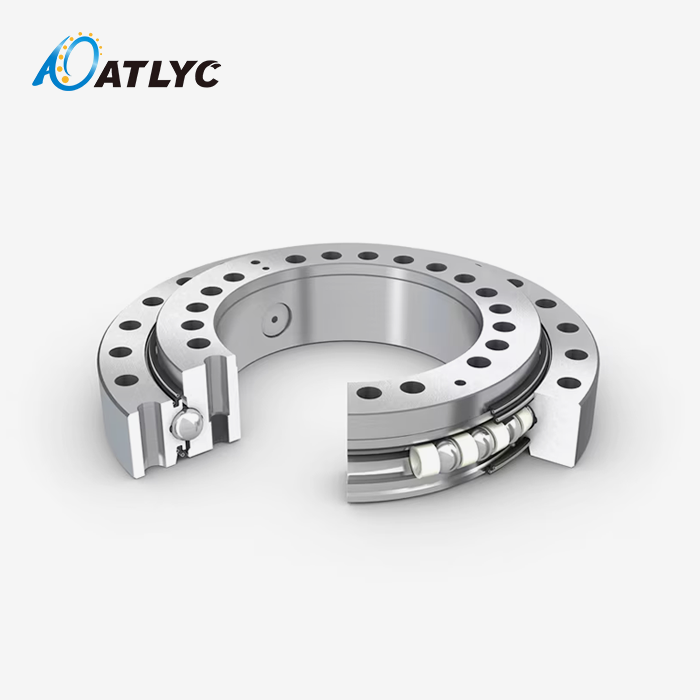
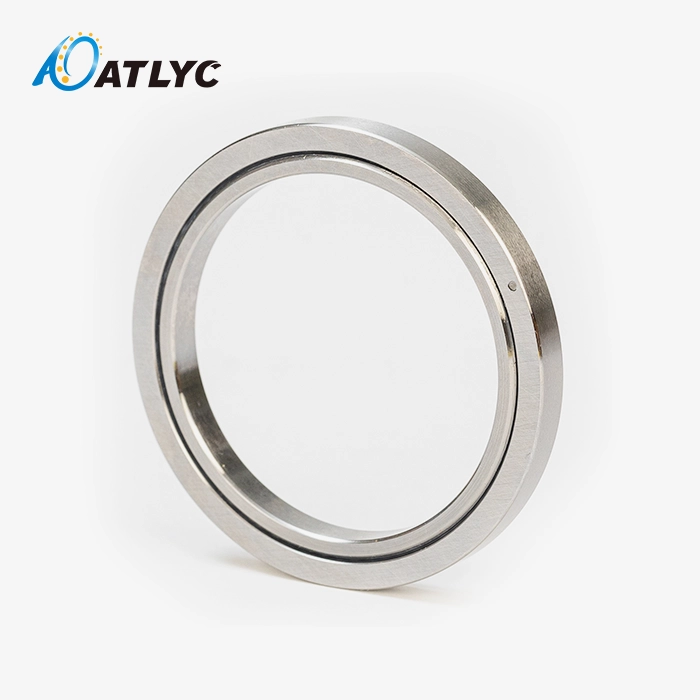
When your production line needs to be accurate all the time and be able to handle heavy loads, the bearing technology you choose becomes mission-critical. This technical answer is provided by RE Cross Roller Bearings, which have an integral outer ring and a split inner ring. With their V-shaped raceways and cylindrical rollers arranged perpendicularly, these parts can handle radial, axial, and moment loads at the same time, removing the need for multiple bearings and taking up very little installation room. Their stiffness-to-volume ratio is better than other options, which makes them essential for automation equipment, robotic joints, and precise rotary tables that need to be accurate to the submicron level for operations to go smoothly.
Understanding Cross Roller Bearings: Design and Performance
RE Cross Roller Bearings technology is a major step forward in the building of spinning parts. Traditional ball bearings need more than one unit to handle complex load directions. This design, on the other hand, handles power in a single, compact structure.
The Engineering Foundation of Cross Roller Design
The design has cylinder-shaped rollers that are set up at right angles to each other within built-in raceways. There are spacers between each roller to keep them from touching directly, which lowers the friction force. Line-contact interfaces are made instead of point-contact interfaces by this design. This spreads stress over a bigger surface area. This makes the structure three to four times stiffer than angular contact ball bearings of the same size. The choice of materials is very important for how well they work. ATLYC makes these precise parts with GCr15 and GCr15SiMn high-carbon chromium bearing steel that has been degassed and heated until it is 58 to 64 HRC hard. This way of working with metals makes sure that the best wear resistance is achieved under the cyclic loading conditions that are typical in CNC machining centers and industrial robots.
Load Distribution and Structural Integrity
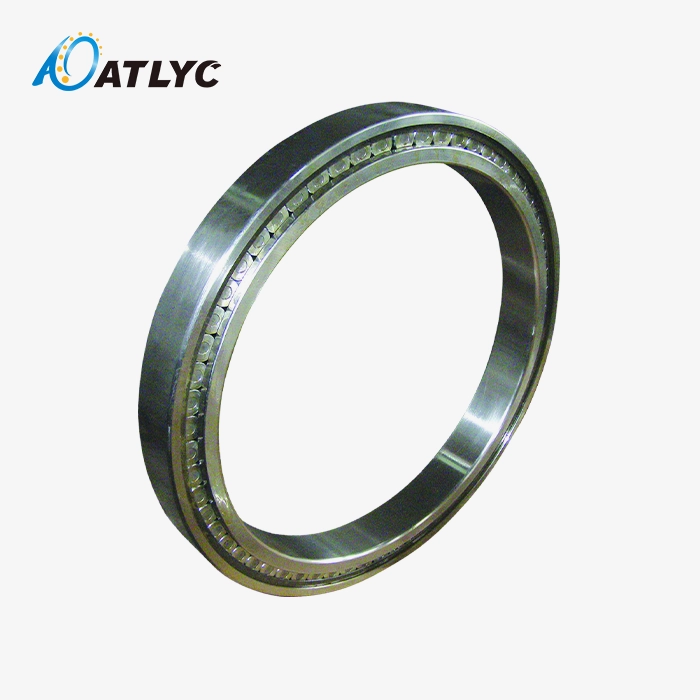
Split configurations can have weak spots, but the continuous outer ring design gets rid of those. This solid structure keeps its shape even when it is heated up and strained mechanically. The accuracy of the rotational runout is down to the micron level, meeting the standards for ISO class 5 to class 2 tolerances. Inner sizes range from 20 mm to 1,100 mm, outer diameters from 70 mm to 1,500 mm, and widths range from 12 mm to 110 mm. From precise medical tools to heavy-duty vertical lathes, this range of sizes can be used for a variety of tasks. The thin-wall profile lowers the overall weight of the unit without lowering its load capacity. This is a very important benefit for aircraft tracking systems and robotic end effectors, where lowering mass has a direct effect on how well they use energy and speed up.
Preload Optimization and Motion Control
Engineers set loading conditions to get rid of internal space and make the structure stiffer. Starting torque measurements show that the split inner ring design lets for fine preload adjustment during assembly. This negative clearance condition makes sure that the bearing stays in the right place even when it is loaded in different ways. The improved preload balance makes the spinning smooth, which stops vibrations that could damage the quality of the workpiece in measuring or grinding machines.
Why RE Cross Roller Bearings Excel in Precision Applications
Industries that need positional accuracy measured in micrometers need bearings that meet their strict performance standards. These rotating parts meet these needs thanks to their design and strict quality control during production.
Application-Specific Performance Advantages
Robotic joint systems work better when they can handle forces from multiple directions at the same time during movement. As manipulator arms move through working areas, the loads they are carrying are always changing. Traditional ways of arranging bearings need complicated mixes of units, which makes the assembly more difficult and increases the number of possible failure points. These arrangements are replaced by a single RE Cross Roller Bearing, which makes design easier and increases durability.
Rotary tables in machining centers need to be able to hold a lot of weight and have little runout error. When heavy cutting is being done, the table is subject to strong radial and vertical forces as well as toppling moments. The accuracy of the finished parts' dimensions depends on how well the workpieces are centered within microns. The RE Cross Roller Bearings design can handle these complicated loads while keeping the accuracy of the spinning.
For accurate diagnosis, medical imaging equipment needs to rotate in a way that doesn't cause vibrations. CT scanners and surgery robots can't handle motion problems that would lower the quality of the images or the accuracy of the procedure. RE Cross Roller Bearings' design's low friction coefficient and high runout accuracy make sure that performance stays the same over millions of working cycles.
Material Durability and Quality Assurance
The ISO 9001 and IATF 16949 certifications show that ATLYC is committed to meeting world quality standards. These qualifications show that quality control is used consistently throughout all stages of production. Magnetic particle inspection (MPI) is used to find micro-cracks in raceways as part of material integrity verification. MPI is a non-destructive testing method that finds possible failure places in bearings before they are put into service.
There are four levels of accuracy: P6, P0, P5, and P4. P4 is the highest level of accuracy, which is best for very accurate uses. High-precision inductive probes are used for rotational accuracy tests to measure the outer ring's radial runout, which is the most important pass/fail metric for spinning outer ring uses. Laser micrometers check that the fixing faces are flat and centered, making sure they meet the needs of the host machine.
Maintenance Efficiency and Operational Stability
When maintenance needs are smaller, the total cost of ownership goes down straight. Better material longevity means longer repair intervals, which means less downtime for production. This feature is especially helpful for IC manufacturing devices that work in cleanrooms, since replacing bearings requires expensive production stops and strict rules for keeping things clean.
Real-world performance data from installs of industrial robots shows that the average time between failures is longer than what is considered normal in the business. Automated assembly lines that use these bearings have uptime rates in the high 90s, which meets the goals of lean production. OEMs around the world are looking for reliable component sources, and this operating steadiness helps build trust.
Comparing RE Cross Roller Bearings with Alternative Solutions
When making choices about what to buy, it helps to know how different bearing systems meet the needs of different applications. For each type of style, there are specific pros and cons.
Performance Against Ball Bearing Systems
Ball bearings work best when the loads are light and the speed is high. But because they are point-contact, they can't hold as much weight or be as stiff. When you need to fight moment loads, you usually need to pair angular contact ball bearings and put them back-to-back or face-to-face. This makes the installation take longer and the setup more difficult.
RE Cross Roller Bearings can handle the same amount of weight in a much smaller space. Pair arrangements are replaced by a single unit, which makes machine design easier and cuts down on the number of parts needed. The stiffness benefit is especially clear when there is a cantilevered load, which often happens in rotating table uses.
Advantages Over Tapered Roller Solutions
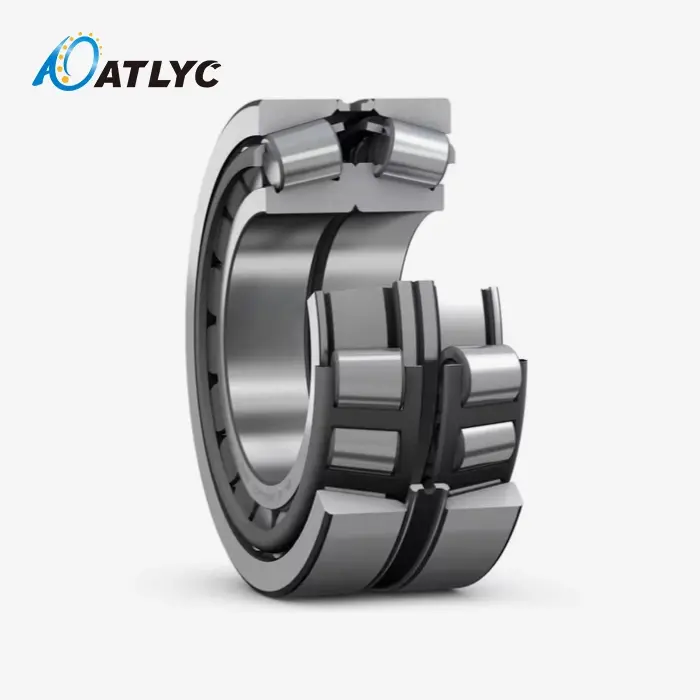
Tapered roller bearings are good for heavy-duty uses because they can take both radial and axial loads well. To handle two-way axial forces and moment loads, they need to be mounted in pairs that are opposite each other. Adjustment steps to find the right setting make the assembly more difficult and take more time.
RE Cross Roller Bearings don't need to be paired up, and the integrated form makes fitting easier. Concerns about tolerance stack-up are lessened because mounting faces are directly connected to machine parts. This simplified way of putting things together cuts down on production costs and makes it easier to do again and again.
Positioning Against Slewing Ring Bearings
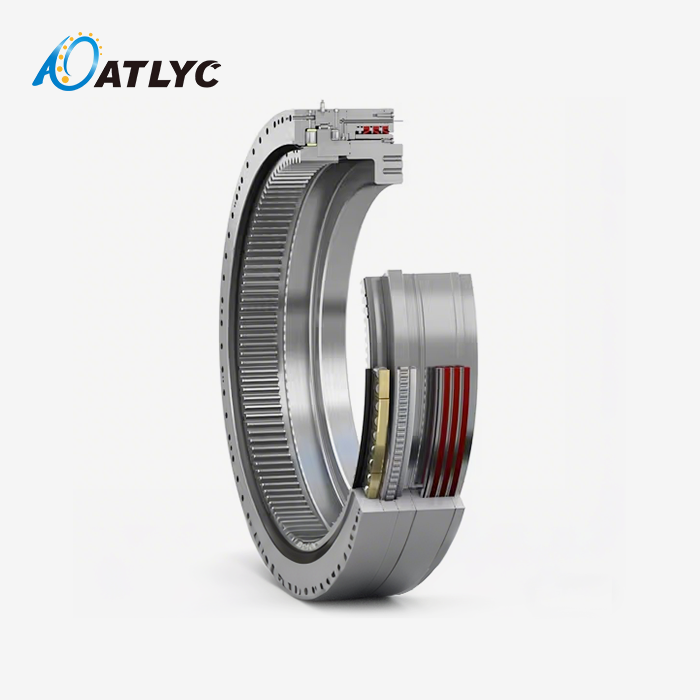
Large-diameter, low-speed uses with a high moment capacity can use slewing bearings. Their size and weight, on the other hand, make them unsuitable for small placements. Most of the time, rotational accuracy is not good enough for precision cutting.
RE Cross Roller Bearings are the best choice when both moment capacity and positional precision are important. Their moment load rate per unit circle is much higher than that of slewing bearings, and their rotational accuracy is many times better than what is required. This performance mix works well for difficult tasks like camera mounts that need to be able to hold a lot of weight and track accurately.
Material Innovation Versus Established Competitors
RE Cross Roller Bearings goods from well-known brands like NSK, SKF, and THK have been used for a long time. ATLYC stands out by coming up with new materials that make them more resistant to wear in harsh circumstances. The GCr15SiMn alloy's makeup makes it easier to harden and smooth out the grains, which increases its wear life in dirty settings or with little or no lubrication.
Competitive price systems show how much more efficient manufacturing has become after 15 years of improving production. At our Luoyang site, we have six specialized workshops that help us get economies of scale while keeping quality control in check. Medium-sized to large producers who want to save money without lowering standards will like this cost-performance mix.
Procurement Insights: How to Buy RE Cross Roller Bearings
Time-to-market is shortened for equipment makers by efficient buying processes, and just-in-time inventory tactics are helped by these processes for wholesalers. Understanding product types and how to place an order makes buying work more efficiently.
Standard and Customized Product Offerings
The catalog covers standard size requirements for a wide range of business uses. Standard models ship with faster lead times, which helps with projects that need new parts and prototypes. Dimensional tables help engineers match the shapes of the shaft and case to the right bearing sizes.
Custom setups solve problems that are specific to a program. Changes can be made to fastening features, materials that work better in corrosive settings, or non-standard accuracy grades for very precise equipment. Working together technically during the specification step makes sure that the best answers are found. The research team at ATLYC looks at the application factors, such as load sizes, speed ranges, and weather conditions, and suggests designs that balance performance and cost.
Inquiry Process and Order Management
Direct request methods are how B2B clients first get in touch. Giving detailed application information speeds up the quality of the answer. Details that are important include limitations on size, load requirements, working speeds, weather factors, and the need for accuracy. This knowledge helps you choose the right RE Cross Roller Bearings and figure out if you need to make any changes.
Minimum order amounts depend on how the product is configured. Standard models have lower MOQ requirements, while custom versions need larger numbers to support the cost of making the tools. Lead times are based on how complicated the manufacturing process is and how it is currently scheduled. Standard bearings usually ship within set deadlines, but special orders need longer planning periods to allow for design approval and the making of tools.
Pricing Models and Value Considerations
Quotes show the total value over the whole lifespan, not just the unit cost. When compared to cheaper options, high-quality materials and precise processing lead to higher prices. This investment pays off because the service will last longer, there will be less downtime, and it will need less upkeep.
Long-term supply deals are supported by preferential pricing systems that are made possible by volume promises. Strategic partnerships are good for both parties. Suppliers get more information about how to plan production, and makers get a steady supply of parts. Changes in demand can be accommodated by annual deals with planned releases that keep prices stable.
Global Distribution and Logistics Support
ATLYC's long-term presence in key areas makes transportation more efficient. Partnerships for distribution in South Korea, the US, Germany, Russia, Iran, and Turkey speed up shipping and make customs processes easier. Regional storage of things that are used a lot cuts transport times even more.
Technical help comes with the delivery of the goods. With the help of application engineering, installing RE Cross Roller Bearings and adjusting preload can be done more efficiently. Training materials that teach the right way to handle things keep installations from getting damaged, which could affect how well they work. After-sales service routes answer questions from the field, making sure that customers get the most out of their bearings throughout their service life.
Maintenance and Long-Term Reliability of RE Cross Roller Bearings
When you do regular repairs, you can make RE Cross Roller Bearings last longer and keep their accuracy. Knowing the right way to lubricate and check things keeps them from breaking down too soon.
Lubrication Selection and Application
The choice of lubricant relies on how the machine is being used. Grease lubrication works well in most situations because it is easy to use and seals well. Grease with a high viscosity can handle big loads and slower speeds, while grease with a lower viscosity can handle heavier loads and faster speeds. NLGI grade 2 lithium complex greases work well for most commercial uses.
In high-speed or high-temperature situations where grease breakdown is a problem, oil lubrication is better. In addition to lubrication, devices that circulate oil cool things down. Filtration gets rid of wear particles, which makes lubricants last longer and stops physical damage.
The amount of an application is very important. Too much oil raises the temperature and increases spinning losses. Not enough oil speeds up wear and increases the risk of seizure. The right amount of fill is usually given as a percentage of the void space in the manufacturer's specs.
Inspection Protocols and Condition Monitoring
Regular checks find problems before they get so bad that they cause a disaster. Through characteristic frequency patterns, vibration research can find imbalances, misalignments, or worn RE Cross Roller Bearings. Temperature tracking shows that there isn't enough grease or too much pressure. By plotting these factors against time over time, you can find standard conditions and deviations that need to be looked into.
Visual inspection at regular maintenance times checks the integrity of the seal and finds places where contamination has got in. The floors of the raceways should look smooth and free of marks. Patterns of discoloration show that the part is burning or not getting enough lubricant. Finding problems during planned maintenance lets you fix them before they cause unexpected downtime.
Service Resources and Technical Training
ATLYC offers full support to make sure that customers get the most out of their RE Cross Roller Bearings purchases. Technical literature includes instructions on how to put something together, how much torque to use, and how to fix a problem. Accessing knowledge about products and maintenance tips is easy with online tools.
Maintenance workers learn the right way to handle things and do inspections through training programs. Knowing the right way to fix something keeps it from getting damaged, which can lead to major RE Cross Roller Bearings problems. By noticing early warning signs, you can repair the damaged parts before they cause more damage to the other parts that fit together.
The dedication to customer satisfaction goes beyond just delivering the product. Ongoing expert advice helps solve problems in the field and backs up efforts to keep getting better. This way of working together builds long-lasting ties with manufacturers who value the knowledge of their suppliers.
Conclusion
For precise tasks, you need bearing technology that keeps the accuracy constant even when the load is changing. RE Cross Roller Bearings design makes this possible by using designed geometry to spread forces out effectively while taking up very little room. The fact that ATLYC is ISO 9001 and IATF 16949 certified shows that they know how to make things that meet foreign standards. When you use high-carbon chromium steel and heat treatment to choose a material, you get the best wear protection and physical stability. The building of the continuous outer ring gets rid of structural flaws and achieves sub-micron rotational accuracy. Inner diameters ranging from 20 mm to 1,100 mm can be used for a wide range of tasks in robots, machine tools, medical equipment, and measuring tools. Competitive price doesn't mean lowering standards; it means making the product more efficiently. This adds value over its entire life by allowing for longer service gaps and less downtime. Global marketing networks and technical support services make it easier to buy things and run a business successfully.

FAQ
1. What distinguishes these bearings from competitor offerings?
Performance results are different depending on the type of material used and how precisely it was manufactured. ATLYC uses GCr15 and GCr15SiMn bearing steel that has been vacuum degassed and heated in a controlled way to a hardness of 58 to 64 HRC. As part of quality control, magnetic particle screening is used to find flaws below the surface, and laser measurement is used to confirm the shape of the mounting face. Accuracy scores up to P4 meet ultra-precision standards that are higher than many competition requirements.
2. Can bearings be customized for specific applications?
Custom designs are used when there are specific size limitations, weather conditions, or performance needs. Changes can be made to the fixing features, the seal designs, or the pressure conditions. Engineers working together during design make sure that the best solutions are found. For unique designs, the minimum order quantity is higher because of the cost of the tools needed to make them, but for regular catalog items, the minimum order quantity is lower to support prototype development and replacement needs in the aftermarket.
3. What lead times apply to bulk orders?
When standard versions are shipped, they usually do so on time, which helps just-in-time inventory tactics. Custom designs need longer lead times to allow for engineering approval, equipment preparation, and scheduling of production. Prioritized production times are possible with volume agreements. Sharing anticipated needs early on makes planning for capacity and delivery easier and helps keep delivery on track with project goals.
Partner with ATLYC for Your Precision Bearing Needs
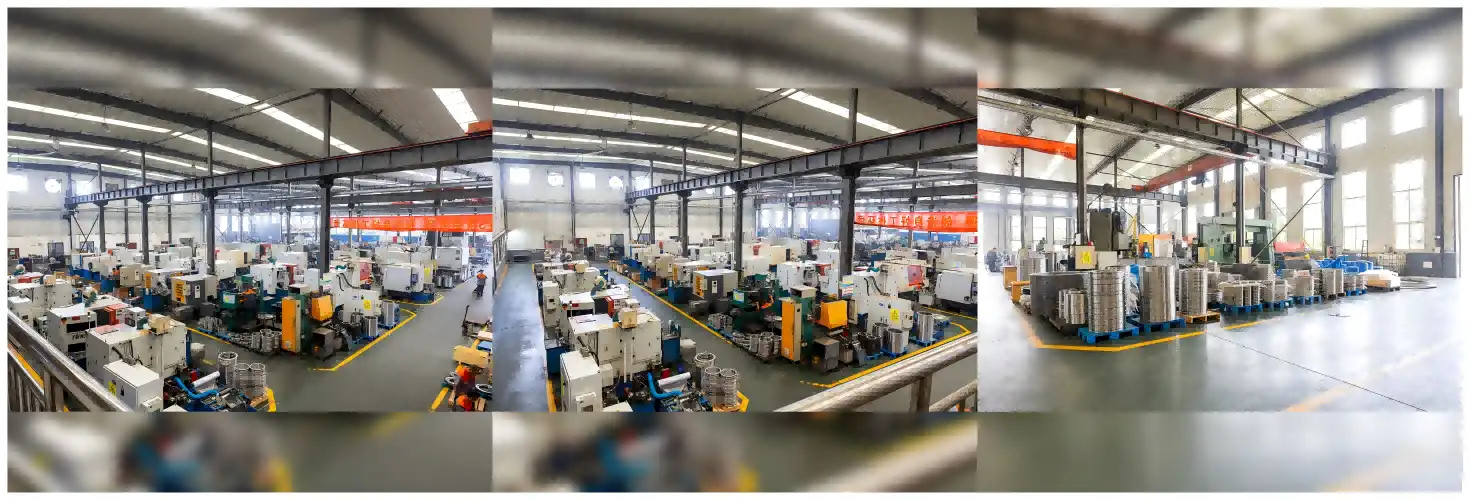
Choosing the right RE Cross Roller Bearings source has a direct effect on how well your equipment works and how much time it is available for production. ATLYC has been making bearings for 15 years and has grown from a single workshop in 2010 to six specialized sites that serve customers all over the world. Our 120-person team knows how to make high-precision bearings that meet the standards of ISO 9001 and IATF 16949. We have a wide range of products with inner diameters from 20 mm to 1,100 mm and accuracy levels up to P4 classification. These products can be used in industrial robots, machining centers, medical devices, and tools for making semiconductors. You can make changes to meet the specific needs of your application, and you can get help from engineers and expert training materials. Our well-established delivery network ensures a steady supply to the US and other important global markets, all at prices that are competitive and focus on long-term value. Contact us at auto@lyautobearing.com to talk about your needs with our expert team, get more information, or get a quote. We are a RE Cross Roller Bearings manufacturer that cares about your business's growth.
References
1. Harris, T. A., & Kotzalas, M. N. (2006). Essential Concepts of Bearing Technology: Rolling Bearing Analysis (5th ed.). CRC Press.
2. Eschmann, P., Hasbargen, L., & Weigand, K. (1985). Ball and Roller Bearings: Theory, Design and Application (2nd ed.). John Wiley & Sons.
3. ISO 492:2014. Rolling Bearings — Radial Bearings — Geometrical Product Specifications (GPS) and Tolerance Values. International Organization for Standardization.
4. Budynas, R. G., & Nisbett, J. K. (2015). Shigley's Mechanical Engineering Design (10th ed.). McGraw-Hill Education.
5. Hamrock, B. J., Schmid, S. R., & Jacobson, B. O. (2004). Fundamentals of Fluid Film Lubrication (2nd ed.). Marcel Dekker.
6. Neale, M. J. (Ed.). (1993). The Tribology Handbook (2nd ed.). Butterworth-Heinemann.
Learn about our latest products and discounts through SMS or email