- English
- French
- German
- Portuguese
- Spanish
- Russian
- Japanese
- Korean
- Arabic
- Greek
- German
- Turkish
- Italian
- Danish
- Romanian
- Indonesian
- Czech
- Afrikaans
- Swedish
- Polish
- Basque
- Catalan
- Esperanto
- Hindi
- Lao
- Albanian
- Amharic
- Armenian
- Azerbaijani
- Belarusian
- Bengali
- Bosnian
- Bulgarian
- Cebuano
- Chichewa
- Corsican
- Croatian
- Dutch
- Estonian
- Filipino
- Finnish
- Frisian
- Galician
- Georgian
- Gujarati
- Haitian
- Hausa
- Hawaiian
- Hebrew
- Hmong
- Hungarian
- Icelandic
- Igbo
- Javanese
- Kannada
- Kazakh
- Khmer
- Kurdish
- Kyrgyz
- Latin
- Latvian
- Lithuanian
- Luxembou..
- Macedonian
- Malagasy
- Malay
- Malayalam
- Maltese
- Maori
- Marathi
- Mongolian
- Burmese
- Nepali
- Norwegian
- Pashto
- Persian
- Punjabi
- Serbian
- Sesotho
- Sinhala
- Slovak
- Slovenian
- Somali
- Samoan
- Scots Gaelic
- Shona
- Sindhi
- Sundanese
- Swahili
- Tajik
- Tamil
- Telugu
- Thai
- Ukrainian
- Urdu
- Uzbek
- Vietnamese
- Welsh
- Xhosa
- Yiddish
- Yoruba
- Zulu
RB6013UUCC0 Crossed Roller Bearing Buying Guide
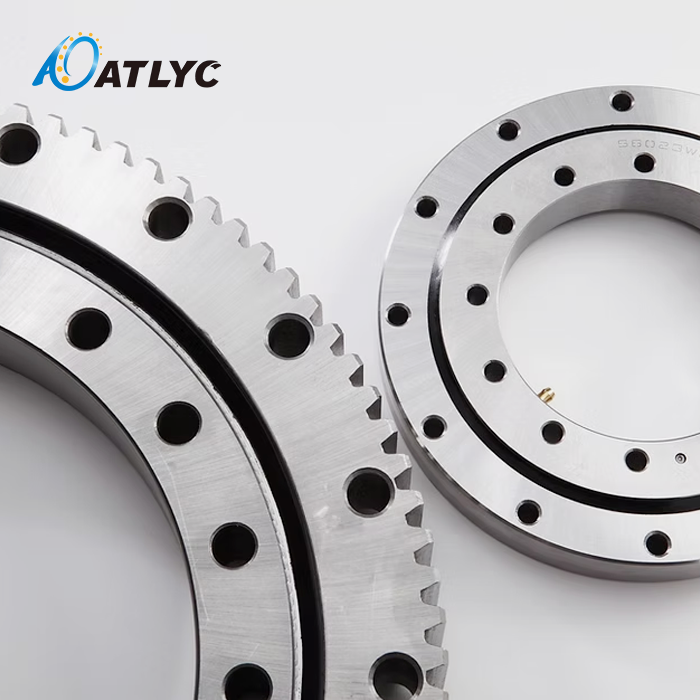
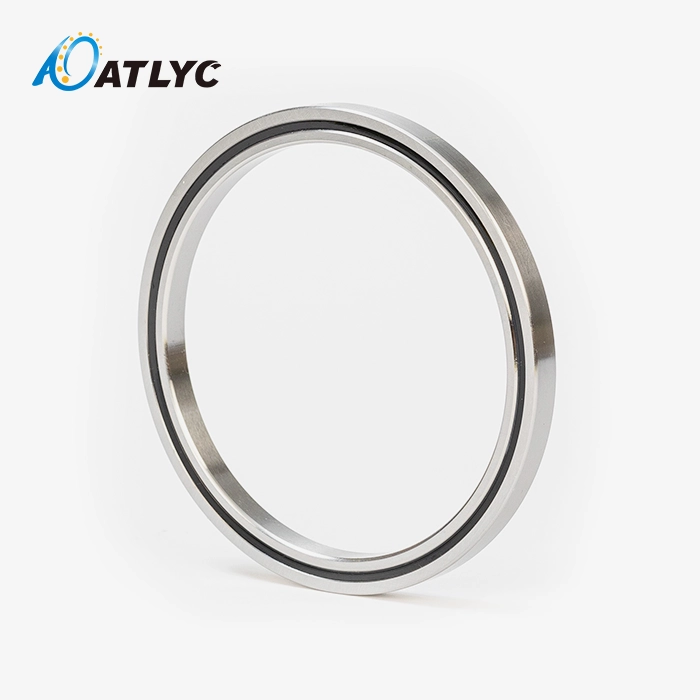
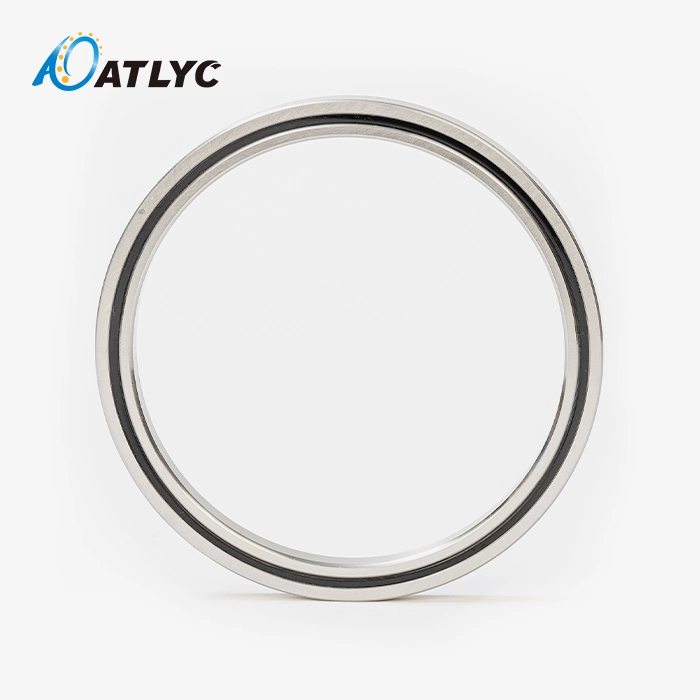
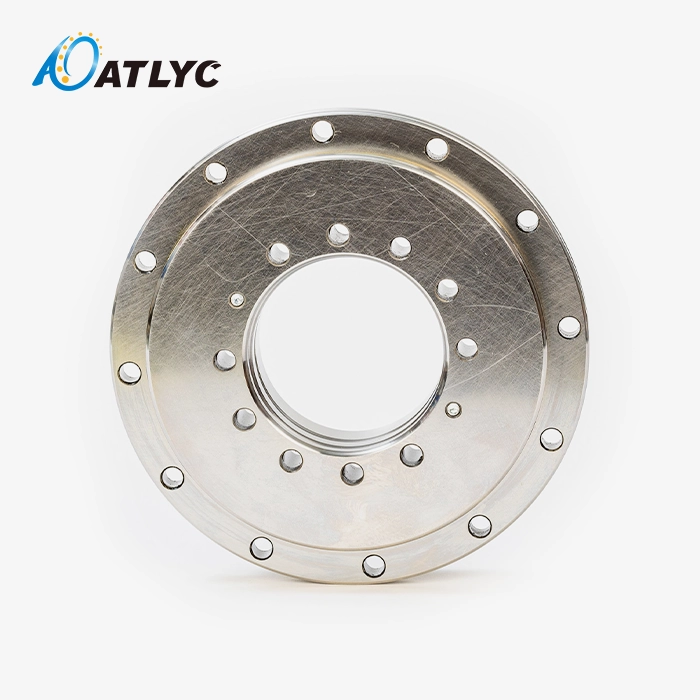
Selecting the right crossed roller bearing for your industrial equipment demands careful evaluation of technical specifications, supplier reliability, and long-term performance characteristics. The RB6013UUCC0 crossed roller bearings represent a precision-engineered solution designed specifically for applications requiring compact dimensions, multi-directional load capacity, and exceptional rotational accuracy. This bearing features an integrated inner ring with a split outer ring design, measuring 60mm inner diameter, 85mm outer diameter, and 13mm width. Manufactured from premium GCr15 bearing steel and equipped with double contact seals (UU designation), this component addresses the critical needs of automotive manufacturers, industrial OEMs, and equipment distributors seeking dependable precision components that meet ISO 9001 and IATF 16949 quality standards while delivering consistent performance across demanding operational environments.
Understanding RB6013UUCC0 Specifications and Design Features
It is beneficial for design engineers and procurement managers to be aware of the specific technological features that set this crossed roller bearing apart from the competition. The structural configuration directly affects your machinery's performance.
Dimensional Specifications and Structural Design
With a 60 mm bore diameter, 85 mm outer diameter, and 13 mm cross-section, this bearing is ideal for applications where space is limited. The RB series is characterised by a precise plug assembly mechanism, an outer ring structure with splits, and an integrated inner ring. While keeping the structure intact during operation, this design makes installation easier. The crossing roller arrangement uses precision-machined V-groove raceways to put cylindrical rollers at right angles to each other and at 90-degree intervals. Spacer retainers separate the rollers to avoid skewing and metal-to-metal contact. Instead of using complicated bearing combinations that add unnecessary assembly time and failure spots, this layout allows for the simultaneous management of radial, axial, and moment loads inside a single compact bearing unit.
Material Composition and Manufacturing Quality
The dependability and longevity of an operation are directly affected by the quality of the bearing steel that is used. The raceway surfaces of these crossed roller bearings are heat-treated to a hardness of 58-64 HRC using high-carbon chromium steels GCr15 and GCr15SiMn. Both static stresses and fatigue are no match for these materials' remarkable resilience to plastic deformation and fatigue, respectively, throughout long periods of operation. You can choose the right tolerance class according to your application needs because the production process uses precision grinding to achieve accuracy grades ranging from P2 (ultra-precise) to P6 (standard). For a bearing to last its entire useful life with little vibration and constant rotational properties, it must meet stringent runout accuracy requirements.
Sealing and Preload Configuration
The UU designation indicates two rubber contact seals, one on each side of the bearing assembly. These seals ensure both the integrity of the internal lubrication and the prevention of outside pollutants from entering the raceway environment. The CC0 notation indicates an internal radial clearance classification, namely a negative clearance or preload situation. In robotic joints, precision rotary tables, and positioning systems, where even micron-level variations impact performance, this preload setup ensures optimum structural rigidity and prevents backlash. When it comes to automated production processes and precision measurement applications, your equipment achieves zero-play positioning capabilities, which means repeatable accuracy.
Comparing Performance Against Alternative Bearing Solutions
Strategic bearing selection requires understanding how this particular model performs relative to other available options in terms of load capacity, dimensional efficiency, and total cost of ownership.
Design Differences from Conventional Bearing Types
Pairing is usually necessary for conventional deep groove ball bearings and angular contact bearings to manage mixed loading scenarios. By eliminating the need for various bearing configurations and replacing them with a single crossed roller bearing, we can simplify the assembly process, make better use of installation space, and reduce the number of components. When compared to ball bearing alternatives, the bearings with an orthogonal roller arrangement offer superior load ratings in relation to their small cross-section. This design advantage translates directly to smaller, lighter machine designs without sacrificing load capacity or rigidity. Particularly in cantilever load scenarios, such as those seen in robotic arms and rotating tool holders, crossed roller bearings show much higher ratings than comparable-size ball bearings when it comes to moment load capability.
Benchmarking Against Industry-Standard Brands
There are similar models of crossed roller bearings made by major bearing manufacturers such as SKF, IKO, THK, and NSK. Respected manufacturers that follow ISO standards maintain consistency in performance parameters such as load ratings, accuracy classes, and dimensional tolerances. The availability of technical support, pricing structures, and the dependability of the supply chain are common points of differentiation. Crossed roller bearings that fulfil the same criteria as their Japanese or European counterparts are now mass-produced by Chinese bearing manufacturers with ISO 9001 and IATF 16949 certifications at competitive prices, usually 20-35% lower. For aftermarket distributors who keep inventory across various bearing sizes and OEM applications that require volume procurement, this cost advantage is particularly relevant. No matter where a component is made, quality verification processes like operational validation, hardness testing, and dimensional inspection ensure that it is dependable.
Operational Principles and Maintenance Requirements
Understanding how RB6013UUCC0 crossed roller bearings function and implementing appropriate maintenance protocols maximises service life and prevents unexpected equipment downtime.
Load Distribution Mechanics
The crossed roller configuration achieves superior load distribution through its alternating roller orientation. Cylindrical rollers positioned at 90-degree angles contact the V-groove raceways in a linear pattern, distributing forces over substantially greater surface area compared to point-contact ball bearings. This design characteristic reduces contact stress and extends bearing fatigue life. When your application subjects the bearing to radial loads, half the rollers engage to support that force vector. Simultaneously, axial and moment loads activate the orthogonally positioned rollers. This multi-directional load sharing occurs within a single bearing envelope, explaining the component's exceptional load capacity relative to its compact dimensions.
Lubrication and Inspection Protocols
Proper lubrication practices directly influence bearing performance and longevity. The integrated seals retain factory-applied grease under normal operating conditions, typically providing maintenance-free operation for 10,000-20,000 hours depending on load conditions, operating speed, and environmental factors. You should monitor bearing temperature during initial operation; excessive heat generation indicates potential installation issues, contamination, or inappropriate preload. Routine inspection intervals should include verification of smooth rotation without unusual noise or vibration, seal integrity examination to confirm no lubricant leakage or external contamination ingress, and mounting surface inspection for fretting corrosion or misalignment indicators. Temperature cycling and contaminated environments may require more frequent inspection intervals to detect wear progression before catastrophic failure occurs.
Environmental Considerations
Operating environment significantly impacts bearing service life. The standard operating temperature range extends from -20°C to +100°C, with seal material being the limiting factor rather than bearing steel. Applications involving temperature extremes may require special seal materials or external sealing arrangements. Contamination from metal particles, abrasive dust, or chemical exposure rapidly degrades precision bearing components. The UU seals provide effective protection in typical industrial environments, but applications involving aggressive contaminants benefit from additional external sealing systems and positive-pressure clean air barriers to prevent ingress around the bearing mounting area.
Procurement Strategies and Supplier Evaluation
Successful bearing procurement balances cost considerations with quality assurance, delivery reliability, and technical support availability throughout your equipment's operational lifecycle.
Supplier Certification and Quality Verification
When sourcing precision bearings, supplier certification provides the foundation for quality assurance. Manufacturers holding ISO 9001 quality management system certification demonstrate established quality control processes, while IATF 16949 certification indicates specific competency in automotive industry quality requirements. Request material certifications confirming bearing steel composition and heat treatment parameters. Dimensional inspection reports should verify critical specifications, including inner diameter, outer diameter, width, and runout accuracy measurements. Reputable suppliers provide traceability documentation linking finished bearings to production batches, enabling quality issue investigation if performance problems emerge during operation.
Pricing Dynamics and Volume Considerations
Crossed roller bearing pricing reflects several factors, including accuracy grade, seal configuration, and order quantity. Standard accuracy grades (P6, P0) typically price 15-25% lower than precision grades (P5, P4) and 40-60% lower than ultra-precision (P2) specifications. Volume pricing structures generally offer 10-15% discounts at 100-piece quantities and 20-30% reductions for 500-piece orders compared to small-lot pricing. Lead times vary seasonally, with standard configurations shipping within 2-4 weeks while custom specifications or precision grades may require 6-8 weeks' production time. Strategic buyers maintain safety stock for critical applications while negotiating annual supply agreements that lock in pricing and guarantee allocation during high-demand periods.
After-Sales Support and Technical Resources
Technical support availability differentiates bearing suppliers in competitive markets. Suppliers offering application engineering assistance help you optimise bearing selection for specific load conditions, operating speeds, and environmental factors. Access to CAD models and dimensional drawings accelerates machine design processes. Clear warranty terms—typically 12-18 months from shipment date—and defined procedures for handling quality issues protect defective components. Suppliers with local technical representatives or responsive email support (typical response time under 24 hours) enable faster problem resolution compared to suppliers requiring international communication across significant time zone differences.
Industry Applications and Real-World Performance
Crossed roller bearings serve critical functions across diverse industrial sectors where precision, compact dimensions, and load capacity prove essential for equipment performance.
Robotics and Automation Systems
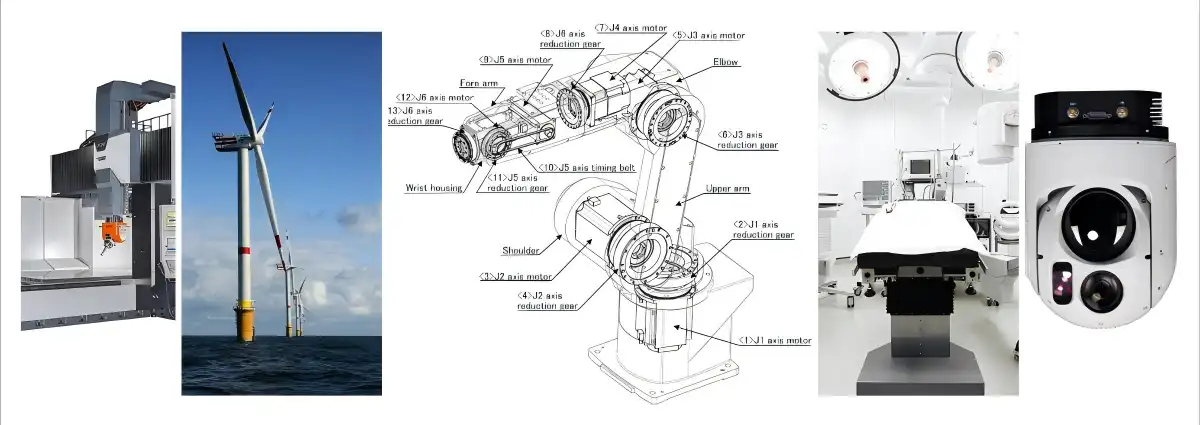
When it comes to joint assemblies, industrial robots rely on crossed roller bearings. This is because multi-axis rotation demands accurate placement without backlash. On most six-axis articulated robots, the rotation joints of the wrist, elbow, and base are equipped with four to six crossed roller bearings. Robots with a small to medium payload capacity (between 5 and 20 kg) can benefit from the RB6013UUCC0's compact joint design, which reduces the inertia and weight of the robot's arms. Throughout millions of operational cycles, the repeatable positioning accuracy within ±0.02mm is guaranteed by the preloaded setup. For accurate results in material handling, welding, and assembly, manufacturers rely on this positioning accuracy. This includes electronics assembly facilities and producers of automobile components.
Precision Machine Tools and Measurement Equipment
Machining centre rotary tables demand both high load capacity and exceptional rotational accuracy. The crossed roller bearing's ability to handle workpiece weight (radial load), clamping forces (axial load), and cutting tool forces (moment loads) within a single bearing assembly simplifies rotary table design while ensuring positioning accuracy. CNC machine tool builders incorporate these bearings in fourth-axis rotary tables and five-axis swivel heads where positioning resolution directly affects machined part accuracy. Coordinate measuring machines (CMMs) and precision optical inspection systems similarly benefit from the smooth, low-friction rotation and absence of backlash that crossed roller bearings provide. Measurement repeatability in the submicron range depends on eliminating mechanical play in rotational axes.
Medical Devices and Semiconductor Manufacturing
Medical CT scanner gantries rotate continuously while maintaining precise alignment between the X-ray source and the detector array. Large-diameter crossed roller bearings enable this smooth rotation in a compact envelope while supporting substantial cantilever loads. The sealed design prevents contamination ingress that could compromise bearing life in temperature-controlled medical environments. Semiconductor wafer handling robots and inspection equipment require ultra-clean operation and reliable performance in controlled-atmosphere manufacturing environments. The maintenance-free operation and long service life of properly specified R B6013UUCC0 Crossed Roller Bearings reduce equipment downtime and maintenance costs in these high-value production facilities.
Emerging Application Trends
Manufacturing automation continues expanding into new sectors, including warehouse logistics, agricultural machinery, and renewable energy equipment. Automated guided vehicles (AGVs) and autonomous mobile robots (AMRs) increasingly incorporate crossed roller bearings in steering mechanisms and sensor positioning systems. Solar tracking systems utilise precision bearings to optimise panel orientation throughout daily sun movement. These emerging applications value the crossed roller bearing's combination of compact dimensions, long maintenance intervals, and reliable performance across temperature variations and outdoor environmental exposure.
Conclusion
Choosing the right crossed roller bearing means balancing technical performance needs with procurement factors, such as supplier reliability, cost structures, and quality assurance processes. The RB6013UUCC0 Crossed Roller Bearings offer proven capabilities across demanding applications in robotics, precision machinery, and automated equipment where dimensional constraints, multi-directional load capacity, and positioning accuracy determine operational success. Manufacturers with established quality systems, appropriate certifications, and responsive technical support enable you to source precision components confidently while managing total cost of ownership. Proper installation and maintenance practices maximise bearing service life and equipment uptime, providing measurable value throughout your machinery's operational lifecycle.
FAQ
What are typical lead times for RB6013UUCC0 bearing orders?
Standard accuracy grades (P6, P0) with common seal configurations typically ship within 2-4 weeks from established manufacturers maintaining inventory. Precision grades (P5, P4, P2) or custom specifications may require 6-8 weeks' production time depending on manufacturer capacity and order volume. Expedited production may be available for urgent requirements with associated premium costs.
Can this bearing operate in high-temperature environments?
The standard temperature range extends from -20°C to +100°C, with seal material properties being the limiting factor. Applications approaching or exceeding this upper limit require evaluation of seal material options or consideration of open bearing configurations with external sealing arrangements and high-temperature lubricants.
How can I verify bearing authenticity and quality?
Request dimensional inspection reports, material certifications, and hardness test data from suppliers. Physical verification includes measuring critical dimensions with calibrated instruments, checking raceway surface finish for grinding quality, and verifying seal fitment and integrity. Operational testing under actual load conditions provides definitive performance validation.
Partner with ATLYC for Reliable Crossed Roller Bearing Supply
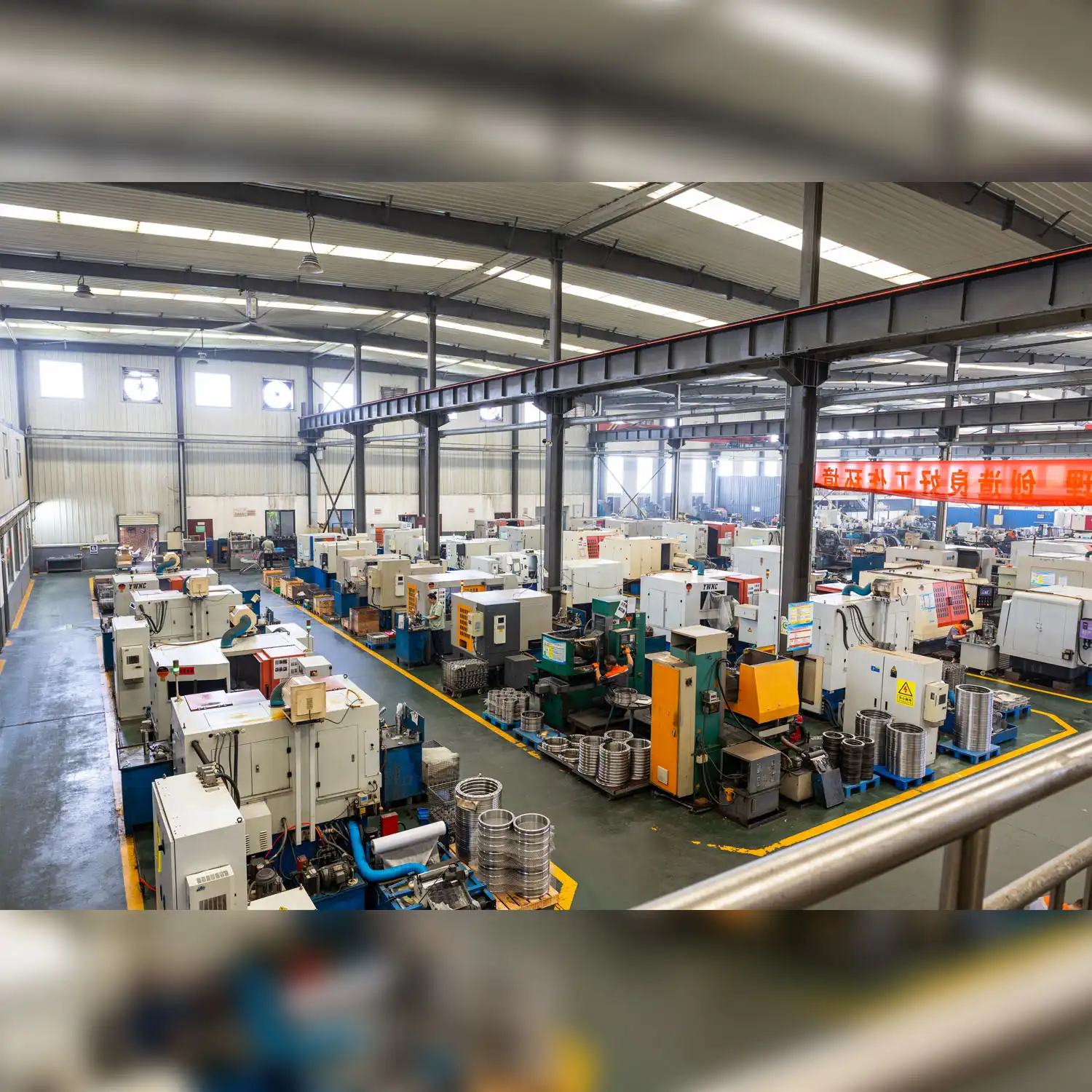
ATLYC, operating as Luoyang Auto Bearing Co., Ltd., brings 15 years of precision bearing manufacturing experience to serve automotive manufacturers, industrial OEMs, and global distributors requiring dependable RB6013UUCC0 crossed roller bearing suppliers. Our ISO 9001 and IATF 16949 certified manufacturing facilities produce high-precision bearings meeting international standards, backed by rigorous quality control processes and dimensional verification protocols. We maintain consistent supply capacity through six specialised production workshops staffed by 120 skilled professionals dedicated to manufacturing excellence. Our established export presence across South Korea, the United States, Germany, Russia, Iran, and Turkey demonstrates our commitment to reliable international partnerships. Contact our technical team at auto@lyautobearing.com to discuss your specific application requirements, request detailed technical documentation, and receive competitive quotations for volume orders. We provide comprehensive procurement support, including application engineering assistance, customised solutions, and responsive after-sales service designed to optimise your supply chain efficiency and equipment performance.
References
1. Harris, T.A. and Kotzalas, M.N., "Advanced Concepts of Bearing Technology: Rolling Bearing Analysis, Fifth Edition," CRC Press, 2006.
2. Yoshida, K., "Design and Application of Crossed Roller Bearings in Precision Machinery," Journal of Mechanical Engineering Science, Vol. 228, No. 4, 2014.
3. ISO 5593:1997, "Rolling Bearings – Vocabulary," International Organisation for Standardisation, Geneva, Switzerland.
4. Schaeffler Technologies AG & Co., "Rolling Bearings: Catalogue HR 1 – Principles, Calculations, Examples," 2018 Edition.
5. Wensing, J.A., "On the Dynamics of Ball Bearings," PhD Dissertation, University of Twente, Netherlands, 1998.
6. THK Co., Ltd., "Crossed Roller Bearing Technical Handbook: Selection, Installation, and Maintenance Guidelines," 2020 Edition.
Learn about our latest products and discounts through SMS or email