- English
- French
- German
- Portuguese
- Spanish
- Russian
- Japanese
- Korean
- Arabic
- Greek
- German
- Turkish
- Italian
- Danish
- Romanian
- Indonesian
- Czech
- Afrikaans
- Swedish
- Polish
- Basque
- Catalan
- Esperanto
- Hindi
- Lao
- Albanian
- Amharic
- Armenian
- Azerbaijani
- Belarusian
- Bengali
- Bosnian
- Bulgarian
- Cebuano
- Chichewa
- Corsican
- Croatian
- Dutch
- Estonian
- Filipino
- Finnish
- Frisian
- Galician
- Georgian
- Gujarati
- Haitian
- Hausa
- Hawaiian
- Hebrew
- Hmong
- Hungarian
- Icelandic
- Igbo
- Javanese
- Kannada
- Kazakh
- Khmer
- Kurdish
- Kyrgyz
- Latin
- Latvian
- Lithuanian
- Luxembou..
- Macedonian
- Malagasy
- Malay
- Malayalam
- Maltese
- Maori
- Marathi
- Mongolian
- Burmese
- Nepali
- Norwegian
- Pashto
- Persian
- Punjabi
- Serbian
- Sesotho
- Sinhala
- Slovak
- Slovenian
- Somali
- Samoan
- Scots Gaelic
- Shona
- Sindhi
- Sundanese
- Swahili
- Tajik
- Tamil
- Telugu
- Thai
- Ukrainian
- Urdu
- Uzbek
- Vietnamese
- Welsh
- Xhosa
- Yiddish
- Yoruba
- Zulu
Why Choose XU100140UU Precision Cross Roller Bearings?
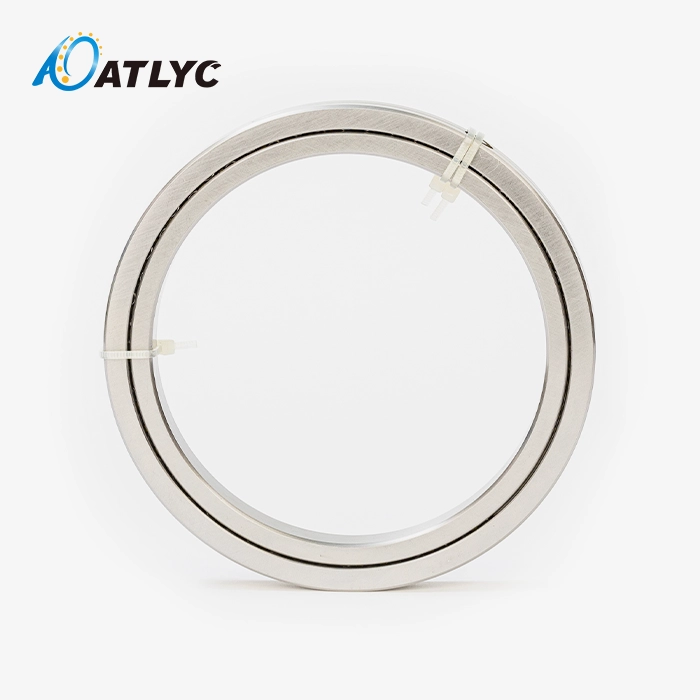
When your production line demands unwavering precision and your engineers need a compact solution that handles multiple load directions simultaneously, the delivers exactly that promise. This integrated bearing combines space-saving design with exceptional rigidity, making it indispensable for industrial robotics, CNC rotary tables, and medical imaging equipment. With cylindrical rollers arranged at 90-degree intervals within V-groove raceways and pre-drilled mounting holes that eliminate housing complexity, it solves the persistent challenge of achieving micron-level accuracy without compromising load capacity or installation efficiency.

Understanding XU100140UU Precision Cross Roller Bearings
What Makes Cross Roller Design Different
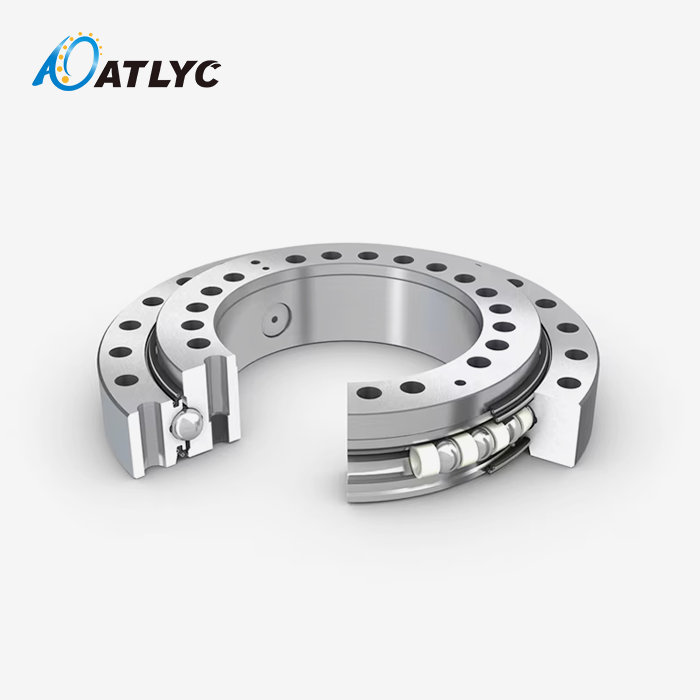
XU100140UU Precision Cross Roller Bearings are fundamentally different from standard ball bearings because of how their rollers are arranged and how they make contact with the metal. The XU100140UU uses circular rollers that are placed perpendicular to each other. This makes line contact with V-shaped raceways instead of point contact. This arrangement spreads weight over a bigger area, making it three to four times stiffer than similar ball bearing systems. Spacer blocks between each roller keep the rotational torque constant and stop the rollers from skewing. This design choice fixes a very important problem in robotic equipment where changes in torque can make positioning less accurate and run times longer.
Integrated Construction Advantages
The designation "XU" means that the inner and outer rings are built together without any division points. Both rings are made of a solid, one-piece design that makes them more stable and accurate in their movement. On the end face of the bearing, there are pre-machined mounting holes, which are usually countersunk or threaded. This method gets rid of the need for different housings or mounting flanges, which makes the building process about 30% simpler and cuts the number of parts used by a large amount. When procurement teams look at the total cost of ownership, the time saved on installation and maintenance is worth more than the price of the part itself.
Technical Specifications at a Glance
Figuring out the bearing's size and performance helps it fit the needs of the application:
| Specification | Value | Significance |
|---|---|---|
| Inner Diameter | 100 mm | Fits middle-sized shaft links in robotic joints |
| Outer Diameter | 140 mm | Small envelope for installations with limited space |
| Width | 20 mm | The thin-section shape makes the most of the room available |
| Material | GCr15, GCr15SiMn | Wear resistance is provided by high-carbon chromium steel |
| Precision Grades | P6, P5, P4, P2 | Control of runout down to the millimeter level |
| Sealing | UU (dual rubber seals) | Keeps germs from spreading in tough settings |
The bearing material, GCr15 or GCr15SiMn, is through-hardened to HRC 60–64. This gives it the fatigue strength that is needed in production settings that are open 24 hours a day, seven days a week. The choice of material has a direct effect on the service life. In normal workplace settings, well-maintained units often last longer than 50,000 hours of use.
Dual Sealing Protection Explained
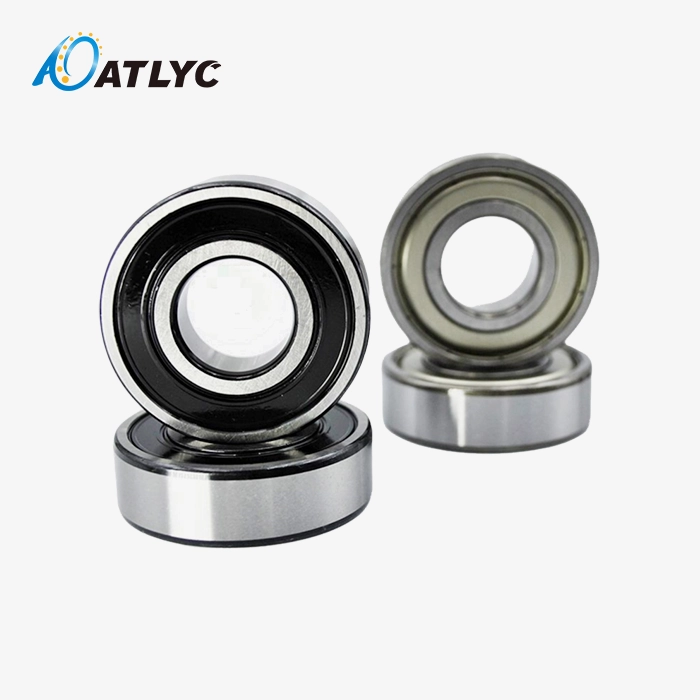
The ending "UU" means that both bearing sides have synthetic rubber lip seals. These seals do two things: they keep the grease that was already put in place and keep out dust, coolant mist, and wetness. This contamination barrier stops particles from getting into medical equipment or cleanrooms, which could ruin sterile conditions or imaging results. During quality inspection, the integrity of the seal is still very important. We check the setting and pressure of the lip contact to make sure that the oil stays in place without creating too much friction torque, which would change how the engine starts.
Benefits and Performance Advantages of XU100140UU Bearings
Multi-Directional Load Management
In industry, loads that are only radial or axial don't happen very often. When robot arms extend and rotate, they use a lot of different types of forces. Cutting forces come from more than one direction at the same time at CNC rotating tables. The XU100140UU Precision Cross Roller Bearing takes this into account by having a single bearing unit that can handle radial, axial, and moment loads. The orthogonal roller arrangement makes this possible. The other half of the rollers handles axial and moment loads, while the other half supports rotational loads. Engineers like this design because it gets rid of the need for various bearing setups. This makes troubleshooting easier and reduces the number of places where something could go wrong.
Enhanced Rigidity for Precision Applications
How much a bearing bends when it's loaded is called its rigidity. When it comes to measuring tools and devices used to make integrated circuits, higher stiffness means better positioning accuracy and repeatability. When compared to ball bearings of the same size, the line contact between circular rollers and V-groove raceways makes the bearings stiffer. When making decisions about procurement, the practical effects are important. In a machining center rotating table setting, more stiffness reduces elastic deformation during cutting processes, keeping the accuracy of part placement within certain limits. This means fewer parts will be wasted and better accuracy in part quality.
Space Optimization Benefits
In traditional bearing arrangements, mounting plates, housings, and fastening parts are often kept separate. The XU100140UU has built-in mounting holes that let you directly bolt it to matching surfaces. This greatly reduces the amount of axial room that is needed. Think about a robotic joint assembly where the robot's reach and load capacity change by millimeters. By getting rid of housing parts, engineers can either make the joint design smaller or use the extra room to fit bigger motors and gears, which improves the overall performance of the system without making it bigger on the outside.
Real-World Application Performance
Situations of deployment show why procurement professionals choose this bearing model:• Industrial Robotics: The bearing supports the high moment loads that are created when the arm is extended on flexible robot waist and joint parts. The small joint design makes the robot lighter and less likely to move, but it still stays stiff enough to do precise positioning over and over again. Positional repeatability within ±0.02mm over 100,000 cycles is shown by manufacturing data.• Precision Medical Imaging: To keep image artifacts from showing up, CT scanner spinning gantries need to be able to rotate without any vibrations. The two-sealing system keeps oil mist from getting on sensitive sensors and keeps the working environment clean. Over five-year service intervals, clinical installations report no failures related to bearings.• CNC Rotary Tables: When used for fourth and fifth-axis tracking, CNC rotary tables put cutting forces and movements from the machine on the bearings. By getting rid of fixing plates, more room is made available for workpiece fixtures. Production data shows that setup time is 40% shorter than with traditional bearing arrangements that need different housings. These examples show how technical requirements can lead to practical benefits that affect choices about what to buy and how to realize long-term value.
Comparing XU100140UU with Alternative Bearings
Specification Comparison with Similar Models
Knowing the differences between similar bearing types helps buying teams choose the best parts for each job:
| Model | Inner Ø | Outer Ø | Width | Load Capacity | Best Application |
|---|---|---|---|---|---|
| XU100140UU | 100 mm | 140 mm | 20 mm | Medium | Medical devices and small robot joints |
| XU120179UU | 120 mm | 179 mm | 28 mm | High | Big manipulators and heavy-duty rotating tables |
| Standard Ball Bearing | 100 mm | 140 mm | 20 mm | Lower | Rotation in general with few moment loads |
The XU120179UU can hold more weight, but it takes up more room. This makes it better for heavy-duty uses where space limitations are not as important. When simple spinning needs are met, standard ball bearings work fine, but they can't handle mixed loads well.
Performance Versus Cost Considerations
XU100140UU Precision Cross Roller Bearings are more expensive than regular ball bearings—usually two to three times more per unit. But a total cost study shows a different point of view. A single cross roller bearing can be used instead of several ball bearings, mounting parts, and labor-intensive assembly. When procurement managers add up the costs of installation labor, carrying multiple SKUs of inventory, and fewer maintenance visits, the value proposition changes in a good way. When it comes to high-volume automation equipment, the longer downtime and fewer service calls pay for themselves in 18 to 24 months.
Robotics Application Advantages
When making robots, it can be hard to find the right balance between carrying capacity, reach area, and positioning accuracy. The XU100140UU does great in these situations because its size-to-capacity ratio is just right. Direct installation makes it easier to route cables through hollow shaft designs, which is good for joint assembly designs. This way of designing joints makes them simpler and more reliable, which are both very important when production equipment works during multiple shifts with short repair gaps.
When Alternative Bearings Make Sense
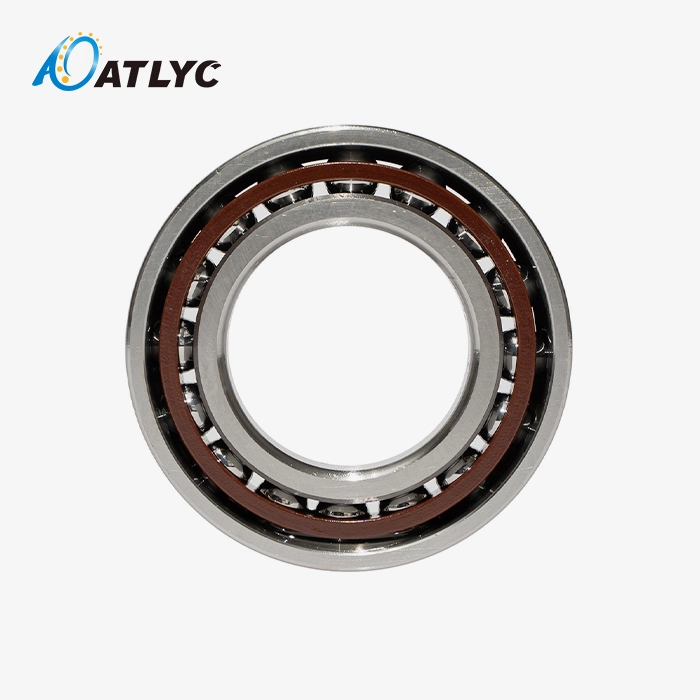
Cross roller bearings have many benefits, but they are not always the best choice. Applications with mostly one-way loads and small amounts of moment components may be able to get good results with less expensive options. For high-speed uses going faster than 500 RPM, angular contact ball bearing setups may be better because they handle heat better. When choosing a bearing, people who work in procurement should think about the load characteristics, speed requirements, accuracy specifications, and space limitations. Technical advice from bearing experts ensures that the needs of the application are met by the capabilities of the component.
Procurement and Sourcing of XU100140UU Bearings
Evaluating Supplier Credibility
To make sure that the XU100140UU Precision Cross Roller Bearings you buy are real and of high quality, you need to carefully evaluate the suppliers you work with. Quality certifications, the ability to make things, and a history of working with international clients are all important factors that are used to judge a company.ISO 9001 certification shows basic quality management skills, while IATF 16949 certification meets the specific needs of the automotive industry by requiring strict quality control and traceability protocols. Suppliers with both licenses usually have strong methods that can handle tough commercial uses.
Pricing Factors and Lead Times
Cross roller bearings have different unit prices depending on the level of precision, the number of bearings ordered, and any customization needs. Most of the time, standard P5 grade bearings are cheaper than higher-precision P4 or P2 grades, which need more grinding and stricter process controls. Bulk purchase deals offer big savings. For example, if you agree to buy more than 500 units a year, the cost of each unit may drop by 15 to 20%. However, procurement managers have to weigh the costs of keeping inventory against bulk savings. This is especially true for specialized sizes that can only be used in a few product lines.
OEM and Custom Order Options
Original equipment manufacturers (OEMs) often need bearings that have different specs and meet specific design requirements. Custom choices include changing the shapes of the mounting holes, using special sealing materials that are resistant to chemicals, or changing the interior gaps to meet particular preload needs. Suppliers who offer engineering consulting services can suggest changes that will improve the performance of bearings in certain situations. This way of working together helps procurement teams avoid over-specification, which raises costs without improving performance in a proportional way.
Sourcing from Chinese Manufacturers
Over the past ten years, Chinese makers of bearings have made big steps toward better quality, and the best facilities now meet foreign standards. Since it opened in 2010, our facility has grown from a single workshop to six specialized production areas that serve customers in South Korea, the US, Germany, Russia, Iran, and Turkey, among other places. Our 120-person team has experts in grinding, heat treating, quality control, and assembly, so all stages of production are done professionally. Getting ISO 9001 and IATF 16949 badges shows that you are dedicated to quality that meets foreign standards. When evaluating Chinese suppliers, procurement teams should make sure that the certificates are real, ask for customer references from similar industries, and do facility audits when the volume justifies the cost. Videoconferencing technology now lets people take virtual facility tours, providing transparency into manufacturing processes and quality control protocols.
Why XU100140UU Is the Preferred Choice for B2B Clients
Meeting Stringent Industry Requirements
Original Equipment Manufacturers (OEMs) of both automotive parts and industrial machinery have to meet strict requirements for precision, durability, and load capacity. The XU100140UU Precision Cross Roller Bearing directly meets these needs thanks to its well-thought-out design and performance features. Production data from production lines for cars shows that bearings work well at temperatures ranging from -20°C to +80°C, keeping the accuracy of placement within the allowed ranges. This thermal stability keeps the output from stopping because of changes in yearly temperatures or changes in the heating system.
Long-Term Value and ROI
When making decisions about what to buy, people are paying more attention to the total cost of ownership than just the purchase price. The XU100140UU provides measurable value by increasing equipment uptime, extending service life, and lowering the need for maintenance. An analysis of the maintenance costs for industrial automation installations shows that service calls for bearings are 60% less than they were with previous ball bearing arrangements. Longer lubrication intervals—often more than 10,000 hours of operation with proper sealing—reduce expected downtime for maintenance and the costs of work that comes with it.
Supporting Long-Term Partnerships
Successful business-to-business relationships go beyond buying parts one time and include strategic partnerships that offer ongoing technology help and work together to make things better all the time. Our method focuses on knowing the needs of our clients, suggesting the best solutions, and offering quick service throughout the lifecycles of our products. Technical advice helps engineering teams choose the best bearings during the planning process, so they don't have to make expensive changes after the product has been put into production. Custom modification options let bearing specs change along with product development, keeping them compatible as equipment designs get better.

Conclusion
The XU100140UU Precision Cross Roller Bearing is a well-thought-out answer to a problem that automakers, industrial equipment OEMs, and automation developers are currently facing. Its integrated design, ability to handle loads from multiple directions, and small size make it ideal for situations where accuracy and dependability are essential. Procurement teams can find reliable sources for parts that meet long-term production needs by carefully choosing suppliers based on things like quality approvals, manufacturing capacity, and expert support. As shown by its proven performance in robots, medical equipment, and precise machining, the bearing's value goes beyond its technical specs. It also offers practical benefits like less downtime, longer service intervals, and better equipment performance.
FAQ
What precision grades are available for the XU100140UU bearing?
The bearing comes in two different levels of precision, P6 and P0, as well as P5, P4, and P2. Higher precision grades (P4 and P2) have tighter runout tolerances, which are usually controlled within micrometer ranges. These grades are good for applications that need to be very accurate, like measuring tools and equipment used to make semiconductors. Standard industrial uses usually call for P5 grade, which strikes a balance between performance and cost-effectiveness.
How does the dual sealing system affect bearing performance?
The UU dual rubber seal design protects against pollution while keeping the lubrication, which greatly increases the time between service intervals. However, seals add a small amount of friction that slightly lowers the maximum speed compared to designs with open bearings. Applications that are dusty or close to coolant exposure gain a lot from sealed designs. On the other hand, clean, high-speed applications might want to look at other sealing choices.
Can this bearing replace multiple ball bearings in existing designs?
Yes, the XU100140UU can often replace bearing pairs or complicated setups because it can handle radial, axial, and moment loads at the same time. But for replacement to work, the load qualities, mounting options, and space envelopes need to be carefully looked at. Consulting an engineer helps figure out if the conversion is possible and what changes need to be made to the design for it to work best.
Partner with ATLYC for Your Precision Cross Roller Bearing Supply
ATLYC has been making bearings for 15 years and has quality management that is ISO 9001/IATF 16949 approved. They can add to your supply chain for precision components. As a well-known company that makes XU100140UU Precision Cross Roller Bearings, we have six specialized workshops with 120 hardworking employees that serve companies that make auto parts, companies that make industrial machinery, and global bearing distributors. Our engineering team can help you choose the best bearings for your needs by giving you expert advice, and our customization options can meet your individual design needs. You can email us at auto@lyautobearing.com to talk about your precision bearing needs, get detailed specs, or get prices for large orders for your production needs. We offer trustworthy trade partnerships that help your business grow in a wide range of areas.
References
1. Harris, T.A. & Kotzalas, M.N. (2006). Rolling Bearing Analysis: Essential Concepts of Bearing Technology. CRC Press.
2. Wensing, J.A. (1998). On the Dynamics of Ball Bearings. University of Twente, Department of Mechanical Engineering.
3. ISO 492:2014. Rolling bearings — Radial bearings — Geometrical product specifications (GPS) and tolerance values.
4. Eschmann, P., Hasbargen, L., & Weigand, K. (1985). Ball and Roller Bearings: Theory, Design and Application. John Wiley & Sons.
5. Palmgren, A. (1959). Ball and Roller Bearing Engineering. SKF Industries Inc.
6. Tallian, T.E. (1992). Simplified Contact Fatigue Life Prediction Model—Part I: Review of Published Models. Journal of Tribology, Transactions of ASME.
Learn about our latest products and discounts through SMS or email