- English
- French
- German
- Portuguese
- Spanish
- Russian
- Japanese
- Korean
- Arabic
- Greek
- German
- Turkish
- Italian
- Danish
- Romanian
- Indonesian
- Czech
- Afrikaans
- Swedish
- Polish
- Basque
- Catalan
- Esperanto
- Hindi
- Lao
- Albanian
- Amharic
- Armenian
- Azerbaijani
- Belarusian
- Bengali
- Bosnian
- Bulgarian
- Cebuano
- Chichewa
- Corsican
- Croatian
- Dutch
- Estonian
- Filipino
- Finnish
- Frisian
- Galician
- Georgian
- Gujarati
- Haitian
- Hausa
- Hawaiian
- Hebrew
- Hmong
- Hungarian
- Icelandic
- Igbo
- Javanese
- Kannada
- Kazakh
- Khmer
- Kurdish
- Kyrgyz
- Latin
- Latvian
- Lithuanian
- Luxembou..
- Macedonian
- Malagasy
- Malay
- Malayalam
- Maltese
- Maori
- Marathi
- Mongolian
- Burmese
- Nepali
- Norwegian
- Pashto
- Persian
- Punjabi
- Serbian
- Sesotho
- Sinhala
- Slovak
- Slovenian
- Somali
- Samoan
- Scots Gaelic
- Shona
- Sindhi
- Sundanese
- Swahili
- Tajik
- Tamil
- Telugu
- Thai
- Ukrainian
- Urdu
- Uzbek
- Vietnamese
- Welsh
- Xhosa
- Yiddish
- Yoruba
- Zulu
Tapered Roller Bearing 30 Series: A Smart Choice for Industry
When your production line depends on consistent performance under combined loading conditions, the Tapered Roller Bearing 30 series delivers exactly what procurement managers demand. Engineered to handle simultaneous radial and axial loads with contact angles between 10° and 30°, this metric single-row bearing lineup conforms to ISO 355 and DIN 720 standards. Its separable design and adjustable clearance make it an intelligent solution for automotive hubs, industrial gearboxes, and machine tool spindles where medium- to light-load scenarios require precision without compromise.

Introduction
Due to its strong construction and wide range of functions, the Tapered Roller Bearing 30 series is an important part of many industrial processes. This type is widely used in big machinery and important mechanical systems because it can handle high radial and axial loads at the same time. This summary is for procurement managers, engineers, distributors, and original equipment manufacturers (OEMs) who are looking for long-lasting, low-cost bearing solutions that help operations run smoothly and last a long time. Luoyang Auto Bearing Co., Ltd. (ATLYC), which was founded in 2010, has grown steadily over the past 15 years to become a major player in the bearing manufacturing industry. At the moment, we have 120 trained workers who work on production, research and development, quality control, and assembly. Our ISO 9001 and IATF 16949 certifications show that we are dedicated to quality control and meeting foreign standards. We've grown from one workshop to six, becoming experts at making high-precision bearings and now serving customers in South Korea, the US, Germany, Russia, Iran, and Turkey, among other places.
Understanding the Tapered Roller Bearing 30 Series
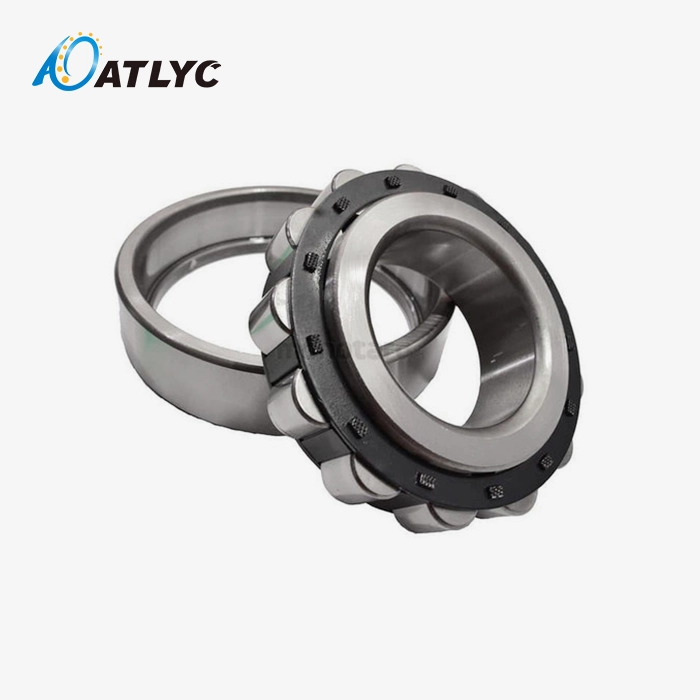
The Tapered Roller Bearing 30 series has an inner and outer ring that are shaped like cones. These rings are designed to work best with combined loads. This part talks about important design elements, terms used in the industry, and technical details that help professionals decide if they are right for their projects.
Core Design Elements and Technical Specifications
The 30 series of metric tapered roller bearings has a unique conical shape. The inner ring, or cone, holds tapered rollers that are guided by a cage, and the outer ring, or cup, can be fixed individually. This design makes sure that all of the contact lines meet at a single point. This gets rid of edge stress and spreads the forces evenly along the length of the roller. The range of sizes meets a wide range of business needs: inner diameters range from 10mm to 500mm, outer diameters from 26mm to 1000mm, and widths from 8mm to 200mm. Because of this, engineers can choose bearings for both small wheel hubs for cars and big gearboxes for farm equipment without having to switch between types of bearings.
Material Composition and Precision Grades
The choice of material has a direct effect on how long a bearing lasts in harsh working conditions. Both the inner and outer rings of the 30 series are made of GCr15 high-carbon chromium bearing steel, which is very hard and doesn't wear down easily. Rollers are made from GCr15SiMn or 20Cr2Ni4A alloy steels, which make them stronger and better at absorbing pressure loads. For general use, pressed steel can be used for cages, while brass can be used in high-speed or high-temperature environments. Precision grades come in P0 (standard), P6 (higher than normal), and P5 (precision class). This lets you match the accuracy of the bearing to the tolerances of the shaft and housing for the best control of clearance.
| Component | Material Options | Purpose |
|---|---|---|
| Inner/Outer Ring | GCr15 | High strength and resistance to wear |
| Rollers | GCr15SiMn, 20Cr2Ni4A | Strength at impact and fatigue life |
| Cage | Brass, pressed steel | Stable load and temperature tolerance |
Working Principle and Load Distribution
The tapered shape of the raceway creates a contact angle that turns radial and one-way axial loads into rolling motion along the raceway surfaces. Even when there is a lot of axial thrust, edge loading doesn't happen because the cone angle makes sure that convergence happens at a single point on the bearing axis. The 30 series works especially well in situations where radial loads are the most important, but axial forces are also strong, like in differential gear shafts for cars or machine tool spindles that have to fight cutting forces in several directions.
Comparing the 30 Series with Other Bearings: Making the Right Choice
This part gives a full look at the differences between the Tapered Roller Bearing 30 series and other bearing choices to help B2B customers make smart buying choices that meet their specific business needs.
Design Differences and Load Capacity
When there is mixed pressure, tapered roller bearings in the 30 series are better than cylindrical roller bearings and deep groove ball bearings in clear ways. Cylindrical bearings are great for horizontal loads but not so good for axial loads. When compared to tapered rollers, deep groove ball bearings can handle combined loads, but only at much lower load ratings. The 32000 series tapered roller bearings can handle heavier loads than the 30 series because their contact angles are steeper and their cross-sections are wider. However, this means there is more drag and the ability to go faster. The 30 series is the best choice for medium-duty jobs that need to keep temperatures down and speed up.
Speed Compatibility and Noise Characteristics
The maximum speed depends on the type of lubrication used, the size of the bearings, and the settings for internal clearance. When fully oiled with good grease or circulating oil systems, the 30 series can usually handle modest to high speeds. Noise levels stay low because the optimized logarithmic roller shape spreads contact stress evenly. This stops vibration harmonics that happen in bearings that aren't well built. Tapered roller setups make a little more noise when they're working than angular contact ball bearings, but they can hold a lot more weight at the same envelope size. This trade-off makes the 30 series better for industrial gearboxes and car transmissions where handling loads is more important than noise.
Maintenance Factors and Durability
Compared to unitized ball bearings, upkeep is easier with tapered roller bearings because they can be taken apart. You can check the raceways and wheels separately without taking the whole machine apart. This cuts down on downtime during preventive maintenance rounds. The bearing's service life can be extended by adjusting the internal space to account for wear or heat expansion. Metric tapered roller bearings in the 30 series usually have an L10 fatigue life of more than 20,000 operating hours in industrial settings when they are used within their rated capacity and kept in good condition. This makes them last longer, which means they cost less to own overall than lighter-duty bearing types that need to be replaced more often.
| Bearing Type | Radial Load Capacity | Axial Load Capacity | Speed Rating | Maintenance Complexity |
|---|---|---|---|---|
| Tapered Roller 30 Series | High | Moderate (unidirectional) | Moderate-High | Low (separable design) |
| Deep Groove Ball | Moderate | Low | High | Moderate |
| Cylindrical Roller | Very High | Not much | Moderate | Low |
| Tapered Roller 32 Series | Very High | High | Moderate | Low |
Procurement Insight: How to Source Tapered Roller Bearing 30 Series Efficiently
To make sure quality and on-time delivery of the Tapered Roller Bearing 30 series, you need to have good sourcing strategies. Stakeholders in procurement can use these insights to cut costs without lowering the quality or dependability of the products or services they provide.
Important Purchasing Criteria
Lead times depend on the manufacturer and the size of the order, but reliable suppliers keep extras of common 30-series sizes in stock. Standard delivery times for catalog sizes are two to six weeks, while custom specifications may take eight to twelve weeks, depending on when the materials are sourced and how long they need to be heated. Most warranties cover problems with the products and the work for twelve to twenty-four months. Look for suppliers who will guarantee performance based on the estimated load capacity and the working conditions that have been recorded. This keeps your investment from breaking down too soon because of a problem with the way it was made.
Verifying Authentic Suppliers
There is a big risk in global supply chains when fake bearings are used. Real suppliers give certifications for the materials they use, reports on how they measure up, and proof that the products can be tracked for every production batch. Certifications like ISO 9001 and IATF 16949 show that a company has strong quality control systems that keep failure rates very low. Before making a big buy order, ask for samples. A close look at the surface finish, dimensional accuracy, and cage construction can tell the difference between real precision bearings and cheap copies. Work with your quality assurance team to use coordinate measuring tools and surface roughness testers to check arriving materials.
Leveraging Bulk Purchase Discounts
When you buy more than 100 units of each bearing size, volume pricing starts to make sense. A lot of suppliers have tiered pricing systems, which means that the price per unit goes down a lot after 500 or 1,000 units. To get the best deals on supplies, combine needs from different production lines. Talk to suppliers about making yearly agreements that lock in good prices and make sure that you have regular access to the goods throughout the fiscal year. These contracts usually include set supply dates that work with your production plan. This way, you can lower the cost of keeping inventory without having to worry about running out.
Installation and Maintenance Best Practices
The Tapered Roller Bearing 30 series units work best and last as long as they are properly installed and maintained on a regular basis. This part lays out clear steps that engineers and techs can follow with confidence to maintain operating integrity.
Precise Installation Procedures
To start, clean the mounting surfaces on the shafts and housings very well to get rid of burrs, corrosion, and other dirt. Check the shaft and hub sizes to make sure they are within the tolerances set by the bearing's fit class. For interference fits, either the bearing or the shaft needs to be heated or cooled to make fitting easier without using too much force. Use a hydraulic press or bearing heater to attach the cone piece to the shaft, making sure to only press down on the inner ring face. Do not put installation force through the rollers or cage, as this damages the brinelling and causes the machine to fail early. Make sure the cone fits all the way against the shoulder or spacer on the shaft. Install the cup into the housing hole and make sure it fits properly against the housing shoulder. Once both parts are attached, use a dial indicator to check the bearing endplay and fix the axial clearance. Endplay usually runs from 0.03mm to 0.13mm, but it can be any size based on the operating temperature and how the shaft expands and contracts.
Required Tools and Calibration
For the right installation of a tapered roller bearing, you need hydraulic bearing pullers, induction heaters, and dial indicators. With induction heaters, the heating is controlled and even, so the inner ring can expand without getting the bearing steel too hot. For interference fit installation, aim for heating temperatures of 90°C to 110°C.To keep measurement accuracy within 0.01mm, dial indicators need to be calibrated once a year. When torque tools are used to tighten locknuts, they need to be checked against measured torque standards on a regular basis. These methods of testing make sure that the installation factors stay within the limits set by engineers.
Preventive Maintenance Schedules
Set the amount of time between lubrications based on the speed, load, and environment. In clean, moderate-duty settings, grease-lubricated bearings usually need to be re-oiled every 1,500 to 3,000 hours of use. Oil-lubricated systems can benefit from programs that analyze the oil and keep an eye on the amount of pollution and loss of viscosity. Using accelerometers for vibration monitoring can find problems with bearings before they break down in a big way. Set up standard vibration signatures during launching, and then take measurements every three months to look for changes that show how wear is progressing. When you look at FFT analysis, the frequencies that correspond to roller pass rates and raceway defects show up as clear peaks.
Why Leading Industries Trust the Tapered Roller Bearing 30 Series
Case studies from real life show how the Tapered Roller Bearing 30 series reliability and performance help a wide range of industries. Trust in this bearing line is strengthened by measurable gains in ROI, uptime, and efficiency.
Automotive Manufacturing Applications
Metric tapered roller bearings are used by major automakers in wheel hub assemblies because they reliably support the weight of the vehicle while handling cornering forces and braking loads. A European company that makes commercial vehicles saw a 23% drop in warranty claims after moving from different bearing types to the 30 series configuration. When compared to unitized bearing kits, the separate design cuts installation time by 40% and makes assembly line work easier. This increase in efficiency directly leads to lower production costs and higher production throughput.
Industrial Gearbox and Reducer Performance
The 30 series was chosen for output shaft support places by a North American company that makes industrial gearboxes for the mining and aggregate processing businesses. Field data gathered over 18 months showed that the average life of a bearing went from 12,000 to 19,000 working hours under the same load conditions. This improvement came from better material quality and optimized internal geometry that kept the pieces together even when they were hit by shocks from crushing and screening equipment. As bearing replacements happened less often, maintenance costs went down by 31%.
Machine Tool Spindle Reliability
Precision machine tool builders like the 30 series for applications that need to position the spindle and keep the shaft in place while cutting. When angular contact ball bearings were replaced with tapered roller bearings, a German company that makes machine tools said that runout accuracy went up by 0.003mm. The tapered roller geometry made the machine more rigid, which cut down on chattering during heavy, interrupted cuts. This improved the quality of the surface finish and made the cutting tool last longer. The slightly higher bearing cost was worth it because these secondary benefits led to measured production gains.
Future Innovations and Sustainability
Material science studies are currently focusing on developing improved steel metallurgy that increases the life of bearings and reduces the amount of raw materials needed. Low-friction cage designs and improved surface textures lower operating temperatures, which lets machines go faster without needing more cooling. Bio-based oils that work with tapered roller bearings are being made because they are better for the environment. These formulas make it easier on the environment when equipment is thrown away, but they still meet the lubricant standards needed for solid work in many industries.

Conclusion
The Tapered Roller Bearing 30 series has been used for many years and has been shown to work well in situations where there are multiple loads. The design that lets it be separated, changeable clearance, and wide range of sizes meets the needs of automakers, industrial equipment builders, and machinery OEMs around the world. With the right installation steps, the right lubrication methods, and regular maintenance, these bearings will last longer, which lowers the total cost of ownership. ATLYC's manufacturing skills guarantee stable quality, backed by ISO 9001 and IATF 16949 certifications and technical know-how gained from making precision bearings for 15 years.
FAQ
What distinguishes the 30 series from the 32 series tapered roller bearings?
Compared to the 32 series, the Tapered Roller Bearing 30 series has a narrower cross-section and a smaller contact angle. This design makes the 30 series work best in situations with medium to light loads, limited space, and a need for higher speed. The 32 series can hold more weight because its wheels are bigger and its contact angles are steeper, but at the same speeds, it creates more friction and heat. Calculating the application load will help you choose the version that meets your needs best.
How do I assess if the 30 series suits my machinery?
Find the horizontal and axial loads that your application produces when it is running normally and when it is at its peak. Utilize the right safety factors (usually 1.5 to 2.0 for industrial tools) and compare these numbers to the load levels listed in the manufacturer's catalogs. For the lubrication method you choose, make sure that the working speeds stay below the bearing's recommended limit. When making your choice, think about things like temperature extremes, contamination exposure, and growing room limitations.
What maintenance protocols enhance bearing lifespan?
Use condition-based lubrication schedules instead of fixed time intervals to figure out when to re-grease by analyzing grease or oil samples. Using infrared thermography to keep an eye on working temperatures can help find strange heat production that could mean there isn't enough grease or too much preload. Do vibration analysis every three months to see how wear is progressing before production equipment starts to break down. Even if the bearings are showing normal wear, you should still replace the seals on a regular basis to keep the contamination shields in place.
Partner with ATLYC for Reliable Tapered Roller Bearing 30 Series Supply
ATLYC has been making Tapered Roller Bearing 30 series for a long time and knows how to mix fine manufacturing with global standards and scalable production capacity. Our six specialized workshops make bearings that meet the strict standards of ISO 9001 and IATF 16949. They keep defect rates below 0.1% by checking them thoroughly across 12 core performance indicators. We know how hard it is for procurement managers to make sure that quality is maintained while also keeping prices low and lead times reliable. If you need help with application engineering or customization to meet your specific operational needs, our technical support team is here to help. Email us at auto@lyautobearing.com to talk about your bearing needs and get a full quote for your next project.
References
1. Harris, T.A., and Kotzalas, M.N. (2006). Advanced Concepts of Bearing Technology: Rolling Bearing Analysis, Fifth Edition. CRC Press.
2. ISO 355:2007. Rolling bearings - Tapered roller bearings - Boundary dimensions and series designations. International Organization for Standardization.
3. Tallian, T.E. (1992). Failure Atlas for Hertz Contact Machine Elements. ASME Press.
4. SKF Group. (2018). Rolling Bearings Catalogue: Technical and Application Information. SKF Publication.
5. Hamrock, B.J., Schmid, S.R., and Jacobson, B.O. (2004). Fundamentals of Fluid Film Lubrication, Second Edition. Marcel Dekker.
6. DIN 720:1986. Tapered Roller Bearings - Boundary Dimensions. Deutsches Institut für Normung.
Learn about our latest products and discounts through SMS or email