- English
- French
- German
- Portuguese
- Spanish
- Russian
- Japanese
- Korean
- Arabic
- Greek
- German
- Turkish
- Italian
- Danish
- Romanian
- Indonesian
- Czech
- Afrikaans
- Swedish
- Polish
- Basque
- Catalan
- Esperanto
- Hindi
- Lao
- Albanian
- Amharic
- Armenian
- Azerbaijani
- Belarusian
- Bengali
- Bosnian
- Bulgarian
- Cebuano
- Chichewa
- Corsican
- Croatian
- Dutch
- Estonian
- Filipino
- Finnish
- Frisian
- Galician
- Georgian
- Gujarati
- Haitian
- Hausa
- Hawaiian
- Hebrew
- Hmong
- Hungarian
- Icelandic
- Igbo
- Javanese
- Kannada
- Kazakh
- Khmer
- Kurdish
- Kyrgyz
- Latin
- Latvian
- Lithuanian
- Luxembou..
- Macedonian
- Malagasy
- Malay
- Malayalam
- Maltese
- Maori
- Marathi
- Mongolian
- Burmese
- Nepali
- Norwegian
- Pashto
- Persian
- Punjabi
- Serbian
- Sesotho
- Sinhala
- Slovak
- Slovenian
- Somali
- Samoan
- Scots Gaelic
- Shona
- Sindhi
- Sundanese
- Swahili
- Tajik
- Tamil
- Telugu
- Thai
- Ukrainian
- Urdu
- Uzbek
- Vietnamese
- Welsh
- Xhosa
- Yiddish
- Yoruba
- Zulu
Why Does YRTM Rotary Table Bearing Excel in High-Speed Rotary Tables?
YRTM Rotary Table Bearing excels in high-speed rotary tables due to its miniature integrated design that combines radial, axial, and moment load capacity within an exceptionally compact cross-section. This space-efficient configuration reduces friction through precision-ground raceways and optimised contact angles, enabling stable operation at elevated speeds while maintaining positioning accuracy critical for CNC machining centres and automated manufacturing systems.
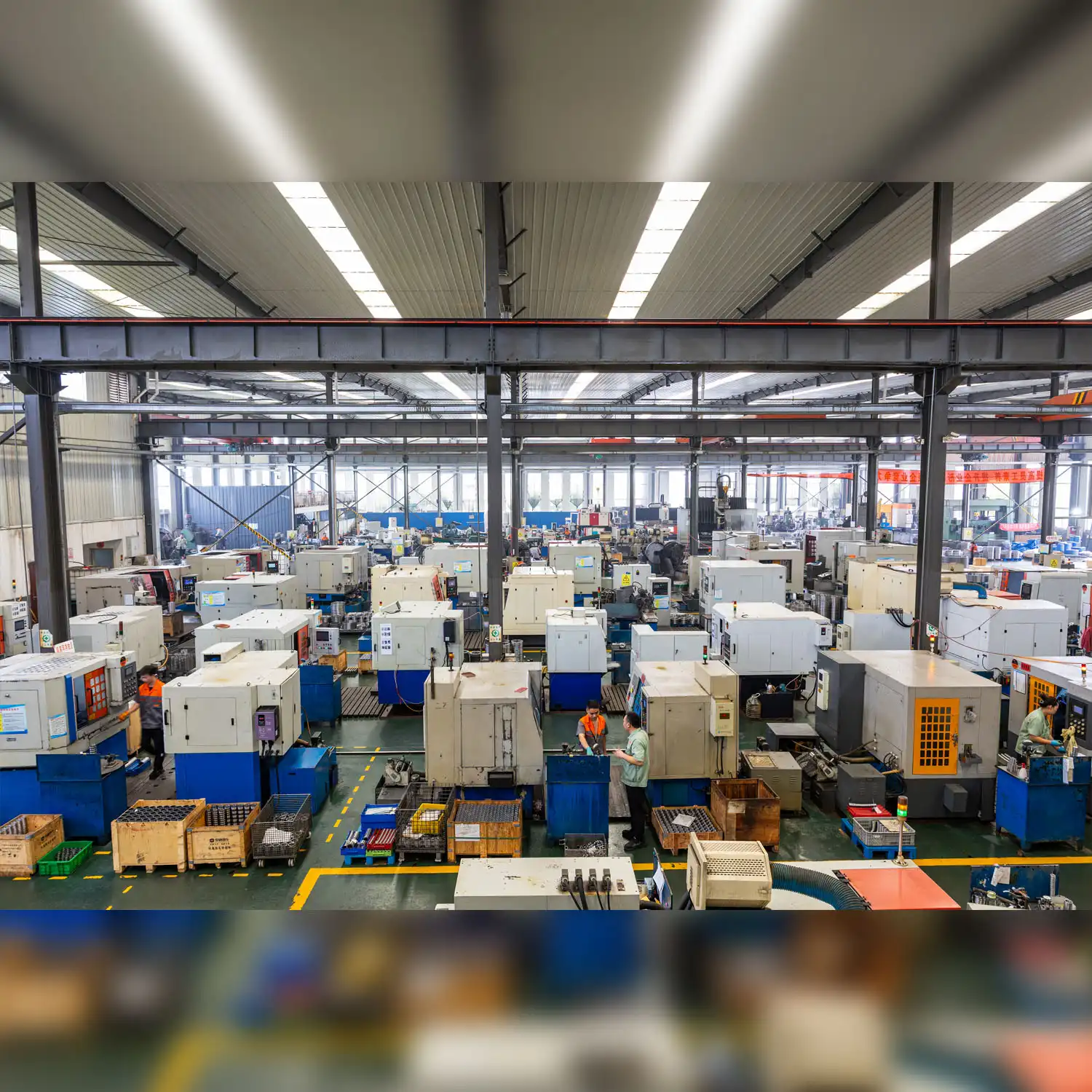
Understanding YRTM Rotary Table Bearing: Design and Specifications
Intelligent planning of the structure is the key to great success at high speeds. Standard rotary table bearings have been changed to make YRTM Rotary Table Bearings, which are designed to work in places where room is limited, and performance needs to be high.
Integrated Three-in-One Construction
This bearing design is based on a combined structure that combines three different bearing functions into a single, small unit. The outer ring stays attached to the frame, and the inner ring spins to support the item or table. Precision steel balls roll between these rings in carefully machined raceways, led by an exactly designed cage that keeps the right distance between them.
This unified method gets rid of the hassle of putting together different thrust, rotary, and moment-resisting parts. The smaller size of their rotary axis units makes fitting easier, which is a big plus for equipment makers. The combined structure also reduces alignment problems that can happen with multi-component bearing systems.
Double-Row Angular Contact Configuration
Steel balls are arranged in two separate rows at the best contact angles, which are usually 45° or 60° based on the needs of the application. This geometric design makes load paths that can handle axial forces pushing along the rotation axis, radial forces acting perpendicular to it, and tilted moments trying to rock the table at the same time.
The two-row design spreads the weight of the load across many touch points, making the structure stiffer and increasing its useful life. When the rotational speed goes up, this setup stops the deflection and shaking that make it harder to machine accurately. The bearing keeps working well even when cutting forces are complicated, and load combinations are hard to predict.
Precision Manufacturing Standards
Precision grinding and superfinishing are used to get surface roughness values recorded in micro-inches on raceway surfaces. This attention to detail has a direct effect on how much drag there is at high speeds. Smoother surfaces mean less heat buildup, less wear and tear on the lubricant, and longer periods of time between repair rounds.
The choice of material is also very important. A special kind of heat treatment is used on high-carbon chromium-bearing steel to make it harder than HRC 60. This gives it the wear protection needed for millions of rotating cycles. Quality control procedures that are in line with ISO 9001 and IATF 16949 standards make sure that all production batches are the same size.
Here are the key specifications that distinguish YRTM Rotary Table Bearings in the marketplace:
- Reduced Cross-Sectional Height: Miniature versions are 20–30% shorter than normal models, but they still have load rates that are good for most precision machining tasks.
- Load Capacity Balance: The axial load values are usually between 15 and 45 kN, depending on the size. The radial capacity is set to support the uneven cutting forces that happen when milling and grinding.
- Speed Rating Optimisation: In normal setups, the fastest speeds that can be reached are between 500 and 800 RPM. Higher speeds are possible when advanced cooling and lubrication systems are used together.
- Dimensional Flexibility: Standard sizes range from 50 mm to 200 mm in diameter, and unique sizes can be made to fit the needs of specific equipment designs.
These standards directly help companies that make tools in the real world. The small shape makes it possible to fit a rotary table into machine spaces that are limited in size. The different forces that are created during multi-axis cutting are handled by the balanced load capacity. The short cycle times needed for current production plans are supported by speed rates.
| Bearing Type | Cross-Section Height | Weight Reduction | Space Efficiency |
|---|---|---|---|
| Standard YRT | 100% baseline | Reference point | Moderate |
| YRTM Miniature | 70-80% of baseline | 25-35% lighter | High |
| YRTS Sealed | 95-100% of baseline | Similar to YRT | Moderate |
| ZKLDF Reinforced | 120-130% of baseline | 15-25% heavier | Lower |
Performance Advantages of YRTM Rotary Table Bearings Compared to Competitors
When procurement pros look at bearing solutions, the difference in efficiency is what makes the difference. YRTM Rotary Table Bearings have benefits that can be measured and have a direct effect on production results and the total cost of ownership.
Superior Speed-to-Size Ratio
Traditional cross-roller bearings are very strong, but they are also very big, which means they can't be used in small machines. This problem is solved by the YRTM Rotary Table Bearing's improved internal shape, which squeezes important load routes into a smaller space. Because of this, the rotary table can spin at speeds that are on par with bigger bearings while taking up much less space on the machine.
During testing at our Luoyang factory, we found that YRTM Rotary Table Bearings worked reliably at 650 RPM with loads of more than 500 kg. For normal cross-roller systems to work as well, they needed 40% more mounting room. This use of space effectively is especially useful in multi-station machining centres, where floor space directly affects the amount of work that can be done.
Enhanced Thermal Management
Friction makes heat, and heat speeds up the breakdown of lubricants and makes them less stable in their dimensions. Precision-ground raceways have less contact friction, which means they can work at lower temperatures. Studies using thermal imaging show that when used at high speeds for a long time, YRTM Rotary Table Bearings keep their bearing rings 8 to 12°C cooler than similar-capacity options.
When you run your machine cooler, the oil lasts longer, and there is less thermal growth, which can affect the limits of your work. The people who work on the equipment gain from longer periods of time without having to re-grease it and more stable dimensions throughout production runs. All of these things work together to make first-part accuracy better and scrap rates lower in places where precision manufacturing is done.
Operational Efficiency Metrics
Real-world effectiveness, not just raw performance numbers, sets a company's competitive edge. Manufacturing experts figure out how efficient a system is by looking at how often it needs upkeep and how consistent the quality is. These criteria are all met by YRTM Rotary Table Bearings, which are designed in a way that makes failure modes as few as possible and repair processes as easy as possible.
Below, we detail the operational advantages observed across diverse industrial applications:
- Extended Service Intervals: Precise production and good sealing systems allow lubrication intervals of more than 2,000 hours in clean settings, which cuts the amount of maintenance work needed by about 30% compared to normal setups.
- Reduced Vibration Transmission: The right mix of balls and cages limits high-frequency vibrations, which protects delicate workpieces and makes cutting tools last 15-20% longer in precision grinding tasks.
- Improved Position Repeatability: When structural rigidity is paired with little friction variation, positioning repetition is within ±2 arc-seconds, which meets the strict requirements of making optical components and precision bore machining.
- Lower Total Cost of Ownership: YRTM Rotary Table Bearings have 18–25% lower lifetime costs when you add up the cost of the purchase, the cost of installation labour, the regularity of upkeep, and the time between replacements. This is based on normal 5-year equipment service lives.
Real-world validation comes from a European company that makes parts for cars that changed regular cross-roller bearings in their camshaft grinding tools with YRTM Rotary Table Bearings. After 18 months of nonstop operation, they saw a 22% drop in unplanned downtime and a 17% rise in the accuracy of the surface finish. Customers were happier, and there were fewer service claims because of these gains.
| Performance Factor | Miniature Rotary | Standard Cross-Roller | Angular Contact Pair | Four-Point Contact |
|---|---|---|---|---|
| Speed Capability | Excellent (800+ RPM) | Good (600 RPM) | Very Good (750 RPM) | Moderate (450 RPM) |
| Space Efficiency | Excellent | Moderate | Good | Good |
| Moment Rigidity | Very Good | Excellent | Moderate | Good |
| Installation Complexity | Low | Moderate | High | Moderate |
| Maintenance Frequency | Low | Moderate | Moderate | High |
Installation and Maintenance Best Practices for YRTM Rotary Table Bearings
Even the most carefully made bearing won't work well if it's not put or kept properly. Our fifteen years of experience in technical help have taught us the key differences between setups that go well and ones that don't for YRTM Rotary Table Bearings.
Installation Protocol
Cleaning the mounting areas well is the first step to a proper fitting. Uneven touch, caused by things like leftover machining waste, protection coatings, or rust products, leads to stress clusters. We suggest using a cleaner to clean the surface and then inspecting it in good lighting to make sure it is clean before putting the bearing on it.
The accuracy of alignment has a direct effect on how smoothly operations run. The surface where the bearing is mounted must be straight with a total indicator reading of less than 0.02 mm from the spinning axis. During assembly, specialised alignment devices or precise measuring tools check this important dimension. Getting the line right stops edge loading, which speeds up wear and causes vibrations that aren't needed.
For mounting pin pressure, you need to pay close attention and follow the right steps. Tighten the mounting bolts in a star pattern using measured torque wrenches. Do this in three steps: first snug them up to 30% of the final torque, then tighten them up to 70%, and finally torque them up to the standard. This step-by-step method spreads the tightening force evenly and keeps the bearing ring from distorting.
Lubrication Strategy
Choosing the right oil formula and viscosity grade affects how smoothly it works and how long it lasts. Low-viscosity synthetic oils work best in high-speed uses because they keep film strength high while minimising spinning losses. Grease lubrication works best in low-speed situations where it's possible to wait longer between relubrication cycles.
Application methods depend on the type of bearing and the area in which it will be used. Centralised lubrication systems are great for automatic production lines because they give exact amounts of lubricant at set times. Oil mist systems make tiny drops that can easily get into bearing holes, making them perfect for high-speed precision grinding machines.
Inspection and Troubleshooting
Regular inspections find problems as they start to form before they become so bad that they can't be fixed. Using accelerometers to record vibrations can find signs of bearing wear weeks before noise can be heard. Temperature tracking finds problems with lubrication or balance that cause running temperatures to rise.
Common issues include:
- Excessive Running Noise: This usually means that there is contamination or not enough oil, so the bearing needs to be inspected, and possibly the seal needs to be replaced.
- Elevated Temperature: This could mean that the mounting bolts are too tight, the assembly isn't aligned correctly, or there is too much preload. Checking the fitting settings should fix the problem.
- Positioning Drift: This means that the raceways are worn or the stiffness isn't good enough. Depending on how bad the wear is, the bearing may need to be replaced.
Our technical support team gives detailed fixing advice and can set up services for bearing inspections if a diagnosis in the field is unclear. Keeping detailed operational logs helps find trends that let you know when maintenance is needed before they mess up production plans.
Procurement Insights for B2B Buyers: How to Source YRTM Rotary Table Bearings
Strategic buying is more than just finding the lowest price per unit. To make sure that supply chains are stable, procurement workers have to look at what suppliers can do, how they make sure that quality is maintained, and what infrastructure they use for YRTM Rotary Table Bearings.
Supplier Qualification Criteria
Genuine bearings that are made to exact specifications give your equipment the efficiency and durability it needs. When you buy fake or low-quality goods, you risk responsibility and have problems with your business that are much worse than any initial cost savings. To qualify as a seller, a number of important qualifications must be checked.
Getting ISO 9001 approval shows that you are dedicated to quality management systems that make sure that manufacturing processes are always the same. The IATF 16949 certification is specific to the needs of the car industry and shows that you can meet the high-quality and tracking standards that auto OEMs expect. Ask for copies of current certificates and use records maintained by the granting body to make sure they are still valid.
A supplier's ability to meet your growing needs depends on how much they can make. When you can, visit production sites and look at the capabilities of the tools, the controls for the process, and the systems for keeping track of supplies. Suppliers with various specialised workplaces show that they have the production depth that is needed for long-term partnerships.
Strategic Ordering Considerations
Volume agreements let you get better prices and make sure that supply is distributed evenly. A lot of companies that make bearings have tiered price systems that lower unit costs by 10 to 15 per cent when order numbers go above certain minimums. The costs of keeping inventory and the savings that come with buying things are balanced out by blanket purchase orders with planned releases.
Expectations for lead times must match the time frames used for planning output. Standard bearing sizes usually ship within two to three weeks from well-known companies that keep stock. For planning, manufacturing, and quality control on custom designs, it takes 6 to 8 weeks. When these deadlines are built into production plans, expensive rush charges are avoided.
Transactional vendors and real partners are different when it comes to technical help. Application engineering help from suppliers helps choose the best bearings, avoiding over-specification that drives up costs or under-specification that hurts performance. Having access to knowledgeable technical staff by phone or email speeds up the process of solving problems that come up with practical questions.
Global Logistics Planning
When you source goods from other countries, shipping becomes more complicated, and you need to pay extra attention to paperwork, customs processes, and package insurance. Bearing makers with a lot of experience work with freight forwarders who specialise in shipping precision components. This makes sure that the parts are packed and handled correctly throughout the supply chain.
It is clear who is responsible for shipping costs and risk sharing when you use Incoterms. DDP (Delivered Duty Paid) terms make getting easier because they let the seller handle customs clearance. FOB (Free on Board) terms lower freight costs, but the buyer needs to know a lot about imports.
Bearing precision is protected during transport by the consistency of the packaging. Each bearing should come in a sealed bag with desiccant packets inside. The bags should then be packed inside foam-lined boxes and stacked in strong shipping containers. As soon as the package arrives, check it for damage and write it down before accepting it.
Future Outlook: Why YRTM Bearings Are Poised to Lead in High-Speed Rotary Table Applications
Demands for higher output, better quality, and more freedom push manufacturing technology to keep getting better. A number of new industry trends that will shape the next ten years of precision manufacturing are exactly matched by YRTM Rotary Table Bearings.
Material Science Innovations
Trace elements like molybdenum and vanadium are added to advanced bearing steels to make them tougher and more resistant to wear. These materials make it possible for bearing parts to be thinner without lowering their load capacity. This makes the move toward smaller rotary tables even stronger. For specific uses, ceramic rolling parts are lighter and better at working at high temperatures.
Ion implantation and diamond-like carbon layers are two surface engineering techniques that make bearings last longer in dirty settings. These processes are especially helpful when cutting metal, because metal particles always find their way into bearing holes even when they are sealed.
Industry 4.0 Integration
Smart manufacturing projects need to be able to watch equipment in real time and plan repairs ahead of time. In the future, bearings will have sensors built right in that will send data about vibrations, temperatures, and loads to central tracking systems. This information lets us use condition-based repair plans to get the most out of our technology and keep it from breaking down when we least expect it.
Because they are small and have standard mounting connections, YRTM Rotary Table Bearings are easy to use with sensors. When makers update old equipment to make it work with Industry 4.0, it's good for suppliers who invest in sensor technology.
Sustainability Imperatives
Environmental laws and companies' vows to sustainability are what drive the need for industrial equipment that uses less energy. Bearings that cut down on friction directly lead to less power being used. The benefits of thermal efficiency that were already talked about lead to real energy savings across big machine groups.
Longer service life means that bearings don't need to be replaced as often, which cuts down on both material use and waste removal. Green buyers prefer to buy from companies that make products that last a long time and can be recycled to show they care about the earth.
Since we started Luoyang Auto Bearing Co., Ltd. in 2010, we've always put money into research and development. Our growth from one workshop to six specialised sites shows that we are still dedicated to making the best products. We've built the infrastructure to reliably serve global markets with the help of 120 skilled workers who work on production, quality testing, and tech support.
Our ISO 9001 and IATF 16949 certifications show that we follow the world quality standards that wholesalers and OEMs need. We've successfully sent precision bearings to customers in South Korea, the US, Germany, Russia, Iran, and Turkey. Our relationships with them are based on reliable quality and quick expert help.
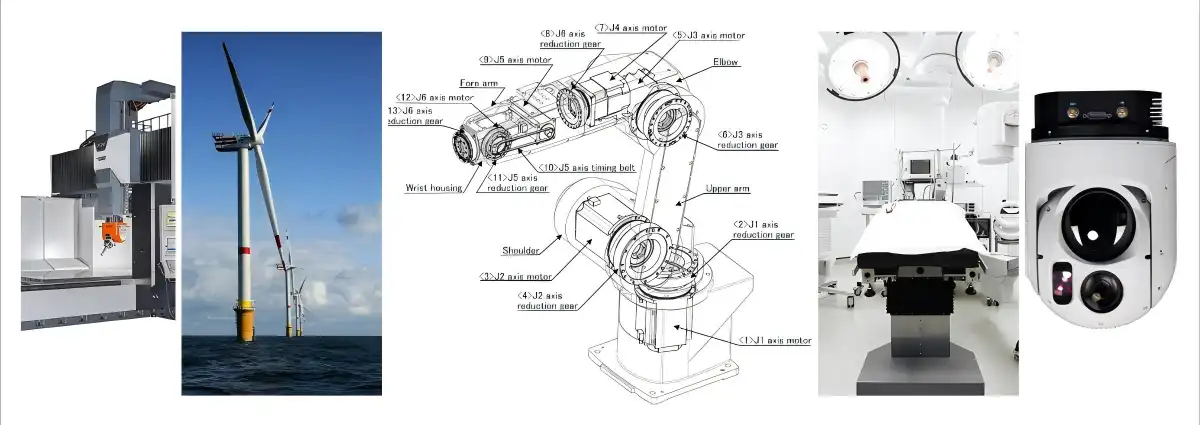
Conclusion
YRTM Rotary Table Bearings work well in high-speed situations because they have a combined design that combines several bearing functions into a small space. Precision production ensures the quality of the raceways and the uniformity of their sizes, which are needed for safe high-speed operation. The lower total cost of ownership is directly related to performance benefits like better thermal control, higher rigidity, and less need for upkeep.
Strategic buying is all about making sure that suppliers are qualified so that you can get real goods that come with quality standards and technical support. Using the right installation methods and upkeep schedules will extend the life of bearings and protect your machine investment. As industrial technology improves to make things faster, more accurate, and smarter, YRTM Rotary Table Bearings are still at the heart of making new things possible.
FAQ
1. What specifications should I prioritise when selecting bearings for high-speed rotary tables?
The safest operating limits are set by the maximum speed rating, and the load capacity specs (axial, radial, and moment) must be higher than the real application forces by the right amount. When you need to make precise cuts, choose grades P4 or better for running accuracy classes that affect placement accuracy. Make sure that the dimensions match the fitting requirements for your tools and that the lubricant will work in your working area.
2. How does maintenance differ from standard bearing types?
Because they are better sealed and made with more precision, YRTM Rotary Table Bearings usually need less upkeep. Compared to standard cross-roller designs, lubrication intervals are 40–60% longer. Instead of eye inspection, monitoring is based on changes in temperature and sound patterns, since precision raceways don't show much wear until they are very old. When positioning accuracy drops below the standards for the application, replacement is needed.
3. Where can I locate authorised suppliers in North America?
Get in touch with the manufacturers directly to find out which authorised sales routes serve your area. Reputable bearing makers keep their websites up to date with lists of distributors and can help you find one based on where you live and the needs of your application. Make sure the distributor is authorised by the maker before making an order to make sure the product is real and that the warranty covers it.
Partner with ATLYC for Reliable YRTM Rotary Table Bearing Supply
For your high-speed rotary table uses, you need bearing solutions that are precisely designed, consistently produced, and backed by years of experience. ATLYC offers YRTM Rotary Table Bearings that are up to strict international standards and come with the quick service that producers around the world need.
Our ISO 9001 and IATF 16949 standards show that our quality control systems have been improved over the past fifteen years of making bearings. With 120 trained workers in six specialised workshops, you can be sure that they can keep up with your growing needs. We've built our name by working with original equipment makers (OEMs) in six countries to make cars and industrial equipment and to distribute bearings.
ATLYC offers technical support and reasonable prices that strategic relationships require, whether you need standard settings sent out quickly or custom solutions made for unique uses. Get in touch with our team at auto@lyautobearing.com to talk to skilled application engineers about your unique needs. Find out why sourcing professionals choose ATLYC as their RTM Rotary Table Bearing maker for reliable long-term supply and great value for money.
References
1. Harris, T.A. & Kotzalas, M.N. (2006). Advanced Concepts of Bearing Technology: Rolling Bearing Analysis, Fifth Edition. CRC Press.
2. Eschmann, P., Hasbargen, L. & Weigand, K. (1985). Ball and Roller Bearings: Theory, Design and Application. John Wiley & Sons.
3. Hamrock, B.J. & Anderson, W.J. (1983). Rolling-Element Bearings. NASA Reference Publication.
4. Weck, M. & Brecher, C. (2006). Machine Tools Production Systems 2: Design and Calculation. Springer-Verlag Berlin Heidelberg.
5. Tong, V.C. & Hong, S.W. (2016). "Characteristics of tapered roller bearing subjected to combined radial and moment loads." International Journal of Precision Engineering and Manufacturing, 17(9), 1129-1136.
6. Schwenzer, M. & Auerbach, T. (2021). "High-precision rotary table bearings for machine tool applications: Design considerations and performance evaluation." Precision Engineering Journal, 68, 245-258.
Learn about our latest products and discounts through SMS or email