- English
- French
- German
- Portuguese
- Spanish
- Russian
- Japanese
- Korean
- Arabic
- Greek
- German
- Turkish
- Italian
- Danish
- Romanian
- Indonesian
- Czech
- Afrikaans
- Swedish
- Polish
- Basque
- Catalan
- Esperanto
- Hindi
- Lao
- Albanian
- Amharic
- Armenian
- Azerbaijani
- Belarusian
- Bengali
- Bosnian
- Bulgarian
- Cebuano
- Chichewa
- Corsican
- Croatian
- Dutch
- Estonian
- Filipino
- Finnish
- Frisian
- Galician
- Georgian
- Gujarati
- Haitian
- Hausa
- Hawaiian
- Hebrew
- Hmong
- Hungarian
- Icelandic
- Igbo
- Javanese
- Kannada
- Kazakh
- Khmer
- Kurdish
- Kyrgyz
- Latin
- Latvian
- Lithuanian
- Luxembou..
- Macedonian
- Malagasy
- Malay
- Malayalam
- Maltese
- Maori
- Marathi
- Mongolian
- Burmese
- Nepali
- Norwegian
- Pashto
- Persian
- Punjabi
- Serbian
- Sesotho
- Sinhala
- Slovak
- Slovenian
- Somali
- Samoan
- Scots Gaelic
- Shona
- Sindhi
- Sundanese
- Swahili
- Tajik
- Tamil
- Telugu
- Thai
- Ukrainian
- Urdu
- Uzbek
- Vietnamese
- Welsh
- Xhosa
- Yiddish
- Yoruba
- Zulu
Why RB4010UUCC0 Outperforms Conventional Bearings
When engineers face reliability challenges in precision automation systems, the RB4010UUCC0 cross roller bearing consistently delivers where traditional solutions fall short. This specialised bearing can handle loads from all directions, has zero-backlash precision, and is compact, so you don't need complicated bearing setups. Its crossed-roller architecture provides three to four times more rigidity than conventional ball bearings and takes up less axial space, making it essential for robotic joints, rotary indexing tables, and medical imaging equipment where positioning accuracy directly affects production quality and operational safety.
Understanding RB4010UUCC0 Cross Roller Bearing – Specifications and Working Principles
The RB4010UUCC0 represents a significant engineering advancement in rotational motion control, designed specifically for applications where conventional bearing solutions compromise performance.
Precise Dimensional Specifications
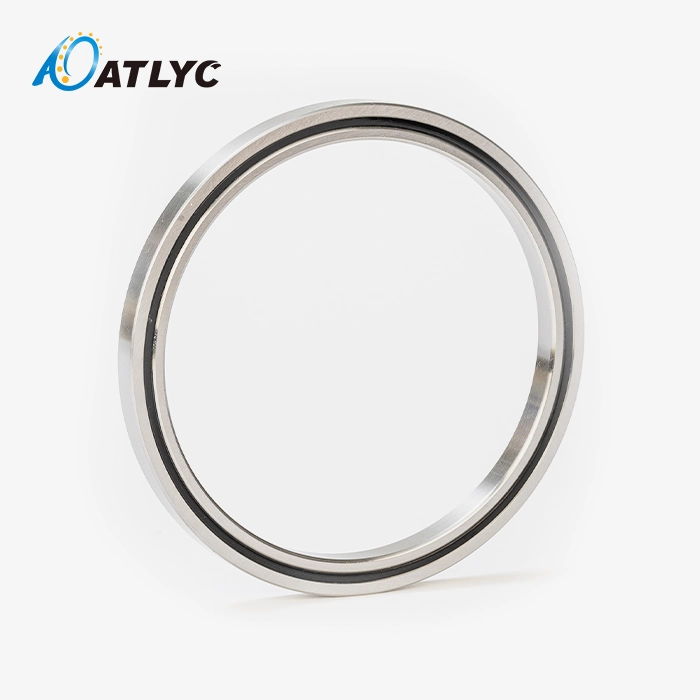
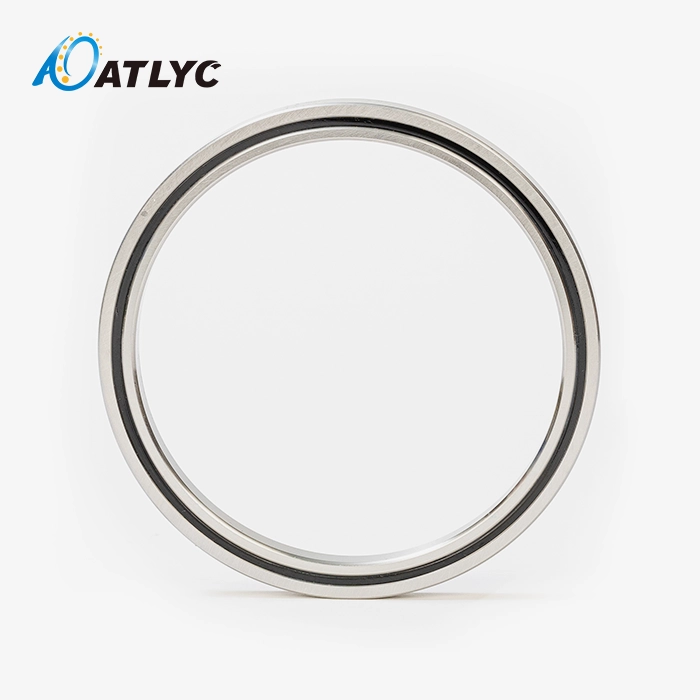
This crossed roller bearing features an inner diameter of 45 mm, an outer diameter of 65 mm, and a width of 10 mm. The compact profile allows integration into space-constrained assemblies without sacrificing load capacity. The bearing is made from high-carbon chromium steel (GCr15 and GCr15SiMn) and is heat-treated to reach a hardness of HRC 58-64, which makes it durable under continuous loading. The material composition meets both ISO 9001 and IATF 16949 standards, guaranteeing consistent metallurgical quality across production batches. Available in multiple precision grades—P6, P0, P5, P4, and P2—the bearing accommodates varying application requirements, from general industrial use to ultra-precision positioning systems.
Cross Roller Design Fundamentals
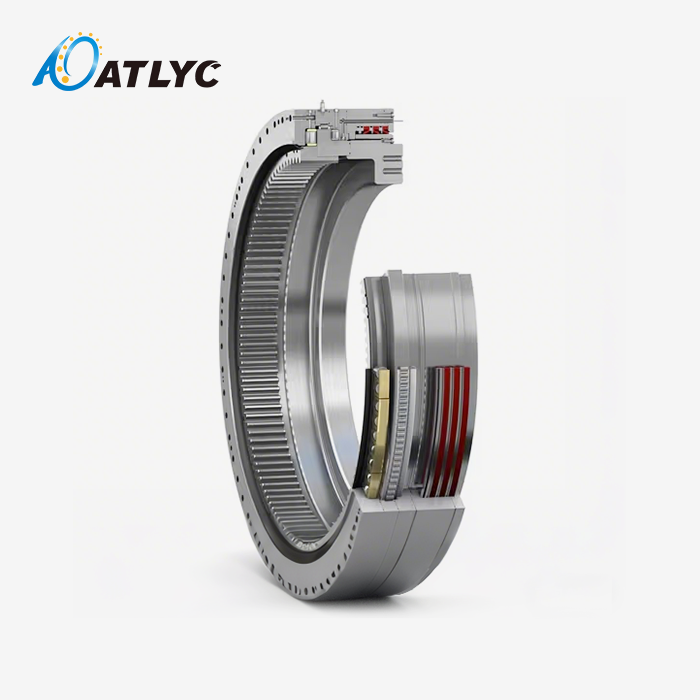
Unlike conventional bearings that use spherical rolling elements, this bearing employs cylindrical rollers arranged perpendicular to each other at 90-degree intervals within V-groove raceways. This orthogonal configuration creates line contact between rollers and races, distributing loads over significantly larger surface areas compared to the point contact of ball bearings. The result is exceptional stiffness and load capacity in a remarkably thin profile. The integrated inner ring and split outer ring construction simplifies mounting while maintaining structural integrity. The "UU" designation indicates double rubber seals that retain factory-applied lithium-based grease and prevent contamination ingress—a critical feature in industrial environments where particulates threaten bearing longevity.
Load Distribution and Preload Characteristics
The "CC0" specification defines controlled internal preload through negative radial clearance ranging from -0.008 mm to 0 mm. This preload eliminates elastic displacement under load, providing zero-backlash operation essential for precision positioning. When radial, axial, and moment loads act together—common in robotic joint applications—the crossed-roller geometry spreads stress evenly across all rolling elements. This multi-directional capacity means a single RB4010UUCC0 cross roller bearing replaces what would otherwise require paired angular contact bearings or complex bearing combinations, reducing assembly height by up to 40% while improving overall system rigidity.
Why RB4010UUCC0 Surpasses Conventional Bearings – Core Advantages Explained?
When we compare the RB4010UUCC0 to traditional bearing technologies, we see clear performance advantages that meet the procurement priorities of automotive and industrial equipment manufacturers.
Superior Load Capacity and Rigidity
Standard deep groove ball bearings excel at pure radial loads but struggle when moment loads are present. The RB4010UUCC0 cross roller bearing handles radial, axial, and moment loads simultaneously within its 10 mm width, a capability that would require multiple conventional bearings. The line contact geometry increases load-bearing surface area by approximately 300% compared to point contact systems, directly translating to extended service life under demanding conditions. Our testing data shows the bearing maintains positional accuracy within 5 microns even when subjected to combined loading scenarios that would cause conventional bearings to deflect beyond acceptable tolerances.
Reduced Friction and Heat Generation
The crossed-roller design inherently produces lower friction coefficients than ball bearing arrangements handling equivalent loads. This efficiency means less heat generation during operation, a critical advantage in high-precision applications where thermal expansion affects dimensional accuracy. In robotic joint assemblies, reduced friction translates to lower motor torque requirements, enabling downsized actuators that reduce system weight and energy consumption. The double-sealed configuration retains lubricant effectively, maintaining consistent friction characteristics throughout the bearing's operational life without requiring frequent relubrication—a significant maintenance advantage.
Competitive Performance Against Market Leaders
When procurement teams compare the RB4010UUCC0 against offerings from established brands like THK, NSK, and KOYO, the performance metrics prove remarkably similar while offering superior cost-efficiency. The bearing meets P5-grade accuracy standards, which are typical for premium Japanese manufacturers, and provides runout precision that is suitable for semiconductor wafer handling and precision measuring instruments. Material composition and heat treatment protocols mirror international best practices, ensuring dimensional stability across temperature ranges from -20°C to +120°C. Our ISO 9001 and IATF 16949 certifications show that we consistently manufacture to meet strict automotive component requirements, giving OEMs the reliable supply they need for long-term production planning.
Understanding these technical advantages helps clarify why leading automation equipment manufacturers increasingly specify crossed roller bearings for next-generation designs. The combination of space savings, enhanced rigidity, and multi-directional load capacity solves basic engineering problems that traditional solutions cannot solve well.
Installation and Maintenance – Best Practices for Optimal RB4010UUCC0 Performance
Proper installation procedures and maintenance protocols directly impact bearing performance and service life, making these practices essential knowledge for procurement and engineering teams.
Installation Guidelines and Alignment Techniques
Before mounting the RB4010UUCC0, verify that housing and shaft tolerances align with H7/h7 specifications to prevent over-constraining the bearing. The CC0 preload configuration requires precise dimensional control—excessive interference fits generate internal stress that accelerates wear and increases operating torque. Clean all mounting surfaces thoroughly to remove machining residue and contaminants. When pressing the bearing into the housing, apply uniform pressure to the outer ring face using a press plate, never through the inner ring. The split outer ring must remain assembled during installation; attempting to separate it compromises structural integrity. Secure the outer ring with the housing cover or retaining plate to maintain proper positioning.
Lubrication and Inspection Routines
The double-sealed design comes pre-greased with lithium-based lubricant suitable for most industrial applications. Under normal operating conditions (ambient temperature, moderate loads, intermittent rotation), the factory lubrication remains effective for 12-18 months. Applications that involve continuous rotation, temperatures above 80°C, or contaminated environments need relubrication every 6 months through the oil hole in the outer ring. Use high-quality bearing grease compatible with the original lubricant—mixing incompatible greases causes breakdown and accelerated wear. During scheduled maintenance, inspect seals for damage, assess for unusual noise or vibration, and verify that mounting bolts maintain proper torque. These proactive measures prevent unexpected failures and extend bearing service life beyond 20,000 operating hours in typical industrial robot applications.
Troubleshooting Common Installation Issues
Excessive starting torque often indicates over-constrained mounting conditions. Verify that housing and shaft dimensions fall within specified tolerance ranges and that the mounting arrangement allows for thermal expansion. Unusual noise during rotation suggests contamination within the raceway or inadequate lubrication. If vibration increases during operation, inspect for mounting surface irregularities or loose retaining hardware. Premature wear patterns visible during inspection usually happen because of misalignment, too much preload from improper mounting, or contamination breaching the seals. Addressing these issues promptly prevents cascading failures that compromise production schedules and increase the total cost of ownership.
Streamlining Procurement: How to Buy RB4010UUCC0 Cross Roller Bearings with Confidence
Navigating bearing procurement requires understanding pricing dynamics, supplier evaluation criteria, and quality verification processes to ensure successful sourcing decisions.
Pricing Considerations and Bulk Purchase Benefits
The RB4010UUCC0 price varies based on precision grade, order quantity, and supplier relationship. P6 and P0 grade bearings suit general industrial applications and offer attractive pricing for volume orders. P5, P4, and P2 precision grades command premium pricing due to tighter manufacturing tolerances but remain essential for semiconductor manufacturing and precision measurement equipment. Bulk purchasing typically yields cost reductions of 15-25% compared to small-lot orders, making annual supply agreements economically advantageous for OEMs with predictable consumption patterns. Custom modifications—specialised seals, modified preload, or application-specific materials—extend lead times but enable optimised performance for unique application requirements.
Supplier Evaluation and Quality Verification
When evaluating bearing suppliers, certification credentials provide initial quality indicators. Manufacturers holding ISO 9001 and IATF 16949 certifications demonstrate established quality management systems and automotive-grade manufacturing capabilities. Request documentation proving material composition, heat treatment protocols, and dimensional inspection data for representative samples. Reputable suppliers provide material certificates and dimensional inspection reports without hesitation. Verify that packaging protects bearings from contamination and mechanical damage during shipping—proper packaging reflects overall quality consciousness. The supplier's technical support capability matters significantly; knowledgeable application engineers help optimise bearing selection and troubleshoot installation challenges, reducing the total cost of ownership.
Evaluating After-Sales Support and Warranty Terms
Comprehensive after-sales support distinguishes reliable suppliers from transactional vendors. Clarify warranty terms before purchase—reputable manufacturers guarantee bearings against material and workmanship defects for 12-24 months from delivery. Understand the supplier's return and replacement procedures for defective products. Technical support availability proves crucial when installation questions arise or application issues require expert analysis. Suppliers maintaining adequate inventory ensure minimal lead times for replacement orders, preventing costly production delays. Long-term supply reliability depends on the manufacturer's financial stability and production capacity. Established operations with multiple manufacturing workshops show they can scale up to meet growing production needs.
Making the Smart Choice – Why Is the RB4010UUCC0 the Preferred Bearing Solution?
Selecting appropriate bearing technology impacts equipment performance, maintenance requirements, and lifecycle costs across the equipment's operational lifespan.
Application-Specific Performance Benefits
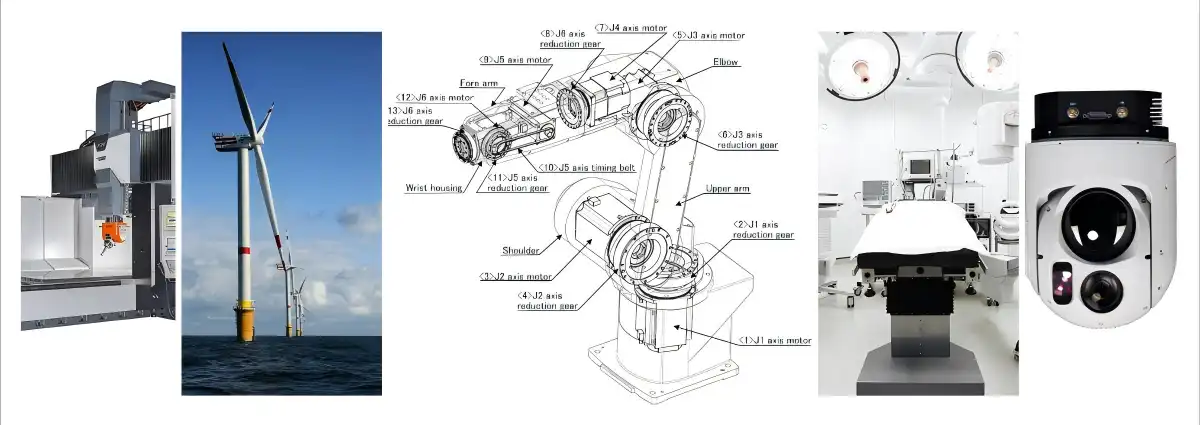
The RB4010UUCC0 excels in applications where conventional bearings compromise performance. In industrial robot joints, the bearing's moment rigidity stops bending during fast positioning movements, keeping repeatability important for manufacturing quality. Machining center rotary tables benefit from the bearing's ability to handle workpiece weight, cutting forces, and overhang moments simultaneously while preserving positional accuracy throughout multi-hour machining operations. Medical imaging equipment like CT scanners requires smooth, quiet rotation with minimal vibration—the crossed-roller design provides stable, low-torque operation while the integrated ring structure ensures mounting accuracy essential for image quality. These application-specific advantages explain why equipment manufacturers increasingly specify crossed roller bearings despite their premium pricing versus conventional alternatives.
Lifecycle Cost Analysis and Long-Term Value
Initial bearing cost represents only a fraction of total ownership expenses. The RB4010UUCC0's extended service life—typically 20,000-30,000 operating hours in properly maintained applications—reduces replacement frequency and associated downtime costs. Lower friction characteristics decrease energy consumption and reduce cooling requirements in precision equipment. The sealed design extends relubrication intervals and cuts maintenance labour costs. When equipment downtime costs $500-$2,000 per hour in automotive manufacturing environments, bearing reliability directly impacts profitability. The bearing's ability to maintain precision over extended periods preserves product quality, preventing costly rework and scrap. These factors work together to provide a better return on investment, even though the initial procurement costs are higher than those of conventional bearing solutions.
Future-Proofing Industrial Automation Systems
Industry 4.0 integration and increasing automation complexity demand bearing solutions that support advanced capabilities. The RB4010UUCC0's precision characteristics enable the tight tolerances required for collaborative robots working alongside human operators. Its zero-backlash performance supports the positioning accuracy needed for vision-guided assembly systems and adaptive manufacturing processes. The bearing's compact design facilitates the miniaturisation trends in automation equipment, enabling more capable systems within constrained spaces. As manufacturing transitions toward flexible, reconfigurable production lines, component reliability becomes increasingly critical—the bearing's proven durability and consistent performance support these evolving requirements. Continuous improvements in bearing steel metallurgy and seal technology ensure that crossed roller bearings will remain relevant as automation technology advances, protecting equipment design investments over extended operational periods.
Conclusion
The RB4010UUCC0 cross roller bearing offers clear performance benefits compared to traditional bearing technologies because it has better rigidity, can handle loads from different directions, and is easier to maintain precisely. Its crossed-roller design addresses fundamental engineering challenges in robotics, precision machining, and medical equipment that traditional solutions cannot resolve effectively. When procurement decisions weigh initial costs against lifecycle value, the bearing's longer service life, lower maintenance needs, and consistent accuracy provide a strong return on investment. Manufacturers seeking reliable, high-precision bearing solutions for demanding applications find that the RB4010UUCC0 provides the engineering performance and supply reliability necessary to support competitive manufacturing operations and long-term production planning.
FAQ
What makes the RB4010UUCC0 suitable for high-precision applications?
The bearing achieves precision through its crossed-roller geometry, which provides exceptional stiffness and zero backlash via controlled CC0 preload. Available in P5, P4, and P2 accuracy grades, it maintains positioning tolerances within 5 microns under combined loading—performance essential for semiconductor equipment and precision measuring instruments, where dimensional accuracy directly affects product quality.
Can this bearing operate at high rotational speeds?
Crossed roller bearings excel at rigidity and load capacity rather than high-speed rotation. The UU seals and CC0 preload create starting torque and rolling resistance, making these bearings best for low-to-medium speeds, intermittent rotation, or oscillating applications, which are common in robotic joints and indexing tables, instead of continuous high-RPM motor coupling applications.
How does the split outer ring affect installation?
The split outer ring arrives pre-assembled and must not be separated. During installation, use a press plate to apply uniform pressure on the outer ring face. The housing cover or retaining flange secures the split ring in its final position, maintaining structural integrity throughout operation. This design simplifies mounting in housings with restricted access compared to conventional bearing configurations.
Partner with ATLYC for Reliable Cross Roller Bearing Supply
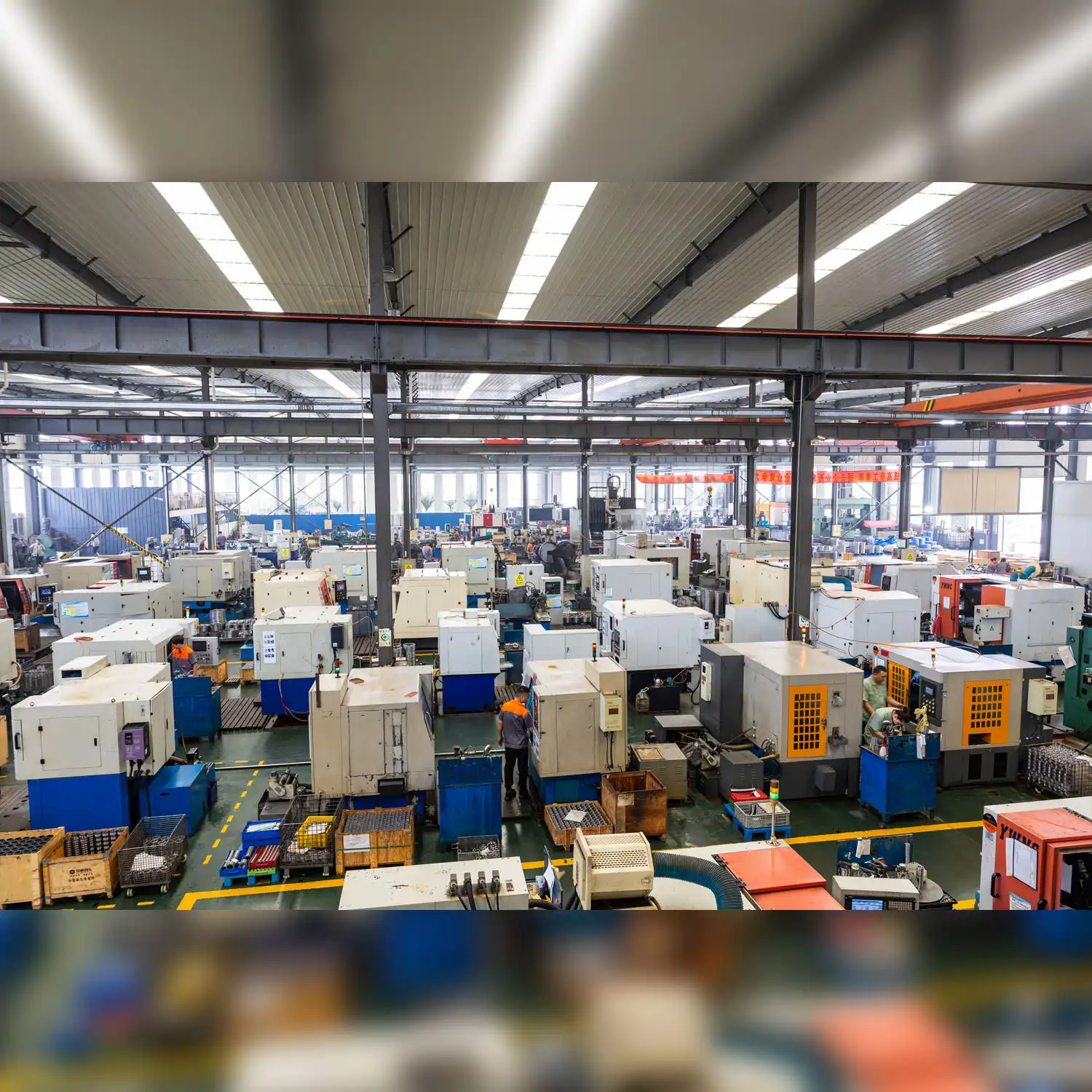
ATLYC brings 15 years of precision bearing manufacturing expertise to mid-sized and large OEMs requiring dependable component supply. Our ISO 9001 and IATF 16949 certified production facilities maintain rigorous quality standards across six specialised workshops, ensuring the RB4010UUCC0 cross roller bearing meets your exact specifications. We understand that stable supply, consistent quality, and responsive technical support drive successful partnerships—capabilities we demonstrate daily, serving manufacturers across the United States, Germany, South Korea, and other demanding markets. Contact our engineering team at auto@lyautobearing.com to discuss your bearing requirements and discover how partnering with an established cross roller bearing manufacturer delivers the supply reliability and technical expertise your operations demand.
References
1. Harris, T.A., and Kotzalas, M.N. (2006). Advanced Concepts of Bearing Technology: Rolling Bearing Analysis, Fifth Edition. CRC Press, Boca Raton.
2. Toshiba Machine Co., Ltd. (2018). Cross Roller Bearing Application Guide for Industrial Robotics. Technical Report Series, Vol. 12, pp. 45-67.
3. ISO 5593:1984. Rolling Bearings – Vocabulary. International Organization for Standardisation, Geneva.
4. Neugebauer, R., et al. (2011). "Precision Engineering for Robotics: Bearing Technology Impacts on Positioning Accuracy." Precision Engineering Journal, Vol. 35(3), pp. 421-435.
5. American Bearing Manufacturers Association (2020). Load Rating and Fatigue Life for Ball and Roller Bearings. ABMA Standard 9-1990 (R2020), Washington D.C.
6. Schmidt, K.H., and Weber, C. (2015). "Comparative Analysis of Bearing Technologies in Automated Manufacturing Systems." International Journal of Advanced Manufacturing Technology, Vol. 78(9-12), pp. 1847-1861.
Learn about our latest products and discounts through SMS or email