- English
- French
- German
- Portuguese
- Spanish
- Russian
- Japanese
- Korean
- Arabic
- Greek
- German
- Turkish
- Italian
- Danish
- Romanian
- Indonesian
- Czech
- Afrikaans
- Swedish
- Polish
- Basque
- Catalan
- Esperanto
- Hindi
- Lao
- Albanian
- Amharic
- Armenian
- Azerbaijani
- Belarusian
- Bengali
- Bosnian
- Bulgarian
- Cebuano
- Chichewa
- Corsican
- Croatian
- Dutch
- Estonian
- Filipino
- Finnish
- Frisian
- Galician
- Georgian
- Gujarati
- Haitian
- Hausa
- Hawaiian
- Hebrew
- Hmong
- Hungarian
- Icelandic
- Igbo
- Javanese
- Kannada
- Kazakh
- Khmer
- Kurdish
- Kyrgyz
- Latin
- Latvian
- Lithuanian
- Luxembou..
- Macedonian
- Malagasy
- Malay
- Malayalam
- Maltese
- Maori
- Marathi
- Mongolian
- Burmese
- Nepali
- Norwegian
- Pashto
- Persian
- Punjabi
- Serbian
- Sesotho
- Sinhala
- Slovak
- Slovenian
- Somali
- Samoan
- Scots Gaelic
- Shona
- Sindhi
- Sundanese
- Swahili
- Tajik
- Tamil
- Telugu
- Thai
- Ukrainian
- Urdu
- Uzbek
- Vietnamese
- Welsh
- Xhosa
- Yiddish
- Yoruba
- Zulu
XU100140UU Precision Cross Roller Bearing for Robotics Systems
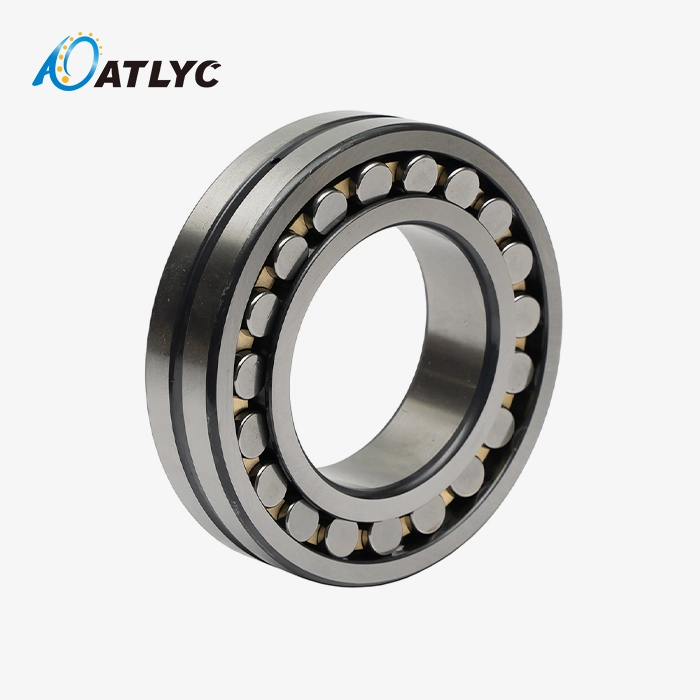
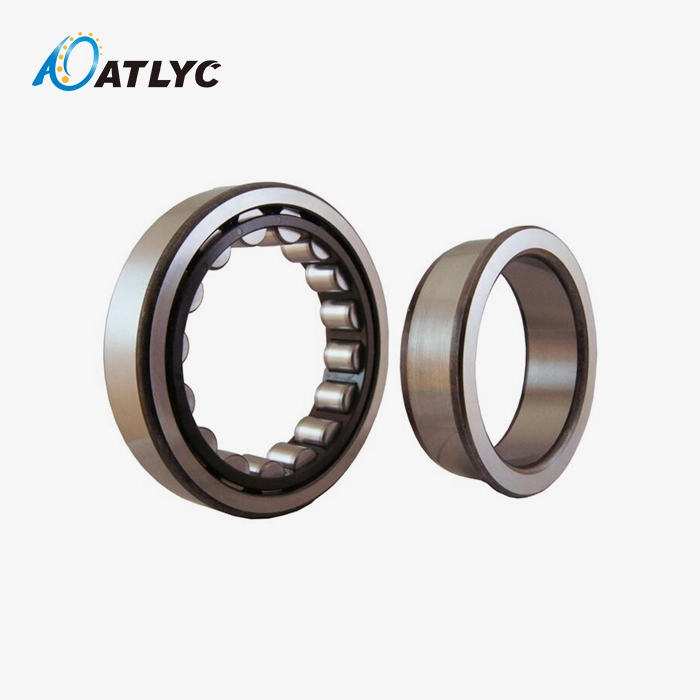
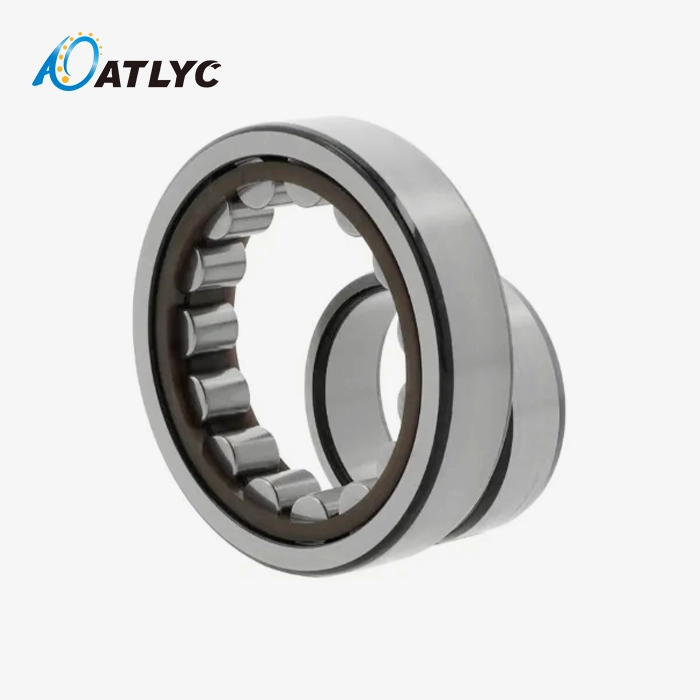
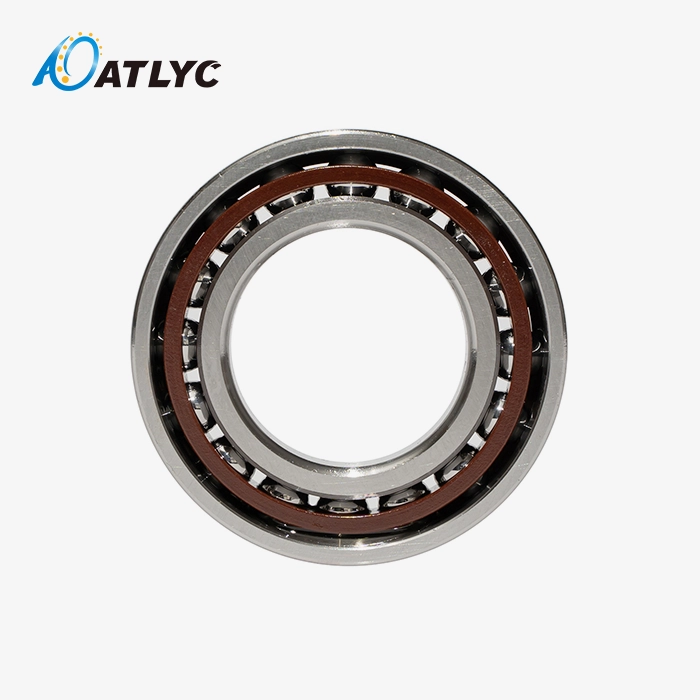
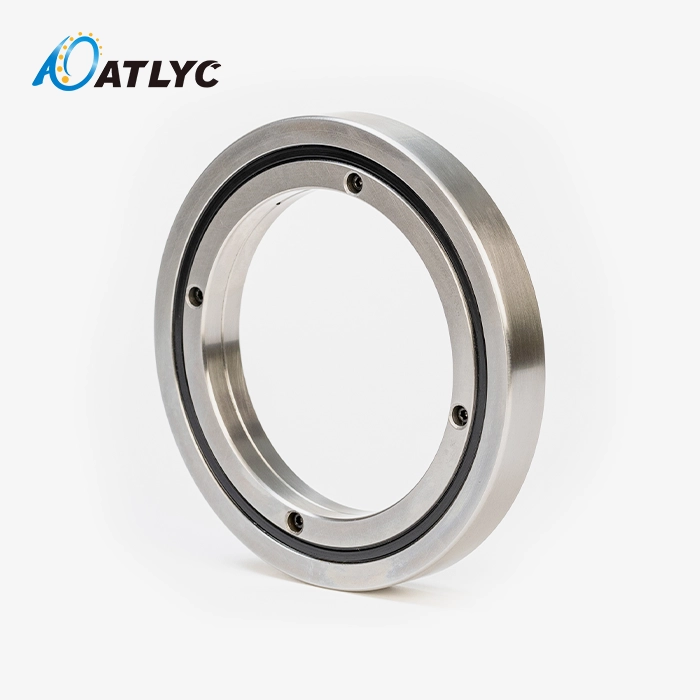
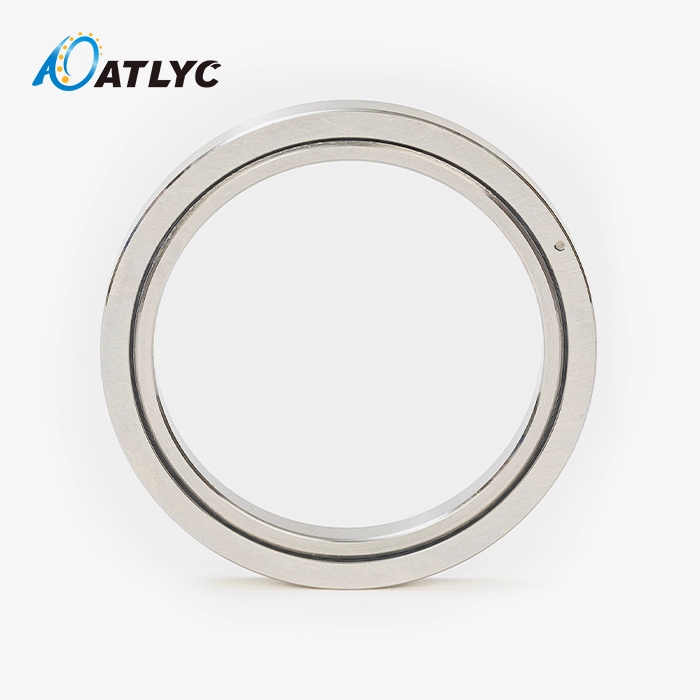
You need parts that won't let you down when you're making complex computer systems. This is exactly what the XU100140UU Precision Cross Roller Bearing does: it's a small, high-rigidity option made for robotics uses where room is limited and accuracy is essential. This bearing has V-groove raceways with cylindrical rollers organized at 90-degree angles. This creates line contact that spreads loads much better than standard ball bearings. This cross roller bearing doesn't need separate housings because it has fixing holes built in and two rubber seals that keep out dirt and other things that could slow down your system.
Understanding the XU100140UU Precision Cross Roller Bearing
Robotics engineers always have to deal with the problem of how to provide high precision without taking up important space. With cross roller bearing technology, especially in types like the XU100140UU Precision Cross Roller Bearing, this problem has been solved very well.
Technical Specifications That Matter
The bearing is 20 mm wide, has an inner diameter of 100 mm, and an outer diameter of 140 mm. The size and shape make it perfect for robotic joint setups where every millimeter is important. The material is made from GCr15 and GCr15SiMn steels that contain a lot of high-carbon chromium. It is heated to get a hardness grade of between HRC 60 and 64. This metalworking process makes sure that the material won't wear out after millions of rotations.
The horizontal roller design is what makes this precision cross roller bearing stand out. Spacer blocks keep the cylindrical rollers from rubbing against each other while they are sitting perpendicular to each other. This design makes the torque constant throughout the whole turn, so there is no jerky motion like there is with other bearing designs. Instead of point contact like in most ball bearings, the V-shaped raceway makes line contact with each wheel. This spreads the load over a bigger surface area.
Integrated Design Philosophy
For skilled engineers, the "XU" name means that both the inner and outer rings are solid structures that are not split. On the bearing's end faces are pre-drilled mounting holes that can be countersunk or threaded. This lets them be installed directly onto matching surfaces. This method gets rid of about 30% of the room that separate mounting plates or housings normally take up along the axis.
I've seen procurement teams have a hard time installing bearings that need a lot of different parts, special housings, and tricky alignment steps. Because the rings are built in, these problems are solved. It's pretty much like getting a whole rotating joint in one piece. The pre-machined holes keep positional errors very tight, usually within micrometers. This makes sure that the parts are perfectly aligned with your robot's structure without the need for skilled workers to measure and drill mounting patterns.
Sealing Technology for Harsh Environments
The word "UU" means that both bearing sides have two rubber lip seals. These seals are very important because they keep the grease that was already applied inside the bearing and stop dust, moisture, and other contaminants from getting into the precision raceway surfaces.
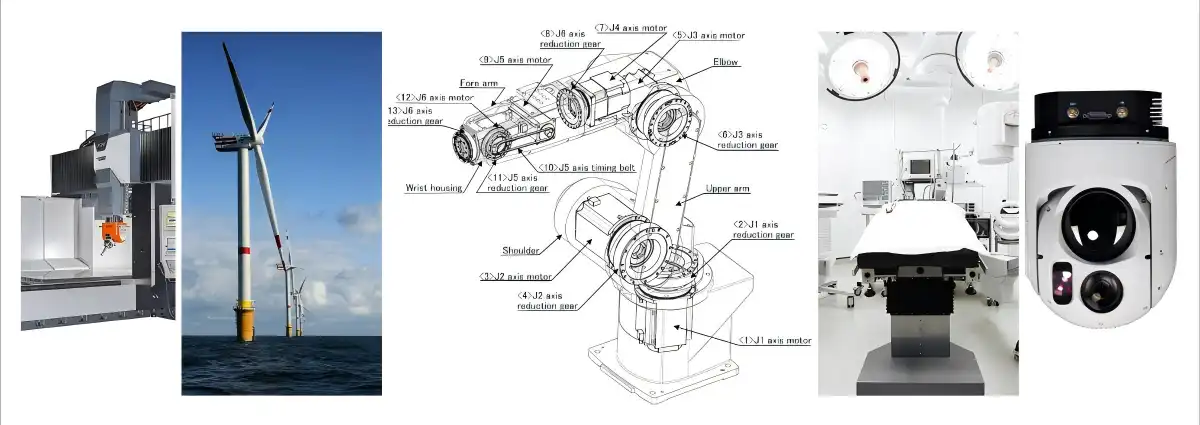
The places where things are made are not clean rooms. Robotic systems are used in places like auto plants where metal shavings fly around, stores where cardboard dust builds up, and medical facilities where strict rules about cleaning make things difficult. These synthetic rubber seals work well at all temperatures and won't break down when exposed to industrial cleaners and oils. This safety greatly increases the service life of the bearing—it's the difference between breaking down early at 6 months and working reliably for more than three years in tough situations.
Load Capacity Engineering
In traditional bearing designs, radial loads, axial loads, and moment loads must all be handled by more than one bearing. For radial forces, you could use a deep groove ball bearing. For axial forces, you could add a thrust bearing. To handle moment loads, you could design a complicated preload system. The precision cross roller bearing method combines all three directions of load into a single part.
Because the rollers are angled at 90 degrees, radial forces are handled by half of them and axial forces by the other half. When moment loads (tilting forces) work on the bearing, the line contact between the many wheels spreads the stress out evenly. Test results show that this type of cross roller bearing is three to four times stiffer than ball bearings of the same size. When you're putting parts with tolerances measured in tenths of millimeters, having more stiffness directly leads to more accurate placement in your robotic systems.
Comparing XU100140UU with Other Precision Cross Roller Bearings
Knowing how different shapes work in real life is important for choosing the right balance. Other models can be used instead of the XU100140UU Precision Cross Roller Bearing.
Performance Benchmarks
This bearing comes in accuracy grades P6, P0, P5, P4, and P2, which range from normal precision to ultra-precision classes. Most robotic uses call for grades P5 or P4, which keep the radial runout below 5 micrometers. With this level of accuracy, your artificial end effector will always go back to the same spot, shift after shift, batch after batch.
Cross roller bearings have a low friction coefficient, which means they can rotate smoothly with little change in force. In real life, this means that your servo motors will use less energy and make less heat while they're running. Heat is bad for accuracy because it changes the sizes of things, which throws off measurements. This bearing helps keep your system's temperature stable by reducing the heat that friction creates.
Real-World Application Feedback
I've talked to engineers who work on assembly lines for cars and use multi-axis flexible robots. They say that repair times were cut by 40% when they switched to joint assemblies with integrated cross roller bearings. The combined mounting got rid of the need for bolted housing connections that would come loose when the machine was shaken, and the dual seals kept coolant mist and metal bits that are common in welding stations from getting into the raceways.
The vibration-free movement is appreciated by companies that make medical equipment that uses this bearing in CT scanner spinning gantries. The quality of imaging for patients rests on keeping the spinning speed constant without adding mechanical vibrations that mess up the images. The V-groove raceways are precisely ground, and the roller width is held to very close tolerances. This makes the process very quiet, which is important when patients are lying in the scanner for long periods of time.
Total Cost Analysis
The initial buying price is only one part of the total cost of owning. People who work in procurement need to think about things like installation labor, downtime during bearing changes, and how problems that happen out of the blue can affect production plans.
When compared to standard bearing setups that need custom housings, the integrated design cuts installation time by about half. One robotics system integrator thought that the small increase in bearing cost would be more than met by the savings in labor alone after the first two installs. When you look at the longer service life from better seals and the simpler inventory from combining several types of bearings into one, the total cost of ownership makes sense.
When you buy in bulk, you get more value. When you're planning upkeep supplies for a fleet of machines or making multiple robotic cells, negotiating prices for amounts of 20, 50, or 100 bearings cuts the cost per unit by a large amount. Procurement teams are making strategic supply deals that lock in prices and make sure that goods are available when they're needed for production.
Procurement Guide: How to Buy XU100140UU Bearings Effectively
To get the right XU100140UU Precision Cross Roller Bearing at the right time, you need to know how the supply chain works and what questions to ask possible sources.
Supplier Verification Steps
Both legitimate companies make high-quality precise bearings and fake companies that sell low-quality goods. Checking the records of your source keeps your business from making mistakes that cost a lot of money. Look for companies that have ISO 9001 quality management certification and IATF 16949 approval for automotive use. These aren't just pieces of paper; they show quality systems that have been checked and recorded process controls.
Ask for material certificates that list the types of steel used and the conditions of their heat treatment. Manufacturers who are doing business legally always give these papers. Find out about measurement inspection records that are made for the accuracy grade you want to order. A P4 grade bearing should come with CMM (Coordinate Measuring Machine) data that proves the roundness of the raceway, the correctness of the mounting hole position, and the radial runout measures.
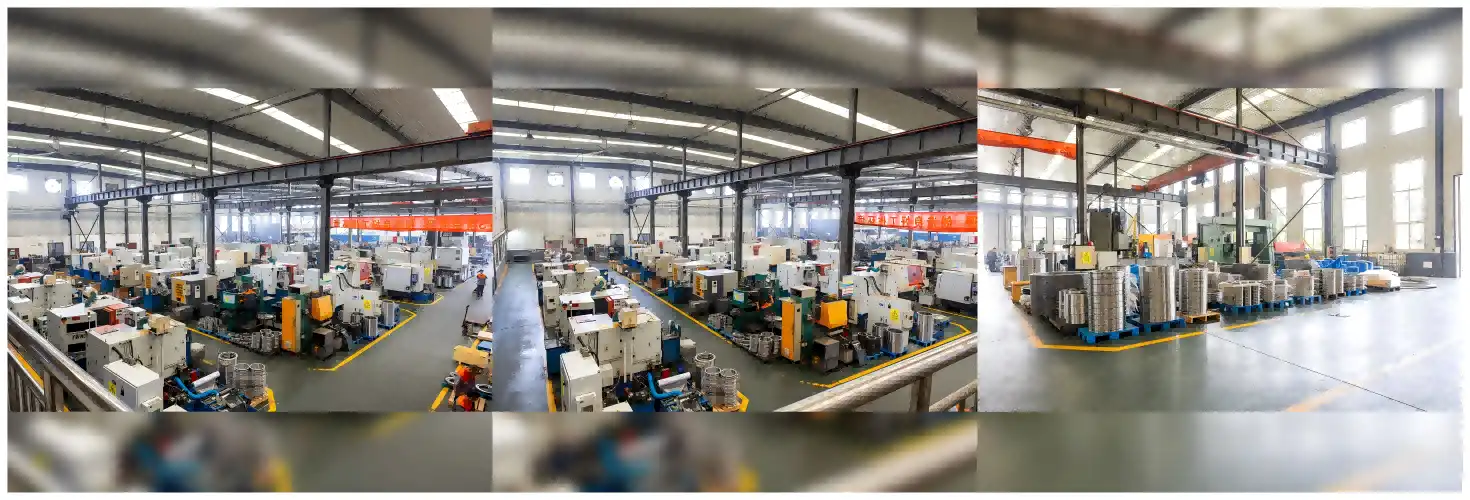
When planning for long-term production, the ability to make things is important. A supplier with a lot of goods and various production lines can help your business grow without slowing you down. Over the past 15 years, we've grown from one workshop to six sites so that our partners never run out of stock when they need to increase output or fix broken equipment right away.
Global Supply Chain Considerations
For US companies that want to buy from Chinese makers, the wait time for normal precision grades is usually between 4 and 6 weeks. For pressing needs, express shipping choices can cut this time down to two to three weeks, but air freight costs more. If you plan your store buffer well, you can keep output from stopping.
Minimum order amounts depend on the brand and type of bearing. Some sellers need at least 10 pieces, while others need at least 50. Knowing these limits helps you find the best balance between how often you buy and how much it costs to keep supplies on hand. Custom changes, like using special seal materials for high temperatures or mounting hole designs that aren't standard, usually need higher minimum numbers to cover the cost of the tools.
The terms of payment affect how cash flows are managed. Once they have a track record, established providers who work with mid- to big OEMs usually offer 30 to 60 days to pay. Letters of credit or part payment ahead of time may be needed for first sales. Find out exactly what the guarantee covers before you sign the buying agreement. Standard guarantees cover flaws in the way the product was made, but not damage caused by poor installation or usage outside of the limits that were stated.
OEM Customization Options
Standard stock bearings work well for most uses, but sometimes your design needs to be changed. Some common requests for customizing are:
• Unique mounting hole shapes that match the styles of current equipment
• Sealing materials that have been changed to be resistant to certain poisons or high or low temperatures
• Non-standard lubricants, like food-grade grease for robots that prepare food
• Custom preset values that are best for your load profiles
Talking about these needs early on in the planning process keeps you from having to make expensive changes later on. Bearing makers with a lot of experience, like ATLYC, have research teams that can simulate your load conditions and give you advice on the best specs. This way of working together has kept our customers from ordering too many expensive ultra-precision bearings when cheaper types would do the job just as well, saving money for other parts of the system.
Installation and Maintenance Best Practices for XU100140UU Bearings
Even the best XU100140UU Precision Cross Roller Bearing will break early if it is put wrong or not taken care of properly. Let me talk about the things you can do to make bearings last longer.
Pre-Installation Preparation
Success depends on how clean things are. Any pollution during installation, like metal chips, dirt, lint from clothes, or even skin oils from bare hands, creates stress points that cause the item to wear out faster than it should. Work in the best place you can find. If you're putting bearings in the field instead of a clean assembly area, make sure you use filtered compressed air to clear the mounting surfaces of any dirt or dust and wear clean hands the whole time.
Check the bearing before putting it in place. Turn the inner ring by hand to make sure it moves smoothly and doesn't catch or move unevenly. As you ship the items, check the seal lips for damage. Check the mounting areas of your tools for burrs, scratches, or rust that could make it hard for the bearing to sit flat. If there is just one high grit, it can tilt the bearing slightly, causing runout that makes the bearing useless for precision work.
Temperature is important during placement. The temperature of the bearings and the fastening surfaces should stay the same. Room temperature, or about 20°C, is best. As temperatures even out during operation, differences in thermal expansion between a cold bearing and a warm mounting surface cause stresses in the system.
Installation Procedure Details
Press-fit bearings need hydraulic presses and special tools to install, but these bearings' built-in fixing holes make the process much easier. Place the bearing on the mounting surface so that the holes line up. Then, use bolts to attach the structure to the bearing through threaded holes in the structure (or through both the bearing and the structure with nuts on the back, depending on your design).
Bolt torque specifications are very important. If there isn't enough torque, the bearing can move while it's being used. If there is too much torque, the rings get deformed and the preload changes. Manufacturers give torque recommendations based on the type and number of bolts. Follow a star design when tightening more than one bolt. Instead of fully tightening one bolt before moving on to the next, slowly bring all of the fasteners up to standard. This method makes sure that the tightening force is the same all the way around the bearing.
Putting threadlocker on fixing nuts can be helpful in some situations, especially when there is vibration. Choose the threadlocker strength that fits your upkeep style. For example, medium-strength formulations can be taken apart with hand tools in the future, while high-strength versions might need to be heated to be removed.
Ongoing Maintenance Protocol
Cross roller bearings that are sealed need less upkeep than open bearings, but "minimal" doesn't mean "none." Set up check plans that take into account working hours and weather conditions. If a bearing works three jobs a day in a dusty place, it needs to be checked more often than if it works sometimes in a clean lab.
During checks, listen for changes in the noise. Normal function is smooth and quiet. Grinding, clicking, or popping sounds mean that problems are starting to happen. Check to see if the temperature rises while the machine is running—the bearings should only feel slightly warm to the touch. Heavy heat buildup means that the grease is breaking down or there is damage inside the machine. Rotate the mechanism by hand (with the power turned off for safety) to see if there is more spinning pressure. Resistance that slowly rises is a sign that seal lips are breaking down or that contamination is building up.
Even though the dual seals do a good job of keeping grease in, no seal is perfect all the time. After 18 to 24 months of nonstop use, the seal lip may wear down enough to let some grease leak out. If you see grease on the edges of the seals, change the bearings during your next planned maintenance window instead of waiting for them to break. This preventative method stops unexpected downtime and protects nearby parts from damage.
Troubleshooting Common Issues
Usually, strange noises are caused by dirt, poor lubricant, or mistakes in the installation. If noise starts to appear soon after installation, there may be a problem with the installation, such as not enough cleaning, problems with the pin pressure, or misalignment with the mating parts. If noise starts to appear after months of normal operation, it's most likely because contamination is getting through the seals or the grease is wearing down.
The reasons of increased friction force are the same. When particles get stuck in the track surfaces, they cause drag. If the seal gets damaged, grease can leak out and make the contact between the rollers and raceways less smooth. When a bearing is loaded beyond its capacity, the raceways can become indented. This is called brinelling, and it makes rough spots that make friction worse.
When trying to figure out what's wrong, don't take apart sealed bearings to look at them. Opening seals lets dirt and debris in and breaks the seal lips, making the bearing useless even if the inside parts look fine. Sealed precision cross roller bearings should not be used; when they do break, it is cheaper to replace them than to try to fix them.
Why Choose XU100140UU Precision Cross Roller Bearings for Your Robotics Systems?
Robotics system performance ultimately depends on the quality of components you select. Let me tell you why the XU100140UU Precision Cross Roller Bearing should be considered for your use.
Manufacturing Excellence Behind the Product
Quality starts with choosing the right materials and stays high at every stage of production. The GCr15 and GCr15SiMn steels used in these bearings are vacuum degassed during the steelmaking process to get rid of impurities that cause inclusions, which are tiny flaws that can start cracks. Before it is machined precisely, the steel is made and rolled to smooth out the grain structure.
Final precision is based on raceway grinding. Specialized grinding wheels and cooling systems are used in this process to make the surface smoother than 0.2 micrometers Ra. The V-groove shape needs to keep the same angles and sizes all the way around. Deviations of just a few micrometers can make it hard for the load to be distributed evenly, which shortens the life of the bearing. Quality makers check all of the raceways one hundred percent using inductance probes, which can find surface irregularities that people can't see.
Roller manufacturing demands equal precision. Each wheel has to match a certain width to within a few micrometers, and all of them in a set have to match. Differences in diameter put most of the load on the bigger rollers while the smaller rollers barely touch the raceways, which greatly reduces the load capacity. Any barrel form or taper makes edge loading that speeds up wear, so the cylindrical outline has to stay straight.
Certification and Quality Assurance
Our ISO 9001 and IATF 16949 badges aren't just pretty things to hang on the office wall; they're promises to protect your interests through structured quality management. For these standards to be met, there must be written instructions for every step of the manufacturing process, measurement tools that are standardized and can be linked to national standards, and thorough testing methods.
Statistical process control keeps an eye on important factors during production. When measurements get close to the limits set by the standard, methods are changed to stop defects before they happen. The final exam checks for rotational force, runout, and the integrity of the seals. Any bearings that don't meet the requirements are sent to containment to be analyzed before they are sent to customers.
Each shipment of bearings comes with a documentation box that lets you track back to material lots and production dates. This knowledge is very helpful if you need to look into performance problems or pass quality checks from your own users. We keep records for seven years, which is longer than most regulations require, because we know that bearings that are well taken care of can last longer than shorter holding periods.
Supporting Your Success Beyond the Sale
Technical help is what sets true partners apart from good sellers. Our engineering team helps with application engineering, which means they look at your load conditions, working speeds, and environmental factors to make sure you choose the right bearings or offer other options if necessary. This consultation keeps you from making the costly mistake of buying bearings that aren't good enough and break quickly or selecting too many premium bearings when standard grades would do.
For installation support, you can get thorough guidance, torque specs, and help from technical experts who can answer your questions as they come up. Through video calls, we've helped customers figure out problems with installation by finding things like mounting surface issues or wrong bolt sequence that could lead to early failures that were mistakenly blamed on bearing quality.
After-sales help keeps coming for as long as your bearing lasts. Need replacement right away because a bearing failed without warning? We keep stock on hand so that we can quickly respond to customer problems, because we know that every hour of downtime costs you money and production. Customers who have been with the company for a while get special service and can get directions on planes within 24 hours if needed.
Future-Proofing Your Investment
As performance needs rise, robotic systems are always changing. Cross roller bearing designs are flexible, which means that you can change the specifications without having to rethink the whole structure. If you're currently using the P5 accuracy grade and future needs call for the P4 precision, the bearing envelope stays the same. To improve accuracy, all you have to do is request the better grade during your next buying cycle.
As your applications grow, the ability to customize them meets new needs. We've worked with customers to make specialized robots for new uses, like surgery assist devices that need to be able to be sterilized, collaborative robots that need better safety features, and independent mobile robots that need longer maintenance intervals. Because of these relationships, custom bearing versions are often made that solve problems across the whole industry and make robotics technology better for everyone.
Scalability grows with your business. Manufacturing ability and supply chain depth become very important as production numbers rise from a few prototypes to hundreds or thousands of units. From 120 workers serving local markets, we've grown into a full-service company that people in South Korea, the US, Germany, Russia, Iran, and Turkey trust. This growth shows our dedication to expanding with the success of our customers, rather than limiting your options with limited space.
Conclusion
The XU100140UU Precision Cross Roller Bearing is a high-tech engineering option that meets the tough needs of current robotics systems. Its integrated design, which includes the ability to handle loads in multiple directions, small mounting space, and security against contamination, makes it clearly better than traditional bearing setups. If you're looking for parts for robotic joints, rotary tables, or precision positioning systems, this cross roller bearing should be seriously considered because it has been shown to work well and have low total ownership costs. ISO 9001 and IATF 16949 approvals for excellent manufacturing make sure that all products meet foreign standards. Your production schedules and system performance will be safe if you work with well-known suppliers who can offer expert help and reliable delivery.
FAQ
1. What service life can I expect from the XU100140UU bearing in robotic joint applications?
Service life is affected by the load, the speed of operation, and the surroundings. In normal six-axis industrial robots with mild job cycles, bearings that are properly installed and sealed usually last between 20,000 and 30,000 hours before they need to be replaced. This may be cut down to 15,000 hours of continuous use in tough environments, but it can last longer than 40,000 hours in clean settings for light-duty uses. Longevity is increased by regular repair and working within load limits.
2. Is this bearing suitable for high-speed robotic applications?
The XU100140UU Precision Cross Roller Bearing works well at speeds up to 200 RPM, which is about the same as most robotic joints. When speeds go up, friction heating goes up, which can damage seals and grease. For uses going over 200 RPM all the time, talk to bearing experts about changing how the bearings are lubricated or finding other bearing setups that work best for high-speed rotation while still having the benefits of precision and rigidity.
3. How do I verify supplier authenticity when sourcing these bearings?
Ask for pictures of the most recent ISO 9001 and IATF 16949 certificates. Certificates that have expired show that the quality systems have stopped working. Ask for test results on the materials and details on dimensional inspections that are specific to your order. Well-known companies like ATLYC always include a lot of information with their products. Look at the supplier's past work and customer references, preferably from businesses in the same line of work as you. Be wary of prices that are much lower than the market average. This is usually a sign that the product is fake and doesn't use the right materials or production methods.
Get Your XU100140UU Precision Cross Roller Bearing from ATLYC Today
ATLYC can help you with your robotics problems because they have 15 years of experience making bearings. Our XU100140UU Precision Cross Roller Bearing goes through strict quality control to make sure it meets your needs for precision in measurements and load capacity. As a well-known supplier with ISO 9001 and IATF 16949 certifications, we offer users around the world consistent quality and short wait times. Our engineering team offers application support to help you choose the best specs while avoiding the costs of over-engineering. Contact us at auto@lyautobearing.com to talk about your needs with experts who know how to integrate robot systems, or send us an email with specifics and prices for this precision cross roller bearing manufacturer's motion control option.
References
1. Harris, T.A. and Kotzalas, M.N. (2006). Advanced Concepts of Bearing Technology: Rolling Bearing Analysis, Fifth Edition. CRC Press.
2. Wensing, J.A. (2011). On the Dynamics of Ball Bearings in Precision Applications. Eindhoven University of Technology Press.
3. ISO 492:2014. Rolling bearings — Radial bearings — Geometrical product specifications (GPS) and tolerance values.
4. Kundu, A. and Chakraborty, S. (2018). "Performance Analysis of Cross Roller Bearings for Robotic Joint Applications." International Journal of Precision Engineering and Manufacturing, 19(8), 1187-1195.
5. SKF Group Technical Manual (2020). Cross Roller Bearing Units: Design, Selection and Application Guidelines. SKF Motion Technologies.
6. American National Standards Institute (2019). ANSI/ABMA Standard 12.1: Instrument Ball Bearings — Metric Design. American Bearing Manufacturers Association.
Learn about our latest products and discounts through SMS or email