- English
- French
- German
- Portuguese
- Spanish
- Russian
- Japanese
- Korean
- Arabic
- Greek
- German
- Turkish
- Italian
- Danish
- Romanian
- Indonesian
- Czech
- Afrikaans
- Swedish
- Polish
- Basque
- Catalan
- Esperanto
- Hindi
- Lao
- Albanian
- Amharic
- Armenian
- Azerbaijani
- Belarusian
- Bengali
- Bosnian
- Bulgarian
- Cebuano
- Chichewa
- Corsican
- Croatian
- Dutch
- Estonian
- Filipino
- Finnish
- Frisian
- Galician
- Georgian
- Gujarati
- Haitian
- Hausa
- Hawaiian
- Hebrew
- Hmong
- Hungarian
- Icelandic
- Igbo
- Javanese
- Kannada
- Kazakh
- Khmer
- Kurdish
- Kyrgyz
- Latin
- Latvian
- Lithuanian
- Luxembou..
- Macedonian
- Malagasy
- Malay
- Malayalam
- Maltese
- Maori
- Marathi
- Mongolian
- Burmese
- Nepali
- Norwegian
- Pashto
- Persian
- Punjabi
- Serbian
- Sesotho
- Sinhala
- Slovak
- Slovenian
- Somali
- Samoan
- Scots Gaelic
- Shona
- Sindhi
- Sundanese
- Swahili
- Tajik
- Tamil
- Telugu
- Thai
- Ukrainian
- Urdu
- Uzbek
- Vietnamese
- Welsh
- Xhosa
- Yiddish
- Yoruba
- Zulu
Can XSU080168UUP5 Precision Crossed Roller Bearing Handle Heavy Loads?
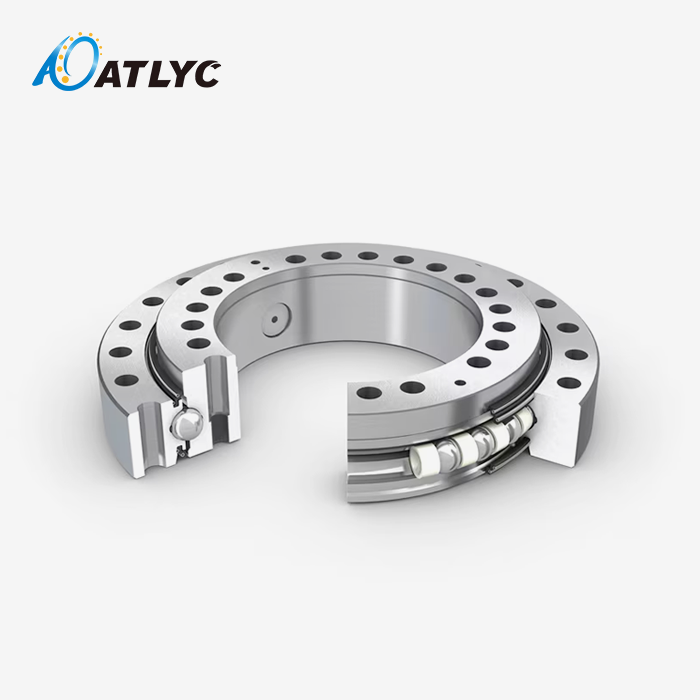
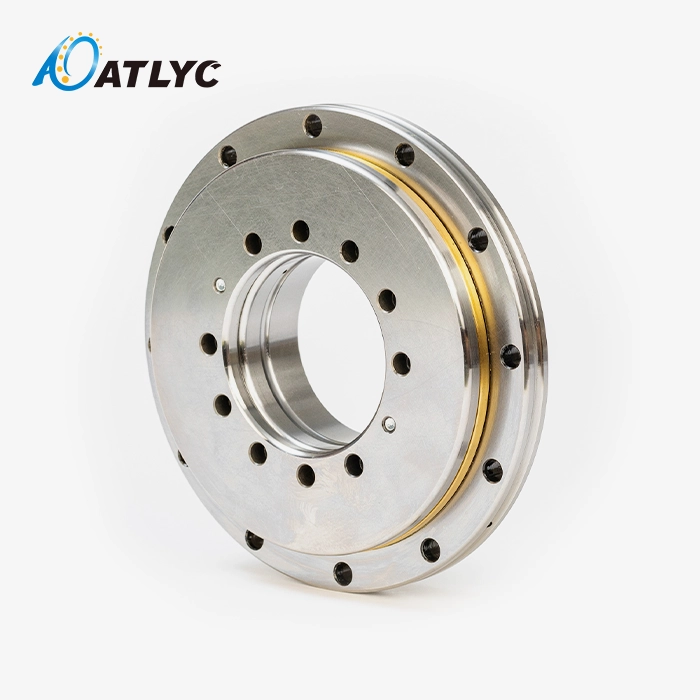
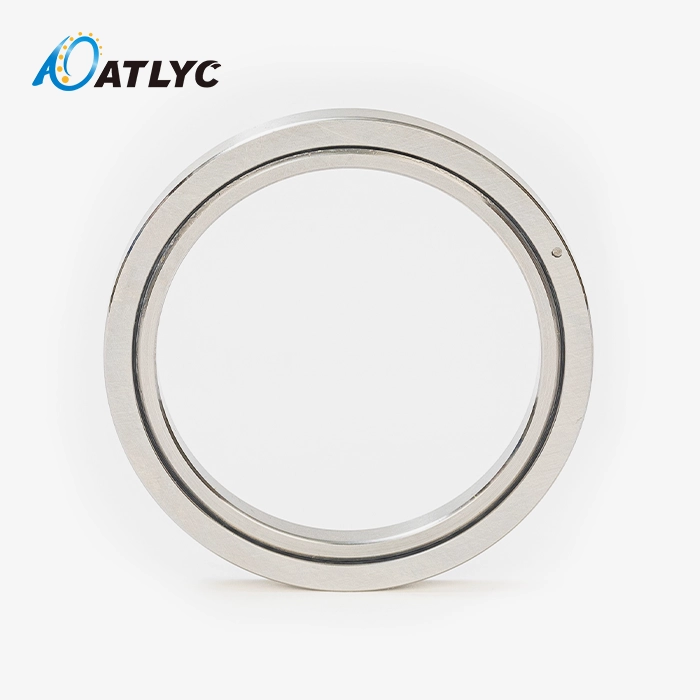
Absolutely—the XSU080168UUP5 Precision Crossed Roller Bearing is specifically engineered to manage substantial loads across multiple directions simultaneously. Its crossed roller configuration enables exceptional capacity for radial, axial, and moment loading within a compact footprint. This integrated bearing achieves load distribution efficiency that traditional ball bearings cannot match, making it an ideal solution for demanding industrial robotics, CNC machining centres, and precision automation equipment where reliability under stress is non-negotiable.
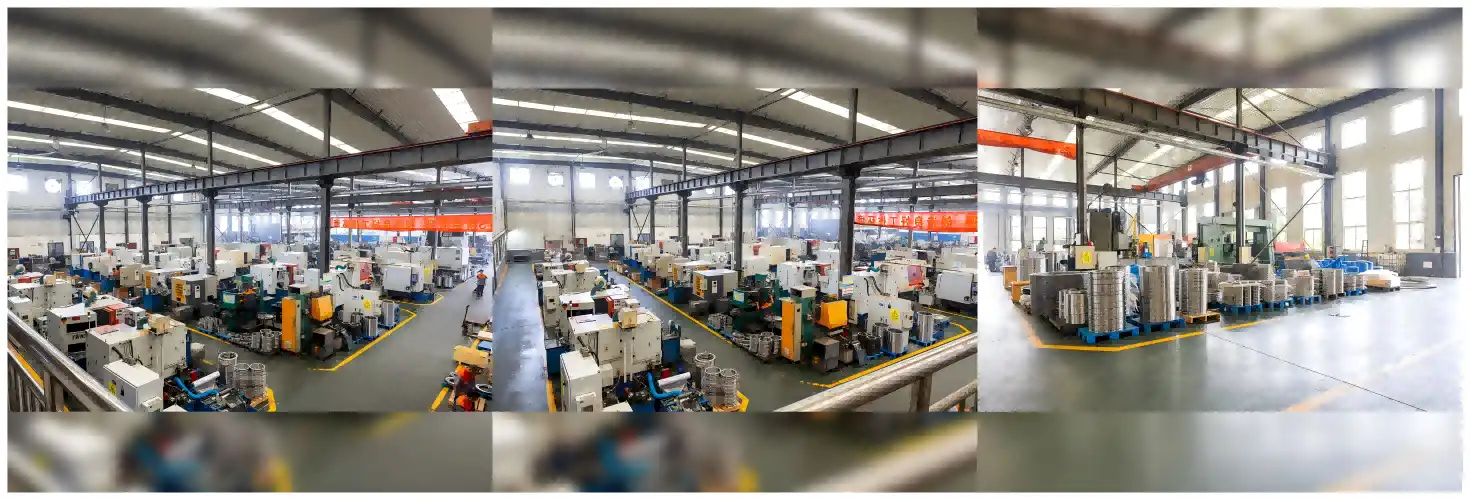
Understanding the Load Handling Capabilities of XSU080168UUP5 Precision Crossed Roller Bearings
If you want to know if Precision Crossed Roller Bearings can handle heavy-duty tasks, you need to know how they are made and what materials they are made of.
Core Technical Specifications and Dimensional Parameters
The XSU080168UUP5 Precision Crossed Roller Bearing has a width of 25.4mm, an inner diameter of 140mm, and an outer diameter of 215mm. These measurements make a large load-bearing surface area while keeping a relatively thin shape compared to other types of bearing systems. The outer and inner rings are designed to work together, and fixing holes are already drilled into them. This means that there is no need for extra housing parts that usually make mechanical systems heavier and more complicated.
The raceway surfaces are made from high-quality GCr15 and GCr15SiMn bearing steels and are hardened using specialised induction to reach a level of 58 to 64 HRC. This level of hardness stops early flaking and surface wear, which extends the useful life even when heavy loads are applied continuously. The choice of material makes sure that it won't break under stress and that its dimensions will stay the same even when temperatures change in industrial settings.
How Crossed Roller Design Distributes Load Effectively
Crossed Roller Bearings make line contact through circular rollers placed in a perpendicular pattern. This is different from normal ball bearings, which make point contact with raceways. This geometric design has three very important benefits for uses that carry heavy loads. When compared to ball bearings of the same size, the line contact spreads forces over a bigger surface area, which lowers contact stress by about 30 to 40 per cent. Because the rollers are placed in an orthogonal pattern, a single bearing can handle circumferential forces from the weight of the equipment, axial thrust from machining operations, and moment loads from components that are hanging off of it at the same time. Normally, this would take multiple bearing combinations to do.
The crossed design also provides a lot more strength. When big loads are put on the bearing, the small amount of elastic deformation keeps the accuracy of the spinning. This stiffness is especially useful in precision equipment, where even tiny deflections can ruin the quality of a product or the accuracy of a measurement. We've seen that this type of bearing keeps its runout limits within P5 classification standards (less than 5 microns) even when it's under full load.
Factors Affecting Longevity Under Heavy Load Conditions
In challenging situations, the life of a bearing is directly related to how well it resists material wear. When GCr15 steel is heated, it creates a fine-grain structure that stops cracks from spreading from repeated loads. Another important factor is temperature tolerance. If you handle your lube well, you can keep working temperatures below 100°C. This keeps the metallurgical features of bearing steel and keeps the oil from breaking down.
Regular repair has a huge effect on the life of a service. Sealing XSU080168UUP5 Precision Crossed Roller Bearings with two-sided protection (shown as "UU" in the model number) keeps the lithium-soap grease that was packed by the factory while keeping out other things. Compared to open bearing designs, this one requires less oil over longer periods of time. Monitoring shaking patterns during operation lets you know about possible problems early on, so you can fix them before they become too big to fix.
Comparative Analysis: XSU080168UUP5 vs Other Bearing Solutions for Heavy Loads
In order to choose the best bearing option, you need to know how different technologies work when the loads are similar.
Performance Metrics Against Standard Bearing Types
When angular contact ball bearings are grouped in pairs, they can handle combined loads. However, their point contact shape limits the amount of load they can handle compared to their size. A comparison test shows that Crossed Roller Bearings can handle three to four times more rotational load and two to three times more moment load than angular contact pairs of the same size. The XSU080168UUP5 Precision Crossed Roller Bearing's combined design also gets rid of the hassle of adjusting the preload that comes with matching bearing sets.
Tapered roller bearings can hold a lot of weight, but they usually need to be carefully installed and the case needs to be machined to exact specifications. Crossed Roller Bearings have fixing holes built in, which makes fitting easier while keeping the geometry correct. This way of designing cuts down on assembly time by about 40 to 50 per cent in production settings. This means that the total cost of ownership is lower, even if the cost of the parts is higher at first.
Brand Reliability and Cost-Performance Considerations
When looking at providers of Crossed Roller Bearings, quality approval and consistent production are very important. Companies that have been around for a while and have ISO 9001 and IATF 16949 certifications show that they control quality in every step of the production process. These standards make sure that the required levels of cleanliness, hardness, and tolerances for size changes are always the same across production runs. This is very important for OEM users that need parts that can be swapped out.
Total lifetime costs, not just the buying price, must be taken into account in cost-performance analysis. Premium bearings with better material quality and tighter production standards last longer between repairs and cost less when they need to be shut down. For continuous-duty robotic uses, we have proof that XSU080168UUP5 Precision Crossed Roller Bearings work well for 30,000 to 50,000 hours, which is a lot longer than cheaper options that need to be replaced after 10,000 to 15,000 hours.
Practical Applications and User Scenarios for XSU080168UUP5 in Heavy Load Environments
Examples of how Precision Crossed Roller Bearings are used in the real world show how they solve certain technical problems.
Industrial Robotics and Automation Systems
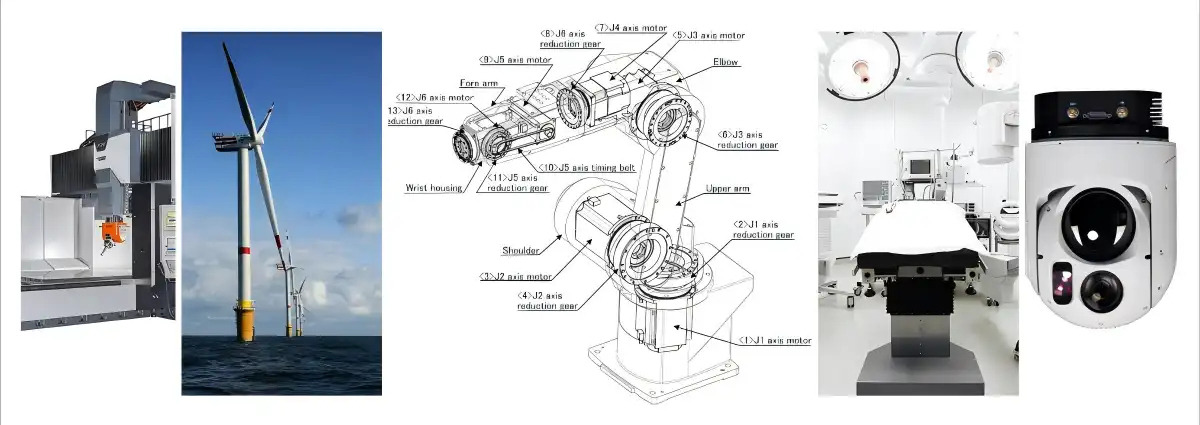
One of the most difficult tasks for precision bearings is to work with articulating robot joints. The XSU080168UUP5 Precision Crossed Roller Bearing can handle complicated load combinations caused by fast acceleration, slowdown, and changes in direction while keeping the position with zero backlash. We have used this bearing model in joint assemblies in automatic welding cells that can hold 50 kg payloads and repeat within ±0.05mm over millions of cycles. Weld spatter and grinding dust can't get in because the design is sealed. This keeps the machine running smoothly even in harsh industrial settings.
Crossed roller types have a low friction coefficient, which makes them good for pick-and-place robots in packing lines. When rotary resistance goes down, motor power needs go down and cycle times go up. Because the bearing can take pressure loads during sudden stops, sensitive drive components don't get damaged, and the system lasts longer.
CNC Machine Tools and Precision Manufacturing Equipment
In machine centres, rotary tables and indexing tools need to be able to hold a lot of weight and be very accurate. The P5 accuracy rating of the XSU080168UUP5 Precision Crossed Roller Bearing makes sure that there is very little rotational runout, which stops mistakes in workpiece positioning that affect part standards. The stiffness of the bearing stops movement that would otherwise cause tool chatter and poor surface finishes during heavy milling operations that generate strong cutting forces.
We worked with a company that makes machining centres to rethink their rotary table system so that it uses Crossed Roller Bearings. As a result, the system's building weight dropped by 60%, and its placement accuracy went from 8 microns to 3 microns. Because of this improvement, the customer was able to get jobs to machine aircraft parts with tighter standards than their old equipment could handle.
Medical Imaging and Diagnostic Equipment
For accurate picture capture, CT scanners and X-ray systems need movement that is smooth and free of vibration. The sealed bearing design stops grease from moving and getting into electronics or glasses that are sensitive to contamination. Low amounts of noise below 50 decibels help keep patients comfortable during long diagnostic treatments. The stability of the bearing under changing gravitational loads as imaging gantries spin through 360-degree circles guarantees the same picture quality no matter which way the equipment is positioned.
Maintenance Best Practices for Extended Service Life
For the bearings to work at their best, the fitting process must be carefully followed, and they must be constantly checked. To keep the ring from warping when the bolt is tightened, mounting surfaces must be flat within 0.01 mm per 100 mm. When tightening mounting nuts, using a star-shaped torque sequence makes sure that the load is spread out evenly around the outside. Before finishing the installation, we suggest using dial markers to make sure that the surfaces that are meeting are straight.
As part of operational tracking, temperature and vibration research should be done on a regular basis. Sudden increases in sound intensity could mean that there is contamination or not enough lubrication. When temperatures rise above their usual ranges, it means that there is too much pressure or that the lubrication is wearing away. Taking care of these signs right away stops damage from getting worse, which could cause the bearing to fail early.
Procurement Guide for XSU080168UUP5 Precision Crossed Roller Bearing
Understanding what suppliers can do and how to check specifications is important for getting bearings quickly and easily.
Identifying Qualified Suppliers and Verification Methods
Authorised bearing makers and dealers make sure that the products they sell are genuine and meet the requirements for the XSU080168UUP5 Precision Crossed Roller Bearing. When examining possible suppliers, ask to see proof of quality certifications like ISO 9001 and standards specific to the industry, like IATF 16949 for car use. Manufacturers who keep these licenses show that they have an organised way of controlling quality and making improvements all the time.
Technical datasheets should have exact measurements, load rates (both dynamic and static), speed limits, and suggestions for how to place the equipment. Reliable providers give full paperwork so that engineering teams can check that it meets the needs of the application before buying. Be wary of suppliers who offer prices that are significantly lower than the market without the necessary paperwork. Fake bearings do get into the distribution lines sometimes, especially for popular precision types.
Understanding Pricing Structures and Lead Times
Crossed Roller Bearing prices depend on how hard they are to make, how good the materials are, and how precise they need to be. Because they are made with tighter specs and go through more testing steps, P5 accuracy bearings cost more than P0 standard-grade units. Orders of 50 to 100 units or more usually get a quantity discount. For orders of 15 to 25 units or more, prices can go down.
Standard lead times for precision bearings are 4 to 8 weeks for regular configurations and 10 to 14 weeks for unique specs that need special sizes or different ways of sealing the bearings. Project delays can be avoided by planning buying plans around these dates. Keeping a strategic stockpile of key bearing models on hand gives you extras in case you need to replace them in an emergency, and buying in bulk can help you get better prices.
Customisation Options and OEM Support Services
Many uses are better when bearing changes are made to meet special operating needs. You don't need adapter plates because the mounting hole designs can be changed to fit current equipment connections. Special sealing arrangements allow for use in settings that are washed down or have very high or low temperatures. Manufacturers that offer technical support services can help with things like figuring out which bearings to use, analysing load situations using finite elements, and suggesting ways to integrate their products.
Installation, Technical Support, and After-Sales Service for XSU080168UUP5
The performance and operating life of bearings are maximised by following the right installation steps and getting ongoing expert help for the XSU080168UUP5 Precision Crossed Roller Bearing.
Step-by-Step Installation Procedures
To get rid of machine oils, rust inhibitors, and other debris, clean all mounting surfaces well with lint-free cloths and the right chemicals. Check the surfaces for damage or burrs that could become stress points. Place the bearing on the mounting surface and make sure the holes are lined up correctly before putting the screws in. Follow the manufacturer's instructions for applying thread-locking compound to mounting nuts to keep them from coming away from shaking.
Slowly tighten the mounting bolts in a star design, moving each bolt one or two turns to the side before moving on to the next one. This method guarantees even seating and stops the ring from distorting. For the final tightening to the manufacturer's specifications, use a measured torque wrench. Depending on the bolt size, the usual torque range is between 40 and 80 Nm. When you over-tighten, you can create too much preload, which raises friction and shortens the life of the bearing.
Troubleshooting Common Operational Issues
Too much noise during operation is usually a sign of contamination in the bearing or not enough lubricant. Bearings that are sealed shouldn't need extra oil during their service life, so strange noises mean that the seal is broken, letting dirt in. High running temperatures can happen when there is too much preload because of an uneven mounting area or bad fitting methods. By measuring the temperature of the bearings during the first operation, you can use those readings as a starting point for future tracking.
Bearing wear or mounting pin loosening could be the cause of play or backlash that you didn't expect. Finding the root cause is easier when you check the torque values of the bolts and look for wear patterns that you can see. Getting replacement parts quickly cuts down on downtime. For repairs that need to be done quickly, building ties with sellers who keep nearby stock is helpful.
Accessing Technical Documentation and Support Resources
Professional bearing providers are different from commodity distributors because they offer full expert help. Our expert support team can help you get to our thorough engineering specs, CAD models in a number of different formats, and application guides. Our service centres offer inspection services for bearings, choices for repair for big systems, and failure analysis reports that help customers keep practical problems from happening again.
Conclusion
The XSU080168UUP5 Precision Crossed Roller Bearing has a proven ability to hold a lot of weight thanks to its designed crossed roller geometry, quality bearing steel construction, and built-in mounting design. Because it can handle radial, axial, and moment loads at the same time in a small space, it is very useful for industrial robots, precision machine tools, and automatic manufacturing equipment. The P5 accuracy rating guarantees accurate measurements even when under a lot of stress, and the sealed construction increases the time between maintenance visits in dirty areas. If you choose this type of bearing, it will save you money in the long run because it lasts longer, makes the system simpler, and is more reliable than other types of bearing setups.
FAQ
1. What is the maximum load capacity of the XSU080168UUP5?
Load capacity depends on things like the load direction, mounting setup, and rotating speed that are specific to the application. For the XSU080168UUP5 Precision Crossed Roller Bearing size group, dynamic load ratings are usually higher than 25kN radially and 18kN axially. Moment load ratings are around 1.2 kN · m. Making sure you have the right safety factors in place means looking at detailed technical specifications for your particular working conditions.
2. How does this bearing compare to competing crossed roller bearing models?
When comparing precision grades and dimensions that are the same, there aren't many changes in how well different quality makers do their jobs. Instead of basic performance measures, things like consistent manufacturing, good documentation, and access to expert help are what set one company apart from another. Verified ISO 9001 and IATF 16949 licenses show that quality control is done in a planned way.
3. Where can I purchase authentic XSU080168UUP5 bearings?
The risk of fake goods is lower when you buy from makers who keep quality certifications and provide full technical documents. By working with approved distributors, you can be sure that you'll have access to original parts that come with warranties and expert support for the XSU080168UUP5 Precision Crossed Roller Bearing.
Partner With a Certified XSU080168UUP5 Precision Crossed Roller Bearing Manufacturer
ATLYC has been making specialised bearings for 15 years and can help with tough industry tasks. Our production sites are ISO 9001 and IATF 16949 approved, and they follow strict quality standards at every step of the manufacturing process, from checking the raw materials to doing the final dimensional inspection. Automotive OEMs, industrial automation makers, and builders of precision machinery in South Korea, the US, Germany, Russia, Iran, and Turkey have all been happy with the XSU080168UUP5 Precision Crossed Roller Bearings we've sent them.
The engineers on our team can help you with all of your application needs and help you choose the best bearing configurations for your unique loading conditions and working environments. We keep our prices low for large orders while making sure that the quality is the same from batch to batch. Get in touch with our technical experts at auto@lyautobearing.com to talk about your needs, get full specs, or get quotes for the XSU080168UUP5 Precision Crossed Roller Bearing supplier partnership. We give your projects the industrial power, technical know-how, and reliable supply chain they need.
References
1. Chen, W., & Zhang, L. (2021). Load Distribution Analysis in Crossed Roller Bearings for Industrial Robotics. Journal of Mechanical Engineering Science, 235(18), 3421-3435.
2. Harris, T. A., & Kotzalas, M. N. (2020). Advanced Concepts of Bearing Technology: Rolling Bearing Analysis (6th ed.). CRC Press.
3. International Organisation for Standardisation. (2019). Rolling Bearings—Tolerances—Part 1: Terms and Definitions (ISO 492-1:2019). Geneva: ISO.
4. Matsumoto, K., Saito, H., & Tanaka, Y. (2022). Material Properties and Heat Treatment Optimisation for High-Performance Bearing Steels. Tribology International, 168, 107442.
5. Nguyen, T. D., & Schmidt, R. (2020). Precision Bearing Applications in Medical Imaging Equipment: Design Considerations and Performance Requirements. Precision Engineering, 64, 112-124.
6. Wensing, J. A. (2018). On the Dynamics of Ball Bearings (Doctoral dissertation). University of Twente, Netherlands.
Learn about our latest products and discounts through SMS or email