- English
- French
- German
- Portuguese
- Spanish
- Russian
- Japanese
- Korean
- Arabic
- Greek
- German
- Turkish
- Italian
- Danish
- Romanian
- Indonesian
- Czech
- Afrikaans
- Swedish
- Polish
- Basque
- Catalan
- Esperanto
- Hindi
- Lao
- Albanian
- Amharic
- Armenian
- Azerbaijani
- Belarusian
- Bengali
- Bosnian
- Bulgarian
- Cebuano
- Chichewa
- Corsican
- Croatian
- Dutch
- Estonian
- Filipino
- Finnish
- Frisian
- Galician
- Georgian
- Gujarati
- Haitian
- Hausa
- Hawaiian
- Hebrew
- Hmong
- Hungarian
- Icelandic
- Igbo
- Javanese
- Kannada
- Kazakh
- Khmer
- Kurdish
- Kyrgyz
- Latin
- Latvian
- Lithuanian
- Luxembou..
- Macedonian
- Malagasy
- Malay
- Malayalam
- Maltese
- Maori
- Marathi
- Mongolian
- Burmese
- Nepali
- Norwegian
- Pashto
- Persian
- Punjabi
- Serbian
- Sesotho
- Sinhala
- Slovak
- Slovenian
- Somali
- Samoan
- Scots Gaelic
- Shona
- Sindhi
- Sundanese
- Swahili
- Tajik
- Tamil
- Telugu
- Thai
- Ukrainian
- Urdu
- Uzbek
- Vietnamese
- Welsh
- Xhosa
- Yiddish
- Yoruba
- Zulu
Can a Single Row Tapered Roller Bearing 30211 Handle Combined Loads?
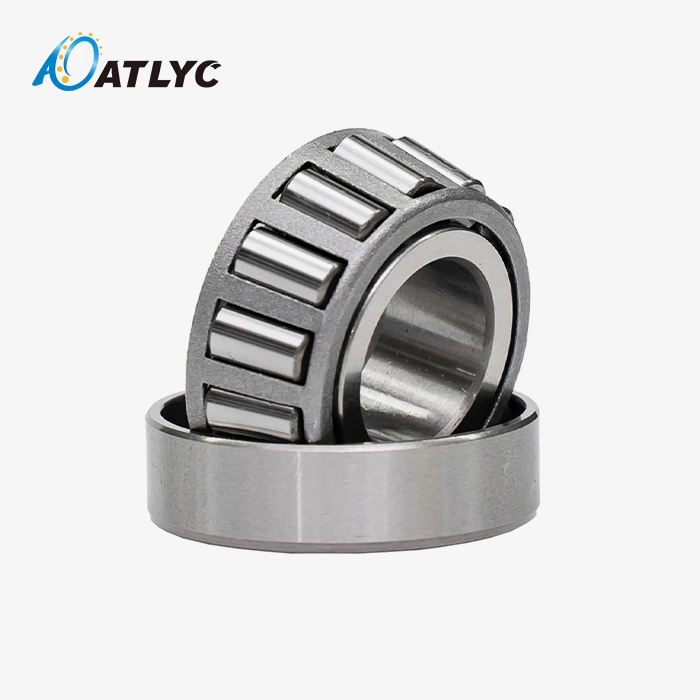
The Single Row Tapered Roller Bearing 30211 does a great job with mixed loads. With its tapered shape and ideal contact angle of 10° to 30°, this metric-series precise part can handle both radial forces and single-direction axial loads at the same time. This bearing's standard sizes—55 mm inner diameter, 100 mm outer diameter, and 21 mm width—make it easy for forces to be spread out evenly across its raceway surfaces. The tapered roller design makes line contact, which spreads loads over a larger area than point-contact options. This makes it especially useful for automotive hubs, industrial reducers, and machine tool applications where forces are acting in more than one way at the same time.

Understanding the Load Handling Capabilities of 30211 Tapered Roller Bearing
What Defines Combined Loads in Industrial Applications
Combined loads are what most industrial gear actually works with. Shafts rarely feel forces coming from only one way when your equipment is running. At the same time that they make push loads, gearboxes create radial forces. Along with horizontal movement forces, conveyor systems cause downward pressure. During operation cycles, parts of heavy machinery are stressed in more than one way. The 30211 bearing solves these problems with its unique shape, which lets it handle radial forces that are perpendicular to the shaft as well as axial thrust that is parallel to the spinning axis.
Tapered Geometry and Its Load Distribution Advantage
The tapered raceway shape makes a special path for the load. Along the axis of the shaft, all of the contact lines between the rollers and raceways meet at one point. This geometric concept makes sure that the load is spread evenly along the length of the roller, which stops edge loading that leads to failure too soon. The inner ring has a tapered raceway that fits conical rollers, and the outer ring can be easily separated for different mounting options. This design lets the bearing turn combined loads into contact stress that is spread across several roller elements. ATLYC's production process makes sure that the taper angles are exact, which keeps the best contact geometry. The roller profile is shaped like a logarithmic curve, which makes up for the fact that it deforms when it is loaded. During use, the tapered arrangement automatically centers the rollers, keeping them in the right place even if the shaft bends or the load moves during machine cycles.
Dynamic and Static Load Ratings Explained
Load numbers tell you how much weight a bearing can hold in different situations. The dynamic load number shows the amount of load that 90% of bearings can handle for one million turns without wearing out. The static load number tells you how much weight the bearing can hold while it is still or slowly oscillating without permanently deforming. The tapered roller design of the 30211 bearing gives it better load ratings than similar ball bearings of the same size. Knowing these ratings helps engineers choose the right parts. A reducer gearbox that works at 1,800 RPM and has modest shock loads needs to have enough dynamic capacity. For a machine tool spindle's positioning bearing to stay stable, it needs to have a high static capacity. The 30211's shape gives it balanced performance across both categories, which is why it's widely used in the automotive, industrial machinery, and agricultural Single Row Tapered Roller Bearing 30211 equipment industries.
Comparing 30211 Bearing with Alternatives for Combined Load Applications
Dimensional Differences: 30211 versus 30212 and 30213
Choosing between models in the 302XX series means knowing how changes in dimensions affect how well they work for a given purpose. The 30211 type has a 55mm inside diameter, a 100mm outside diameter, and a 21mm width. The 30212 has a 60mm inside diameter, an outer diameter of 110mm, and a width of 22mm. The 30213 moves to a 65mm inside diameter, a 120mm outside diameter, and a 23mm width. Each size increase makes the load capacity bigger, but it also takes up more installation space. The diameter of the shaft determines which model will work with your machinery. The 30211 goes well with a 55mm shaft, but the 30212 is needed for a 60mm shaft. In addition to size compatibility, load needs also play a role in the choice. Larger types are needed because they have more contact area for heavier loads. Because of limited installation room, engineers sometimes have to choose smaller bearings with more than one mounting point over a single larger unit.
Single Row versus Double Row Configurations
Single row tapered roller bearings, like the 30211, can handle loads that are pulled together in one direction. Two single rows can be mounted back-to-back or face-to-face in a double row design, which allows for two-way axial load handling. When axial loads work mostly in one direction, single-row designs are small and cost-effective. The outer ring can be taken off, which makes installation and upkeep easier. Double row arrangements work well in situations where axial forces change direction a lot. Some gearbox designs and rolling mill stands create reversing thrust loads that need capacity in both directions. The 30211 single row works great in wheel hubs for cars because the cornering forces and brake thrust always act in the same way. During production at ATLYC, we focus on single row accuracy for these high-volume uses, but we can also handle special double row needs.
Brand Comparison: Manufacturing Quality Indicators
Global bearing manufacturers maintain distinct quality characteristics that influence product selection. SKF emphasizes precision manufacturing with tight dimensional tolerances, making their products suitable for applications requiring minimal vibration. Timken pioneered tapered roller bearing development, offering deep engineering expertise particularly valued in heavy industrial applications. NSK focuses on automotive applications, optimizing designs for high-speed rotation and compact packaging. NTN provides balanced performance across industrial and automotive sectors.ATLYC has developed our manufacturing capabilities over 15 years to compete with these established names. Our ISO 9001 and IATF 16949 certifications demonstrate a commitment to systematic quality control. We've expanded from one workshop to six specialized production facilities, each focused on specific bearing categories. This growth enables us to match international quality standards while offering competitive pricing that benefits procurement budgets. Our 120 skilled employees bring expertise spanning production, research and development, quality inspection, and assembly, ensuring each 30211 bearing meets specification.
Maintenance and Longevity: Ensuring Optimal Performance Under Combined Loads
Load Distribution Principles Within the Bearing Assembly
Understanding how loads travel through the bearing helps diagnose performance issues. When combined loads enter the bearing, the tapered geometry divides forces between multiple roller elements. Radial loads compress rollers against both inner and outer raceways. Axial loads create thrust that the taper angle converts into additional radial compression. This dual-action load path explains why tapered bearings handle combined stress effectively. Proper installation maintains this load distribution pattern. Mounting the bearing with correct axial preload ensures all rollers contact their raceways uniformly. Insufficient preload allows internal movement that creates impact loading. Excessive preload generates friction and heat. Achieving optimal preload requires careful measurement during assembly, following specifications provided with the bearing or consulting with Single Row Tapered Roller Bearing 30211 technical support teams like ours at auto@lyautobearing.com.
Noise Symptoms Indicating Load Stress or Misalignment
Bearings communicate their condition through acoustic signatures. Smooth, quiet operation indicates proper load distribution and adequate lubrication. Abnormal noise patterns signal developing problems. A steady humming sound often points to inadequate lubrication or contamination, introducing abrasive particles. Cyclic clicking or popping suggests roller damage or raceway spalling where surface material has separated. High-pitched squealing typically indicates lubrication breakdown, allowing metal-to-metal contact. Intermittent grinding noise can signal misalignment between the shaft and housing, causing rollers to skew and bind. Addressing these symptoms early prevents catastrophic failure. During our engagements with industrial clients across South Korea, the USA, and Germany, we've helped maintenance teams develop listening protocols that catch issues before production downtime occurs.
Handling Load Spikes and Operational Variations
Industrial equipment rarely operates at a constant load. Conveyor systems experience loading surges when material flow varies. Gearboxes face shock loads during startup and shutdown cycles. Agricultural machinery encounters impact loads from field obstacles. The 30211 bearing's robust construction tolerates occasional load spikes exceeding nominal ratings, provided they remain within material yield limits. Repeated severe overloading accelerates fatigue and shortens service life. Monitoring operational conditions helps identify situations where bearing selection should shift to higher-capacity models. Adding shock-absorbing mounting elements reduces peak loads transmitted to bearings. When applications consistently generate loads near bearing limits, consulting with engineering specialists helps optimize system design for longevity.
Procurement Insights: Buying and Sourcing 30211 Tapered Roller Bearings
Identifying Trusted Suppliers and Distribution Networks
Sourcing bearings involves evaluating supplier reliability beyond initial pricing. Authorized distributors maintain direct manufacturer relationships, ensuring authentic products and technical support access. Wholesale suppliers offer volume pricing but require verification of quality standards. The North American and European markets feature established distribution networks connecting manufacturers with end users. When evaluating suppliers, certification verification confirms quality system compliance. ISO 9001 certification indicates systematic process control, while IATF 16949 specifically addresses automotive quality requirements. Requesting material certifications and inspection reports validates product specifications. Long-term supply relationships benefit from suppliers demonstrating manufacturing capacity to handle growing demand and technical expertise to support application engineering.
OEM versus Aftermarket: Quality and Cost Considerations
Original Equipment Manufacturer bearings match the specifications of equipment manufacturers, ensuring dimensional and performance compatibility. Aftermarket alternatives offer cost savings but require careful quality assessment. Premium aftermarket brands from established manufacturers deliver comparable performance at reduced prices. Lesser-known brands may cut costs through reduced quality control or inferior materials. Evaluating aftermarket options involves comparing specifications, certifications, and warranty coverage. Material composition, precision grades, and load ratings should match application requirements. Cost savings lose value if premature failure creates downtime exceeding the price difference. Our approach at ATLYC positions our products as premium aftermarket alternatives—delivering OEM-equivalent quality through rigorous manufacturing standards while maintaining competitive pricing that benefits procurement budgets.
Warranty Coverage and Quality Assurance Programs
Warranty terms reflect the manufacturer's confidence in product quality. Standard bearing warranties cover manufacturing defects but exclude damage from improper installation, inadequate lubrication, or operating beyond specifications. Premium suppliers extend warranties and offer technical support, resolving application issues. Understanding warranty limitations prevents coverage disputes. Quality assurance programs supplement warranties with systematic defect prevention. Statistical process control during manufacturing identifies variations before defective products ship. Incoming inspection at receiving facilities verifies dimensional accuracy and surface finish. Implementing these programs reduces warranty claims by catching issues early. Our quality management system at ATLYC combines in-process inspection with final testing, ensuring each bearing leaving our facility meets specifications before reaching customers.
Why Choose ATLYC for Your 30211 Single Row Tapered Roller Bearing Needs
Manufacturing Excellence Backed by 15 Years of Evolution
Our journey began in 2010 with a single workshop focused on automated deep groove ball bearing production. Over the past 15 years, we've systematically expanded our capabilities to encompass six core bearing categories, including the tapered roller bearings essential for combined load applications. This growth reflects sustained investment in equipment, training, and process refinement. Today, our six specialized workshops house advanced manufacturing technology operated by 120 skilled employees dedicated to production, research and development, quality inspection, Single Row Tapered Roller Bearing 30211, and assembly. This expansion wasn't merely about size—it represented capability enhancement. Each new product line required mastering specialized manufacturing techniques. Tapered roller bearings demand precise taper angle control and roller profile accuracy. We invested in grinding equipment capable of maintaining tolerances measured in microns. Our team developed expertise in heat treatment processes that create the surface hardness and core toughness essential for load-bearing performance.
Certifications Demonstrating Quality Commitment
Achieving ISO 9001 and IATF 16949 certifications required implementing comprehensive quality management systems. These aren't mere paper exercises—they mandate documented procedures, systematic audits, and continuous improvement. ISO 9001 establishes fundamental quality principles applicable across industries. IATF 16949 builds on this foundation with automotive-specific requirements addressing defect prevention, continuous improvement, and supply chain management. Maintaining these certifications involves regular surveillance audits verifying ongoing compliance. This external validation assures customers that our quality systems function as designed. Beyond certifications, we've implemented additional controls tailored to bearing manufacturing. Statistical process control monitors critical dimensions during production, catching variations before they affect product quality. Final inspection verifies dimensional accuracy, surface finish, and rotational characteristics before packaging.
Flexible Supply Solutions for Diverse Requirements
Different customers operate under different constraints. Some require container-load quantities scheduled months in advance. Others need smaller volumes delivered quickly to address unexpected maintenance needs. Our production capacity and inventory management accommodate both scenarios. Standard products like the 30211 maintain inventory ready for immediate shipment. Specialized configurations or large volumes trigger production runs scheduled around your timeline requirements. Our experience serving markets across South Korea, the USA, Germany, Russia, Iran, and Turkey has developed our understanding of international logistics requirements. We manage export documentation, arrange freight forwarding, and coordinate delivery schedules. This comprehensive approach simplifies your procurement process, letting you focus on your core operations while we handle supply chain complexity.
Proven Performance in Demanding Applications
Real-world validation matters more than laboratory specifications. Our 30211 bearings operate in automotive wheel hubs, enduring constant vibration and shock loads. They are power reducers in industrial machinery running continuous production shifts. Agricultural gearboxes face contamination and weather extremes while relying on our bearings for season-long reliability. Machine tool spindles demand the precision positioning our components deliver. This application diversity demonstrates product versatility and manufacturing consistency. Each industry presents unique challenges. Automotive applications require high-volume production with zero-defect quality. Industrial machinery demands long service intervals, minimizing maintenance downtime. Agricultural equipment needs robust construction withstanding harsh environments. Successfully serving all these sectors validates our capability to meet your specific requirements, whatever your application demands.
Conclusion
The Single Row Tapered Roller Bearing 30211 definitely handles combined loads through its engineered tapered geometry, robust material construction, and optimized contact angles. Its separable design, precision manufacturing at grades P0 through P5, and material options including GCr15 and case-hardened alternatives provide reliable performance across automotive, industrial, and agricultural applications. Proper selection involves evaluating load ratings, internal clearance requirements, and operating conditions. Maintenance practices emphasizing correct lubrication and scheduled inspection maximize service life. Procurement success depends on identifying suppliers demonstrating quality certifications, manufacturing capacity, and technical support capability. ATLYC combines these elements with 15 years of manufacturing evolution, positioning us as your reliable Single Row Tapered Roller Bearing 30211 supplier for demanding combined load applications.

FAQ
1. What makes tapered roller bearings better for combined loads than ball bearings?
Tapered roller bearings create line contact between rollers and raceways, distributing loads across a larger surface area compared to the point contact of ball bearings. This geometry handles higher radial and axial loads simultaneously. The tapered angle converts thrust loads into radial compression, utilizing the entire roller length. Ball bearings excel at high-speed applications with moderate loads, while tapered rollers suit heavy-duty combined load scenarios like wheel hubs and gearboxes, where both radial and axial forces act together.
2. How do I determine the correct internal clearance for my application?
Standard clearance suits applications without significant thermal expansion or interference fits. C3 clearance accommodates situations where operating temperatures cause shaft expansion greater than housing expansion, or where press-fitting the bearing onto the shaft reduces internal clearance. Applications with temperature fluctuations exceeding 50°C typically benefit from C3 clearance. Consulting with technical specialists helps evaluate your specific thermal conditions and mounting methods to select appropriate clearance, preventing premature wear from insufficient clearance or excessive play from too much clearance.
3. Can I replace an OEM bearing with an aftermarket 30211 without issues?
Dimensional compatibility represents the primary concern. The 30211 designation indicates standardized dimensions—55mm bore, 100mm outer diameter, 21mm width—ensuring physical fit regardless of manufacturer. Quality differences between suppliers affect performance and longevity. Verify the aftermarket bearing meets necessary precision grades and material specifications. Reputable aftermarket manufacturers like ATLYC maintain quality standards equivalent to OEM products while offering cost advantages. Comparing certifications, material specifications, and warranty terms helps assess whether an aftermarket alternative meets your application requirements.
4. What are typical delivery timeframes when ordering from international suppliers?
Standard products maintained in inventory ship within days, with international transit adding 1-2 weeks for air freight or 4-8 weeks for ocean shipping. Custom configurations or large volume orders may require a production lead time of 4-8 weeks before shipping begins. Express air freight accelerates delivery but significantly increases cost. Planning and maintaining safety stock buffers against supply chain delays. Establishing relationships with reliable suppliers like ATLYC, experienced in international logistics across South Korea, the USA, Germany, Russia, Iran, and Turkey, minimizes shipping complications and customs delays.
Partner with ATLYC for Reliable Tapered Roller Bearing Solutions
ATLYC brings 15 years of bearing manufacturing expertise to your combined load applications. Our Single Row Tapered Roller Bearing 30211 products deliver the precision, durability, and load capacity your automotive components, industrial machinery, Single Row Tapered Roller Bearing 30211 and agricultural equipment demand. As a certified manufacturer holding ISO 9001 and IATF 16949 accreditations, we maintain the quality standards international clients expect while offering the competitive pricing and flexible order quantities that optimize your procurement budget. Our six specialized workshops and 120 skilled employees ensure production capacity meeting both immediate needs and growing long-term requirements. Whether you're sourcing bearings for prototype development or high-volume production, our technical team provides application support, helping specify the correct bearing configuration, clearance grade, and precision level for your specific operating conditions. Contact us today at auto@lyautobearing.com to discuss your requirements with experienced professionals who understand combined load challenges and deliver solutions proven across global markets.
References
1. Harris, T.A. and Kotzalas, M.N. (2006). Advanced Concepts of Bearing Technology: Rolling Bearing Analysis, Fifth Edition. CRC Press, Taylor & Francis Group.
2. American Bearing Manufacturers Association (ABMA). (2019). Load Ratings and Fatigue Life for Roller Bearings. ANSI/ABMA Standard 11-1990 (R2019).
3. Eschmann, P., Hasbargen, L., and Weigand, K. (1985). Ball and Roller Bearings: Theory, Design and Application, Second Edition. John Wiley & Sons.
4. International Organization for Standardization. (2007). Rolling Bearings — Dynamic Load Ratings and Rating Life. ISO 281:2007.
5. Budynas, R.G. and Nisbett, J.K. (2020). Shigley's Mechanical Engineering Design, Eleventh Edition. McGraw-Hill Education, Chapter 11: Rolling-Contact Bearings.
6. SKF Group. (2018). Rolling Bearings Catalogue: Product Data and Application Guidelines for Tapered Roller Bearings. SKF Technical Publications.
Learn about our latest products and discounts through SMS or email