- English
- French
- German
- Portuguese
- Spanish
- Russian
- Japanese
- Korean
- Arabic
- Greek
- German
- Turkish
- Italian
- Danish
- Romanian
- Indonesian
- Czech
- Afrikaans
- Swedish
- Polish
- Basque
- Catalan
- Esperanto
- Hindi
- Lao
- Albanian
- Amharic
- Armenian
- Azerbaijani
- Belarusian
- Bengali
- Bosnian
- Bulgarian
- Cebuano
- Chichewa
- Corsican
- Croatian
- Dutch
- Estonian
- Filipino
- Finnish
- Frisian
- Galician
- Georgian
- Gujarati
- Haitian
- Hausa
- Hawaiian
- Hebrew
- Hmong
- Hungarian
- Icelandic
- Igbo
- Javanese
- Kannada
- Kazakh
- Khmer
- Kurdish
- Kyrgyz
- Latin
- Latvian
- Lithuanian
- Luxembou..
- Macedonian
- Malagasy
- Malay
- Malayalam
- Maltese
- Maori
- Marathi
- Mongolian
- Burmese
- Nepali
- Norwegian
- Pashto
- Persian
- Punjabi
- Serbian
- Sesotho
- Sinhala
- Slovak
- Slovenian
- Somali
- Samoan
- Scots Gaelic
- Shona
- Sindhi
- Sundanese
- Swahili
- Tajik
- Tamil
- Telugu
- Thai
- Ukrainian
- Urdu
- Uzbek
- Vietnamese
- Welsh
- Xhosa
- Yiddish
- Yoruba
- Zulu
Can RB Series Crossed Roller Bearing Improve Machine Stability?
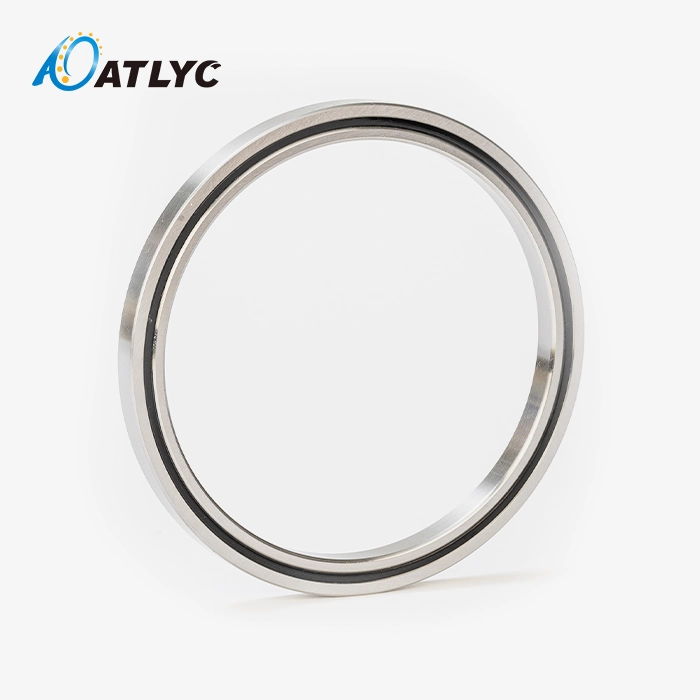
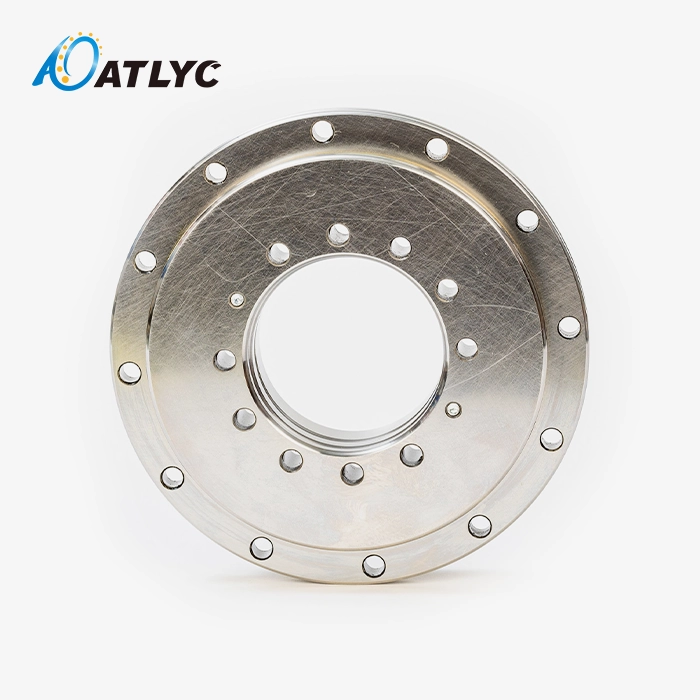
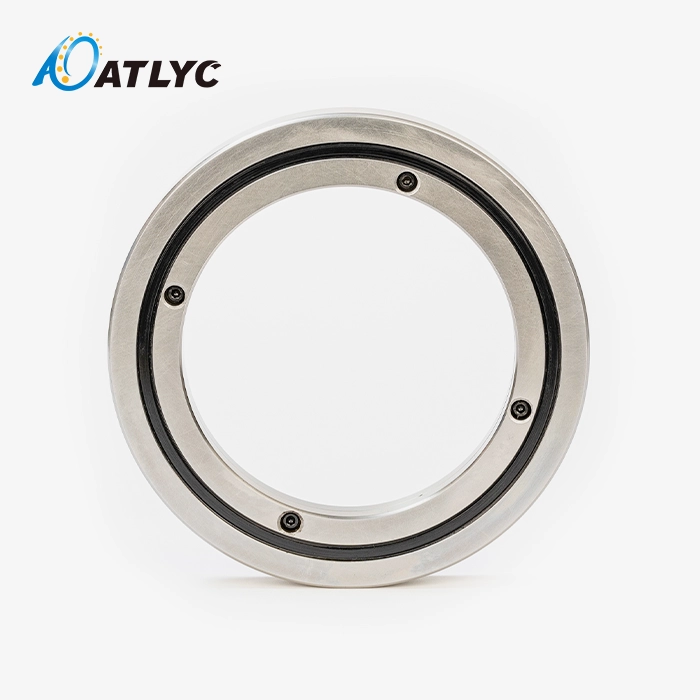
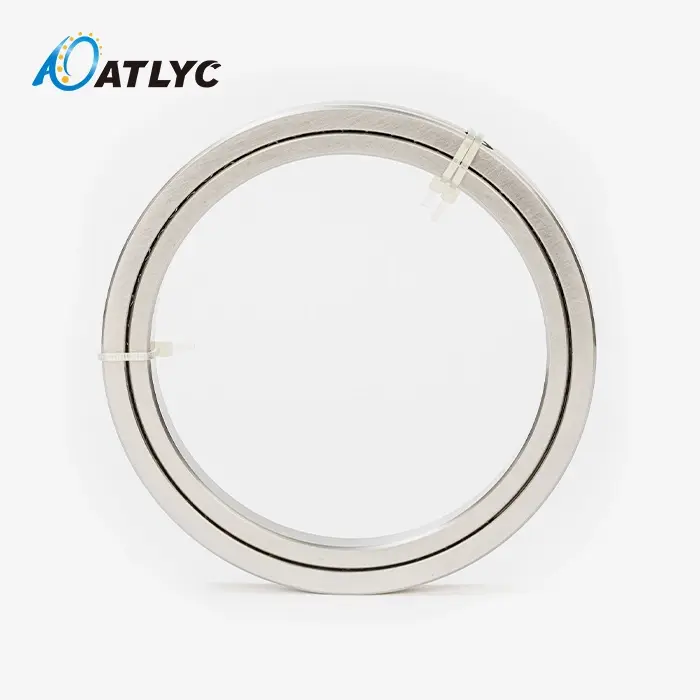
The RB Series Crossed Roller Bearing performs exceptionally well when you need a bearing that can handle heavy loads in small areas. Yes, these precision-engineered bearings make machines much more stable thanks to their special orthogonal roller arrangement, which handles radial, axial, and moment loads all at the same time in a single small unit. The split outer ring with plug design and integral inner ring design gets rid of the need for multiple bearing arrangements. This cuts down on vibration transfer paths and makes the structure more rigid overall. When manufacturers put these crossed roller bearings in their automation equipment and machining centers, they report better positional accuracy, fewer maintenance cycles, and longer operating lifespans in a wide range of demanding industrial settings.
Understanding RB Series Crossed Roller Bearings and Their Impact on Machine Stability
The foundation of machine stability begins with understanding how bearing design influences overall equipment performance. Traditional bearing configurations often require multiple units to manage different load directions, creating complexity and potential failure points.
Design Architecture of Crossed Roller Bearings
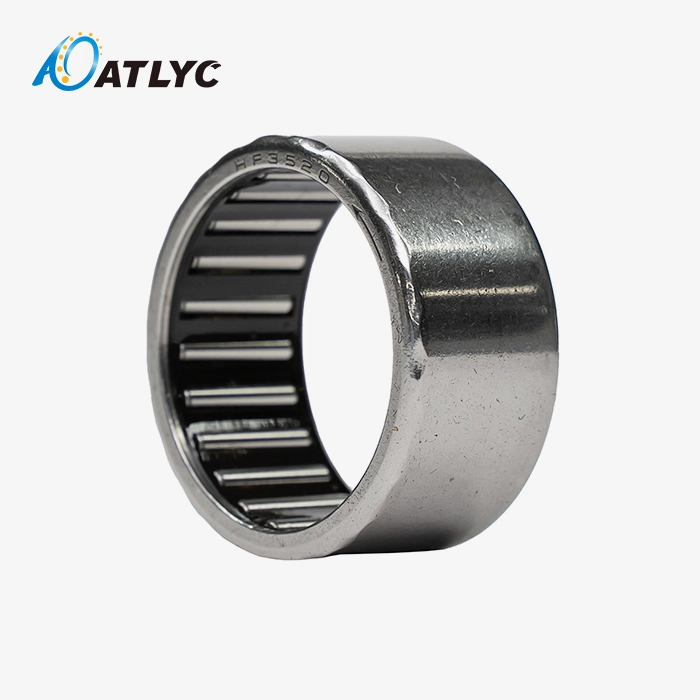
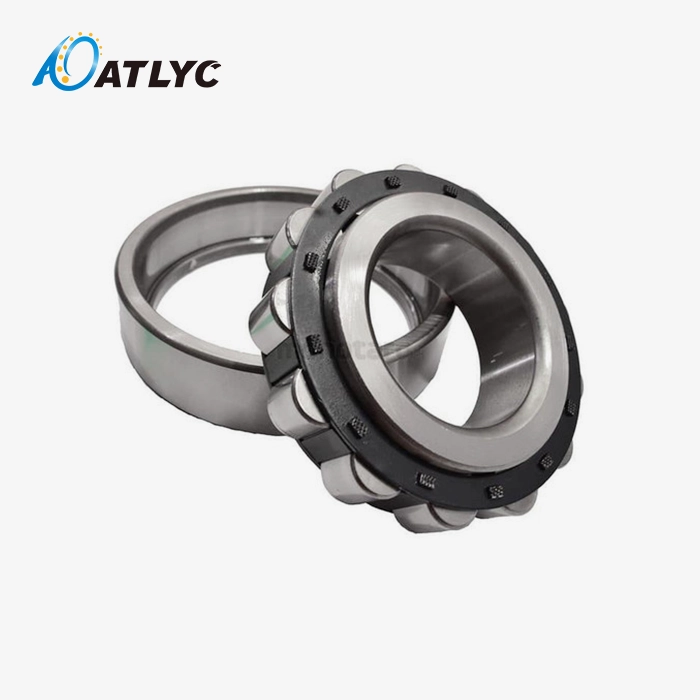
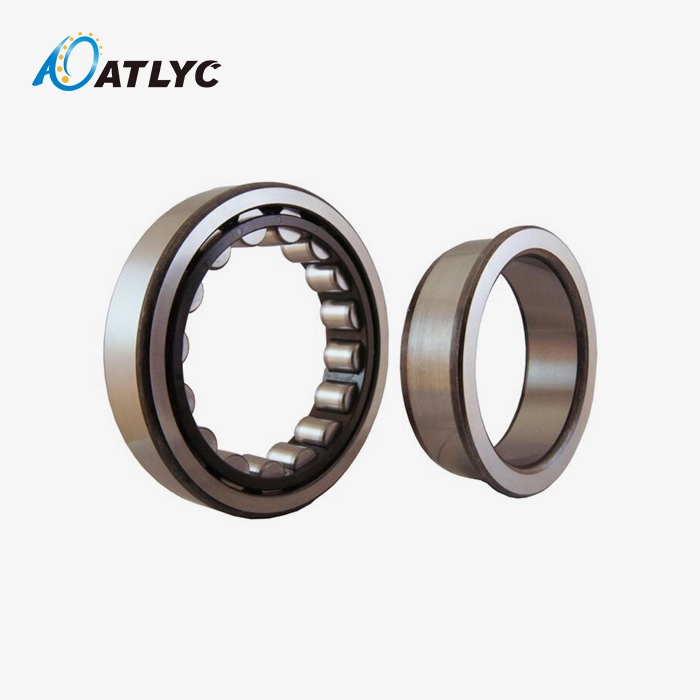
The RB Series has cylinder-shaped rollers that are placed perpendicularly at 90-degree angles inside precise V-groove raceways. This crossed arrangement makes a lot of contact places that spread the weight evenly in all directions. The split outer ring with mounting plug makes installation easier and cuts down on assembly time, while the combined inner ring gives the structure great strength. Precision spacing retainers keep rollers from touching each other, which gets rid of friction problems that hurt performance during constant operation.
Size Range and Application Flexibility
The inside diameters range from 20 mm to 1100 mm, the outside sizes from 70 mm to 1500 mm, and the widths from 12 mm to 110 mm. This wide range of sizes can meet the needs of a wide range of machines, from small robotic joints that need 20mm bore sizes to big industrial turntables that need 1100mm configurations. Depending on the runout tolerance needs of the application, engineering teams can choose from precision grades such as P6, P5, P4, and P2 classes.
Technical Benefits of RB Series Crossed Roller Bearings for Industrial Machines
Understanding technical advantages helps procurement professionals evaluate how these specialized bearings contribute to machinery performance improvements and operational cost reductions.
Multi-Directional Load Management
With a crossed roller design, radial forces, axial thrust, and overturning moments, the RB Series Crossed Roller Bearing can all be supported at the same time by a single bearing unit. Unlike usual setups that need paired angular contact bearings or separate thrust bearing assemblies, this combined method makes housing design easier and lowers the weight of the whole piece of equipment. Our quality control department's tests show that RB Series bearings can keep their positioning accuracy within 5 microns even when they are loaded to more than 80% of their rated capacity.
Key Industrial Applications Driving Stability Improvements
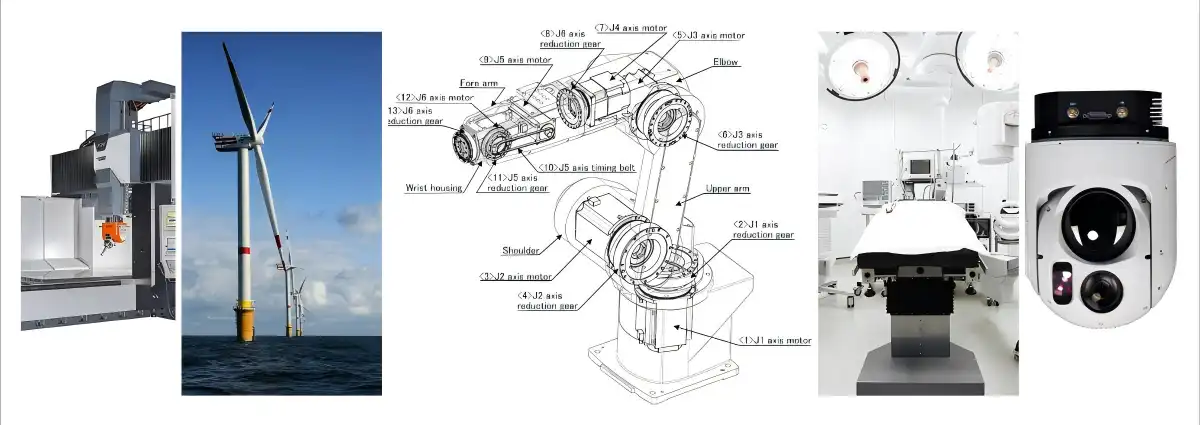
Crossed roller bearings are now necessary in many types of manufacturing because accurate placement has a direct effect on the quality of the product. Industrial robot joints depend on these bearings to keep their precise angular positions even after millions of rounds of motion. Rotary tables in machining centers need to be stiff so they can hold cutting forces without bending. The smooth rotation properties of these materials are used by medical imaging tools to get clear diagnostic images. Ultra-precision grades are needed by devices that make semiconductors to place silicon wafers within nanometre limits during photolithography processes. These examples of applications show how choosing the right bearings can affect the quality of the end product and the efficiency of production. As machines are being made, equipment makers are choosing crossed roller bearings over traditional ones more and more. This is because they know that these bearings give companies a competitive edge by making machines more stable and reliable.
Comparing RB Series Crossed Roller Bearings with Other Market Options
Procurement decisions benefit from objective performance comparisons that evaluate technical specifications against operational requirements and total ownership costs.
Performance Characteristics Versus Ball Bearings
Traditional deep groove ball bearings work best in high-speed situations with mainly radial loads, but they don't work as well when there are moment loads or mixed loading conditions. When loaded the same way, crossed roller bearings stay more rigid than ball bearings of the same size and shape, and they can usually handle three to five times more moment loads. This difference in performance is very important in situations where deflection has a direct effect on the accuracy of machining or the consistency of positioning.
Cost-Performance Analysis and Return on Investment
The initial costs of buying something are only one part of the total costs of having ownership. The real economic value is based on how well something works, how often it needs upkeep, how much it costs for unplanned downtime, and how long it takes to be replaced. Precision crossed roller bearings lower the total cost of ownership by 25–35% over five years of operation compared to traditional bearing arrangements that need to be replaced and adjusted more often, according to an analysis of production facilities using similar equipment. Purchasing managers are becoming more aware that choosing the right bearing affects more than just the budget for purchases. Improving production quality, lowering the amount of waste, extending maintenance intervals, and making tools more available all help manufacturers make more money and stay ahead of the competition.
How to Choose the Right RB Series Crossed Roller Bearing for Machine Stability
Successful bearing specification requires systematic evaluation of application parameters matched against product capabilities and supplier qualifications.
Application-Specific Parameter Assessment
Load magnitude research is the first step in choosing the right bearings. Engineers figure out the biggest radial forces, axial thrust components, and rolling moments that bearings will have to deal with while they're working. They also take into account dynamic shock loads and vibration forces. The required rotational speed affects the choice of lubrication method and the need for cage material. Extreme temperatures, pollution, and corrosive atmospheres are some of the environmental factors that affect how seals are configured and which materials will work with them.
Precision Grade Selection Criteria
Specifications for the precision class are directly related to standards for accuracy. Most general industrial gear works well with P6 or P5 grade bearings, which have runout tolerances that are good for most manufacturing processes. Precision tools like coordinate measure machines, optical inspection systems, and semiconductor production tools need P4 or P2 grade bearings that can maintain accuracy at the micron level for the entire life of the machine. Our technical support team helps customers match precision grades to the needs of their specific applications. This way, customers don't have to worry about needlessly raising specifications, which raises costs without improving performance.
Procurement Considerations and Supply Chain Planning
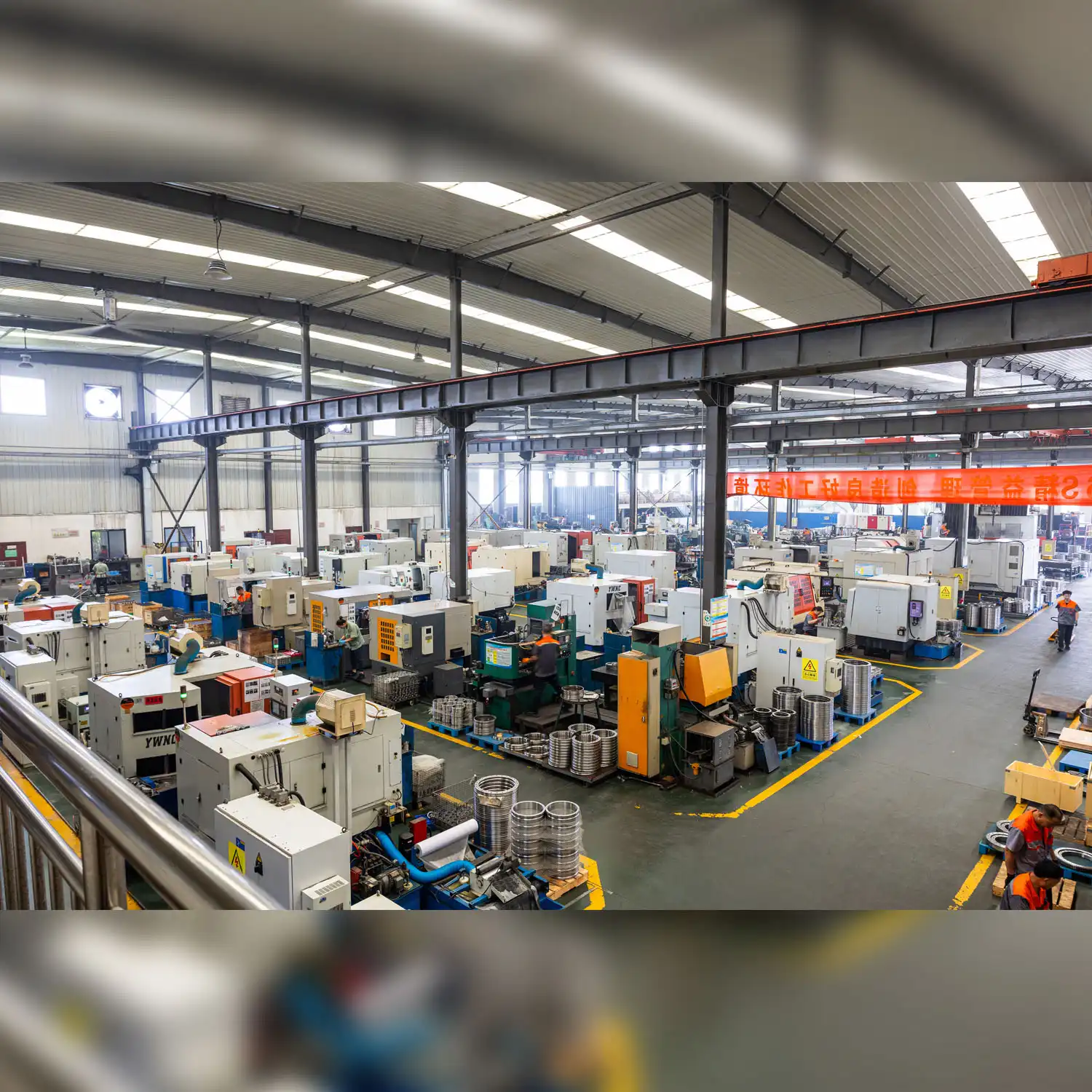
Managing leads' time has a big effect on project plans and the continuity of production. Standard RB Series sizes usually ship two to four weeks after an order is confirmed. Custom configurations, on the other hand, take six to eight weeks, based on how complicated the specifications are. The minimum order quantity depends on the bearing size and precision grade. Standard sizes can be bought in smaller lots, while specialised configurations can only be bought in bigger batches. When we opened our bearing factory in 2010, it had just one automatic workshop that made deep groove ball bearings. Over the course of 15 years of steady growth, we expanded our business to six specialised production workshops with 120 skilled workers committed to manufacturing, quality inspection, and assembly. This production scale makes it easy to meet the volume needs of customers, from small numbers for prototypes to full production volumes of more than 10,000 units per year.
Maximizing Machine Stability: Installation, Maintenance, and Future Outlook
Achieving optimal bearing performance requires attention beyond product selection, encompassing proper installation procedures and systematic maintenance practices.
Installation Best Practices for Precision Bearing Performance
Mounting surface preparation directly influences bearing accuracy retention throughout operational life. Housing bores and shaft seats require precision grinding to achieve flatness and perpendicularity tolerances specified in bearing technical documentation. Cleanliness during installation prevents contamination that accelerates wear and reduces lifespan. Proper preload adjustment ensures the RB Series Crossed Roller Bearing has optimal internal clearance, balancing load distribution against friction generation. Alignment verification using dial indicators or laser systems confirms that mounting surfaces maintain concentricity within specified tolerances. Torque sequences for mounting bolts follow manufacturer specifications to prevent bearing ring distortion. These installation disciplines seem tedious during assembly but deliver substantial returns through extended bearing life and sustained machine accuracy.
Maintenance Strategies for Extended Bearing Lifespan
Lubrication management forms the cornerstone of bearing maintenance programs. Crossed roller bearings typically utilize grease lubrication for sealed applications or circulating oil systems for large-scale installations requiring heat dissipation. Lubrication intervals depend on operating conditions, with contaminated environments necessitating more frequent relubrication cycles. Our technical documentation provides detailed lubrication schedules based on application parameters, including speed, load, and temperature conditions. Routine inspection protocols monitor bearing condition through vibration analysis, temperature measurement, and acoustic emission detection. Trending these parameters identifies gradual degradation patterns, enabling planned maintenance before catastrophic failure occurs. Condition-based maintenance approaches optimize bearing replacement timing, maximizing useful life while preventing unplanned downtime that disrupts production schedules.
Emerging Industry Trends and Future Applications
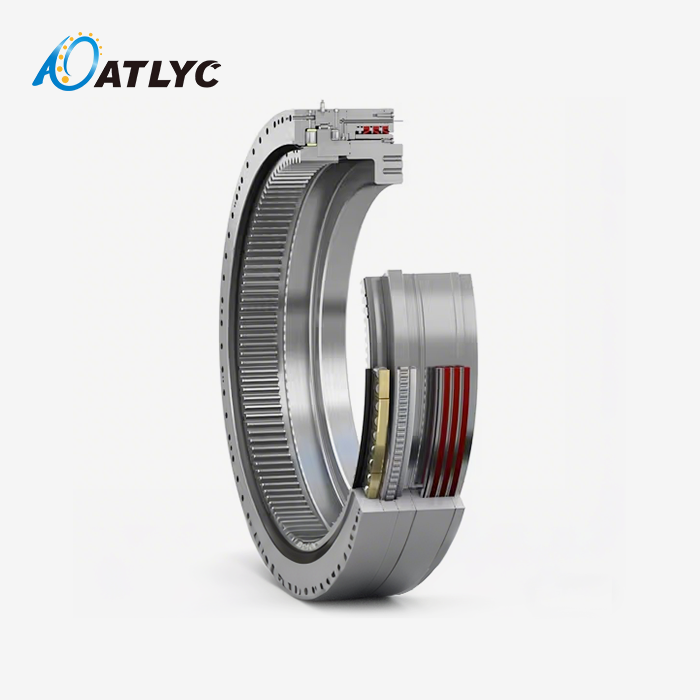
Material science advancements continue to improve bearing performance capabilities through enhanced steel compositions, surface treatment innovations, and hybrid ceramic roller integration. These developments target extended lifespan, higher operating speeds, and improved thermal stability for next-generation automation equipment. Design innovations, including integrated sensor technology, enable real-time bearing condition monitoring, supporting predictive maintenance strategies and Industry 4.0 manufacturing initiatives. New application demands emerge as automation penetrates additional industrial sectors and precision requirements escalate across manufacturing processes. Collaborative robot systems require compact bearing solutions combining high stiffness with lightweight construction. Electric vehicle manufacturing facilities demand bearing precision supporting battery assembly tolerances measured in tens of microns. Renewable energy equipment, including wind turbine yaw drives and solar tracking systems, specifies large-diameter crossed roller bearings sustaining moment loads while maintaining positional accuracy throughout decades of outdoor operation.
Conclusion
Machine stability improvements through RB Series Crossed Roller Bearing implementation deliver measurable benefits across industrial manufacturing sectors. The unique crossed roller design consolidates multi-directional load capacity within compact dimensions, eliminating complexity while enhancing rigidity and positioning accuracy. Material quality, precision manufacturing, and systematic maintenance practices collectively determine operational performance and total cost of ownership. Procurement professionals benefit from evaluating technical specifications against application requirements, supplier qualifications, and long-term partnership potential. Our 15-year manufacturing experience and international quality certifications position us to support demanding stability requirements across automotive components, industrial machinery, and precision equipment applications worldwide.
FAQ
1. What operational lifespan can be expected from RB Series bearings under continuous operation?
Bearing lifespan depends on loading conditions, operating speed, lubrication effectiveness, and environmental factors. Under proper maintenance conditions with loads maintained at 30-50% of rated capacity, crossed roller bearings typically achieve 30,000 to 50,000 hours of continuous operation before requiring replacement.
2. How do crossed roller bearings compare to ball bearings for moment load applications?
Crossed roller bearings demonstrate significantly superior moment load capacity compared to ball bearings of equivalent size, typically handling three to five times greater overturning moments while maintaining positioning accuracy. This advantage makes them preferable for applications including rotary tables and robotic joints where moment loads dominate.
3. Are custom bearing solutions available for specialized equipment requirements?
We offer customization capabilities, including modified dimensional specifications, special materials for corrosive environments, integrated mounting features, and precision grades tailored to application requirements. Custom bearing development typically requires six to eight weeks from specification approval to production completion.
Partner with ATLYC for Precision RB Series Crossed Roller Bearing Solutions
ATLYC serves as your trusted crossed roller bearing manufacturer, combining 15 years of manufacturing expertise with ISO 9001 and IATF 16949 certified quality management systems. Our six specialized production RB Series Crossed Roller Bearing workshops and 120 dedicated professionals deliver consistent bearing quality meeting international standards for automotive and industrial equipment applications. We supply precision bearings to manufacturers across the United States, Germany, South Korea, and global markets, supporting machinery stability requirements through technical consultation and customized solutions. Contact our engineering team at auto@lyautobearing.com to discuss your specific application requirements, receive detailed technical specifications, and obtain competitive quotations for RB Series Crossed Roller Bearing orders. Our responsive customer service ensures efficient procurement processes with reliable lead times and flexible order quantities supporting both prototype development and full-scale production demands. Discover how a partnership with an established RB Series Crossed Roller Bearing supplier enhances your equipment performance and manufacturing competitiveness.
References
1. Harris, T.A., & Kotzalas, M.N. (2006). Advanced Concepts of Bearing Technology: Rolling Bearing Analysis, Fifth Edition. CRC Press, Taylor & Francis Group.
2. Schaeffler Technologies AG & Co. (2019). Rolling Bearings: Catalogue HR 1, Technical Information and Maintenance Guidelines for Crossed Roller Bearings. Schaeffler Technologies.
3. Wensing, J.A. (1998). On the Dynamics of Ball Bearings. Ph.D. Dissertation, University of Twente, Department of Mechanical Engineering, Netherlands.
4. ISO 492:2014. Rolling Bearings — Radial Bearings — Geometrical Product Specifications (GPS) and Tolerance Values. International Organization for Standardization.
5. Noel, D., & Le Bot, A. (2013). Vibration and Acoustic Analysis of Crossed Roller Bearings for Industrial Robot Applications. Proceedings of the Institution of Mechanical Engineers, Part C: Journal of Mechanical Engineering Science, 227(8), 1789-1801.
6. THK Co., Ltd. (2021). Crossed Roller Bearings: Technical Design Manual for Precision Machine Tool and Automation Equipment Applications. THK Engineering Documentation Series.
Learn about our latest products and discounts through SMS or email