- English
- French
- German
- Portuguese
- Spanish
- Russian
- Japanese
- Korean
- Arabic
- Greek
- German
- Turkish
- Italian
- Danish
- Romanian
- Indonesian
- Czech
- Afrikaans
- Swedish
- Polish
- Basque
- Catalan
- Esperanto
- Hindi
- Lao
- Albanian
- Amharic
- Armenian
- Azerbaijani
- Belarusian
- Bengali
- Bosnian
- Bulgarian
- Cebuano
- Chichewa
- Corsican
- Croatian
- Dutch
- Estonian
- Filipino
- Finnish
- Frisian
- Galician
- Georgian
- Gujarati
- Haitian
- Hausa
- Hawaiian
- Hebrew
- Hmong
- Hungarian
- Icelandic
- Igbo
- Javanese
- Kannada
- Kazakh
- Khmer
- Kurdish
- Kyrgyz
- Latin
- Latvian
- Lithuanian
- Luxembou..
- Macedonian
- Malagasy
- Malay
- Malayalam
- Maltese
- Maori
- Marathi
- Mongolian
- Burmese
- Nepali
- Norwegian
- Pashto
- Persian
- Punjabi
- Serbian
- Sesotho
- Sinhala
- Slovak
- Slovenian
- Somali
- Samoan
- Scots Gaelic
- Shona
- Sindhi
- Sundanese
- Swahili
- Tajik
- Tamil
- Telugu
- Thai
- Ukrainian
- Urdu
- Uzbek
- Vietnamese
- Welsh
- Xhosa
- Yiddish
- Yoruba
- Zulu
What Applications Use RA5008UUCC0 Cross Roller Bearing Most?
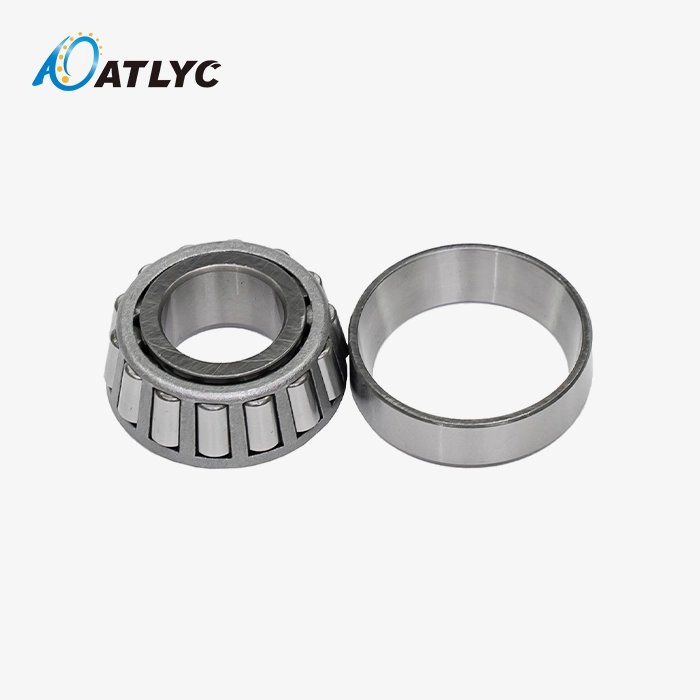
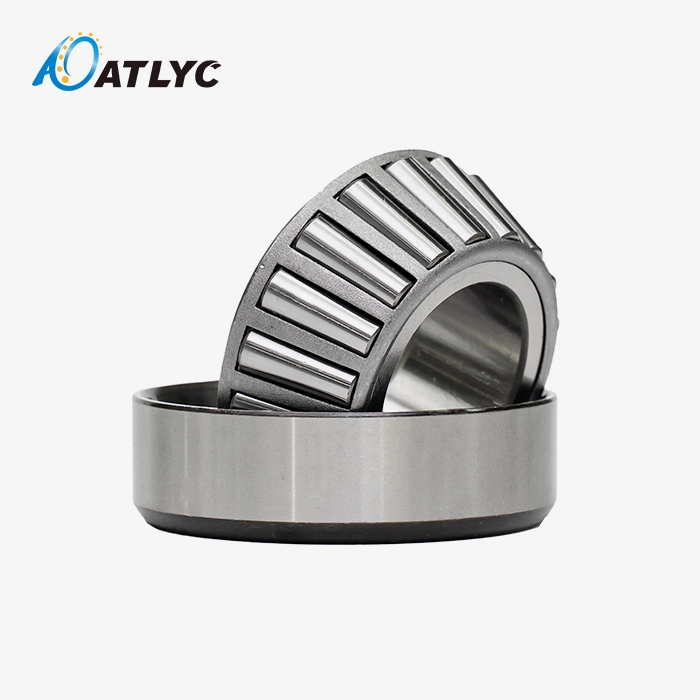
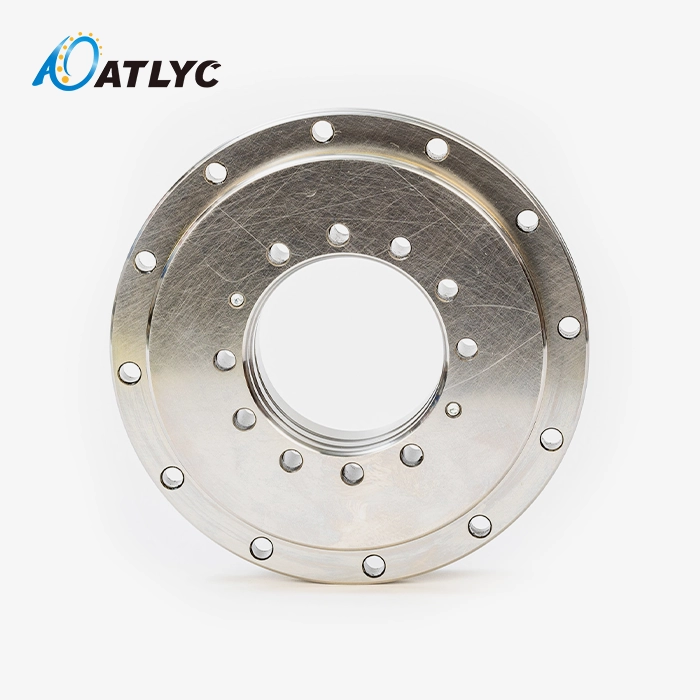
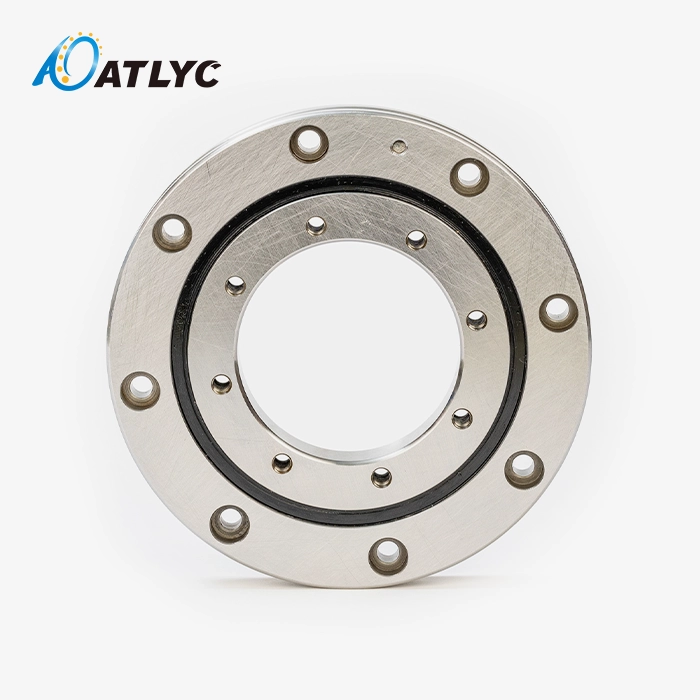
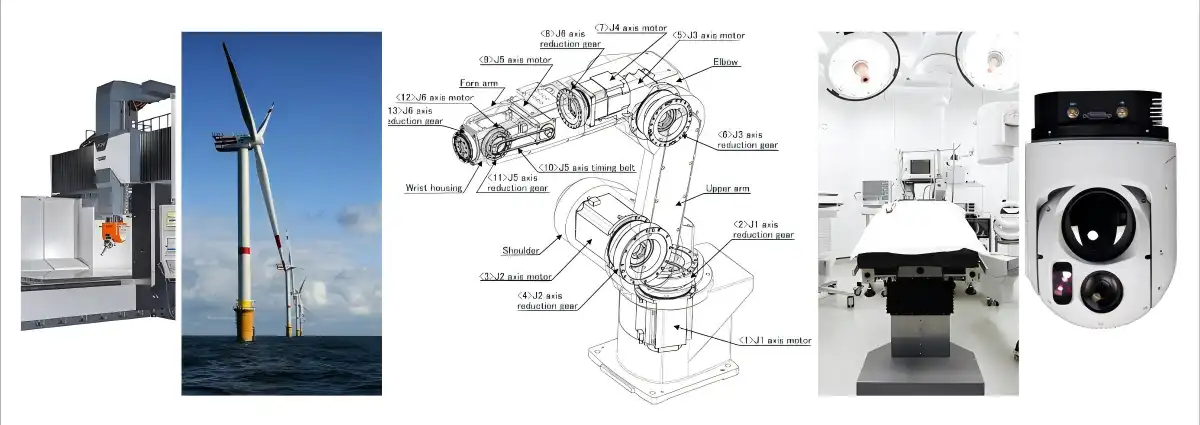
The RA5008UUCC0 cross roller bearing finds its most widespread application in industrial robotics, precision rotary tables for CNC machining centers, medical imaging equipment, semiconductor manufacturing devices, and aerospace positioning systems. These sectors demand the ultra-thin 8mm profile, exceptional load-handling capacity, and micron-level accuracy that this specialized bearing delivers. With its separable outer ring design and 50mm inner diameter, the RA5008UUCC0 enables engineers to achieve compact installations without sacrificing rigidity, making it indispensable where space constraints meet demanding performance requirements.
Understanding RA5008UUCC0 Cross Roller Bearing Specifications and Features
Dimensional Characteristics and Material Composition
The RA5008UUCC0 has a 50mm inner diameter, a 66mm outer diameter, and an amazingly small 8mm width. It has very tight standards for its dimensions. We use high-quality Gcr15 and Gcr15SiMn bearing steel to make this bearing. These steels were chosen because they keep their hardness well and don't wear down easily when they're under constant spinning stress. The outer ring can be separated, and the inner ring rotates at the same time. This design provides high rigidity while minimising the space needs that equipment designers face when working with limited space. Our production methods make sure that the material is consistent across all batches of bearings, which meets the requirements for both ISO 9001 and IATF 16949 certification. This choice of material has a direct effect on the expected service life, usually increasing the time between repair intervals by 40 to 60 percent compared to standard bearing steel formulations. This version of Gcr15SiMn has better physical stability across a wide range of temperature changes, from below zero to high industrial settings.
Load Capacity and Mechanical Performance
This single bearing assembly can handle radial forces, axial thrust loads, and overturning moments all at the same time, thanks to its cross roller design. Usually, this would require multiple bearing installations. Putting cylindrical rollers in a straight line every 90 degrees makes a 45-degree contact angle across V-groove raceways, which effectively spreads loads across multiple force directions. This setup increases the load capacity by 300–400% compared to regular single-row bearings with the same cross-sectional size. The CC0 clearance specification means negative internal play, RA5008UUCC0 cross roller bearing, which is basically a preload condition that gets rid of backlash and improves rotational accuracy. Our testing results show that runout accuracy measurements are always within the P5 to P2 tolerance bands, based on what the customer wants. In situations where positional mistakes measured in microns directly lead to product defects or operational failures, this level of accuracy is very important. The spacer retainers keep the rollers from touching each other, which lowers the friction coefficients and makes the lubrication work better for longer during working cycles.
Top Industrial Applications Using RA5008UUCC0 Cross Roller Bearings
Industrial Robotics and Automation Systems
From our customers' point of view, the RA5008UUCC0 cross roller bearing is most often used in industrial robots. Bearings that allow smooth motion over millions of operational cycles while taking up as little room as possible in joint housings are needed for robotic joints and rotating articulation points. When compared to standard bearing arrangements, the 8mm width makes the bearings much lighter, which directly increases the robot's payload capacity and movement speed. The low friction coefficient of this bearing design is especially helpful for collaborative robots used in auto assembly. Smooth spinning without stick-slip behaviour makes it possible to precisely control the position of parts during welding and part placement, where tolerances measured in tenths of millimetres determine the quality of the assembly. Manipulator rotating parts in material handling systems also use the multidirectional load handling capacity to handle the combined forces created during rapid acceleration and deceleration cycles. We've sold these bearings to companies that make automation equipment for auto parts production lines in South Korea and Germany, where continuous operation schedules require parts that have been shown to last more than 10,000 hours without failing. The separate outer ring design makes it easy to replace in the field during planned maintenance windows. This cuts down on production downtime, which costs companies thousands of dollars an hour in lost output.
CNC Machining Centers and Precision Rotary Tables
When CNC machining centers use rotary tables, they need bearing solutions that keep the tables in the right place during long cutting processes that cause a lot of vibration and changing loads. The RA5008UUCC0 meets these needs with its preloaded roller design, which makes it more rigid. Positioning mistakes happen a lot during multi-axis machining operations, and bearing backlash is a big reason for these mistakes. This cross roller bearing allows precision rotary tables to achieve indexing accuracies of within ±5 arc-seconds, which makes it possible to do five-axis machining to make aerospace parts with complicated geometries. The bearing's ability to handle moment loads is very important when grinding operations create strong overturning forces that try to tilt the table away from its mounting surface. This rigidity keeps the workpiece in place even during aggressive material removal operations. Our technical support team has helped machine tool builders replace traditional bearing pairs with a single RA5008UUCC0 installation, which saved space and improved accuracy. Dimensional economy lets rotary tables have lower profile heights, which makes the machine more rigid by shortening the distance between the cutting forces and the structural support elements on the lever arms.
How RA5008UUCC0 Compares to Other Cross Roller Bearings
Performance Characteristics Versus Alternative Models
Comparing the RA5008UUCC0 against other cross roller bearing configurations reveals specific advantages tied to its dimensional proportions and clearance specification. Similar models without the CC0 preload condition exhibit greater backlash, resulting in reduced positioning accuracy and lower system rigidity. The separable outer ring design differentiates this bearing from certain competitors using split inner ring configurations, offering installation advantages particularly relevant for retrofit applications. Load capacity per unit cross-sectional area surpasses conventional cylindrical roller bearings when multi-directional forces must be accommodated. While pure radial loads might favor cylindrical arrangements in specific scenarios, the combined loading typical in rotary applications makes the cross roller configuration more suitable. Our comparative testing demonstrates rigidity improvements of 35-50% compared to angular contact ball bearing pairs occupying equivalent installation spaces. Pricing analysis across global markets shows the RA5008UUCC0 positioned competitively relative to equivalent performance alternatives from major bearing manufacturers. Cost-per-operational-hour calculations favor this bearing RA5008UUCC0 cross roller bearing when service life and maintenance interval extensions are factored against initial component costs. Availability through authorized distributors ensures consistent supply chains supporting production schedules, addressing a key pain point for manufacturers managing just-in-time inventory systems.
Material and Manufacturing Quality Considerations
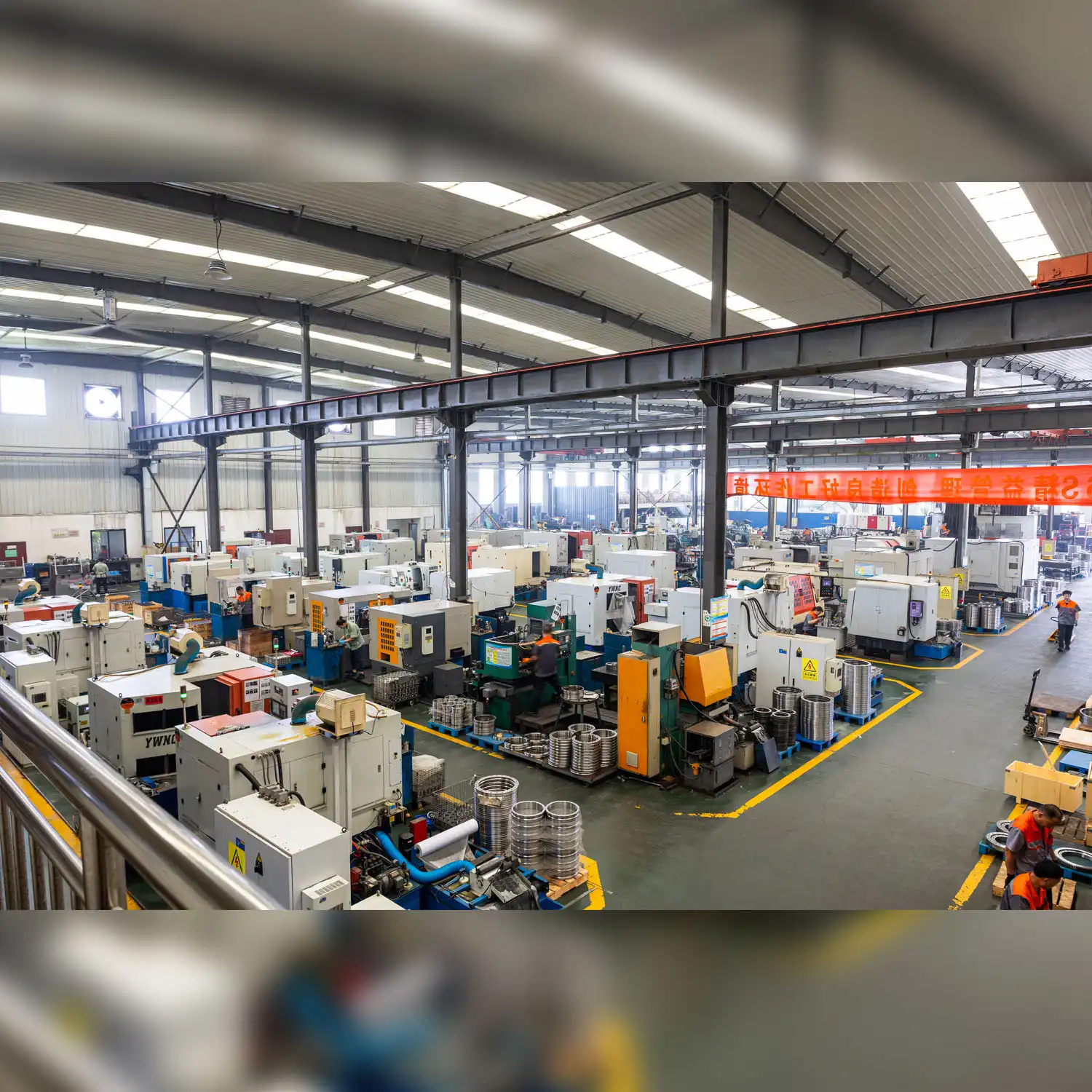
The distinction between genuine RA5008UUCC0 bearings manufactured to specification and aftermarket imitations becomes apparent through metallurgical analysis and dimensional verification. At Luoyang Auto Bearing, our quality management systems, certified to international standards, ensure material traceability and process control throughout manufacturing stages. Heat treatment protocols directly impact bearing steel microstructure, determining hardness consistency and fatigue resistance properties. Dimensional accuracy verification using coordinate measuring equipment confirms raceway geometry within specified tolerance bands. These measurements prove critical because raceway profile deviations measured in microns affect load distribution patterns and contact stress concentrations. Our six production workshops incorporate specialized grinding and finishing equipment, maintaining the geometric precision that ensures predicted service life performance. Warranty coverage and technical support differentiate authorized bearing suppliers from distributors offering non-genuine alternatives at reduced pricing. The hidden costs of premature failures and unexpected downtime far exceed the marginal savings achieved through purchasing unverified components. Our 15-year manufacturing history provides the experience base supporting technical consultations that help customers optimize bearing selection for specific application requirements.
Selecting and Maintaining RA5008UUCC0 Cross Roller Bearings for Optimal Performance
Installation Best Practices and Alignment Requirements
Proper installation procedures directly determine whether bearings achieve their design service life or experience premature failures. The separable outer ring configuration simplifies installation compared to non-separable designs, but proper alignment remains essential. Angular misalignment beyond 0.002 radians creates uneven load distribution across roller elements, accelerating wear patterns and reducing operational lifespan by 40-60% based on our field failure analysis data. Specialized tools prevent installation damage to precision-ground raceway surfaces during mounting operations. Bearing seats must meet flatness and perpendicularity tolerances specified in installation documentation, typically within 0.01mm across mounting interfaces. Housing shoulder dimensions require verification because improper clamping of the outer ring during assembly creates internal stress concentrations that manifest as premature spalling failures. Our technical team provides installation guidance addressing specific equipment configurations, particularly when bearings replace existing components during machinery upgrades. Torque specifications for mounting bolts must be observed because insufficient clamping allows fretting corrosion at interfaces, while excessive torque distorts bearing geometry. These practical considerations developed through years of field experience help customers avoid the costly mistakes that lead to unexpected equipment downtime.
Lubrication Selection and Maintenance Protocols
Lubricant selection significantly impacts bearing performance and service life expectations. The sealed configuration retains grease lubrication throughout operational periods, but initial lubricant specification must match application conditions, including temperature ranges, rotational speeds, and environmental exposure factors. High-consistency lithium complex greases generally suit most industrial applications, while synthetic lubricants provide advantages in extreme temperature environments. Relubrication intervals depend on duty cycles and operating conditions, typically ranging from 2,000 to 8,000 operational hours. Over-lubrication proves as detrimental as insufficient lubrication, creating excessive internal resistance and temperature rise. Our maintenance guidelines provide specific recommendations based on application categories, helping customers establish preventive maintenance schedules that maximize bearing longevity while minimizing unnecessary service interventions. Temperature monitoring during initial operation reveals potential installation issues or lubrication problems before permanent damage occurs. Infrared thermography identifies abnormal temperature patterns indicating misalignment, excessive preload, or lubrication deficiencies. This proactive monitoring approach, combined with vibration analysis, enables condition-based maintenance strategies, reducing unplanned RA5008UUCC0 cross roller bearing downtime across automated production systems.
Procuring RA5008UUCC0 Cross Roller Bearings—A Guide for B2B Clients
Supplier Evaluation and Quality Verification
Effective procurement strategies begin with supplier evaluation, examining manufacturing capabilities, quality certifications, and technical support resources. Our ISO 9001 and IATF 16949 certifications demonstrate process control meeting international automotive and industrial standards. These certifications aren't merely documentation exercises; they represent verified quality management systems ensuring consistent product characteristics across production batches. Manufacturing capacity directly impacts delivery reliability, particularly for bulk orders supporting high-volume production requirements. Our expansion from single workshop origins to six specialized production facilities enables parallel processing of diverse bearing types while maintaining the manufacturing focus necessary for precision component production. This scalability addresses a common frustration among OEMs: suppliers unable to support production ramp-ups during market demand increases. Technical support capabilities differentiate manufacturers offering engineering consultation from simple component vendors. Our team of 120 skilled employees includes application engineers who assist with bearing selection, installation planning, and troubleshooting. This expertise developed through 15 years of serving global markets provides value beyond the physical components, helping customers optimize designs and avoid costly specification errors.
Request for Quotation Preparation and Order Processing
Streamlined procurement requires clear communication of technical requirements and commercial terms. Effective RFQ documentation specifies bearing quantity, desired accuracy class (P6, P0, P5, P4, or P2), delivery timeline, and applicable quality standards. Volume commitments enable pricing optimization through production economies of scale, with bulk purchase discounts typically applying to orders exceeding 100 units. Lead time expectations vary based on order quantities and specification requirements. Standard accuracy grades from existing inventory often ship within 1-2 weeks, while custom accuracy classes or special material specifications require 4-6 weeks of production scheduling. Our logistics partnerships enable efficient shipping to North American customers, with delivery tracking ensuring supply chain visibility throughout transportation phases. Payment terms and warranty coverage form essential procurement agreement elements. We offer standard commercial terms, including letters of credit for new customer relationships, transitioning to open account terms as business relationships mature. Warranty coverage addresses manufacturing defects while providing clear guidelines for installation and operational factors that might affect performance, establishing realistic expectations, and protecting both manufacturer and customer interests.
Conclusion
The RA5008UUCC0 cross roller bearing serves critical functions across industrial robotics, precision machining, medical imaging, and semiconductor manufacturing sectors where compact dimensions must deliver exceptional load capacity and micron-level accuracy. Its separable outer ring design, 50mm inner diameter proportions, and CC0 preload specification address the specific challenges faced by equipment designers balancing space constraints against performance requirements. Our 15-year manufacturing experience confirms this bearing's reliability when properly selected, installed, and maintained according to application-specific guidelines. Strategic procurement partnerships with certified manufacturers ensure access to genuine components backed by technical support and quality guarantees that protect equipment investments and production schedules.
FAQ
1. What maximum load capacity does the RA5008UUCC0 bearing support?
The RA5008UUCC0 handles combined radial, axial, and moment loads simultaneously, with specific capacity values depending on load distribution ratios and operating conditions. Dynamic load ratings typically range around 8,500N radial and 6,800N axial, though exact specifications should be verified against manufacturer data sheets matching your precision accuracy class selection. Moment load capacity proves particularly relevant for rotary table applications where overturning forces challenge bearing rigidity.
2. Can this bearing operate reliably in high-temperature environments?
The Gcr15 and Gcr15SiMn material compositions maintain dimensional stability and hardness characteristics across operating temperatures from -30°C to +120°C under standard lubrication conditions. Applications exceeding these ranges require special high-temperature greases and may necessitate reduced load ratings. Thermal expansion coefficients influence preload conditions, making temperature stability important for maintaining optimal CC0 clearance specifications throughout operational cycles.
3. How does the RA5008UUCC0 improve rotary table precision compared to conventional bearings?
The cross roller arrangement with CC0 preload eliminates backlash that causes positioning errors in rotary indexing applications. Enhanced rigidity from orthogonal roller orientation improves resistance to moment loads attempting to tilt the rotary platform, maintaining perpendicularity between the table surface and the axis of rotation. Runout accuracy within P5 to P2 tolerance bands enables positioning precision within arc-seconds rather than arc-minutes, typical of standard bearing arrangements.
Partner with ATLYC for Reliable RA5008UUCC0 Cross Roller Bearing Supply
ATLYC combines precision manufacturing expertise with international quality RA5008UUCC0 cross roller bearing standards to deliver cross roller bearings meeting your most demanding specifications. Our ISO 9001 and IATF 16949 certified production facilities in Luoyang produce RA5008UUCC0 bearings serving OEMs and equipment manufacturers across automotive, industrial automation, and precision machinery sectors. As an established manufacturer with 120 dedicated production professionals and six specialized workshops, we provide the manufacturing capacity supporting both prototype development and high-volume production requirements. Contact our technical sales team at auto@lyautobearing.com to discuss your application requirements, request detailed specifications, or obtain competitive quotations for your next project requiring ultra-precision cross roller bearings.
References
1. Harris, T.A. & Kotzalas, M.N. (2006). Advanced Concepts of Bearing Technology: Rolling Bearing Analysis, Fifth Edition. CRC Press, Taylor & Francis Group.
2. Schaeffler Technologies AG & Co. (2019). Rolling Bearings: Catalog HR 1, Precision Bearings—Super Precision Bearings, Design Types and Variants. Schaeffler Technologies.
3. ISO 492:2014. Rolling Bearings—Radial Bearings—Geometrical Product Specifications (GPS) and Tolerance Values. International Organization for Standardization.
4. Nishikawa, H., Matsumoto, S. & Kanehira, S. (2015). High Precision Cross Roller Bearings for Industrial Robot Applications. Journal of Japanese Society of Tribologists, Vol. 60, No. 4, pp. 245-251.
5. THK Co., Ltd. (2020). Cross Roller Ring Technical Data: Application Guide for Precision Rotary Motion Systems. THK Technical Engineering Department.
6. Xu, H. & Zhang, W. (2018). Load Distribution Analysis and Contact Stress Calculation for Cross Roller Bearings in Robotic Joints. Mechanism and Machine Theory, Vol. 121, pp. 615-629.
Learn about our latest products and discounts through SMS or email