- English
- French
- German
- Portuguese
- Spanish
- Russian
- Japanese
- Korean
- Arabic
- Greek
- German
- Turkish
- Italian
- Danish
- Romanian
- Indonesian
- Czech
- Afrikaans
- Swedish
- Polish
- Basque
- Catalan
- Esperanto
- Hindi
- Lao
- Albanian
- Amharic
- Armenian
- Azerbaijani
- Belarusian
- Bengali
- Bosnian
- Bulgarian
- Cebuano
- Chichewa
- Corsican
- Croatian
- Dutch
- Estonian
- Filipino
- Finnish
- Frisian
- Galician
- Georgian
- Gujarati
- Haitian
- Hausa
- Hawaiian
- Hebrew
- Hmong
- Hungarian
- Icelandic
- Igbo
- Javanese
- Kannada
- Kazakh
- Khmer
- Kurdish
- Kyrgyz
- Latin
- Latvian
- Lithuanian
- Luxembou..
- Macedonian
- Malagasy
- Malay
- Malayalam
- Maltese
- Maori
- Marathi
- Mongolian
- Burmese
- Nepali
- Norwegian
- Pashto
- Persian
- Punjabi
- Serbian
- Sesotho
- Sinhala
- Slovak
- Slovenian
- Somali
- Samoan
- Scots Gaelic
- Shona
- Sindhi
- Sundanese
- Swahili
- Tajik
- Tamil
- Telugu
- Thai
- Ukrainian
- Urdu
- Uzbek
- Vietnamese
- Welsh
- Xhosa
- Yiddish
- Yoruba
- Zulu
Can RB7013 THK Replacement Reduce Maintenance Costs?
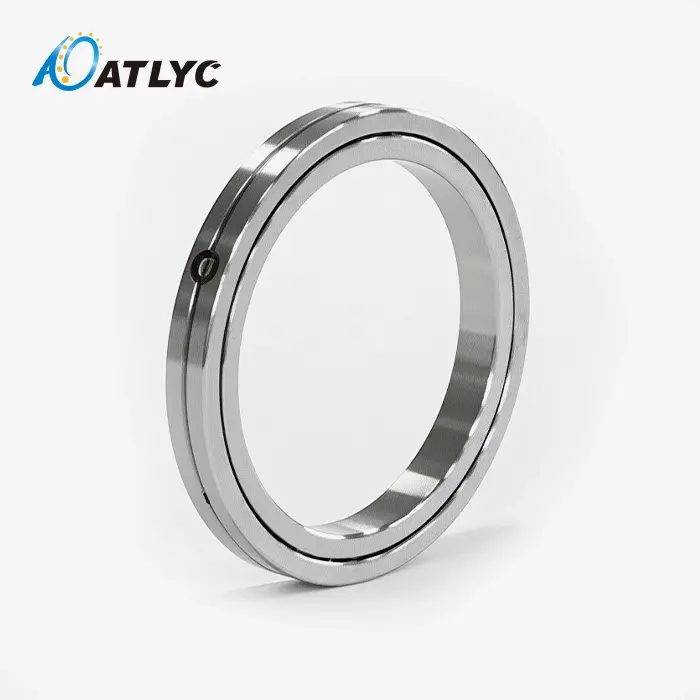
Yes, the appropriate RB7013 THK replacement bearing may save maintenance costs significantly by increasing service intervals, decreasing unscheduled downtime and enhancing overall machine dependability. High quality THK cross roller bearings like the RB7013 are designed to provide reliable performance in severe operating environments. Procurement teams that choose RB7013 THK replacement bearings, quality-certified to ISO 9001 and IATF 16949 standards, will experience reduced defect rates, longer service life and less frequent parts replacement, leading to measurable savings in labour, inventory management and production continuity.

Introduction
The RB7013 THK bearing is a vital part of industrial machines, automation systems, and precision equipment where rotational accuracy and load-bearing capability are crucial. It has been a favourite option in automobile production, robotics and heavy industrial applications for its reputation for accuracy and durability. Choosing the right replacement bearing is critical to reducing maintenance costs and preventing costly, unplanned machine downtime that may affect production schedules and profit margins. This article offers B2B procurement and engineering professionals a comprehensive look at how the selection and proper maintenance of RB7013 THK replacements can result in substantial cost savings, improved operational efficiency and better equipment reliability. These are key elements to optimise industrial maintenance expenditures, in line with strategic objectives of production size, continual improvement and long-term supply dependability. We will look at technical requirements, procurement methods, best practices for installation and the wider influence on total cost of ownership in this study.
Understanding RB7013 THK Bearings and Their Impact on Maintenance Costs
Technical Specifications That Drive Maintenance Schedules
Some dimensional aspects of RB7013 cross roller bearing are directly related to its maintenance profile. These bearings are designed to withstand combined radial and thrust stresses at the same time with the accurate inner and outer diameter and breadth. Its load capacity dictates the timing of maintenance interventions and its service life under regular operating settings provides baseline estimates for replacement intervals. These technical criteria may be determined by maintenance teams to provide proactive replacement schedules rather than reactive emergency repairs.
Mechanical Role and Common Wear Patterns
RB7013 cross roller bearings provide several contact points to spread the load so the stress is not focused on one place. This increases operating life. But there are certain wear patterns that seem to develop over time. Surface fatigue due to cyclic stress results in raceway spalling and contamination from poor sealing adds abrasive particles that promote wear. Inadequate lubrication increases friction and heat production which causes premature degradation of bearing materials. In each of these failure situations, the costs are different, from emergency shutdowns to secondary damage to surrounding components.
| Wear Pattern | Primary Cause | Maintenance Impact | Cost Implication |
|---|---|---|---|
| Raceway Spalling | Cyclic Load Fatigue | Requires Complete Replacement | High—Includes Downtime |
| Contamination Damage | Poor Sealing / Foreign Particles | Shortened Service Intervals | Medium—Increased Parts Frequency |
| Lubrication Failure | Inadequate Grease Application | Accelerated Heat Degradation | High—Potential Secondary Damage |
| Misalignment Wear | Installation Error | Uneven Load Distribution | Medium—Premature Failure Risk |
These wear patterns highlight the significance of using the right choice of RB7013 THK replacement and the right maintenance methods to limit costs.
Identifying When Replacement Becomes Necessary
Practical diagnostic procedures may allow procurement and maintenance teams to determine when to replace before catastrophic failure. Unusual vibration patterns, increasing operating temperatures, and variations in audible noise all indicate bearing degeneration. Condition monitoring systems are used to monitor these factors, allowing predictive maintenance techniques. When the reference numbers imprinted on bearing surfaces have become unreadable through wear, exact replacement specification may be achieved by measuring the inner diameter, outer diameter and breadth dimensions – an important step when finding suitable bearings from other manufacturers or distributors.
Comparing RB7013 THK Replacements: Choosing the Most Cost-Effective Option
Quality and Performance Across Bearing Brands
THK is the OEM supplier for RB7013 bearings although other manufactures including INA, NSK and specialised Chinese bearing manufacturers also supply comparable replacements. Material content changes, tolerances of manufacture and consistency across production lots might be seen. Premium manufacturers have tighter tolerances and more sophisticated heat treatment methods for better fatigue resistance . These quality factors directly translate into lower long-term maintenance costs thanks to the extended service life and improved reliability in severe operating conditions. Chinese bearing makers have made great strides in the manufacturing of high-precision products, with modern facilities now certified to ISO 9001 and IATF 16949. The development of the industry is in the Luoyang Auto Bearing Co., Ltd., which has developed from a workshop 15 years ago into a full manufacturer of six major types of bearings. At the moment, we are producing for the worldwide market, including South Korea, USA, Germany, Russia, Iran and Turkey. Our bearings are high precision, of international standards, but also competitive on price.
OEM Versus Aftermarket Replacement Considerations
OEM bearings are usually more expensive, but you get the full warranty and the assurance that they are the right bearings for your application. There are alternatives available in the aftermarket, especially from ISO-certified manufacturers, which may provide equivalent performance at a lower cost, but procurement teams need to be wary in verifying quality certifications and production standards. The main trade off is the initial purchase price vs long term dependability and possible warranty limits. Getting thorough technical specifications, material certifications and quality test results for aftermarket THK bearing replacements might assist reduce risk.
Cost Analysis and Return on Investment
A complete cost analysis must include more than the original purchase price, but the estimated service life, failure rates, and maintenance labour required. Ultimately, a bearing that costs 30% less than the OEM option, but only provides 60% of the intended service life, actually increases overall cost since it has to be replaced more often, with the related downtime. ROI calculations need to include production value lost in bearing replacement, labour cost to install and inventory carrying cost for spare parts. From this holistic perspective you can see which bearing replacement choice really leads to the best cost-performance ratios.
Best Practices for Procuring RB7013 THK Replacement Bearings
Identifying Trusted Suppliers and Distributors
The best procurement starts with connections with vetted suppliers that have consistent quality standards and delivery timetables. Internationally renowned distributors who have technical assistance skills are a value add beyond just parts delivery. The procurement specialists should evaluate the possible suppliers on the basis of production capacity, quality management systems, international certifications and client references in comparable industrial applications. Suppliers that can demonstrate scale of manufacturing and ongoing improvement initiatives provide better guarantee of long term stability of supply. Strategic procurement relationships give benefits beyond individual transactions. ATLYC is staffed by a team of 120 experienced professionals covering manufacturing, research and development, quality inspection, and assembly, which enables us to work efficiently through all phases of manufacture. This extensive infrastructure offers customisation options and technical advisory services to assist customers in selecting the best bearing for particular applications. We are ISO 9001 and IATF 16949 certified, and our robust quality control system ensures the kind of consistent quality that procurement teams rely on.
Verifying Bearing Authenticity and Avoiding Counterfeits
Counterfeit bearings pose a serious danger to global supply chains, introducing inferior materials and manufacturing quality that may impair equipment dependability. Authenticity must be verified via a number of validation methods. First, packaging is checked for quality printing, hologram security features and correct branding. Traceability is established by requesting certificates of origin, material test results and quality inspection paperwork. A physical examination of bearing surfaces for laser engraving quality, dimensional accuracy, and finishing uniformity can assist in recognising suspect components prior to installation. Developing procurement partnerships directly with manufacturers as opposed to third-party sources adds to authentication confidence. An additional benefit of direct ties with manufacturers is the ability to negotiate customisation, access to technical assistance, and communication on order requirements and delivery timetables for RB7013 THK Replacement bearings.
Logistics Considerations for Industrial Procurement
Minimum order quantities, lead times and delivery logistics are highly relevant to operational planning. Understanding supplier MOQ restrictions helps to balance inventory carrying expenses against per unit price benefits. Lead time assumptions should include production schedules, quality inspection time, and foreign shipment time. Order lead times from Chinese manufacturers typically range from 25 to 45 days depending upon the complexity of the order and degree of customisation required although established inventory programs can reduce delivery times for standard specifications Shipping logistics require attention to packaging quality, transportation method selection and customs documentation accuracy. Bearings are packaged correctly to avoid contamination and physical damage during shipping, which is especially important because these components are manufactured to precise tolerances. Working with providers that have expertise in international export processes helps avoid delays and ensures that requirements in the target country are followed.
Installation and Maintenance Tips to Maximize RB7013 THK Replacement Benefits
Installation Best Practices and Required Tools
Correct mounting has a great effect on bearing performance and life. Installation requires clean working environs, suitable equipment and care with alignment criteria. Clean mounting surfaces before installation and check for damage, burrs or dimensional deviations which may have an effect on bearing seating. Calibrated measuring devices are used to ensure that shaft and housing dimensions are within prescribed tolerances. Even a deviation of only 0.02mm can create stress concentrations that promote wear. In bearing installation, proper bearing mounting tools must be used and not makeshift tools that can damage the components. Hydraulic mount equipment offers a regulated application of force while induction heaters allow installation via thermal expansion for interference fittings. Keeping your hands and work surfaces clean during installation helps prevent contamination with particles that might reduce lubrication and speed up wear. The mount will be secure but not over preloaded by tightening the retaining hardware to the manufacturer’s specified torque.
Lubrication Protocols and Condition Monitoring
A systematic lubrication program affects directly the life of the bearing and maintenance expense. The kind of lubricant used in cross roller bearings must also be suitable with the operating speed, load and temperature of the bearing. Under normal operating circumstances, raceway lubrication intervals are usually between 100 and 200 hours of operation, while severe service conditions or high load applications may need more frequent service. Automated lubrication systems assure even application and eliminate dependence on human processes that may be variable. Condition monitoring methods may give early notice of growing issues before they become breakdowns. Vibration analysis is used to identify changes in bearing function that are indicative of wear development. Temperature monitoring is used to detect breakdown of lubrication or excessive friction. Oil analysis programs analyse lubricant samples and may provide information regarding the contamination levels and composition of wear particles. This provides insight to the state of the bearing and the remaining service life. Such predictive maintenance systems allow for planned replacement during scheduled downtime rather than emergency interventions that interrupt output.
Real-World Cost Reduction Results
Manufacturers that adopt a thorough bearing maintenance program might realise considerable cost benefits. One Michigan-based automotive component company was able to minimise bearing-related downtime by 43% after implementing predictive maintenance processes and working with certified bearing suppliers who provide technical assistance and training. Another case study on industrial automation equipment showed that the switch to precision-certified replacement bearings led to service intervals extending from 8 months to 14 months, reducing annual bearing costs by 28% while also improving production consistency. These results highlight the value proposition of combining quality bearing selection with proactive maintenance strategies. Typically, the initial investment in premium replacement bearings and condition monitoring systems is recouped within 12 to 18 months via the elimination of emergency repairs, maximising equipment uptime and reducing labour costs associated with reactive maintenance.
How RB7013 THK Replacement Enhances Operational Efficiency and Lowers Total Cost of Ownership
Quantifiable Savings Across Maintenance Categories
Replacing damaged bearings with high quality replacements results in cost savings in various sectors. Lower labour expenses are achieved via longer maintenance intervals and fewer emergency repairs. With an increase in bearing service life, the cost of parts replacement decreases and the probability of secondary damage of surrounding components reduces. Production downtime is a big part of the cost. As equipment dependability improves and unscheduled shutdowns become infrequent, production downtime is greatly reduced. The actual benefit of strategic bearing purchase is in the calculation of these combined savings. Consider a hypothetical situation where industrial equipment produces $5,000 per hour of created value. A bearing failure that requires an emergency repair taking four hours to fix results in $20,000 in lost production value, plus labour and materials expenses that might be as high as $3,000. Better bearing replacements, such as the RB7013 THK Replacement, would save almost $46,000 annually by cutting failures from three a year to one, significantly exceeding the cost of any premium for better bearings.
| Cost Category | Reactive Maintenance Approach | Proactive Quality Bearing Strategy | Annual Savings |
|---|---|---|---|
| Emergency Repairs | $9,000 (3 incidents) | $3,000 (1 incident) | $6,000 |
| Production Downtime | $60,000 (12 hours) | $20,000 (4 hours) | $40,000 |
| Parts Replacement | $7,500 (frequent changes) | $4,500 (extended service life) | $3,000 |
| Preventive Maintenance Labor | $2,000 | $3,500 (increased monitoring) | -$1,500 |
| Total Annual Impact | $78,500 | $31,000 | $47,500 |
The research reveals how strategic choices regarding the purchase of bearings affect the total operating expenses and the competitiveness.
Strategic Advantages for Equipment Reliability
Beyond the direct cost savings, the strategic benefits of quality bearing replacements improve the competitive position. Equipment dependability enhancements allow for more aggressive production schedules and lower safety stock needs. Quality assurance and risk mitigation are provided by recognised vendors with better warranty periods. It is feasible to streamline the inventory management when the service life of the bearing is more predictable and the need for emergency replacements reduces. These operational benefits help to the consistency of production which in turn promotes the quality of the product and customer satisfaction. Manufacturing sites that are able to consistently meet delivery deadlines and provide consistent quality output enjoy premium pricing and more customer loyalty . Such competitive advantages may be traced back to basic choices on component quality and maintenance techniques .
Industry 4.0 Integration and Future-Proofing
New developments in the industry around digitalisation and smart manufacturing provide chances to improve bearing performance. Sensors integrated into the housing of equipment monitor bearing temperature, vibration and load conditions in real time and transmit the data to predictive analytics platforms that are evolving rapidly to improve their ability to anticipate maintenance requirements. This combination supports lean manufacturing principles by minimising waste associated with premature replacements while preventing failures that disrupt the production flow. Choosing bearing suppliers with the technical capabilities to support these advanced approaches positions organisations for competitive advantage as Industry 4.0 adoption accelerates. Manufacturers who combine the best of conventional precision manufacturing capabilities with digital-age support services become the ideal strategic partners for forward-thinking procurement teams.

Conclusion
Proper selection of RB7013 THK replacement bearings may result in considerable savings in maintenance costs via longer service intervals, enhanced equipment dependability and less unscheduled downtime. With technological know-how, strict procurement processes and preventive maintenance standards, industrial operations have realised tangible benefits in total cost of ownership. The study provided illustrates that the initial cost of purchasing a bearing is just one part of its lifetime cost – service life, failure rates and operational efficiency are far more important to the total costs. Organisations looking to collaborate with ISO certified manufacturers with technical assistance, quality assurance and dependable delivery schedules are set for long-term competitive advantage in the increasingly demanding global marketplaces.
FAQ
What measurements do I need to source an RB7013 THK replacement bearing?
You need three critical measurements: inner diameter, outer diameter, and width. When bearing reference numbers become illegible through wear, these dimensions allow accurate replacement specification. Providing bearing type information—such as cross roller bearing—alongside measurements ensures correct replacement selection.
How can I verify authentic RB7013 THK bearings versus counterfeits?
Examine packaging quality, holographic security features, and proper branding. Request certificates of origin, material test reports, and quality inspection documentation establishing traceability. Physical inspection should assess laser engraving quality, dimensional precision, and surface finishing consistency. Purchasing directly from certified manufacturers provides additional authentication assurance.
What typical lead times should I expect for bulk RB7013 replacement bearing orders?
Standard lead times from certified Chinese manufacturers typically range from 25 to 45 days, depending on order complexity and customization requirements. Established inventory programs for common specifications can reduce delivery windows. International shipping adds 7 to 14 days depending on transportation method and destination.
Are aftermarket RB7013 replacements as reliable as OEM bearings?
ISO-certified aftermarket manufacturers can deliver comparable performance to OEM bearings when they maintain rigorous quality standards and precision manufacturing processes. Verification requires examining certifications, requesting technical specifications, and reviewing quality test reports. Established manufacturers with international customer bases and comprehensive quality management systems offer reliable alternatives at competitive pricing.
Partner With ATLYC for Certified RB7013 THK Replacement Solutions
Maintenance cost optimization requires more than simply purchasing replacement bearings—it demands partnership with a bearing supplier who understands your operational requirements and quality expectations. ATLYC combines 15 years of precision bearing manufacturing experience with ISO 9001 and IATF 16949 certifications, delivering high-precision cross roller bearings that meet international standards. Our comprehensive manufacturing infrastructure across six specialized workshops supports both standard specifications and customization capabilities for unique applications. Procurement teams worldwide—from South Korea to Germany, from the United States to Turkey—trust our consistent quality, reliable delivery schedules, and technical support that extends throughout product lifecycle. Contact our engineering team at auto@lyautobearing.com to discuss your RB7013 THK replacement bearing requirements and discover how partnering with a dependable Chinese bearing manufacturer can reduce maintenance costs while enhancing equipment reliability.
References
1. Harris, T.A., & Kotzalas, M.N. (2006). Advanced Concepts of Bearing Technology: Rolling Bearing Analysis (5th ed.). CRC Press.
2. Booser, E.R. (Ed.). (2018). Tribology and Lubrication Engineering Handbook: Volume II - Equipment Maintenance and Reliability. Industrial Press.
3. Neale, M.J. (2017). The Tribology Handbook (3rd ed.). Butterworth-Heinemann Engineering.
4. ISO 15243:2017. Rolling bearings - Damage and failures - Terms, characteristics and causes. International Organization for Standardization.
5. Eschmann, P., Hasbargen, L., & Weigand, K. (1985). Ball and Roller Bearings: Theory, Design and Application (2nd ed.). John Wiley & Sons.
6. Tallian, T.E. (1992). Failure Atlas for Hertz Contact Machine Elements. ASME Press.
Learn about our latest products and discounts through SMS or email