- English
- French
- German
- Portuguese
- Spanish
- Russian
- Japanese
- Korean
- Arabic
- Greek
- German
- Turkish
- Italian
- Danish
- Romanian
- Indonesian
- Czech
- Afrikaans
- Swedish
- Polish
- Basque
- Catalan
- Esperanto
- Hindi
- Lao
- Albanian
- Amharic
- Armenian
- Azerbaijani
- Belarusian
- Bengali
- Bosnian
- Bulgarian
- Cebuano
- Chichewa
- Corsican
- Croatian
- Dutch
- Estonian
- Filipino
- Finnish
- Frisian
- Galician
- Georgian
- Gujarati
- Haitian
- Hausa
- Hawaiian
- Hebrew
- Hmong
- Hungarian
- Icelandic
- Igbo
- Javanese
- Kannada
- Kazakh
- Khmer
- Kurdish
- Kyrgyz
- Latin
- Latvian
- Lithuanian
- Luxembou..
- Macedonian
- Malagasy
- Malay
- Malayalam
- Maltese
- Maori
- Marathi
- Mongolian
- Burmese
- Nepali
- Norwegian
- Pashto
- Persian
- Punjabi
- Serbian
- Sesotho
- Sinhala
- Slovak
- Slovenian
- Somali
- Samoan
- Scots Gaelic
- Shona
- Sindhi
- Sundanese
- Swahili
- Tajik
- Tamil
- Telugu
- Thai
- Ukrainian
- Urdu
- Uzbek
- Vietnamese
- Welsh
- Xhosa
- Yiddish
- Yoruba
- Zulu
Crossed Roller Bearing RB Series Maintenance Tips and Lifespan
How well you take care of the Crossed Roller Bearing RB Series affects how long your fine equipment lasts and whether it breaks down early. Because these bearings are made with circular rollers positioned at right angles within built-in ring structures, they need to be maintained in a very different way than regular ball bearings. If you follow the right maintenance schedules for lubrication, cleaning, and regular checks, these high-rigidity bearings will always work for 30,000 to 50,000 hours in industrial robotics and CNC rotary table applications, as long as the environment stays stable and the loading parameters stay within the manufacturer's guidelines.
Understanding the Crossed Roller Bearing RB Series
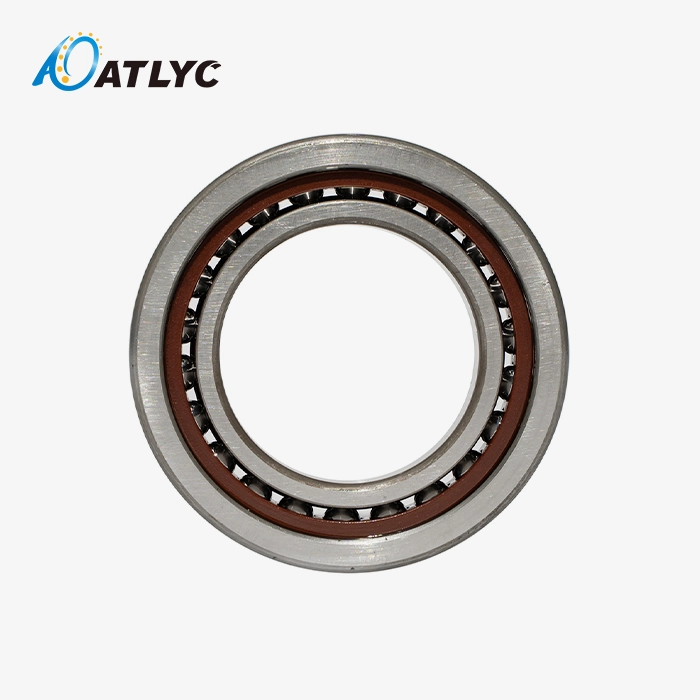
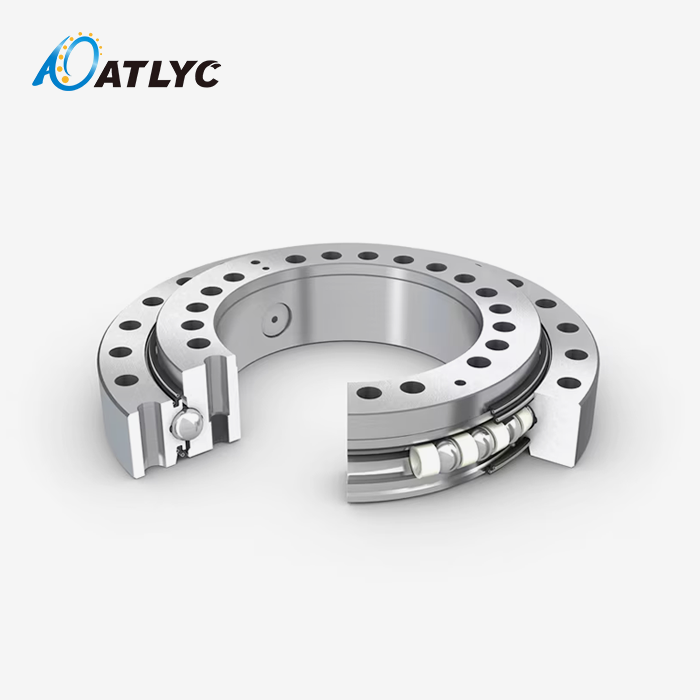
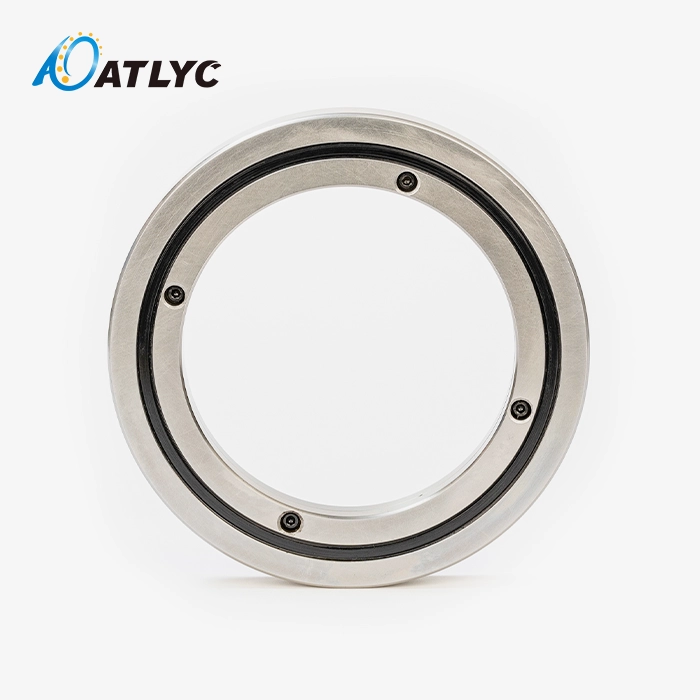
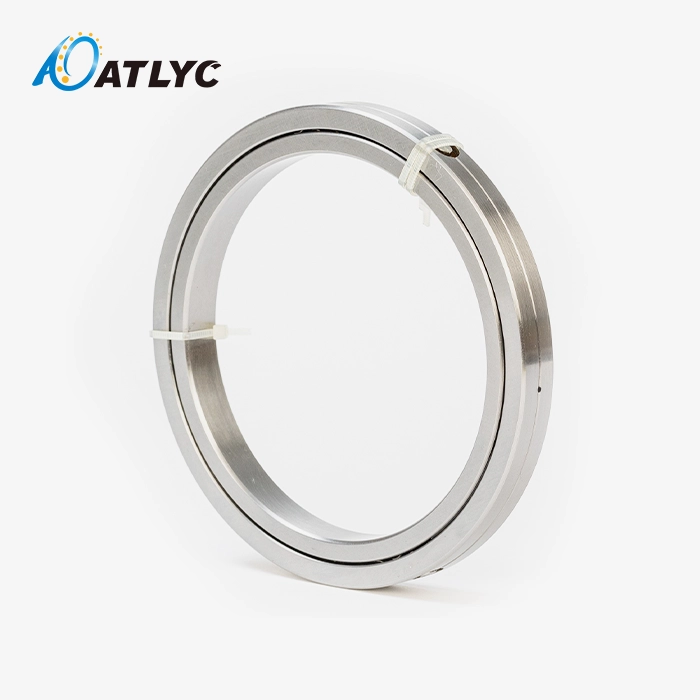
The Crossed Roller Bearing RB Series is a special kind of bearing that is used in places where room is limited, and performance is very important. This type of bearing has an inner ring that is built in and an outer ring that can be taken off, and it has a plug mechanism that makes fitting easier in tight assembly areas. When the cylindrical rollers are placed across V-groove raceways in an orthogonal pattern, they make contact points that spread radial, axial, and moment loads over several areas at the same time.
Structural Design and Core Specifications
This line is different from other bearing designs because the rings are all built in. In standard systems, complex loads need to be handled by two separate setups. The Crossed Roller Bearing RB Series, on the other hand, combines these functions into a single small unit. This way of building means that the structure is very stiff while also having low rotational friction, which is very useful in precision placement systems.
These bearings can fit a wide range of machinery needs because their sizes range from 20 mm to 1100 mm in diameter, 70 mm to 1500 mm in diameter, and 12 mm to 110 mm in width. The material, which is mostly made up of Gcr15 and Gcr15SiMn bearing steel, is hard and doesn't wear down easily, so it can be used for a long time with different loads. Heat treatment methods raise the surface hardness to a level that stops bending while keeping the core tough enough to handle shock loads.
Precision Grades and Their Applications
The bearing's dimensional limits and rotational precision are shown by its accuracy categories, which go from P6 to P4. The standard P6 grade is used for general manufacturing machines where positioning accuracy is above 10 micrometers and is considered reasonable. Applications that need sub-5-micrometer runout accuracy, like semiconductor chip handling tools and medical imaging systems, can use grades P5 and P4. This is because rotational inconsistency has a direct effect on output quality. When buying teams know about these precision levels, they can match bearing specifications to real application needs instead of over-specifying parts for no reason.
Essential Maintenance Tips to Extend the Lifespan of RB Series Bearings
If you follow the right care steps, your Crossed Roller Bearing RB Series will last as long as they're supposed to or break down before their L10 lifespan is up. The unique way the rollers are arranged in these bearings creates certain weak spots that must be addressed in a planned way during maintenance.
Lubrication Management Strategies
In the Crossed Roller Bearing RB Series, lubrication does two things: it lowers the friction between the metals and protects them from outside contaminants. For the perpendicular roller setup to work, it needs lubricants that can keep the film thickness the same even though the contact shapes change during the rotation cycle. Lithium-based greases with an NLGI Grade 2 consistency work well in moderate-speed uses below 500 RPM. For higher-speed activities or places where temperatures change more than 40°C, synthetic oil lubrication is needed.
Re-lubrication plans are not based on calendars, but on how often the equipment is used. Every 2,000 to 3,000 working hours, bearings that are constantly under modest loads need to have their grease refilled. But in places where there are a lot of start-stop cycles or changes in direction, like in artificial joint systems, the lubrication may need to be changed every 1,500 hours because the border layer breaks down faster. It's just as dangerous to lubricate too much as it is not enough. This is because too much grease raises the internal resistance, which raises working temperatures and could lead to seal damage.
Contamination Control Measures
Most premature bearing failures in industrial settings are caused by particulate pollution. Smaller than the width of the grease film—usually between 0.5 and 2 micrometers in Crossed Roller Bearing RB Series—dust particles get embedded in the raceway surfaces. This creates stress concentration points that lead to spalling failures. When compared to single-seal setups, multi-stage sealing systems that use both contact seals and non-contact labyrinth designs cut down on leakage by about 85%.
When you clean regularly, you should use lint-free products and agents based on petroleum instead of water-based cleaners that leave behind moisture. When used for 500 hours in a dusty setting, inspections allow early discovery of seal wear before contaminants reach internal parts. For clean room uses, like IC production equipment that uses these bearings, particulate counts must stay below ISO Class 5 standards so that the bearings stay in good shape over long periods of time.
Condition Monitoring Techniques
Vibration analysis can tell you early on if there are problems with a bearing before they become catastrophic. Accelerometers placed near bearing housings pick up frequency patterns that are special to different types of failure. For example, roller skewing creates clear high-frequency marks around 10-15 kHz, and raceway spalling creates lower-frequency peaks between 1-3 kHz. Setting up standard vibration profiles during the initial setup phase lets maintenance teams spot changes that could mean problems are starting to appear.
Vibration analysis and thermal tracking work together to show when lubrication is breaking down, or parts are not lined up correctly. Temperature rises of 15 to 20°C above the standard readings indicate that the bearings are not properly oiled or that too much pressure is being applied. Infrared thermography lets you map the temperature across bearing housings without touching them. This lets you find hot spots that show uneven load distribution or surface damage that is starting to form. When these tracking methods are used with organized data logging, they increase the life of bearings by allowing preventative maintenance to be done instead of fixing things after they break.
Comparing Crossed Roller Bearing RB Series Maintenance with Other Bearings
Due to their unique load-handling system and structural design, Crossed Roller Bearing RB Series have very different servicing needs than other types of bearings.
Maintenance Distinctions from Ball Bearings
Ball bearings work by putting moving elements and raceways in point contact with each other. This creates low friction but a limited load capacity. Line contact across cylindrical rollers is used in the Crossed Roller Bearing RB Series. This spreads loads over a bigger surface area, but it requires more complex control of lubricants. Crossed Roller Bearing RB Series would wear out quickly in situations with little or no lubrication, but ball bearings can handle it. On the other hand, Crossed Roller Bearing RB Series keep their accuracy even when moment loads happen that would make ball bearing systems bend too much.
As a result, the inspection methods for each type of bearing are different. For example, radial play and rolling smoothness must be checked for ball bearings, while preload retention and runout accuracy must also be checked for Crossed Roller Bearing RB Series. The Crossed Roller Bearing RB Series' combined ring structure makes alignment easier than with paired angular contact ball bearings, but the mounting surface needs to be prepared more precisely to avoid displacement caused by the housing.
Performance Advantages in Industrial Applications
When it comes to accurate machinery, the upkeep cost of Crossed Roller Bearing RB Series pays off in a big way. This is clearly shown by robotic joint uses. For example, a six-axis industrial robot with Crossed Roller Bearing RB Series in its waist and elbow joints can repeat its movements within ±0.02mm over 50,000 cycles as long as it is properly kept. Comparable systems that use ball bearings need to be recalibrated every 20,000 cycles to keep up the same level of accuracy. This is because positioning mistakes are added up by elastic displacement under moment loads.
When cutting in more than one way, these bearings make the rotating table more rigid, which is useful for CNC use. When the table rotates along with radial cutting forces and axial tool pressure at the same time, the Crossed Roller Bearing RB Series design keeps the position stable. This ability to handle loads lets builders of machine tools choose lighter structure parts that don't lose performance. This cuts the total system mass by 15 to 25 percent compared to designs that use traditional bearing arrangements.
How to Choose the Right Crossed Roller Bearing RB Series for Your Needs
To choose the right bearing specs, you need to carefully look at the environmental and working factors that affect their performance and upkeep needs.
Load Capacity Analysis
Correctly calculating the load is the basis for choosing the right bearings. The Crossed Roller Bearing RB Series can handle combined loads. To figure out the corresponding dynamic load, you need to add up the values of the radial force components, the axial thrust, and the applied moment, using the formulas provided by the bearing maker. Because load and bearing wear life are related in a way that grows exponentially, undersizing bearings by even 10% can cut their useful life by half.
When it comes to ongoing industrial operations, safety factors usually fall between 1.5 and 2.0. This is because they take into account transient shock loads and operational risks. Because bearing failure in a patient care setting can be very dangerous, medical equipment applications often list safety factors that are close to 3.0. There are bearing sizes ranging from 20 mm to 1100 mm in inner diameter, which can be used for small measuring tools to large rotary kilns. However, common catalog sizes between 50 mm and 400 mm offer the best cost-performance ratios and shorter wait times.
Environmental Considerations and Material Selection
Operating temperature ranges have a big effect on the choice of material and how often it needs to be maintained. Standard Gcr15 bearing steel works well at temperatures ranging from -20°C to 120°C, which is enough for most industrial uses. When these limits are crossed, environments that need Gcr15SiMn metal variations that are more stable in size at high and low temperatures are needed. When chemical manufacturing equipment is in a corrosive environment, it may need special surface treatments or ceramic roller alternatives. However, these changes make the cost of purchase 40–60% higher than normal designs.
The right seal configurations and lubrication types are based on the amounts of humidity and dust pollution. Manufacturing plants near the coast that use air that is high in salt need stronger corrosion protection, such as protected bearings with specially made greases that stop rust. On the other hand, low-outgassing lubricants that won't contaminate sensitive processes are used in clean room semiconductor applications. This means that upkeep needs to be done more often to keep product quality high.
Supplier Partnership Importance
Working with experienced bearing manufacturers guarantees expert help after the product has been delivered. Suppliers with a good reputation offer application engineering help that turns machine needs into specific bearing parameters. This knowledge is especially useful when changing the size, accuracy level, or internal clearance requirements of bearings for specific uses.
Quality badges show that a company is dedicated to producing goods that meet regular standards. ISO 9001 certification checks that a quality management system is being used correctly, and IATF 16949 covers the special needs of the car industry for preventing defects and managing the supply chain. These certifications give procurement workers a measured level of trust in the consistency of the product across repeat orders. This lowers the need for receiving inspections and speeds up the planning of production.
Procurement Insights: Buying and Maintaining RB Series Bearings Efficiently
Strategic methods to buying things take into account both short-term costs and the dependability of the supply over time as well as the total costs of ownership.
Order Quantity Optimization
Crossed Roller Bearing RB Series have different minimum order amounts based on their size and the difficulty of the specification. Standard catalog items with P6 or P5 accuracy grades usually have lower minimum numbers, usually between 10 and 20 pieces. This makes it easier for smaller producers to keep a good amount of inventory on hand. Because they need to be made in a certain way, custom-sized bearings or bearings that need to be P4 precise may need minimum orders of 50 to 100 units.
When you sign a bulk purchasing deal with an annual volume promise, you can usually get 15–30% off the spot-buy price. These arrangements also give special treatment when capacity is limited, which keeps supply schedules reliable when the market is down. Carrying costs and possible production delays should be weighed in inventory management strategies. For example, keeping a three-month supply of key bearing sizes on hand guards against supply chain interruptions while keeping too much capital in stock.
Lead Time Management
Standard Crossed Roller Bearing RB Series in popular sizes usually ship within two to four weeks from well-known companies that keep a good track of their stock. Due to the need for dedicated production scheduling, wait times can go up to 8 to 12 weeks for custom specs that call for non-standard dimensions, special materials, or higher accuracy grades. Knowing these dates helps project managers put together tools in the right order, so there aren't any costly delays during the final assembly steps.
International shipping can add one to three weeks, based on the means of transport chosen and how quickly the goods are cleared through customs. When compared to ocean shipping, air freight cuts down on travel time but raises handling costs by three to five times. Instead of just looking at unit prices, procurement teams should look at the total landed cost. This is because a maker giving 10% cheaper prices but needing more money for shipping may end up being more expensive overall.
Building Long-Term Supplier Relationships
Consistent relationships with suppliers have benefits that go beyond individual deals. When manufacturers know what your application needs, they can better predict those needs and offer design changes or different specs that improve performance while keeping costs low. When sellers know that a customer has bought from them before, they are more likely to respond quickly with technical support, help with failure analysis, and resolution of guarantee claims.
Long-term relationships can also help you negotiate when the market changes. Stable demand trends are important to suppliers, and when raw materials are scarce or capacity is limited, they often give priority to long-term customers. Key bearing providers hold annual business reviews that give manufacturers a chance to talk about future projects. This lets manufacturers plan tools and production capacity ahead of time instead of waiting for purchase orders to come in.
Conclusion
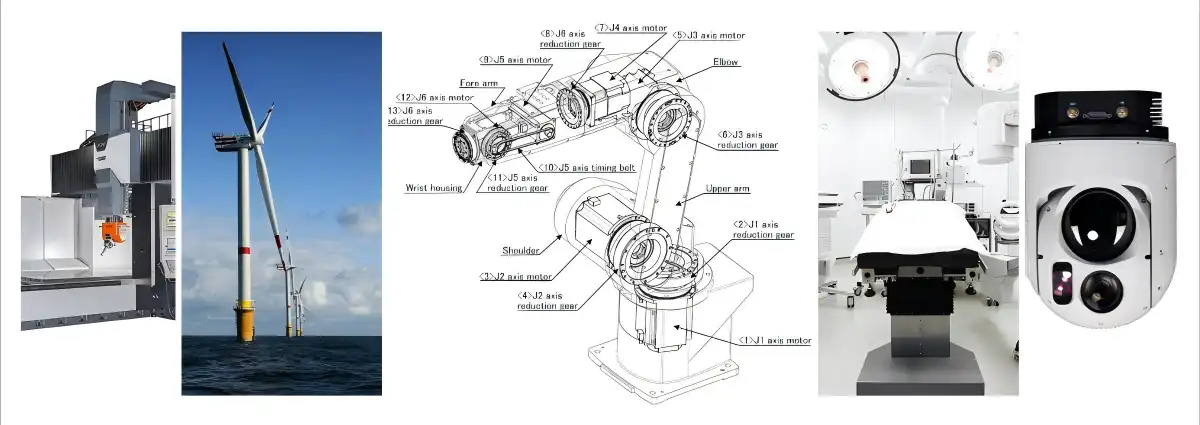
To make precision Crossed Roller Bearing RB Series last as long as possible, you need to know how to maintain them properly and choose specs that match the needs of the application. When properly kept with routine lubrication management, contamination control, and condition tracking, the Crossed Roller Bearing RB Series line gives great performance. These bearings are very important in robotic systems, precise rotary tables, and medical equipment. If they break, it's not just expensive to repair them; there could also be safety issues and lost production. When companies use strategic buying methods that focus on relationships with suppliers, quality certifications, and total cost analysis, they can meet both short-term cost goals and long-term reliability goals for their precise machinery.
FAQ
1. What is the typical lifespan of an RB series bearing under normal operating conditions?
If you keep your Crossed Roller Bearing RB Series in good shape, it should last between 30,000 and 50,000 hours in normal industry settings with modest loads and controlled conditions. The actual service life depends on how much it is loaded, how well it is oiled, how much it is exposed to contamination, and the temperature ranges it is used in. When applications keep loads below 50% of their maximum capacity and follow strict repair procedures, they often last 50–100% longer than expected.
2. How often should I re-lubricate crossed roller bearings in robotic applications?
Robotic joints usually need new grease every 1,500 to 2,000 hours of use because the joints move back and forth a lot and are loaded and unloaded quickly, which wears down the grease faster. Intervals can be extended to 3,000 hours if the machine is used continuously with stable loads. Following operational temperature patterns can help you make decisions. For example, if the temperature stays 10-15°C above the baseline readings for a long time, it means that the lubrication is breaking down and needs instant attention, no matter how often it's supposed to be done.
3. Can I replace standard ball bearings with RB series crossed roller bearings?
Replacement depends on the form of the housing, the load that needs to be carried, and the fitting room that is available. The Crossed Roller Bearing RB Series has better stiffness and moment load capacity in small packages, but the mounting surface needs to be carefully prepared, and the fitting process is different from that of ball bearings. Conversions that work well are usually used in situations where moment loads or positioning accuracy are higher than what ball bearings can handle. Talking to bearing application engineers before making design changes is the best way to make sure that they will work with the new design.
Partner with ATLYC for Reliable Crossed Roller Bearing Solutions
ATLYC has been making precision bearings for 15 years and works with challenging industrial uses all over the world. The way we make Crossed Roller Bearing RB Series is in line with ISO 9001 and IATF 16949 standards. This makes sure that the quality of every unit we send out is the same. With six specialized production workshops and 120 committed team members, we've built up the manufacturing capacity to meet the needs of automakers, industrial automation integrators, and OEMs of precision machinery for both small batches and large volumes.
Our technical team works directly with sourcing managers and design engineers to make sure that the parameters of the bearings exactly meet the needs of the application. We keep our prices low without lowering the quality standards that your equipment needs. We also support long-term supply deals with dependable lead times that keep your production plans safe. Whether you need normal catalog sizes or custom-dimension bearings made to P4 accuracy standards, our thorough quality control processes make sure that the dimensions are correct, the bearings rotate precisely, and the material is solid before they are shipped. Email us at auto@lyautobearing.com to talk about your crossed roller bearing needs and find out how our precision production can help your equipment work better while lowering the total cost of ownership.
References
1. Harris, T.A. & Kotzalas, M.N. (2006). Rolling Bearing Analysis: Essential Concepts of Bearing Technology. CRC Press, Taylor & Francis Group.
2. Bhushan, B. (2013). Principles and Applications of Tribology: Bearing Design, Lubrication and Wear. John Wiley & Sons, Inc.
3. Eschmann, P., Hasbargen, L. & Weigand, K. (1985). Ball and Roller Bearings: Theory, Design and Application. Research Studies Press Ltd.
4. Hamrock, B.J., Schmid, S.R. & Jacobson, B.O. (2004). Fundamentals of Fluid Film Lubrication: Bearing Design and Performance. Marcel Dekker, Inc.
5. Guangteng, G. & Spikes, H.A. (1997). Boundary Film Formation by Lubricant Base Fluids in Rolling and Sliding Contacts. Tribology Transactions, Volume 40, Issue 3.
6. Tallian, T.E. (1992). Simplified Contact Fatigue Life Prediction Model: Part I—Review of Published Models. Journal of Tribology, Transactions of the ASME, Volume 114.
Learn about our latest products and discounts through SMS or email