- English
- French
- German
- Portuguese
- Spanish
- Russian
- Japanese
- Korean
- Arabic
- Greek
- German
- Turkish
- Italian
- Danish
- Romanian
- Indonesian
- Czech
- Afrikaans
- Swedish
- Polish
- Basque
- Catalan
- Esperanto
- Hindi
- Lao
- Albanian
- Amharic
- Armenian
- Azerbaijani
- Belarusian
- Bengali
- Bosnian
- Bulgarian
- Cebuano
- Chichewa
- Corsican
- Croatian
- Dutch
- Estonian
- Filipino
- Finnish
- Frisian
- Galician
- Georgian
- Gujarati
- Haitian
- Hausa
- Hawaiian
- Hebrew
- Hmong
- Hungarian
- Icelandic
- Igbo
- Javanese
- Kannada
- Kazakh
- Khmer
- Kurdish
- Kyrgyz
- Latin
- Latvian
- Lithuanian
- Luxembou..
- Macedonian
- Malagasy
- Malay
- Malayalam
- Maltese
- Maori
- Marathi
- Mongolian
- Burmese
- Nepali
- Norwegian
- Pashto
- Persian
- Punjabi
- Serbian
- Sesotho
- Sinhala
- Slovak
- Slovenian
- Somali
- Samoan
- Scots Gaelic
- Shona
- Sindhi
- Sundanese
- Swahili
- Tajik
- Tamil
- Telugu
- Thai
- Ukrainian
- Urdu
- Uzbek
- Vietnamese
- Welsh
- Xhosa
- Yiddish
- Yoruba
- Zulu
High-Rigidity RA Cross Roller Bearing for Industrial Robotics
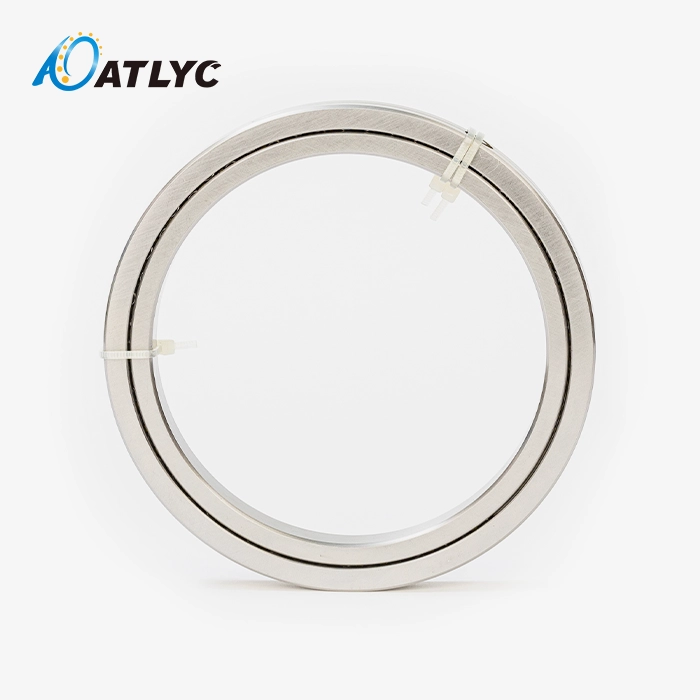
For industrial robotics uses, high-rigidity RA cross roller bearings are the pinnacle of precision engineering. They offer unmatched stability and performance in harsh automation settings. These special bearings have cylinder-shaped rollers that are placed perpendicular to each other in a V-groove raceway arrangement. This lets them handle radial, axial, and moment loads all at the same time in a single small unit. The RA Cross Roller Bearing design gets rid of the need for complicated multi-bearing assemblies. It also provides the high level of structural rigidity and rotational precision needed for current robotic systems.
Understanding RA Cross Roller Bearings: Design, Benefits, and Applications
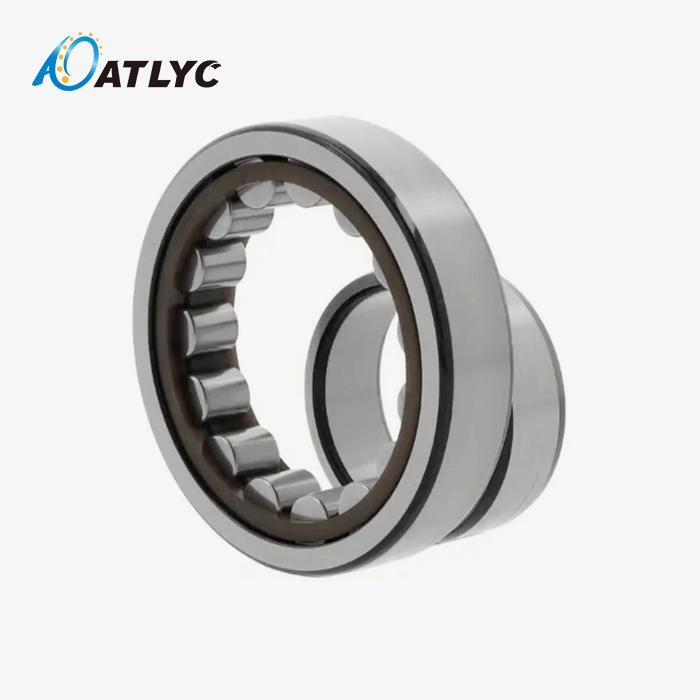
The revolutionary design architecture of cross roller bearings, which meets the most difficult needs of industrial automation, makes them a masterpiece of engineering. These precision parts have very thin walls and cylinder-shaped rollers that are positioned orthogonally and split by spacers to keep the rollers from touching each other and make sure the machine runs smoothly even when the load changes.
Advanced Design Architecture and Working Principles
One thing that makes the RA series stand out is that its outer ring can be separated and its inner ring can rotate. This makes installation and servicing easier. The physical design of the bearing spreads the load across many contact points, which greatly reduces the stress concentrations that usually happen in other bearing systems. This way of thinking about design leads to higher load carrying ability while keeping the small size that is important for robotic applications that need to save room.
Choosing the right materials is a very important part of getting the best results. High-quality Gcr15 and Gcr15SiMn steel combinations are very hard, don't wear down easily, and keep their shape even when working conditions change. Specialized heat treatments are used on these materials to make sure that they have a regular hardness distribution and excellent wear resistance. This makes sure that they keep working well over long periods of time.
Key Performance Benefits for Robotic Applications
Cross roller bearing technology has a lot of benefits that can be immediately linked to changes in the performance of robotic systems. Precision production leads to a low friction coefficient, which allows for smooth spinning with little torque. This means that less energy is used and less heat is produced during high-frequency positioning operations. This feature is especially useful in situations where acceleration and braking processes need to happen quickly.
Another important benefit is that it has very accurate runout, and precision grades from P6 to P4 are available to meet the needs of different applications. This level of accuracy makes sure that placing works the same way every time, which is important for jobs like assembly, quality control, and precision manufacturing. The bearing's ability to keep its accuracy over long periods of use cuts down on system downtime and improves the overall performance of the equipment.
Industrial Applications and Market Sectors
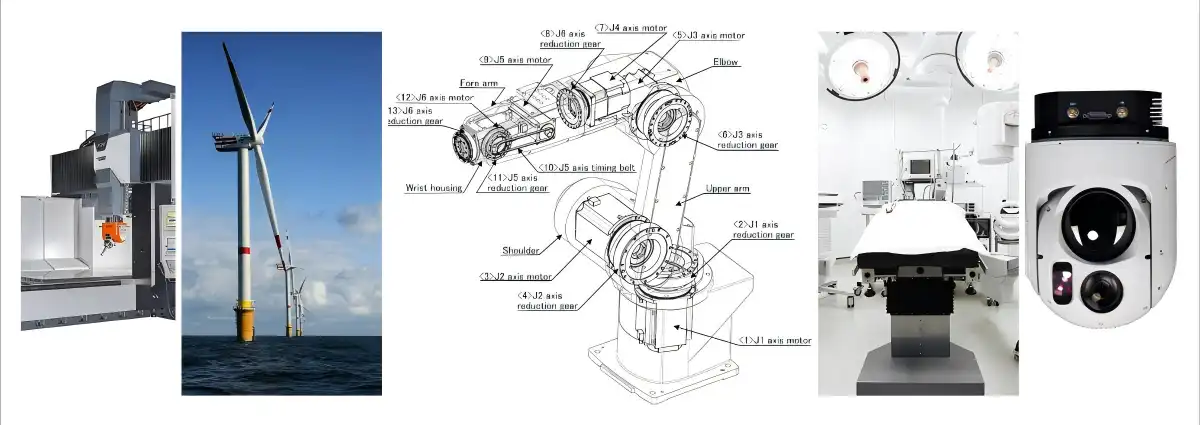
RA cross roller bearings are used in many different types of industries where accuracy and dependability are very important. In robotic joint systems, these bearings make it possible for smooth motion and support the complicated load patterns that come up when moving in more than one direction. Rotary tables in machine centers depend on being very stiff to keep the workpieces in the right place while they are being cut.
These bearings are used in surgical tools and diagnostic equipment in the medical equipment business, where accuracy has a direct effect on how well patients do. IC manufacturing devices use their clean-room-friendly design and high level of accuracy for systems that handle and place semiconductor wafers. Stability is important for measuring tools and coordinate measuring machines to do accurate measurement checking.
RA Cross Roller Bearings vs. Alternative Bearing Types: Making the Right Choice
To choose the best bearing option, you need to carefully think about the performance features, operational needs, and limitations that are unique to the application. When buying workers know how cross roller bearings stack up against other technologies, they can make decisions that are in line with project goals and budget concerns.
Performance Comparison with Conventional Bearing Types
Cross roller types offer better stiffness and moment load capacity than ball bearings, even though ball bearings are cheaper for basic uses. Because ball bearings are point contact, they can't handle combined loading situations very well. Usually, more than one bearing setup is needed to get the same level of performance. This makes the system more difficult to setup, more expensive to maintain, and more complicated overall.
While slewing bearings can handle a lot of moment loads, they usually need a lot more space to be installed and have higher spinning torque properties. Because their envelopes are bigger, they can't be used in small robot designs where saving room and weight are still very important.
Thrust bearings are great for uses with only linear loads, but they can't handle loads that come from different directions, which is necessary for robotic joints. Because they can't handle rotational loads without extra bearing parts, they need to be mounted in more complicated ways, which makes the system more complicated.
High-Precision vs. Standard Variants
When robots are used in difficult situations where accuracy has a direct effect on system performance, the difference between high-precision and normal cross roller bearings becomes clear. High-precision versions go through extra steps during production, such as better surface cleaning, tighter tolerances for dimensions, and special testing methods that make sure the quality stays the same.
Most of the time, these high-quality bearings get accuracy grades of P4 or P3, which means they run more accurately and with less friction. The money spent on high-precision variants comes off in the form of better system performance, longer operational life, and less need for upkeep.
Brand Performance Analysis
Cross roller bearings from top brands like NSK, THK, SKF, KOYO, and NTN are known for being durable. THK focuses on integrating complete linear motion systems, while NSK focuses on modern materials technology and precise manufacturing methods. SKF uses its world service networks and thorough application engineering support to help customers choose the right bearings and get the most out of them.
Each company brings something different to the market. For example, KOYO focuses on car applications, while NTN provides strong manufacturing solutions. Successful bearing purchase results are guaranteed by judging providers based on their technical skills, quality certifications, delivery performance, and dedication to long-term support.
Installation, Maintenance, and Performance Optimization
Getting the most out of cross roller bearings in terms of performance and operating life depends a lot on how they are installed and how they are maintained. To get these fine parts to work the way they're supposed to, they need to be handled carefully and installed in a certain way.
Installation Best Practices and Common Pitfalls
The first step in a proper installation is to thoroughly prepare the fastening surfaces and check that the dimensions are within the acceptable ranges. To make sure that the load is spread evenly across the bearing's contact areas, the mounting surfaces must meet certain standards for flatness and surface finish. Any changes to these specs can cause stress concentrations that hurt the performance and life of the bearing.
When installing bearings, temperature issues are taken into account to avoid heat stress that could change the accuracy and internal gaps of the bearings. Allowing parts to reach temperature balance before tightening them all the way up makes sure they fit right and stops the unit from warping. To get the best loading conditions without putting too much stress on the bearing parts, torque specs must be strictly followed.
RA cross roller bearings the installation process keeps precision surfaces from getting damaged and stops them from wearing out too quickly. Using clean assembly areas, the right handling techniques, and the right tools reduces the chance of adding unwanted particles that could affect the performance of bearings.
Maintenance Strategies for Extended Service Life
Systematic repair plans greatly increase the operating life of bearings while keeping their consistent performance levels. Regular inspections help find wear patterns, deteriorating greasing, and possible failure modes early on, before they affect how the system works.
Managing lubrication is an important part of bearing care. The type of grease used, how much of it there is, and how often it needs to be re-oiled all affect performance and life. For demanding robotic uses, high-quality bearing greases are needed because they can handle more weight, stay stable at high temperatures, and prevent oxidation.
Using vibration analysis, temperature measuring, and sound monitoring as part of condition monitoring can help you learn a lot about the health and performance of bearings. These monitoring tools let you plan ahead for maintenance, which lets you choose the best time to change bearings and cut down on unplanned downtime.
Procurement Guide: How to Buy RA Cross Roller Bearings for Your Industrial Robotics Needs
For bearing buying to go well, technical needs, supplier skills, and business concerns must all be carefully considered. Procurement workers can find the best solutions that meet both technical and business goals by learning about the main factors that affect bearing selection and provider performance.
Technical Specification Requirements
Load capacity estimates are the basis for choosing the right bearings, and they take into account both steady and dynamic loading situations that may happen during operation. To make sure there are enough safety margins and the projected service life, radial, axial, and moment load components must be tested in all possible working situations.
The choice of precision grade depends on how accurate the setting needs to be and how well the system needs to work. For important uses, P4 and P5 grades offer the highest level of accuracy. For less demanding environments, P6 grades offer cost-effective options. Figuring out how each level of accuracy affects performance helps find the best cost-performance mix.
Size compatibility includes both the standards for dimensions and the requirements for the interaction. The inner diameter, outer diameter, and width sizes must match current system designs, and mounting and assembly limitations must be taken into account. For specific uses that need non-standard sizes, custom sizing choices may be offered.
Supplier Evaluation Criteria
A manufacturing capability evaluation makes sure that sources have the technical know-how and production capacity to regularly meet the needs of the project. ISO 9001 and IATF 16949 licenses show that a company has strong quality management systems and the ability to control the production process, which are both necessary for making precision bearings.
When judging delivery performance, both normal wait times and the ability to meet urgent needs for RA Cross Roller Bearing are taken into account. Suppliers with well-established global transport networks and inventory management systems usually offer more reliable shipping of RA Cross Roller Bearing and are better able to adapt to changing demand trends.
It's especially important to have technical support for complicated applications that need engineering help, unique solutions, or application improvement. Throughout the lifecycle of a product, suppliers who offer a wide range of technical tools, application engineering help, and testing services add value.
Commercial Considerations and Procurement Strategies
Different providers have very different pricing systems. Final costs are affected by things like volume promises, contract length, and customization needs. By understanding these factors, you can come up with good bargaining tactics that keep quality standards high while lowering the total cost of ownership.
When you buy in bulk, you can save a lot of money on high-volume applications, and many sellers offer tiered prices based on annual volume commitments. Long-term supply deals might include ways to keep prices stable and make sure that capacity is allocated evenly during times of high demand.
Company Introduction and Product Portfolio
Luoyang Auto Bearing Co., Ltd. (ATLYC) has become a known leader in making precision bearings by mixing 15 years of experience in the field with cutting-edge production tools and an unwavering dedication to quality. From a single workshop in 2010 to a complete six-facility production business shows how we've grown and how the Chinese precision bearing industry has changed over time.
Manufacturing Excellence and Quality Assurance
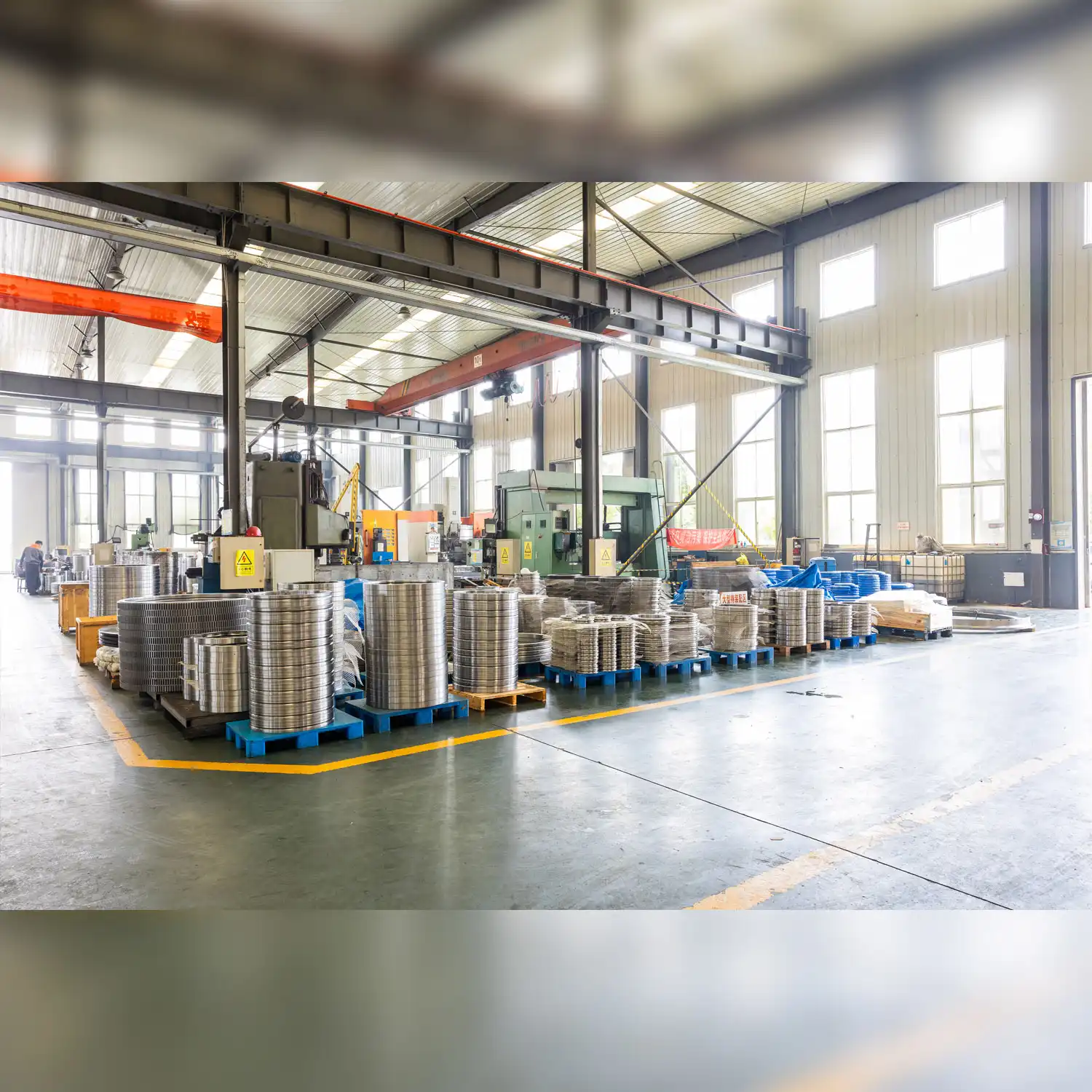
Our manufacturing skills cover the whole process of making bearings, from handling the raw materials to putting them together and checking them. With 120 trained workers committed to production, research and development, quality control, and assembly, we have the knowledge and resources to meet the needs of a wide range of customers in markets around the world.
Our business is based on quality management systems, and our ISO 9001 and IATF 16949 certifications show that we are dedicated to meeting world standards and always getting better. These licenses show that the company has a method for quality control, keeps detailed records, and keeps an eye on performance all the time to make sure that the quality of the products is always good and that customers are happy.
Our dedication to quality is shown by our RA Cross Roller Bearing product line, which can be manufactured with precision to achieve P6 to P4 accuracy grades across size ranges from 20mm to 350mm inner diameter. Gcr15 and Gcr15SiMn steel are examples of materials that offer great longevity and performance, making them perfect for robotic uses that need to be tough.
Global Market Presence and Customer Support
Strategic market growth has made ATLYC a trustworthy business partner for clients in South Korea, the US, Germany, Russia, Iran, and Turkey. Our foreign presence shows that we can meet the needs of a wide range of markets while keeping quality standards and delivery times constant.
Custom manufacturing services, application advice, and full after-sales help are all types of technical support that make sure bearings work well for the whole lifecycle of a product. Our tech team works closely with customers to create unique solutions that meet the needs of specific applications and work within the limits of the business.
Conclusion
High-rigidity RA cross roller bearings are important parts of modern industrial robots because they provide the accuracy, dependability, and performance needed in harsh automation settings. Their unique design architecture lets them carry a lot of weight while still being small, which is important for uses with limited room. The performance, operating efficiency, and total cost of ownership of a system are all affected by how well these precise parts are chosen, installed, and maintained. High-quality cross roller bearings are becoming more and more important for competitive manufacturing and operational success as industrial technology keeps getting better.
FAQ
Why are RA cross roller bearings particularly suited for industrial robotics?
RA cross roller bearings are great for robotics because they can handle loads in more than one way in a single, small block. The arrangement of perpendicular rollers gives the system great rigidity and positioning precision, which are needed for accurate robotic movement. The ultra-thin design makes the best use of space in joint assemblies.
What installation procedures should be followed to prevent bearing failures?
For fitting to go smoothly, the mounting surfaces must be carefully prepared, the temperatures must be balanced, and the pressure values must be strictly followed. Controlling contamination during the installation process keeps precision surfaces from getting damaged, and regular checking of the dimensions makes sure that everything fits right and works at its best.
Are there choices for customization for certain robotic uses?
Customization options are wide-ranging and include changed sizes, special materials, higher precision grades, and design changes that are specific to the purpose. Our tech team works with customers to create custom solutions that meet their specific business needs and performance goals.
Partner with ATLYC for Your RA Cross Roller Bearing Requirements
ATLYC has been making high-quality RA Cross Roller Bearings for 15 years and offers full technical support. They can be used in industrial robotics applications. Our ISO 9001 and IATF 16949-certified facilities make sure that the quality is always the same and that deliveries are always on time, meeting the strict needs of global robotic markets. As your trusted RA Cross Roller Bearing maker, please email our technical team at auto@lyautobearing.com to talk about your unique bearing needs and find out how our precision manufacturing skills can improve the performance of your robotic system.
References
1. Industrial Robotics and Precision Bearing Technology: Engineering Principles for High-Performance Automation Systems, Journal of Manufacturing Engineering, 2023.
2. Cross Roller Bearing Design and Application Guidelines for Industrial Machinery, International Society of Bearing Engineers, 2022.
3. Advanced Materials and Manufacturing Processes for High-Precision Bearing Applications, Materials Science and Engineering Review, 2023.
4. Robotics System Integration and Component Selection Criteria for Manufacturing Applications, Automation Engineering Quarterly, 2022.
5. Quality Management Systems and Certification Requirements for Precision Bearing Manufacturing, International Quality Standards Review, 2023.
6. Global Market Analysis and Technology Trends in Industrial Bearing Applications, Manufacturing Technology Institute Report, 2022.
Learn about our latest products and discounts through SMS or email